Madhab Pukhuri
General information
-
Ideal Duration:
1 to 2 hours (This includes the time spent feeding the turtles, observing the surroundings, and a brief visit to the nearby temple entrance area).Place Type:
Religious/Nature/Cultural Heritage SiteEntry Fees:
Main Entry Fee Status:
Free of Cost: There is no official entry fee to visit the Madhab Pukhuri itself. The pond is a public and sacred place, part of the larger temple complex of Hayagriva Madhava, which also typically does not charge a man...Main Entry Fee Status:
Free of Cost: There is no official entry fee to visit the Madhab Pukhuri itself. The pond is a public and sacred place, part of the larger temple complex of Hayagriva Madhava, which also typically does not charge a mandatory entry fee for access. This reflects the traditional, open-access nature of most places of worship in India. Visitors are welcome to approach the pond, walk the ghats, and observe the turtles without purchasing a ticket.
Donations and Voluntary Contributions: While entry is free, the temple and the pond rely on donations for their maintenance, upkeep, and the ongoing conservation program for the black softshell turtles. You will find donation boxes near the temple gate and sometimes near the pond. A small, voluntary contribution is highly encouraged to support the care of the endangered turtles and the cleanliness of the holy site.
Fees for Turtle Feed and Offerings: The most common form of spending will be on purchasing feed for the turtles and offerings for the temple. Small packets of turtle food and flowers are sold by local vendors around the pond, typically for a very nominal fee (e. g. , Rs.10 to Rs.50 per item). This money supports the local livelihoods and is the customary way to interact with the pond's famous inhabitants. Photography and Videography Fees (Generally Not Applicable): There are no separate official fees for photography or videography outside the main temple sanctum. You are generally free to take pictures around the pond area. However, always be respectful and ask permission if you are taking close-up photos of local people or vendors. Be aware that the main temple on the hill might have restrictions on photography inside the inner sanctum (Garbhagriha).Timing:
Regular Timings: Sunrise to Sunset (Approx. 6:00 AM to 9:00 PM) The Madhab Pukhuri is essentially an open area located at the foot of the Hayagriva Madhava Temple. While the main temple has specific opening hours (often 6:00 AM to 9:00 PM), the pond area itself is largely ...Regular Timings: Sunrise to Sunset (Approx. 6:00 AM to 9:00 PM) The Madhab Pukhuri is essentially an open area located at the foot of the Hayagriva Madhava Temple. While the main temple has specific opening hours (often 6:00 AM to 9:00 PM), the pond area itself is largely accessible from early morning until late evening. It's best to align your visit with the temple's hours, as this is when the area is most lively and local vendors are present.
Ideal Visit Time: Early Morning (6:00 AM to 9:00 AM) The best time to visit is the early morning. The air is cool and fresh, the crowd is minimal, allowing for peaceful contemplation and better observation of the turtles. Crucially, the light is soft, providing the perfect conditions for capturing the stunning reflection of the temple on the pond's surface. This is also when the area feels most spiritual and less like a busy tourist spot.
Ideal Visit Time: Late Afternoon (4:00 PM to 6:00 PM) The late afternoon is the second-best time. The heat of the day has passed, and the soft, Golden Hour sunlight creates a beautiful, warm glow on the temple structure, which is then reflected in the water. The pond area starts to become a lively spot again as locals come for their evening prayers and market activity picks up. This time is great for observing cultural activity and capturing beautiful sunset colors.
Time to Avoid: Midday (11:00 AM to 3:00 PM) It is generally recommended to avoid the midday hours (11:00 AM to 3:00 PM), especially during the hot summer and humid monsoon months. The sun is harsh, the heat can be intense, and the quality of light for photography is poor. The pond and its surroundings will also be at their busiest and loudest with pilgrims and tourists, which detracts from the serene experience.Special Events:
Doul Utsav (Holi) Celebrations: The most significant festival associated with the nearby Hayagriva Madhava Temple, and therefore the pond, is the Doul Utsav (the Assamese version of Holi). This festival, typically in February or March, is a grand occasion. For the pond, th...Doul Utsav (Holi) Celebrations: The most significant festival associated with the nearby Hayagriva Madhava Temple, and therefore the pond, is the Doul Utsav (the Assamese version of Holi). This festival, typically in February or March, is a grand occasion. For the pond, the pre-celebration rituals and processions often begin or pass by the water body. The area is decorated, and the energy is infectious. The festival centers on the movement of the idol of Lord Hayagriva Madhava from the main sanctum, and the pond area becomes a focal point for gathering devotees and viewing the colorful events.
Janmashtami (Lord Krishna's Birthday): This festival, usually in August or September, celebrates the birth of Lord Vishnu's incarnation, Krishna. Since Hayagriva Madhava is a form of Vishnu, Janmashtami is celebrated with great fervor. The Madhab Pukhuri is decorated with lights, and special prayers are held on the banks. The atmosphere is devotional, with bhajans (devotional songs) and kirtans (group chanting) echoing around the water, creating a mesmerizing scene, particularly in the evening.
Conservation Awareness Days: Though not a traditional religious festival, local conservation groups and the temple trust often organize awareness days or campaigns around the pond, especially related to the black softshell turtles. These events, often held between October and March, involve cleaning the pond, educating the public about the turtles, and sometimes a symbolic release of captive-bred hatchlings. Tourists visiting during this time get a unique insight into the modern-day conservation efforts.Best Photo Spots:
The Temple Reflection Viewpoint: The absolute best spot is the opposite bank of the pond from where the main stairs of the temple begin. This position allows you to compose a shot where the entire pond's surface acts as a mirror, perfectly reflecting the silhouette of the H...The Temple Reflection Viewpoint: The absolute best spot is the opposite bank of the pond from where the main stairs of the temple begin. This position allows you to compose a shot where the entire pond's surface acts as a mirror, perfectly reflecting the silhouette of the Hayagriva Madhava Temple and the gentle slope of the Monikut Hill. The best time for this shot is just after sunrise or just before sunset (Golden Hour) when the light is soft, and the reflection is sharpest.
Turtle Feeding Close-Up Spot: Stand at the steps of the main ghat, which is usually the busiest area. As you drop food, the turtles congregate, offering a fantastic opportunity for close-up shots of their unique, soft shells and ancient faces. For a better depth of field, use a lower angle to capture the water, the turtles, and the temple steps in the background. This spot captures the pond's hidden gem aspect.
The Pukhuri-Side Market Scene: The area immediately surrounding the pond is a vibrant hub of local life, with flower and offering stalls. This spot offers an excellent chance for candid street photography or cultural landscape shots. Focus on the colorful baskets of flowers, the focused faces of the vendors, and the movement of the pilgrims against the backdrop of the holy pond. This captures the true local essence of the place.
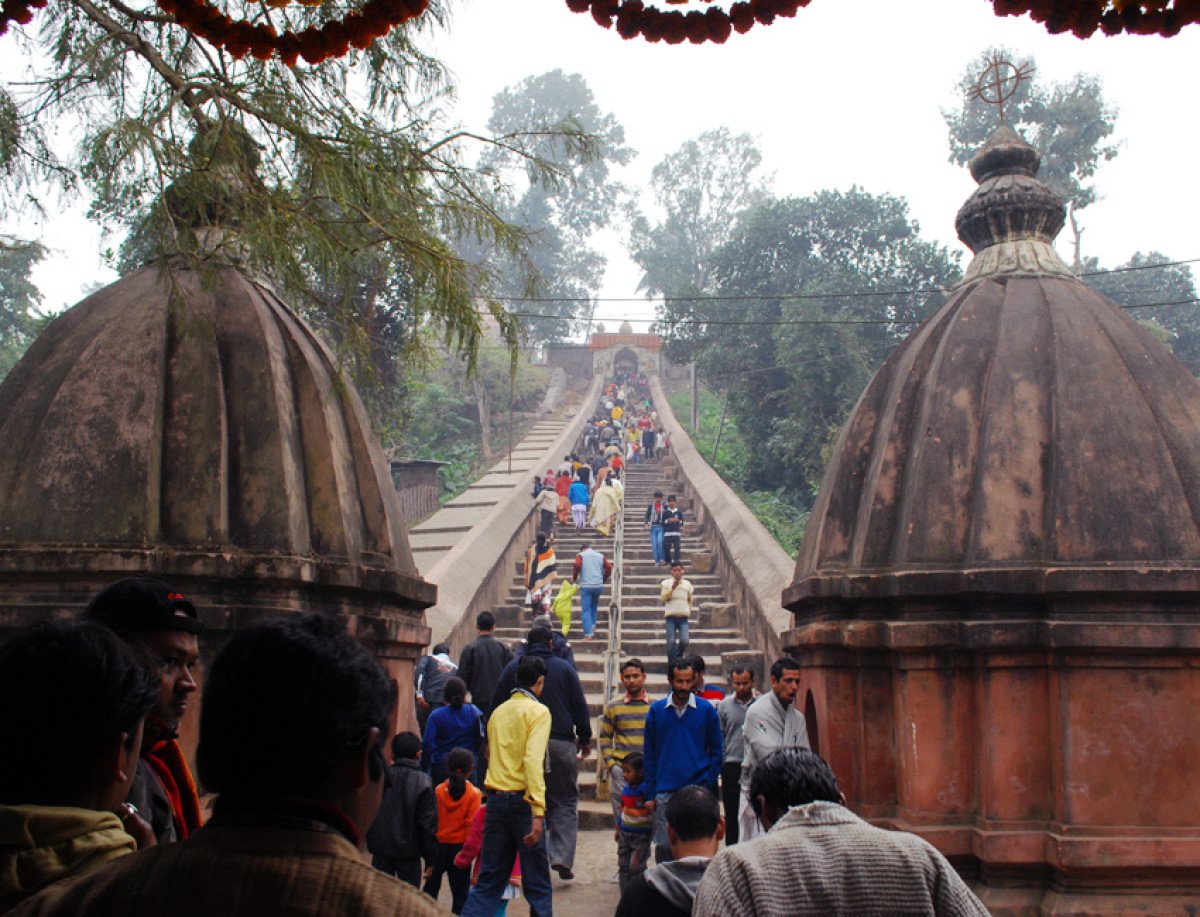
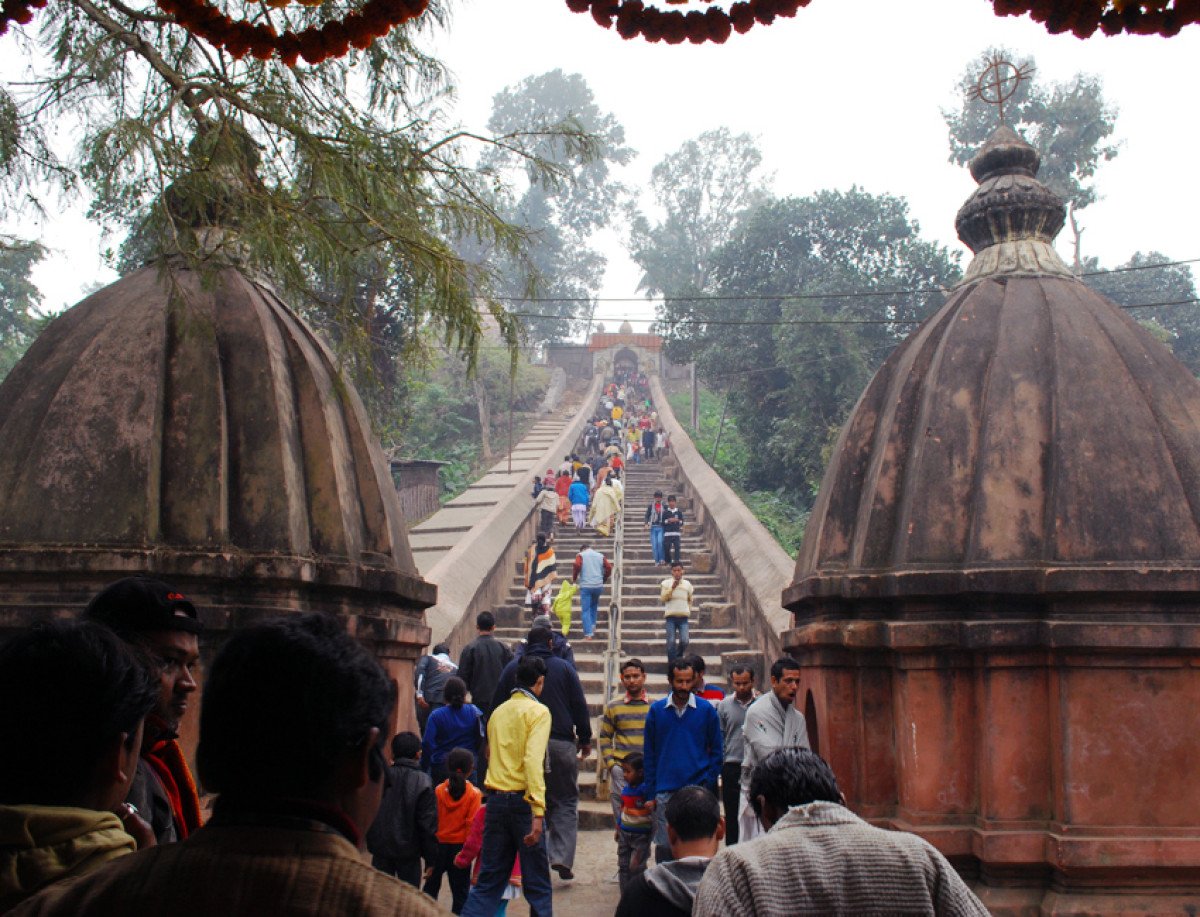
The Stairway Arch View: Stand at the very bottom of the long stone staircase that leads up to the temple from the pond's edge. From here, you can frame the pond and the surrounding area through the slight arch of the gate or the railing. This provides a sense of depth and perspective, contrasting the tranquility of the water with the climb to the divine, offering a visually dynamic composition. The steps themselves, often lined with people, add a strong leading line to the frame.Photo Gallery
Things To Do
-
Feed the Sacred Black Softshell Turtles: This is the most iconic activity at Madhab Pukhuri. You can purchase local puffed rice, small biscuits, or prepared feed from the vendors near the pond. As you throw the food into the water, dozens of large, ancient-looking black softshell turtles will swim towards the bank. The feeling of interacting with such a rare and ancient species is truly special. Remember to feed them in moderation and only with approved food items to help maintain their health and the pond's ecosystem.
Watch for the Largest Turtles: Take some time to observe the pond quietly. Some of the turtles are enormous and have been living there for decades, possibly even a century. Try to spot the largest individuals, often recognizable by their size and lighter shell color due to age. This is a subtle, rewarding fo...Feed the Sacred Black Softshell Turtles: This is the most iconic activity at Madhab Pukhuri. You can purchase local puffed rice, small biscuits, or prepared feed from the vendors near the pond. As you throw the food into the water, dozens of large, ancient-looking black softshell turtles will swim towards the bank. The feeling of interacting with such a rare and ancient species is truly special. Remember to feed them in moderation and only with approved food items to help maintain their health and the pond's ecosystem.
Watch for the Largest Turtles: Take some time to observe the pond quietly. Some of the turtles are enormous and have been living there for decades, possibly even a century. Try to spot the largest individuals, often recognizable by their size and lighter shell color due to age. This is a subtle, rewarding form of natural history observation.
Photography of the Temple Reflection: The pond offers the absolute best photo spot for capturing the reflection of the Hayagriva Madhava Temple on Monikut Hill. Position yourself on the opposite bank from the main temple entrance during the early morning or late afternoon when the water is still and the light is soft. The reflection of the pyramid-shaped roof is stunning. .
Take a Stroll Along the Ghats: Walk around the perimeter of the pond, using the stone ghats or walkways. This peaceful stroll allows you to appreciate the scale of the water body and the bustling life around the temple complex. It's a great way to observe the local community, from vendors setting up their stalls to pilgrims performing simple rites at the water's edge.
Shop for Local Temple Offerings: Before climbing the hill, browse the small stalls lining the path near the pond. They sell traditional Assamese offerings, including flowers, incense (dhup), lamps, and religious trinkets. Buying from these local, family-run stalls supports the community and enriches your spiritual experience by allowing you to participate fully in the pilgrimage tradition.
Enjoy a Local Snack and Tea: The area surrounding the pond is often dotted with small tea stalls and vendors selling local snacks. Take a break and enjoy a cup of traditional Assamese tea (saah) or a quick bite of local street food like samosas or pithas (sweet rice cakes). This simple, authentic experience provides a wonderful taste of local culture and hospitality.
Meditate or Contemplate: Find a quiet spot on one of the stone steps of the ghats and spend some time in quiet reflection. The pond's serene atmosphere, despite the nearby activity, is conducive to meditation. The sight of the large, placid turtles can be very calming, reminding visitors of the slowness and endurance of nature.
Visit the Temple Entrance and Climb the Stairs: Although the pond is the subject here, a visit is incomplete without a look at the temple entrance. From the pond, you can see the long flight of stairs that ascends Monikut Hill. Even if you don't climb all the way, walking a few steps up the path gives you a higher vantage point to look back at the pond and the surrounding town of Hajo.
Engage with Locals about the Turtles: If you are interested in the conservation aspect, try to gently engage with local priests or vendors about the turtles. They often have fascinating stories and deep-rooted traditional knowledge about the pond's history and the creatures that inhabit it, providing an oral history that guides or books cannot offer.
Witness the Rituals: Observe the devotional rituals performed by other pilgrims at the pond's edge, such as lighting small lamps (diyas) or sprinkling holy water. This is an opportunity to respectfully witness the local faith in action, a rich cultural experience that emphasizes the pond’s role as a sacred pushkar (tank).
Information
-
Why Famous:
Home to the Critically Endangered Black Softshell Turtle: The primary reason for the pond's fame today is its status as one of the last strongholds for the black softshell turtle (Nilssonia nigricans). These majestic and ancient creatures, once thought extinct in the wild, have found a protected sa...Home to the Critically Endangered Black Softshell Turtle: The primary reason for the pond's fame today is its status as one of the last strongholds for the black softshell turtle (Nilssonia nigricans). These majestic and ancient creatures, once thought extinct in the wild, have found a protected sanctuary here. Visitors are fascinated by the sight of dozens of these large turtles swimming up to the banks to be fed. This unique natural feature has given the pond international recognition in conservation circles.
Integral Part of a Major Hindu-Buddhist Shrine: The pond is an essential component of the Hayagriva Madhava Temple complex, which is a renowned pilgrimage site revered by both Hindus and Buddhists (Bhutanese Lamas often visit). The pond itself is believed to possess the holy water known as Vishnu Pushkar, a sacred tank. This dual religious significance elevates the pond's status beyond a mere water body to a holy site.
Photographic Beauty and Serene Setting: The picturesque setting of the wide pond against the backdrop of the tiered temple architecture atop Monikut Hill makes it an extremely popular spot for photography. The calm, reflective surface of the water, especially during sunrise or sunset, captures the beautiful light and the temple's structure perfectly, creating stunning visual memories. This natural beauty, coupled with the slow, ancient movements of the turtles, makes it a tranquil escape.
Cultural and Social Hub: The immediate area around Madhab Pukhuri acts as a vital social and economic hub for Hajo. Local vendors sell offerings, flowers, and turtle feed, showcasing the simple, devout, and entrepreneurial spirit of the local community. It’s a place where pilgrims gather, rest, and prepare for their visit to the temple, making it a living tapestry of local life and faith. -
Architecture:
Pond Shape and Structure: The Madhab Pukhuri is not an architectural structure in the traditional sense, but a large, man-made or significantly modified water body associated with the temple's architecture. It is generally square or rectangular in shape, a design common in ...Pond Shape and Structure: The Madhab Pukhuri is not an architectural structure in the traditional sense, but a large, man-made or significantly modified water body associated with the temple's architecture. It is generally square or rectangular in shape, a design common in temple tanks across India, intended for ritual bathing and water storage. Its banks are typically constructed with stone or concrete steps (ghats) leading down to the water, allowing devotees to easily perform ablutions or offer prayers. The overall dimension of the pond is large, covering a significant area at the base of the Monikut Hill, though exact, standardized measurements are not publicly available. It is deep enough to sustain its unique aquatic life, including the large softshell turtles.
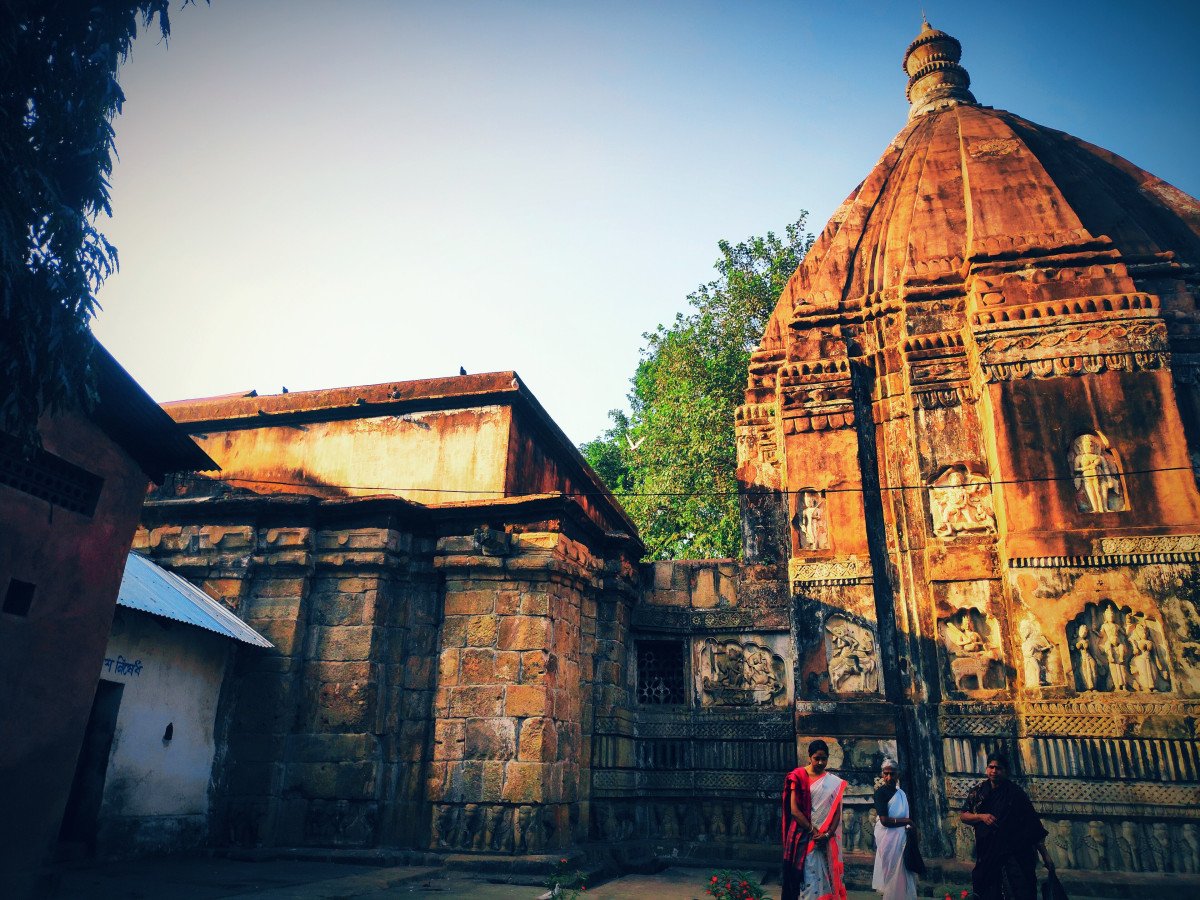
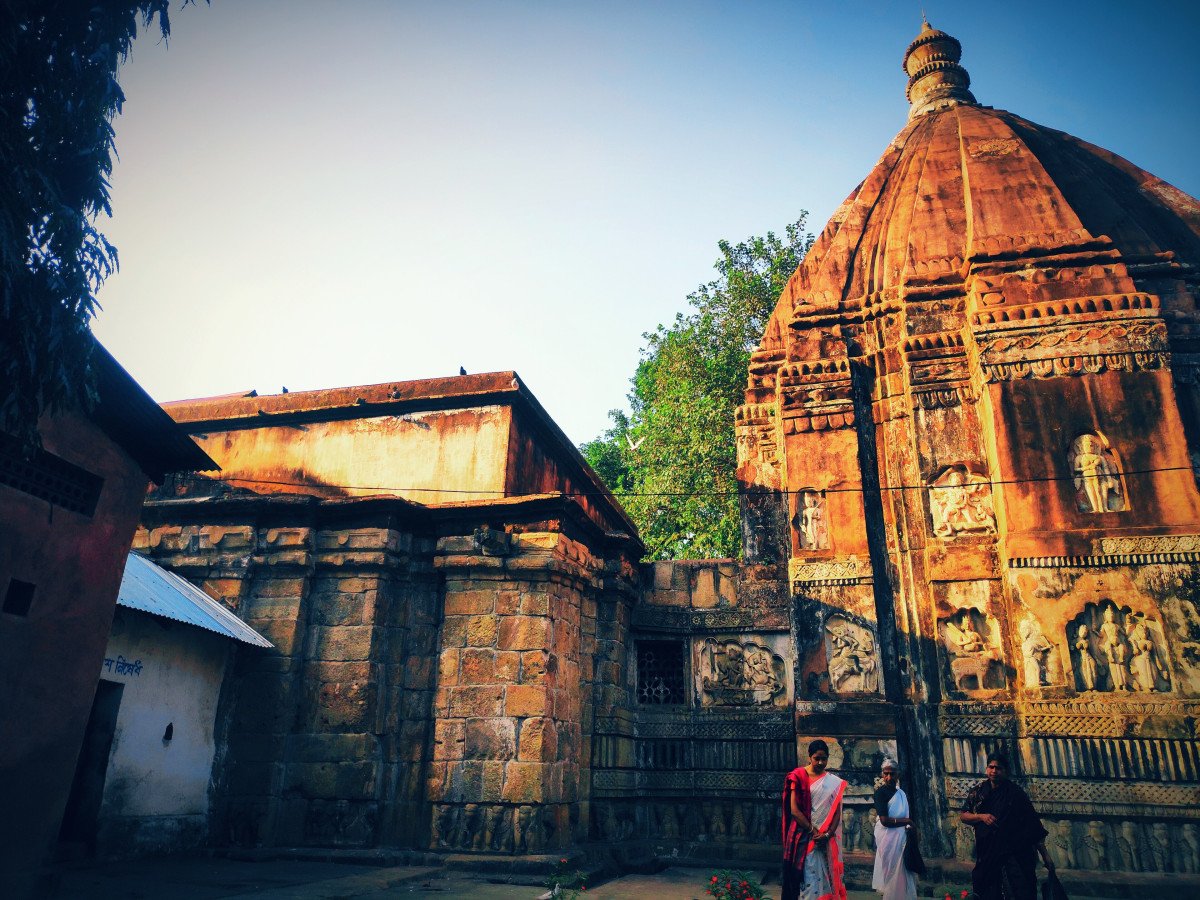
Integration with the Temple Complex: The pond's placement is deliberate and strategic, serving as the first point of purity for pilgrims before they ascend to the Hayagriva Madhava Temple. This design reflects ancient Hindu town planning, where water bodies were essential for temple complexes. The pond acts as a visual anchor and a natural mirror for the hill and the temple’s unique pyramidal roof (a hallmark of Ahom and Koch architecture). The aesthetic is one of serene power, with the vast body of water at the foot of the hill symbolizing the depth of devotion. The surroundings of the pond include the main entrance gate to the temple complex, which is a mix of traditional and later architectural additions, often featuring colorful paintwork and simple stone carvings. The pond walls and the surrounding area are a testimony to the ongoing maintenance and additions made by various patrons over centuries. -
How To Reach:
From Place Name:
Hajo (Town, Assam, India) By Air:
Via Guwahati's International Airport: The nearest major airport is Lokpriya Gopinath Bordoloi International Airport (GAU) in Guwahati, which is approximately ...From Place Name:
Hajo (Town, Assam, India) By Air:
Via Guwahati's International Airport: The nearest major airport is Lokpriya Gopinath Bordoloi International Airport (GAU) in Guwahati, which is approximately 35 to 40 KMS away from Hajo. This airport is well-connected with regular domestic flights from major Indian cities like New Delhi, Mumbai, Kolkata, Bengaluru, and Chennai. There are also a few international routes. Upon arrival at GAU, you can hire a pre-paid taxi or a radio cab directly to Madhab Pukhuri in Hajo. The journey takes about 1 to 1. 5 hours, depending on traffic, and will take you via NH 17 and local roads.
By Train:
Via Guwahati Railway Station: The most convenient railway station is Guwahati Railway Station (GHY), which is a major rail hub in Northeast India. It has excellent connectivity with all parts of the country through long-distance trains like the Rajdhani Express and various Mail/Express services from cities such as Delhi, Kolkata, and Mumbai. The station is about 30 to 35 KMS from Hajo. From the railway station, you can easily hire a local taxi, a private cab, or an auto-rickshaw to take you to the Madhab Pukhuri. Another option is Kamakhya Railway Station (KYQ), which is slightly closer, about 25 to 30 KMS away, and also handles a good number of express trains.
By Road:
National Highways Connectivity: Hajo is very well-connected by road, lying about 25 KMS north-west of Guwahati city center. The journey from Guwahati takes about an hour. You can take NH 27 and then NH 427 or local district roads. Regular state-run buses (ASTC) and private minibuses run between Guwahati and Hajo, providing a very cost-effective way to travel. For greater comfort and flexibility, it is recommended to hire a private taxi or a car rental for a day trip from Guwahati. The road journey is scenic, passing through the green countryside of Assam.
By Local Transport:
Auto-rickshaws and Cycle-rickshaws: Once you reach Hajo town, which is relatively small, the Madhab Pukhuri (located at the foot of Monikut Hill) is easily accessible. You can use auto-rickshaws (three-wheelers) for short distances within Hajo. They are readily available near the main bus stand and the market area. For a very local experience, you can hire a cycle-rickshaw, which is a slower but more charming way to cover the final distance to the pond and the temple complex. Since the pond is a major landmark, almost all local transport drivers will know the location. -
Weather and Best Time to Visit:
Best Season:
Winter (October to March): The period from October to March is undoubtedly the best time to visit Madhab Pukhuri and Hajo in general.
Weather...Best Season:
Winter (October to March): The period from October to March is undoubtedly the best time to visit Madhab Pukhuri and Hajo in general.
Weather Conditions: The weather during these months is mild, pleasant, and dry, with daytime temperatures ranging from 10°C to 25°C. The clear skies and cool breeze make the experience of walking around the pond and climbing the temple stairs very comfortable.
Festival Highlights: This season also coincides with major festivals like Doul Utsav (Holi) in February/ March, and this period offers the best chance for bird-watching in the nearby wetlands.
Shoulder Season:
Monsoon (June to September): The monsoon season brings heavy rainfall and high humidity to Assam.
Weather Conditions: While the surrounding landscape is lush and green, the frequent, intense rains can disrupt travel plans, and the steps around the pond can become slippery.
Turtle Activity: However, the rain often revitalizes the pond, and the turtles are very active. If you don't mind the rain, this season offers a less crowded, intensely green experience.
Worst Season:
Summer (April to May): The summer months are characterized by very high temperatures and oppressive humidity.
Weather Conditions: Daytime temperatures can soar above 35°C. It is not a comfortable time for sightseeing, especially around midday.
Travel Tip: If visiting in summer, strictly adhere to the early morning or late afternoon timings to avoid heat exhaustion.
Best Part of the Day:
Golden Hour: As detailed in the timing section, the Golden Hour—the time just after sunrise (6:00 AM to 9:00 AM) and just before sunset (4:00 PM to 6:00 PM) is the most ideal. The light is perfect for photography, the temperatures are comfortable, and the spiritual ambiance is at its peak. The pond is quiet, and the experience is peaceful and memorable. -
Near Tourist Places:
1.
Hayagriva Madhava Temple: (Adjacent, on the same hill). 2.
Poa Mecca: (Approx. 1. 5 KMS - A revered Muslim shrine on another hill). 3.
Kedareswara Temple: (Approx. 2 KMS - Ancient Shiva temple on Madanachala Hill). 4.
Ganesh Temple (Deva Bhavana): (Approx. 2. 5 KMS - Located near the Kedareswara Temple). 5.
Dhoparguri Satra: (Approx. 4 KMS - A significant Vaishnavite monastery). 6.
Joy Durga Temple: (Approx. 2. 5 KMS - A temple dedicated to Goddess Durga). 7.
Sualkuchi (Silk Village): (Approx. 10 KMS - Famous for its Muga and Pat silk weaving). 8.
Madan Kamdev Archaeological Site: (Approx. 12 KMS - Ruins of a medieval temple complex). 9.
Dipor Bil (Deepor Beel) Wildlife Sanctuary: (Approx. 30 KMS - A large freshwater lake and bird sanctuary near Guwahati). 10.
Kamakhya Temple, Guwahati: (Approx. 35-40 KMS - One of the major Shakti Peethas of India).
Tourism Tips
-
Health & Safety:
Watch Your Step and Stay Hydrated: Be cautious while walking on the stone steps (ghats) around the Madhab Pukhuri, as they can be slippery, especially during or after rainfall. Wear comfortable, non-slip footwear. Given the...Health & Safety:
Watch Your Step and Stay Hydrated: Be cautious while walking on the stone steps (ghats) around the Madhab Pukhuri, as they can be slippery, especially during or after rainfall. Wear comfortable, non-slip footwear. Given the often high humidity of Assam, always carry a water bottle to stay hydrated, even in winter. Use a good quality insect repellent, especially if visiting during the monsoon or early morning/evening, to protect against mosquitoes. If you plan to visit the main temple, be prepared to climb over 80-100 stairs on the hill, and take breaks if needed.
Packing Essentials:
Modesty and Comfort: Since the pond is part of a sacred temple complex, it is essential to dress modestly. For both men and women, clothing that covers the shoulders and knees is highly recommended as a sign of respect. Carry a good camera or a phone with a wide-angle lens to capture the panoramic view of the temple reflected in the pond. Don't forget a small bag of coins or low-value notes for buying turtle feed and making small offerings.
Accommodation:
Base in Guwahati: Hajo itself is a small pilgrimage town with very limited or basic accommodation options. The best place to stay is in the nearby metropolitan city of Guwahati (30-40 KMS away), which offers a wide range of hotels, from budget guesthouses to luxury resorts. Staying in Guwahati gives you better access to modern amenities, transportation, and other major tourist attractions in Assam and Meghalaya. You can easily plan a day trip to Hajo from Guwahati.
Other Different Topics:
Turtle Etiquette and Respectful Conduct: When feeding the turtles, avoid throwing plastic bags or any non-food items into the water. Only feed them approved food to safeguard the environment and their health—they are critically endangered. Be respectful of the religious sentiments of the pilgrims; avoid loud conversations or disruptive behavior, especially during prayer times. It is advisable to hire a local guide from Guwahati or Hajo who can offer deeper insights into the pond's history, the temple's legends, and the significance of the turtle conservation efforts, enriching your overall visit. Also, be prepared for local traffic and allow extra time for travel, particularly around Guwahati.
Reviews
FAQs
Hajo Itineray And Cost:-
Information about New and Updated Locations() of Assam Has Been Added :-
Card subtitle
Note:-
Information provided here in good Faith and for reference only.
All information and pictures will be updated soon, please keep visiting.
Near Places
Alaboi Hills
Some quick example text to build on the card title and make up the bulk of the card's content.
Go somewhere
Bell Metal Industry Workshop
Some quick example text to build on the card title and make up the bulk of the card's content.
Go somewhere
Dampur Pahar View
Some quick example text to build on the card title and make up the bulk of the card's content.
Go somewhere
Deva Bhavana
Some quick example text to build on the card title and make up the bulk of the card's content.
Go somewhere
Dhoparguri Satra
Some quick example text to build on the card title and make up the bulk of the card's content.
Go somewhere
Dimu
Some quick example text to build on the card title and make up the bulk of the card's content.
Go somewhere
Ganesh Bigrah Temple
Some quick example text to build on the card title and make up the bulk of the card's content.
Go somewhere
Hayagriva Madhava Temple
Some quick example text to build on the card title and make up the bulk of the card's content.
Go somewhere
Joy Durga Temple
Some quick example text to build on the card title and make up the bulk of the card's content.
Go somewhere
Kalitakuchi
Some quick example text to build on the card title and make up the bulk of the card's content.
Go somewherein Other Cities