Hayagriva Madhava Temple
General information
-
Ideal Duration:
1-2 hoursPlace Type:
Religious/Spiritual, Heritage, Archaeological, ArcEntry Fees:
General Entry and Admission Policy: The Hayagriva Madhava Temple, being a publicly accessible and actively worshipped Hindu shrine, does not charge any mandatory entry fee for general admission to the complex. This policy ensures that the site remains open and accessible to...General Entry and Admission Policy: The Hayagriva Madhava Temple, being a publicly accessible and actively worshipped Hindu shrine, does not charge any mandatory entry fee for general admission to the complex. This policy ensures that the site remains open and accessible to all devotees and tourists, regardless of their background or economic status. The freedom of entry is a common practice for many ancient temples in India and is a reflection of the inclusive spirit of the religious institutions.
Donations and Offerings: While no formal entry ticket is required, the temple relies on voluntary donations (bhakti or dakshina) from pilgrims for its maintenance, rituals, and charitable activities. You may find donation boxes within the temple premises, or priests may approach you. It is entirely up to the visitor's discretion to offer a donation, and the amount is not fixed. Be mindful of managing expectations regarding the priests and be firm but polite if you choose not to contribute.
Photography and Other Fees: There is generally no fee for carrying still cameras or for photography in the exterior areas of the temple complex and the surroundings like Madhab Pukhuri. However, photography is often strictly prohibited inside the main garbhagriha (sanctum sanctorum) out of respect for the deity and to manage crowds. Ensure you respect all signage or requests from temple authorities regarding photography restrictions. Any fees for special services, such as a dedicated puja (worship ceremony) performed on your behalf by a priest, will be discussed and negotiated separately and do not constitute a general "entry fee.
" Parking and Incidental Charges: While the main entry is free, you may incur a small, nominal fee for parking if you arrive by private vehicle or taxi at the base of the hill. These charges are usually levied by local bodies or designated parking attendants to manage the area and are minimal. Budget around Rs.20 to Rs.50 for car parking. There may also be a smallTiming:
Regular Operating Hours: The temple generally opens very early in the morning, around 6:00 AM, and remains open until late evening, typically closing around 9:00 PM. This long operating window allows devotees and visitors ample time to perform darshan and explore the comple...Regular Operating Hours: The temple generally opens very early in the morning, around 6:00 AM, and remains open until late evening, typically closing around 9:00 PM. This long operating window allows devotees and visitors ample time to perform darshan and explore the complex. The timing ensures that visitors can witness the morning rituals (Mangala Aarti) and the evening closing rituals (Shayana Aarti). It is advisable to confirm the exact timings locally, as they may be slightly adjusted for specific festivals or seasonal changes.
Ideal Visit Time (Crowd and Climate): The ideal time to visit for a peaceful and pleasant experience is either in the early morning (6:00 AM to 9:00 AM) or the late afternoon/evening (4:00 PM to 7:00 PM). The early morning slot is perfect for avoiding the midday heat and the peak crowd, offering a serene atmosphere for spiritual contemplation and photography. The late afternoon allows you to catch the beautiful sunset over the Hajo plains and witness the evening Aarti rituals.
Timing Around Rituals and Festivals: To experience the temple's spiritual heart, time your visit to coincide with the major daily rituals. The morning Mangala Aarti is a beautiful and spiritual event. Similarly, visiting during the major annual festivals, such as Doul Utsav (Holi, February/March) or Janmashtami (August/September), offers a vibrant, once-a-year cultural experience, though you should expect significantly larger crowds during these periods.
Avoid Midday Visit: The hours between 11:00 AM and 3:00 PM are generally the least ideal for a visit, especially during the summer and humid months, as the heat can be intense. The stone steps and ground will be hot, and the sun can make the climb uncomfortable. If you must visit during midday, ensure you are wearing light clothing, a hat, and carrying plenty of water.Special Events:
The Annual Doul Utsav (Holi Festival): The most significant and vibrant special event celebrated at the Hayagriva Madhava Temple is the Doul Utsav, which is the local Assamese equivalent of the Holi festival of colors. This festival is celebrated with great grandeur and rel...The Annual Doul Utsav (Holi Festival): The most significant and vibrant special event celebrated at the Hayagriva Madhava Temple is the Doul Utsav, which is the local Assamese equivalent of the Holi festival of colors. This festival is celebrated with great grandeur and religious fervor over several days, typically falling in the Assamese month of Phagun (late February to early March). The main deity, Hayagriva Madhava, is taken out in a ceremonial procession, or yatra, on a beautifully decorated palanquin (doul), which is central to the celebrations. This procession involves traditional music, singing (bhajans), and dancing, attracting thousands of devotees and tourists from across the region.
Bihu Celebrations: The three types of Bihu—Bhogali Bihu (mid-January), Rongali Bihu (mid-April), and Kongali Bihu (mid-October)—are celebrated with traditional Assamese enthusiasm, though the Rongali Bihu (Assamese New Year) in April is particularly festive. The temple complex becomes a focal point for cultural expression. Local people gather to perform traditional Assamese folk dances, especially the Bihu dance, and offer special prayers for a prosperous new year. The celebrations showcase the local culture and religious traditions beautifully.
Janmashtami: Dedicated to the birth of Lord Krishna (who is an incarnation of Lord Vishnu), Janmashtami in August or September is another major festival. Since the temple is a Vishnu shrine, this day is marked by special midnight pujas, fasting, and devotional singing. The entire temple is decorated with lights and flowers, creating a truly spectacular and pious atmosphere, offering devotees a powerful and moving spiritual experience.Best Photo Spots:
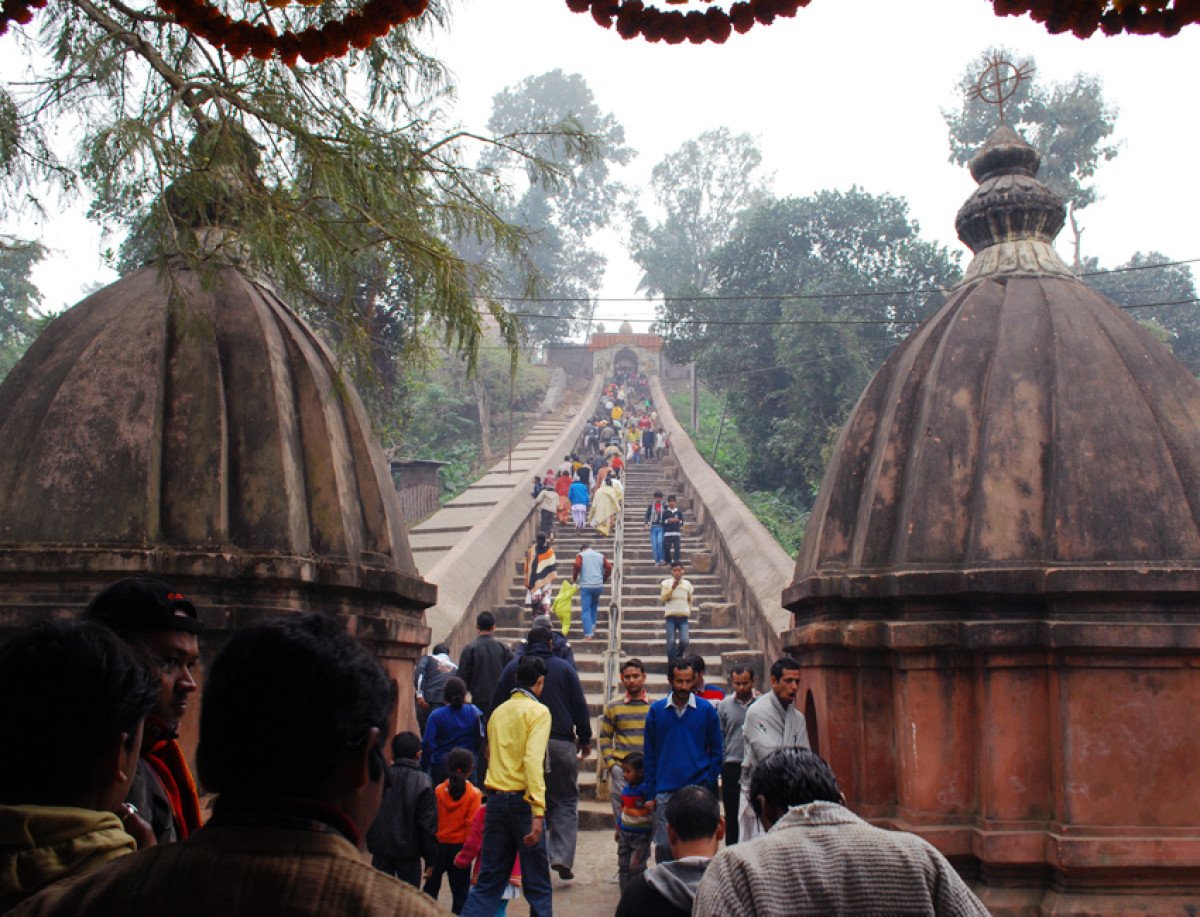
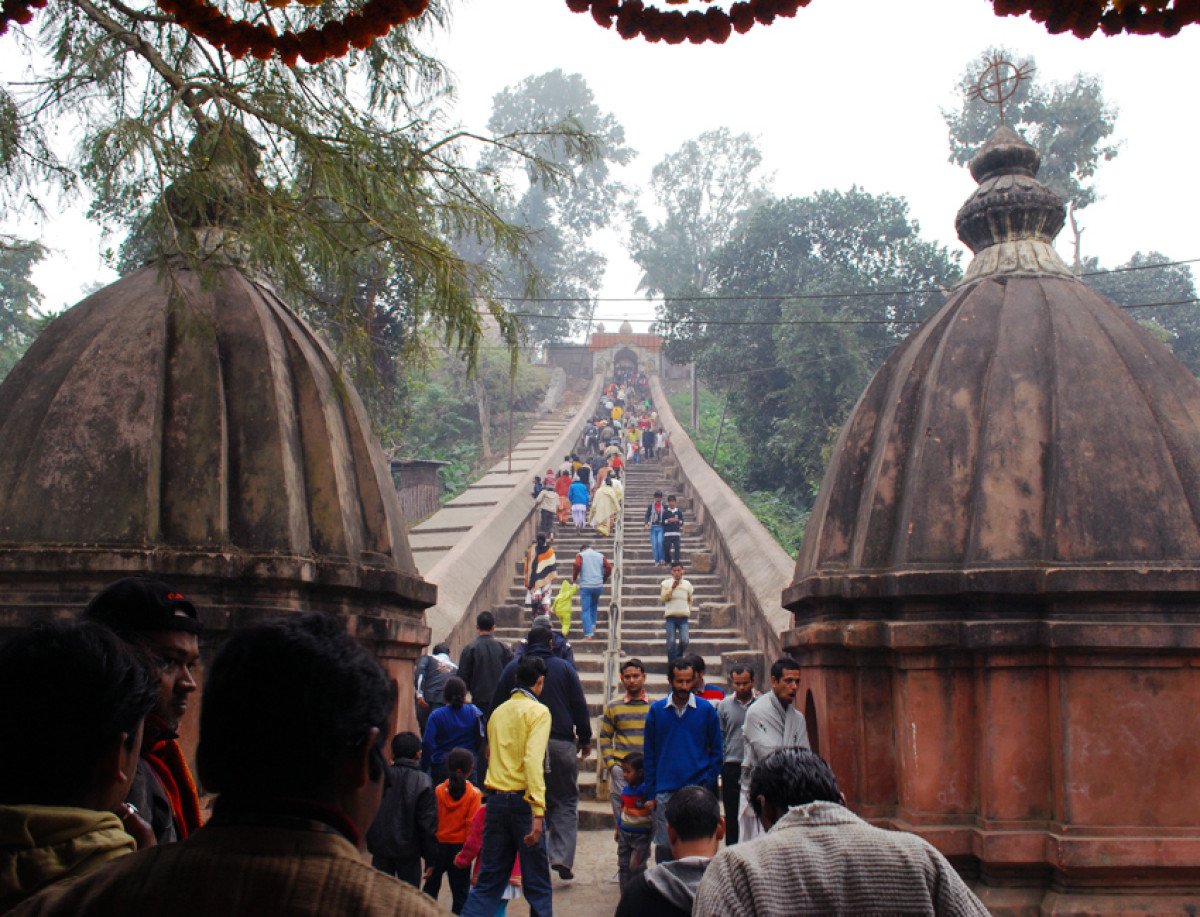
The Iconic Stone Steps and Entrance: The long, ancient flight of stone steps leading up the Manikut Hill to the main temple offers a classic and evocative photo opportunity. Capture the steps from the bottom looking up, showcasing the scale of the climb and the foliage lini...The Iconic Stone Steps and Entrance: The long, ancient flight of stone steps leading up the Manikut Hill to the main temple offers a classic and evocative photo opportunity. Capture the steps from the bottom looking up, showcasing the scale of the climb and the foliage lining the path. Alternatively, a shot from the top looking down can capture the surrounding landscape and the journey's end. This spot perfectly symbolizes the pilgrimage aspect of the visit.
Madhab Pukhuri and the Sacred Turtles: The large, picturesque pond at the base of the hill, Madhab Pukhuri, is a tranquil and unique photo location. Frame the reflection of the surrounding trees and the sky in the water. The most unique shots involve the sacred, large freshwater turtles. Wait for the turtles to surface or bask and capture them in their natural, ancient habitat—this provides a visually distinct image that is immediately recognizable as Hajo.
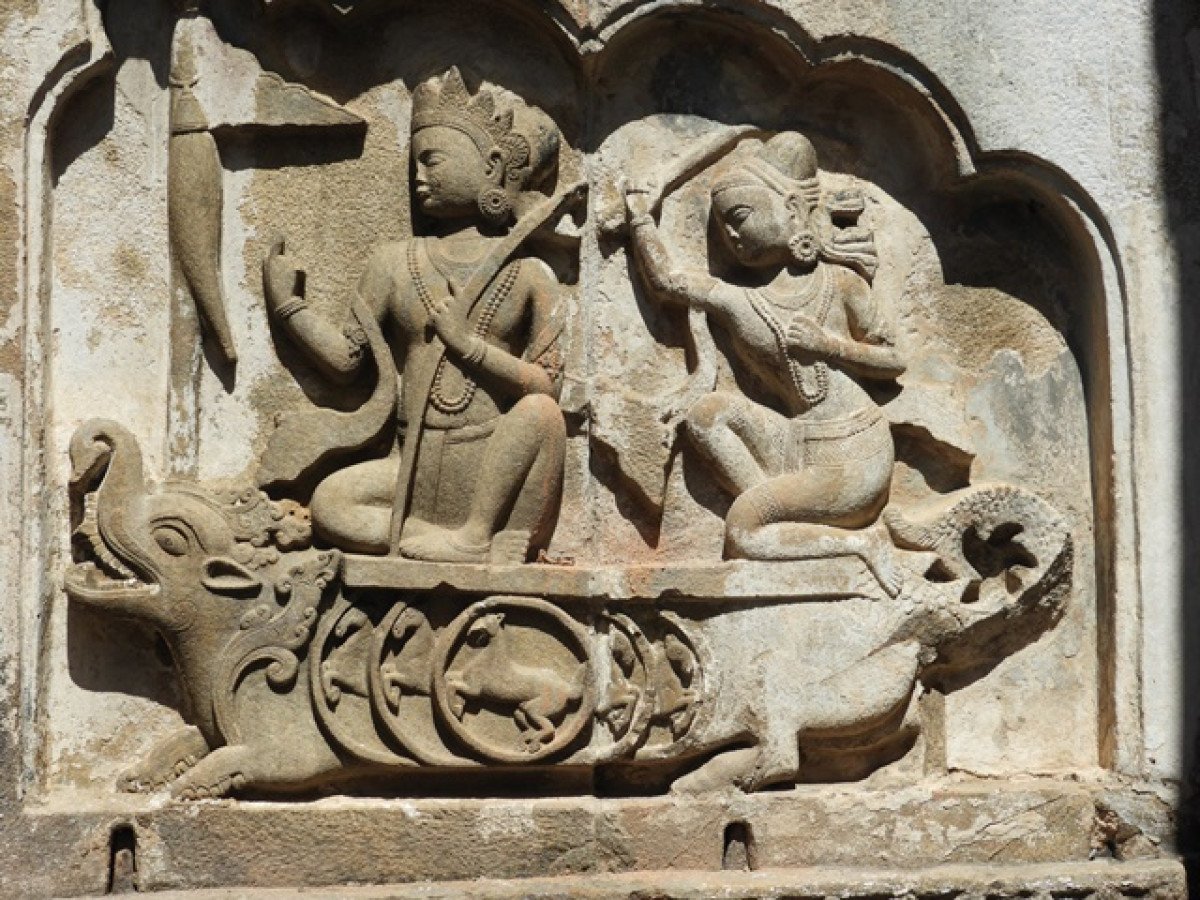
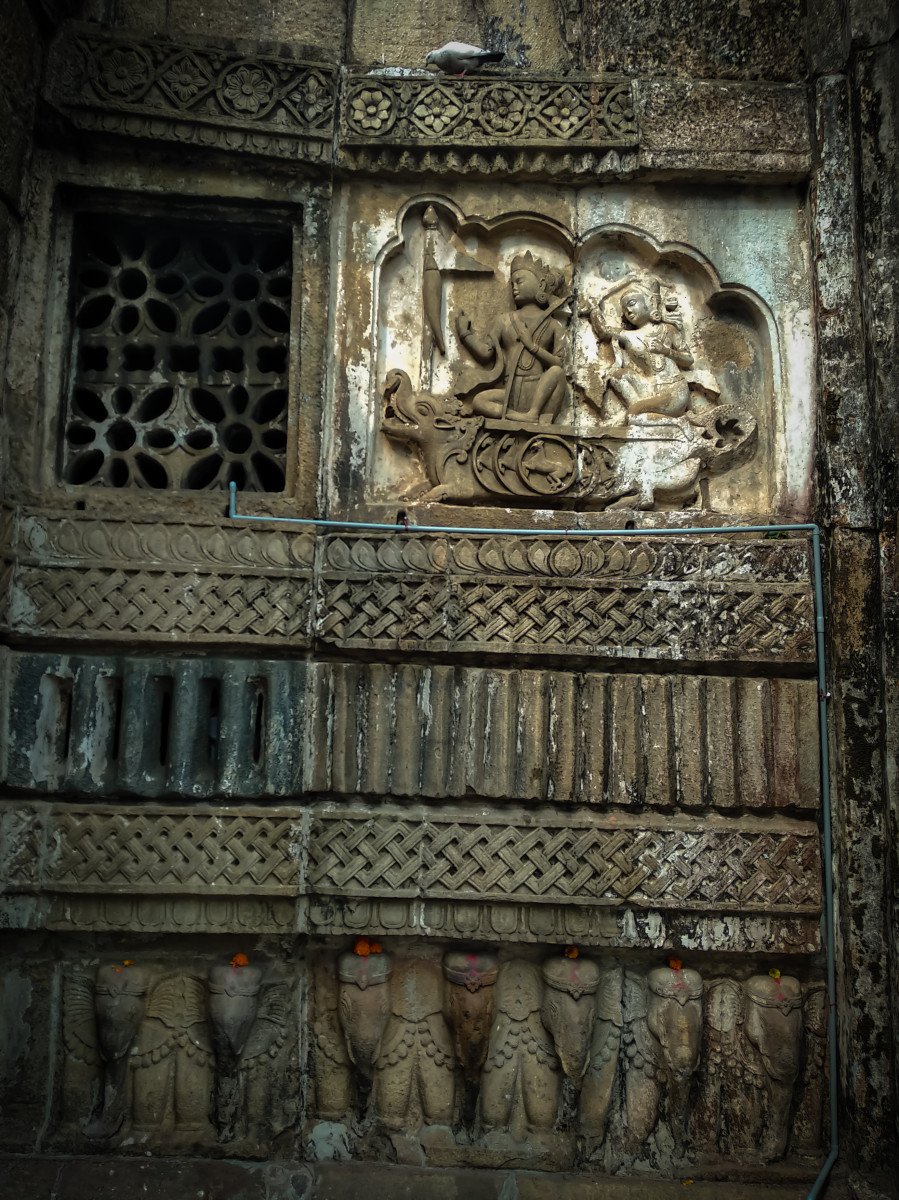
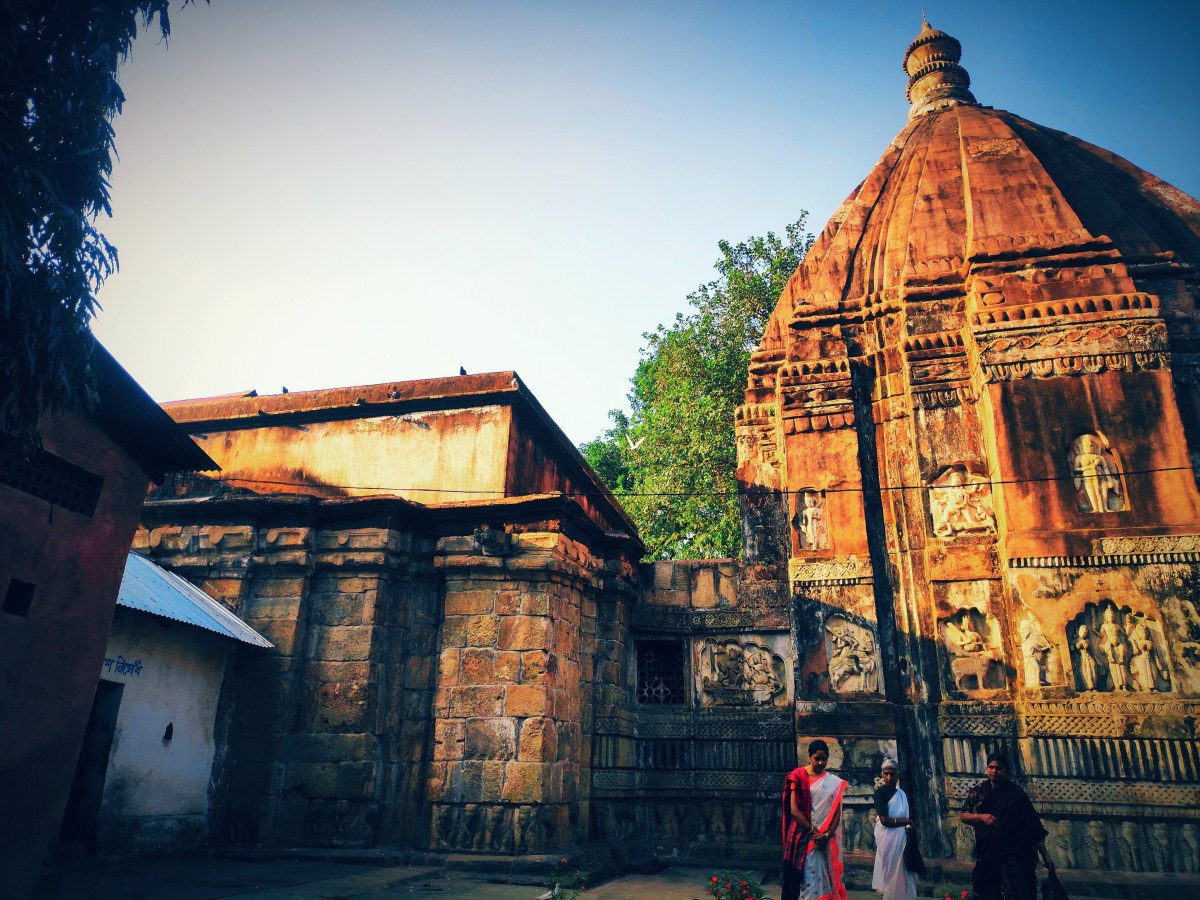
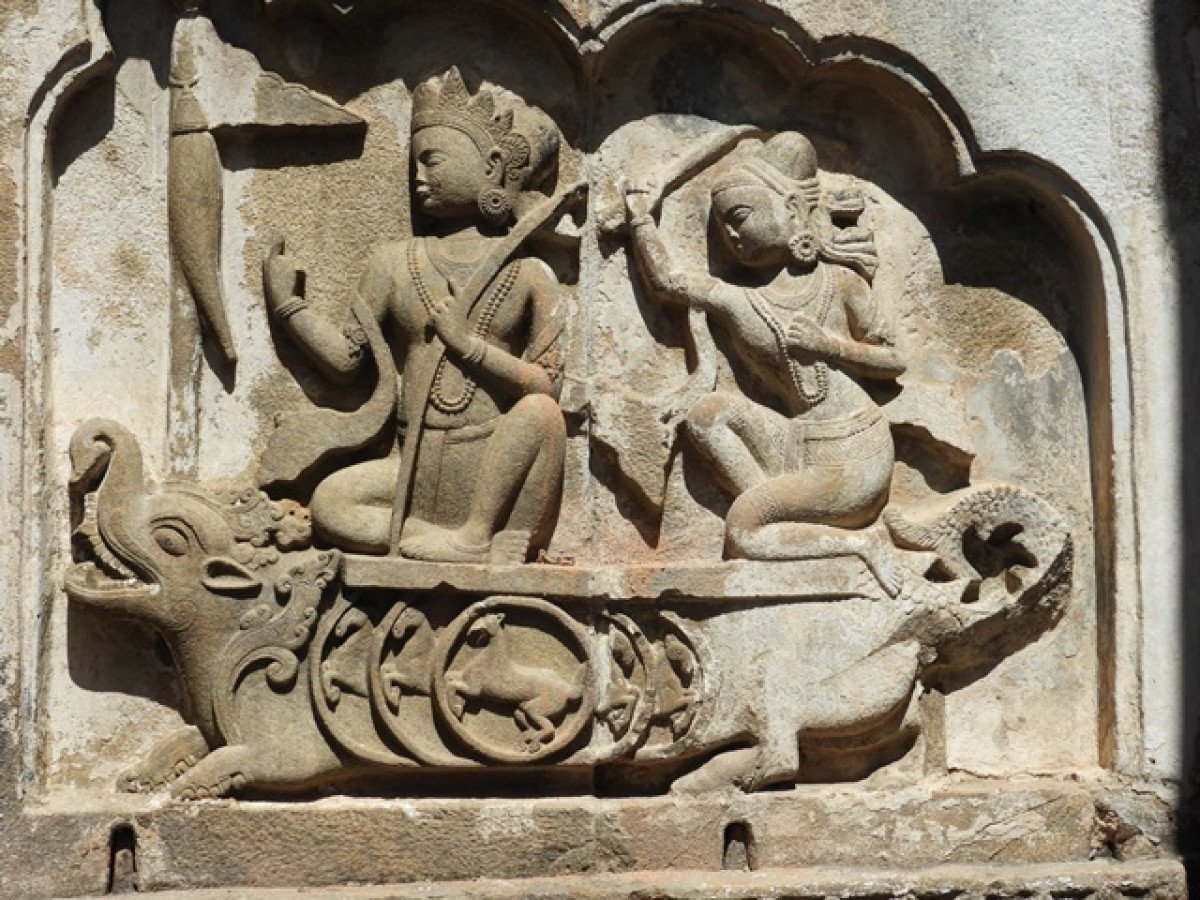
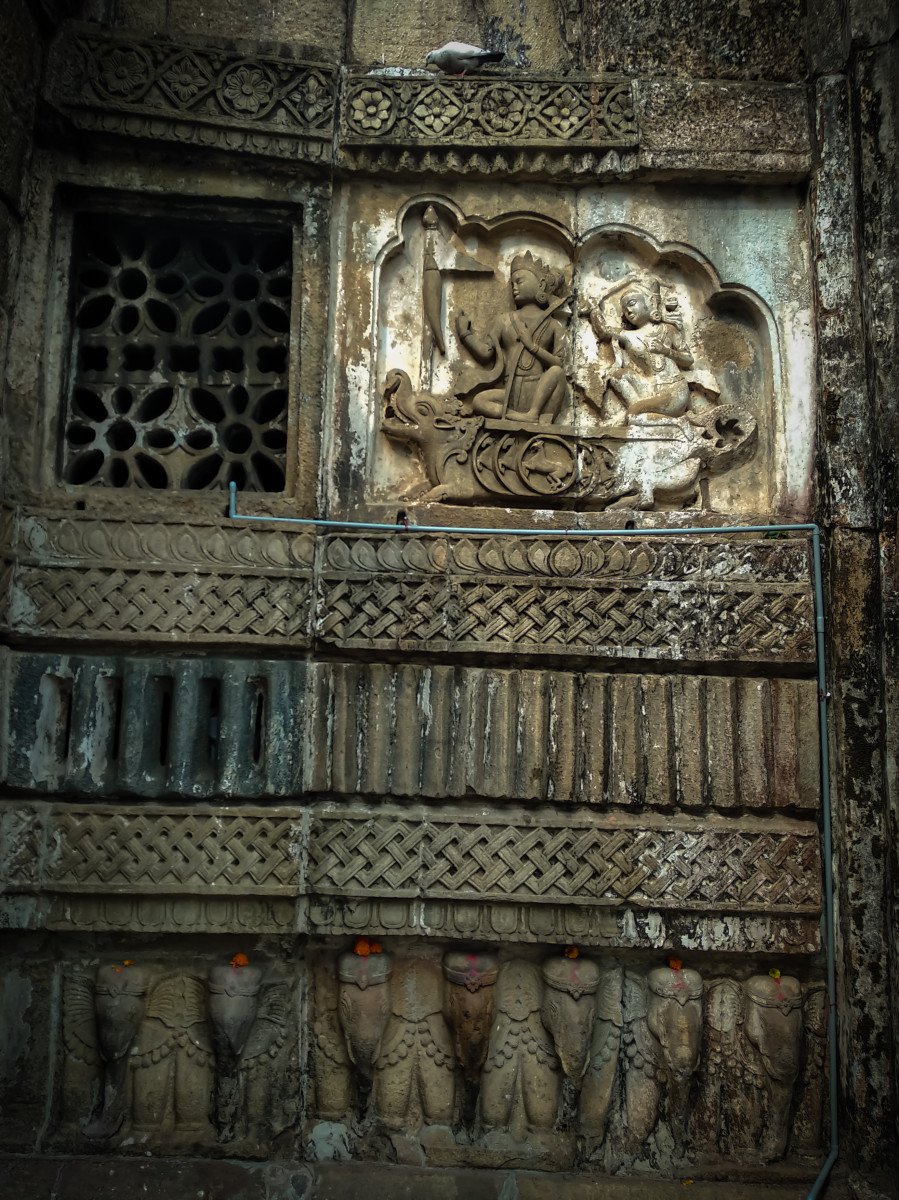
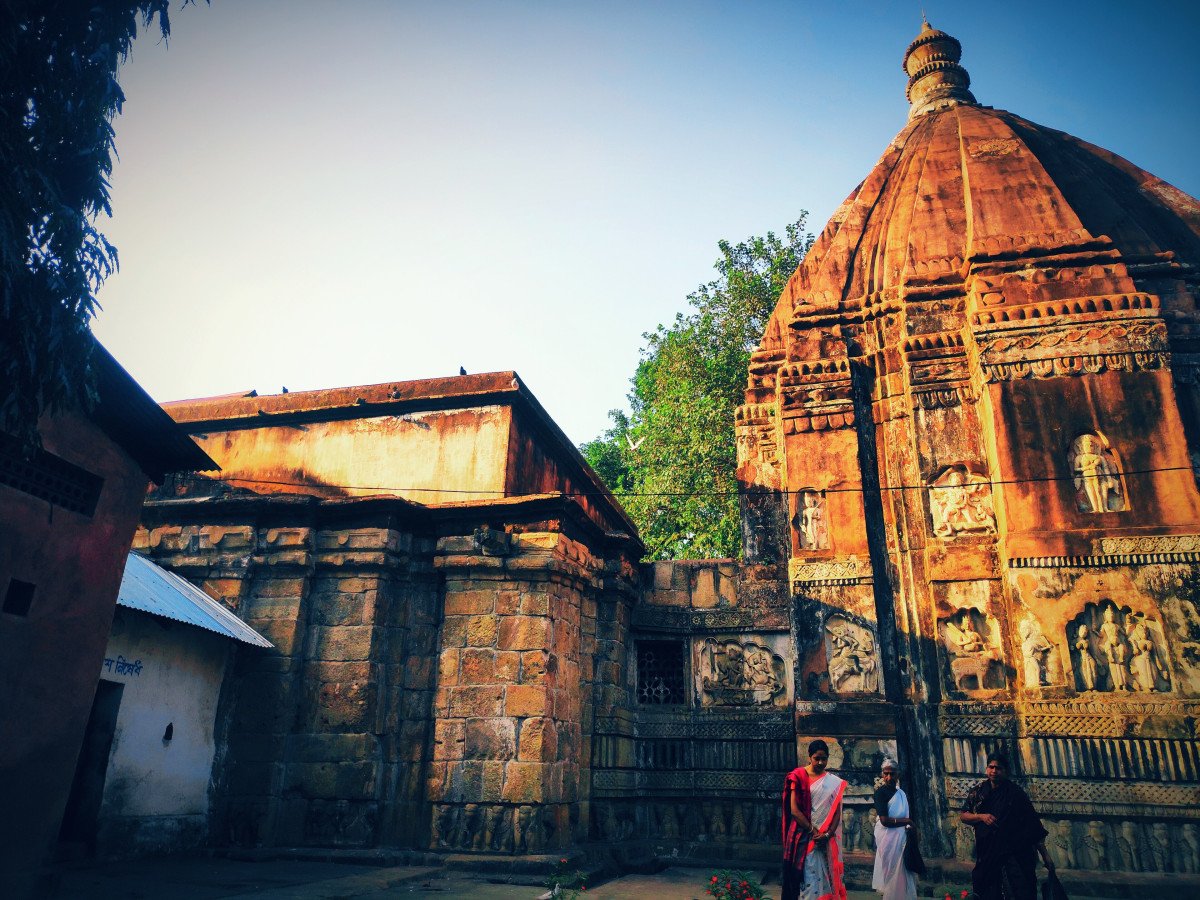
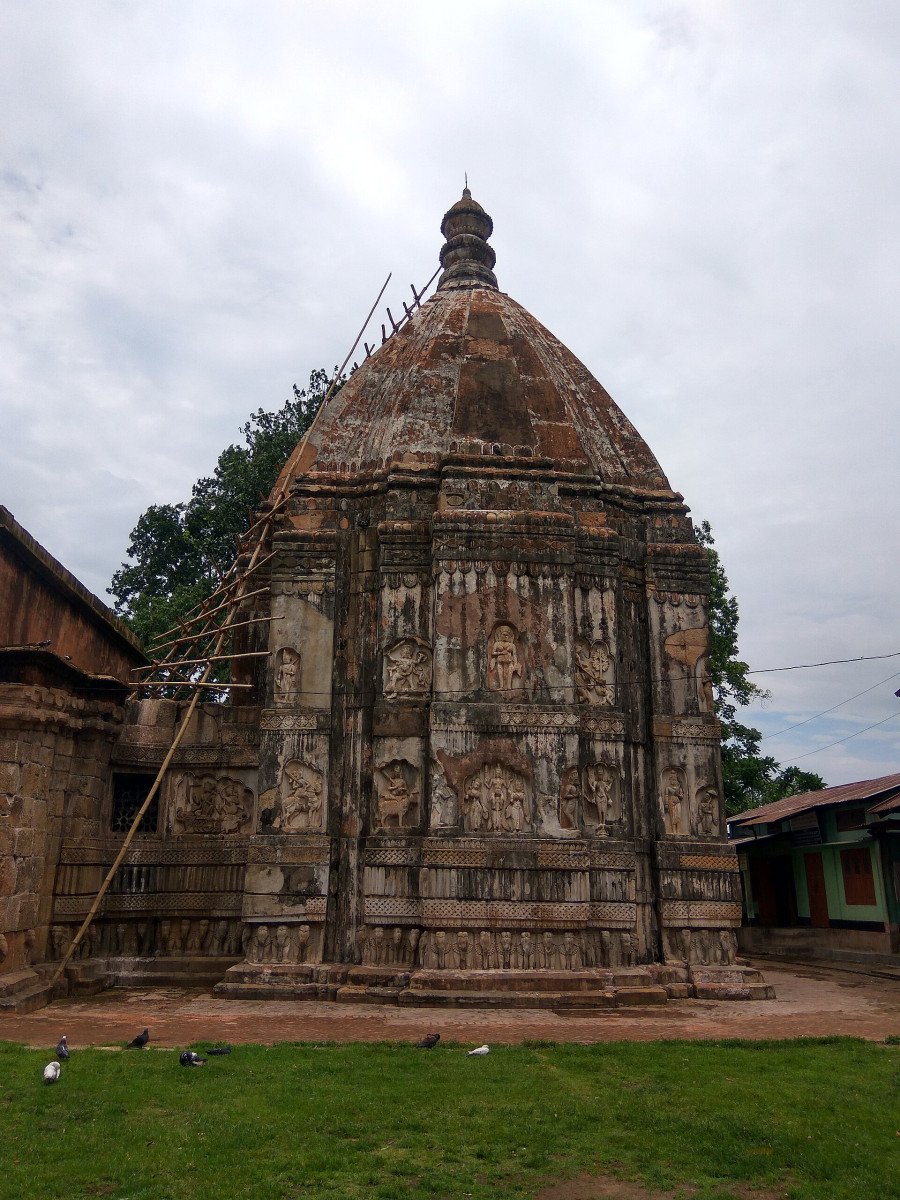
Exterior Wall Sculptures and Shikhara: For macro and detail photography, focus on the intricate stone carvings on the temple's outer walls. Look for the friezes of elephants (Gajatharas), the mythological figures, and the overall artistry of the 16th-century work. For an architectural shot, capture the pyramidal Nagara Shikhara against the backdrop of the sky. Early morning light best highlights the textures and depth of the stone carvings, while a late afternoon shot can cast dramatic shadows.
Panoramic Views from the Hilltop: The vantage point from the temple complex offers stunning, wide-angle landscape shots. Capture the view of the green plains, the scattered water bodies, and the distant, winding road. If you visit on a clear day, the distant silhouette of the Brahmaputra River can be an excellent inclusion. For a powerful shot, stand near the edge and use the temple's roofline or a section of the wall to frame the landscape vista, giving a sense of scale to the environment.Photo Gallery
Things To Do
-
Engaging in Spiritual Rituals and Darshan: The primary activity is to visit the main shrine to seek darshan (blessed viewing) of the principal deity, Hayagriva Madhava. Participate in the morning or evening Aarti (light offering) and other daily pujas to fully immerse in the spiritual atmosphere. The temple has a profound sense of devotion, and spending time in the mandapa observing the rituals, reading religious texts, or simply meditating can be a deeply enriching experience. You can also make traditional offerings such as flowers, tulsi leaves, and sweets.
Climbing the Manikut Hill Steps: The journey to the temple involves climbing a substantial flight of stone steps carved into the Manikut Hill. Take the climb slowly, absorbing the historical environment. The steps themselves are worn by centuries of pilgrims and offer a...Engaging in Spiritual Rituals and Darshan: The primary activity is to visit the main shrine to seek darshan (blessed viewing) of the principal deity, Hayagriva Madhava. Participate in the morning or evening Aarti (light offering) and other daily pujas to fully immerse in the spiritual atmosphere. The temple has a profound sense of devotion, and spending time in the mandapa observing the rituals, reading religious texts, or simply meditating can be a deeply enriching experience. You can also make traditional offerings such as flowers, tulsi leaves, and sweets.
Climbing the Manikut Hill Steps: The journey to the temple involves climbing a substantial flight of stone steps carved into the Manikut Hill. Take the climb slowly, absorbing the historical environment. The steps themselves are worn by centuries of pilgrims and offer a tangible connection to the past. Stop at various points to enjoy the shade of the trees and the cooling breeze, which offers a break from the humidity. The effort of the climb is rewarded with the divine view at the top.
Feeding the Sacred Turtles at Madhab Pukhuri: This is a quintessential Hajo experience. Spend time at the large, picturesque Madhab Pukhuri pond at the base of the hill. Buy some puffed rice or a local snack and feed the large, ancient, and protected freshwater turtles. This activity is particularly popular with families and is a unique way to engage with a local legend, as the turtles are considered sacred and a part of the temple's ecosystem.
Exploring the Temple Architecture and Sculptures: Dedicate time to a slow, detailed walk around the temple's exterior. The walls are a canvas of 16th-century art. Look closely at the stone carvings, including the friezes of marching elephants, geometrical patterns, mythological figures, and various Hindu deities. Try to identify the four massive pillars supporting the mandapa and appreciate the fusion of older and newer architectural elements. The exterior itself tells a story of the region's artistic revival.
Taking in the Panoramic Views and Photography: Given the temple’s hilltop location, it offers excellent opportunities for landscape photography. Capture the sprawling view of the town of Hajo, the surrounding green plains, and the distant glimpses of the Brahmaputra River. The best times for photography are during the 'golden hours'—early morning or late afternoon—when the light is soft and warm. Capture the iconic shikhara against the sky and the overall peaceful setting of the complex.
Connecting with the Dual Faith Significance: Reflect on the temple’s unique status as a sacred site for both Hindus and Buddhists. If possible, engage in a conversation with a local guide or priest to learn more about the temple’s dual identity and the traditions that have allowed for such peaceful religious syncretism. Witnessing the coexistence of Vaishnavite rituals and the quiet reverence of Buddhist pilgrims from Bhutan or Tibet is a powerful cultural observation.
Visiting Nearby Religious Sites in Hajo: The town of Hajo is known as a trifecta of religions, often called the "Athens of the East. " Plan to combine your visit with other significant sites like the Poa Mecca (a revered Muslim shrine), the Kedareswara Temple (dedicated to Lord Shiva), and the Joy Durga Temple (dedicated to Goddess Durga), all located on nearby hills. This multi-site exploration provides a complete picture of Hajo's religious importance.
Shopping for Local Crafts and Souvenirs: Before leaving Hajo, you can browse the small local stalls near the temple entrance and in the town market. Look for traditional Assamese crafts, handmade bamboo and cane products, and local snacks. Purchasing a small memento or an offering from a local vendor supports the community and gives you a tangible memory of your visit.
Information
-
Why Famous:
Syncretic Religious Harmony: The primary fame of the Hayagriva Madhava Temple rests on its unique position as a sacred site for two major religions: Hinduism and Buddhism. For Hindus, it is a crucial Vaishnavite centre dedicated to the powerful Hayagriva form of Vishnu. Si...Syncretic Religious Harmony: The primary fame of the Hayagriva Madhava Temple rests on its unique position as a sacred site for two major religions: Hinduism and Buddhism. For Hindus, it is a crucial Vaishnavite centre dedicated to the powerful Hayagriva form of Vishnu. Simultaneously, it is profoundly sacred to Buddhists, particularly those from the Himalayan regions, who believe it is the very place where Lord Buddha achieved his final liberation, or Mahaparinirvana. This shared reverence and the peaceful integration of two distinct spiritual traditions on the same hill is a rare and powerful draw, making it a symbol of religious unity in India.
The Horse-Headed Deity (Hayagriva): The temple is one of the few places where the esoteric form of Lord Vishnu as Hayagriva (with a horse's head) is worshipped as the primary deity. This deity is associated with the recovery of the Vedas from the demons Madhu and Kaitabha, making him the patron of knowledge, wisdom, and learning. This unique mythological background sets the temple apart from typical Vishnu shrines and attracts scholars and specific Hindu sects devoted to this form of the Lord.
Historical and Royal Patronage: The temple's significance is cemented by its historical construction. Rebuilt in 1583 AD by the Koch King Raghudeva Narayan, the architecture stands as a prime example of the artistic and cultural revival that took place under the Koch dynasty. Its layered history, with possible links back to the earlier Pala dynasty (6th-10th century), makes it an important benchmark for understanding the evolution of medieval Assamese architecture and the royal commitment to preserving religious sites. -
Architecture:
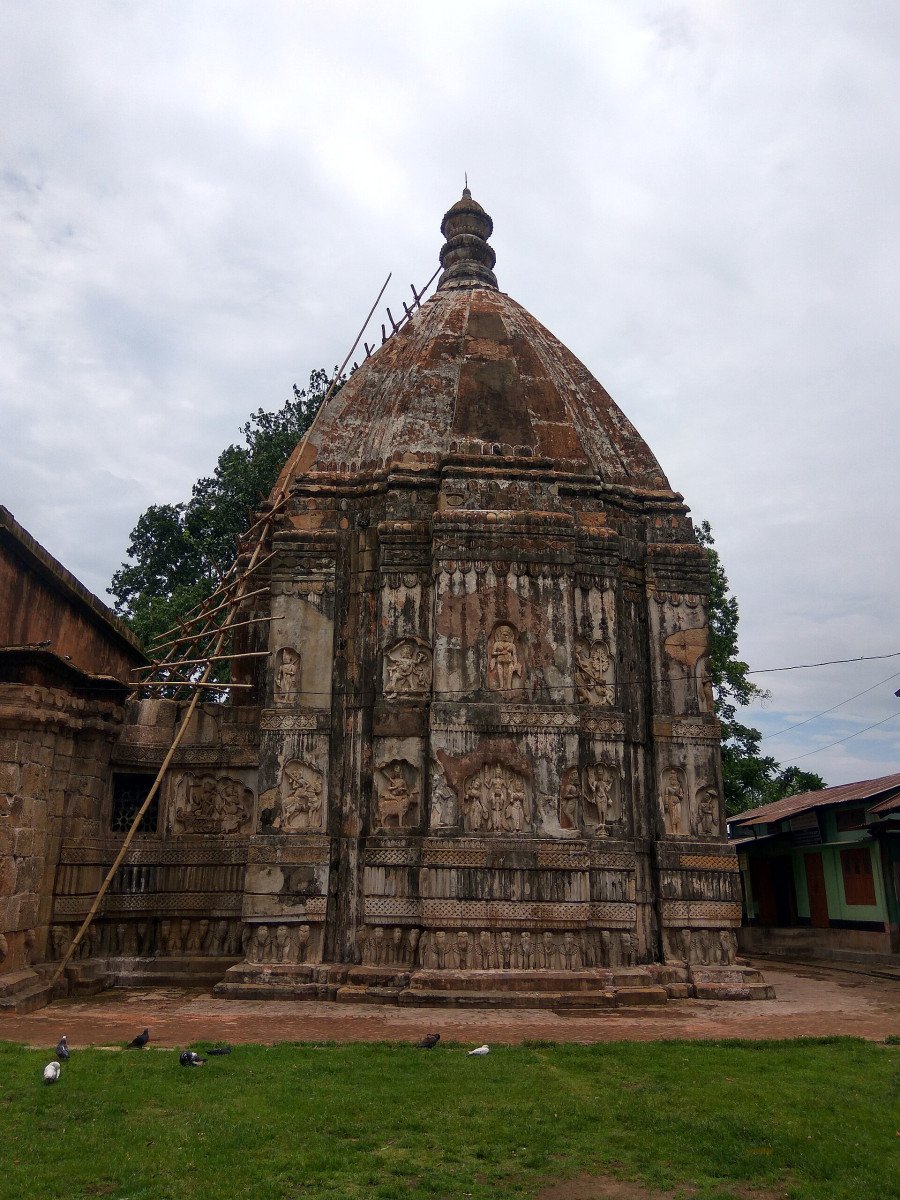
Architectural Style and Historical Layers: The present structure primarily reflects the Assamese style of temple architecture, often referred to as the Nagara or Assamese-Nagara style, especially prevalent under the later Koch and Ahom patronage. The main components include...Architectural Style and Historical Layers: The present structure primarily reflects the Assamese style of temple architecture, often referred to as the Nagara or Assamese-Nagara style, especially prevalent under the later Koch and Ahom patronage. The main components include the garbhagriha (sanctum sanctorum), an antarala (vestibule), and a mandapa (assembly hall). The temple is built entirely of stone, giving it a robust and enduring quality. The base and plinth still incorporate older foundation elements, notably the intricate friezes of elephants (Gajatharas) and geometrical designs, suggesting the layout follows the blueprint of the original 10th-11th century temple. This blending of new construction over ancient ruins is a key characteristic of the region’s architectural history.
The Pyramidal Shikhara and Intricate Carvings: The most distinguishing feature of the temple is its gracefully executed Nagara Shikhara (spire) over the garbhagriha, which is more pyramidal than the typical curved North Indian style. The walls of the temple's exterior and the mandapa are richly embellished with a profusion of sculptural details. These carvings depict various divinities from the Brahmanical pantheon, scenes from Hindu mythology (like the Ramayana and Mahabharata), and local folklore. The detailed stone artwork, though exhibiting some local variations, has been compared in quality and theme to major art centers, sometimes reflecting the influence of the Kailash Temple at Ellora in its elaborate design. Temple Layout and Structure (Approximate Dimension Focus): While exact building dimensions are not universally published, the temple stands on a hillock, and the main structure is noted for its spacious yet compact layout. The structure is described as octagonal in shape with an approximate diameter of 30 feet for the main shrine area. The internal sanctum sanctorum is relatively small, focusing the devotee's attention on the central deity. The entire complex is designed to ascend the hill, with a substantial flight of stone steps providing access. The total area of the temple compound on the hilltop is sizable, housing the main temple, a small nat mandir (prayer hall), and other auxiliary shrines, all within a boundary that offers expansive views. -
How To Reach:
From Place Name: Hajo, Assam.
City Center Reference: Guwahati.
By Air:
Reaching from Distant Locations: The nearest and most convenient airport is the Lokpriya Gopinath Bordo...From Place Name: Hajo, Assam.
City Center Reference: Guwahati.
By Air:
Reaching from Distant Locations: The nearest and most convenient airport is the Lokpriya Gopinath Bordoloi International Airport (GAU), located in Guwahati, approximately 40-45 KMS from Hajo. The Guwahati airport is a major hub for North-East India, with regular direct and connecting flights from all major Indian metropolitan cities like Delhi, Kolkata, Mumbai, Bengaluru, and Chennai. Upon landing at GAU, you have several options to reach Hajo: 1.
Pre-paid Taxi/App Cab: Hire a pre-paid taxi or book an app-based cab (like Ola/Uber, if available) directly to the Hayagriva Madhava Temple in Hajo. The journey takes approximately 1. 5 to 2 hours, depending on traffic, especially while crossing the Brahmaputra River. 2.
Bus to Guwahati and then Local Transport: Take an airport bus or taxi to the main bus stand (Adabari or ISBT) in Guwahati, and then follow the road route instructions below.
By Train:
The Main Rail Gateway: The closest major railway station is Guwahati Railway Station (GHY), which is approximately 35 KMS from Hajo. Guwahati is exceptionally well-connected to the rest of India via an extensive railway network. Major express trains like the Rajdhani Express, North East Express, and other superfast services link Guwahati to cities like New Delhi, Kolkata, Chennai, and Mumbai. From the Guwahati station, you can choose to reach Hajo by: 1.
Intercity Bus: Regular state-run and private buses operate from the vicinity of the Guwahati Railway Station to Hajo. This is the most economical option. 2.
Hiring a Taxi: Hire a private taxi for a direct, comfortable journey to Hajo. 3.
Shared Transport: Shared taxis or "Sumos" are a popular local option for cost-effective travel, usually departing from designated points near the station or the main bus stands.
By Road:
Driving and Bus Routes: Hajo is well-connected by road to Guwahati and other major towns in Assam via National Highway 27 (NH 27). The distance from Guwahati is about 30-35 KMS. 1.
Private Vehicle/Taxi: The drive is scenic, crossing the Brahmaputra River via the Saraighat Bridge or a newer bridge. A private car offers the most flexibility for a day trip. 2.
Public/Private Bus: Frequent bus services are available from the main bus terminals in Guwahati (Adabari or ISBT) to the Hajo town center. The journey time is approximately 1 to 1. 5 hours.
By Local Transport within Hajo: Once you reach the Hajo town center, the temple is located on the Manikut Hill. 1.
Auto-Rickshaws: These are the most common local transport and can be hired from the Hajo bus stand directly to the base of the temple hill. 2.
Walk: If you are already close to the hill base, the final part of the journey to the temple involves climbing the stone steps on foot. -
Weather and Best Time to Visit:
The Peak Season:
Winter (October to March): The period from October to March is overwhelmingly considered the best time to visit. During these months, the weather is cool, dry, and exceptionally pleasant, with average temperatures ranging fr...The Peak Season:
Winter (October to March): The period from October to March is overwhelmingly considered the best time to visit. During these months, the weather is cool, dry, and exceptionally pleasant, with average temperatures ranging from 10°C to 25°C. This weather is ideal for climbing the stone steps of Manikut Hill, exploring the temple complex comfortably, and enjoying the panoramic views without the discomfort of heat or humidity. Festivals like Doul Utsav (Holi) often fall in February or March, adding a vibrant cultural element to the visit.
The Shoulder Season:
Post-Monsoon (September) and Pre-Summer (April): September is a good time to visit as the monsoon rains begin to recede, leaving the landscape lush and green, though humidity may still be high. April is also manageable, offering comfortable weather before the extreme heat sets in. The Rongali Bihu festival in mid-April offers a glimpse into the local Assamese New Year celebrations.
Avoiding the Extreme: Summer (April to June) and Monsoon (June to September): The Summer months, particularly April to June, should be approached with caution due to high temperatures that can exceed 35°C and high humidity, making the climb difficult. The Monsoon season from June to September brings heavy and unpredictable rainfall. While the rain washes the landscape, creating a beautiful verdant look, the downpour can disrupt travel plans, make the stone steps slippery, and restrict comfortable outdoor exploration and photography.
Ideal Part of the Day:
Morning and Evening Serenity: For the best experience, visit in the early morning (6:00 AM to 9:00 AM) or late afternoon (4:00 PM to 6:00 PM). Morning Visits offer a cool climate, fewer crowds, and the opportunity to witness the Mangala Aarti, providing the most serene and spiritual experience. Evening Visits are great for catching the sunset and the subtle glow over the plains, and the temple’s exterior lighting may be switched on, adding a beautiful photo opportunity. -
Near Tourist Places:
1.
Hajo Powa Mecca: ~2 KMS (Revered Muslim shrine on Garurachala Hill, known for its spiritual sanctity and beautiful views).
Tourism Tips
-
Health and Safety Guidelines: 1.
Stay Hydrated: Carry ample bottled water, especially if climbing the hill during warmer hours. The humidity in Assam can lead to quick dehydration. 2.
Mind the Steps: The s...Health and Safety Guidelines: 1.
Stay Hydrated: Carry ample bottled water, especially if climbing the hill during warmer hours. The humidity in Assam can lead to quick dehydration. 2.
Mind the Steps: The stone steps leading up the Manikut Hill are old and can be uneven or slippery, especially during the monsoon. Wear sturdy, non-slip footwear and watch your step. If traveling with elderly persons or those with mobility issues, exercise extra caution. 3.
Protect Against Insects: The surrounding area is lush and green. Carry and use insect repellent, particularly during the early morning or evening and throughout the monsoon season, to ward off mosquitoes. 4.
Respectful Dressing: The temple is a sacred space. Dress modestly to respect local customs—covering shoulders and knees is appropriate for both men and women. You will be required to remove your footwear before entering the temple complex.
Essential Packing Items: 1.
Sun Protection: A hat, sunglasses, and a good quality sunscreen are vital, especially for the climb and exploring the open complex during the day. 2.
Photography Gear: Carry your camera to capture the architecture and the stunning views. Remember that photography is not allowed inside the main sanctum. 3.
Cash: While Guwahati is modern, Hajo is a smaller town. Carry sufficient cash (Indian Rupees) for small purchases, offerings, tips, and local transport, as ATM and digital payment options may be limited near the temple. 4.
Turtle Food: If you wish to feed the sacred turtles at Madhab Pukhuri, you can buy puffed rice or biscuits from local vendors near the pond.
Accommodation Suggestions: Hajo itself has limited options for high-end or luxury accommodation, usually consisting of basic guesthouses and local lodges. 1.
Guwahati as a Base: It is highly recommended to use Guwahati (approx. 32 KMS away) as your primary base for accommodation. Guwahati offers a wide range of hotels, from budget-friendly to luxury options, providing better amenities, dining, and connectivity. Hajo can be easily visited as a comfortable half-day or day trip from Guwahati.
Cultural and Other Tips: 1.
Religious Syncretism: Be aware of the temple's significance for both Hindu and Buddhist pilgrims. Observe the different ways people express their faith with respect and reverence. 2.
Beware of Pests: Keep a safe distance from the monkeys commonly found on the hill, as they can sometimes be mischievous or aggressive. 3.
Local Cuisine: Try the local Assamese cuisine in Hajo, which is a delicious blend of rice, fish, and unique vegetable preparations. Look for the traditional Thali for a complete meal experience.
Reviews
FAQs
Hajo Itineray And Cost:-
Hayagriva Madhava Temple Tourism:-
Information about New and Updated Locations() of Assam Has Been Added :-
Card subtitle
Note:-
Information provided here in good Faith and for reference only.
Near Places
Alaboi Hills
Some quick example text to build on the card title and make up the bulk of the card's content.
Go somewhere
Bell Metal Industry Workshop
Some quick example text to build on the card title and make up the bulk of the card's content.
Go somewhere
Dampur Pahar View
Some quick example text to build on the card title and make up the bulk of the card's content.
Go somewhere
Deva Bhavana
Some quick example text to build on the card title and make up the bulk of the card's content.
Go somewhere
Dhoparguri Satra
Some quick example text to build on the card title and make up the bulk of the card's content.
Go somewhere
Dimu
Some quick example text to build on the card title and make up the bulk of the card's content.
Go somewhere
Ganesh Bigrah Temple
Some quick example text to build on the card title and make up the bulk of the card's content.
Go somewhere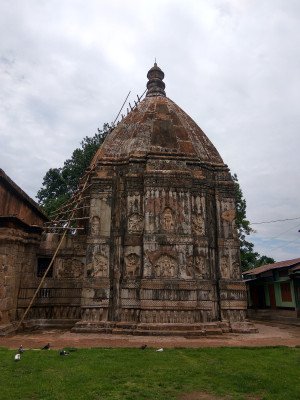
Hayagriva Madhava Temple
Some quick example text to build on the card title and make up the bulk of the card's content.
Go somewhere
Joy Durga Temple
Some quick example text to build on the card title and make up the bulk of the card's content.
Go somewhere
Kalitakuchi
Some quick example text to build on the card title and make up the bulk of the card's content.
Go somewhere
Kalitakuchi Hajo
Some quick example text to build on the card title and make up the bulk of the card's content.
Go somewhere
Kamesware Temple
Some quick example text to build on the card title and make up the bulk of the card's content.
Go somewhere
Kanai Barashi Rock Inscription
Some quick example text to build on the card title and make up the bulk of the card's content.
Go somewhere
Kaziranga National Park
Some quick example text to build on the card title and make up the bulk of the card's content.
Go somewhere
Kedareswar Temple
Some quick example text to build on the card title and make up the bulk of the card's content.
Go somewhere
Manas National Park
Some quick example text to build on the card title and make up the bulk of the card's content.
Go somewherein Other Cities