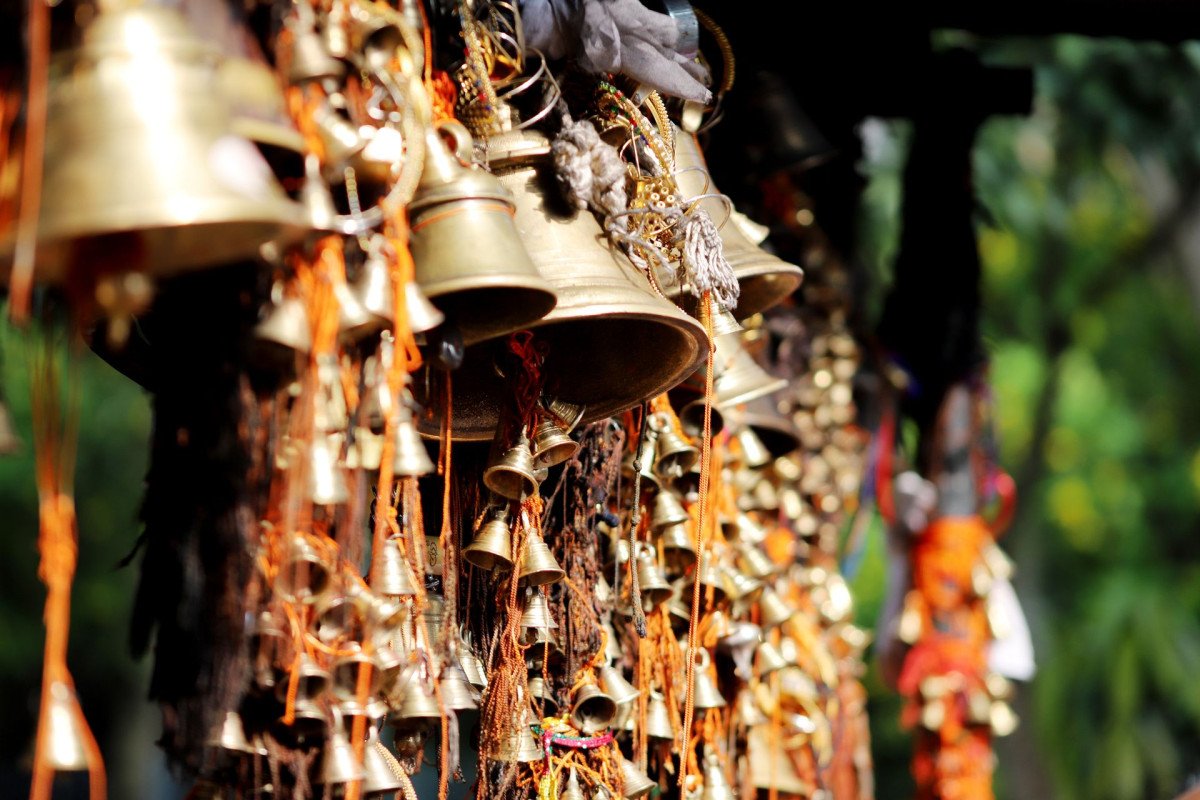
Joy Durga Temple
General information
-
Ideal Duration:
1 to 2 hours (For darshan, prayers, and light exploration of the immediate premises).Place Type:
Religious/Pilgrimage Site (Hindu Temple, Shaktism)Entry Fees:
General Admission: There are no mandatory entry fees for the Joy Durga Temple or generally for the Hindu temples in Hajo. All the major religious sites, including the Hayagriva Madhava Temple, Kedareswara Temple, and Poa Mecca, welcome visitors and pilgrims free of cost. ...General Admission: There are no mandatory entry fees for the Joy Durga Temple or generally for the Hindu temples in Hajo. All the major religious sites, including the Hayagriva Madhava Temple, Kedareswara Temple, and Poa Mecca, welcome visitors and pilgrims free of cost. Access to a place of worship is considered a right, not a paid service.
Optional Donations and Offerings: While entry is free, visitors are welcome to make a voluntary donation (Dakshina) in the Hundi (donation box) or directly to the temple priests to support the temple's maintenance, daily Pooja expenses, and charitable activities. There is no fixed amount, and it is entirely based on the visitor's devotion and capacity.
Cost of Pooja Materials and Rituals: If you wish to perform a specific Pooja or ritual, you will need to purchase the necessary items (flowers, incense, sweets, Diya - lamp oil, etc. ) from vendors outside the temple. The cost for a basic set of Pooja Samagri usually ranges from Rs.20 to Rs.100. For special, elaborate rituals, the priest may charge a small fee for their time and services, which should be negotiated politely and is purely optional.Timing:
Regular Timings: The temple generally opens early in the morning, around 5:30 AM to 6:00 AM, for morning rituals and Darshan. It typically remains open until the afternoon, often closing around 1:00 PM to 2:00 PM for the midday rest. It reopens in the late afternoon, usua...Regular Timings: The temple generally opens early in the morning, around 5:30 AM to 6:00 AM, for morning rituals and Darshan. It typically remains open until the afternoon, often closing around 1:00 PM to 2:00 PM for the midday rest. It reopens in the late afternoon, usually around 4:00 PM to 5:00 PM, and stays open until the evening Aarti and closing, which is around 8:00 PM to 9:00 PM. It is advisable to confirm these timings locally, as they can change slightly based on the season or local customs.
Ideal Visit Time: The Ideal Visit Time for the temple is during the early morning slot (6:00 AM - 8:00 AM) or the late afternoon slot (4:30 PM - 6:30 PM). Visiting in the early morning allows you to witness the peaceful, fresh start of the day's rituals and avoid the mid-day heat and potential crowds. The late afternoon is perfect for catching the stunning beauty of the evening Aarti and the temple lights.
Festival Timings: During major festivals like Durga Puja (Navaratri), the temple remains open for much longer, often with no closure in the afternoon. The most auspicious and crowded times are during the Sandhi Puja (the juncture of Ashtami and Navami) and the evening Aarti during the main days of the festival. Expect very large crowds during these times.Special Events:
Durga Puja/Navaratri Festival: The most significant special event is the annual Durga Puja festival, usually held for four days between September and October (during the Hindu month of Ashwin). Being a temple dedicated to Goddess Durga, this is the time of its grandest cel...Durga Puja/Navaratri Festival: The most significant special event is the annual Durga Puja festival, usually held for four days between September and October (during the Hindu month of Ashwin). Being a temple dedicated to Goddess Durga, this is the time of its grandest celebration. The temple is elaborately decorated with flowers and lights. Special Pujas, Aarti, and rituals are performed multiple times a day. The festival culminates with the symbolic immersion of the idol (though the permanent stone idol remains) or a temporary idol. Devotees and local residents participate in large numbers, making it a vibrant cultural and spiritual spectacle.
Mahashtami and Mahanavami: These two days, falling on the eighth and ninth days of Navaratri, are particularly sacred. Special offerings and the traditional Bali (animal sacrifice, though often symbolic with vegetables now) are observed, reflecting the ancient Shakti traditions. Community feasting and cultural programs are often organized in the vicinity of the temple. The sheer devotion and energy during this time are unmatched.Best Photo Spots:
The Main Sanctum Entrance: The doorway to the Garbhagriha is a beautiful composition, often flanked by relief sculptures or traditional Assamese motifs. Framing the entrance with the natural light spilling in, or capturing a glimpse of the idol (if permitted) through the d...The Main Sanctum Entrance: The doorway to the Garbhagriha is a beautiful composition, often flanked by relief sculptures or traditional Assamese motifs. Framing the entrance with the natural light spilling in, or capturing a glimpse of the idol (if permitted) through the doorway, makes for a spiritually resonant and architecturally focused photograph. Best shot is a framed, close-up composition.
Ahom Architectural Details: Focus on the specific architectural elements that define the temple's age. Look for the texture of the old stone and masonry, the subtle carvings on the exterior walls or plinth, and the shape of the pyramidal roof. Capturing these details in strong sunlight can highlight their age and craftsmanship. Recommended for history and architecture enthusiasts.
Devotees in Prayer: During a non-peak hour, capturing a respectful candid shot of a devotee with folded hands or a priest performing rituals adds a human and spiritual dimension to the photo. The traditional attire and expressions of faith create a powerful narrative. Requires patience and respect for privacy.
Wide View of the Temple Complex: Step back a reasonable distance to capture the entire temple structure within its natural setting. If the temple is on a slight elevation, use the surrounding greenery or the sky as a backdrop to emphasize its quiet dignity. Early morning or late afternoon light (the golden hour) works best for this. Ideal for landscape and contextual photography.Photo Gallery
Things To Do
-
Perform Sacred Darshan and Prayer: The primary activity is to have a Darshan (viewing) of the principal deity, the ten-armed Durga idol. Devotees can offer prayers, flowers, and traditional offerings (Pooja) to the Goddess, seeking her blessings for strength, protection, and prosperity. Participating in the daily rituals, especially the morning and evening Aarti (lamp worship), provides an immersive spiritual experience. This should take about 30 minutes to 1 hour.
Observe the Temple Architecture and Art: Take time to carefully study the late Ahom architectural elements of the structure. Look for any surviving intricate carvings or relief work on the exterior walls, the main entrance, and the pillars of the Mandapa. Pay close attention to the craftsmanship of the Durga idol itself—its posture, the weapons in her hands,...Perform Sacred Darshan and Prayer: The primary activity is to have a Darshan (viewing) of the principal deity, the ten-armed Durga idol. Devotees can offer prayers, flowers, and traditional offerings (Pooja) to the Goddess, seeking her blessings for strength, protection, and prosperity. Participating in the daily rituals, especially the morning and evening Aarti (lamp worship), provides an immersive spiritual experience. This should take about 30 minutes to 1 hour.
Observe the Temple Architecture and Art: Take time to carefully study the late Ahom architectural elements of the structure. Look for any surviving intricate carvings or relief work on the exterior walls, the main entrance, and the pillars of the Mandapa. Pay close attention to the craftsmanship of the Durga idol itself—its posture, the weapons in her hands, and the details of the accompanying figures. This artistic observation can easily fill another 30 minutes.
Engage with Local Religious Practices: Spend time sitting in the Mandapa or courtyard to soak in the serene, spiritual atmosphere. Observing the local style of worship, the chanting of mantras, and the traditional attire of the priests and devotees offers insight into the authentic culture of Hajo. If you are interested in local traditions, you can politely engage with the temple priests to learn more about the temple's legends and history. Allow 1 hour for reflection and observation. Explore the Temple Premises and Surrounding Areas: Walk around the boundary of the temple and the complex. Many ancient temples are situated on hillocks or in naturally beautiful settings. While the Joy Durga Temple may not be on the main Manikut Hill with the Hayagriva Madhava Temple, its location in Hajo is usually peaceful. You can explore the immediate vicinity, which often includes smaller subsidiary shrines or ancient trees considered sacred. Dedicate 30 minutes to walking around the complex.
Visit the Other Panchatirtha Sites: Since you are already in Hajo, a key activity is visiting the other important religious sites nearby. The Hayagriva Madhava Temple, the Kedareswara Temple (Shiva), the Kamaleswara Temple (Shiva), the Ganesha Temple, and the Poa Mecca (Muslim Shrine) are all within a short distance. This allows for a holistic experience of Hajo's unique syncretic culture. You can spend the entire day touring these spots. Allocate 4-6 hours for a multi-site tour.
Sample Local Assamese Cuisine: No visit is complete without tasting the regional food. Look for small, local eateries in Hajo town center for an authentic Assamese Thali (platter). The food is typically less spicy, featuring rice, various types of fish, local vegetables, and distinctive preparations like Khar (alkaline starter) and Tenga (sour curry). This is a vital cultural activity. Plan for 1 hour for a meal.
Shop for Local Souvenirs: Hajo is known for its traditional handicrafts, particularly its excellent bell metal and brassware products. While some are made in nearby areas like Sarthebari, they are commonly sold in Hajo. You can find traditional utensils, Paan-Bata (betel nut casing), and small decorative items that make excellent souvenirs or gifts. This supports the local artisans. Spend 30-45 minutes browsing the local market stalls.
Information
-
Why Famous:
Royal Ahom Patronage: The temple is historically famous because it was built under the patronage of the powerful Ahom King Lakshminath Singha in 1774 A. D. This association solidifies its importance in the history of Assam, marking it as an official royal shrine. The Ahom...Royal Ahom Patronage: The temple is historically famous because it was built under the patronage of the powerful Ahom King Lakshminath Singha in 1774 A. D. This association solidifies its importance in the history of Assam, marking it as an official royal shrine. The Ahom kings were significant patrons of various Hindu sects, and their contribution to the structure's existence ensures its historical prominence.
Significance of Shaktism in Hajo: While Hajo is largely known for the Hayagriva Madhava Temple (Vaishnavism) and the Kedareswara Temple (Shaivism), the Joy Durga Temple represents the crucial third tradition, Shaktism (worship of the Mother Goddess), which is deeply rooted in Assamese culture, particularly due to the proximity of the Kamakhya Temple. Its presence completes the triad of major Hindu deities (Vishnu, Shiva, and Shakti) in this holy town. This makes Hajo a confluence for all three major Hindu traditions, elevating its status as a complete pilgrimage center.
The Ten-Armed Stone Idol: The temple is most famous for its magnificent and powerful central deity: the ten-armed stone image of Goddess Durga. This particular form, signifying her victorious power over evil, is a key draw for devotees. The idol itself is a testament to the high quality of stone carving and craftsmanship of the Ahom period, making it a valuable artifact of religious art. Its spiritual energy is believed to be potent, drawing pilgrims seeking strength and protection. -
Architecture:
Architectural Style and Materials: The Joy Durga Temple exemplifies the architectural style prevalent during the late Ahom kingdom era in Assam. The construction typically utilizes masonry and local materials like stone and brick. While it may not possess the towering mul...Architectural Style and Materials: The Joy Durga Temple exemplifies the architectural style prevalent during the late Ahom kingdom era in Assam. The construction typically utilizes masonry and local materials like stone and brick. While it may not possess the towering multi-tiered roof (Shikhara/Doul) found in some major Ahom temples like the nearby Hayagriva Madhava Temple, it adheres to the basic temple layout. The structure often features a central cella or sanctuary (Garbhagriha) where the main deity is enshrined, preceded by an assembly hall (Mandapa). The design often incorporates a pyramidal roof structure, a common feature distinguishing Assamese temples from those in other parts of India. The temple's outer walls, though perhaps less heavily carved than earlier structures, still exhibit characteristic regional motifs and figures from the Hindu pantheon. The use of durable stone for the main deity, the ten-armed Durga idol, suggests a commitment to permanence. The temple, built in 1774, reflects a blend of indigenous traditions and the architectural innovations sponsored by the Ahom Kings.
Key Dimensions and Layout: Precise measurements are often unavailable for smaller, living temples, but based on the common late Ahom style, the temple complex would be reasonably sized to accommodate daily worship and a moderate gathering of devotees. The main structure consists of the Garbhagriha and the Mandapa. The Garbhagriha is the most sacred part, generally a square chamber with a modest dimension, perhaps 10 feet×10 feet or slightly larger, to hold the primary idol. The Mandapa would be a larger, rectangular space, potentially 20 feet×15 feet, supported by pillars. The entire structure is often built on a raised plinth for protection from floods and ground moisture. The overall complex would also include auxiliary spaces and possibly a protective outer wall or gateway. The stone idol of the Ten-Armed Durga is a central piece of craftsmanship, likely life-sized or near life-sized to command the necessary reverence. -
How To Reach:
By Air: The nearest major airport is Lokpriya Gopinath Bordoloi International Airport (GAU) in Guwahati, which is approximately 35-40 KMS from Hajo. The airport is well-connected to major Indian cities like Delhi, Mumbai, Kolkata, and Bangalore.
Read MoreBy Air: The nearest major airport is Lokpriya Gopinath Bordoloi International Airport (GAU) in Guwahati, which is approximately 35-40 KMS from Hajo. The airport is well-connected to major Indian cities like Delhi, Mumbai, Kolkata, and Bangalore.
From the airport, you have several options: Pre-paid
Taxi/Cab: This is the most convenient option. The ride takes about 1 hour to 1 hour 30 minutes, depending on traffic, and costs approximately Rs.800 - Rs.1200.
App-based Ride-sharing (Ola/Uber): Often available for slightly lower fares. Bookings should be made in advance.
Private Car Rental: If you plan to explore the region extensively, renting a private car with a driver for a day or more is a good option.
By Train: The nearest major railway station is Guwahati Railway Station (GHY), about 30 KMS away, or the nearby Kamakhya Railway Station (KYQ), about 26 KMS away. Both stations are major hubs with excellent connectivity to the rest of India. From the railway station, the process is similar to the airport:
Taxi/Cab: Readily available outside the station. The fare and travel time are comparable to the airport route.
Local Auto-rickshaws: Cheaper, but less comfortable for long-distance travel, and you may need to switch transport in Guwahati city before heading to Hajo.
By Road: Hajo is very well-connected by road, lying about 25-30 KMS northwest of Guwahati city center. The journey from Guwahati takes about 1 hour.
State Transport Buses (ASTC): Regular government-run and private buses ply the Guwahati-Hajo route from the ISBT (Inter-State Bus Terminus) or local bus stands in Guwahati.
Shared Taxis/Sumos: A very popular and economical local transport option. These shared vehicles run frequently between Guwahati and Hajo town.
Private Vehicle: Driving your own car or a rented vehicle is straightforward, primarily following NH 27 and then taking a state highway to Hajo. The roads are generally in good condition.
By Local Transport (Within Hajo): Once you reach Hajo, the temple sites are relatively close to each other. Auto-rickshaws and cycle-rickshaws are the primary local transport for short distances within the town. They are cheap and easily available. Walking is also a great option, as the major temples like Joy Durga Temple, Hayagriva Madhava Temple, and Poa Mecca are often within walking distance or a very short ride from the main Hajo market area.Weather and Best Time to Visit:
Different Types of Seasons:
Winter Season (October to March): This is by far the Best Time to Visit. The weather is cool, pleasant, and dry, with temperatures ranging from 10°C to 25°C. This weather is ideal for sightseeing, walking arou...Different Types of Seasons:
Winter Season (October to March): This is by far the Best Time to Visit. The weather is cool, pleasant, and dry, with temperatures ranging from 10°C to 25°C. This weather is ideal for sightseeing, walking around the temples, and enjoying the natural surroundings without the discomfort of heat or humidity. Festivals like Durga Puja (October) and Magh Bihu (January) fall within this period.
Summer Season (April to June): This is the Off-Season. The weather is hot and very humid, with temperatures often soaring past 30°C. It can be uncomfortable for outdoor exploration, and heavy, sudden thunderstorms are possible.
Monsoon Season (July to September): This is a Challenging Time. Assam receives very heavy rainfall, which can lead to localized flooding and travel disruptions. While the greenery is lush, sightseeing is difficult, and humidity remains high. Only plan a visit if you enjoy the sight of rain-washed landscapes and are prepared for travel delays.
Different Parts of the Day: Morning (Sunrise to 10:00 AM) The Ideal Time of Day. The air is fresh, the temperature is low, and the spiritual energy of the temple is highest during the early morning rituals. It is also the best time for photography. Midday (10:00 AM to 3:00 PM) The Hottest Time. It is best to avoid outdoor sightseeing during this period. The temple may be closed for a short break. Afternoon/Evening (3:
00 PM to Sunset): The Second Best Time. The heat subsides, and the atmosphere becomes vibrant again, especially around the time of the evening Aarti.Near Tourist Places:
1.
Hayagriva Madhava Temple: The most famous site in Hajo, revered by Hindus and Buddhists. (< 1 KM)2.
Poa Mecca: A significant Muslim pilgrimage site on Garurachal Hill. (~1. 5 KMS)3.
Kedareswara Temple: Ancient Shiva temple on Madanchala Hill. (~1. 5 KMS)4.
Ganesha Temple (Deva Bhabana): Famous for the large, carved Ganesha idol on a rock. (~1 KM)5.
Dhoparguri Satra: Neo-Vaishnavite monastery, an important cultural center. (~1 KM)6.
Madhab Pukhuri (Pond): Large sacred tank near the Hayagriva Madhava Temple. (< 1 KM)7.
Sualkuchi: Known as the Manchester of the East for its silk production. (~25 KMS)8.
Kamakhya Temple, Guwahati: One of the most sacred Hindu Shakti Peethas. (~35 KMS)9.
Navagraha Temple, Guwahati: Temple of the nine celestial bodies. (~30 KMS)10.
Assam State Museum, Guwahati: For a deeper dive into Assamese history and culture. (~30 KMS)Tourism Tips
-
Health &
Safety:
Hydration: Always carry a water bottle, especially during the summer and non-winter months, to stay hydrated.
Footwear: Wear comfortable walking shoes, as you will be doing a fair am...Health &
Safety:
Hydration: Always carry a water bottle, especially during the summer and non-winter months, to stay hydrated.
Footwear: Wear comfortable walking shoes, as you will be doing a fair amount of walking, sometimes on uneven steps and pathways in the temple complex.
Respect Local Customs: Dress modestly, especially when visiting the temple. Shoulders and knees should ideally be covered. Ask for permission before taking photographs of people or inside the main sanctum.
Safety: While generally safe, be mindful of your belongings in crowded areas, especially during festivals.
Packing:
Modest Clothing: Essential for temple visits. Carry light cotton clothes for summer and light woolens/jackets for the winter months.
Rain Gear: A compact umbrella or raincoat is advisable, especially from June to October.
Essentials: Carry an ID proof (Aadhar/Passport) and a valid driving license if you plan to hire a vehicle.
Cash: While digital payments are gaining popularity, carry sufficient Indian Rupee (INR) cash for local transport, small vendors, and donations, as small establishments may not accept cards.
Accommodation:
Best Base is Guwahati: Since Hajo is a small town, the best accommodation options, ranging from budget to luxury hotels, are available in the nearby city of Guwahati (30 KMS away). You can easily visit Hajo as a day trip from there.
Local Guesthouses: Basic guesthouses are available in and around Hajo for those who prefer to stay closer to the spiritual site, but they have limited amenities.
Other Different Topics heading:
Local Language: The main languages spoken are Assamese and Bengali. Hindi and basic English are understood in tourist-centric areas.
Photography: Be respectful. Do not use flash photography inside the main shrine.
Bargaining: It is common to bargain with auto-rickshaws and market vendors, but maintain a polite and friendly demeanor.
Local Transport Tip: Opt for the shared local transport (Sumo/Magic) from Guwahati to Hajo for an authentic and budget-friendly experience.
Reviews
FAQs
Hajo Itineray And Cost:-
Joy Durga Temple Tourism:-
Information about New and Updated Locations() of Assam Has Been Added :-
Card subtitle
Note:-
Information provided here in good Faith and for reference only.
Near Places
Alaboi Hills
Some quick example text to build on the card title and make up the bulk of the card's content.
Go somewhere
Bell Metal Industry Workshop
Some quick example text to build on the card title and make up the bulk of the card's content.
Go somewhere
Dampur Pahar View
Some quick example text to build on the card title and make up the bulk of the card's content.
Go somewhere
Deva Bhavana
Some quick example text to build on the card title and make up the bulk of the card's content.
Go somewhere
Dhoparguri Satra
Some quick example text to build on the card title and make up the bulk of the card's content.
Go somewhere
Dimu
Some quick example text to build on the card title and make up the bulk of the card's content.
Go somewhere
Ganesh Bigrah Temple
Some quick example text to build on the card title and make up the bulk of the card's content.
Go somewhere
Hayagriva Madhava Temple
Some quick example text to build on the card title and make up the bulk of the card's content.
Go somewhere
Joy Durga Temple
Some quick example text to build on the card title and make up the bulk of the card's content.
Go somewhere
Kalitakuchi
Some quick example text to build on the card title and make up the bulk of the card's content.
Go somewhere
Kalitakuchi Hajo
Some quick example text to build on the card title and make up the bulk of the card's content.
Go somewhere
Kamesware Temple
Some quick example text to build on the card title and make up the bulk of the card's content.
Go somewhere
Kanai Barashi Rock Inscription
Some quick example text to build on the card title and make up the bulk of the card's content.
Go somewhere
Kaziranga National Park
Some quick example text to build on the card title and make up the bulk of the card's content.
Go somewhere
Kedareswar Temple
Some quick example text to build on the card title and make up the bulk of the card's content.
Go somewhere
Manas National Park
Some quick example text to build on the card title and make up the bulk of the card's content.
Go somewherein Other Cities