

Sahibganj
General information
-
Ideal Duration:
2 DaysPlace Type:
Heritage and RiversideEntry Fees:
Fossil Park Fees: There is a small entry fee for the Fossil Park and the museum, usually around 20 to 30 rupees for all visitors.
Sanctuary Entry: Udhwa Bird Sanctuary may have a nominal charge of 50 rupees, especially if you are carrying pr...Fossil Park Fees: There is a small entry fee for the Fossil Park and the museum, usually around 20 to 30 rupees for all visitors.
Sanctuary Entry: Udhwa Bird Sanctuary may have a nominal charge of 50 rupees, especially if you are carrying professional camera equipment.Timing:
Sanctuary Timings: The best time to visit the bird sanctuary is from 6:00 AM to 10:00 AM when the birds are most active and visible.
General Sightseeing: Historical monuments are open from sunrise to sunset, and it is best to avoid visiting ...Sanctuary Timings: The best time to visit the bird sanctuary is from 6:00 AM to 10:00 AM when the birds are most active and visible.
General Sightseeing: Historical monuments are open from sunrise to sunset, and it is best to avoid visiting the remote hill areas after dark.Special Events:
Maghi Mela at Rajmahal: A grand three-day festival in February where thousands of tribals gather for rituals and cultural celebrations.
Hool Diwas: Observed in June at Bhoganadih with great pride, featuring traditional tribal music, dance, a...Maghi Mela at Rajmahal: A grand three-day festival in February where thousands of tribals gather for rituals and cultural celebrations.
Hool Diwas: Observed in June at Bhoganadih with great pride, featuring traditional tribal music, dance, and historical reenactments.Best Photo Spots:
Singhi Dalan Arches: The marble arches of this Mughal structure overlooking the Ganges provide a royal frame for historical and architectural photos.
Udhwa Bird Sanctuary: Use a long lens to capture the vibrant colors of migratory birds agai...Singhi Dalan Arches: The marble arches of this Mughal structure overlooking the Ganges provide a royal frame for historical and architectural photos.
Udhwa Bird Sanctuary: Use a long lens to capture the vibrant colors of migratory birds against the serene backdrop of the Patauda Lake.
Moti Jharna Cascade: The white foamy water of the falls against the dark rocks of the Rajmahal hills makes for a perfect long-exposure shot.Photo Gallery
Things To Do
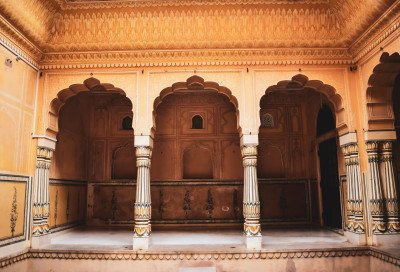 Mangalhat Fort Ruins stand as a silent witness to the glorious past of the Rajmahal subdivision. Historically, this area was part of the capital of Bengal during the reign of Emperor Akbar, established by Raja Man Singh in 1592. The ruins consist of collapsed walls, bastions, and the nearby Jama Masjid, which is a masterpiece of Mughal architecture. Exploring these ruins allows visitors to imagine the strategic importance this place once held over the Ganges trade route. The fort was built on elevated ground to provide a defensive advantage against invaders. Today, nature has reclaimed much of the stone structures, with thick vines and peepal trees growing through the cracks. Despite the decay, the grandeur of the original masonry is still evident in the remaining arches and foundation stones. It is a favorite spot for history buffs and archaeology students who come to study the medieval construction techniques. The site offers a panoramic view of the surrounding plains and the distant river. Local legends speak of hidden tunnels and treasures buried beneath the fort, adding an air of mystery to the visit. The atmosphere is heavy with nostalgia, reminding one of the rise and fall of great empires. It is a poignant reminder of the architectural brilliance that once defined this region of Jharkhand.
 Diamond's Waterfall is one of the newest and most "hidden" additions to the tourism map of Sahibganj. Located near the historical village of Bhognadih, this waterfall is named for the way the sunlight hits the cascading water, making it sparkle like diamonds against the dark rocks of the Rajmahal Hills. It is a seasonal beauty that comes to life with full force during the monsoon months. The area is characterized by rugged terrain and a relatively steep descent to reach the base of the falls. Because it is off the beaten path, you won't find large crowds here, making it an ideal "secret spot" for explorers. The surrounding hills are part of the ancient volcanic formations, and the water is remarkably pure. Local stories often link the beauty of these hidden streams to the ancestral lands of the Santhal martyrs. It is a place that requires a bit of local guidance to find, which adds to its charm as a true hidden gem of the district.
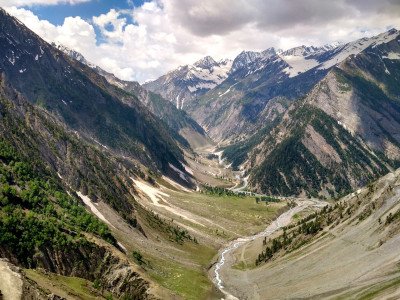 @@General Description: Akrovia Valley is a breathtaking natural landscape located near the historical village of Bhognadih in Sahibganj. This valley is renowned for its lush greenery, rolling hills, and the serene environment that offers a perfect escape from the hustle and bustle of urban life. The area is part of the Rajmahal Hills range, which is one of the oldest geological formations in India. Visitors are often captivated by the panoramic views of the valley, especially during the monsoon when the entire region turns into a vibrant shade of emerald. The valley is not just a treat for the eyes but also holds significant historical value as it lies close to the birthplace of the legendary Sido and Kanhu Murmu, who led the Santhal rebellion. Tourists can explore the local flora and fauna, which includes several species of endemic plants and birds. The cool breeze passing through the hills makes it an ideal spot for nature photography and meditation. The valley is relatively untouched by commercialization, providing an authentic experience of Jharkhand's natural beauty. It serves as a vital ecological corridor and is a favorite among local hikers and trekkers. The peaceful atmosphere and the sound of distant waterfalls add to the mystical charm of Akrovia Valley.
Samda Nala is a scenic waterway that flows into the Ganga near the village of Samda. Despite the name "Nala" (which often means drain in other contexts), this is a clean, natural stream that creates a beautiful landscape, especially where it meets the main river. It is a favorite spot for the local fishing community. The area around the stream is lush and fertile, making it a very green and photogenic location. During the monsoon, the stream swells and creates a miniature delta-like environment. It is far more peaceful than the main ghats of the city and offers a glimpse into the rural life of Sahibganj. You can see traditional wooden boats anchored along the banks and children playing in the shallow waters. The site is excellent for observing aquatic life and riverine birds. It is also a strategic point near the Sakrigali pass. For those interested in offbeat travel, a walk along the banks of Samda Nala provides a serene experience away from any commercial noise. The sunsets here are soft and beautiful, often framed by the tall grass (Kash phool) that grows along the banks during the autumn. It's a place where time seems to slow down, and one can enjoy the simplicity of nature.
Moti Waterfall is often used interchangeably with Moti Jharna, but it specifically refers to the main vertical drop located in the Talasari block. This waterfall is a centerpiece of the regional tourism, known for its panoramic views and the pristine nature of its surroundings. The water falls from a height of nearly 50 feet into a natural stone basin. Legend says that the water comes from a hidden spring deep within the hills that never runs dry. The site is a haven for those looking to escape the hustle of city life, offering a serene atmosphere filled with the sound of rushing water. The greenery here is particularly dense, with various species of tropical trees providing ample shade. It is a popular spot for local school excursions and botanical studies due to its rich biodiversity. The area around the waterfall has been developed with basic amenities to cater to the growing number of tourists. Despite its popularity, it retains a raw, unpolished charm that appeals to genuine nature enthusiasts. The mist from the waterfall creates a cool breeze that can be felt from several meters away. The local tribal communities consider the water to be pure and sometimes use it for domestic needs. Visiting this waterfall provides a sense of peace and a deep appreciation for the geological wonders of the Rajmahal range.
@@General Description: Akrovia Valley is a breathtaking natural landscape located near the historical village of Bhognadih in Sahibganj. This valley is renowned for its lush greenery, rolling hills, and the serene environment that offers a perfect escape from the hustle and bustle of urban life. The area is part of the Rajmahal Hills range, which is one of the oldest geological formations in India. Visitors are often captivated by the panoramic views of the valley, especially during the monsoon when the entire region turns into a vibrant shade of emerald. The valley is not just a treat for the eyes but also holds significant historical value as it lies close to the birthplace of the legendary Sido and Kanhu Murmu, who led the Santhal rebellion. Tourists can explore the local flora and fauna, which includes several species of endemic plants and birds. The cool breeze passing through the hills makes it an ideal spot for nature photography and meditation. The valley is relatively untouched by commercialization, providing an authentic experience of Jharkhand's natural beauty. It serves as a vital ecological corridor and is a favorite among local hikers and trekkers. The peaceful atmosphere and the sound of distant waterfalls add to the mystical charm of Akrovia Valley.
Samda Nala is a scenic waterway that flows into the Ganga near the village of Samda. Despite the name "Nala" (which often means drain in other contexts), this is a clean, natural stream that creates a beautiful landscape, especially where it meets the main river. It is a favorite spot for the local fishing community. The area around the stream is lush and fertile, making it a very green and photogenic location. During the monsoon, the stream swells and creates a miniature delta-like environment. It is far more peaceful than the main ghats of the city and offers a glimpse into the rural life of Sahibganj. You can see traditional wooden boats anchored along the banks and children playing in the shallow waters. The site is excellent for observing aquatic life and riverine birds. It is also a strategic point near the Sakrigali pass. For those interested in offbeat travel, a walk along the banks of Samda Nala provides a serene experience away from any commercial noise. The sunsets here are soft and beautiful, often framed by the tall grass (Kash phool) that grows along the banks during the autumn. It's a place where time seems to slow down, and one can enjoy the simplicity of nature.
Moti Waterfall is often used interchangeably with Moti Jharna, but it specifically refers to the main vertical drop located in the Talasari block. This waterfall is a centerpiece of the regional tourism, known for its panoramic views and the pristine nature of its surroundings. The water falls from a height of nearly 50 feet into a natural stone basin. Legend says that the water comes from a hidden spring deep within the hills that never runs dry. The site is a haven for those looking to escape the hustle of city life, offering a serene atmosphere filled with the sound of rushing water. The greenery here is particularly dense, with various species of tropical trees providing ample shade. It is a popular spot for local school excursions and botanical studies due to its rich biodiversity. The area around the waterfall has been developed with basic amenities to cater to the growing number of tourists. Despite its popularity, it retains a raw, unpolished charm that appeals to genuine nature enthusiasts. The mist from the waterfall creates a cool breeze that can be felt from several meters away. The local tribal communities consider the water to be pure and sometimes use it for domestic needs. Visiting this waterfall provides a sense of peace and a deep appreciation for the geological wonders of the Rajmahal range.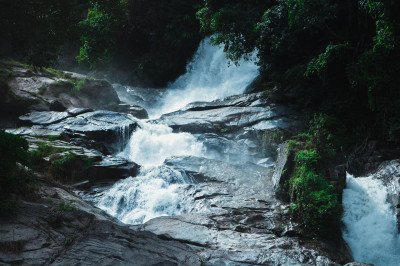 Ganjana Falls, also known as Bari Kodar Janna, is a breathtaking natural waterfall nestled within the lush greenery of the Rajmahal Hills. This seasonal wonder becomes a roaring spectacle during the monsoon, as water plunges from a significant height into a rocky pool below. Unlike more commercialized falls, Ganjana offers a raw and untouched experience of nature, surrounded by dense forests and tribal hamlets. The sound of crashing water combined with the chirping of wild birds creates a therapeutic environment for visitors. It is a popular spot for local hikers and adventure seekers who enjoy trekking through the hilly terrain to reach the base. The mist from the falls keeps the surrounding area cool even during humid days, making it a refreshing escape from the city. The site is deeply connected to the local tribal culture, and one can often see Santhali villagers grazing cattle nearby. It remains one of the most scenic spots for those who appreciate offbeat destinations.
@@General Description: Bari Kodar Janna is a picturesque locality situated on the outskirts of Sahibganj town, along the banks of the Ganges river. This area is characterized by its sprawling landscapes, fertile diara lands, and its proximity to the majestic river. It is a hub of rural life and traditional agriculture, where visitors can witness the timeless rhythm of the countryside. The place is also known for its educational institutions, including several well-known schools that serve the local population. For a tourist, Bari Kodar Janna offers a peaceful environment to watch the sunset over the river or to observe the local fishing communities at work. The vast open fields become a playground for children and a grazing ground for cattle, painting a perfect picture of rural India. The area is particularly beautiful during the post-monsoon season when the river is full and the greenery is at its peak. It serves as a gateway to the more remote parts of the Sahibganj district and offers a unique perspective on the relationship between the people and the Ganges. The air here is fresh, and the lack of industrial noise makes it a favorite spot for morning walkers from the main city. It is a place that celebrates the simplicity of life and the abundance of nature.Show All
@@Historical Legacy and Ruins: Teliagarhi Fort is one of the most significant historical landmarks in Jharkhand, historically known as the 'Key of Bengal'. It was built by a Teli Zamindar who later converted to Islam during the reign of Shah Jahan. The fort's strategic location on a narrow pass between the Rajmahal Hills and the river Ganges made it a crucial military outpost for centuries. Rulers from the Mughals to the British fought for control over this gateway. Famous historical figures like Sher Shah Suri and Humayun have passed through or battled near this fort. Today, the fort stands in ruins, but its massive stone walls and arched gateways still tell stories of its glorious past. The architecture reflects a mix of local stone masonry and Islamic styles. Near the fort, the Raksisthan Temple adds a spiritual dimension to the visit. The fort offers a stunning view of the railway lines and the Ganges flowing nearby. It is a haven for history buffs and archaeology enthusiasts. The dense vegetation surrounding the ruins gives it a mysterious, 'lost city' feel. Efforts are being made to preserve what remains of this 'Forgotten Fort'. Visiting Teliagarhi is like stepping back into the 16th century when this narrow pass decided the fate of empires. The site is also mentioned in the travelogues of the Chinese traveler Hiuen Tsang, highlighting its ancient roots.
Ganjana Falls, also known as Bari Kodar Janna, is a breathtaking natural waterfall nestled within the lush greenery of the Rajmahal Hills. This seasonal wonder becomes a roaring spectacle during the monsoon, as water plunges from a significant height into a rocky pool below. Unlike more commercialized falls, Ganjana offers a raw and untouched experience of nature, surrounded by dense forests and tribal hamlets. The sound of crashing water combined with the chirping of wild birds creates a therapeutic environment for visitors. It is a popular spot for local hikers and adventure seekers who enjoy trekking through the hilly terrain to reach the base. The mist from the falls keeps the surrounding area cool even during humid days, making it a refreshing escape from the city. The site is deeply connected to the local tribal culture, and one can often see Santhali villagers grazing cattle nearby. It remains one of the most scenic spots for those who appreciate offbeat destinations.
@@General Description: Bari Kodar Janna is a picturesque locality situated on the outskirts of Sahibganj town, along the banks of the Ganges river. This area is characterized by its sprawling landscapes, fertile diara lands, and its proximity to the majestic river. It is a hub of rural life and traditional agriculture, where visitors can witness the timeless rhythm of the countryside. The place is also known for its educational institutions, including several well-known schools that serve the local population. For a tourist, Bari Kodar Janna offers a peaceful environment to watch the sunset over the river or to observe the local fishing communities at work. The vast open fields become a playground for children and a grazing ground for cattle, painting a perfect picture of rural India. The area is particularly beautiful during the post-monsoon season when the river is full and the greenery is at its peak. It serves as a gateway to the more remote parts of the Sahibganj district and offers a unique perspective on the relationship between the people and the Ganges. The air here is fresh, and the lack of industrial noise makes it a favorite spot for morning walkers from the main city. It is a place that celebrates the simplicity of life and the abundance of nature.Show All
@@Historical Legacy and Ruins: Teliagarhi Fort is one of the most significant historical landmarks in Jharkhand, historically known as the 'Key of Bengal'. It was built by a Teli Zamindar who later converted to Islam during the reign of Shah Jahan. The fort's strategic location on a narrow pass between the Rajmahal Hills and the river Ganges made it a crucial military outpost for centuries. Rulers from the Mughals to the British fought for control over this gateway. Famous historical figures like Sher Shah Suri and Humayun have passed through or battled near this fort. Today, the fort stands in ruins, but its massive stone walls and arched gateways still tell stories of its glorious past. The architecture reflects a mix of local stone masonry and Islamic styles. Near the fort, the Raksisthan Temple adds a spiritual dimension to the visit. The fort offers a stunning view of the railway lines and the Ganges flowing nearby. It is a haven for history buffs and archaeology enthusiasts. The dense vegetation surrounding the ruins gives it a mysterious, 'lost city' feel. Efforts are being made to preserve what remains of this 'Forgotten Fort'. Visiting Teliagarhi is like stepping back into the 16th century when this narrow pass decided the fate of empires. The site is also mentioned in the travelogues of the Chinese traveler Hiuen Tsang, highlighting its ancient roots.Information
-
Why Famous:
The Fossil Park: Sahibganj is famous for its Fossil Park in the Rajmahal hills, which houses plant fossils that are over 68 to 145 million years old. It is also known as a major center for the Santhal Rebellion, with the village of Bhoganadih being the birthplace of the leg...The Fossil Park: Sahibganj is famous for its Fossil Park in the Rajmahal hills, which houses plant fossils that are over 68 to 145 million years old. It is also known as a major center for the Santhal Rebellion, with the village of Bhoganadih being the birthplace of the legendary heroes Sidho and Kanho. The district's proximity to the Ganges makes it a vital point for river trade and spiritual gatherings. -
Architecture:
Akbari Masjid Architecture: The Akbari Masjid in Rajmahal is a classic example of Mughal provincial architecture, built during the reign of Emperor Akbar. It features high domes and arched entrances that reflect the grandeur of the Mughal era, although it is now partially i...Akbari Masjid Architecture: The Akbari Masjid in Rajmahal is a classic example of Mughal provincial architecture, built during the reign of Emperor Akbar. It features high domes and arched entrances that reflect the grandeur of the Mughal era, although it is now partially in ruins. The mosque is built primarily with local stone and decorated with intricate floral patterns that are still visible on some sections of the walls. The prayer hall is spacious, designed to accommodate a large congregation, showing the importance of Rajmahal as a regional capital. -
How To Reach:
By Air: The nearest airport is in Kolkata or Patna, from where one can take a train to Sahibganj which takes about 6 to 8 hours.
By Train: Sahibganj is a major station on the Sahibganj Loop line, well-connected to Howrah, Patna, and Guwahati...By Air: The nearest airport is in Kolkata or Patna, from where one can take a train to Sahibganj which takes about 6 to 8 hours.
By Train: Sahibganj is a major station on the Sahibganj Loop line, well-connected to Howrah, Patna, and Guwahati via several express trains.
By Road: It is well-connected by road to Bhagalpur, Ranchi, and Dumka with regular bus services operating throughout the day.
By Local Transport: Taxis and auto-rickshaws are the best way to travel between different historical sites located in Sahibganj and Rajmahal. -
Weather and Best Time to Visit:
Winter Season: November to February is the peak time due to the pleasant weather and the arrival of migratory birds at Udhwa.
Monsoon Season: July to August is the best time to see the waterfalls like Moti Jharna in their full, roaring glory...Winter Season: November to February is the peak time due to the pleasant weather and the arrival of migratory birds at Udhwa.
Monsoon Season: July to August is the best time to see the waterfalls like Moti Jharna in their full, roaring glory. -
Near Tourist Places:
1. Rajmahal (35 KM), 2. Udhwa Bird Sanctuary (42 KM), 3. Fossil Park (12 KM), 4. Moti Jharna (10 KM), 5. Akbari Masjid (35 KM), 6. Singhi Dalan (35 KM), 7. Shivgadi (45 KM), 8. Bhoganadih (50 KM), 9. Kanhaiya Sthan (38 KM), 10. Teliagarhi Fort (15 KM)
Tourism Tips
-
Hydration: Always carry sufficient water and snacks when visiting the Fossil Park or Rajmahal ruins, as facilities nearby can be limited.
Guide Services: It is highly recommended to hire a local guide when visiting the ruins to understand th...Hydration: Always carry sufficient water and snacks when visiting the Fossil Park or Rajmahal ruins, as facilities nearby can be limited.
Guide Services: It is highly recommended to hire a local guide when visiting the ruins to understand the deep historical context of each monument.
Respecting the River: While visiting the Ganges, ensure you do not litter or disturb the local ecosystem of the river and the sanctuary.
Travel Planning: Since Sahibganj is a bit remote, it is better to plan your return train or bus tickets in advance during the festive seasons.
Reviews
FAQs
Sahibganj Itineray And Cost:-
Information about New and Updated Locations() of Jharkhand Has Been Added :-
Card subtitle
Note:-
Information provided here in good Faith and for reference only.
All information and pictures will be updated soon, please keep visiting.
Near Places

Bokaro
Some quick example text to build on the card title and make up the bulk of the card's content.
Go somewhere
Chaibasa
Some quick example text to build on the card title and make up the bulk of the card's content.
Go somewhere
Chatra
Some quick example text to build on the card title and make up the bulk of the card's content.
Go somewhere
Chirkunda
Some quick example text to build on the card title and make up the bulk of the card's content.
Go somewhere
Daltonganj
Some quick example text to build on the card title and make up the bulk of the card's content.
Go somewhere
Deoghar
Some quick example text to build on the card title and make up the bulk of the card's content.
Go somewhere
Dhanbad
Some quick example text to build on the card title and make up the bulk of the card's content.
Go somewhere
Dumka
Some quick example text to build on the card title and make up the bulk of the card's content.
Go somewhere
Garhwa
Some quick example text to build on the card title and make up the bulk of the card's content.
Go somewhere
Ghatsila
Some quick example text to build on the card title and make up the bulk of the card's content.
Go somewherein Other Cities