

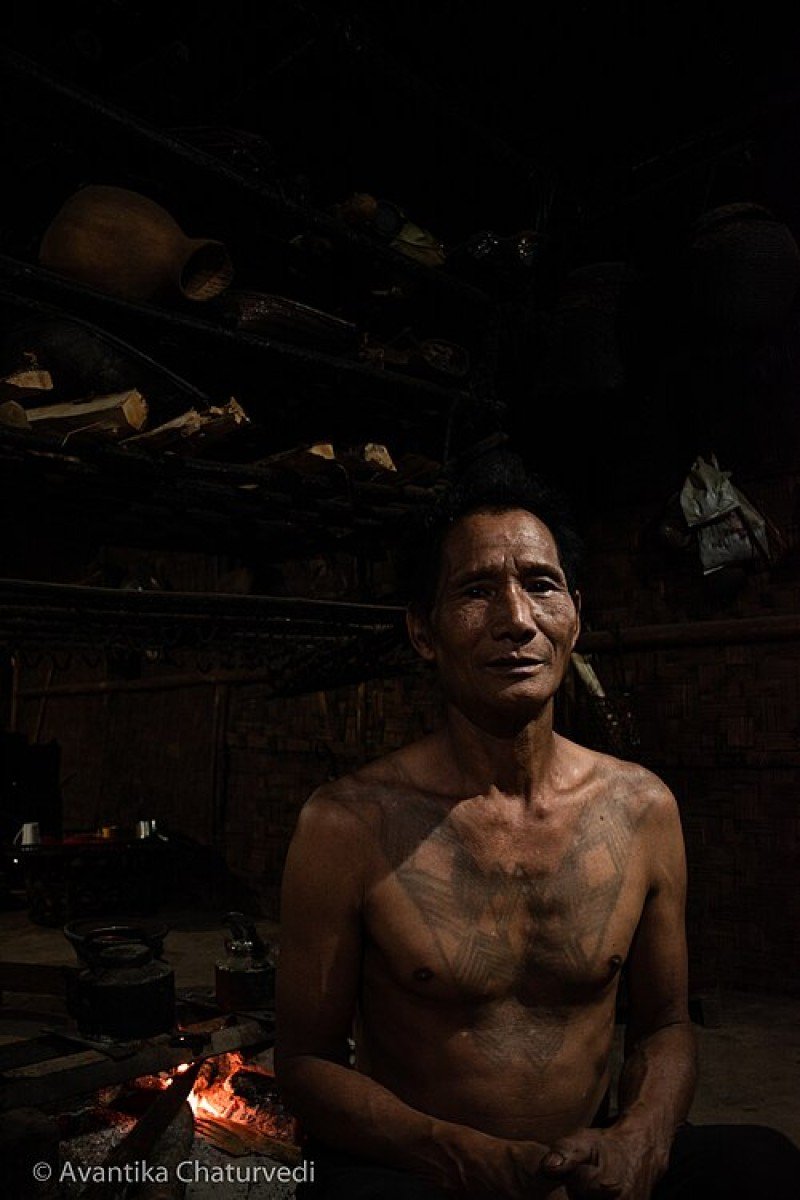
Shangphan Wildlife Sanctuary
General information
-
Ideal Duration:
1 to 2 DaysPlace Type:
Wildlife & Nature ReserveEntry Fees:
Permit Fees: Entry for Indian nationals is approximately Rs.50, while foreign tourists may be charged Rs.500 along with mandatory camera fees.
Guide and Vehicle Charges: Hiring a local guide or a forest-approved vehicle can cost between Rs.1,500 a...Permit Fees: Entry for Indian nationals is approximately Rs.50, while foreign tourists may be charged Rs.500 along with mandatory camera fees.
Guide and Vehicle Charges: Hiring a local guide or a forest-approved vehicle can cost between Rs.1,500 and Rs.3,000 depending on the duration of the trip.Timing:
General Visiting Hours: The sanctuary is open from 6:00 AM to 5:00 PM daily, with the last entry allowed at 3:30 PM for safety.
Best Time for Sightseeing: Early morning (6:00 AM to 9:00 AM) and late afternoon (3:00 PM to 5:00 PM) are the bes...General Visiting Hours: The sanctuary is open from 6:00 AM to 5:00 PM daily, with the last entry allowed at 3:30 PM for safety.
Best Time for Sightseeing: Early morning (6:00 AM to 9:00 AM) and late afternoon (3:00 PM to 5:00 PM) are the best times to spot active wildlife.Special Events:
World Elephant Day: Observed in August, the forest department often conducts awareness programs for local villagers and visitors regarding elephant conservation.
Annual Forest Week: Held in October, this event focuses on planting native spec...World Elephant Day: Observed in August, the forest department often conducts awareness programs for local villagers and visitors regarding elephant conservation.
Annual Forest Week: Held in October, this event focuses on planting native species and conducting educational tours for students and nature lovers.Best Photo Spots:
The Bamboo Groves: The naturally arching bamboo thickets create a tunnel-like effect that is perfect for capturing the ethereal beauty of the tropical forest.
Wildlife Watchtowers: High-angle shots of the forest canopy from the watchtowers p...The Bamboo Groves: The naturally arching bamboo thickets create a tunnel-like effect that is perfect for capturing the ethereal beauty of the tropical forest.
Wildlife Watchtowers: High-angle shots of the forest canopy from the watchtowers provide a breathtaking perspective of the green expanse stretching toward Assam.Photo Gallery

Things To Do
-
Guided Wildlife Safaris: Take a forest department-approved jeep or walk with a local tracker to spot wild elephants, barking deer, and wild boars.
Birdwatching Expeditions: The sanctuary is home to many rare birds; early morning sessions are perfect for spotting hornbills and vibrant forest minivets.
Nature Photography: Capture the play of light through the thick evergreen canopy and the intricate details of the various butterfly species found here.
Trekking Through Bamboo Brakes: Hike the designated trails led by forest guards to experience the dense vegetation and learn about medicinal forest plants.
Elephant Observation: Spend time at the watchtowers near water holes to observe the majestic Asian Elephants in their natural, u...Guided Wildlife Safaris: Take a forest department-approved jeep or walk with a local tracker to spot wild elephants, barking deer, and wild boars.
Birdwatching Expeditions: The sanctuary is home to many rare birds; early morning sessions are perfect for spotting hornbills and vibrant forest minivets.
Nature Photography: Capture the play of light through the thick evergreen canopy and the intricate details of the various butterfly species found here.
Trekking Through Bamboo Brakes: Hike the designated trails led by forest guards to experience the dense vegetation and learn about medicinal forest plants.
Elephant Observation: Spend time at the watchtowers near water holes to observe the majestic Asian Elephants in their natural, undisturbed habitat.
Learning Local Conservation: Interact with the forest guards to understand the challenges of protecting a border sanctuary and managing human-wildlife conflict.
Camping at the Fringe: With special permission, camp near the forest boundary to experience the nocturnal sounds of the Nagaland wilderness under the stars.
Information
-
Why Famous:
Critical Elephant Habitat: It is famous for being the smallest Elephant Reserve in India, playing a giant role in the seasonal migration of Asian Elephants.
Biodiversity Hotspot: The sanctuary is renowned for hosting over 180 plant species a...Critical Elephant Habitat: It is famous for being the smallest Elephant Reserve in India, playing a giant role in the seasonal migration of Asian Elephants.
Biodiversity Hotspot: The sanctuary is renowned for hosting over 180 plant species and a vast array of orchids that bloom during the spring season. -
Architecture:
Tropical Forest Ecosystem: The forest canopy is diverse, featuring tall hardwood trees like Hollong and Mekai, which reach heights of over 30 meters in dense patches.
Elephant Reserve Infrastructure: The area includes designated watchtowers ...Tropical Forest Ecosystem: The forest canopy is diverse, featuring tall hardwood trees like Hollong and Mekai, which reach heights of over 30 meters in dense patches.
Elephant Reserve Infrastructure: The area includes designated watchtowers and forest beats, though many are strategically placed to monitor animal movement rather than for tourist luxury. -
How To Reach:
By Air: Fly to Dibrugarh Airport and then travel via Sonari to reach the sanctuary, which is roughly a 5-6 hour drive.
By Train: The closest railhead is Bhojo Railway Station in Assam; from there, it is a relatively short road trip of about...By Air: Fly to Dibrugarh Airport and then travel via Sonari to reach the sanctuary, which is roughly a 5-6 hour drive.
By Train: The closest railhead is Bhojo Railway Station in Assam; from there, it is a relatively short road trip of about 30 KM.
By Road: The sanctuary is accessible via the Mon-Sonari road, which remains in decent condition compared to other interior roads of Nagaland.
By Local Transport: Shared Sumos from Mon town go towards the sanctuary area, but hiring a private 4x4 vehicle is highly recommended for the terrain. -
Weather and Best Time to Visit:
Post-Monsoon (October to March): This is the ideal time as the roads are dry and the weather is cool, making wildlife spotting much easier.
Early Summer (March to May): Good for birdwatching and seeing the forest in bloom, though temperature...Post-Monsoon (October to March): This is the ideal time as the roads are dry and the weather is cool, making wildlife spotting much easier.
Early Summer (March to May): Good for birdwatching and seeing the forest in bloom, though temperatures can rise up to 30°C during the day. -
Near Tourist Places:
1. Tizit (25 KM), 2. Naganimora (40 KM), 3. Mon Town (65 KM), 4. Sonari, Assam (20 KM), 5. Bhojo (30 KM), 6. Sibsagar (60 KM), 7. Dikhu River (45 KM), 8. Shangnyu (80 KM), 9. Longwa (100 KM), 10. Chui Village (75 KM)
Tourism Tips
-
Health and Safety: Always travel with a forest guard as wild elephants can be unpredictable and dangerous if they feel threatened or cornered.
Packing Essentials: Carry high-ankle boots, camouflage clothing, insect repellent, and plenty of d...Health and Safety: Always travel with a forest guard as wild elephants can be unpredictable and dangerous if they feel threatened or cornered.
Packing Essentials: Carry high-ankle boots, camouflage clothing, insect repellent, and plenty of drinking water as there are no shops inside the sanctuary.
Cash and Connectivity: Ensure you have enough cash for permits and guides; mobile network is extremely spotty and data services are almost unavailable.
Respecting the Environment: Maintain strict silence, do not litter, and never attempt to feed or provoke any wild animals during your visit.
Reviews
FAQs
Mon Itineray And Cost:-
Shangphan Wildlife Sanctuary Tourism:-
Other Places In Mon :-
Other States In India :-
Information about New and Updated Locations() of Nagaland Has Been Added :-
Card subtitle
Note:-
Information provided here in good Faith and for reference only.
Near Places

Angphang Village
Some quick example text to build on the card title and make up the bulk of the card's content.
Go somewhere
Changlangshu Village
Some quick example text to build on the card title and make up the bulk of the card's content.
Go somewhere
Chenloisho Village
Some quick example text to build on the card title and make up the bulk of the card's content.
Go somewhere
Chiknyuho
Some quick example text to build on the card title and make up the bulk of the card's content.
Go somewhere
Chui Village
Some quick example text to build on the card title and make up the bulk of the card's content.
Go somewhere
Dikhu River
Some quick example text to build on the card title and make up the bulk of the card's content.
Go somewhere
K. Veda Peak / Pak Koi
Some quick example text to build on the card title and make up the bulk of the card's content.
Go somewhere
Kaimang River
Some quick example text to build on the card title and make up the bulk of the card's content.
Go somewhere
Langmeang Village
Some quick example text to build on the card title and make up the bulk of the card's content.
Go somewhere
Longwa Village
Some quick example text to build on the card title and make up the bulk of the card's content.
Go somewhere
Maksha River
Some quick example text to build on the card title and make up the bulk of the card's content.
Go somewhere
Mon Museum
Some quick example text to build on the card title and make up the bulk of the card's content.
Go somewhere
Mon Town Baptist Church
Some quick example text to build on the card title and make up the bulk of the card's content.
Go somewhere
Monyakshu Village
Some quick example text to build on the card title and make up the bulk of the card's content.
Go somewhere
Ngupdang
Some quick example text to build on the card title and make up the bulk of the card's content.
Go somewhere
Veda Peak
Some quick example text to build on the card title and make up the bulk of the card's content.
Go somewherein Other Cities