Shri Kancha Kanti Devi Temple
General information
-
Ideal Duration:
1 to 2 HoursPlace Type:
Religious/Spiritual Site, Historical Landmark, TemEntry Fees:
No Entry Fee for Devotees: The most important point is that there is no official entry fee to visit the Shri Kancha Kanti Devi Temple. Like most Hindu temples in India, it is a place of worship open to all devotees and visitors free of charge. The main purpose of the templ...No Entry Fee for Devotees: The most important point is that there is no official entry fee to visit the Shri Kancha Kanti Devi Temple. Like most Hindu temples in India, it is a place of worship open to all devotees and visitors free of charge. The main purpose of the temple is spiritual, not commercial, ensuring that religious access is universally available regardless of a person's economic status.
Donations and Puja Offerings: While entry is free, the temple relies on voluntary donations (Dakshina) from devotees for its maintenance, the performance of daily rituals (Puja), and community welfare activities. Visitors are free to donate money in the designated boxes or to the temple trust. Furthermore, if you wish to participate in a specific puja or ritual (like Archana or Havan), a nominal fee may be charged to cover the cost of materials (flowers, sweets, oil, incense) and the priest's service, but this is an optional ritual fee, not an entry ticket.
Parking and Shoe Storage: Visitors should also expect a small, unofficial fee for local services outside the temple. This might include a small charge for parking vehicles in the nearby lot or a voluntary tip for the person who minds your shoes and belongings at the entrance (a mandatory requirement before entering the temple premises). These are generally minor expenses and not official tickets.
Timing:
Regular Timings (Daily Operations): The temple is generally open every day of the week, including Sunday. Typical operating hours are from 6:00 AM (Opening) to 8:00 PM (Closing). These hours ensure that both morning and evening aarti and prayer sessions are accommodated, m...Regular Timings (Daily Operations): The temple is generally open every day of the week, including Sunday. Typical operating hours are from 6:00 AM (Opening) to 8:00 PM (Closing). These hours ensure that both morning and evening aarti and prayer sessions are accommodated, making it accessible for devotees throughout the day. However, visitors should be aware that the main sanctum sanctorum may be briefly closed during midday for the deity's rest or during specific ritual preparations.
Ideal Visit Time (Crowds and Darshan): The ideal visit time is during the early morning hours (shortly after 6:00 AM) or the late afternoon/early evening (around 5:00 PM to 7:00 PM). Morning visits are best for quiet reflection, enjoying the cool air, and witnessing the first aarti. Evening visits are ideal for experiencing the vibrant evening aarti, which is often more elaborate and atmospheric. Midday should generally be avoided, especially during the Summer months, due to intense heat and the possibility of a brief closure.
Festival Timings: During major festivals like Durga Puja and Kali Puja in the months of October and November, the timings change significantly. The temple may remain open much later, sometimes until midnight or even through the night for special rituals. Crowds will be substantial during these times, so the ideal time to visit during a festival is right at the opening time or during a less popular puja slot.
Day of the Week: While the temple is popular every day, Fridays are often considered highly auspicious for the Goddess Kali/Durga and can see slightly higher crowds. Visiting on a Tuesday or Thursday might offer a more tranquil experience.
Special Events:
Navratri and Durga Puja Celebrations: The most significant and vibrant special event is the celebration of Navratri and the subsequent Durga Puja (and Kali Puja). During the Autumn months (typically September or October), the temple is a focal point of intense devotional ac...Navratri and Durga Puja Celebrations: The most significant and vibrant special event is the celebration of Navratri and the subsequent Durga Puja (and Kali Puja). During the Autumn months (typically September or October), the temple is a focal point of intense devotional activity. The temple is lavishly decorated with lights, flowers, and elaborate thematic setups (pandals). Special rituals, including fasting, chanting, and cultural performances, are held over nine nights. The atmosphere is one of collective joy, immense spirituality, and cultural showcase. Devotees flock to the temple in massive numbers to witness the grand aarti and participate in community feasts.
Kali Puja: Following Durga Puja, Kali Puja is celebrated with particular enthusiasm, given the Goddess Kanchakanti's strong association with Maa Kali. This night-long celebration involves unique, intense rituals, special aarti dedicated to the fierce aspect of the Goddess, and cultural programs. The temple complex is at its most crowded and most spiritually charged during this period, offering a unique opportunity to experience the region's deep-rooted devotion to the Mother Goddess.
Best Photo Spots:
The Temple Entrance Archway: The main entrance, often adorned with traditional designs and the temple's name in regional script, is a superb spot for a photo. Capturing the archway with a slight upward angle can give a sense of grandeur and welcome. It's a great place for ...The Temple Entrance Archway: The main entrance, often adorned with traditional designs and the temple's name in regional script, is a superb spot for a photo. Capturing the archway with a slight upward angle can give a sense of grandeur and welcome. It's a great place for a portrait shot to show you visited the specific location.
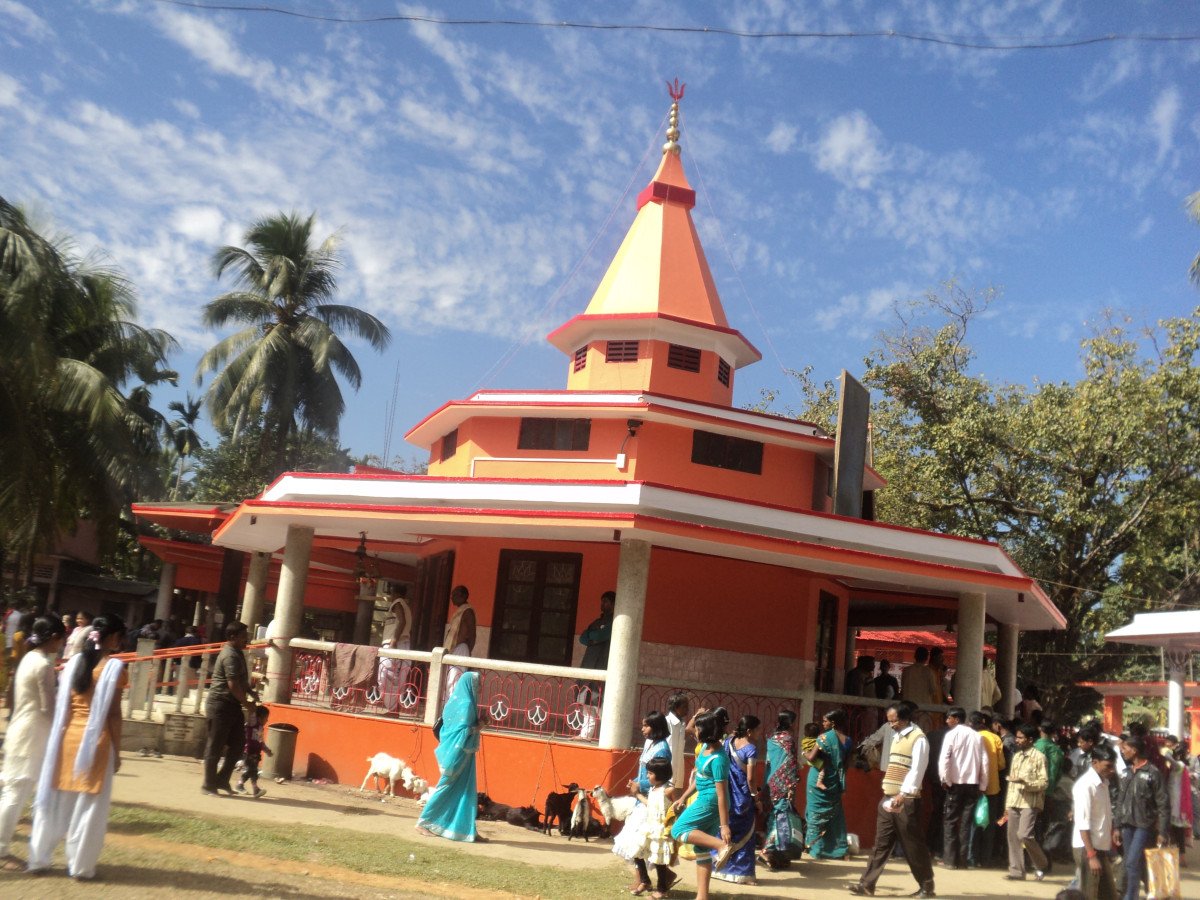
The Courtyard and Pradakshina Path: The open area surrounding the main shrine is perfect for wide-angle shots. You can capture the entire structure of the temple, highlighting its architectural style and the peaceful environment. Try to photograph the patterns of devotees performing Pradakshina (circumambulation) to capture a sense of motion and devotion.
Detailed Architectural Carvings: Focus closely on the intricate designs and religious motifs that adorn the temple walls and pillars. Use a macro or telephoto lens to highlight the artistry of the craftsmen who rebuilt the structure. Look for sculptures of mythological figures or decorative patterns unique to the Assamese and Bengali blend of architecture.
The Sacred Trees and Votive Threads: The presence of sacred trees or the jaalis (latticed screens) covered in brightly colored votive threads (where devotees tie their prayers) makes for a powerful, symbolic photo. These threads represent hundreds of personal wishes and are a beautiful visual testament to the collective faith. Photographing this area can create a very intimate and culturally rich image.
Morning Light and Sunsets: The temple's modest height makes it perfect for lighting. In the early morning, the soft, golden light illuminates the structure, giving it a peaceful glow. Similarly, capturing the temple silhouetted against a dramatic sunset in the evening can create a stunning, atmospheric photo that emphasizes the serene setting of Udharbond.
Photo Gallery
Things To Do
-
Attending the Divine Aarti (Morning & Evening): Attending the daily aarti is the most important activity. The ritual involves the ceremonial waving of lamps, chanting of hymns, and ringing of bells, creating an intense, moving spiritual experience. The morning aarti is a peaceful start to the day, while the evening aarti often feels more dramatic and collective. Visitors should arrive early to secure a good viewing spot and fully immerse themselves in the devotional fervor.
Performing the Sacred Pradakshina: Dedicate time to the traditional Pradakshina (circumambulation). Walk barefoot and clockwise around the main temple structure. This simple yet profound act is a form of deep reverence, believed to cleanse the soul and amplify the sincerity of your prayers. Take this time for silent meditation and reflection, observing t...Attending the Divine Aarti (Morning & Evening): Attending the daily aarti is the most important activity. The ritual involves the ceremonial waving of lamps, chanting of hymns, and ringing of bells, creating an intense, moving spiritual experience. The morning aarti is a peaceful start to the day, while the evening aarti often feels more dramatic and collective. Visitors should arrive early to secure a good viewing spot and fully immerse themselves in the devotional fervor.
Performing the Sacred Pradakshina: Dedicate time to the traditional Pradakshina (circumambulation). Walk barefoot and clockwise around the main temple structure. This simple yet profound act is a form of deep reverence, believed to cleanse the soul and amplify the sincerity of your prayers. Take this time for silent meditation and reflection, observing the carvings and small shrines along the path.
Offering Prayers and Puja: As a devotee, you can participate in puja by offering flowers, coconuts, sweets, or cloth to the Goddess. The local priests can assist with specific ritual offerings. This is the core reason for visiting—to seek the Goddess's blessings for health, prosperity, and the fulfillment of specific wishes (Manokamna). Exploring the Temple Complex and Subsidiary Shrines: The premises usually contain smaller temples dedicated to other Hindu deities, such as Lord Shiva or Lord Krishna. Take a few minutes to visit these smaller shrines. This exploration provides a wider spiritual context and showcases the diversity of Hindu worship practiced locally.
Observing Local Pilgrimage Practices: Watch and respectfully observe the unique local traditions, like the practice of tying sacred threads to the latticed screens (jaalis) or nearby sacred trees. This is done with a wish or a prayer, and the colorful threads are a visual representation of collective faith. You can respectfully join in this tradition if you have a wish.
Experiencing the Festival Throngs: Plan to visit during major festivals like Durga Puja or Kali Puja. During these times, the temple is spectacularly decorated, the rituals are grand, and the atmosphere is electric with community energy, traditional music, and dance. While it will be very crowded, it is the best time to witness the local culture and faith at its peak.
Engaging with the Local Stalls: After leaving the main sanctuary, a must-do is visiting the small local stalls outside the temple gates. Here, you can enjoy simple, authentic Assamese snacks, buy religious artifacts like incense and prayer beads, or purchase locally made souvenirs. This simple activity supports the local economy and offers a taste of the regional flavor outside the spiritual hub.
Photography (Exterior Areas Only): Capture the serene beauty of the temple's exterior architecture and the surrounding tranquil environment. Always be mindful of local etiquette and strictly avoid taking pictures inside the sanctum sanctorum or of the main deity to maintain the sanctity of the place.
Information
-
Why Famous:
Royal Patronage and Divine Command: The primary reason for the temple's fame is its historical connection to the Kachari Kingdom. It was built in 1806 AD by a reigning Kachari King who established the temple following a divine dream. This link to a royal decree from over t...Royal Patronage and Divine Command: The primary reason for the temple's fame is its historical connection to the Kachari Kingdom. It was built in 1806 AD by a reigning Kachari King who established the temple following a divine dream. This link to a royal decree from over two centuries ago lends immense authority and spiritual weight to the temple, making it a powerful symbol of the region's past. The story of the goddess commanding her own temple's creation is a potent piece of local folklore.
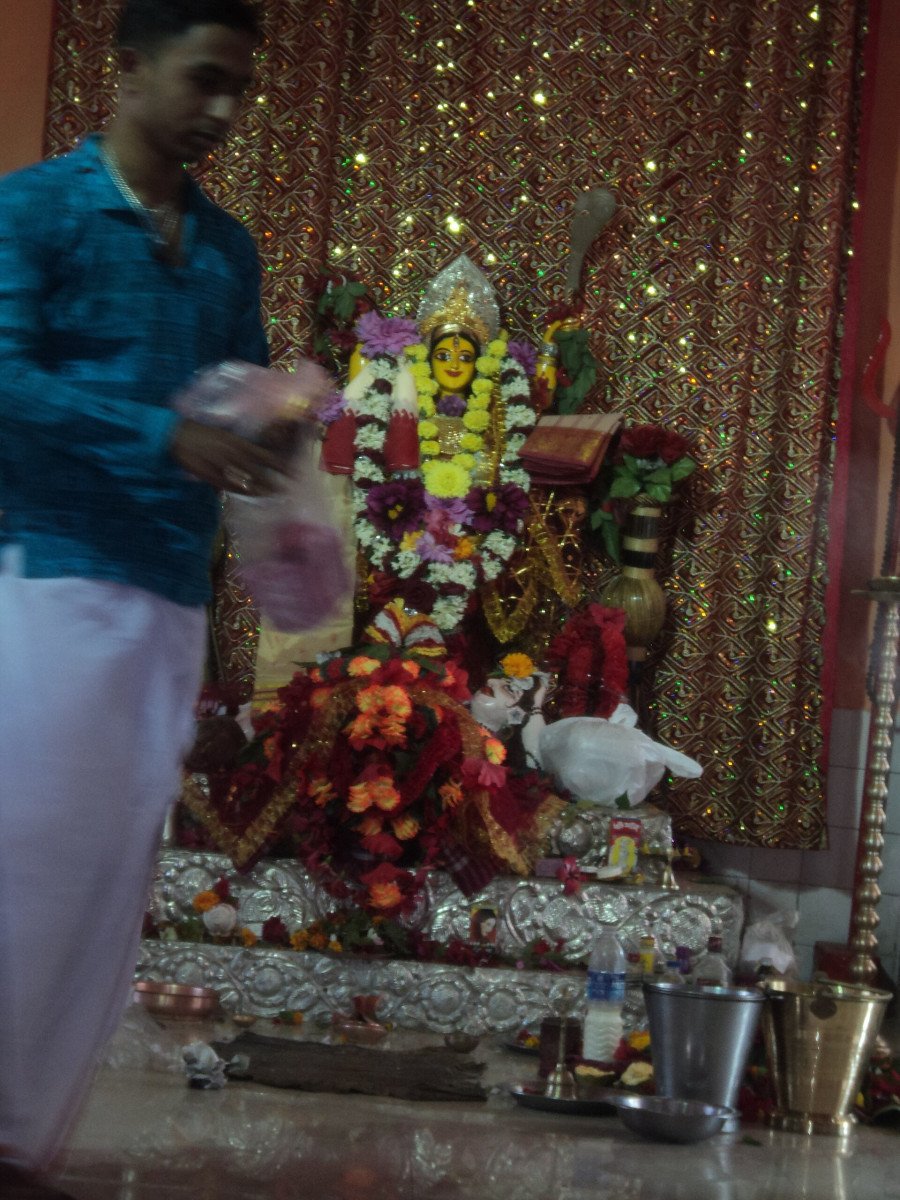
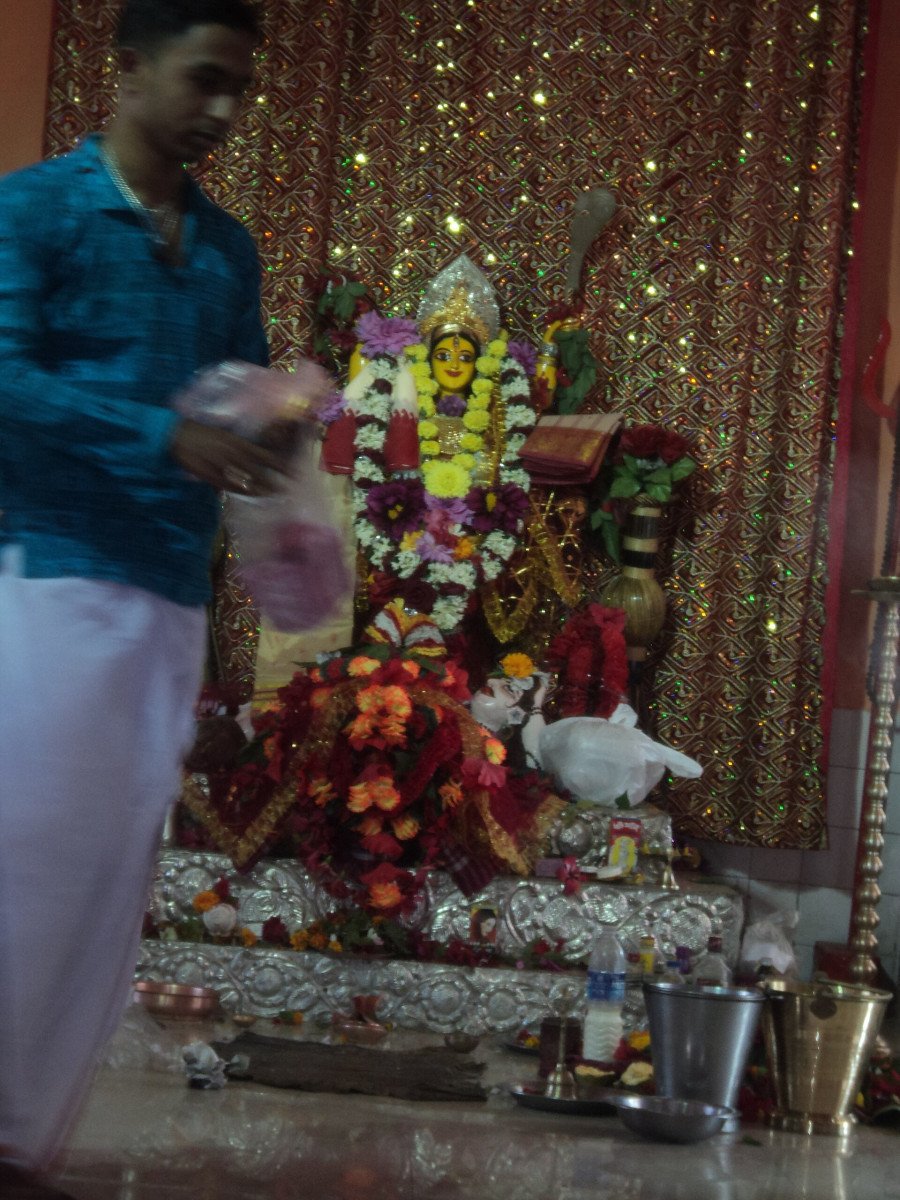
The Combined Deity - Kanchakanti: The temple is unique because it worships Goddess Kanchakanti, a rare combined form of Maa Durga and Maa Kali. This fusion symbolizes both the fierce, destructive power needed to remove evil and the gentle, protective power that blesses creation. Devotees believe that worshipping this form grants a complete range of protection and prosperity, making it an exceptionally 'jagrata' (awakened or powerful) temple. The idol's legendary gold complexion further adds to its mystique and divine allure.
Fulfillment of Wishes (Manokamna): It is widely believed in the local community that sincere prayers offered at this temple are answered. The temple is famous for fulfilling the heartfelt desires (Manokamna) of its devotees, drawing pilgrims from all over the Barak Valley and beyond. This reputation for divine intervention has cemented its status as a must-visit pilgrimage spot for spiritual seekers looking for blessings, prosperity, and peace.
Spiritual Aura and Tranquility: Beyond the legends, the temple's fame also rests on the deep sense of peace and spiritual tranquility found on its premises. The serene surroundings and the calming atmosphere of the daily rituals provide a perfect retreat for meditation and introspection.
-
Architecture:
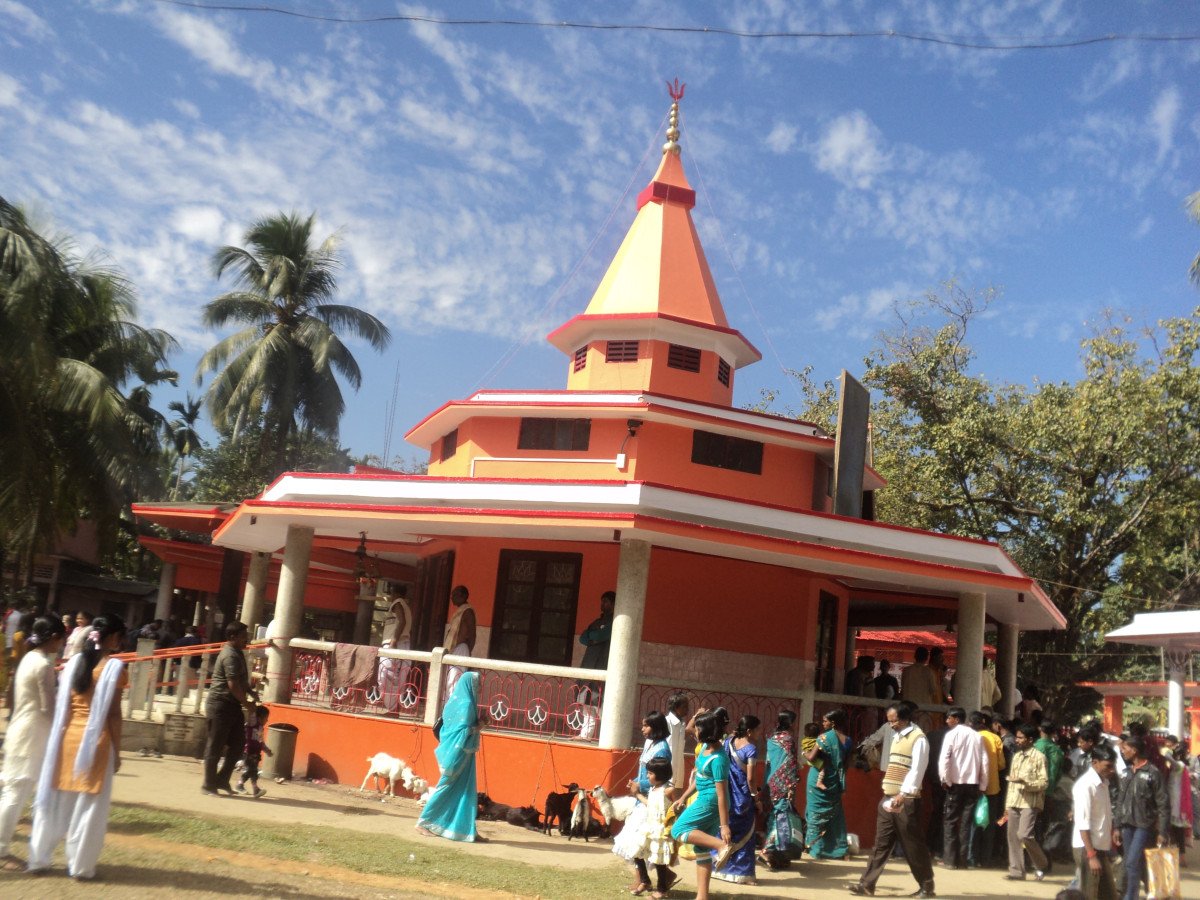
Architectural Style and Influence: The current structure of the Shri Kancha Kanti Devi Temple, rebuilt in 1978, incorporates a blend of traditional regional temple architecture, showing influences from both Assamese and Bengali styles. Unlike the grand, towering structures ...Architectural Style and Influence: The current structure of the Shri Kancha Kanti Devi Temple, rebuilt in 1978, incorporates a blend of traditional regional temple architecture, showing influences from both Assamese and Bengali styles. Unlike the grand, towering structures of some major Indian temples, this shrine features a more modest, yet spiritually focused design, prioritizing the sacred space around the deity. The structure typically includes a main sanctum (Garbhagriha) where the idol is housed, a hall for devotees (Mandapa), and often a surrounding courtyard for circumambulation (Pradakshina). The entire complex is usually finished in bright colors, typical of modern temple renovations, though it preserves a deep sense of antiquity.
Structure and Dimensions (Estimated/Inferred): While specific, verifiable architectural dimensions (like height in meters, floor area in square feet) are not readily available in public domain snippets, the design is understood to be a small to moderate-sized temple complex. The focus is less on massive scale and more on the serene flow for pilgrims. The main temple section is generally a single-story structure with a traditional curved or tiered roof (Shikhara-like element, or a simple dome) over the sanctum. The exterior walls are often adorned with intricate artwork, religious motifs, and carvings of mythological figures, which are characteristic of the region’s temple craftsmanship. The surrounding area often includes a peaceful garden and smaller shrines dedicated to other deities, completing the pilgrimage experience. The temple's modest but well-maintained structure embodies a peaceful blend of spiritual and regional aesthetic design.
-
How To Reach:
By Air (Fastest Route): The nearest airport is Silchar Airport (IXS), also known as Kumbhirgram Airport. It is located approximately 24 kilometers from the main Silchar city center and is about 30 to 45 minutes driving time from the temple location in Udharbond. The airpor...By Air (Fastest Route): The nearest airport is Silchar Airport (IXS), also known as Kumbhirgram Airport. It is located approximately 24 kilometers from the main Silchar city center and is about 30 to 45 minutes driving time from the temple location in Udharbond. The airport has regular flights connecting it to major Indian cities like Kolkata (West Bengal), Guwahati (Assam), and Imphal (Manipur). Once you land, you can easily hire a pre-paid taxi, a private cab, or an app-based cab service from the airport directly to the temple. It is the most comfortable and fastest way to reach the region.
By Train (Intercity Travel): The main and nearest major railway station is Silchar Railway Station (SCL), located within the city limits and about 11 to 15 kilometers from the temple. The station is well-connected to major railway networks, especially to other parts of Assam and the rest of India. You can find direct or connecting trains from cities like Guwahati and New Delhi. From the station, you can hire a local auto-rickshaw, a city bus, or a taxi to reach the temple via the NH-37 or the main Udharbond road.
By Road (State and National Highways): Silchar is a crucial node in the regional road network. It is well-connected by National Highways, specifically NH-37 and NH-53. Regular bus services are available from key neighboring capitals and towns, including Guwahati, Shillong (Meghalaya), Aizawl (Mizoram), Agartala (Tripura), and Imphal (Manipur). You can hire an inter-state bus, a shared taxi, or a private vehicle. The drive is scenic, though roads can be challenging during the Monsoon season.
By Local Transport (Last Mile Connectivity): From the Silchar city center (like areas near Janiganj Bazar or Park Road), the temple, being about 11-15 km away, is best reached by hiring an auto-rickshaw or a local taxi. Shared auto-rickshaws, or totos, are a cheaper option but less comfortable and may require a change of vehicle. Be sure to agree on the fare with the driver before starting the journey, as taxis and autos do not always use meters.
-
Weather and Best Time to Visit:
Winter Season (October to March): This is by far the Best Time to Visit. The weather is cool, dry, and highly pleasant. Temperatures typically range from 20°C to 30°C during the day, making travel and outdoor activities extremely comfortable. This period also coincides ...Winter Season (October to March): This is by far the Best Time to Visit. The weather is cool, dry, and highly pleasant. Temperatures typically range from 20°C to 30°C during the day, making travel and outdoor activities extremely comfortable. This period also coincides with the major festivals of Navratri and Durga Puja (and Kali Puja) in October/November, offering the most vibrant cultural experience.
Summer Season (March to May): The weather is generally hot and humid, with temperatures potentially rising to 35°C. Visits are still possible, but outdoor exploration is best done in the early mornings or late evenings. If visiting in May, you might catch the pre-monsoon showers, which temporarily bring down the temperature.
Monsoon Season (June to September): This period brings heavy to very heavy rainfall. While the surrounding nature is lush and green, travel can be difficult due to waterlogged roads and potential transport delays. Tourists should only visit during the Monsoon if they prioritize seeing the deep green landscapes and do not mind the logistical challenges.
Different Parts of the Day: Early Morning (6:00 AM - 9:00 AM) This is the most ideal part of the day. The air is fresh, the crowds are minimal, and the morning aarti is peaceful. The light is perfect for photography, and the cool environment makes the Pradakshina ritual enjoyable. Late Afternoon/Evening (4:00 PM - 7:00 PM) This is the next best time, offering comfortable temperatures and the opportunity to witness the energetic evening aarti.
-
Near Tourist Places:
1.
Khaspur Ruins (Historical Landmark): Rs.20 KMS
Tourism Tips
-
Health & Safety: Carry a first-aid kit with basic medicines, especially for stomach issues and fever, as well as an insect repellent. Drink only bottled water to avoid health risks. Be mindful of your belongings in crowded areas like the festival times. Keep emergency con...Health & Safety: Carry a first-aid kit with basic medicines, especially for stomach issues and fever, as well as an insect repellent. Drink only bottled water to avoid health risks. Be mindful of your belongings in crowded areas like the festival times. Keep emergency contact numbers (local police, hotel, and an English-speaking cab driver) readily available.
Packing Essentials: Pack light cotton clothing for Summer and layers, including a light jacket or shawl, for Winter evenings. Crucially, pack modest attire (clothing that covers the shoulders and knees) as a sign of respect for the temple. Carry a small bag for your shoes and socks, as you must remove them before entering the main shrine.
Accommodation: Silchar offers a range of accommodations, from budget guesthouses to mid-range hotels. It is best to book accommodation near the city center (like Ambica Patty) which provides easier access to restaurants and transport, as the temple itself is on the outskirts. Book well in advance if traveling during the Durga Puja or Kali Puja festivals.
Respecting Local Customs and Decorum: Maintain silence or speak softly within the temple premises. Remove your footwear before entering, and leave all leather items (belts, bags) outside if the rules require it. Do not photograph the main deity or inside the inner sanctum. Always accept Prasad (sacred food offering) with your right hand.
Language and Communication: The main languages spoken are Bengali and Assamese. While many people in the city center understand Hindi and some English, learning a few simple phrases in Bengali (like Dhon-no-bad for 'Thank You') will greatly enhance your interaction with locals.
Transportation: Negotiate the fare with auto-rickshaw and taxi drivers before beginning your journey, as meters are rarely used outside the city center. For longer trips, hiring a car for the entire day is often the most convenient option.
Reviews
FAQs
Silchar Itineray And Cost:-
Shri Kancha Kanti Devi Temple Tourism:-
Information about New and Updated Locations() of Assam Has Been Added :-
Card subtitle
Note:-
Information provided here in good Faith and for reference only.
Near Places

Bhuban Mahadev Temple
Some quick example text to build on the card title and make up the bulk of the card's content.
Go somewhere
Borail Wildlife Sanctuary
Some quick example text to build on the card title and make up the bulk of the card's content.
Go somewhere
Chamragudam Point
Some quick example text to build on the card title and make up the bulk of the card's content.
Go somewhere
Dolu Lake
Some quick example text to build on the card title and make up the bulk of the card's content.
Go somewhere
Gandhibag Park
Some quick example text to build on the card title and make up the bulk of the card's content.
Go somewhere
Goldighi Mall
Some quick example text to build on the card title and make up the bulk of the card's content.
Go somewhere
Goldighi Municipal Mall
Some quick example text to build on the card title and make up the bulk of the card's content.
Go somewhere
Hindustan Paper Corporation Ltd.
Some quick example text to build on the card title and make up the bulk of the card's content.
Go somewhere
ISKCON Temple
Some quick example text to build on the card title and make up the bulk of the card's content.
Go somewhere
Jatinga Point
Some quick example text to build on the card title and make up the bulk of the card's content.
Go somewhere
Kachari Fort
Some quick example text to build on the card title and make up the bulk of the card's content.
Go somewhere
Khaspur
Some quick example text to build on the card title and make up the bulk of the card's content.
Go somewhere
Lakhipur Town
Some quick example text to build on the card title and make up the bulk of the card's content.
Go somewhere
Maibong
Some quick example text to build on the card title and make up the bulk of the card's content.
Go somewhere
Maniharan Tunnel
Some quick example text to build on the card title and make up the bulk of the card's content.
Go somewhere
Police Bazar
Some quick example text to build on the card title and make up the bulk of the card's content.
Go somewherein Other Cities