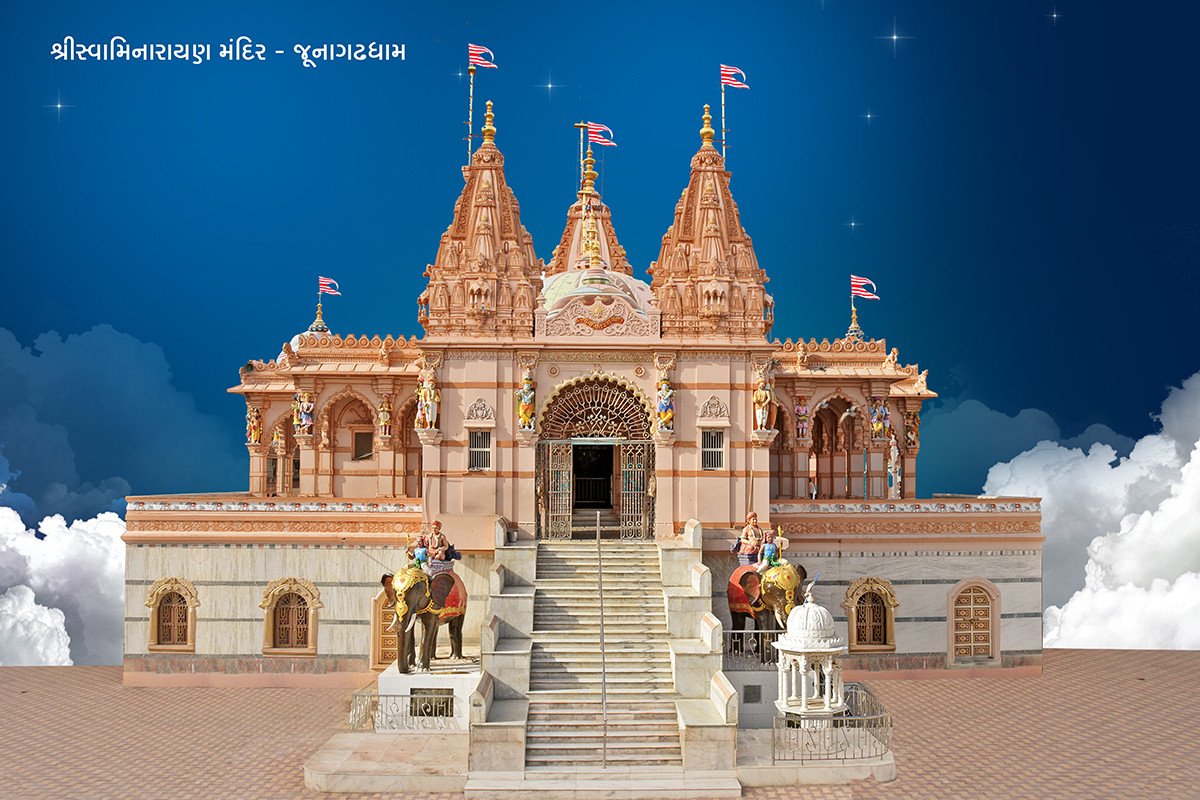
Shri Swaminarayan Mandir
General information
-
Ideal Duration:
1 to 2 hoursPlace Type:
Hindu Temple, Pilgrimage Site, Architectural LandmEntry Fees:
Principle of Free Entry: Entry to the temple complex is completely Free for all visitors, adhering to the sampraday's principle of universal access to spirituality and community service.
Donations and Seva: While entry is free, visitors are ...Principle of Free Entry: Entry to the temple complex is completely Free for all visitors, adhering to the sampraday's principle of universal access to spirituality and community service.
Donations and Seva: While entry is free, visitors are encouraged to make voluntary donations (seva) for the maintenance of the temple, the running of the prasadam hall, and other community activities. There are well-marked donation boxes and counters.
Ancillary Services Cost: The associated Goshala (cow shelter) or accommodation/guest house facilities (if available) may involve a minimal charge for services, but the core visit remains free of charge.
Photography/Videography: There are no fees for general photography of the exterior, but visitors must strictly adhere to the rule of No Photography Inside the Sanctum Sanctorum (Garbhagriha), with no fee-based exceptions.Timing:
Regular Timings: The temple is generally open daily with two main sessions: Morning (5:30 AM to 12:00 PM) and Evening (3:30 PM to 9:00 PM). The mid-day closure is for the deities' rest and cleaning rituals.
Ideal Visit Time: The Ideal Visit...Regular Timings: The temple is generally open daily with two main sessions: Morning (5:30 AM to 12:00 PM) and Evening (3:30 PM to 9:00 PM). The mid-day closure is for the deities' rest and cleaning rituals.
Ideal Visit Time: The Ideal Visit Time is during the Winter months (October to March). Within the day, the time slot for the Morning Mangla Aarti (around 5:30 AM) or the Evening Sandhya Aarti (around 7:00 PM) is highly recommended to experience the maximum spiritual vibrancy and atmosphere.
Aarti Timings: Specific aarti times are posted and should be checked locally, as they are the peak spiritual moments. Visitors often plan their trip to coincide with these sacred times.Special Events:
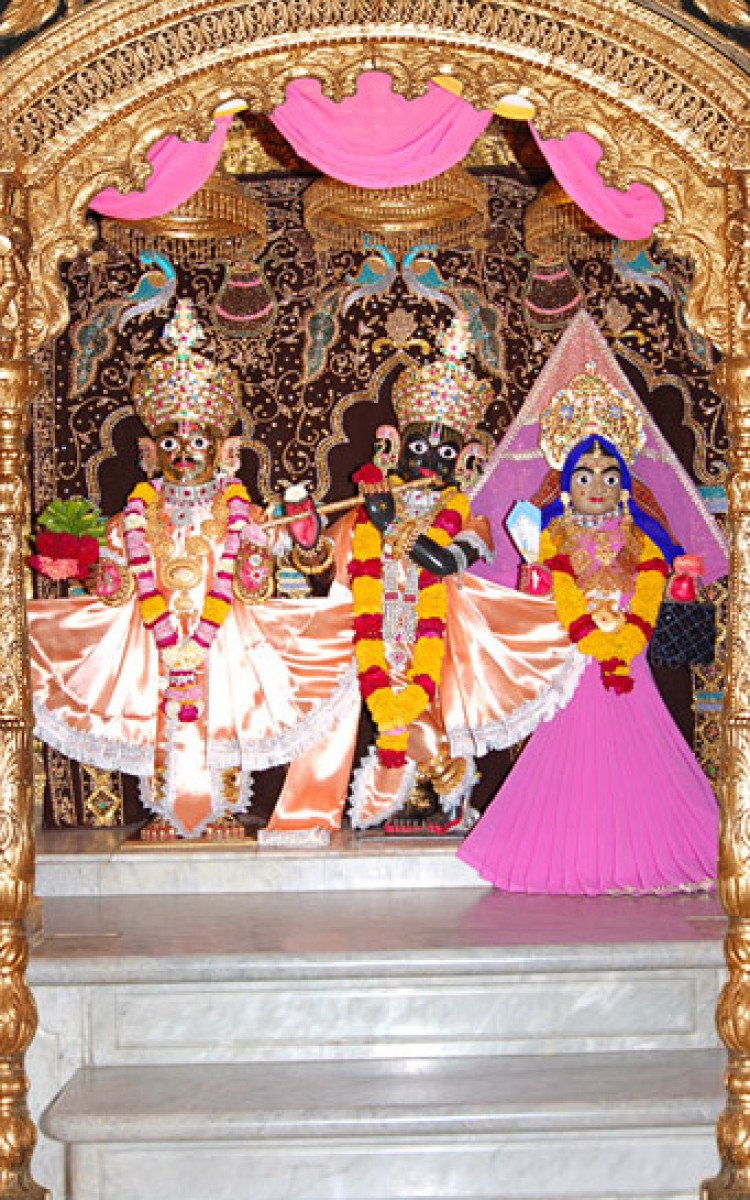
Janmashtami and Radhashtami: These festivals, celebrating the birth of Lord Krishna (as the main deity is Radha Krishna or Radha Raman), are celebrated with immense fervor, including elaborate abhisheka (ritual bathing), rasa lila performances, and large devotional gathering...Janmashtami and Radhashtami: These festivals, celebrating the birth of Lord Krishna (as the main deity is Radha Krishna or Radha Raman), are celebrated with immense fervor, including elaborate abhisheka (ritual bathing), rasa lila performances, and large devotional gatherings.
Swaminarayan Jayanti: The birthday of Bhagwan Swaminarayan in April is marked by massive processions, special assemblies, and a day-long celebration with cultural programs and religious discourses, drawing the largest crowds of the year.
Holi and Diwali: Traditional Hindu festivals are celebrated with special aartis and decorations, creating a vibrant, community atmosphere within the temple complex, attracting local residents and pilgrims alike.Best Photo Spots:
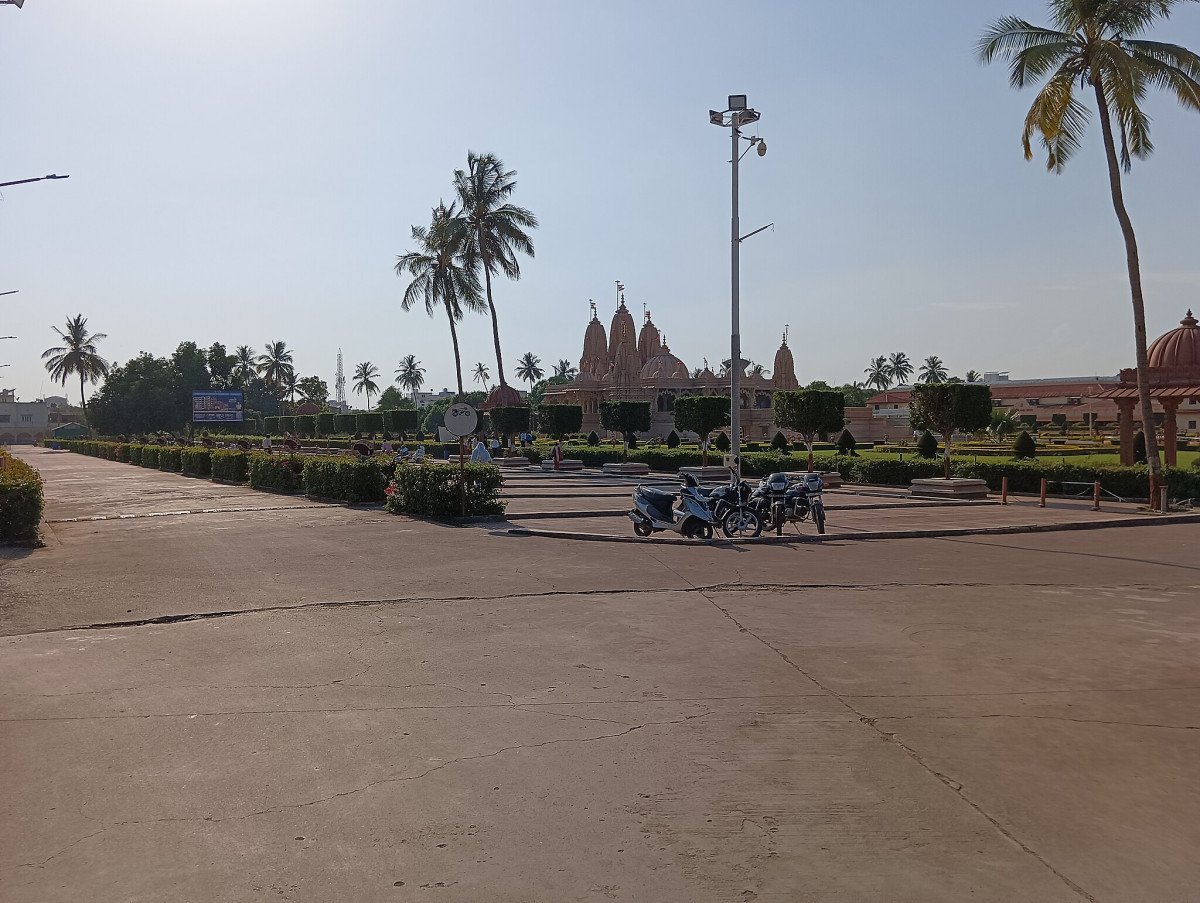
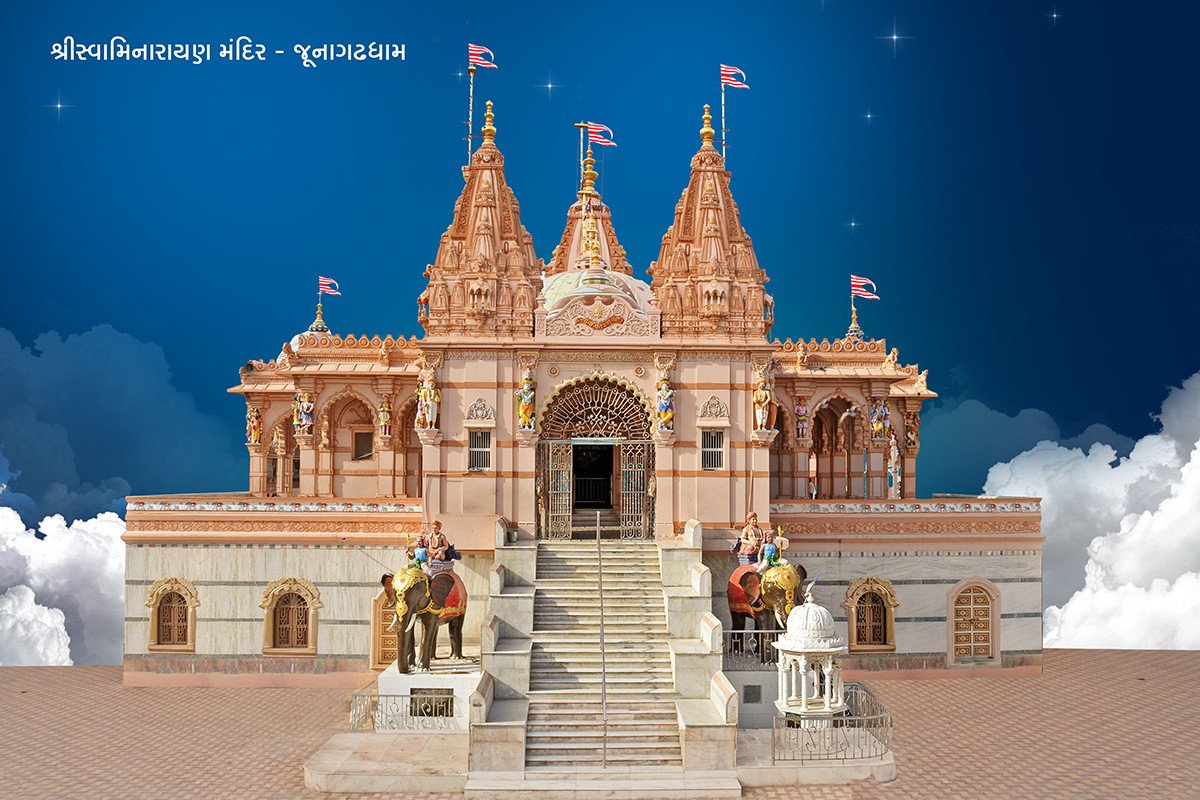
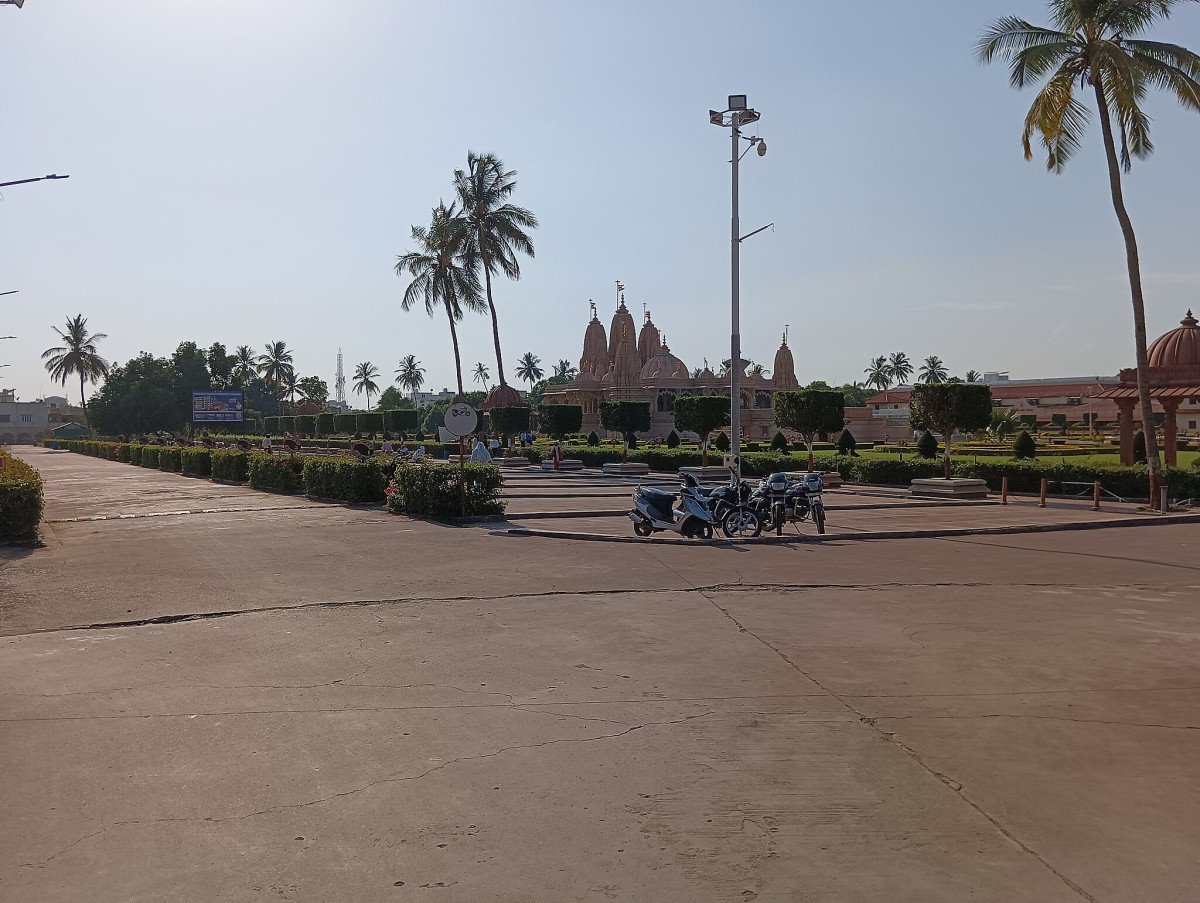
The Five Spires Panorama: The best spot to photograph the entire temple structure is from a slight distance (like the gate area), ensuring all five magnificent spires are captured against the sky, highlighting the scale and grandeur of the architecture.
Read MoreThe Five Spires Panorama: The best spot to photograph the entire temple structure is from a slight distance (like the gate area), ensuring all five magnificent spires are captured against the sky, highlighting the scale and grandeur of the architecture.
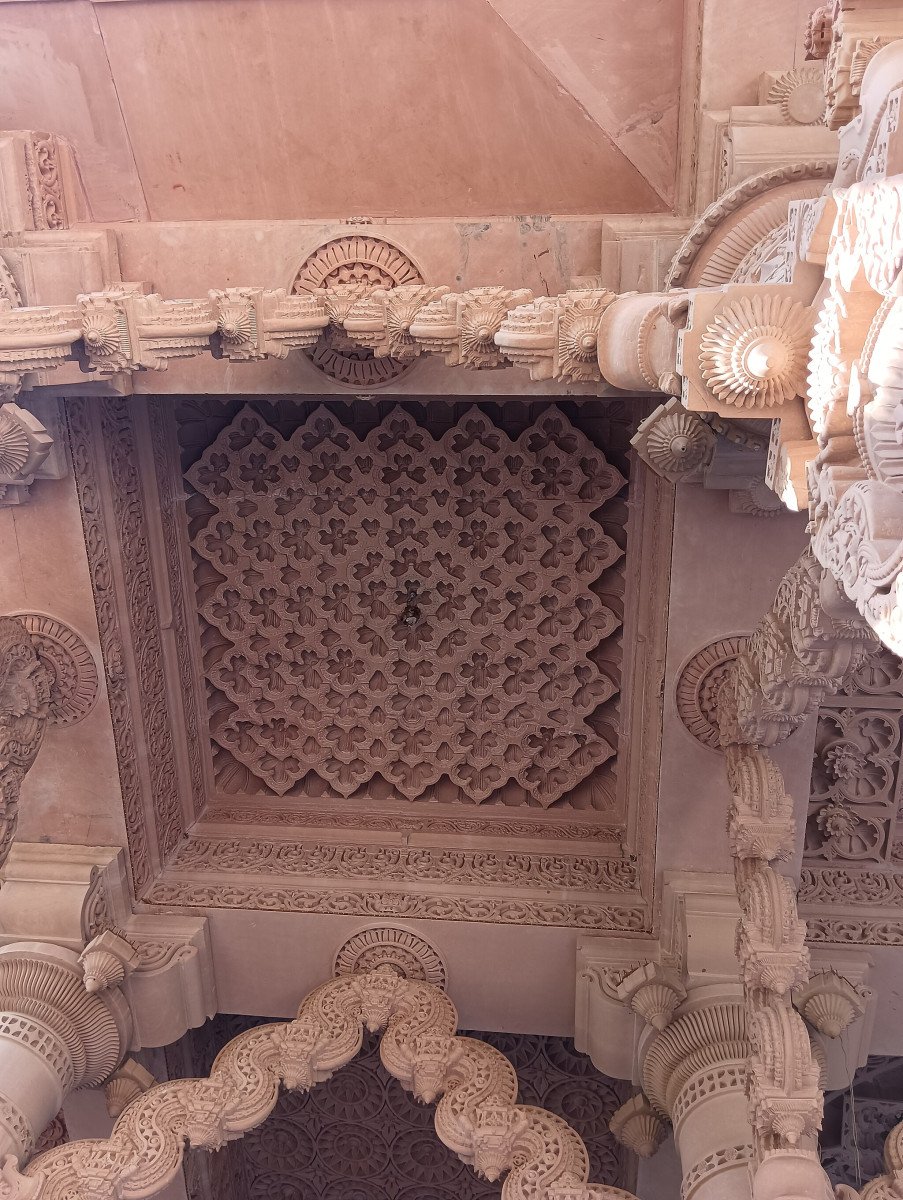
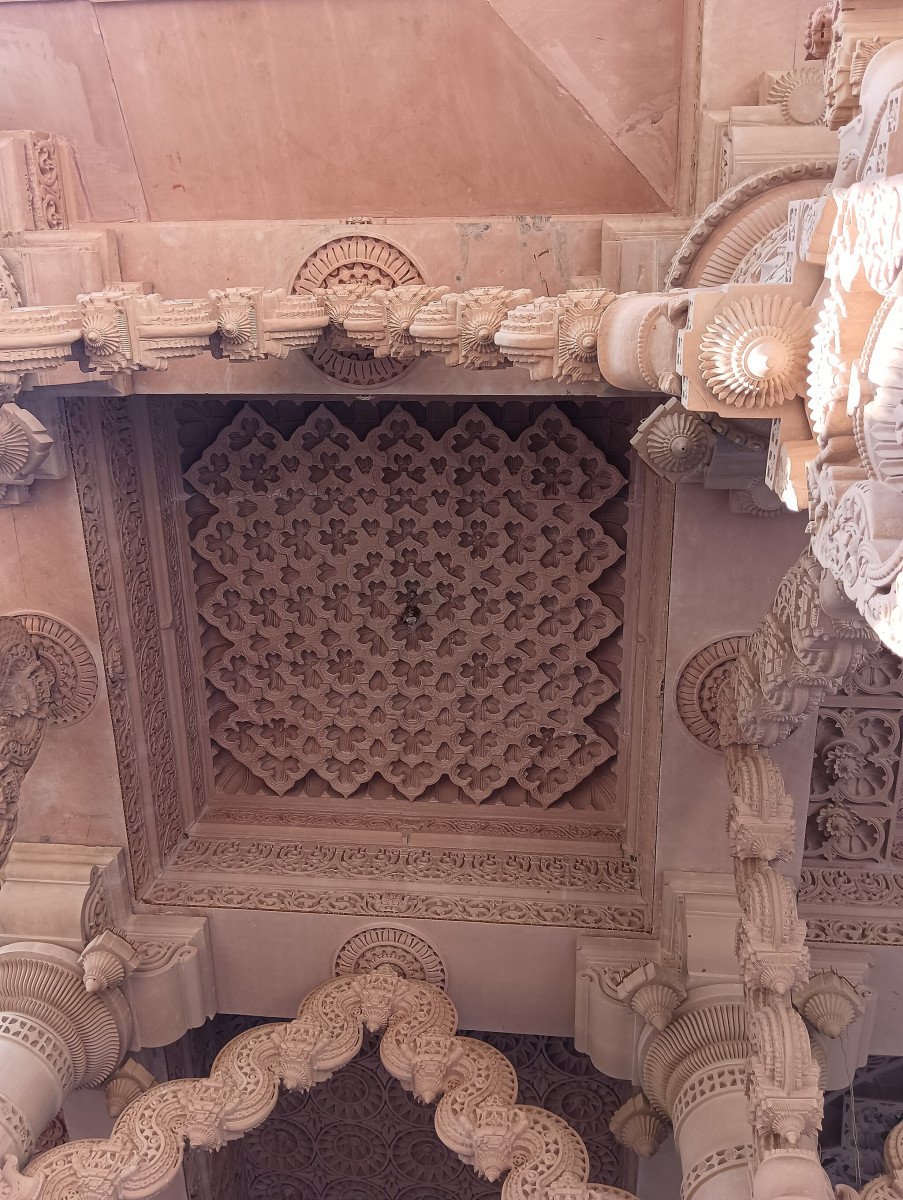
Intricate Doorway Carvings: Focus on the detailed carvings around the main entrance and the wooden doorways, capturing the traditional Gujarati craftsmanship and mythological scenes in close-up.
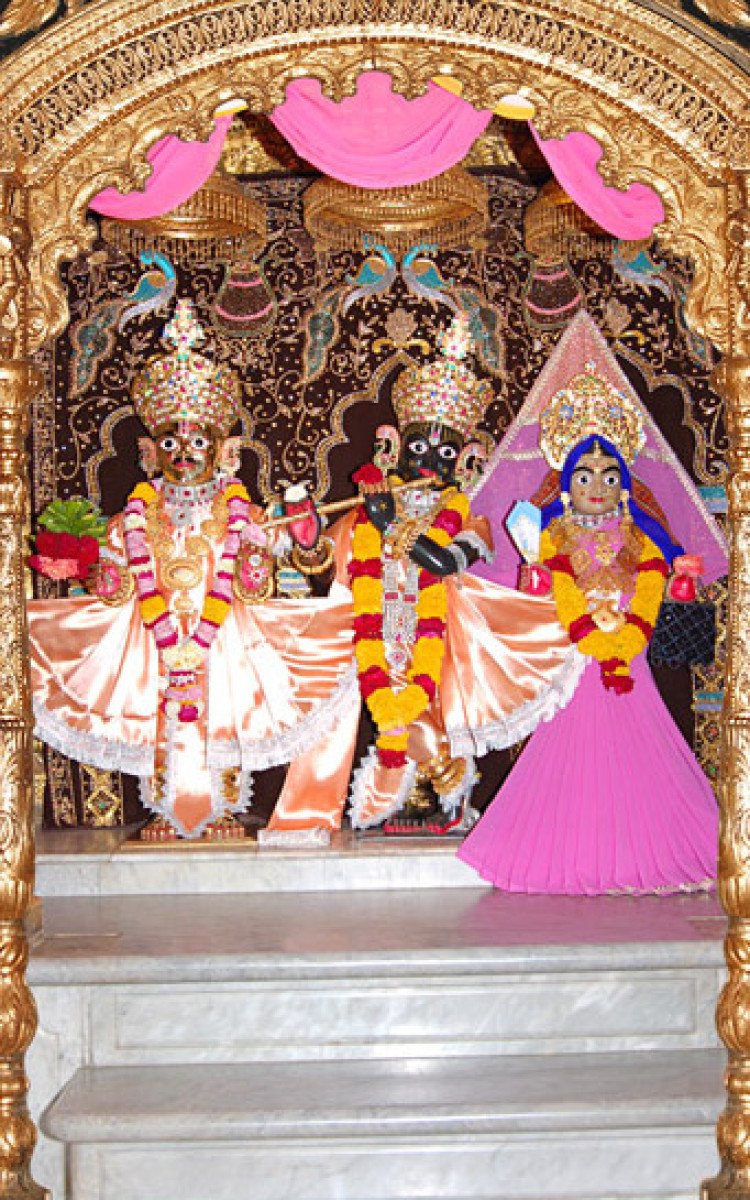
The Radha Raman Sanctuary Exterior: The area around the main mandap offers beautiful compositions of the colored marble, polished floors, and the divine tranquility of the worship space, respecting any interior photography restrictions.
Sunrise and Sunset Backdrop: The temple's golden spires against the vibrant colors of a Junagadh sunrise or sunset create a highly spiritual and aesthetic photographic opportunity.Photo Gallery
Things To Do
-
Attend the Morning and Evening Aarti: Participating in the Mangla Aarti (Morning) and Sandhya Aarti (Evening) is a deeply spiritual experience, where devotional songs (bhajans) and rituals fill the air.
Meditate in the Inner Courtyards: Utilize the calm atmosphere of the inner courtyards and halls for quiet reflection and meditation, especially in the early morning before crowds arrive.
Take a Guided Tour: The resident sadhus or volunteers often provide informal explanations of the temple's history, the life of Bhagwan Swaminarayan, and the significance of the various deities and carvings.
Photography of the Exterior: Capture the majestic architecture, the five spires, and the detailed stone carvings of the exterior, as photography is usually restricted inside th...
Information
-
Why Famous:
Personal Establishment by Swaminarayan: Its foremost fame stems from the fact that it was personally conceptualized, built, and had the deities installed by Bhagwan Swaminarayan himself in 1828, a unique and highly revered distinction within the entire Sampraday.Personal Establishment by Swaminarayan: Its foremost fame stems from the fact that it was personally conceptualized, built, and had the deities installed by Bhagwan Swaminarayan himself in 1828, a unique and highly revered distinction within the entire Sampraday.
Samadhi Sthan of Gunatitanand Swami: It is one of the most sacred spots for the sect, being the final resting place of Gunatitanand Swami, who served as the first mahant for over 40 years. This site makes it an obligatory stop on the pilgrimage circuit.
Architectural Splendor: The temple is famed for its majestic five spires and the detailed, vibrant sculptures and carvings that showcase a high level of Gujarati craftsmanship in stone and marble, standing out as a bright, serene structure at the foothills of Girnar. -
Architecture:
Style and Materials: The temple exhibits the distinct Traditional Swaminarayan Hindu Temple Architecture blended with Indo-Saracenic influences, utilizing pink stone, marble, and intricately carved wood. The architecture is renowned for its craftsmanship and spiritual aesth...Style and Materials: The temple exhibits the distinct Traditional Swaminarayan Hindu Temple Architecture blended with Indo-Saracenic influences, utilizing pink stone, marble, and intricately carved wood. The architecture is renowned for its craftsmanship and spiritual aesthetics.
Dimension and Features: The temple complex has a circumference of approximately 278 feet. The main structure is crowned with five magnificent spires (shikhars) that rise above the sanctums, dominating the local skyline. The spires are typically topped with gold kalashas (urns) symbolizing purity.
Intricate Carvings: The interior and exterior are adorned with beautifully carved domes, pillars, and arches, depicting scenes from the Hindu epics, mythological figures, and various postures of Bhagwan Swaminarayan and his paramhansas. The marble-work inside the main halls adds to the aura of timeless divinity and precision craftsmanship.
The Haveli Design: The ancillary buildings within the complex follow the haveli style, featuring large courtyards, wooden balconies, and covered walkways, designed to accommodate pilgrims and house the administrative and residential needs of the mahants and sadhus. -
How To Reach:
By Air: The nearest airport is Rajkot Airport (RAJ) (approx. 100 KMs). From there, take a taxi or bus to Junagadh. Porbandar Airport (approx. 113 KMs) is another option.
By Train: Junagadh Junction (JND) is very close, only about 2 KMs f... -
Near Tourist Places:
1. Uparkot Fort (1 KM) 2. Mahabat Maqbara (2 KMs) 3. Girnar Hills (Approx. 5 KMs to the base) 4. Adi Kadi Vav & Navghan Kuwo (1 KM) 5. Jama Masjid (1 KM) 6. Edicts of Ashoka (4 KMs) 7. Damodar Kund (5 KMs) 8. Sakkarbaug Zoo (4. 1 KMs) 9. Willingdon Dam (4. 7 KMs) 10. Durbar Hall Museum (3 KMs)
Tourism Tips
-
Health & Safety: Dress Modestly – Traditional or simple attire (covering shoulders and legs) is required out of respect for the religious site. Be prepared to remove footwear outside the temple premises.
Packing: Carry a small bag for ess...
Reviews
Shri Swaminarayan Mandir Tourism:-
Information about New and Updated Locations(862+) of Gujarat Has Been Added :-
Card subtitle
Note:-
Information provided here in good Faith and for reference only.
All information and pictures will be updated soon, please keep visiting.
Near Places

Buddhist Caves
Some quick example text to build on the card title and make up the bulk of the card's content.
Go somewhere
Darbar Hall Museum
Some quick example text to build on the card title and make up the bulk of the card's content.
Go somewhere
Dattatreya Temple
Some quick example text to build on the card title and make up the bulk of the card's content.
Go somewhere
Girnar Hill
Some quick example text to build on the card title and make up the bulk of the card's content.
Go somewhere
Girnar Hills
Some quick example text to build on the card title and make up the bulk of the card's content.
Go somewhere
Jama Masjid
Some quick example text to build on the card title and make up the bulk of the card's content.
Go somewhere
Jatashankar Mahadev Temple
Some quick example text to build on the card title and make up the bulk of the card's content.
Go somewhere
Mahabat Maqbara
Some quick example text to build on the card title and make up the bulk of the card's content.
Go somewhere
Moti Baug
Some quick example text to build on the card title and make up the bulk of the card's content.
Go somewhere
Narsinh Mehta Lake
Some quick example text to build on the card title and make up the bulk of the card's content.
Go somewherein Other Cities