

Siddheswar Devalaya
General information
-
Ideal Duration:
1 to 2 hoursPlace Type:
Religious/Historical Temple and Pilgrimage SiteEntry Fees:
Entry Fee Status: Entry to the Siddheswar Devalaya is typically FREE for all visitors, including Indian and international tourists. As it is a community-managed, working Hindu temple and not a ticketed archaeological site, there is no formal entry charge. Donation for Temp...Entry Fee Status: Entry to the Siddheswar Devalaya is typically FREE for all visitors, including Indian and international tourists. As it is a community-managed, working Hindu temple and not a ticketed archaeological site, there is no formal entry charge. Donation for Temple Maintenance (Voluntary Contribution): While there is no mandatory fee, devotees and visitors are encouraged to make a voluntary contribution (donation) towards the temple's maintenance, daily pujas, and charitable activities. There are usually designated hundi (collection boxes) or a pujari (priest) who can accept offerings. The cost of visiting is thus nil unless the visitor chooses to buy ritual items (flowers, incense, prasad) from nearby stalls.
Fees for Special Rituals: If a visitor wishes to perform a specific, elaborate ritual or puja in their name, a small fee or dakshina (honorarium) will be required by the priest to procure the necessary materials and perform the ceremony. This is customary for Hindu temples across India. The general accessibility is maintained by keeping the entrance free.Timing:
Regular Temple Timings: The Siddheswar Devalaya generally opens for devotees early in the morning, around 5:00 AM to 6:00 AM, after the initial morning rituals (Mangala Aarti). It usually remains open till the afternoon closure time for offering the day's bhog (food offerin...Regular Temple Timings: The Siddheswar Devalaya generally opens for devotees early in the morning, around 5:00 AM to 6:00 AM, after the initial morning rituals (Mangala Aarti). It usually remains open till the afternoon closure time for offering the day's bhog (food offering), around 1:00 PM or 2:00 PM. It reopens in the late afternoon/evening, typically around 4:00 PM and remains open until the evening Aarti and final closing, which is around 8:00 PM or 9:00 PM.
Ideal Visit Time (Best Hours): The ideal visit time for tourists is either the early morning (6:00 AM to 9:00 AM) or the late afternoon/evening (4:30 PM to 6:30 PM). The morning is perfect for witnessing the main rituals and enjoying the spiritual tranquility, while the late afternoon offers the best light for photography and a more comfortable temperature.
Avoidance Time (Midday Heat): It is best to avoid the midday hours (approx. 1:00 PM to 4:00 PM), not only due to the potential temple closure but also because of the intense heat, especially between March and September, making the climb to the hill less pleasant.Special Events:
The Holy Shravan / Bhole Bom Festival: The single most important event is the observance of the holy Shravan month (July to August), which is dedicated to Lord Shiva. During this period, the temple attracts thousands of pilgrims who participate in the Bhole Bom tradition. ...The Holy Shravan / Bhole Bom Festival: The single most important event is the observance of the holy Shravan month (July to August), which is dedicated to Lord Shiva. During this period, the temple attracts thousands of pilgrims who participate in the Bhole Bom tradition. Devotees, often wearing saffron clothes, travel long distances on foot to fetch sacred water from the Brahmaputra River and offer it to the Shiva Linga at the devalaya. The entire hill and temple complex come alive with chanting, hymns (bhajans), and a strong, vibrant spiritual energy, making it a very auspicious time to visit and witness the religious fervor.
Maha Shivaratri Celebration: The annual festival of Maha Shivaratri (usually in February or March) is another major special event. The entire temple is decorated with lights and flowers, and special all-night prayers (pujas) are conducted. Devotees observe fasts and gather to sing devotional songs and participate in the worship of Lord Shiva. The temple remains open throughout the night, with a festive and deeply reverent atmosphere, attracting pilgrims from the wider Kamrup district and beyond to mark the "Great Night of Shiva. "Best Photo Spots:
The Temple Entrance with the Staircase: One of the most iconic views is the shot from the bottom of the hill or staircase looking up towards the temple's entrance. This angle captures the verticality of the Siddheswari Hill and the prominent position of the devalaya, giving...The Temple Entrance with the Staircase: One of the most iconic views is the shot from the bottom of the hill or staircase looking up towards the temple's entrance. This angle captures the verticality of the Siddheswari Hill and the prominent position of the devalaya, giving a sense of its spiritual and historical stature. It is best captured with a wide lens to include the surrounding greenery.
The Panoramic River View Point: This is perhaps the ultimate photo spot. Positioned at the back or side of the main temple complex, one can capture a sweeping vista that includes the rolling hills, the entire village of Sualkuchi nestled in the plains, and the vast expanse of the Brahmaputra River in the distance. The Golden Hour (early morning or late afternoon) light is crucial here to bring out the textures of the landscape and the golden sheen of the water.
Architectural Detail Shots: Focus on the intricate carvings and stone sculptures on the outer walls of the main garbhagriha. Look for the small, loose relics and the unique Ahom design elements. These detail shots emphasize the temple's art historical significance and its blend of architectural styles, making for compelling close-up photography.
Devotee Interaction Shots (Respectful): Candid photos of the rituals, offerings, or the quiet moments of prayer can capture the essence of the temple's living culture. During festivals like Shravan (Bhole Bom), the saffron-clad pilgrims offering water are a very powerful visual subject. Always ask for permission or use a telephoto lens respectfully when photographing people.Photo Gallery
Things To Do
-
Offer Prayers and Seek Blessings (The Core Activity): The primary activity is to participate in the daily temple rituals and pujas. Devotees should make offerings of flowers, bel leaves, and milk to the presiding deity, the Shiva Linga. Visiting during the early morning hours, particularly during the Assamese month of Bhado or the holy Shravan (Bhole Bom), allows one to witness the special rituals and the heightened spiritual energy of the temple, offering a profound cultural and religious experience. Meditate in the Tranquil Setting (Spiritual Connection): Given the temple's location atop the peaceful Siddheswari Hill, it is an ideal spot for meditation and quiet reflection. Away from the noise of the main village, visitors can sit in the mandapa or in the surrounding shaded areas to soak in the spiritual calmness and connect with the serene natural environment. The combination of ...Offer Prayers and Seek Blessings (The Core Activity): The primary activity is to participate in the daily temple rituals and pujas. Devotees should make offerings of flowers, bel leaves, and milk to the presiding deity, the Shiva Linga. Visiting during the early morning hours, particularly during the Assamese month of Bhado or the holy Shravan (Bhole Bom), allows one to witness the special rituals and the heightened spiritual energy of the temple, offering a profound cultural and religious experience. Meditate in the Tranquil Setting (Spiritual Connection): Given the temple's location atop the peaceful Siddheswari Hill, it is an ideal spot for meditation and quiet reflection. Away from the noise of the main village, visitors can sit in the mandapa or in the surrounding shaded areas to soak in the spiritual calmness and connect with the serene natural environment. The combination of the holy shrine and the hilltop tranquility enhances the meditative experience. Photography and Panoramic Views (Scenic Appreciation): The hilltop offers one of the best vantage points in Sualkuchi. Visitors can take stunning photographs of the temple architecture against the backdrop of the clear sky. More importantly, it is the perfect spot for landscape photography, capturing the lush greenery of the Sualkuchi village and the expansive, majestic flow of the Brahmaputra River in the distance. The view is particularly spectacular at sunrise and sunset, when the light casts a beautiful glow on the plains below. Explore the Ancient Architecture and Relics (Historical Insight): Take time to observe the temple's unique Ahom architectural features, including the roof design and the carved exterior. Pay special attention to the stone panels and sculptures placed on the outer walls and around the temple complex. Look for evidence of the older, pre-Ahom stonework, which offers valuable clues about the site's centuries-old history and its connection to diverse religious traditions. Interact with the Local Priest and Devotees (Cultural Learning): Engage respectfully with the temple priest (pujari) to learn about the temple's history, the specific Shaivite rituals followed, and the legends associated with the Shiva Linga. Talking to the local devotees can provide a deeper understanding of the temple's role in the daily life of the Sualkuchi community, particularly the silk weavers, and their specific customs during festivals. Visit the Nearby Brahmaputra Riverbank (Nature Walk): After descending the hill, take a short walk to the banks of the Brahmaputra River. The river is the lifeblood of Assam and offers a refreshing change of pace. Visitors can watch the local fishermen, observe the sunset over the water, or simply enjoy a quiet stroll along the bank. Combine the Visit with the Silk Weaving Village Tour (Contextual Exploration): A visit to the Siddheswar Devalaya is best combined with a tour of the main Sualkuchi village, the famous Silk Capital of Assam. After seeking blessings at the temple, visitors can descend and walk through the lanes of the town to witness the traditional process of Muga and Pat silk weaving firsthand, as almost every household is involved in the craft. This combination provides both spiritual enrichment and cultural immersion.
Information
-
Why Famous:
Historical Royal Patronage: The temple's fame is deeply tied to the powerful Ahom dynasty. Its renovation and significant grants of land by kings like Shiba Singha solidify its importance in Assamese history, establishing it as a royal temple and ensuring its preservation t...Historical Royal Patronage: The temple's fame is deeply tied to the powerful Ahom dynasty. Its renovation and significant grants of land by kings like Shiba Singha solidify its importance in Assamese history, establishing it as a royal temple and ensuring its preservation through the centuries. This royal connection makes it a key site for understanding the political and religious history of medieval Assam.
Synthesis of Religious Cultures: A key reason for its fame among scholars and devotees is its unique syncretic nature. The original foundation's antiquity (10th-11th century) and the presence of sculptural fragments with subtle Buddhist or mixed iconography connect it to the broader religious landscape of ancient Kamrup. It stands as a testament to the religious tolerance and cultural exchange in the region, where Shaivism (worship of Shiva) co-existed with other faiths.
The Tranquil Hilltop Location: Unlike other temples situated in the busy marketplace, the Siddheswar Devalaya is perched atop the Siddheswari Hill. This elevated position is not only strategically important but also offers a peaceful, meditative atmosphere. The resulting scenic view of the surrounding silk village and the mighty Brahmaputra River makes it a famous vantage point and a destination for spiritual solace. -
Architecture:
Ahom-Style Devalaya Construction: The architecture of the current structure predominantly reflects the late medieval Ahom style, though its original foundation is much older. Ahom temples in Assam typically differ from North and South Indian styles, emphasizing simplicity a...Ahom-Style Devalaya Construction: The architecture of the current structure predominantly reflects the late medieval Ahom style, though its original foundation is much older. Ahom temples in Assam typically differ from North and South Indian styles, emphasizing simplicity and a specific roof design often influenced by local indigenous building practices and climate. The structure is built primarily of brick and stone.
The Garbhagriha (Sanctum Sanctorum): The main shrine is square-shaped, housing the primary Shiva Linga. The temple walls are adorned with stone carvings and sculptures of various Hindu deities, though its archaeological significance lies in the presence of older panels and loose sculptures that exhibit a mixture of styles, sometimes even with Tantric or early medieval influences.
The Mandapa and Exterior Ornaments: The main temple is fronted by a pillared hall or mandapa for devotees. The outer walls are notable for decorative elements and sculptures, including figures of various gods and goddesses, and a few Shiva Lingas placed in the temple premises outside the main garbhagriha.
Dimensions (Approximate): Precise dimensions are not commonly published, but typical Ahom devalayas are of modest scale. The temple is a compact structure, likely measuring about 8-10 meters in length and width for the main sanctum and mandapa complex. The temple is situated on a hillock, giving it a commanding vertical presence relative to the surrounding area. -
How To Reach:
By Air (Fastest Route): The nearest airport is Lokpriya Gopinath Bordoloi International Airport (GAU) in Guwahati, which is approximately 30-35 KMS from Sualkuchi. This airport is well-connected to major Indian cities like Delhi, Mumbai, Kolkata, and Bengaluru. Upon arriva...By Air (Fastest Route): The nearest airport is Lokpriya Gopinath Bordoloi International Airport (GAU) in Guwahati, which is approximately 30-35 KMS from Sualkuchi. This airport is well-connected to major Indian cities like Delhi, Mumbai, Kolkata, and Bengaluru. Upon arrival at GAU, travelers can easily hire a pre-paid taxi or a ride-sharing cab (like Ola/Uber) directly to Sualkuchi. The journey by road from the airport takes about 1 to 1. 5 hours, depending on traffic. This is the most convenient option for travelers coming from outside Northeast India.
By Train (Economical Route): The nearest major railway station is Kamakhya Junction (KYQ), located about 30 KMS from Sualkuchi. This station is a major hub and is connected by express trains from across India. The most convenient route is to alight at Kamakhya and then take a taxi or an auto-rickshaw to Sualkuchi. A second, more distant but often more connected option is Guwahati Railway Station (GHY), which is approximately 35-40 KMS away.
By Road (Local Connectivity): Sualkuchi is excellently connected by road. It is about 35 KMS from the main city of Guwahati. You can take National Highway 27 (NH27) and other state roads.
Public Transport: Regular public and private bus services run from the Guwahati city area (especially the Inter-State Bus Terminus - ISBT) to Sualkuchi. These buses are very economical.
Private Vehicle/Taxi: Hiring a private taxi from Guwahati to Sualkuchi is the most comfortable and flexible option. The drive is scenic, crossing the Brahmaputra or passing along its banks.
By Local Transport (Within Sualkuchi): Once in Sualkuchi town, the Siddheswar Devalaya is on a hillock. You can hire a local auto-rickshaw or a cycle-rickshaw to take you to the base of the hill. The final ascent to the temple premises is a short climb via a flight of steps. Auto-rickshaws are the easiest way to travel short distances within the village. -
Weather and Best Time to Visit:
The Winter Season (October to March): This period is unanimously considered the Best Time to Visit. The weather is cool, pleasant, and dry, with temperatures ranging from a comfortable 10°C to 25°C. The clear skies provide excellent visibility for enjoying the panoramic ...The Winter Season (October to March): This period is unanimously considered the Best Time to Visit. The weather is cool, pleasant, and dry, with temperatures ranging from a comfortable 10°C to 25°C. The clear skies provide excellent visibility for enjoying the panoramic view from the hill and perfect conditions for walking through the village to see the silk weaving. The months of November to February are particularly comfortable and are also ideal for birdwatching along the Brahmaputra riverbanks.
The Summer Season (April to June): This season is warm to hot, with temperatures rising above 30°C, and high humidity, making sightseeing less comfortable, especially the climb to the temple. However, the Assamese New Year festival, Bohag Bihu, falls in April, and visiting during this time allows cultural enthusiasts to witness vibrant folk dances and traditional celebrations.
The Monsoon Season (June to September): The monsoon brings heavy rainfall to Assam. While the surrounding landscape turns a lush, beautiful green, travel can be challenging due to wet roads, and the humidity is very high. However, the holy Shravan (Bhole Bom) month, a major event for the temple, falls in this season (July-August), attracting pilgrims despite the rain.
Different Parts of the Day (The Golden Hours): Early Morning (6:00 AM - 9:00 AM) This is the most spiritual and photogenic time. The air is cool, the temple rituals are underway, and the sunrise over the Brahmaputra is spectacular. Late Afternoon (4:30 PM - 6:30 PM) This is the next best time for a relaxed visit. The heat subsides, and the soft, diffused light of the setting sun is perfect for viewing the architecture and the landscape. Midday (10:00 AM - 4:00 PM) This is the hottest and least recommended time for a comfortable visit. -
Near Tourist Places:
1.
Sualkuchi Silk Village Weaving Hub: (0. 5 KMS - Within the town). 2.
Brahmaputra River Bank (for sunset views): (1. 5 KMS - Short walk/rickshaw ride). 3.
Hatisatra (Vaishnavite Monastery): (Approx. 2 KMS). 4.
Ganesh Bigrah Temple: (Approx. 3 KMS). 5.
Hajo (A multi-religious pilgrimage site): (Approx. 14. 6 KMS). 6. Hayagriva Madhava Temple, Hajo (Important Hindu-Buddhist site): (Approx. 15 KMS). 7.
Poa-Mecca (Holy Muslim Shrine), Hajo: (Approx. 15 KMS). 8. Kamakhya Temple, Guwahati (One of the 51 Shakti Peethas): (Approx. 35 KMS). 9.
Guwahati City Center (Museums, Markets, Temples): (Approx. 35-40 KMS). 10.
Assam State Museum, Guwahati: (Approx. 38 KMS). 11.
Manas National Park (UNESCO World Heritage Site): (Distant - Approx. 140 KMS).
Tourism Tips
-
Health & Safety (Essential Preparations):
Water and Hydration: Carry a reusable water bottle, especially during the warmer months and for the hill climb.
Footwear: Wear comfortable, sturdy shoes suitable for ...Health & Safety (Essential Preparations):
Water and Hydration: Carry a reusable water bottle, especially during the warmer months and for the hill climb.
Footwear: Wear comfortable, sturdy shoes suitable for walking and climbing steps to the temple.
Insect Repellent: Use insect repellent, particularly in the late afternoon or during the monsoon, as the temple is surrounded by greenery.
Respectful Dress: Since it is an active place of worship, all visitors should dress modestly, covering shoulders and knees. This is also a sign of respect for the local culture.
Packing (What to Bring):
Sun Protection: Pack a hat, sunglasses, and high-SPF sunscreen for protection from the strong Assamese sun.
Rain Gear: If visiting during the monsoon (June to September), a light rain jacket or umbrella is essential.
Camera Gear: Bring a good camera to capture the panoramic views, and a telephoto lens if you wish to capture details or distant river views.
Cash: Carry adequate local currency (Rupees) as smaller shops and local transport in Sualkuchi may not accept digital payments.
Accommodation (Where to Stay): Sualkuchi is a small town with limited formal hotel options. While a few budget guesthouses exist, for higher comfort, the Best Option is to stay in Guwahati city, which is only an hour's drive away. Guwahati offers a wide range of hotels, from budget-friendly to luxury.
Alternative:
Homestays: Look for local homestays in Sualkuchi for an authentic cultural experience, often managed by weaving families.
Cultural & Ethical Tips (Respecting Tradition):
Weaving Etiquette: When visiting the weaving workshops, always ask permission before taking photographs of the looms or the weavers. Respect their time and their process.
Bargaining: While buying silk, a modest amount of bargaining is acceptable, but be respectful of the artisan's labor.
Silence: Maintain silence and decorum within the temple premises and respect the ongoing prayers.
Reviews
FAQs
Sualkuchi Itineray And Cost:-
Siddheswar Devalaya Tourism:-
Information about New and Updated Locations() of Assam Has Been Added :-
Card subtitle
Note:-
Information provided here in good Faith and for reference only.
Near Places
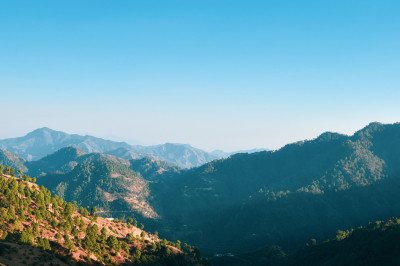
Alaboi Hills
Some quick example text to build on the card title and make up the bulk of the card's content.
Go somewhere
Alisha Peace Alone Place
Some quick example text to build on the card title and make up the bulk of the card's content.
Go somewhere
Bijoynagar View Point
Some quick example text to build on the card title and make up the bulk of the card's content.
Go somewhere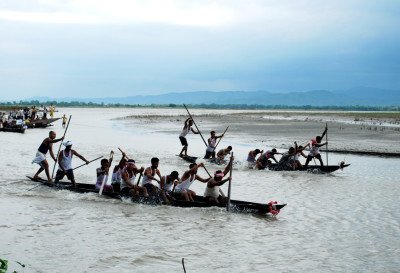
Brahmaputra River Bank
Some quick example text to build on the card title and make up the bulk of the card's content.
Go somewhere
Brahmaputra River Bank, Sualkuchi Ghat
Some quick example text to build on the card title and make up the bulk of the card's content.
Go somewhere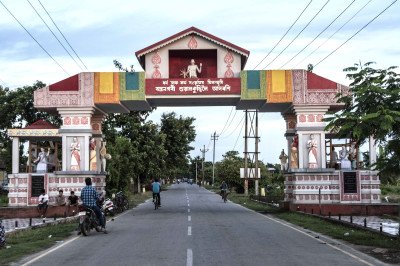
Dampur Pahar
Some quick example text to build on the card title and make up the bulk of the card's content.
Go somewhere
Dokhola Palashbari View Point
Some quick example text to build on the card title and make up the bulk of the card's content.
Go somewhere
Hatisatra
Some quick example text to build on the card title and make up the bulk of the card's content.
Go somewhere
Hirapara River View Point
Some quick example text to build on the card title and make up the bulk of the card's content.
Go somewhere
Kanai Barashi Rock Inscription
Some quick example text to build on the card title and make up the bulk of the card's content.
Go somewhere
Northbrook Gate
Some quick example text to build on the card title and make up the bulk of the card's content.
Go somewhere
Puthimari River View Point
Some quick example text to build on the card title and make up the bulk of the card's content.
Go somewhere
Raj Ghat
Some quick example text to build on the card title and make up the bulk of the card's content.
Go somewhere
River View Point
Some quick example text to build on the card title and make up the bulk of the card's content.
Go somewhere
Siddheswar Devalaya
Some quick example text to build on the card title and make up the bulk of the card's content.
Go somewhere
Sualkuchi Gate
Some quick example text to build on the card title and make up the bulk of the card's content.
Go somewherein Other Cities