Silent Valley National Park
General information
-
Ideal Duration:
1 Full Day (Ecotourism Safari/Trek)Place Type:
Wildlife, Nature, EcotourismEntry Fees:
Individual Entry and Forest Department Fees: There is a mandatory fee structure to enter the Silent Valley National Park, as it is a protected area managed strictly by the Forest Department. The typical entry fee for Indian nationals is nominal (e. g. , around Rs.50 to Rs.100) ...Individual Entry and Forest Department Fees: There is a mandatory fee structure to enter the Silent Valley National Park, as it is a protected area managed strictly by the Forest Department. The typical entry fee for Indian nationals is nominal (e. g. , around Rs.50 to Rs.100) per person, with foreign nationals often having a higher fee. This fee is for the basic entry and conservation contribution.
Mandatory Vehicle and Guide Charges: A significant cost component is the mandatory hire of a Forest Department-approved vehicle (usually a jeep) and a guide/forest guard from the Mukkali check-post to reach the Sairandhri core area (24 KMS one way). The jeep fee is a fixed, substantial amount (e. g. , in the range of Rs.1600 to Rs.2500 for the vehicle, which can be shared among occupants) and the guide fee is separate (e. g. , around Rs.300 to Rs.500 per trip). These charges are compulsory to ensure safety, minimize environmental impact, and support local employment/conservation efforts.
Camera and Accessories Fees: Separate charges are levied for photography equipment. A still camera fee (e. g. , around Rs.25 to Rs.50) and a higher fee for a video camera or professional equipment (e. g. , around Rs.200 to Rs.300) are generally applicable. These fees are subject to revision and visitors should budget for them as part of the total cost. All fees are paid at the Mukkali check-post.Timing:
Regular Operating Timings: The Silent Valley National Park has strict operating hours for tourism access to minimize disturbance to the wildlife. The Mukkali check-post usually operates for entry between 8:00 AM and 1:00 PM. The park authorities strictly adhere to this win...Regular Operating Timings: The Silent Valley National Park has strict operating hours for tourism access to minimize disturbance to the wildlife. The Mukkali check-post usually operates for entry between 8:00 AM and 1:00 PM. The park authorities strictly adhere to this window, as the return journey from Sairandhri must be completed before 5:00 PM or 6:00 PM (the latest official closing time). Entry is usually closed after 1:00 PM, as the total safari/trek time is around 5 hours.
Ideal Visit Time for Wildlife Sightings (Morning): The absolute best time to visit the park is the early morning, right when the check-post opens around 8:00 AM. Wildlife activity, especially for mammals and birds, is highest immediately after sunrise and before the heat of the day. Starting early maximizes the chances of spotting the elusive Lion-Tailed Macaque or other large animals before they retreat deeper into the forest. The light is also excellent for photography.
Ideal Season for Accessibility and Weather: The Winter season (October to March) is the ideal time. The weather is cool and dry, making the jeep safari and the final trek comfortable. The visibility is usually excellent. The Monsoon season (June to August) should generally be avoided as heavy rains can lead to slippery trails, poor visibility, and potential road closures, and the forest leeches are at their most active.Special Events:
Wildlife Census and Monitoring Programs: The most significant "special events" in Silent Valley are the ecological and conservation programs conducted by the Forest Department. These include the biennial Wildlife Census (often focusing on the Lion-Tailed Macaque or other in...Wildlife Census and Monitoring Programs: The most significant "special events" in Silent Valley are the ecological and conservation programs conducted by the Forest Department. These include the biennial Wildlife Census (often focusing on the Lion-Tailed Macaque or other indicator species) and regular monitoring programs. While these are primarily for researchers and forest staff, they represent the core mission of the park and are essential for its continued preservation. Occasionally, researchers and select volunteers are allowed to participate.
World Heritage Site Celebrations: As a part of the Western Ghats UNESCO World Heritage Site, the park often hosts special events, seminars, and awareness programs to mark international environmental days, such as World Environment Day (June 5) or Wildlife Week (October 2-8). These events, usually held at the Interpretation Centre in Mukkali, involve local schools, environmentalists, and community members, focusing on the importance of rainforest conservation and the valley's unique biodiversity.
Special Guided Educational Tours: The Forest Department sometimes organizes special educational tours or nature camps, particularly for student groups and researchers. These are not open to the general public but are specialized events designed to deepen understanding of the tropical rainforest ecosystem, the principles of biodiversity, and the challenges of conservation. These tours often feature highly experienced naturalists and provide access to areas or information not available on regular tourist routes.Best Photo Spots:
The Sairandhri Viewpoint Panorama: The top of the watchtower at Sairandhri offers the most expansive and dramatic photo spot. From here, you can capture the vast, undulating blanket of the evergreen rainforest canopy stretching across the valley, framed by the surrounding p...The Sairandhri Viewpoint Panorama: The top of the watchtower at Sairandhri offers the most expansive and dramatic photo spot. From here, you can capture the vast, undulating blanket of the evergreen rainforest canopy stretching across the valley, framed by the surrounding peaks of the Nilgiri Hills. The sheer scale of the untouched wilderness is best documented from this height. The best time is in the early morning when a light mist might still be clinging to the high ridges, or when the sun is directly overhead to capture the deep, rich green of the canopy.
Kunthipuzha River Bed: The banks of the Kunthipuzha River at Sairandhri offer an opportunity for beautiful, tranquil landscape photography. Focus on the contrast between the smooth, clear water, the rocky riverbed, and the dense forest edge. Long exposure shots can create a silky effect on the flowing water, emphasizing its purity. Including the unique riverine vegetation in the frame can add depth and ecological context to the picture.
The Rainforest Canopy Light Play: For a challenging but rewarding photo, focus on capturing the light filtering through the dense, multi-layered forest canopy during the middle of the day. This "dappled" light creates dramatic rays and highlights, emphasizing the height and density of the evergreen forest architecture. This requires high ISO or a steady hand to capture the low light levels on the forest floor, highlighting the dark, mysterious feel of the rainforest.
Wildlife and Macro Shots: The park is an excellent place for wildlife photography, particularly of primates like the Lion-Tailed Macaque (if you are lucky enough to spot one) and the numerous endemic birds. Carry a good telephoto lens. Additionally, the rainforest floor is a haven for macro photography, offering subjects like colorful insects, unique fungi, mosses, and dew-covered leaves. These close-up shots capture the miniature, often overlooked, complexity of the ecosystem.Photo Gallery
Things To Do
-
Guided Jeep Safari to Sairandhri: The primary and most popular activity is the guided jeep safari from the Mukkali entry point to Sairandhri, the core area of the national park. Visitors must hire a Forest Department-approved jeep and a mandatory local guide/forest guard. The drive itself is an adventure, passing through the dense, beautiful forest. The safari takes you deep into the valley, offering the highest chance of spotting wildlife, including the famous Lion-Tailed Macaque, Nilgiri Langur, and various birds. The jeep journey typically culminates at Sairandhri, where the river and the watchtower are located. The total duration for the safari, including travel and time at the viewpoint, is about 4-5 hours.
Trek to the Sairandhri Viewpoint: Upon reaching the Sairandhri area after the jeep ride, visitors can embark on a...Guided Jeep Safari to Sairandhri: The primary and most popular activity is the guided jeep safari from the Mukkali entry point to Sairandhri, the core area of the national park. Visitors must hire a Forest Department-approved jeep and a mandatory local guide/forest guard. The drive itself is an adventure, passing through the dense, beautiful forest. The safari takes you deep into the valley, offering the highest chance of spotting wildlife, including the famous Lion-Tailed Macaque, Nilgiri Langur, and various birds. The jeep journey typically culminates at Sairandhri, where the river and the watchtower are located. The total duration for the safari, including travel and time at the viewpoint, is about 4-5 hours.
Trek to the Sairandhri Viewpoint: Upon reaching the Sairandhri area after the jeep ride, visitors can embark on a short, easy trek (around 2-3 KMS) to the viewpoint and the watchtower. This walk is manageable for most fitness levels and provides a more intimate experience of the rainforest environment. The trekking path offers a chance to observe the forest floor's biodiversity, listen to the myriad sounds of the jungle (despite the "Silent" name), and feel the cool, humid air of the evergreen forest. The final view from the watchtower is a key highlight.
Nature and Bird Watching: Silent Valley is a paradise for bird watchers and nature enthusiasts. Carry a pair of binoculars and a bird guide. The park is home to over 200 species of birds, including many endemic species like the Malabar Pied Hornbill, Nilgiri Wood Pigeon, and various species of owls and eagles. The abundance of endemic species makes every nature walk an opportunity for a unique sighting. The forest guards are often knowledgeable about bird spotting and local flora, so engage with them.
Kunthipuzha River Visit: Spend time at the banks of the Kunthipuzha River at Sairandhri. The pristine, rocky riverbed and the clear water are a beautiful sight. Visitors are usually allowed to spend time near the river but are strictly prohibited from entering the water for safety and conservation reasons. The peaceful sound of the gushing water and the cool atmosphere provide a perfect spot for relaxation and photography.
Visiting the Interpretation Centre at Mukkali: Before or after the safari, spend some time at the Forest Department's Interpretation Centre at the Mukkali entrance. This center provides valuable educational information about the park's history, the "Save Silent Valley" movement, its unique ecosystem, the different layers of the rainforest, and the various species of flora and fauna found there, especially the Lion-Tailed Macaque. This adds significant context to the natural experience. Longer Eco-Trekking Trails (with special permission): For more adventurous and serious trekkers, there are longer, more rigorous trails available deeper into the forest, often requiring special permission from the Forest Department. These trails offer a more immersive rainforest experience and an even higher chance of spotting elusive wildlife. These need to be booked well in advance and may involve more stringent guide and safety requirements, sometimes requiring an overnight stay in basic Forest Department facilities.
Photography of the Evergreen Canopy: The park offers unparalleled opportunities for nature photography. Focus on capturing the density of the evergreen canopy, the clear waters of the Kunthipuzha, the close-up details of the unique flora (with the guide's help), and the panoramic views from the Sairandhri viewpoint. Early morning light filtering through the dense canopy is particularly magical.
Information
-
Why Famous:
The Lion-Tailed Macaque Habitat: The Silent Valley National Park is globally renowned as one of the last remaining natural habitats for the endangered Lion-Tailed Macaque (LTM). This charismatic primate, instantly recognizable by its striking silver-white mane surrounding a...The Lion-Tailed Macaque Habitat: The Silent Valley National Park is globally renowned as one of the last remaining natural habitats for the endangered Lion-Tailed Macaque (LTM). This charismatic primate, instantly recognizable by its striking silver-white mane surrounding a black face and a tail ending in a small tuft, is endemic to the Western Ghats. The conservation of the LTM population is one of the park's primary achievements, and its presence draws researchers and wildlife enthusiasts from around the world. The valley is vital for the survival of this species.
The Triumph of the 'Save Silent Valley' Movement: The park's fame is also deeply tied to the landmark environmental battle of the 1970s, the 'Save Silent Valley' movement. This public and scientific resistance against a proposed hydroelectric project became a major turning point in India's environmental history. The successful preservation of the valley demonstrated the power of grassroots conservation efforts and established the area as a global symbol of ecological protection against developmental pressures.
A Pristine Tropical Rainforest: It is celebrated for being one of the few genuinely undisturbed tracts of tropical evergreen rainforest in India. This pristine state, untouched by regular human exploitation like logging, ensures a level of biodiversity that is extremely rare. The dense, multi-layered forest structure, the abundance of rare and endemic plant species, and the unpolluted waters of the Kunthipuzha River make it an ecological treasure trove and a critical component of the Nilgiri Biosphere Reserve. -
Architecture:
Natural Evergreen Forest Architecture: The "architecture" of Silent Valley National Park is defined by its complex and layered tropical evergreen forest ecosystem. This natural architecture is structured in distinct vertical layers, starting with the towering canopy trees t...Natural Evergreen Forest Architecture: The "architecture" of Silent Valley National Park is defined by its complex and layered tropical evergreen forest ecosystem. This natural architecture is structured in distinct vertical layers, starting with the towering canopy trees that can reach heights of over 40 meters, forming a dense, interlocking roof that filters sunlight. Beneath this is the sub-canopy layer, followed by the understory layer of smaller trees and palms, and finally the shrub and ground layer of ferns, herbs, and creepers. This layered structure creates unique microclimates vital for the survival of the diverse flora and fauna, embodying an ancient, self-sustaining biological design.
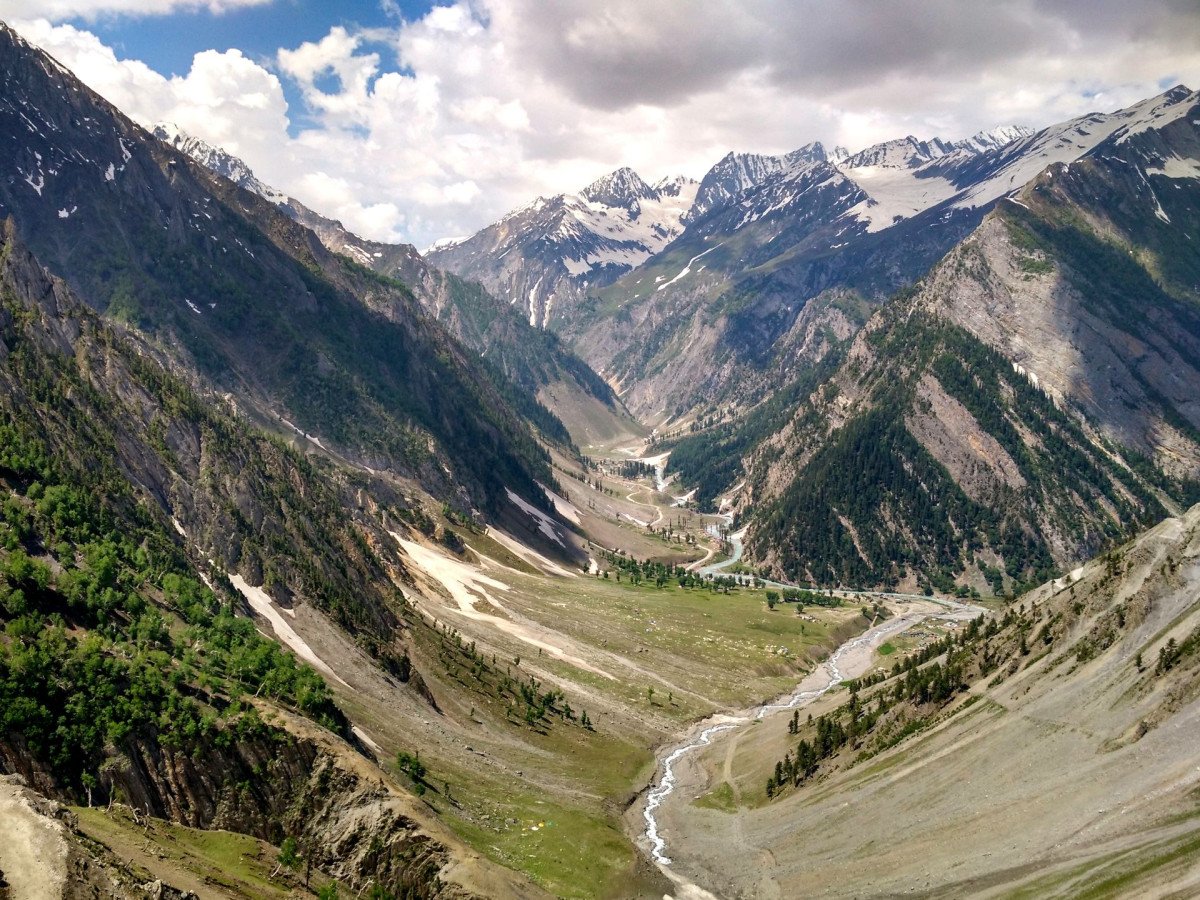
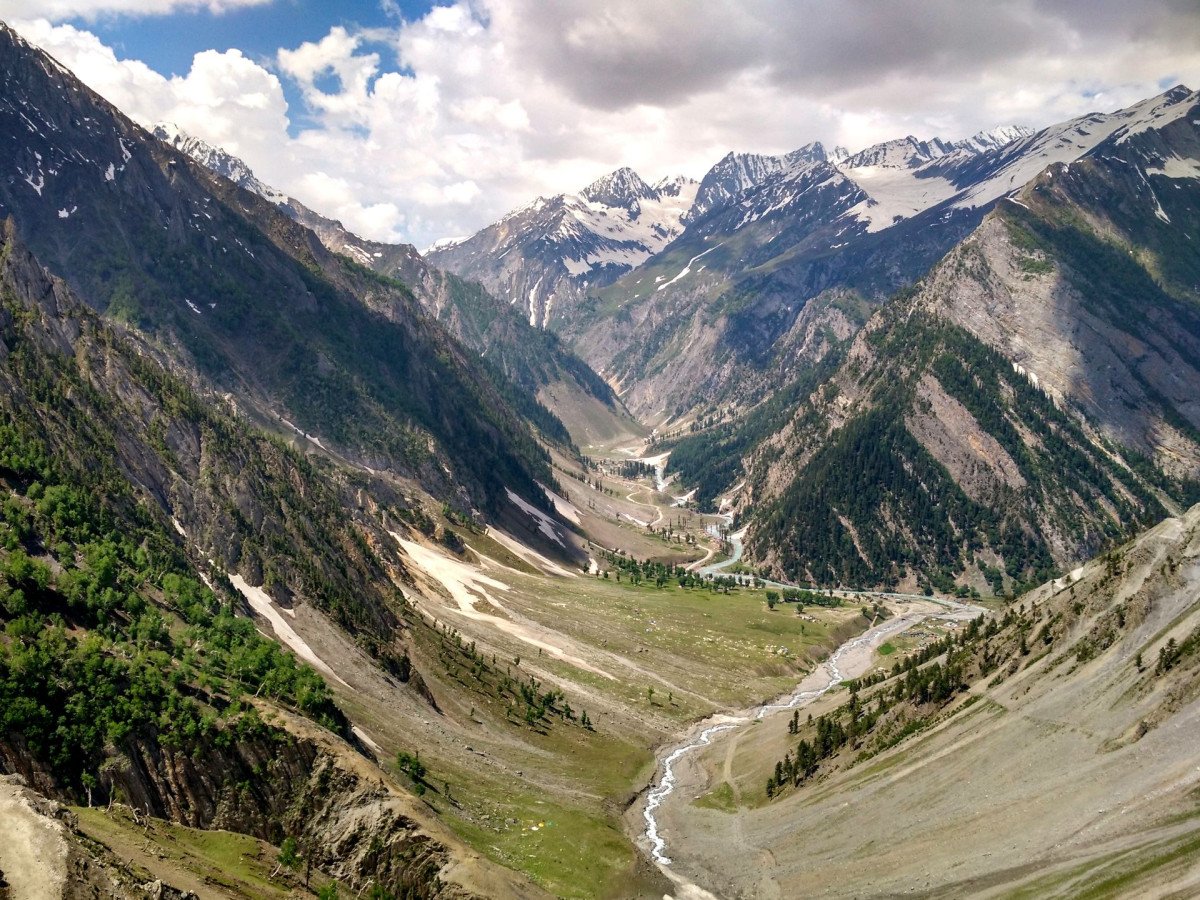
Riverine and Valley Morphology (Dimension): The core area of the National Park is approximately 89. 52 sq. km. The entire valley is defined by the flow of the Kunthipuzha River, which runs the length of the park from north to south. The valley floor itself varies in altitude, generally lying between 880 meters to 1200 meters above sea level, though the surrounding ridges and peaks, such as Anginda Peak, can reach up to 2328 meters. The river cuts through the dense forest, and its rocky, unpolluted bed and banks form a key feature of the park's internal geography.
The river divides the park into two sections: a narrow eastern sector (about 2 KMS wide) and a wider western sector (about 5 KMS wide).
Mukkali Ecotourism Infrastructure: The human-made architecture at the park, primarily around the entry point at Mukkali, is minimalist and designed for ecotourism. It includes a check-post, a forest department office, interpretation centers, and accommodation facilities (if available). These structures typically use local materials, featuring a simple, rustic design that minimizes intrusion into the natural environment. The infrastructure is purely functional, designed to facilitate guided tours and conservation efforts, such as the watchtower at Sairandhri, which is built for viewing the surrounding forest and valley. -
How To Reach:
By Air (Nearest Airports): The nearest major airport is Coimbatore International Airport (CJB), approximately 115 KMS away. The second option is Calicut International Airport (CCJ), about 120 KMS away. From either airport, the most practical way to reach the Mukkali check-...By Air (Nearest Airports): The nearest major airport is Coimbatore International Airport (CJB), approximately 115 KMS away. The second option is Calicut International Airport (CCJ), about 120 KMS away. From either airport, the most practical way to reach the Mukkali check-post, the gateway to Silent Valley, is by hiring a private taxi. The journey from the airport will take approximately 3 to 4 hours, navigating through smaller towns and rural roads, eventually reaching the Mannarkkad and Mukkali area.
By Train (Railway Station): The nearest major railway station is Palakkad Junction (PGT), approximately 70 KMS away. An alternative, sometimes slightly closer option, is Shoranur Junction (SRR), roughly 80 KMS away. Both stations are well-connected to major cities. From the railway station, a private taxi must be hired to reach Mukkali. There is no direct train connectivity to the remote forest location. It is important to book the taxi for a round trip or arrange for local pickup in advance, as transport options at Mukkali are limited.
By Road (Bus and Car): Silent Valley National Park is relatively remote. The entry point at Mukkali is approximately 40 KMS from Mannarkkad town, which is a key hub in the northern part of Palakkad district.
From Palakkad: Drive via Mannarkkad. The route is about 70 KMS.
By Bus: State-run KSRTC buses and private buses are available up to Mannarkkad from Palakkad and other major Kerala towns. From Mannarkkad, one can take a local bus or hire a taxi to Mukkali.
By Car: Driving up to Mukkali in a private vehicle is possible. However, beyond Mukkali, private vehicles are usually not allowed; travelers must shift to the mandatory Forest Department jeeps for the final 24 KMS journey to Sairandhri.
By Local Transport (From Mukkali): The only authorized way to enter the protected zone from the Mukkali check-post is by the mandatory Forest Department-approved Jeep Safari. This ensures regulated movement and the presence of a forest guard. There are no other local public transport options for the core area. It is crucial to reach Mukkali by the morning to secure a jeep slot before the entry gates close at 1:00 PM. -
Weather and Best Time to Visit:
Best Season:
Winter (October to March): The most suitable time to visit the Silent Valley National Park is during the winter months, from October to March. The weather is cool, dry, and highly conducive for jungle safaris and trekking. The ...Best Season:
Winter (October to March): The most suitable time to visit the Silent Valley National Park is during the winter months, from October to March. The weather is cool, dry, and highly conducive for jungle safaris and trekking. The temperature during this period is pleasant, ranging from a low of around 18°C to a high of 30°C. The trails are dry, visibility is excellent, and the overall conditions are best for spotting wildlife. The transition months of October and November also offer the beauty of the post-monsoon greenery.
Second
Best Season:
Summer (Late March to May - Early Morning): The summer season, particularly the period leading up to the heavy monsoons, is generally hot and humid. However, it can still be a good time for determined wildlife watchers. The reduced availability of water in the jungle often forces animals, including elephants and other herbivores, to congregate near the river, increasing the chances of sightings. The best way to manage the heat is to ensure an early morning visit, right when the gate opens, to complete the safari before the peak heat of the day.
Avoid Season:
Monsoon (June to August): The heavy South-West Monsoon makes the park difficult to visit. Heavy rainfall often leads to the closure of trekking trails due to slush, increased leeches, and poor road conditions. While the rainforest is at its most vibrant green, the dense mist and rain severely limit wildlife spotting opportunities and make the experience uncomfortable.
Best Part of the Day: Early Morning (8:00 AM to 12:00 PM) The ideal time to start the trip is immediately upon the opening of the Mukkali check-post at 8:00 AM. The hours between 8:00 AM and noon are considered the prime window for wildlife activity. Animals are most active during the cooler morning hours for foraging and drinking water. Furthermore, starting the trip early ensures that the safari and trek are completed before the forest closes for the evening. -
Near Tourist Places:
Mannarkkad Town: Approx. 40 KMS - Local town, main transport and provisioning center.
Attappadi Reserve Forest: Approx. 45 KMS - Tribal settlement and reserve forest area.
Siruvani Dam (Reservoir): Approx. 60-70 KMS - Scenic dam and reservoir area (closer to Mannarkkad).
Pothundi Dam: Approx. 100 KMS - Earthen dam near Nelliyampathy.
Palakkad Town: Approx. 70 KMS - Main city center.
Parambikulam Tiger Reserve: Approx. 150 KMS - Another major wildlife sanctuary (longer day trip).
Nelliyampathy Hills: Approx. 110 KMS - Scenic hill station with tea estates.
Kanjirapuzha Dam and Garden: Approx. 60 KMS - Reservoir with a scenic garden.
Malampuzha Dam and Garden: Approx. 80 KMS - Major tourist complex near Palakkad.
Ottapalam Town: Approx. 85 KMS - Famous for its cultural significance and film shootings.
Tourism Tips
-
Health & Safety Tips:
Mandatory Guide: Never attempt to enter the protected area without the mandatory Forest Department guide and jeep. The forest is wild and dense, and a guide is essential for safety, navigation, and ecological insight. ...Health & Safety Tips:
Mandatory Guide: Never attempt to enter the protected area without the mandatory Forest Department guide and jeep. The forest is wild and dense, and a guide is essential for safety, navigation, and ecological insight.
Wildlife Safety: Follow the guide's instructions strictly regarding behavior around wildlife. Do not shout, litter, or attempt to feed or approach any animal. Maintain a respectful distance at all times.
Leech Protection: Especially during the post-monsoon and monsoon seasons, leeches are common. Wear high socks or gaiters, and apply a mixture of tobacco or salt (available locally) around your ankles and shoes to deter them.
First Aid: Carry a small basic first-aid kit, insect repellent, and any personal medication, as help is not immediately available inside the park.
Packing Essentials:
Neutral Clothing: Wear earth-toned or neutral-colored clothing (greens, browns) to blend in with the environment, as bright colors can alert and scare away wildlife.
Binoculars: A good pair of binoculars is highly recommended to observe birds and animals, especially the Lion-Tailed Macaque, from a distance.
Rain Gear: Carry a light rain jacket or poncho, regardless of the season, as tropical rainforests can experience sudden downpours.
Water and Snacks: Pack sufficient water and non-messy snacks for the 4-5 hour jeep safari and trek. There are no shops inside the protected zone.
Accommodation and Stay:
Stay at Mukkali/Mannarkkad: Accommodation options are very limited at the Mukkali check-post. The best options are the Forest Department's own guesthouses (which must be booked well in advance) or basic homestays. A wider range of hotels and lodges is available in the nearby town of Mannarkkad, approximately 40 KMS away, or in Palakkad town itself, 70 KMS away.
Advance Booking: All travel arrangements, especially the vehicle hire and any Forest Department accommodation, should be booked in advance, either online through the Kerala Forest Department website or by contacting the Divisional Forest Office in Mannarkkad.
Other Ecotourism and General Tips:
Conservation Ethic: Silent Valley is a purely ecotourism destination focused on conservation. Follow all "Leave No Trace" principles. Do not litter, do not take anything from the forest (like plants or stones), and ensure your visit has a minimal impact.
Check Gate Timings: Reconfirm the exact entry timings at Mukkali and plan to arrive early to ensure you get a slot for the mandatory jeep safari before the gate closes at 1:00 PM.
Respect Local Culture: The area around the park is home to several indigenous tribal communities. Be respectful of their privacy and customs when passing through their villages.
Reviews
FAQs
Palakkad Itineray And Cost:-
Silent Valley National Park Tourism:-
Information about New and Updated Locations() of Kerala Has Been Added :-
Card subtitle
Note:-
Information provided here in good Faith and for reference only.
All information and pictures will be updated soon, please keep visiting.
Near Places
Attappadi Valley
Some quick example text to build on the card title and make up the bulk of the card's content.
Go somewhere
Chembra Peak
Some quick example text to build on the card title and make up the bulk of the card's content.
Go somewhere
Chinmaya International Foundation
Some quick example text to build on the card title and make up the bulk of the card's content.
Go somewhere
Dhoni Waterfalls
Some quick example text to build on the card title and make up the bulk of the card's content.
Go somewhere
Ezhuthachan Memorial Museum
Some quick example text to build on the card title and make up the bulk of the card's content.
Go somewhere
Fantasy Park
Some quick example text to build on the card title and make up the bulk of the card's content.
Go somewhere
Jainimedu Jain Temple
Some quick example text to build on the card title and make up the bulk of the card's content.
Go somewhere
Kalpathy Heritage Village
Some quick example text to build on the card title and make up the bulk of the card's content.
Go somewhere
Kanjirapuzha Dam
Some quick example text to build on the card title and make up the bulk of the card's content.
Go somewhere
Kava View Point
Some quick example text to build on the card title and make up the bulk of the card's content.
Go somewherein Other Cities