Sinhagad Fort
General information
-
Ideal Duration:
4 to 6 Hours (Full trek/drive and exploration)Place Type:
Hill Fort, Trekking Destination, Historical LandmaEntry Fees:
Vehicle Entry Fees (at least ): There is no direct "per person" entry fee for the fort itself, but a fee is levied on vehicles entering the ghat road that leads up to the fort. This fee is essential for maintenance and road upkeep.
The fee stru...Vehicle Entry Fees (at least ): There is no direct "per person" entry fee for the fort itself, but a fee is levied on vehicles entering the ghat road that leads up to the fort. This fee is essential for maintenance and road upkeep.
The fee structure typically is:
Two-wheelers (Bikes/Scooters): Approximately INR 20 per vehicle.
Four-wheelers (Cars/SUVs): Approximately INR 50 per vehicle. The revenue from these fees is managed by the local forest department or village committee. It is important to carry cash as digital payment options might not always be available at the entry point. This fee allows access to the winding ghat road, which takes visitors close to the fort's main gates. For trekkers who walk the entire way up from the base village of Donaje, there is no entry fee charged. It is advisable to factor in additional costs for parking near the base village or near the top plateau, which are generally nominal fees collected by local vendors. The timings for collecting these fees coincide with the fort's visiting hours, ensuring that vehicles do not enter the fragile environment after dark. This system helps regulate the flow of tourism and minimize environmental impact.Timing:
Regular Timings (at least ): The fort is generally open to visitors from 9:00 AM to 6:00 PM every day of the week, including public holidays. The ghat road gate for vehicles typically opens around 8:00 AM and closes around 5:30 PM, though these timings can be strictly enfor...Regular Timings (at least ): The fort is generally open to visitors from 9:00 AM to 6:00 PM every day of the week, including public holidays. The ghat road gate for vehicles typically opens around 8:00 AM and closes around 5:30 PM, though these timings can be strictly enforced, especially after sunset due to the winding and precarious nature of the mountain road. Trekkers, however, often start their climb much earlier, around 5:00 AM to catch the sunrise. While access is technically restricted after 6:00 PM, overnight camping is strictly prohibited as per government guidelines to preserve the historical site.
Ideal Visit Time: The absolute Ideal Visit Time is either early in the morning (6:00 AM to 9:00 AM) to experience the cool weather, watch the sunrise, and avoid the peak crowd, or late afternoon (3:00 PM to 6:00 PM) to witness the spectacular sunset over the Sahyadri ranges. Visiting outside of these hours, particularly between 11:00 AM and 3:00 PM, especially on weekends and in the summer, can be hot and crowded. During the Monsoon (June to September), the entire day is pleasant, but the visibility can be compromised by heavy mist and fog, though this also creates a magical atmosphere.Special Events:
Shiv Jayanti and Fort Anniversary Celebrations (at least ): The fort becomes a hub of cultural and patriotic activity during Shiv Jayanti (Chhatrapati Shivaji Maharaj's birth anniversary, typically in February or March). Locals and historical organizations organize grand celebrations, including his...Shiv Jayanti and Fort Anniversary Celebrations (at least ): The fort becomes a hub of cultural and patriotic activity during Shiv Jayanti (Chhatrapati Shivaji Maharaj's birth anniversary, typically in February or March). Locals and historical organizations organize grand celebrations, including historical plays, lectures on Maratha history, and traditional processions. These events are not just festivals but important commemorations of the fort’s historical legacy and the valor of the Maratha Empire.
Tanaji Malusare Punyatithi (Death Anniversary): The anniversary of Tanaji Malusare's martyrdom (typically around February) is a profoundly significant occasion. Wreaths are laid at his memorial, and special ceremonies are held to honor his sacrifice. Trekkers and history enthusiasts often hold memorial treks and programs focused on his life and the famous battle. This is the best time to experience the deep reverence the local people hold for the fort and its heroes. Additionally, various adventure groups organize Monsoon treks every Saturday and Sunday from July to September, which, while not formal 'special events,' create a vibrant and festive atmosphere akin to a local trekking carnival.Best Photo Spots:
The Balekilla Viewpoint (at least ): The Balekilla, or Citadel, is the highest point on the fort and arguably the best spot for panoramic photography. From here, you can capture the vastness of the fort's plateau, the remaining ruins, and the distant cityscape of Pune. Ear...The Balekilla Viewpoint (at least ): The Balekilla, or Citadel, is the highest point on the fort and arguably the best spot for panoramic photography. From here, you can capture the vastness of the fort's plateau, the remaining ruins, and the distant cityscape of Pune. Early morning or late afternoon (just before 6:00 PM closing time) light is ideal for capturing the long shadows and golden hues over the distant Sahyadri mountains.
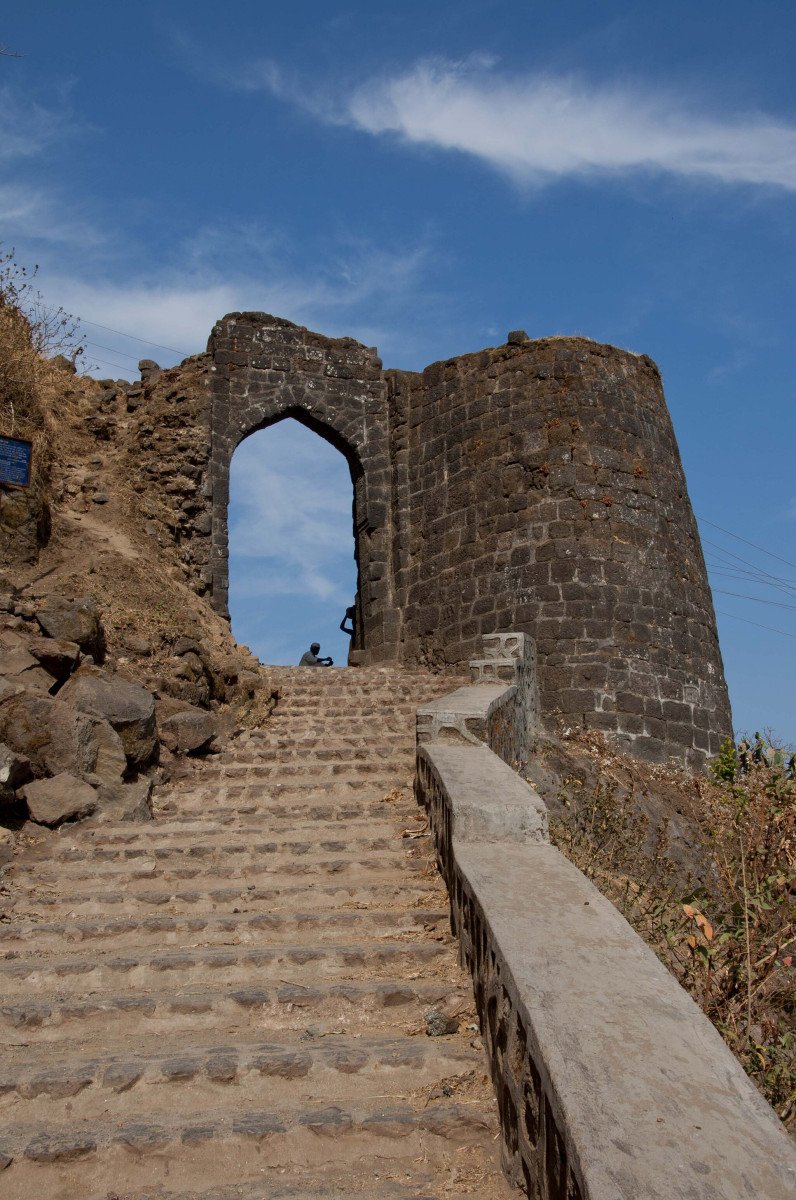
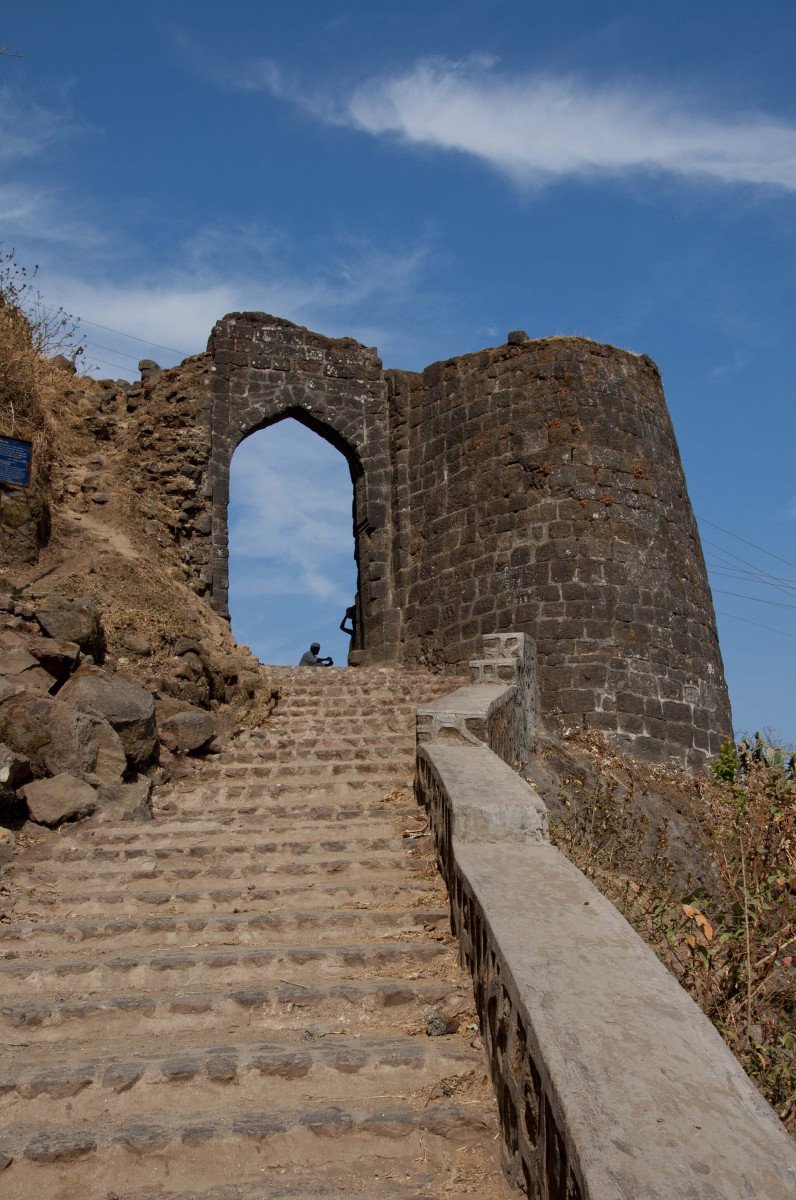
The Pune Darwaza Approach: This triple-layered gate offers an excellent architectural subject. Framing the weathered stone archways against the backdrop of the valley or the dense clouds (in Monsoon) creates a dramatic historical image. The strategically placed bastions on either side of the entrance also provide a sense of the fort's impenetrable strength.
View of Khadakwasla Dam: From the western ramparts of the fort, you get a clear, stunning view of the Khadakwasla Dam and its reservoir (often referred to as Mutha Canal or Lake). The contrast between the ancient fort ruins in the foreground and the modern water body in the background is a popular shot. This view is especially breathtaking after the Monsoon when the reservoir is full.
Tanaji Malusare's Memorial: This spot, with the bronze bust of the great warrior, is the main landmark. It is essential for capturing a historical moment, often framed with the surrounding stone walls and the Maratha flag. It’s a favorite for group photos and capturing the patriotic atmosphere.
Near Rajaram Chhatrapati's Samadhi: The unique Rajasthani-style Chatri offers a distinct architectural photography subject. It is a quieter, shaded area, allowing for good detail shots of the carvings and the peaceful atmosphere of his final resting place.Photo Gallery
Things To Do
-
The Classic Sinhagad Trek: The main activity is the trek to the top. The most popular route starts from the base village of Donaje. This moderate-to-challenging ascent can take anywhere from 1. 5 to 2. 5 hours, depending on fitness. The trail is well-defined but offers steep inclines, especially rewarding trekkers during the Monsoon and post-Monsoon months (July to October) when the path is scenic with waterfalls and lush greenery. For less experienced trekkers, a shorter climb is possible from the point where the motorable road ends, focusing on the final ascent to the main fort plateau.
Exploring the Historical Monuments: Spend time visiting the major historical points. The Tanaji Malusare Memorial and the tomb of Rajaram Chhatrapati are key sites for paying respects and learning about their history. Explore the Pune Dar...The Classic Sinhagad Trek: The main activity is the trek to the top. The most popular route starts from the base village of Donaje. This moderate-to-challenging ascent can take anywhere from 1. 5 to 2. 5 hours, depending on fitness. The trail is well-defined but offers steep inclines, especially rewarding trekkers during the Monsoon and post-Monsoon months (July to October) when the path is scenic with waterfalls and lush greenery. For less experienced trekkers, a shorter climb is possible from the point where the motorable road ends, focusing on the final ascent to the main fort plateau.
Exploring the Historical Monuments: Spend time visiting the major historical points. The Tanaji Malusare Memorial and the tomb of Rajaram Chhatrapati are key sites for paying respects and learning about their history. Explore the Pune Darwaza and the strategic layering of its three sub-gates. Walk along the ramparts, especially on the western side, for views of the Khadakwasla and Panshet reservoirs.
Photography and Sunset Viewing: Sinhagad offers some of the best landscape photography opportunities near Pune. The highest point, the Balekilla (Citadel) area, offers a 360-degree panorama. Sunrises from the east-facing sections and sunsets over the western ghats are spectacular and highly recommended. The mist-covered hills during the Monsoon also provide dramatic photo backdrops.
Feasting on Local Cuisine: One of the most famous parts of a Sinhagad trip is the authentic Maharashtrian food available at the local dhabas and stalls near the top. Must-try dishes include Pithla Bhakri (a thick lentil or gram flour preparation with jowar or bajra bread), Zunka Bhakri (a dry gram flour dish), freshly made Thecha (a spicy green chili and garlic condiment), and curd (dahi). Enjoying a rustic meal with a view is a tradition here.
Birdwatching and Nature Walk: The forest cover around the fort, especially during winter (November to February), is home to various local and migratory birds. Early morning visits are best for spotting wildlife and enjoying the tranquil environment before the crowds arrive. There are quieter trails and spurs, such as the path towards the Kalyan Darwaza, which are ideal for nature walks. Sinhagad is part of the larger Sahyadri ecosystem, making it a great place to observe endemic flora, particularly after the rains.
Relaxation and Picnic: The large plateau at the top has several grassy areas near the water tanks and temples that are perfect for family picnics and resting after the climb. Although the fort is primarily a historical site, its natural setting makes it an excellent recreational spot to escape the city's hustle and bustle for a day.
Information
-
Why Famous:
The Battle of the Lion (at least ): The primary reason for Sinhagad's fame is the legendary battle of 1670. The fort was an important Mughal stronghold, and its capture was critical for Chhatrapati Shivaji Maharaj. The event cemented the fort's status in Maratha history du...The Battle of the Lion (at least ): The primary reason for Sinhagad's fame is the legendary battle of 1670. The fort was an important Mughal stronghold, and its capture was critical for Chhatrapati Shivaji Maharaj. The event cemented the fort's status in Maratha history due to the incredible bravery and ultimate sacrifice of Tanaji Malusare. His audacious plan involved scaling the steepest part of the fort using a rope tied to a monitor lizard (Ghorpad), which remains a classic tale of courage taught in Marathi history. Shivaji Maharaj's poignant remark—"Gad ala, pan Sinha gela"—after the victory and Tanaji's death is one of the most famous quotes in Maharashtra, forever linking the fort's name to the concept of a lion's valor.
Strategic Vantage Point: Its elevation of 1,312 meters makes it the highest point overlooking Pune and the surrounding plains. Historically, this made it an unbeatable strategic post for surveillance and defense of the Pune region. Today, this translates into breathtaking panoramic views of the Sahyadri range, Khadakwasla Dam, and the vast Panshet and Pawana reservoirs, making it a highly desirable location for scenic photography and relaxation. The historical narrative of courage, coupled with the fort's imposing and naturally beautiful location, is why it is famous among history buffs, students, and adventure seekers alike. -
Architecture:
Strategic Location and Defense: The architecture of Sinhagad Fort is defined by its robust military strategy and its integration with the challenging natural terrain. It stands at an elevation of 1,312 meters, utilizing the steep cliffs of the Sahyadri range as its primary ...Strategic Location and Defense: The architecture of Sinhagad Fort is defined by its robust military strategy and its integration with the challenging natural terrain. It stands at an elevation of 1,312 meters, utilizing the steep cliffs of the Sahyadri range as its primary defense. The overall strategic design is that of a formidable, self-sufficient garrison.
Gateways and Fortifications (Dimension):
The fort is protected by two main gateways: the Pune Darwaza (facing Pune) and the Kalyan Darwaza (opening towards the Konkan region). The Pune Darwaza approach is particularly notable, requiring passage through three successive gates built between massive stone bastions for multilayered defense. These gates feature intricate, though weathered, stonework and carvings, such as the Sharabh (mythical creatures) on the first gate and a lotus motif on the third, suggesting original ancient design elements. The walls themselves are constructed of large, locally sourced stone blocks, estimated to be several meters in height and thickness in parts, particularly around the machis (outposts).
Water Management System: A crucial architectural feature is the ancient water storage system. Numerous large, rock-cut cisterns and natural reservoirs, like the Dev Tank (Sacred Tank) and Ram Talav (Ram Tank), were engineered to harvest rainwater. The size of some of these tanks suggests a capacity to supply a large population and garrison for many months, a vital necessity for a hill fort.
Internal Ruins: Within the fort, one can find the remnants of administrative and residential structures. These include the ruins of military barracks, storehouses (daru-kothar), and the structure associated with Rajaram Chhatrapati's residence and final resting place. The tomb of Rajaram Chhatrapati is a distinctive Rajasthani-style Chatri (cenotaph) with a carving of the Gandabherunda bird, a double-headed mythical creature. -
How To Reach:
By Air (at least ): The nearest airport is Pune International Airport (PNQ), located in Lohegaon, approximately 45-50 KMS from the base of Sinhagad Fort. This airport connects Pune to all major cities in India, such as Delhi, Mumbai, Bangalore, Chennai, and Kolkata, as well...By Air (at least ): The nearest airport is Pune International Airport (PNQ), located in Lohegaon, approximately 45-50 KMS from the base of Sinhagad Fort. This airport connects Pune to all major cities in India, such as Delhi, Mumbai, Bangalore, Chennai, and Kolkata, as well as a few international destinations.
Steps: Upon landing at PNQ, you can hire a pre-paid taxi, book an app-based cab (like Ola or Uber), or take an airport bus to the city center. From the city, you must hire another cab or an auto-rickshaw to travel to the fort's base (Donaje village) or directly to the top via the ghat road. The total travel time from the airport to the fort, excluding waiting, is about 2 to 2. 5 hours.
By Train: The nearest major railway station is Pune Junction (Pune), one of the main railway hubs in Maharashtra. It is approximately 30-35 KMS from the fort. Pune Junction is extremely well-connected to almost every part of India with express and superfast trains.
Steps: From Pune Junction, you can easily hire a taxi, a private cab, or an auto-rickshaw directly to Sinhagad Fort. The most economical option is to first travel to the Swargate bus stand (about 6 KMS from the station) via an auto-rickshaw. From Swargate, you can catch a local PMPML bus going towards Donaje village (the fort's base).
By Road: Sinhagad Fort is most conveniently accessed by road from Pune, a journey of about 1 to 1. 5 hours. The fort is about 36 KMS from the city center via the Sinhgad Ghat Road.
Private/Self-Drive: The best option is to drive your own car or hire a private taxi. The route is well-marked, first taking you toward the Khadakwasla Dam and then leading to the winding ghat road up the hill. Parking is available at the top, though it can be crowded on weekends.
State Transport Bus: Local buses run by PMPML (Pune Mahanagar Parivahan Mahamandal Limited) regularly ply from Swargate Bus Terminal in Pune to the base village of Donaje. From Donaje, you can either begin your trek or hire a local shared cab (jeep/tempo) that takes passengers up the ghat road for a nominal fee.
By Local Transport: Local shared jeeps and auto-rickshaws are the most common ways to reach the fort base from the city's outskirts. From the Khadakwasla Dam area, shared cabs are easily available, especially on weekends, to take you up the final ghat section of the fort road. The local shared tempos or jeeps charge a fixed per-person rate for the ride, which is an authentic local transport experience. -
Weather and Best Time to Visit:
Different Types of Seasons (at least ):
Monsoon (June to September): This is widely considered the Best Time to Visit. The entire Sahyadri range transforms into a lush green paradise. Waterfalls cascade down the cliffs, the air is clean a...Different Types of Seasons (at least ):
Monsoon (June to September): This is widely considered the Best Time to Visit. The entire Sahyadri range transforms into a lush green paradise. Waterfalls cascade down the cliffs, the air is clean and misty, and the climate is cool and invigorating for trekking. The views are dramatic, but heavy fog can sometimes reduce visibility. July and August are the peak Monsoon months.
Winter (October to February): This is the second-best time. The weather is cool, dry, and pleasant, especially in the early mornings and evenings. The sky is clear, offering the best panoramic views of the distant plains and the Khadakwasla reservoir. Trekking is comfortable during the day, and the lack of rain makes the paths easier to navigate. November and January are particularly popular for their crisp, clear mornings.
Summer (March to May): The summer should generally be avoided. The days are very hot and dry, making the climb or walk tiring and uncomfortable. The surrounding hills lose their greenery and look parched. If visiting in summer, you must start the trek before 6:00 AM to complete the exploration by 9:00 AM before the heat becomes intense.
Different Parts of the Day: Sunrise (5:30 AM to 7:00 AM) Highly recommended. This requires an early start for the trek or a very early drive up, but the rewards are spectacular: cool air, clear light for photography, and the fort is less crowded. Mid-Day (10:00 AM to 3:00 PM) This is the peak time for crowds, especially on weekends. It is the hottest part of the day, particularly in summer. Best used for a leisure lunch of local cuisine rather than intense exploration. Sunset (4:00 PM to 6:00 PM) This is the other most Ideal Visit Time. The light is beautiful, and the atmosphere as the sun sets over the western ramparts is magical. Note that you must begin your descent/drive down immediately after 6:00 PM as the roads become dark and vehicles are not allowed after official closing hours. -
Near Tourist Places:
1.
Khadakwasla Dam: Approx. 15 KMS (on the way to Pune). 2.
Panshet Water Park & Dam: Approx. 45 KMS. 3.
Rajgad Fort: Approx. 40 KMS (trek route/road). 4.
Torna Fort: Approx. 60 KMS. 5. Katraj Snake Park / Rajiv Gandhi Zoological Park (Pune): Approx. 25 KMS. 6.
National Defence Academy (NDA) Khadakwasla: Approx. 18 KMS. 7.
Lohagad Fort: Approx. 85 KMS. 8.
Shinde Chhatri (Pune City): Approx. 38 KMS. 9.
Raja Dinkar Kelkar Museum (Pune City): Approx. 30 KMS. 10.
Lal Mahal (Pune City): Approx. 32 KMS.
Tourism Tips
-
Health & Safety (at least ):
Footwear: Wear sturdy trekking or sports shoes with good grip. The stone steps and paths can be slippery, especially during the Monsoon.
Hydration: Always carry plenty of wat...Health & Safety (at least ):
Footwear: Wear sturdy trekking or sports shoes with good grip. The stone steps and paths can be slippery, especially during the Monsoon.
Hydration: Always carry plenty of water. Even in winter, the climb can be dehydrating. Though water bottles are sold at the top, having your own reusable bottle is better for the environment.
Medical: Carry a basic First-Aid kit with band-aids, antiseptic cream, and personal medications. Medical facilities near the fort are minimal.
Road Safety: If driving, the ghat road is narrow, winding, and has sharp blind curves. Drive slowly and carefully. On weekends, the road is often heavily congested. Be mindful of pedestrians if trekking alongside the road.
Packing:
Essentials: Carry a cap/hat and sunglasses for sun protection in summer/winter.
Rain Gear: In the Monsoon (June-September), carry a waterproof jacket or a windcheater. An umbrella may not be practical due to high winds.
Photography: Don't forget your camera, and consider a wide-angle lens for capturing the massive panoramas.
Cash: Carry sufficient cash as local food stalls and transport vendors may not accept digital payments.
Accommodation:
On the Fort: Strictly no accommodation/camping is allowed on the fort itself to protect the heritage site.
Near Base: Basic homestays and local resorts are available in the base villages like Donaje.
City Stay: The best option is to stay in Pune city, which offers a full range of hotels, from budget to luxury, and take a day trip to the fort.
Other Different Topics:
Environmental Responsibility: Please do not litter. Use the designated bins. The fort environment is fragile.
Local Interaction: The food and beverages (Zunka Bhakri, Thecha) are sold by local village families. Patronizing them directly supports the local community and offers an authentic culinary experience.
Time Management: Aim to start your return journey well before 5:30 PM on weekends, as the traffic descending the ghat road can be very slow and frustrating.
Reviews
FAQs
Pune Itineray And Cost:-
Other Places In Pune :-
Other States In India :-
Information about New and Updated Locations() of Maharashtra Has Been Added :-
Card subtitle
Note:-
Information provided here in good Faith and for reference only.
Near Places
Aga Khan Palace
Some quick example text to build on the card title and make up the bulk of the card's content.
Go somewhere
Bhandarkar Oriental Research Institute
Some quick example text to build on the card title and make up the bulk of the card's content.
Go somewhere
Bhuleshwar Temple
Some quick example text to build on the card title and make up the bulk of the card's content.
Go somewhere
Dagdusheth Halwai Ganpati Temple
Some quick example text to build on the card title and make up the bulk of the card's content.
Go somewhere
Darshan Museum
Some quick example text to build on the card title and make up the bulk of the card's content.
Go somewhere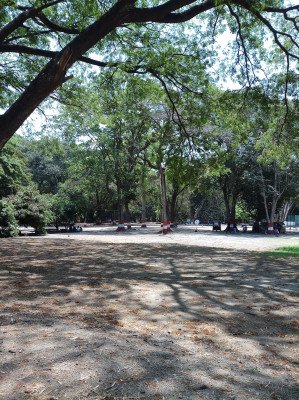
Empress Botanical Garden
Some quick example text to build on the card title and make up the bulk of the card's content.
Go somewhere
Joshi's Museum of Miniature Railways
Some quick example text to build on the card title and make up the bulk of the card's content.
Go somewhere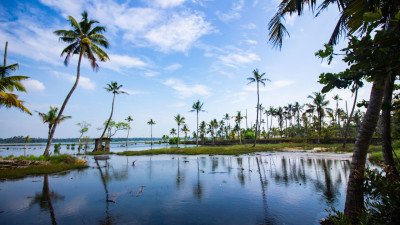
Khadakwasla Dam & Lake
Some quick example text to build on the card title and make up the bulk of the card's content.
Go somewhere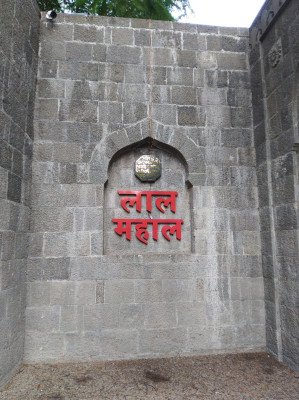
Lal Mahal
Some quick example text to build on the card title and make up the bulk of the card's content.
Go somewhere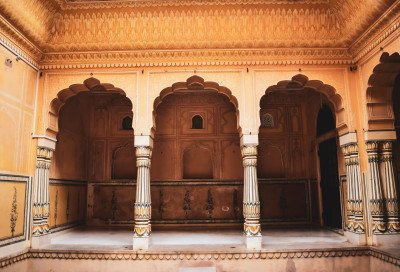
Lohagad Fort
Some quick example text to build on the card title and make up the bulk of the card's content.
Go somewhere
Mulshi Lake and Dam
Some quick example text to build on the card title and make up the bulk of the card's content.
Go somewhere
Osho International Meditation Resort
Some quick example text to build on the card title and make up the bulk of the card's content.
Go somewhere
Parvati Hill Temple
Some quick example text to build on the card title and make up the bulk of the card's content.
Go somewhere
Pataleshwar Cave Temple
Some quick example text to build on the card title and make up the bulk of the card's content.
Go somewhere
Pawna Lake
Some quick example text to build on the card title and make up the bulk of the card's content.
Go somewhere
Pune Okayama Friendship Garden
Some quick example text to build on the card title and make up the bulk of the card's content.
Go somewherein Other Cities