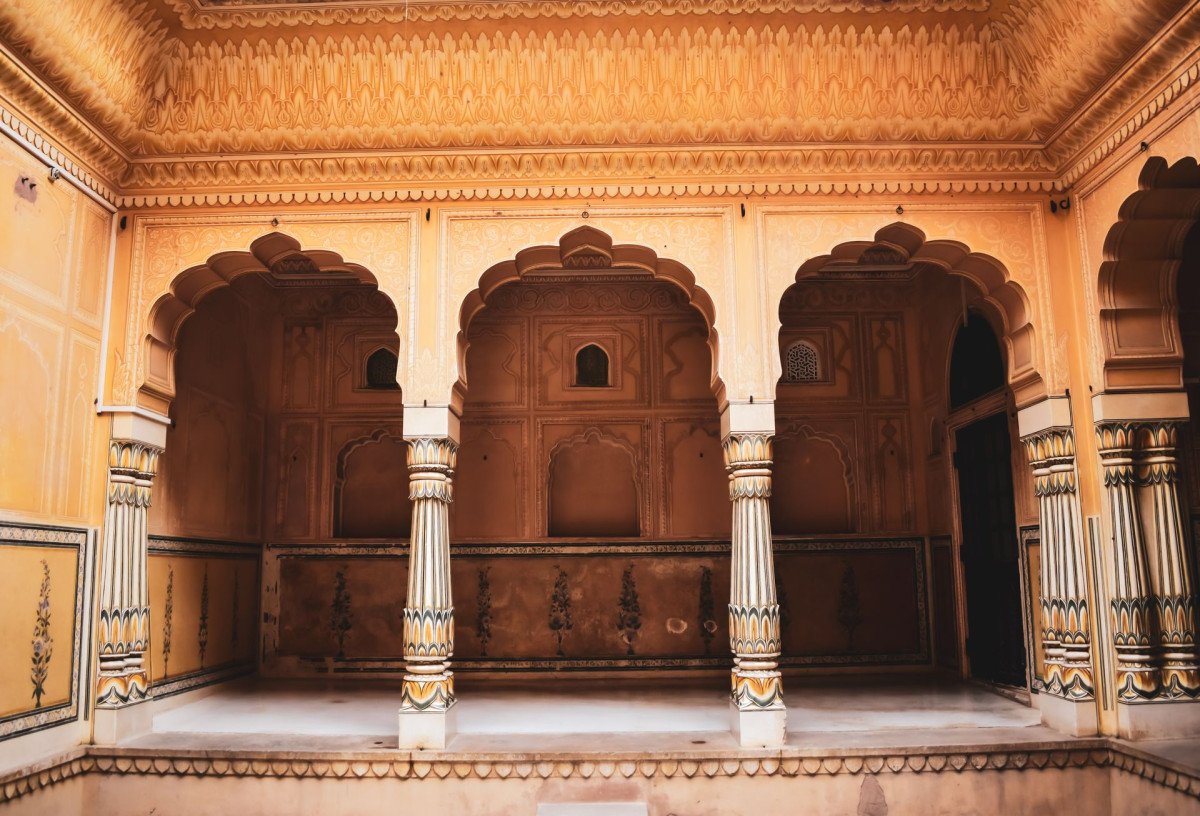
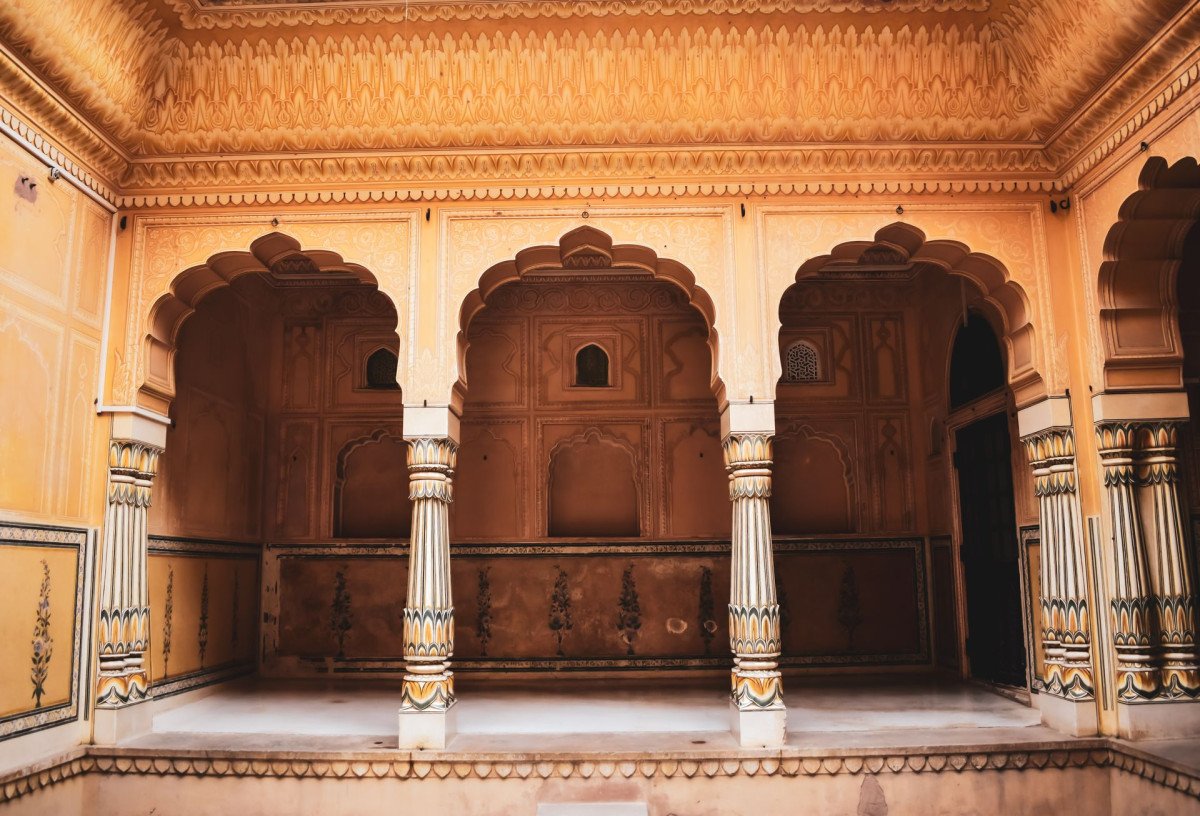
Sisupalgarh Fort
General information
-
Ideal Duration:
2 to 3 HoursPlace Type:
Archaeological Site / Heritage FortEntry Fees:
Currently, there is No Entry Fee to visit Sisupalgarh Fort, making it an extremely accessible destination for budget travelers and students. Since it is an open archaeological site managed by the Archaeological Survey of India (ASI), public access is generally free. However, visitors should be pr...Currently, there is No Entry Fee to visit Sisupalgarh Fort, making it an extremely accessible destination for budget travelers and students. Since it is an open archaeological site managed by the Archaeological Survey of India (ASI), public access is generally free. However, visitors should be prepared to pay small fees for parking if using private vehicles in the nearby village area. Professional commercial filming or large-scale photography may require prior permission and a fee from the ASI office in Bhubaneswar.
:Timing:
The site is generally open from Sunrise to Sunset (approximately 6:00 AM to 6:00 PM). The Ideal Visit Time is early morning around 7:00 AM to avoid the midday sun and capture the best light for photography. Evening visits around 4:30 PM are also pleasant, though it is advised to leave before it g...The site is generally open from Sunrise to Sunset (approximately 6:00 AM to 6:00 PM). The Ideal Visit Time is early morning around 7:00 AM to avoid the midday sun and capture the best light for photography. Evening visits around 4:30 PM are also pleasant, though it is advised to leave before it gets dark as the area is not well-lit. The site is open on all days of the week, including public holidays.
:Special Events:
While there are no official festivals held inside the fort, the local village celebrates Maha Shivaratri with great fervor at the nearby temples where ancient ruins are housed. During the Raja Festival, local girls set up swings near the shaded areas of the ruins, bringing a vibrant cultural life ...While there are no official festivals held inside the fort, the local village celebrates Maha Shivaratri with great fervor at the nearby temples where ancient ruins are housed. During the Raja Festival, local girls set up swings near the shaded areas of the ruins, bringing a vibrant cultural life to the historical site. The Odisha Tourism Department occasionally organizes heritage walks and awareness programs on World Heritage Day (April 18th) to educate the public about conservation.
:Best Photo Spots:
The Sola Khamba (16 Pillars) is the most iconic photo spot, especially during sunrise when the sun rays align with the monolithic stones. The Main Gateway ruins provide a perfect backdrop for wide-angle shots that showcase the massive scale of the ancient brickwork and fortifications. For nature ...The Sola Khamba (16 Pillars) is the most iconic photo spot, especially during sunrise when the sun rays align with the monolithic stones. The Main Gateway ruins provide a perfect backdrop for wide-angle shots that showcase the massive scale of the ancient brickwork and fortifications. For nature photography, the northern ramparts overlooking the Gangua River offer lush green landscapes and water reflections during the monsoon. Macro photographers will enjoy capturing the intricate textures and moss growth on the ancient laterite stones. Sunset views from the top of the western mounds are spectacular, as they silhouet the ruins against a colorful sky.
:Photo Gallery
Things To Do
-
Exploring the Sisupalgarh ruins involves a variety of activities that cater to history enthusiasts, nature lovers, and photographers. One of the primary things to do is a guided walk through the Sola Khamba complex to admire the ancient stone craftsmanship. Visitors can spend hours trekking along the massive earthen ramparts, which provide a panoramic view of the surrounding countryside and the distant city skyline. Photography is a popular activity here, especially capturing the play of light and shadow among the ruined pillars during the golden hour. Birdwatching is surprisingly good in this area, as the vegetation around the old moat attracts several local and migratory bird species. For those interested in spirituality, visiting the local shrines where ancient artifacts are worshipped offers a glimpse into the living culture of the region. Picnicking is possible in the open gr...Exploring the Sisupalgarh ruins involves a variety of activities that cater to history enthusiasts, nature lovers, and photographers. One of the primary things to do is a guided walk through the Sola Khamba complex to admire the ancient stone craftsmanship. Visitors can spend hours trekking along the massive earthen ramparts, which provide a panoramic view of the surrounding countryside and the distant city skyline. Photography is a popular activity here, especially capturing the play of light and shadow among the ruined pillars during the golden hour. Birdwatching is surprisingly good in this area, as the vegetation around the old moat attracts several local and migratory bird species. For those interested in spirituality, visiting the local shrines where ancient artifacts are worshipped offers a glimpse into the living culture of the region. Picnicking is possible in the open green spaces, provided you carry your own supplies and maintain cleanliness. History buffs should bring a guidebook to identify the different gateways and imagine the ancient grid-based road system. You can also interact with local villagers who often share folk legends about the "Lost City" and its mythical connection to the Mahabharata. A visit to the nearby Dhauli Peace Pagoda can be combined with this trip to complete the historical narrative of the Kalinga War. Exploring the Gangua Nala banks provides a peaceful setting for meditation or sketching. Lastly, many students visit the site for archaeological sketching and documentation of the laterite stone textures. It is an ideal spot for a slow-paced, educational outing.
:
Information
-
Why Famous:
Sisupalgarh is world-renowned because it represents one of the earliest examples of planned urban centers in the Indian subcontinent. It is historically linked to the legendary Kalinga War, a battle so fierce that it transformed Emperor Ashoka from a conqueror to a peaceful follower of Buddhism. ...Sisupalgarh is world-renowned because it represents one of the earliest examples of planned urban centers in the Indian subcontinent. It is historically linked to the legendary Kalinga War, a battle so fierce that it transformed Emperor Ashoka from a conqueror to a peaceful follower of Buddhism. The site is also famous for its identification with the capital city mentioned in the Hathigumpha inscriptions of the great Emperor Kharavela. Its defensive walls are among the highest known for that period in India, showcasing the military strength of ancient Odisha. The architectural similarity to classical European cities like Athens makes it a point of global academic interest. Furthermore, the discovery of Roman coins and Kushana artifacts here highlights its importance as a major international trade hub in antiquity.
: -
Architecture:
The architecture of Sisupalgarh is defined by its strict mathematical precision and defensive ingenuity. The fort forms a rough square with each side measuring approximately 1,150 Meters in length, creating a perimeter of nearly 4. 8 KMS. One of the most striking features is the Sola Khamba, a co...The architecture of Sisupalgarh is defined by its strict mathematical precision and defensive ingenuity. The fort forms a rough square with each side measuring approximately 1,150 Meters in length, creating a perimeter of nearly 4. 8 KMS. One of the most striking features is the Sola Khamba, a complex of 16 monolithic laterite pillars located near the center of the fort, which are about 5 Meters high and 0. 7 Meters in diameter. The fortification walls rise up to 9 Meters high, constructed using layers of earth, mud bricks, and laterite stones to withstand sieges. There are 8 formal gateways, two on each side, which were connected by a grid of wide internal roads that crossed at right angles. Recent excavations have also revealed a sophisticated water management system involving a moat irrigated by the Gangua Nala (ancient Gandhavati River). The gateway structures themselves are massive, with some passageways being 7 Meters wide, featuring guard rooms and stone steps. This "Water Fort" or Jaladurga concept provided natural protection while the internal layout supported a high-density urban population.
: -
How To Reach:
By Air: The Biju Patnaik International Airport is the nearest airport, located just 7 KMS away; you can hire a taxi or an auto-rickshaw from the airport to reach the site in 15 minutes.
By Train: The Bhubaneswar Railway Station is the prim...By Air: The Biju Patnaik International Airport is the nearest airport, located just 7 KMS away; you can hire a taxi or an auto-rickshaw from the airport to reach the site in 15 minutes.
By Train: The Bhubaneswar Railway Station is the primary railhead, situated about 7 KMS from the fort; from here, local buses or private cabs are readily available.
By Road: Sisupalgarh is well-connected by the Puri-Bhubaneswar Road; you can easily drive your own vehicle or use a rental car.
By Local Transport: Auto-rickshaws (Mo Bus or private) are the most convenient way to navigate the narrow roads leading to the monument from the city center.
: -
Weather and Best Time to Visit:
The Winter Season (October to March) is the best time to visit as the weather is cool and pleasant for outdoor exploration. During the Monsoon Season (July to September), the site becomes incredibly lush and green, though the paths may be muddy. Summer (April to June) should be avoided as tempera...The Winter Season (October to March) is the best time to visit as the weather is cool and pleasant for outdoor exploration. During the Monsoon Season (July to September), the site becomes incredibly lush and green, though the paths may be muddy. Summer (April to June) should be avoided as temperatures can exceed 40°C, making it difficult to walk around the open ruins. For daily timing, the Morning Hours are best for peace, while Late Afternoon offers the most scenic views.
: -
Near Tourist Places:
1. Dhauli Shanti Stupa (4 KMS), 2. Lingaraj Temple (5 KMS), 3. Odisha State Museum (6 KMS), 4. Rajarani Temple (5 KMS), 5. Mukteswar Temple (5. 5 KMS), 6. Bindu Sagar (5 KMS), 7. Khandagiri & Udayagiri Caves (10 KMS), 8. Nandankanan Zoo (18 KMS), 9. Ekamra Kanan (9 KMS), 10. Ram Mandir (8 KMS)
Tourism Tips
-
Health & Safety: Wear sturdy walking shoes as the terrain is uneven and rocky; carry a basic first-aid kit and insect repellent.
Packing: Always carry a water bottle, sun hat, and sunscreen as there is limited shade within the vast fort ar...Health & Safety: Wear sturdy walking shoes as the terrain is uneven and rocky; carry a basic first-aid kit and insect repellent.
Packing: Always carry a water bottle, sun hat, and sunscreen as there is limited shade within the vast fort area.
Accommodation: Stay in the Bhubaneswar city center (near Janpath or Jayadev Vihar) where a wide range of hotels from budget to luxury are available.
Cash & Connectivity: Carry enough cash for local transport and snacks as the nearest ATMs are a few kilometers away in the main city; mobile connectivity is generally good, but don't expect public Wi-Fi at the ruins.
Other Tips: Hire a local guide if possible to understand the historical layout, as there are very few signboards at the site.
:
Reviews
FAQs
Bhubaneswar Itineray And Cost:-
Sisupalgarh Fort Tourism:-
Information about New and Updated Locations() of Odisha Has Been Added :-
Card subtitle
Note:-
Information provided here in good Faith and for reference only.
All information and pictures will be updated soon, please keep visiting.
Near Places
Ananta Vasudeva Temple
Some quick example text to build on the card title and make up the bulk of the card's content.
Go somewhere
Balaram Temple
Some quick example text to build on the card title and make up the bulk of the card's content.
Go somewhere
BDA City Centre
Some quick example text to build on the card title and make up the bulk of the card's content.
Go somewhere
Bhubaneswar Zoo
Some quick example text to build on the card title and make up the bulk of the card's content.
Go somewhere
Biju Patnaik Park
Some quick example text to build on the card title and make up the bulk of the card's content.
Go somewhere
Bindusagar Lake
Some quick example text to build on the card title and make up the bulk of the card's content.
Go somewhere
Brahmeswara Temple
Some quick example text to build on the card title and make up the bulk of the card's content.
Go somewhere
Chausathi Jogini Temple
Some quick example text to build on the card title and make up the bulk of the card's content.
Go somewhere
Daya River Battlefield
Some quick example text to build on the card title and make up the bulk of the card's content.
Go somewhere
Deras Dam
Some quick example text to build on the card title and make up the bulk of the card's content.
Go somewherein Other Cities