Brahmeswara Temple
General information
-
Ideal Duration:
1 to 1. 5 hoursPlace Type:
Religious, Heritage, ArchitecturalEntry Fees:
No Entry Fee: As a major functioning temple, there is No Entry Fee for the general public or devotees. Access is free.
Priest Services: A small fee/donation (Dakshina) is expected if you utilize the services of a priest for a specific Puja ...No Entry Fee: As a major functioning temple, there is No Entry Fee for the general public or devotees. Access is free.
Priest Services: A small fee/donation (Dakshina) is expected if you utilize the services of a priest for a specific Puja or ritual.
Photography Fee: Generally, no charge for mobile phone photography, but check local rules for professional cameras.
Donation Box: Donations for the temple's maintenance are voluntary.Timing:
Regular Timings: Generally open from 6:00 AM to 8:00 PM, with a possible brief closure during the midday after the main Puja (approx. 12:00 PM to 3:30 PM).
Ideal Visit Time: Morning (7:00 AM to 9:00 AM) is the best time for peaceful Darshan...Regular Timings: Generally open from 6:00 AM to 8:00 PM, with a possible brief closure during the midday after the main Puja (approx. 12:00 PM to 3:30 PM).
Ideal Visit Time: Morning (7:00 AM to 9:00 AM) is the best time for peaceful Darshan and photography, avoiding the midday heat and the rush of evening crowds.
Avoid Festival Peak: During Shivaratri, expect heavy crowds and long queues.Special Events:
Shivaratri: The major festival dedicated to Lord Shiva, celebrated with great devotion, night-long vigil, and special Puja ceremonies, drawing large crowds of devotees.
Pana Sankranti: Celebrated in the Odisha new year, involving water ritua...Shivaratri: The major festival dedicated to Lord Shiva, celebrated with great devotion, night-long vigil, and special Puja ceremonies, drawing large crowds of devotees.
Pana Sankranti: Celebrated in the Odisha new year, involving water rituals and traditional offerings, especially focused on Lord Shiva.
Kartika Purnima: Celebrated in the Kartika month, with the temple attracting a large number of pilgrims for morning baths and special prayers.Best Photo Spots:
The South-East Corner: This position offers the best angle to capture the entire Panchatanaya complex, showing the main shrine and one or two subsidiary shrines in one frame.
The Dancer Sculptures: The mid-level carvings of the dancers and m...The South-East Corner: This position offers the best angle to capture the entire Panchatanaya complex, showing the main shrine and one or two subsidiary shrines in one frame.
The Dancer Sculptures: The mid-level carvings of the dancers and musicians on the walls of the Jagamohana and Vimana are ideal for detailed, close-up shots of Odisha's medieval art.
The Gaja-Simha Motif: Focus on capturing the famous recurring lion-head motif in profusion across the architecture.
The Vimana Spire: A vertical shot of the tall, developed spire against the sky, highlighting its architectural grace.Photo Gallery
Things To Do
-
Study the Sculptures: Spend time closely examining the exterior walls for the famous dancer and musician carvings, the Gaja-Simha motifs, and the figures of the eight directional Guardian Deities.
Perform Puja and Darshan: Participate in the local rituals and offer prayers to Lord Shiva (Brahmeswara) in the main sanctum.
Explore the Panchatanaya Complex: Visit and appreciate the four corner subsidiary shrines to understand the complete architectural layout.
Photography: Capture the intricate carvings, especially the transition elements and the developed spire design of the Vimana.
Compare Art Styles: As it is close to many other temples, try to compare its mature Somavamsi style with the earlier Mukteswara or later Lingaraj style...Study the Sculptures: Spend time closely examining the exterior walls for the famous dancer and musician carvings, the Gaja-Simha motifs, and the figures of the eight directional Guardian Deities.
Perform Puja and Darshan: Participate in the local rituals and offer prayers to Lord Shiva (Brahmeswara) in the main sanctum.
Explore the Panchatanaya Complex: Visit and appreciate the four corner subsidiary shrines to understand the complete architectural layout.
Photography: Capture the intricate carvings, especially the transition elements and the developed spire design of the Vimana.
Compare Art Styles: As it is close to many other temples, try to compare its mature Somavamsi style with the earlier Mukteswara or later Lingaraj styles.
Information
-
Why Famous:
The Dancer Inscriptions: The temple's exterior is famous for the intricate and large number of carvings of musicians and dancers, suggesting an active association with the Devadasi tradition (temple dancers), mentioned in its historical inscription.
Read MoreThe Dancer Inscriptions: The temple's exterior is famous for the intricate and large number of carvings of musicians and dancers, suggesting an active association with the Devadasi tradition (temple dancers), mentioned in its historical inscription.
Panchatanaya Structure: It represents a key structural development in Kalinga architecture, being a fine, early example of the five-shrine complex.
Dated Kalinga Art: Its accurate dating to 1058 CE makes it a crucial landmark for studying the evolution of Odisha's temple art and architecture, bridging the gap between earlier and later masterpieces.Architecture:
Panchatanaya Layout: The temple complex follows a Panchatanaya plan, a later innovation in temple architecture, with the central Vimana (sanctum) and four smaller subsidiary shrines.
Dimension and Elevation: The main Vimana is approximately ...Panchatanaya Layout: The temple complex follows a Panchatanaya plan, a later innovation in temple architecture, with the central Vimana (sanctum) and four smaller subsidiary shrines.
Dimension and Elevation: The main Vimana is approximately 18. 96 meters (62. 2 ft) tall. The structure comprises the Vimana and the Jagamohana (assembly hall). Later temples would add more halls, but this is a classic dual structure.
Sculptural Richness: The temple is richly carved both inside and out. It is notable for the introduction of numerous figures of musicians and dancers on the exterior walls, a profusion of the lion-head motif (Gaja-Simha), and Tantric-related images, including the fierce Chamunda deity on the western facade.How To Reach:
By Air: Nearest is Biju Patnaik International Airport (BBI), approximately 7 KMs away. Hire a taxi or auto-rickshaw.
By Train: Nearest is Bhubaneswar Railway Station (BBS), approximately 4 KMs away. Take an auto-rickshaw to Tankapani Road....By Air: Nearest is Biju Patnaik International Airport (BBI), approximately 7 KMs away. Hire a taxi or auto-rickshaw.
By Train: Nearest is Bhubaneswar Railway Station (BBS), approximately 4 KMs away. Take an auto-rickshaw to Tankapani Road.
By Road: Well-connected by city roads, situated near Tankapani Road and Bindusagar Road. Easily reachable by private and hired vehicles.
By Local Transport: Auto-rickshaws are the most efficient way to reach the temple complex, which is located in a residential cum heritage area.Weather and Best Time to Visit:
October to March: Best Season to visit, offering pleasant, cool weather for exploring the temple complex and its intricate exterior carvings.
Early Mornings: Ideal for photography as the stone carvings catch the light beautifully and for a s...October to March: Best Season to visit, offering pleasant, cool weather for exploring the temple complex and its intricate exterior carvings.
Early Mornings: Ideal for photography as the stone carvings catch the light beautifully and for a serene, spiritual experience.
Summer (April-June): Should be avoided during the day due to intense heat, making the stone structures very hot.Near Tourist Places:
Mukteswara Temple (2 KMs), Rajarani Temple (1 KM), Bindusagar Lake (2 KMs), Ananta Vasudeva Temple (2 KMs), Lingaraj Temple (3 KMs), Odisha State Museum (3 KMs), Biju Patnaik Park (3. 5 KMs), Sisupalgarh (4 KMs), Dhauli Shanti Stupa (7 KMs), Museum of Tribal Arts & Artifacts (6 KMs).Tourism Tips
-
Health & Safety: Wear modest clothes suitable for a place of worship. The stone path can be uneven, so watch your step.
Packing Essentials: Carry sunglasses and water bottle, as the central courtyard lacks shade.
Read MoreHealth & Safety: Wear modest clothes suitable for a place of worship. The stone path can be uneven, so watch your step.
Packing Essentials: Carry sunglasses and water bottle, as the central courtyard lacks shade.
Accommodation Advice: Stay in a hotel near the Tankapani Road or Old Town area for easy access to the heritage circuit.
Other Tips: Take a local guide (if available) to understand the Tantric and Somavamsi symbolism in the sculptures. Be aware that the structure is a living temple, so silence and respect are expected.Reviews
FAQs
Bhubaneswar Itineray And Cost:-
Brahmeswara Temple Tourism:-
Other Places In Bhubaneswar :-
Other States In India :-
Information about New and Updated Locations() of Odisha Has Been Added :-
Card subtitle
Note:-
Information provided here in good Faith and for reference only.
Near Places
Ananta Vasudeva Temple
Some quick example text to build on the card title and make up the bulk of the card's content.
Go somewhere
Balaram Temple
Some quick example text to build on the card title and make up the bulk of the card's content.
Go somewhere
BDA City Centre
Some quick example text to build on the card title and make up the bulk of the card's content.
Go somewhere
Bhubaneswar Zoo
Some quick example text to build on the card title and make up the bulk of the card's content.
Go somewhere
Biju Patnaik Park
Some quick example text to build on the card title and make up the bulk of the card's content.
Go somewhere
Bindusagar Lake
Some quick example text to build on the card title and make up the bulk of the card's content.
Go somewhere
Brahmeswara Temple
Some quick example text to build on the card title and make up the bulk of the card's content.
Go somewhere
Chausathi Jogini Temple
Some quick example text to build on the card title and make up the bulk of the card's content.
Go somewhere
Daya River Battlefield
Some quick example text to build on the card title and make up the bulk of the card's content.
Go somewhere
Deras Dam
Some quick example text to build on the card title and make up the bulk of the card's content.
Go somewhere
Dhauli Shanti Stupa
Some quick example text to build on the card title and make up the bulk of the card's content.
Go somewhere
Ekamra Haat
Some quick example text to build on the card title and make up the bulk of the card's content.
Go somewhere
Ekamra Kanan Botanical Gardens
Some quick example text to build on the card title and make up the bulk of the card's content.
Go somewhere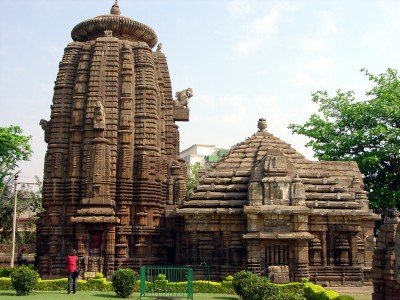
Ganesh Temple
Some quick example text to build on the card title and make up the bulk of the card's content.
Go somewhere
Gokarneshwar Temple
Some quick example text to build on the card title and make up the bulk of the card's content.
Go somewhere
ISKCON Temple, Bhubaneswar
Some quick example text to build on the card title and make up the bulk of the card's content.
Go somewherein Other Cities