

Sitaram Ashram
General information
-
Ideal Duration:
2-3 Hours (For a visit), Multi-Day (For retreat)Place Type:
Spiritual / Retreat CenterEntry Fees:
Entry and Participation Fees: There is generally No mandatory entry fee to simply visit the temple or the common areas of the Sitaram Ashram; However, donations (Dakshina or Dana) are always welcome to support the maintenance, community service, and charitable activities of...Entry and Participation Fees: There is generally No mandatory entry fee to simply visit the temple or the common areas of the Sitaram Ashram; However, donations (Dakshina or Dana) are always welcome to support the maintenance, community service, and charitable activities of the ashram, and visitors are highly encouraged to contribute what they can;
Accommodation and Boarding Charges: For visitors wishing to stay for a spiritual retreat, there is usually a modest, non-profit charge for room and board (Prasad) to cover basic running costs; This fee is nominal compared to commercial hotels and is often required for extended stays, typically ranging from INR 300 to INR 800 per day, depending on the accommodation type;
Yoga and Program Fees: Some specialized, long-term retreats or workshops (e. g. , in advanced Yoga or Vedanta study) may have structured program fees, which cover the instruction, materials, and extended stay; These fees must be inquired about and booked in advance through the ashram administration;
Meal Costs (Langar): The daily communal meals (Langar or Prasad) are often provided free of cost, sustained by donations, emphasizing the tradition of hospitality and community service; Offering a small, voluntary donation after the meal is a customary gesture of gratitude; The financial structure is non-commercial and based on voluntary support.Timing:
Regular Ashram Timings: The ashram is typically open from 5:00 AM to 8:00 PM daily for visitors, aligned with its daily schedule of poojas and bhajans; The main temple Garbhagriha may close for darshan between 1:00 PM and 4:00 PM; Visitors must check the specific daily sch...Regular Ashram Timings: The ashram is typically open from 5:00 AM to 8:00 PM daily for visitors, aligned with its daily schedule of poojas and bhajans; The main temple Garbhagriha may close for darshan between 1:00 PM and 4:00 PM; Visitors must check the specific daily schedule for the timings of Aarti and Satsang upon arrival;
Ideal Visit Time (Spiritual Immersion): The ideal time to visit is either the early morning (5:00 AM to 8:00 AM) to attend the morning Aarti, yoga, and first Satsang, or the evening (5:00 PM to 7:00 PM) for the evening Satsang and Bhajan session, which are usually the most active and spiritually vibrant times of the day;
Meal Time Timing: If planning to partake in the Prasad (meal), visitors should aim to be at the ashram around the designated lunch time (usually 12:30 PM) or dinner time (usually 7:30 PM); Punctuality is strictly enforced for communal activities;
Best for Quiet (Mid-Day): For solitary meditation and quiet reflection, the mid-day closing hours (1:00 PM to 4:00 PM) can be surprisingly peaceful, as most residents are resting or engaged in private study; This is a good time to explore the campus quietly.Special Events:
Ram Navami (The Biggest Celebration): As an ashram dedicated to Lord Rama and Goddess Sita, Ram Navami (March / April), celebrating the birth of Lord Rama, is the most significant annual event; The ashram organizes a spectacular celebration involving elaborate poojas, exten...Ram Navami (The Biggest Celebration): As an ashram dedicated to Lord Rama and Goddess Sita, Ram Navami (March / April), celebrating the birth of Lord Rama, is the most significant annual event; The ashram organizes a spectacular celebration involving elaborate poojas, extended bhajan sessions, public readings of the Ramayana, and a massive Langar (community meal) that draws thousands of devotees from surrounding regions;
Guru Purnima (Honoring the Guru): Guru Purnima (July), dedicated to honoring spiritual teachers, is a highly important day; Special ceremonies (Paduka Puja) are performed to pay respect to the ashram's lineage of gurus, often followed by spiritual discourses and cultural performances; This event emphasizes the importance of the guru-disciple tradition;
Janmashtami (Birth of Lord Krishna): Although primarily a Sitaram ashram, the birth of Lord Krishna is celebrated with great fervor in August / September, with midnight aartis and the breaking of the Dahi Handi (curd pot), attracting many young devotees;
Diwali (Festival of Lights): The ashram celebrates Diwali (October / November) with a spiritual and introspective focus; Hundreds of traditional oil lamps (diyas) are lit across the campus, creating a beautiful, glowing, and meditative environment, often accompanied by special evening bhajans and quiet reflection sessions; The events are highly traditional and non-commercial, focused purely on devotion.Best Photo Spots:
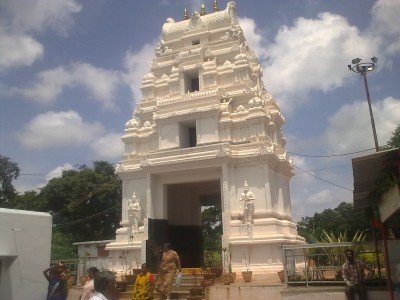
The Main Temple Gopuram: The small temple tower, or Vimana, provides the central focus for a classic devotional photo; Capturing it against the backdrop of the clear sky or the green forest emphasizes the spiritual nature of the place; This spot is best photographed at daw...The Main Temple Gopuram: The small temple tower, or Vimana, provides the central focus for a classic devotional photo; Capturing it against the backdrop of the clear sky or the green forest emphasizes the spiritual nature of the place; This spot is best photographed at dawn during the morning Aarti;
The Yoga and Meditation Hall: The open-air or pillared hall where group yoga and meditation sessions are held offers excellent photo opportunities to capture the peaceful discipline of the residents and guests; Capturing people in Padmasana (Lotus Pose) or mid-chanting, framed by the hall's pillars, creates a strong visual narrative of spiritual life;
The Forest Periphery: The pathways and quiet spots where the ashram grounds meet the Ananthagiri Hills forest are perfect for capturing the natural, serene ambiance; The interplay of light filtering through the trees, with a devotee walking quietly, creates a beautiful, introspective picture;
The Goshala Setting: The cow shelter, with its rustic backdrop and the presence of the gentle cows, offers a unique opportunity for cultural and devotional photography; Capturing the traditional act of Goseva (service to cows) provides a powerful, emotional image; The entire campus offers a blend of architectural simplicity and natural beauty for unique compositions. (Approx. )Photo Gallery
Things To Do
-
Attending Satsangs and Spiritual Discourses: Participate in the daily satsangs (spiritual discourses) and bhajans (devotional singing) to immerse in the ashram's spiritual atmosphere; This is the core activity and offers a deep connection to the ashram's philosophy; Check the daily schedule upon arrival to ensure timing is correct;
Practicing Yoga and Meditation: Join the morning or evening group yoga and meditation sessions; These sessions are typically open to all and provide guidance in traditional Hatha yoga and pranayama techniques, utilizing the calm surroundings for focused practice;
Seva or Community Service: Engage in selfless service (Seva), which may include helping with kitchen duties (Annadaanam), gardening, or cleaning; Participating in Seva is highly valued and is considered a ...Attending Satsangs and Spiritual Discourses: Participate in the daily satsangs (spiritual discourses) and bhajans (devotional singing) to immerse in the ashram's spiritual atmosphere; This is the core activity and offers a deep connection to the ashram's philosophy; Check the daily schedule upon arrival to ensure timing is correct;
Practicing Yoga and Meditation: Join the morning or evening group yoga and meditation sessions; These sessions are typically open to all and provide guidance in traditional Hatha yoga and pranayama techniques, utilizing the calm surroundings for focused practice;
Seva or Community Service: Engage in selfless service (Seva), which may include helping with kitchen duties (Annadaanam), gardening, or cleaning; Participating in Seva is highly valued and is considered a form of worship and spiritual discipline in the ashram environment;
Silent Reflection and Nature Walks: Spend time in complete silence (Mauna) on the ashram grounds; The peaceful environment of the forest is perfect for quiet introspection; Take slow, mindful nature walks on the periphery of the ashram, focusing on the sights and sounds of the Ananthagiri Hills;
Studying Sacred Texts: Utilize the ashram's library or the quiet spaces for reading and studying Hindu scriptures and spiritual literature; Seek guidance from the resident Swamis or scholars for deeper understanding of the texts and philosophy;
Taking a Simple Meal (Prasad): Partake in the simple, vegetarian meals (Prasad or Langar) offered at the ashram; Eating together in silence is often a part of the spiritual discipline; The food is usually wholesome and prepared with devotion;
Observing Daily Rituals (Pooja): Attend the morning and evening Aarti and Pooja (worship rituals) conducted in the main temple; Observing these traditional ceremonies is a visually and spiritually enriching experience, providing insight into the daily life of an ashram; The overall experience focuses on simplicity, discipline, and devotion, demanding respect for the established rules and routine of the spiritual community; Visitors are encouraged to leave their daily distractions behind for the duration of the visit, making it a truly unique form of tourism centered on the inner self.
Information
-
Why Famous:
Devotional Focus and Spiritual Retreat: The Sitaram Ashram is famous for offering an authentic spiritual retreat experience, distinguishing it from general tourist sites; It provides structured programs in yoga, meditation, and Vedantic studies, attracting devotees and spir...Devotional Focus and Spiritual Retreat: The Sitaram Ashram is famous for offering an authentic spiritual retreat experience, distinguishing it from general tourist sites; It provides structured programs in yoga, meditation, and Vedantic studies, attracting devotees and spiritual seekers looking for a break from their materialistic lives; Its fame is rooted in the quality of its spiritual teachings and the peaceful, disciplined environment it provides;
Proximity to Sacred Ananthagiri: Its location near the sacred Ananthagiri Hills, which is also the birthplace of the Musi River and home to the Anantha Padmanabha Swamy Temple, adds to its fame; The ashram draws on the natural sanctity of the hills, making it an ideal place for spiritual practice, as nature itself is viewed as a form of the Divine in this context;
Bhajan and Satsang Tradition: The ashram is renowned for its vibrant, traditional daily schedule of bhajans and satsangs; These group devotional activities, often led by revered resident swamis or gurus, are highly valued by the community for their ability to bring mental peace and community bonding; Visitors often time their visits specifically to attend these soul-stirring sessions, which have built the ashram's reputation;
A Center for Seva (Service): The ashram is also known for its community service activities (seva), which often include running small charitable clinics, providing free meals (langar), or organizing environmental clean-up drives; This focus on selfless service has earned it immense respect and fame within the local Vikarabad community and beyond. -
Architecture:
Traditional Temple Architecture: The main prayer hall or temple area follows a traditional South Indian or Telangana temple architectural style, characterized by a simple yet elegant design; The structures are typically built using stone and plaster, with a small Gopuram (t...Traditional Temple Architecture: The main prayer hall or temple area follows a traditional South Indian or Telangana temple architectural style, characterized by a simple yet elegant design; The structures are typically built using stone and plaster, with a small Gopuram (tower) or a simple, tiered Vimana (shrine tower) above the central deity; The plan includes a Garbhagriha (sanctum sanctorum), an Antarala (vestibule), and a Mandapa (pillared hall) for devotees to gather; The temple's overall footprint might be modest, such as 10 meters by 15 meters, emphasizing devotion over grandiosity;
Ashram Residential Architecture: The residential quarters (Kutirs) and administrative buildings follow a simple, functional, and often minimalistic architectural style, prioritizing utility and modesty; Construction materials usually include local stone, brick, and basic concrete, designed to be cool and durable in the Deccan climate; The designs employ open courtyards and verandas to facilitate natural ventilation and group activities; The use of wood is often minimal, focusing on ascetic simplicity; The total area of the ashram complex might span several acres, with buildings intentionally spaced out to maintain a quiet, campus-like atmosphere; The architecture is specifically designed to support an ascetic, communal, and peaceful way of life, lacking the ornate decoration of commercial buildings. -
How To Reach:
By Air (Via Hyderabad): The nearest airport is Rajiv Gandhi International Airport (HYD), approximately 100 KMS away; From HYD, the most comfortable option is a pre-booked taxi or private cab directly to the ashram location near Ananthagiri Hills, which will take around 2. 5...By Air (Via Hyderabad): The nearest airport is Rajiv Gandhi International Airport (HYD), approximately 100 KMS away; From HYD, the most comfortable option is a pre-booked taxi or private cab directly to the ashram location near Ananthagiri Hills, which will take around 2. 5 hours;
By Train (Via Vikarabad Junction): Take a train to Vikarabad Junction (VKB), which is about 10 KMS from the ashram; From Vikarabad station, the most convenient local transport is a hired auto-rickshaw; Since the ashram is on the forest road, negotiate a fare for a direct drop-off and potential pick-up, as public transport options are limited on the final stretch;
By Road (Self-Drive or Bus): Drive from Hyderabad (90 KMS) to Vikarabad town, and then take the forest road toward Ananthagiri Hills; The ashram will be clearly marked, often before the main temple entrance; TSRTC buses run frequently to Vikarabad bus stand; From the bus stand, a local auto-rickshaw or shared jeep towards Ananthagiri Temple is necessary, and the driver must be instructed to drop you at the ashram;
By Local Transport (Ananthagiri Route): Local shared jeeps and auto-rickshaws ply the route between Vikarabad town and the Ananthagiri Padmanabha Swamy Temple; The ashram is usually located on this route and is a common landmark; However, the frequency can be low, especially in the late evenings, so planning is essential for a return trip. -
Weather and Best Time to Visit:
Seasonal Preference (The Cool Seasons): The ideal time for a spiritual visit is during the cool and pleasant seasons: Winter (October to February) and the Monsoon season (July to September); The cool air and the lush, misty greenery of the Monsoon create an exceptionally co...Seasonal Preference (The Cool Seasons): The ideal time for a spiritual visit is during the cool and pleasant seasons: Winter (October to February) and the Monsoon season (July to September); The cool air and the lush, misty greenery of the Monsoon create an exceptionally conducive atmosphere for meditation and introspection, aligning perfectly with the ashram's purpose; The temperatures are never too extreme;
Avoiding the Summer Heat: The Summer months (March to June) can be quite hot during the day, making walking and daytime outdoor activities less comfortable; If visiting during Summer, the best time is the early morning or late evening to participate in the Satsangs and devotional activities when the temperature is mild;
Best Part of the Day (Dawn and Dusk): The best parts of the day are the spiritual 'Golden Hours' - Brahma Muhurta (4:30 AM to 6:00 AM) for deep meditation and Sunset (5:30 PM to 7:30 PM) for the main evening Aarti and Bhajan sessions; The period after the evening meal is also dedicated to quiet, scholarly discussions and group contemplation. -
Near Tourist Places:
Anantha Padmanabha Swamy Temple (approx.
3 KMS): Ancient main temple on the hilltop; Vikarabad Forest Reserve Trails (approx.
5 KMS): Immediate access to the main trekking routes; Ananthagiri Hills View Point (approx.
5 KMS): Close-by famous sunrise view point; The Breeze By Deccan Woods And Trails (approx.
4 KMS): Adventure resort for modern comforts; Vikarabad Sunrise View Point (approx.
8 KMS): Another popular spot for morning views; Bugga Ramalingeshwara Swamy Temple (approx.
15 KMS): Historic Shiva temple with a continuous water source; Musi River Origin Point (approx.
7 KMS): The birthplace of the river; Vikarabad Town Hall/Vicar Manzil (approx.
10 KMS): Historic building in the Vikarabad town center; Shiv Sagar Lake (approx.
18 KMS): Peaceful, secluded natural lake spot; Kotpally Reservoir (approx.
25 KMS): For kayaking and water sports activities. (10 Places)
Tourism Tips
-
Health & Safety (Respecting Silence): The primary tip is to maintain absolute silence and respect the ashram's code of conduct, especially within the meditation and residential areas; Dress in simple, modest clothing that covers the shoulders and knees to show respect for t...Health & Safety (Respecting Silence): The primary tip is to maintain absolute silence and respect the ashram's code of conduct, especially within the meditation and residential areas; Dress in simple, modest clothing that covers the shoulders and knees to show respect for the spiritual environment; Mobile phones should be kept on silent or switched off;
Packing Essentials (Modesty and Comfort): Pack light, comfortable, and modest clothing (traditional Indian wear is highly encouraged); A shawl or light blanket can be useful for early morning meditation; Carry a notebook for spiritual insights and basic toiletries; Avoid bringing non-vegetarian food, alcohol, or tobacco products onto the premises;
Accommodation Advice (Ashram Stay or Local): If planning a multi-day retreat, book the ashram accommodation well in advance, as rooms are limited and typically simple; Alternatively, many resorts and guesthouses are available in the Ananthagiri Hills area, providing modern comforts while still allowing for day-visits to the ashram;
Other Tourism Tips (Donations and Punctuality): Arrive punctually for all scheduled activities; Offer a sincere, non-obligatory financial donation (Dana) or donate your time through Seva to contribute to the ashram's mission; Always seek permission before photographing any resident or the interior of the main temple; Do not engage in overtly touristy behavior or loud conversations.
Reviews
FAQs
Vikarabad Itineray And Cost:-
Information about New and Updated Locations() of Telangana Has Been Added :-
Card subtitle
Note:-
Information provided here in good Faith and for reference only.
Near Places
Anantha Padmanabha Swamy Temple
Some quick example text to build on the card title and make up the bulk of the card's content.
Go somewhere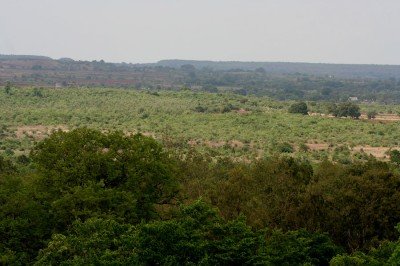
Ananthagiri Hills Forest
Some quick example text to build on the card title and make up the bulk of the card's content.
Go somewhere
Ananthagiri Hills
Some quick example text to build on the card title and make up the bulk of the card's content.
Go somewhere
Ananthagiri Photo Point
Some quick example text to build on the card title and make up the bulk of the card's content.
Go somewhere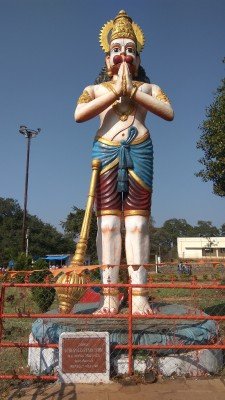
Bachelors View Point
Some quick example text to build on the card title and make up the bulk of the card's content.
Go somewhere
Dharur Village Centre
Some quick example text to build on the card title and make up the bulk of the card's content.
Go somewhere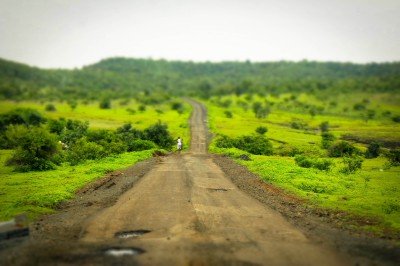
Godamguda Village
Some quick example text to build on the card title and make up the bulk of the card's content.
Go somewhere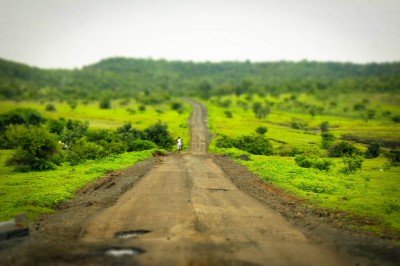
Kotepally Check Dam & Kayaking
Some quick example text to build on the card title and make up the bulk of the card's content.
Go somewhere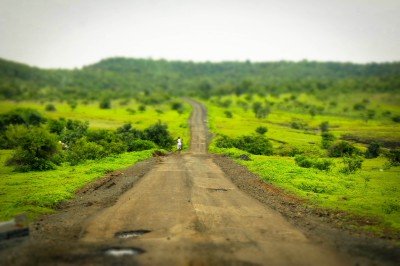
Kotepally Lake Boating
Some quick example text to build on the card title and make up the bulk of the card's content.
Go somewhere
Kotpally Reservoir
Some quick example text to build on the card title and make up the bulk of the card's content.
Go somewhere
Laknapur Project
Some quick example text to build on the card title and make up the bulk of the card's content.
Go somewhere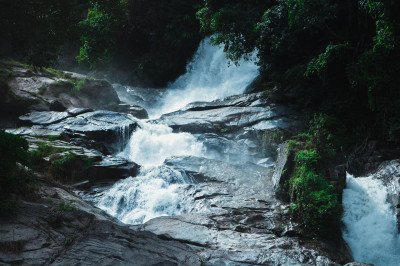
Mini Water Falls
Some quick example text to build on the card title and make up the bulk of the card's content.
Go somewhere
Pital Point
Some quick example text to build on the card title and make up the bulk of the card's content.
Go somewhere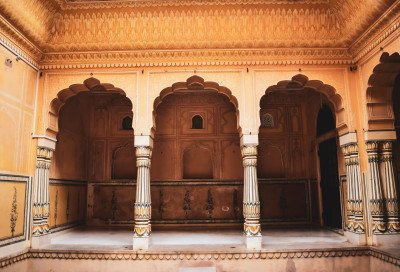
Raja's Fort Ruins
Some quick example text to build on the card title and make up the bulk of the card's content.
Go somewhere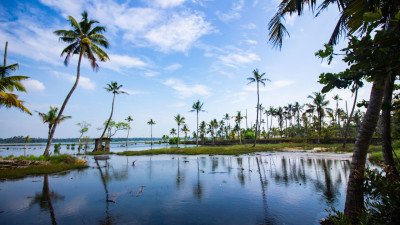
Shanti Sagara Lake
Some quick example text to build on the card title and make up the bulk of the card's content.
Go somewhere
Shiv Sagar Lake
Some quick example text to build on the card title and make up the bulk of the card's content.
Go somewherein Other Cities