

Anantha Padmanabha Swamy Temple
General information
-
Ideal Duration:
1 to 2 Hours: (For Darshan and peaceful exploration)Place Type:
Spiritual/Religious Site: (Ancient Temple & PilgriEntry Fees:
No Entry Fee for General Darshan: There is typically No Entry Fee for general public access to the temple and the main Sarva Darshan.
Special Darshan or Pooja Ticket Costs: For special Darshans (faster access) or specific Pooja (ritual) part...No Entry Fee for General Darshan: There is typically No Entry Fee for general public access to the temple and the main Sarva Darshan.
Special Darshan or Pooja Ticket Costs: For special Darshans (faster access) or specific Pooja (ritual) participation, a nominal fee is charged, usually ranging from INR 50 to INR 200 per person or ritual.
Donation/Seva Contributions: Devotees can offer voluntary donations or purchase tickets for Seva (service) like Archana or Abhishekam which vary in cost, often starting from INR 10 to several hundred INR depending on the complexity of the ritual performed.
Parking Fees: A minor fee for parking two-wheelers or four-wheelers may be charged by local authorities or the temple trust near the entrance area.Timing:
Regular Timings: The temple generally opens early, around 7:30 AM and remains open until 1:00 PM, closing for the afternoon, and reopening from 3:00 PM to 8:00 PM on weekdays, extending to 2:00 PM closing on Sundays and special festival days for morning hours.Regular Timings: The temple generally opens early, around 7:30 AM and remains open until 1:00 PM, closing for the afternoon, and reopening from 3:00 PM to 8:00 PM on weekdays, extending to 2:00 PM closing on Sundays and special festival days for morning hours.
Ideal Visit Time: The Ideal Visit Time is early in the morning, between 8:00 AM and 10:00 AM, to avoid crowds and experience the tranquil beauty and cool climate of the hills, especially during the Abhishekam (ritual bath of the deity) period.
Festival Timings: During major festivals like Brahmotsavam, the temple hours are extended, with specific timings for processions and special events announced locally.
Photography Hours: The best time for photography is right at opening time, during the golden hour of the sunrise, when the light is soft and the complex is calm.Special Events:
The Annual Brahmotsavam Festival: The most significant special event is the annual Brahmotsavam (main temple festival) which typically occurs in the Telugu month of Phalguna (February/March), attracting thousands of devotees for nine days of elaborate processions, rituals, a...The Annual Brahmotsavam Festival: The most significant special event is the annual Brahmotsavam (main temple festival) which typically occurs in the Telugu month of Phalguna (February/March), attracting thousands of devotees for nine days of elaborate processions, rituals, and cultural programs.
Vaikunta Ekadasi: This auspicious day, usually in December or January, dedicated to Lord Vishnu, is celebrated with great fervor, with devotees queuing up for the special Darshan through the Vaikunta Dwaram, believed to grant entry to Vaikunta (the abode of Vishnu).
Vijayadashami and Dussehra Celebrations: The temple observes Dussehra (October), where special prayers and ceremonies are held, marking the victory of good over evil with a festive atmosphere filling the complex.Best Photo Spots:
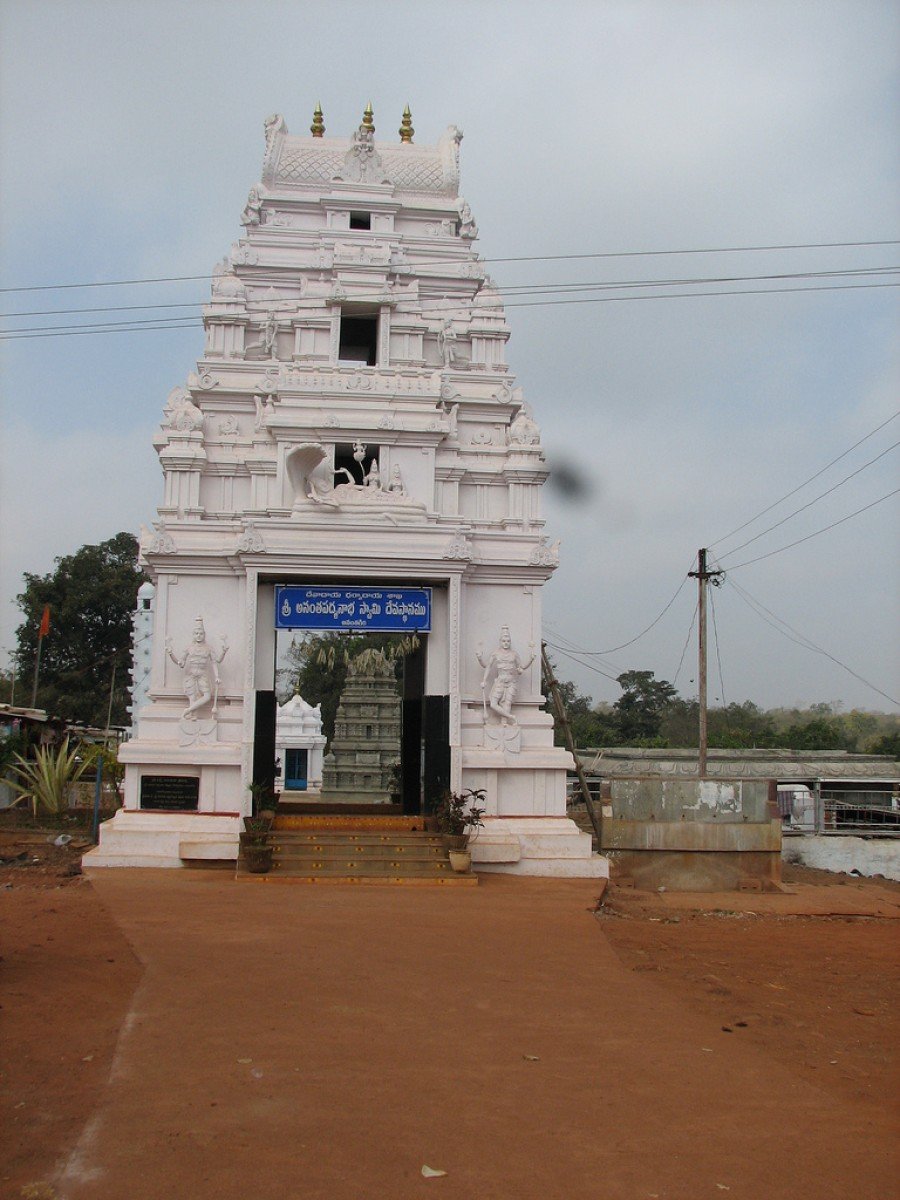
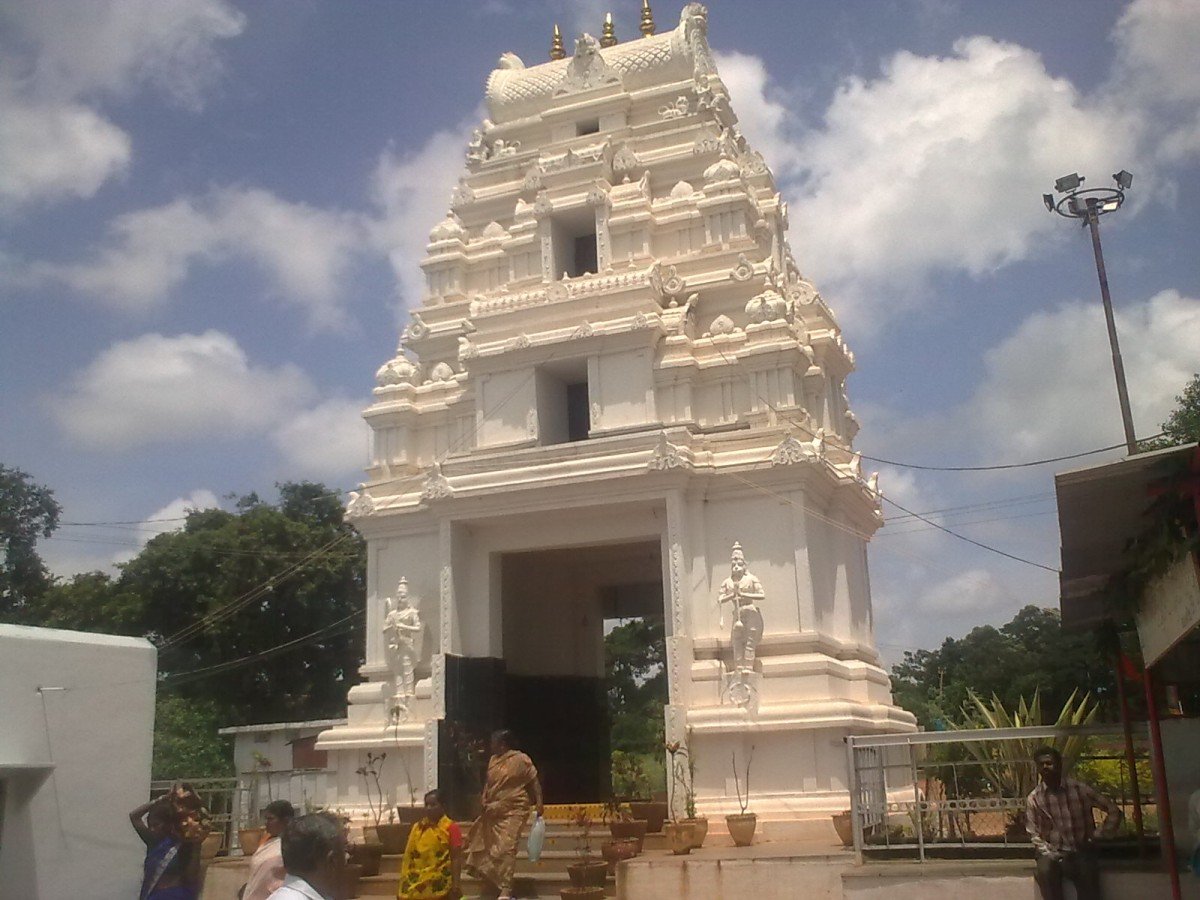
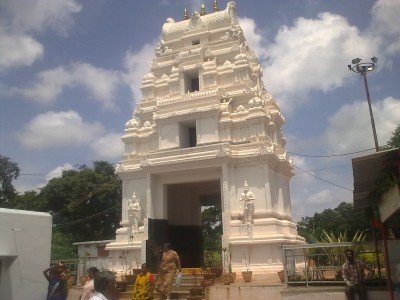
The Gopuram Entrance Frame: The main entrance Gopuram provides a magnificent frame for a classic shot, often featuring devotees and the traditional temple style, especially with the morning light hitting the carvings.
Panoramic Valley View from ...The Gopuram Entrance Frame: The main entrance Gopuram provides a magnificent frame for a classic shot, often featuring devotees and the traditional temple style, especially with the morning light hitting the carvings.
Panoramic Valley View from the Temple Hill: The area immediately around the temple atop the hill offers sweeping views of the Ananthagiri Valley and the dense forest canopy below, perfect for panoramic shots and capturing the mist on cool mornings.
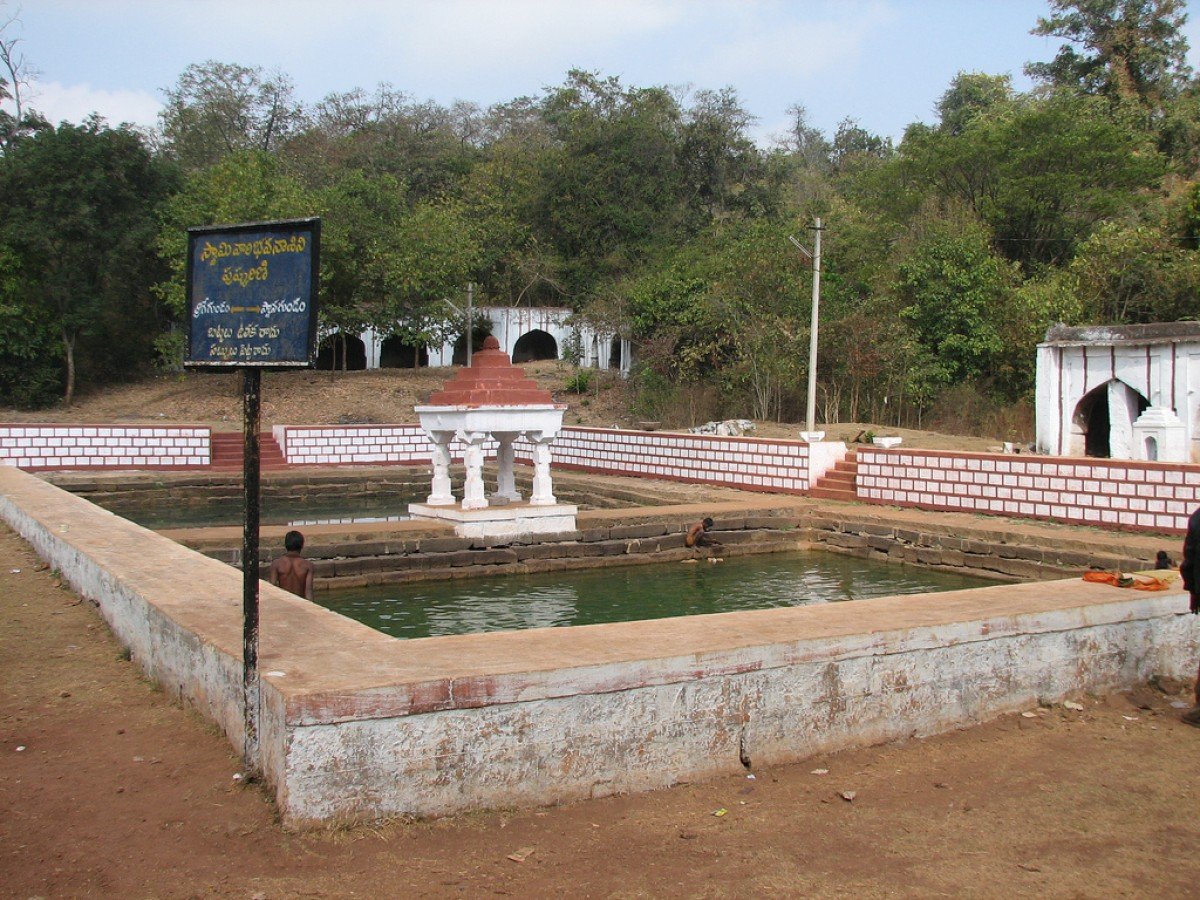
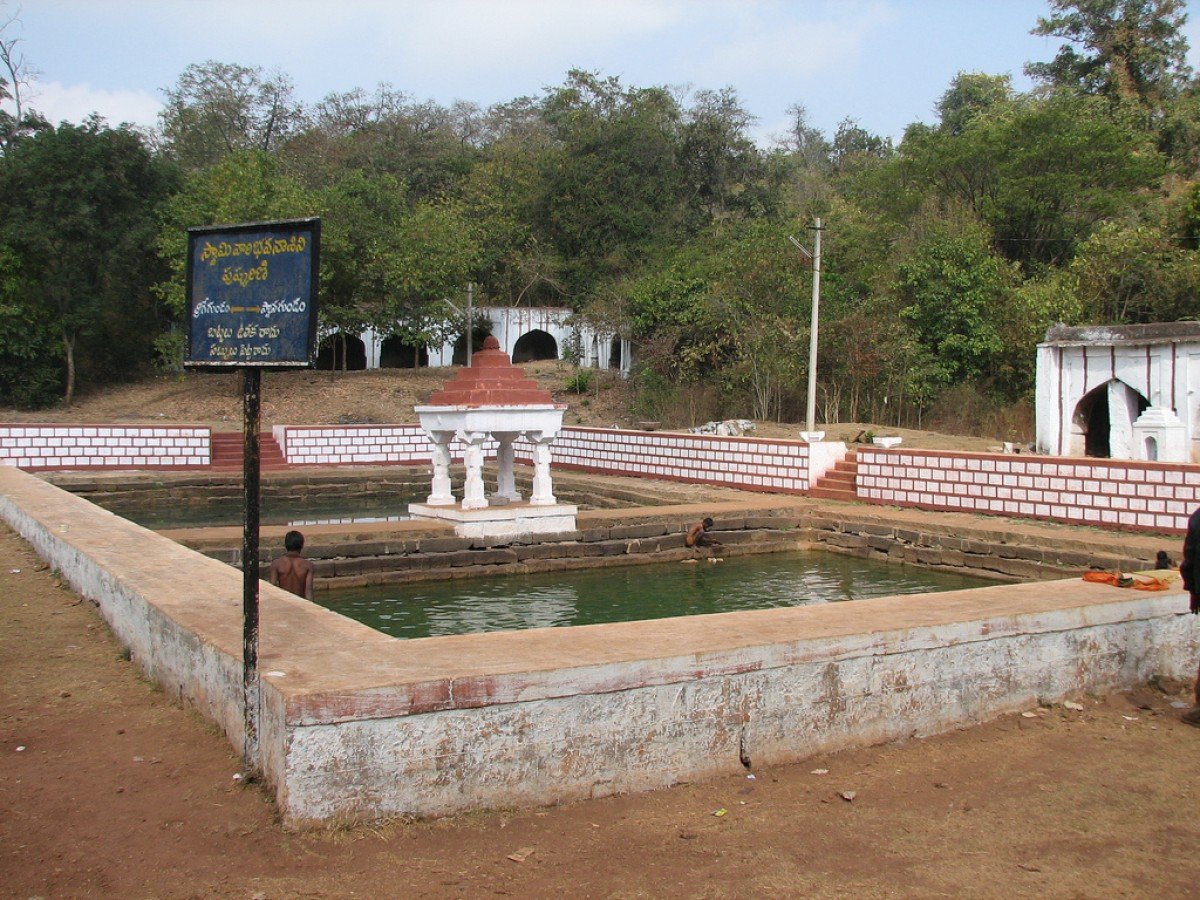
The Musi River Origin Marker: A specific, serene spot where the river is believed to originate is excellent for close-up shots focusing on natural elements, water, and the surrounding lush greenery, symbolizing the sanctity of the water source.
Temple Pond/Tank Reflection: If the temple has an active, clean water tank (Pushkarini), capturing the reflection of the Vimana or the temple structure on the still water can yield beautiful, symmetrical photographs.Photo Gallery
Things To Do
-
Offering Sarva Darshan and Rituals: Participate in the main Sarva Darshan and witness the daily Abhishekam and Aarti (worship rituals) to Lord Vishnu for a spiritual connection.
Trekking and Nature Walks: Initiate one of the established trekking trails from near the temple complex that leads deeper into the Ananthagiri Hills forest, enjoying the rich flora, fauna, and a peaceful environment.
Meditation and Yoga: Use the tranquil and naturally cool atmosphere of the hilltop for personal meditation, yoga, or quiet contemplation, especially in the quieter morning hours.
Exploring the Water Sources: Locate and visit the origin point of the Musi River and the nearby Nagasamudram Lake (also known as Kotipally Reservoir), located approximately 20 KMS away, to appreciate...Offering Sarva Darshan and Rituals: Participate in the main Sarva Darshan and witness the daily Abhishekam and Aarti (worship rituals) to Lord Vishnu for a spiritual connection.
Trekking and Nature Walks: Initiate one of the established trekking trails from near the temple complex that leads deeper into the Ananthagiri Hills forest, enjoying the rich flora, fauna, and a peaceful environment.
Meditation and Yoga: Use the tranquil and naturally cool atmosphere of the hilltop for personal meditation, yoga, or quiet contemplation, especially in the quieter morning hours.
Exploring the Water Sources: Locate and visit the origin point of the Musi River and the nearby Nagasamudram Lake (also known as Kotipally Reservoir), located approximately 20 KMS away, to appreciate the ecological significance of the area.
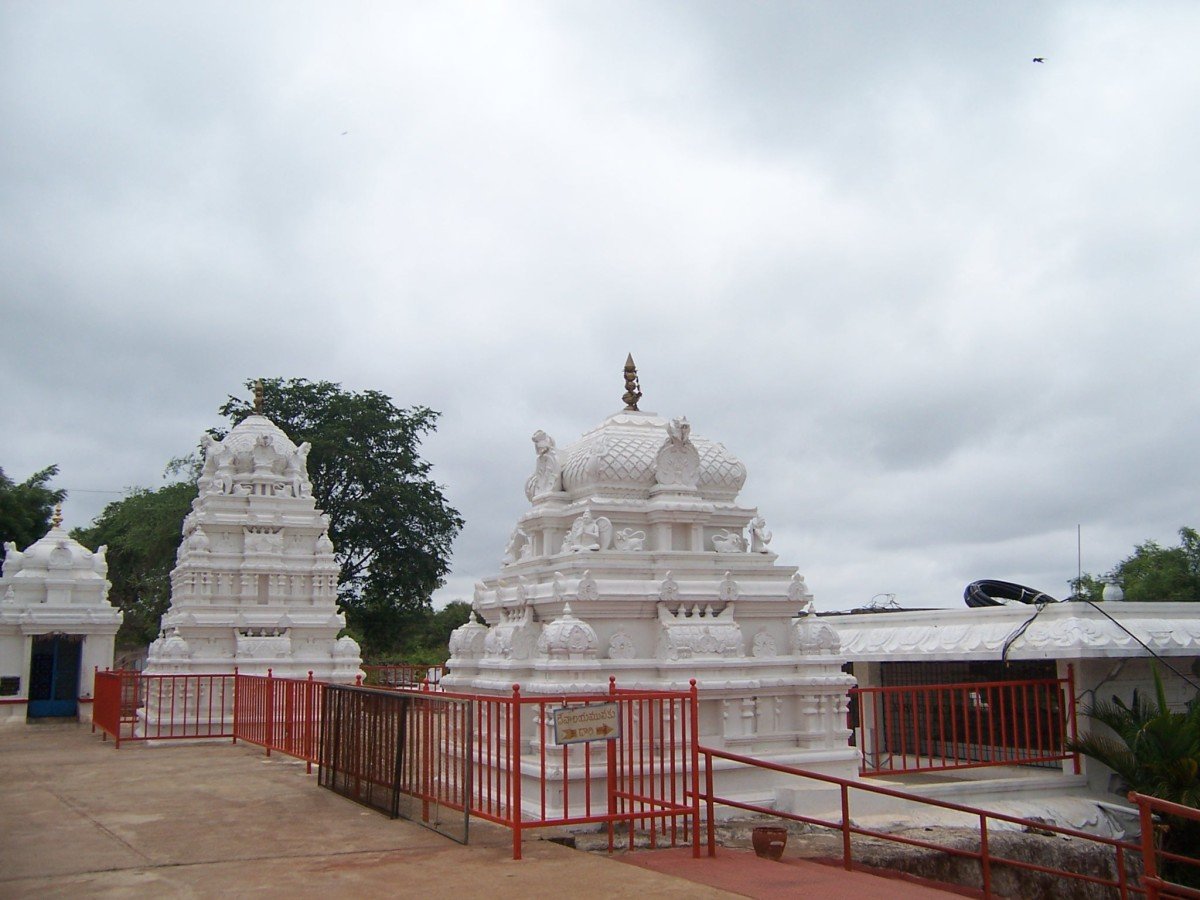
Photography of Temple Architecture: Capture the unique blend of the old structure, the Vimana, and the natural forested backdrop, especially during the soft light of dawn or dusk, focusing on the subtle architectural details.
Picnicking at Designated Spots: After the temple visit, find a designated spot nearby (in the general Ananthagiri Hills area) to enjoy a family or group picnic, utilizing the pleasant weather and scenic views.
Local Shopping for Souvenirs: Look for small local stalls near the temple entrance selling religious paraphernalia, flowers, and simple souvenirs to support the local community.
Information
-
Why Famous:
Source of the Musi River: The temple is famous as the divine origin point of the River Musi, which is the primary source of water for Hyderabad’s major reservoirs, giving it immense ecological and historical significance.
The Nizam Connection:...Source of the Musi River: The temple is famous as the divine origin point of the River Musi, which is the primary source of water for Hyderabad’s major reservoirs, giving it immense ecological and historical significance.
The Nizam Connection: Its fame is also tied to the legend of a Nizam Nawab building the primary structure, a rare and powerful example of inter-religious respect and patronage in the Deccan region.
Ancient Legend and Serenity: The association with the sage Markandeya and the serene, forested hilltop location makes it a highly sought-after destination for pilgrims seeking peace and blessings, establishing its fame as a sacred and beautiful spot within the Ananthagiri Hills. -
Architecture:
Fusion of Deccan and Southern Dravidian Styles: The temple architecture reflects a blend of local Deccan and classic Southern Dravidian styles, characterized by the use of solid stone and intricate carvings.
Main Shrine Structure: The Garbha...Fusion of Deccan and Southern Dravidian Styles: The temple architecture reflects a blend of local Deccan and classic Southern Dravidian styles, characterized by the use of solid stone and intricate carvings.
Main Shrine Structure: The Garbhagriha (sanctum sanctorum) houses the primary deity, Sri Anantha Padmanabha Swamy. The structure is relatively compact but sturdy, built primarily of stone.
Vimana and Gopuram: While smaller than grand Dravidian temples, the Vimana (tower above the main shrine) and the entrance Gopuram (ornate gateway) feature detailed stucco work and sculptures depicting various Hindu deities and mythological scenes.
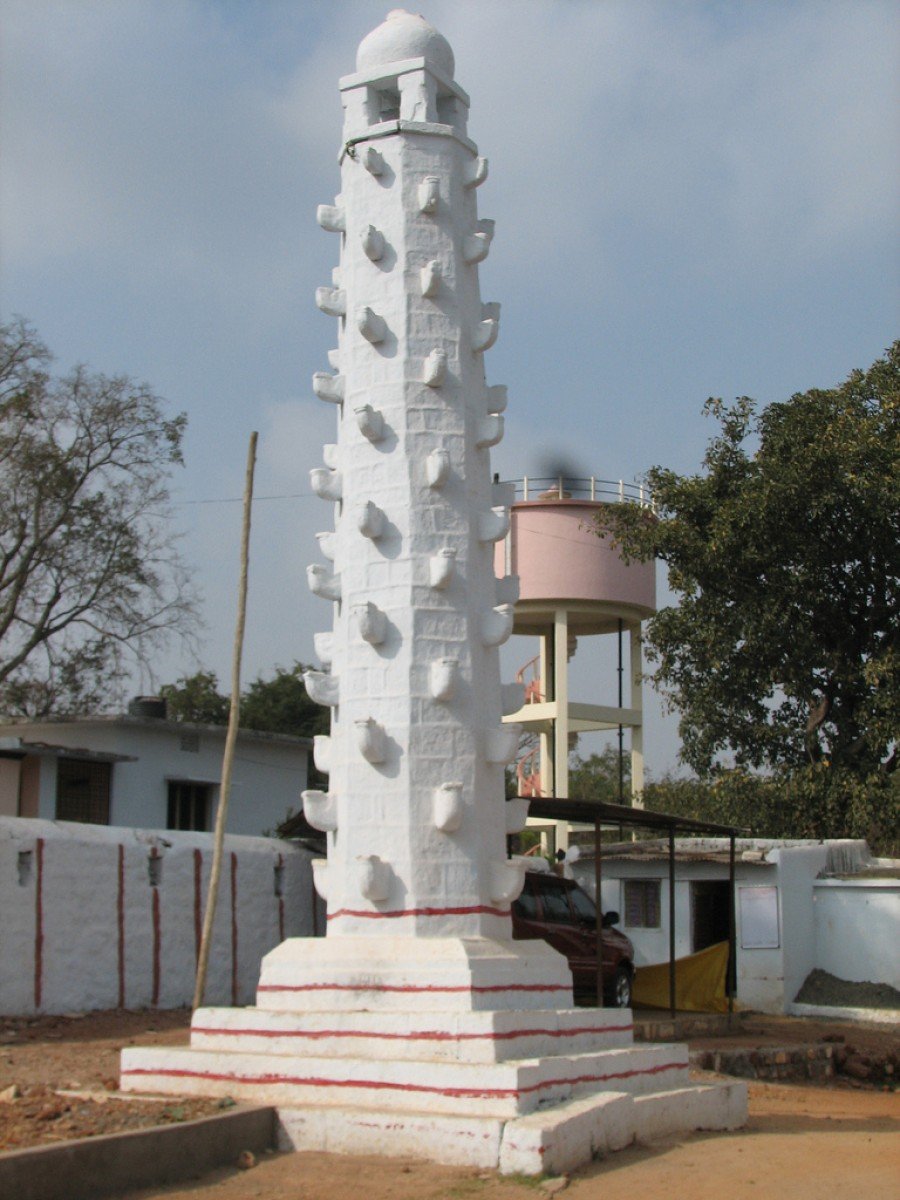
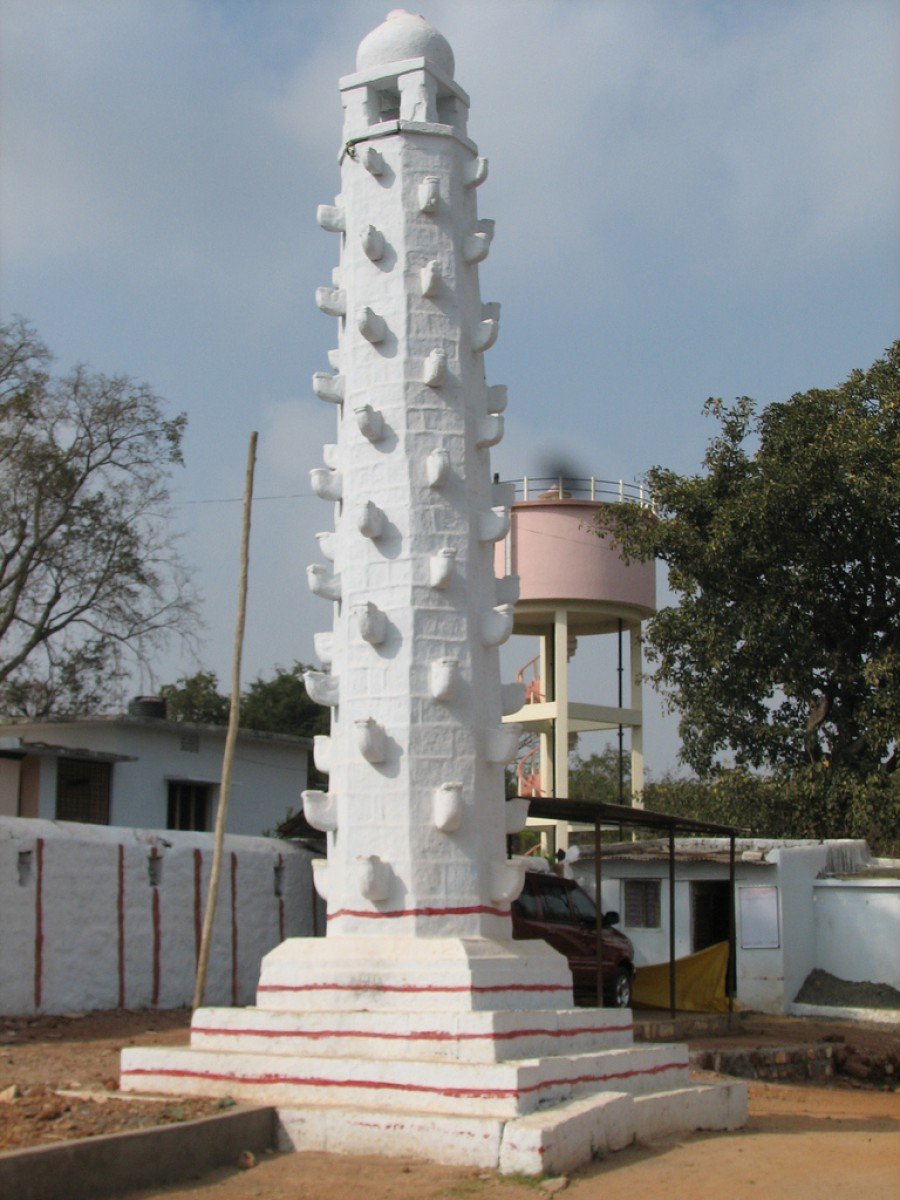
Mandapa and Courtyard: The Mandapa (pillared hall) leading to the sanctum provides space for devotees and ceremonies. The compound walls and the layout reflect the practical temple-building style of the Nizam era, emphasizing local materials.
Approximate Dimensions: The temple complex covers a modest but sufficient area for the main shrine and auxiliary structures. The main idol of Lord Vishnu is a central piece, though specific dimensions are rarely publicized for ancient idols; the overall size of the main temple building is estimated to be around 50 feet ×30 feet, with the Vimana rising to approximately 40 feet in height. The blend of Hindu and Islamic-era patronage in its construction is its most distinct architectural feature. -
How To Reach:
By Air: The nearest major airport is Rajiv Gandhi International Airport (HYD) in Hyderabad, approximately 90-100 KMS away. From the airport, one can hire a pre-paid taxi or a self-drive car, which takes about 2 to 3 hours to reach the temple via Vikarabad.By Air: The nearest major airport is Rajiv Gandhi International Airport (HYD) in Hyderabad, approximately 90-100 KMS away. From the airport, one can hire a pre-paid taxi or a self-drive car, which takes about 2 to 3 hours to reach the temple via Vikarabad.
By Train: The closest railway station is Vikarabad Junction (VKB), which is a major junction on the Secunderabad-Wadi line, located only about 7 KMS from the temple. Frequent trains connect Vikarabad to Hyderabad and other major cities. From the station, local taxis or auto-rickshaws are the most convenient mode of transport to the temple.
By Road: Vikarabad is well-connected by road from Hyderabad (approx. 75 KMS) and other parts of Telangana. One can drive or take a state-run TSRTC bus to the Vikarabad Bus Station. From the bus station, local transport is available, taking about 15-20 minutes to reach the hilltop.
By Local Transport: Local shared auto-rickshaws, private cabs, and hired taxis are readily available in Vikarabad town and near the railway station to take visitors directly up to the temple complex. It is advisable to negotiate the fare beforehand. -
Weather and Best Time to Visit:
Seasonal Preference: Winter (October to March) is the Best Time to Visit as the weather is pleasantly cool and ideal for trekking and temple visits, avoiding the summer heat and heavy monsoon rain. Monsoon (July to September) is beautiful for the lush green views but can ha...Seasonal Preference: Winter (October to March) is the Best Time to Visit as the weather is pleasantly cool and ideal for trekking and temple visits, avoiding the summer heat and heavy monsoon rain. Monsoon (July to September) is beautiful for the lush green views but can hamper travel and trekking due to slippery roads and heavy rainfall.
Different Parts of the Day: Early Morning (Sunrise) is the most ideal for the divine atmosphere, cool air, and to witness the Abhishekam ceremonies. Late Afternoon/Evening (3:00 PM to 6:00 PM) is also good for a peaceful Darshan and enjoying the sunset views from the hills. Mid-day (11:00 AM to 3:00 PM) should be avoided due to the heat and temple closing time. -
Near Tourist Places:
Ananthagiri Photo Point (3 KMS), Bachelors View Point (4 KMS), Kotipally Reservoir/Nagasamudram Lake (20 KMS), Godamguda Village (2 KMS), Pital Point (3 KMS), Raja's Fort Ruins (8 KMS), Haritha Valley Resort (1 KM), Vikarabad Sunrise View Point (4 KMS), View Point Forest Dept (5 KMS), Shiv Sagar Lake (7 KMS).
Tourism Tips
-
Health & safety: Carry a basic First-Aid kit with medication for common ailments and insect repellent, as the area is forested. Wear comfortable, sturdy footwear if planning to trek. Be mindful of potential monkeys near the temple and do not feed them.
Read MoreHealth & safety: Carry a basic First-Aid kit with medication for common ailments and insect repellent, as the area is forested. Wear comfortable, sturdy footwear if planning to trek. Be mindful of potential monkeys near the temple and do not feed them.
Packing Essentials: Pack modest, traditional attire for the temple visit (especially for Darshan), along with sunglasses, a hat, a water bottle (preferably reusable), and a light jacket for the cool mornings/evenings, even outside of peak Winter.
Accommodation Options: Haritha Valley Resort (Telangana Tourism) is the best option for comfortable stay nearby. Several basic lodges and homestays are also available in Vikarabad town and in the Ananthagiri Hills area.
Other Tips: Respect the sanctity of the temple and the forest. It is wise to carry cash as local vendors and transport may not accept digital payments. Plan your transport back, especially if leaving late.Reviews
FAQs
Vikarabad Itineray And Cost:-
Anantha Padmanabha Swamy Temple Tourism:-
Information about New and Updated Locations() of Telangana Has Been Added :-
Card subtitle
Note:-
Information provided here in good Faith and for reference only.
Near Places
Anantha Padmanabha Swamy Temple
Some quick example text to build on the card title and make up the bulk of the card's content.
Go somewhere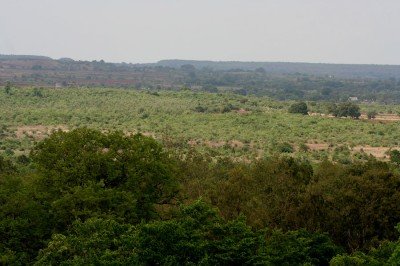
Ananthagiri Hills Forest
Some quick example text to build on the card title and make up the bulk of the card's content.
Go somewhere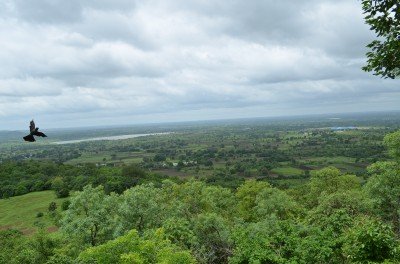
Ananthagiri Hills
Some quick example text to build on the card title and make up the bulk of the card's content.
Go somewhere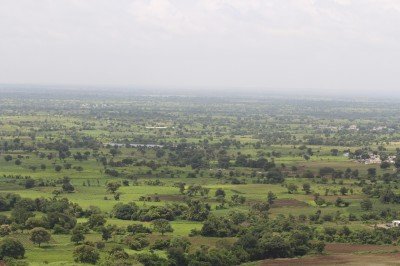
Ananthagiri Photo Point
Some quick example text to build on the card title and make up the bulk of the card's content.
Go somewhere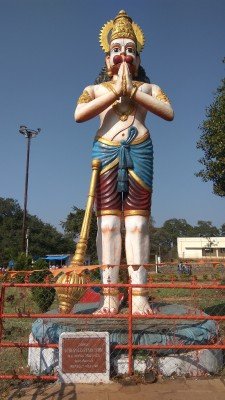
Bachelors View Point
Some quick example text to build on the card title and make up the bulk of the card's content.
Go somewhere
Dharur Village Centre
Some quick example text to build on the card title and make up the bulk of the card's content.
Go somewhere
Godamguda Village
Some quick example text to build on the card title and make up the bulk of the card's content.
Go somewhere
Kotepally Check Dam & Kayaking
Some quick example text to build on the card title and make up the bulk of the card's content.
Go somewhere
Kotepally Lake Boating
Some quick example text to build on the card title and make up the bulk of the card's content.
Go somewhere
Kotpally Reservoir
Some quick example text to build on the card title and make up the bulk of the card's content.
Go somewhere
Laknapur Project
Some quick example text to build on the card title and make up the bulk of the card's content.
Go somewhere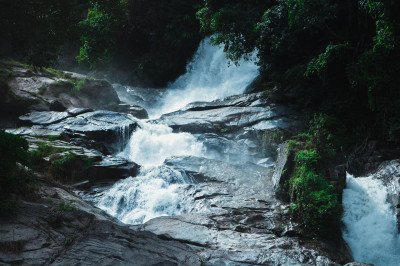
Mini Water Falls
Some quick example text to build on the card title and make up the bulk of the card's content.
Go somewhere
Pital Point
Some quick example text to build on the card title and make up the bulk of the card's content.
Go somewhere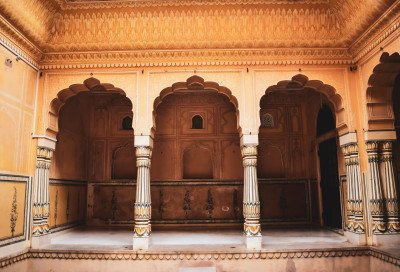
Raja's Fort Ruins
Some quick example text to build on the card title and make up the bulk of the card's content.
Go somewhere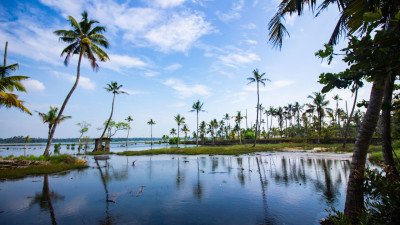
Shanti Sagara Lake
Some quick example text to build on the card title and make up the bulk of the card's content.
Go somewhere
Shiv Sagar Lake
Some quick example text to build on the card title and make up the bulk of the card's content.
Go somewherein Other Cities