Sualkuchi Gate
General information
-
Ideal Duration:
15 - 30 Minutes (Primarily for photography and viewing the structure before entering the village)Place Type:
Landmark/Gateway/Architectural MonumentEntry Fees:
General Entry Fee: There is absolutely no entry fee to visit the Sualkuchi Gate. The gate is a public monument spanning a common road and is designed to welcome all visitors to the town. You can drive, walk, or cycle under it at any time without incurring any charge. This...General Entry Fee: There is absolutely no entry fee to visit the Sualkuchi Gate. The gate is a public monument spanning a common road and is designed to welcome all visitors to the town. You can drive, walk, or cycle under it at any time without incurring any charge. This policy reflects the open and hospitable nature of the Sualkuchi community, which welcomes tourism as a means to showcase their tradition and support their economy. There are no hidden tolls or tourism taxes levied simply for passing beneath the arch or for photographing it.
Photography and Videography Fees: Similarly, there are no charges for personal photography or general videography of the gate structure itself. Tourists are encouraged to take pictures. However, if a visitor intends to set up a professional film crew with extensive equipment (e. g. , tripods, professional lighting, drones) for commercial purposes (like a documentary, advertisement, or feature film), it is highly advisable to seek prior permission from the local Gram Panchayat or the District Administration office in Kamrup, and such activities may involve a nominal permit fee to regulate traffic and ensure public safety. For a typical tourist, capturing selfies and landscape photos on a mobile phone or standard camera remains completely free of cost. The cost you might incur will only be for parking or entering private weaving workshops inside the village (some may request a small contribution).Timing:
Regular Timings (Open 24/7): As a landmark structure and a gateway spanning a public road, the Sualkuchi Gate is accessible 24 hours a day, 7 days a week. There are no official opening or closing hours. The road beneath it is the main access route for local traffic, allowing visitors to pass throu...Regular Timings (Open 24/7): As a landmark structure and a gateway spanning a public road, the Sualkuchi Gate is accessible 24 hours a day, 7 days a week. There are no official opening or closing hours. The road beneath it is the main access route for local traffic, allowing visitors to pass through it at any hour of the day or night. The lights illuminating the sign and the structure usually stay on after sunset, making it visible even after dark. However, the true value of the visit is tied to the town's activity, which operates on daylight hours.
Ideal Visit Time (The Golden Hours): The absolute ideal time to visit the Sualkuchi Gate is during the early morning (around 7:00 AM to 9:00 AM) or the late afternoon (around 4:00 PM to 5:30 PM).
The morning hours offer the best combination: the light is soft and beautiful for photography, the air is cool, and the town is just waking up, allowing you to catch the first rhythmic sounds of the handlooms. The late afternoon provides the picturesque golden hour lighting, which enhances the rich, warm colors of the gate's motifs, mimicking the famous Muga silk. An afternoon visit allows for a full day of exploration in the village before a spectacular sunset view at the Brahmaputra riverbank nearby.Special Events:
The Annual Sualkuchi Raas Mahotsava: The most significant special event associated with Sualkuchi and its surrounding area is the grand Raas Mahotsava (also known as Raas Lila). This festival is typically celebrated in the month of November (or Kartik-Aghon in the Assamese ...The Annual Sualkuchi Raas Mahotsava: The most significant special event associated with Sualkuchi and its surrounding area is the grand Raas Mahotsava (also known as Raas Lila). This festival is typically celebrated in the month of November (or Kartik-Aghon in the Assamese calendar), and it draws pilgrims and tourists from across Assam and beyond. The Raas Mahotsava celebrates the divine dance of Lord Krishna with the Gopis (cowherd girls) of Vrindavan. In Sualkuchi, this event is celebrated with immense fervor, incorporating the region's rich Vaishnavite cultural heritage, particularly influenced by Srimanta Sankardeva. The performances and plays are hosted in the local Satras (monasteries) and Namghars (prayer houses), featuring vibrant traditional music, intricate costumes, and elaborate masks, many of which are locally made.
Bohag Bihu and Weaving Fairs: The advent of the Assamese New Year in the month of April is marked by Bohag Bihu (or Rongali Bihu), the most important festival in Assam. Sualkuchi, as a cultural heartland, celebrates Bihu with traditional Bihu dance performances and folk songs. This period often sees local weaving fairs or special markets spring up, where weavers display and sell their latest creations. These fairs are a special event because they offer the newest designs and the best chance to see the full variety of silk products from many different local workshops in one place, creating a vibrant, festive atmosphere that is unique to the spring season.Best Photo Spots:
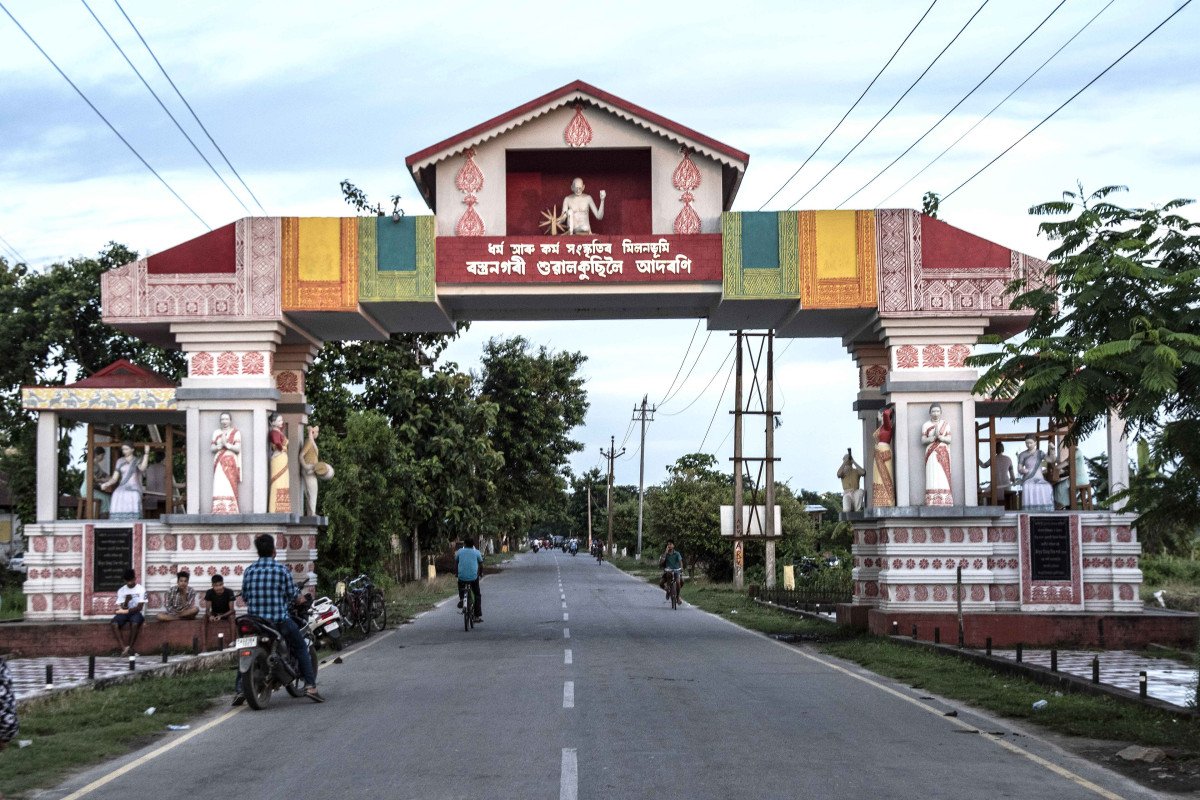
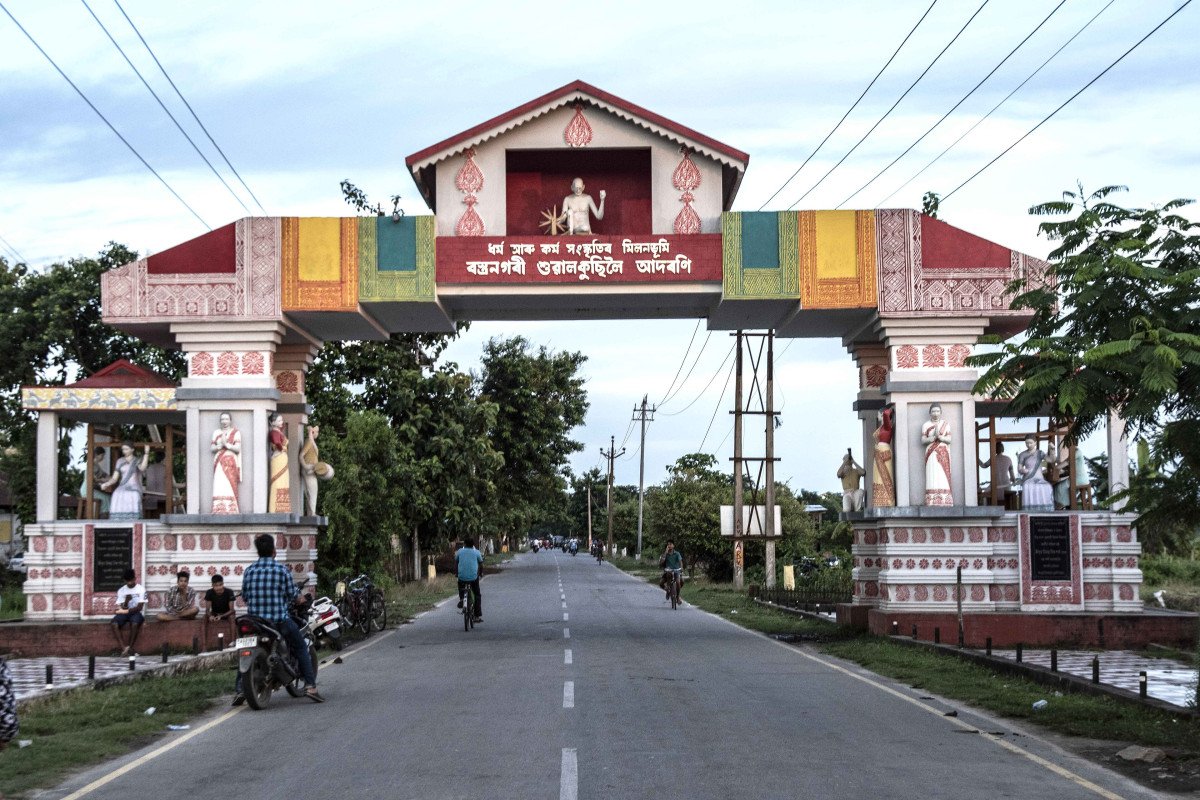
The Grand Archway Centerpiece: (Approx. ) The single best photo spot is standing right on the main road, a little distance back, to get the entire Sualkuchi Gate framed perfectly. This classic shot emphasizes its function as a gateway. Focus on the central arch and ensure...The Grand Archway Centerpiece: (Approx. ) The single best photo spot is standing right on the main road, a little distance back, to get the entire Sualkuchi Gate framed perfectly. This classic shot emphasizes its function as a gateway. Focus on the central arch and ensure the name 'Sualkuchi' and the beautiful relief work are clearly captured. Try a low-angle shot to make the arch look even more monumental and imposing against the sky, creating a feeling of grand entrance. The best time is during the golden hours (shortly after sunrise or before sunset) for soft, warm light that brings out the texture of the stone and the golden hues of the silk motifs.
The Silk Motif Detail Shot: (Approx. ) A highly recommended spot is a close-up photograph focusing exclusively on the sculptural motifs of the silkworms, cocoons, or the handloom depicted on the gate's columns or cross-beam. This captures the cultural narrative of the place more than the structure itself. Use a telephoto lens or a zoom function to isolate the detail against a soft background, making the craft the true subject of the picture. This kind of detail shot adds an essential narrative layer to your album, proving you looked beyond the grand scale.
Framing the Village Through the Gate: (Approx. ) Stand on the road leading up to the gate and compose a shot where the Gate acts as a frame for the first view of the Sualkuchi village beyond. You can include a local, maybe an E-rickshaw or a person walking, in the distance, passing through the arch, to give a sense of scale and life. This shot uses the monument as a compositional device, symbolizing the transition from the generic road to the specific cultural space of the silk village. This photo spot provides a sense of depth and travel narrative, welcoming the viewer into the scene.Photo Gallery
Things To Do
-
A.
Essential Photo Opportunities: (Approx. ) The primary activity at the Sualkuchi Gate is to capture a memorable photograph. It’s the perfect spot to declare that you have arrived in the famous Silk Village of Assam. Posing directly beneath the arch is a must-do, ensuring the decorative motifs and the name of the town are clearly visible in the background. For a more artistic shot, try framing the gate to include the start of the village road, suggesting a journey of discovery ahead. Visit early in the morning for soft, diffused light, or at sunset when the warm, golden glow of the sun can perfectly match the color of the Muga silk depicted on the archway. Capture the gate from different angles—a wide shot to get the entire structure, and a close-up to document the beautiful, intricate relief carvings of the silkworms and handlooms. This phot...A.
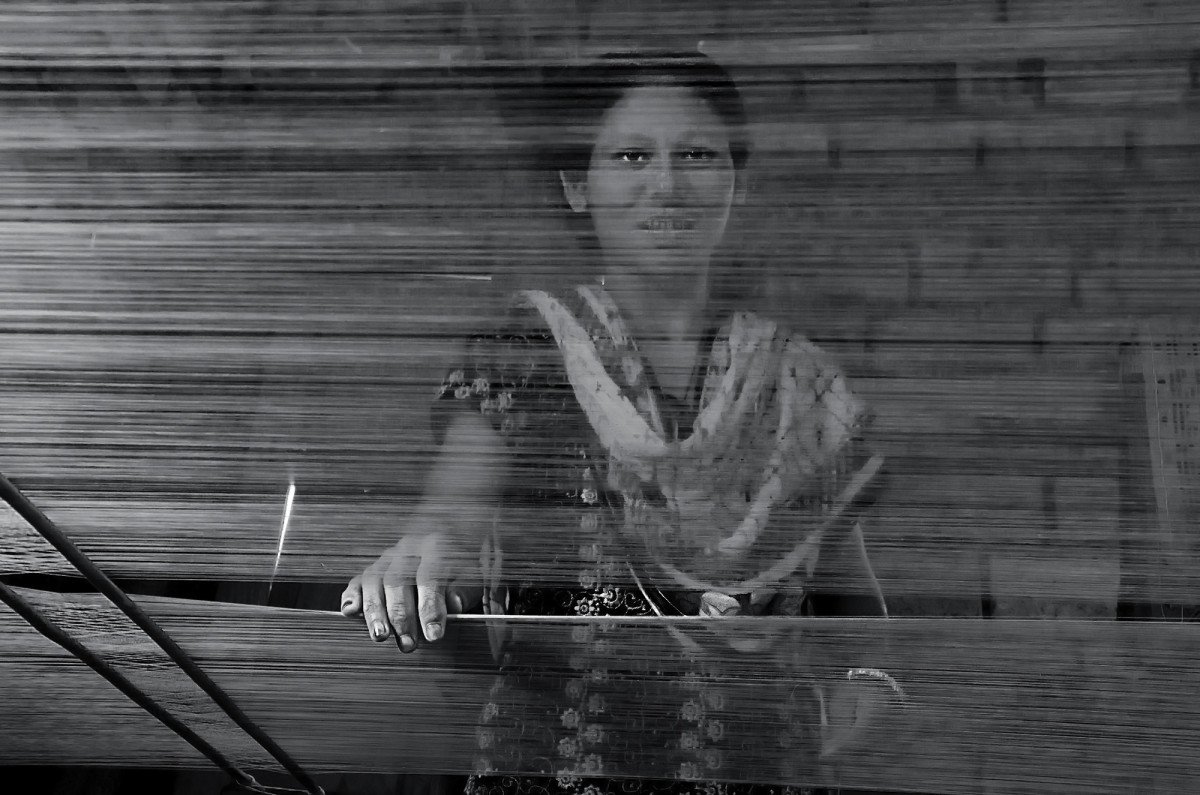
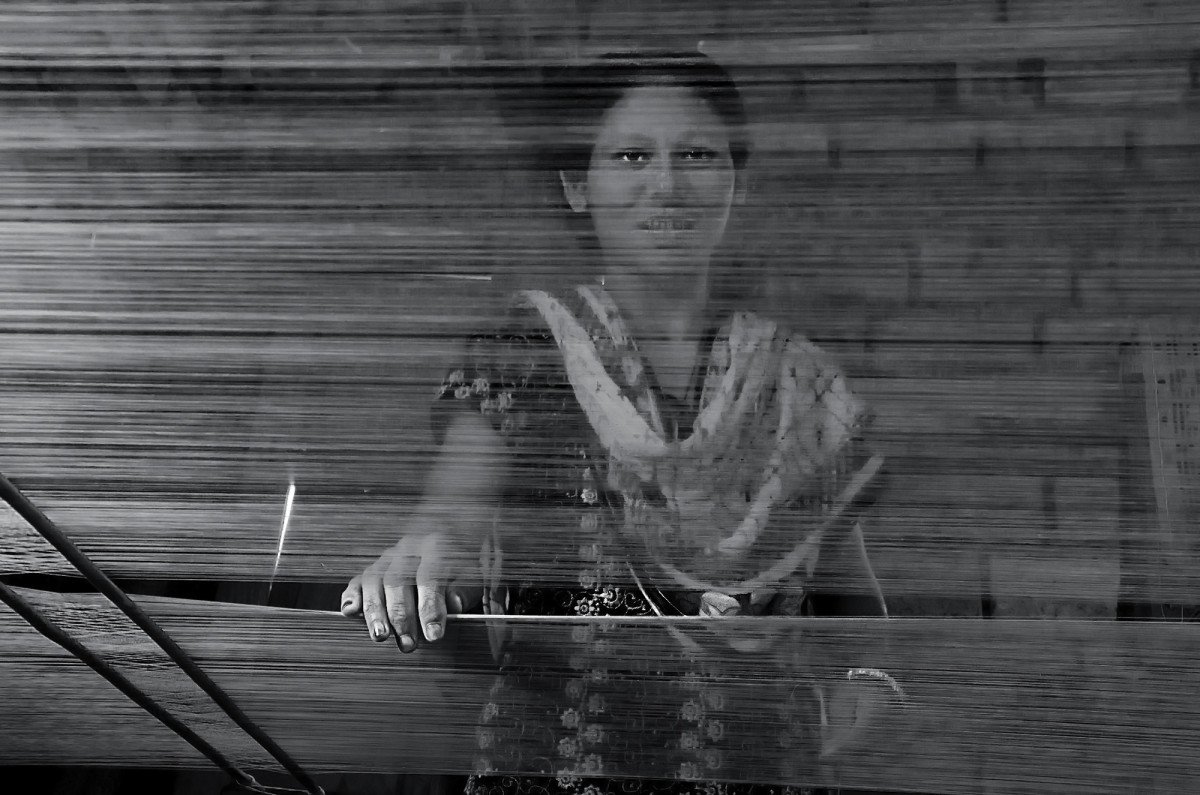
Essential Photo Opportunities: (Approx. ) The primary activity at the Sualkuchi Gate is to capture a memorable photograph. It’s the perfect spot to declare that you have arrived in the famous Silk Village of Assam. Posing directly beneath the arch is a must-do, ensuring the decorative motifs and the name of the town are clearly visible in the background. For a more artistic shot, try framing the gate to include the start of the village road, suggesting a journey of discovery ahead. Visit early in the morning for soft, diffused light, or at sunset when the warm, golden glow of the sun can perfectly match the color of the Muga silk depicted on the archway. Capture the gate from different angles—a wide shot to get the entire structure, and a close-up to document the beautiful, intricate relief carvings of the silkworms and handlooms. This photographic moment serves as the introduction to your cultural tour. B. Witnessing the Weaving Process (Immediate Vicinity): (Approx. ) Immediately after the gate, visitors should proceed into the narrow lanes to witness the live weaving demonstrations. The very essence of Sualkuchi is its cottage industry, where almost every house has a handloom (taatxaal). This is the most crucial activity. Walk into a local weaver's home-workshop and observe the painstaking, rhythmic, and intricate process of converting silk yarn into magnificent fabrics like the Mekhela Chador or Gamosa. The weavers are incredibly hospitable and often allow tourists to observe the entire cycle, from winding the yarn onto bobbins to the actual weaving with the fly-shuttle loom. Do not miss the opportunity to see the Golden Muga silk being woven; its natural sheen and texture are unparalleled. This hands-on, observational activity provides a deep respect for the craft and the artisans' labor, transforming a simple visit into an experiential tour. Remember to ask permission before taking close-up photos of the people working. C.
Authentic Silk Shopping and Souvenirs: (Approx. ) The immediate area past the gate, along the main road of the village, is dotted with shops and showrooms run directly by the weaver families or cooperatives. This is the best place in Assam to purchase authentic, unadulterated silk products. Spend time comparing the three main silk varieties—the legendary Muga (golden), Pat (white/ivory), and Eri (beige, Ahimsa silk). Buying directly from Sualkuchi ensures authenticity and directly supports the local community, making your purchase a form of cultural preservation. Look for the traditional Assamese Gamosa (a white and red bordered handwoven piece) and the classic Mekhela Chador (the traditional Assamese women's attire). D.
Tasting Local Assamese Delicacies: (Approx. ) While the area immediately around the gate is mainly residential and workshop-focused, a short walk or drive into the main village area will lead you to local eateries. Search for a place serving a traditional Assamese Thali—a platter featuring rice, Khar (an alkaline dish), Masor Tenga (sour fish curry), and various local vegetable preparations. Try the Pitha (traditional rice cakes), especially if you visit during a festival like Bihu. This culinary exploration complements the cultural experience and allows for interaction with the locals over a meal. E.
Serene Brahmaputra Riverbank Walk: (Approx. ) The village is situated right on the banks of the Brahmaputra River. After your cultural immersion, walk towards the riverbank, which is a short distance from the main gate area. The serene environment, especially during the late afternoon, offers a stunning view of the river and the surrounding landscape. Enjoy a peaceful sunset over the vast waters of the Brahmaputra—a quiet, contemplative activity that provides a calming contrast to the busy activity of the weaving workshops. The river is integral to the life and mythology of Assam, and a visit to its bank is a must.
Information
-
Why Famous:
Gateway to the Silk Hub: The Sualkuchi Gate is famous primarily because it is the imposing official gateway to Sualkuchi, which is historically celebrated as the 'Manchester of the East' and the 'Silk Village of Assam'. Its fame is directly derived from the global reputatio...Gateway to the Silk Hub: The Sualkuchi Gate is famous primarily because it is the imposing official gateway to Sualkuchi, which is historically celebrated as the 'Manchester of the East' and the 'Silk Village of Assam'. Its fame is directly derived from the global reputation of the silk weaving industry it marks. No trip to Sualkuchi is complete without passing beneath this arch, making it an essential landmark for all visitors.
Iconic Photographic Subject: The gate’s unique, culturally rich architecture makes it one of the most popular and instantly recognizable landmarks in the entire Kamrup District. It is an iconic subject for photography, symbolizing the beginning of a cultural journey into the world of Muga and Pat silk. Its aesthetic blend of concrete engineering and traditional Assamese cultural motifs, set against the backdrop of the quiet town, captures the essence of the place in a single frame.
Symbol of Weaving Pride: The sculptural and relief work on the arch, depicting the handloom and the silk production process, transforms it into a monument to the local weavers—the Xipinis. It publicly recognizes and honors the generations of craftspeople who have kept the intricate art of Assamese silk weaving alive. The gate is therefore famous as a symbol of local pride and a testament to the village's enduring cultural and economic significance within Assam and India. -
Architecture:
Symbolic Arch Design: The Sualkuchi Gate is constructed as a modern, grand archway, typically built of reinforced concrete or sturdy brickwork, and finished to resemble a blend of traditional and contemporary Assamese structural aesthetics. It serves as a monumental Torana ...Symbolic Arch Design: The Sualkuchi Gate is constructed as a modern, grand archway, typically built of reinforced concrete or sturdy brickwork, and finished to resemble a blend of traditional and contemporary Assamese structural aesthetics. It serves as a monumental Torana or ceremonial arch. The overall design is imposing, meant to be seen from a distance, and usually spans the entire width of the main access road, clearly signifying the point of entry into the township.
Aesthetic Motifs and Sculptural Work: The arch is heavily decorated with motifs that immediately reflect the village’s fame. Look closely and you will find sculptural or bas-relief work depicting the Muga silkworm and its cocoon, the intricate process of hand-weaving on a loom, and stylized representations of finished silk patterns, such as the famous 'Kesa Paat' or 'Muga' fabric designs. The colors used often mimic the natural golden-yellow of Muga silk and the deep traditional red of Assamese textiles.
Approximate Dimensions (Estimated): While exact blueprints are not public, the gate typically stands at an estimated height of 30 to 40 feet (9 to 12 meters) to allow large vehicles to pass easily. Its width is generally the full span of the two-lane road plus the shoulders, approximately 40 to 50 feet (12 to 15 meters). The structural depth is substantial enough to bear the weight of the overhead decorative panel, often a few meters wide. The central panel usually bears the name of the place in bold letters in both Assamese and English. The architecture is sturdy, designed to withstand the region's monsoonal rains and occasional seismic activity. -
How To Reach:
By Air (The Fastest Route): Sualkuchi does not have its own airport. The nearest and most convenient air travel hub is the Lokpriya Gopinath Bordoloi International Airport (GAU) in Guwahati, the capital city of Assam. The airport is located approximately 45-50 KMS from Sua...By Air (The Fastest Route): Sualkuchi does not have its own airport. The nearest and most convenient air travel hub is the Lokpriya Gopinath Bordoloi International Airport (GAU) in Guwahati, the capital city of Assam. The airport is located approximately 45-50 KMS from Sualkuchi. This airport is well-connected with major cities across India, including New Delhi, Mumbai, Kolkata, Bengaluru, and Chennai. Upon arrival at GAU, you have two main options to reach the gate: 1.
Pre-booked Taxi/Cab: Hire a private taxi or use ride-sharing services (like Ola or Uber, if available) directly from the airport terminal. The journey typically takes about 1. 5 to 2 hours, depending on traffic, particularly when crossing the outskirts of Guwahati. 2.
Airport Bus/Taxi to Guwahati, then onward journey: You can take an airport shuttle or a local cab to the Guwahati city center or the Inter-State Bus Terminus (ISBT), and then follow the road and local transport instructions below.
By Train (The Major Rail Link): The nearest major railway station is the Guwahati Railway Station (GHY), located approximately 30-35 KMS from the Sualkuchi Gate. Guwahati is a primary junction in the Northeast Frontier Railway zone and is extensively connected to the rest of India. Trains from places like Kolkata, New Delhi, and Mumbai regularly arrive here. From GHY, the best option is to hire a taxi or a private car directly to Sualkuchi. Alternatively, you can take a local shared auto or taxi to the Adabari Bus Stand in Guwahati, which is a major point for local buses heading towards the Kamrup district, including Sualkuchi.
By Road (The Most Direct Option): Sualkuchi is well-connected by road to Guwahati and other towns in Assam. The distance is about 30 KMS. The most common route is via NH 27 and local roads, taking roughly 1 to 1. 5 hours by car. 1.
Private Vehicle/Taxi: The easiest way is to hire a full-day taxi from Guwahati. This offers flexibility to stop and explore the village at your own pace. 2.
Bus Service: Regular Assam State Transport Corporation (ASTC) buses and private mini-buses run from the Adabari Bus Stand in Guwahati towards Sualkuchi. These are economical and stop directly at the village entrance, right near the Sualkuchi Gate. By Local Transport (Within Sualkuchi/From Nearby Towns): Once you are near the Hajo-Sualkuchi road, you can use local transport. Shared Auto-rickshaws (Tuk-Tuks) and E-rickshaws are the prevalent modes of local transport. They connect the gate to the nearby towns like Hajo and ferry passengers to the central weaving lanes of Sualkuchi village. They are affordable and a great way to experience local life. -
Weather and Best Time to Visit:
The Peak Season:
Winter (October to March): (Approx. ) The winter season is hands down the best time to visit the Sualkuchi Gate and the village. During this period, the weather is pleasantly cool and dry, with temperatures ranging from 12Â...The Peak Season:
Winter (October to March): (Approx. ) The winter season is hands down the best time to visit the Sualkuchi Gate and the village. During this period, the weather is pleasantly cool and dry, with temperatures ranging from 12°C to 25°C. The moderate climate is ideal for walking through the narrow village lanes, spending long hours watching the weavers, and enjoying the Brahmaputra riverbank without the discomfort of humidity. Crucially, the Raas Mahotsava festival, a major cultural event, usually falls in November, offering a rich, festive dimension to the visit. Clear skies also ensure the best lighting for photography, making the gate and the surrounding fields look vibrant and crisp.
The Shoulder Season:
Summer (April to May): (Approx. ) The late spring and early summer can be warm, with temperatures potentially rising above 30°C, and humidity increasing. However, this period is notable for the celebration of Bohag Bihu (in April), which is a time of cultural enthusiasm, music, and dance. If you can handle the heat, the festive atmosphere is a compelling reason to visit, as the local markets are abuzz with the sale of new Bihu attire.
The Off-Season:
Monsoon (June to September): (Approx. ) The monsoon season brings heavy rainfall to Assam. While the rain makes the surrounding landscape lush green and beautiful, it can significantly disrupt travel plans, walking tours, and outdoor photography near the gate. The high humidity can also be uncomfortable. However, the village is less crowded, offering a more intimate interaction with the weavers, although some outdoor work might be paused due to the weather. This time is generally best avoided for a first-time tourist. -
Near Tourist Places:
1.
Hajo Temple Complex: (12 KMS) - A multi-religious pilgrimage site for Hindus, Buddhists, and Muslims. 2.
Hayagriva Madhava Temple (Hajo): (15 KMS) - Ancient Hindu temple, also revered by Buddhists. 3.
Poa-Mecca (Hajo): (15 KMS) - Famous Muslim pilgrimage site, believed to hold the sanctity of one-fourth (Poa) of Mecca. 4.
Sidheswar Devalaya (Sualkuchi): (2 KMS) - Historic Shiva temple located within the village. 5.
Hatisatra (Sualkuchi): (2. 5 KMS) - A major Vaishnavite Satra (monastery) in the village. 6.
Brahmaputra Riverbank (Sualkuchi): (2 KMS) - The best spot for sunset views and peaceful walks. 7.
Srimanta Sankardeva Kalakshetra (Guwahati): (40 KMS) - A massive cultural complex showcasing the life and culture of Assam. 8.
Kamakhya Temple (Guwahati): (45 KMS) - Famous hilltop Hindu temple and one of the 51 Shakti Peethas. 9.
Saraighat Bridge (Guwahati): (35 KMS) - The first rail-cum-road bridge over the Brahmaputra. 10.
Pobitora Wildlife Sanctuary: (85 KMS) - Known for having the highest density of One-horned Rhinos in the world.
Tourism Tips
-
Health & Safety Guidelines: (Approx. ) Sualkuchi is a safe, community-focused village, but standard precautions apply. Hydration is key, especially outside of winter; carry a refillable water bottle. Use mosquito repellent at dawn and dusk, particularly if you are near t...Health & Safety Guidelines: (Approx. ) Sualkuchi is a safe, community-focused village, but standard precautions apply. Hydration is key, especially outside of winter; carry a refillable water bottle. Use mosquito repellent at dawn and dusk, particularly if you are near the riverbank. For footwear, wear comfortable, closed walking shoes, as the village lanes are often unpaved and muddy during the monsoon. Be respectful when entering religious sites (like Namghars or Satras); remove your shoes and maintain silence. Carry a basic first-aid kit for minor cuts or headaches, as the nearest major medical facilities are in Guwahati.
Packing Essentials for a Day Trip: (Approx. ) Since Sualkuchi is typically visited as a day trip from Guwahati, pack light. Essential items include cash (many small workshops and local eateries do not accept digital payments), your camera and extra batteries for the extensive photo opportunities, and a light shawl or stole to show respect when entering religious places. In winter (November to February), carry a light jacket or shawl. If traveling during the monsoon, an umbrella or rain poncho is non-negotiable. Don't forget a small notebook to jot down the names of the silk types or the local weaving terminology you learn.
Accommodation Strategy: (Approx. ) The village of Sualkuchi has limited accommodation options suitable for international or standard domestic tourists; it is primarily designed for a day visit. The best tourism tip is to base yourself in Guwahati (about 30 KMS away). Guwahati offers a wide range of hotels, from budget guesthouses to luxury hotels. This allows you to travel to Sualkuchi early in the morning, spend the full day exploring, and return to comfortable amenities in the evening. Staying in Guwahati also makes for easier access to the airport and railway station for onward travel.
Cultural Etiquette and Other Tips: (Approx.
) Respect the Weavers' Privacy: Always ask permission before entering a home-workshop or taking a close-up photo of a weaver. They are generally welcoming, but it is their workplace. Engage in conversation—ask about the Muga silkworm's diet (Som and Soalu leaves) or the time it takes to weave a Mekhela Chador. Bargain respectfully at the silk shops; while prices are fair, polite negotiation is acceptable. Do not litter; help preserve the pristine nature of this heritage village. Finally, consider hiring a local guide at the entrance, as they can provide context, bridge the language barrier, and lead you to the most authentic weaving units.
Reviews
FAQs
Sualkuchi Itineray And Cost:-
Information about New and Updated Locations() of Assam Has Been Added :-
Card subtitle
Note:-
Information provided here in good Faith and for reference only.
Near Places
Alaboi Hills
Some quick example text to build on the card title and make up the bulk of the card's content.
Go somewhere
Alisha Peace Alone Place
Some quick example text to build on the card title and make up the bulk of the card's content.
Go somewhere
Bijoynagar View Point
Some quick example text to build on the card title and make up the bulk of the card's content.
Go somewhere
Brahmaputra River Bank
Some quick example text to build on the card title and make up the bulk of the card's content.
Go somewhere
Brahmaputra River Bank, Sualkuchi Ghat
Some quick example text to build on the card title and make up the bulk of the card's content.
Go somewhere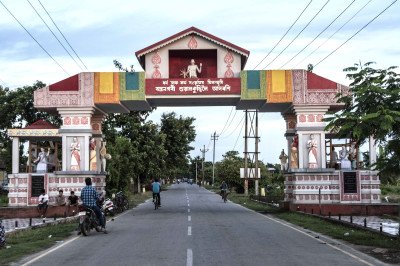
Dampur Pahar
Some quick example text to build on the card title and make up the bulk of the card's content.
Go somewhere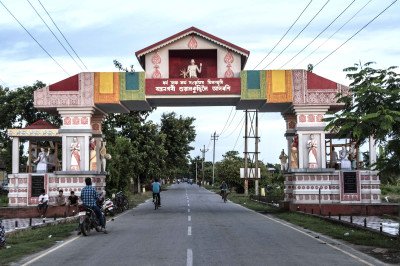
Dokhola Palashbari View Point
Some quick example text to build on the card title and make up the bulk of the card's content.
Go somewhere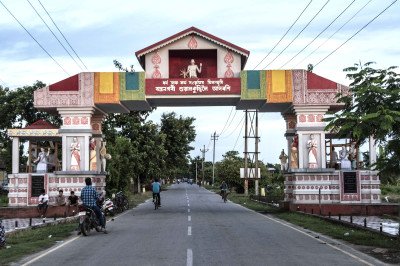
Hatisatra
Some quick example text to build on the card title and make up the bulk of the card's content.
Go somewhere
Hirapara River View Point
Some quick example text to build on the card title and make up the bulk of the card's content.
Go somewhere
Kanai Barashi Rock Inscription
Some quick example text to build on the card title and make up the bulk of the card's content.
Go somewhere
Northbrook Gate
Some quick example text to build on the card title and make up the bulk of the card's content.
Go somewhere
Puthimari River View Point
Some quick example text to build on the card title and make up the bulk of the card's content.
Go somewhere
Raj Ghat
Some quick example text to build on the card title and make up the bulk of the card's content.
Go somewhere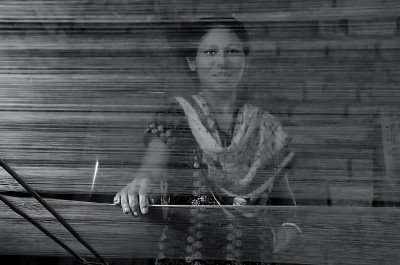
River View Point
Some quick example text to build on the card title and make up the bulk of the card's content.
Go somewhere
Siddheswar Devalaya
Some quick example text to build on the card title and make up the bulk of the card's content.
Go somewhere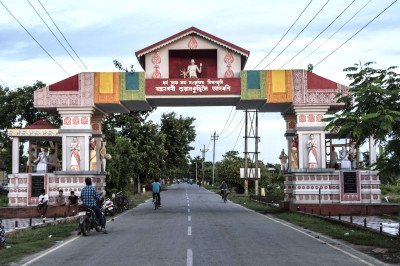
Sualkuchi Gate
Some quick example text to build on the card title and make up the bulk of the card's content.
Go somewherein Other Cities