

Swami Vivekananda Statue
General information
-
Ideal Duration:
10 to 30 minutes (For contemplation and photography)Place Type:
Landmark / Memorial / Tourist AttractionEntry Fees:
Universal Accessibility: Zero Cost Entry As the Swami Vivekananda Statue is a public monument located in a major intersection and market area of Silchar, there are absolutely no entry fees required to visit, view, or photograph it. The statue is a gift to the city and the ...Universal Accessibility: Zero Cost Entry As the Swami Vivekananda Statue is a public monument located in a major intersection and market area of Silchar, there are absolutely no entry fees required to visit, view, or photograph it. The statue is a gift to the city and the nation, intentionally placed for universal public access. This reflects the Swami's own philosophy of making knowledge and inspiration accessible to all segments of society, regardless of their economic status.
Associated Costs: Donation and Parking While there is no ticket price, visitors should be aware of minimal associated costs. If a visitor chooses to offer a floral tribute or a small donation to a charitable organization that may be present during a special event, this is entirely voluntary. If arriving by private vehicle, a small parking fee may be required by local attendants for securing a spot in a nearby public parking area, especially during peak market hours. However, the monument viewing itself remains perpetually free. This policy ensures that the statue serves its intended purpose as an open source of inspiration for every citizen and traveler passing through Silchar.Timing:
Regular Timings: 24/7 Public Access Since the Swami Vivekananda Statue is located on a public street at a major intersection, it is accessible 24 hours a day, 7 days a week. There are no gates, fences, or closing times. Visitors are free to approach and view the monument ...Regular Timings: 24/7 Public Access Since the Swami Vivekananda Statue is located on a public street at a major intersection, it is accessible 24 hours a day, 7 days a week. There are no gates, fences, or closing times. Visitors are free to approach and view the monument at any hour of the day or night. This permanent accessibility makes it a convenient stop for travelers arriving or departing Silchar at odd hours. However, peak market traffic can make viewing during the day challenging.
Ideal Visit Time: The Tranquil Hours The ideal visit time is during the early morning (6:00 AM to 8:00 AM) or the late evening (7:00 PM to 9:00 PM). The early morning offers a sense of calm reflection before the heavy city traffic and market activity begin, aligning well with the Swami's spiritual message. The late evening is ideal for viewing the statue under its floodlights, which gives it a majestic, imposing look, and the cooler temperature makes for a more pleasant experience. Midday (11:00 AM to 4:00 PM) is the least ideal time due to excessive heat, bright sunlight (poor for photography), and the heaviest traffic and congestion from the nearby market.Special Events:
Annual Birthday Celebration: National Youth Day (January 12) The most significant and spectacular annual event is the celebration of Swami Vivekananda's birth anniversary on January 12. Designated as National Youth Day in India, this day sees the statue draped in garlands ...Annual Birthday Celebration: National Youth Day (January 12) The most significant and spectacular annual event is the celebration of Swami Vivekananda's birth anniversary on January 12. Designated as National Youth Day in India, this day sees the statue draped in garlands and illuminated grandly. Numerous organizations, including the Ramakrishna Mission Sevashrama and local educational institutions, organize processions (prabhat pheris), cultural programs, and rallies that often culminate at the statue. Speeches are delivered by community leaders and students, focusing on the Swami's message to the youth: to be strong, to serve the poor (Daridra Narayana), and to pursue excellence in all fields. This event transforms the area into a massive civic and spiritual gathering, highlighting the statue’s function as a public altar of national ideals. Mahasamadhi Day Observance (July 4) The anniversary of the Swami's passing (Mahasamadhi) on July 4 is observed with solemnity. While less elaborate than the birthday celebration, followers and devotees gather at the base to pay silent tribute, engage in meditation, and hold special prayer services. This event is more focused on deep spiritual remembrance and introspection, offering a stark contrast to the celebratory nature of January. Small offerings of flowers and lamps are common, maintaining the sanctity of the place throughout the day. The statue acts as a poignant reminder of the end of a great life dedicated to humanity.Best Photo Spots:
The Frontal 'Hero' Shot (Morning/Golden Hour) The most classic and recommended spot is a position directly in front of the statue, slightly lower than the pedestal. This angle allows the photographer to capture the entire monumental structure, making the Swami appear to be looking down and inspiri...The Frontal 'Hero' Shot (Morning/Golden Hour) The most classic and recommended spot is a position directly in front of the statue, slightly lower than the pedestal. This angle allows the photographer to capture the entire monumental structure, making the Swami appear to be looking down and inspiring the viewer. Shooting in the early morning light is ideal as the soft, diffused light minimizes harsh shadows on the statue’s face and robes, providing a clean, 'heroic' look. The Candid-Life Contrast (Wide Angle) A particularly compelling photo spot is from across the road or at a slight distance, using a wide-angle lens. This perspective captures the statue towering over the bustling life of the Sadarghat Market or the passing traffic on NH 53. The image effectively contrasts the statue's stillness and spiritual gravity with the chaos and movement of urban life, creating a powerful narrative photo that illustrates the statue’s role as a silent anchor in a busy city. The Pedestal Plaque (Detail Shot) For those who appreciate detail and historical context, focusing on the inscription on the pedestal is a key spot. This detail shot captures the engraved quote and the name of the Swami, providing essential text for visual storytelling. The best time for this is midday, or with the aid of a small portable reflector, to ensure the engraving's texture and detail are clear and readable, avoiding any glares from the polished stone. The Evening Illumination (Low Light/Tripod) As mentioned earlier, the statue’s lighting at night is spectacular. The best photo spot for this is a slight distance away from the base, using a tripod (if possible) and a longer exposure. This technique allows the photographer to capture the bright, warm glow on the bronze figure while also rendering the streaks of car lights from the surrounding traffic as abstract lines, adding a dynamic, ethereal quality to the image.Photo Gallery
Things To Do
-
1. Reflective Photography and Visual Documentation The statue and its surroundings offer excellent photo opportunities. Visitors can take wide-angle shots to capture the statue against the backdrop of the busy city street, symbolizing the message of spiritual grounding amidst worldly life. Try taking close-up shots of the pedestal's plaque or the intricate folds of the Swami's robes. For the best, most evocative photos, visit during the Golden Hour (early morning or late afternoon) when the natural light casts deep, dramatic shadows. Additionally, capturing the statue's nighttime illumination is a compelling visual task. 2. Engaging in Local Cultural Observance The location is ideal for simply observing local life. Sit on a nearby bench or a low wall (if available) and watch the flow of Silchar's daily routine. Observe the commuters, the shoppers at the Sadarghat Market, and ...1. Reflective Photography and Visual Documentation The statue and its surroundings offer excellent photo opportunities. Visitors can take wide-angle shots to capture the statue against the backdrop of the busy city street, symbolizing the message of spiritual grounding amidst worldly life. Try taking close-up shots of the pedestal's plaque or the intricate folds of the Swami's robes. For the best, most evocative photos, visit during the Golden Hour (early morning or late afternoon) when the natural light casts deep, dramatic shadows. Additionally, capturing the statue's nighttime illumination is a compelling visual task. 2. Engaging in Local Cultural Observance The location is ideal for simply observing local life. Sit on a nearby bench or a low wall (if available) and watch the flow of Silchar's daily routine. Observe the commuters, the shoppers at the Sadarghat Market, and the small acts of respect shown to the monument. This cultural anthropology allows one to understand the place of a revered figure in a modern, developing city. If visiting on January 12 (National Youth Day) or the day of his Mahasamadhi (July 4), participating in the public ceremony by offering a flower or simply attending the event will be a profoundly enriching cultural experience. 3. Connecting with the Ramakrishna Mission A key activity is to visit the nearby Ramakrishna Mission Sevashrama. This provides a direct, tangible link to the organization founded by Swami Vivekananda. Visitors can inquire about the Mission's social work, educational activities, and spiritual programs in the Barak Valley. Attending a morning or evening aarti (prayer service) at the Mission can offer a deep spiritual experience that complements the visual visit to the statue. This activity transforms the visit from a simple sightseeing stop to an engagement with the Swami’s living legacy. 4. Reading and Contemplation Use the peaceful, if brief, moment at the statue to engage in contemplation. Bring a small pocketbook of the Swami’s teachings or a brief biography. Spend the time reading one of his powerful quotes or an excerpt from his speeches, such as his address at the Parliament of the World’s Religions in Chicago in 1893. This introspective activity aligns perfectly with the statue's purpose as a place of inspiration. Visitors can use the surrounding park space, if available, for a quiet moment of reflection, meditating on the ideals of strength, service, and national unity. 5. Exploring the Malugram and Sadarghat Market The area around the statue is a major commercial hub. Things to Do include exploring the sprawling Sadarghat Market, known for its variety of local produce, handicrafts, and unique items. Sample some of the region's famous street food, especially the local Bengali and Assamese snacks (pithas and sweets) available from small vendors. This allows visitors to experience the vibrant local economy and the cultural flavors of Silchar while being only a stone's throw away from the inspiring monument. Look for local bookstores that may carry copies of Vivekananda’s works. 6. Historical Context Exploration Investigate the historical context of the statue's installation. Look for plaques or informational signs (though they may be only in local languages) that mention the year of dedication, the sculptor, or the local committee responsible for its erection. This provides a deeper appreciation of the community's effort to honor the spiritual leader. The act of seeking out and understanding this micro-history connects the statue to the city's timeline. 7. Engaging with Local Youth Groups If a cultural event is taking place, visitors can gently approach and engage with members of local youth organizations that draw inspiration from the Swami. This interaction can provide unique insights into how Vivekananda’s teachings are being applied in modern-day Silchar, offering a fresh, contemporary perspective on his timeless message of self-reliance and nation-build
Information
-
Why Famous:
Iconic Cultural Symbolism The statue's fame in Silchar stems less from its artistic uniqueness and more from its deep iconic and cultural value. It is one of the most recognizable public sculptures in the city, instantly associated with the values of patriotism and spiritual enlightenment. For th...Iconic Cultural Symbolism The statue's fame in Silchar stems less from its artistic uniqueness and more from its deep iconic and cultural value. It is one of the most recognizable public sculptures in the city, instantly associated with the values of patriotism and spiritual enlightenment. For the locals, it is a point of civic pride, linking the city to the national narrative of social reform led by Vivekananda. It stands in a prominent area, ensuring all city residents and visitors recognize the local reverence for the Swami and his philosophy. Focal Point for Social and Religious Commemoration Its location near the main market and public thoroughfares makes it a natural gathering spot. Every year on January 12 (National Youth Day), the statue becomes the epicenter of city-wide celebrations, with floral tributes, speeches, and processions organized by various youth groups, educational institutions, and the Ramakrishna Mission. This consistent annual celebration reinforces its fame and importance as a center of youth-centric activity. Tribute to the Spiritual Ambassador Swami Vivekananda is celebrated across the globe for introducing Vedanta and Yoga to the Western world and inspiring a generation of Indian nationalists. The statue is a local manifestation of this global legacy. It serves as a visual testament to the philosophy that inspires the service activities of the nearby Ramakrishna Mission Sevashrama, an organization deeply rooted in the Barak Valley. The constant association with such a powerful, positive, and inspirational figure makes the location famous as a source of positive energy and moral guidance. Its fame is thus tied to the enduring power of the Swami's teachings of strength and fearlessness. -
Architecture:
Architectural Style and Design: Simplicity and Monumental Presence The statue itself is typically crafted from bronze or a similarly durable metal alloy, mounted on a high pedestal, a common architectural approach for commemorative monuments in India. The design generally ...Architectural Style and Design: Simplicity and Monumental Presence The statue itself is typically crafted from bronze or a similarly durable metal alloy, mounted on a high pedestal, a common architectural approach for commemorative monuments in India. The design generally captures the Swami in his characteristic pose: often standing tall, wearing a monastic robe (kashaya), perhaps with one hand raised in a gesture of blessing or teaching (abhaya mudra), or holding a staff, reflecting his image as a wandering monk and preacher. The simplicity of the posture and the lack of ornate decoration on the main figure draw focus entirely to the spiritual and intellectual gravitas of the subject. The style is essentially realist-monumental, aiming for a lifelike representation that also conveys larger-than-life heroic qualities.
Pedestal and Base Structure: Foundation of Ideals The statue is elevated on a multi-tiered pedestal made of granite or reinforced concrete with a marble or polished stone cladding. The pedestal serves the dual purpose of increasing the statue’s visibility and protecting it from public interaction. The base typically features engraved plaques detailing the Swami’s name, birth/death years (1863–1902), and maybe one of his famous quotes, like "Arise, Awake, and Stop Not Till the Goal is Reached.
" Dimension (Estimated): The statue itself is estimated to be between 8 and 10 feet in height. The accompanying pedestal adds an additional 5 to 8 feet, bringing the total height of the monument to approximately 13 to 18 feet. The base of the pedestal is likely a square or rectangular plinth, roughly 8 x 8 feet or 10 x 10 feet, ensuring stability and a commanding presence in the urban landscape. The materials are chosen for their durability and ability to withstand the region's climate, symbolizing the enduring nature of his teachings. -
How To Reach:
By Air: Via Silchar Airport (IXS) The closest airport is Silchar Airport (Kumbhirgram Airport - IXS), located approximately 25-30 KMS from the city center and the statue. The airport is well-connected to major Indian cities like Kolkata, Guwahati, and Imphal. Upon landing...By Air: Via Silchar Airport (IXS) The closest airport is Silchar Airport (Kumbhirgram Airport - IXS), located approximately 25-30 KMS from the city center and the statue. The airport is well-connected to major Indian cities like Kolkata, Guwahati, and Imphal. Upon landing, visitors have several options. The quickest way to reach the statue's location in Malugram is by hiring a pre-paid taxi or a ride-sharing service from the airport terminal. The journey typically takes about 45 minutes to an hour, depending on traffic conditions in Silchar city limits. Government-run buses or shared taxis (sumo/winger) may also be available from the airport exit to the main city bus stand, from where local transport can be utilized.
By Train: Via Silchar Railway Station (SCL) The main railway station is Silchar Railway Station (SCL), which is part of the Northeast Frontier Railway zone. The station connects Silchar to other major towns and cities, though connectivity is often slower than major metropolitan routes. The statue is relatively close to the railway station, generally within 4-6 KMS. From the station, you can easily hire an auto-rickshaw or a local taxi. The ride should not take more than 15-20 minutes. Ensure you negotiate the fare with the auto-rickshaw driver before starting the journey, or insist on using the meter. The station area is a common hub for both local and long-distance transport.
By Road: National Highway Connectivity Silchar is an important road junction in South Assam and the Barak Valley. The statue is located right on National Highway 53 (NH 53), which makes it incredibly accessible by road. It is a major landmark for drivers entering or navigating the city center from the Sadarghat side. Long-distance private and state-run buses connect Silchar to cities like Guwahati (320 KMS), Shillong (250 KMS), and Agartala (300 KMS). If you are traveling by a long-distance bus, disembarking at the main bus stand and taking an auto-rickshaw is the final step. Driving to the statue requires caution due to the congestion typical of the Malugram/Sadarghat area.
By Local Transport: Auto-rickshaws and E-rickshaws Within Silchar city, the most convenient and common local transport methods are auto-rickshaws and the increasingly popular e-rickshaws (Toto). Both are readily available from almost every corner of the city, including the main bus stand, Tarapur, and Premtala Point. Simply ask the driver to take you to "Swami Vivekananda Murti, Malugram. " Fares are generally fixed for common routes but should be confirmed beforehand. Shared auto-rickshaws that ply fixed routes may also pass by the statue's intersection, offering a very cheap, though crowded, option. -
Weather and Best Time to Visit:
By Seasons: Post-Monsoon and Winter The best time to visit Silchar, and consequently the statue, is during the post-monsoon (October to November) and the winter (December to February) months. The temperature during this period ranges from a pleasant 10Rs.C to 25Rs.C, the humid...By Seasons: Post-Monsoon and Winter The best time to visit Silchar, and consequently the statue, is during the post-monsoon (October to November) and the winter (December to February) months. The temperature during this period ranges from a pleasant 10Rs.C to 25Rs.C, the humidity is low, and the sky is generally clear. This weather makes walking around the area and contemplating the monument much more enjoyable. The monsoon season (June to September) brings heavy rainfall, which, while making the surrounding greenery lush, can cause waterlogging and traffic congestion, making a visit less comfortable. The summer months (March to May) are hot and humid, and are generally best avoided.
By Different Parts of the Day: Morning Calm and Evening Splendor As a public, open-air landmark, the atmosphere around the statue changes drastically throughout the day. Early morning (6:00 AM to 8:00 AM) is the best time for a quiet, reflective visit. The air is fresh, and the traffic is minimal, allowing for peaceful contemplation and excellent natural light for photography. The evening (7:00 PM to 9:00 PM) is the next best time, as the statue is beautifully illuminated, creating a strong, inspiring visual presence. The late evening also coincides with a drop in temperature. Midday is the least recommended due to the combination of intense sun, high temperature, and the maximum congestion from the Sadarghat Market. -
Near Tourist Places:
The distances below are approximate from the Statue's location. 1.
Gandhi Bagh Park: Approx. 1. 5 KMS (A central park for relaxation). 2.
Kachari Fort Ruins: Approx. 3. 5 KMS (Historical remnants of the Dimasa Kachari Kingdom). 3.
Ramakrishna Mission Sevashrama: Approx. 2 KMS (A major religious and service center). 4.
Premtala Point: Approx. 2. 5 KMS (A major commercial and market junction). 5.
Bhubaneswar Temple (Bhuban Hills): Approx. 50-60 KMS (A revered Shiva temple on a hilltop). 6.
Statue Of Kishore Kumar: Approx. 3 KMS (Located near Gandhi Bagh). 7.
Statue Of Gobindachandra Narayana Hasnu: Approx. 3 KMS (Located near Gandhi Bagh). 8.
Dolu Lake: Approx. 15 KMS (A serene spot for nature lovers and picnics). 9.
Rongpur Lake: Approx. 4 KMS (Another local water body and attraction). 10.
Assam University: Approx. 25 KMS (Known for its beautiful, sprawling, green campus).
Tourism Tips
-
Health & Safety: Navigating Urban Traffic The statue is located at a very busy intersection near the Sadarghat Market and NH 53. The primary health and safety tip is to be extremely careful while crossing roads and navigating the surrounding area. Traffic is often heavy a...Health & Safety: Navigating Urban Traffic The statue is located at a very busy intersection near the Sadarghat Market and NH 53. The primary health and safety tip is to be extremely careful while crossing roads and navigating the surrounding area. Traffic is often heavy and fast. Be wary of your belongings, especially during crowded periods like market hours or public events, as petty theft can occur. Drink only bottled water from sealed containers to prevent waterborne illnesses. For first aid, carry basic supplies as the statue is not an official tourist facility.
Packing: Essential Items Depending on the time of year, packing essentials differ. For winter (November to February), carry light to medium woolens, as temperatures can drop significantly at night. For the rest of the year, light cotton clothing is best. Always pack a light rain jacket or umbrella, regardless of the season, due to Assam's unpredictable weather. Essential items include sunscreen, a hat, and mosquito repellent, especially for evening visits. A good quality camera or phone for photos is a must, and comfortable, sturdy walking shoes are advised for navigating the market area.
Accommodation: Stay in the City Center While there are few hotels in the immediate Malugram vicinity, the best accommodation options are located in the Silchar City Center areas like Premtala Point or Tarapur. These areas offer a range of hotels from budget to mid-range, providing better accessibility to restaurants, travel agencies, and other key city services. Staying centrally also makes reaching the statue and other local sights easier via local transport. Consider booking in advance, especially during the peak tourist season of October to February.
Other Tips: Cultural Respect and Etiquette When visiting the statue, maintain a decorum of respect, as it is a place of reverence for many. Avoid littering and shouting. If photographing locals, especially in the market, ask for their permission first. Learn a few basic phrases in the local language, Bengali or Assamese, as this is always appreciated. Always confirm transportation fares before starting a journey in an auto-rickshaw. Cash is the preferred mode of transaction in the surrounding market, so carry an adequate amount of small denomination currency (Rupees). Finally, dedicate a few moments to reading the inscriptions; understanding the context enhances the experience of the visit.
Reviews
FAQs
Silchar Itineray And Cost:-
Swami Vivekananda Statue Tourism:-
Information about New and Updated Locations() of Assam Has Been Added :-
Card subtitle
Note:-
Information provided here in good Faith and for reference only.
Near Places
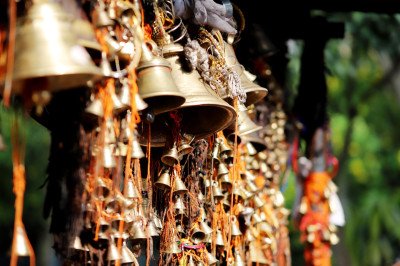
Bhuban Mahadev Temple
Some quick example text to build on the card title and make up the bulk of the card's content.
Go somewhere
Borail Wildlife Sanctuary
Some quick example text to build on the card title and make up the bulk of the card's content.
Go somewhere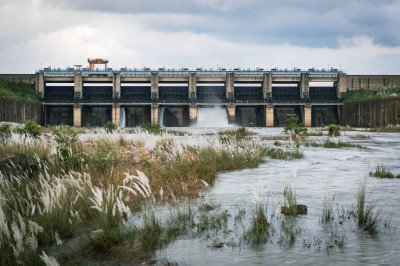
Chamragudam Point
Some quick example text to build on the card title and make up the bulk of the card's content.
Go somewhere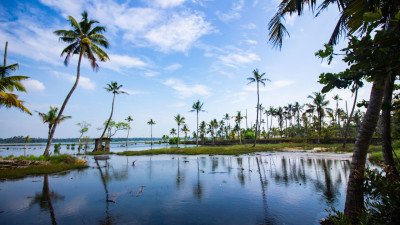
Dolu Lake
Some quick example text to build on the card title and make up the bulk of the card's content.
Go somewhere
Gandhibag Park
Some quick example text to build on the card title and make up the bulk of the card's content.
Go somewhere
Goldighi Mall
Some quick example text to build on the card title and make up the bulk of the card's content.
Go somewhere
Goldighi Municipal Mall
Some quick example text to build on the card title and make up the bulk of the card's content.
Go somewhere
Hindustan Paper Corporation Ltd.
Some quick example text to build on the card title and make up the bulk of the card's content.
Go somewhere
ISKCON Temple
Some quick example text to build on the card title and make up the bulk of the card's content.
Go somewhere
Jatinga Point
Some quick example text to build on the card title and make up the bulk of the card's content.
Go somewhere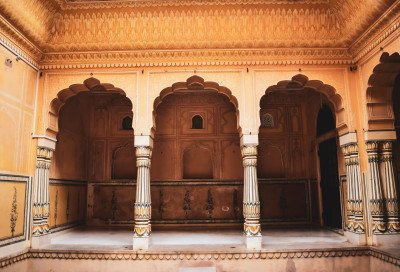
Kachari Fort
Some quick example text to build on the card title and make up the bulk of the card's content.
Go somewhere
Khaspur
Some quick example text to build on the card title and make up the bulk of the card's content.
Go somewhere
Lakhipur Town
Some quick example text to build on the card title and make up the bulk of the card's content.
Go somewhere
Maibong
Some quick example text to build on the card title and make up the bulk of the card's content.
Go somewhere
Maniharan Tunnel
Some quick example text to build on the card title and make up the bulk of the card's content.
Go somewhere
Police Bazar
Some quick example text to build on the card title and make up the bulk of the card's content.
Go somewherein Other Cities