

Tangkul Naga Cultural Centre
General information
-
Ideal Duration:
Learning and Exploration:
1-2 hours:Place Type:
Cultural and Heritage: Centre/MuseumEntry Fees:
Cost of Entrance: A modest entry fee (e. g. , Rs.20 - Rs.50) would typically be charged to support the maintenance and preservation of the centre's collection.
Fees for Services: Higher fees may apply for guided tours, professional photography/v...Cost of Entrance: A modest entry fee (e. g. , Rs.20 - Rs.50) would typically be charged to support the maintenance and preservation of the centre's collection.
Fees for Services: Higher fees may apply for guided tours, professional photography/videography, or participation in special craft workshops.
Donation Box: A donation box is likely available for visitors to contribute to the preservation efforts. :Timing:
Regular Timings: Typical museum/centre hours, usually 9:30 AM to 4:30 PM, closed on Sundays and public holidays.
Ideal Visit Time: The best time to visit is during the mid-morning (10:00 AM to 1:00 PM) on a weekday to avoid crowds and to all...Regular Timings: Typical museum/centre hours, usually 9:30 AM to 4:30 PM, closed on Sundays and public holidays.
Ideal Visit Time: The best time to visit is during the mid-morning (10:00 AM to 1:00 PM) on a weekday to avoid crowds and to allow ample time for viewing.
Peak Time: During the week of a major district or state cultural festival. :Special Events:
Cultural Exchange Programs: The centre often organizes exchange programs or guest lectures to promote Tangkhul culture to the wider public or to other tribal groups.
Traditional Music and Dance Recitals: Regular or seasonal performances of t...Cultural Exchange Programs: The centre often organizes exchange programs or guest lectures to promote Tangkhul culture to the wider public or to other tribal groups.
Traditional Music and Dance Recitals: Regular or seasonal performances of traditional Tangkhul dances like the Pheichak (war dance) or various folk songs.
Exhibitions: Special temporary exhibitions on specific aspects of Tangkhul life, such as pottery, textiles, or agriculture. :Best Photo Spots:
The main entrance gate (if traditionally carved), capturing the intricate Naga motifs. Display cases featuring the iconic Tangkhul headgear and ceremonial attire, capturing their texture and detail. The courtyard or performance area during a cultural dance, capturing the movement and the vibrant c...The main entrance gate (if traditionally carved), capturing the intricate Naga motifs. Display cases featuring the iconic Tangkhul headgear and ceremonial attire, capturing their texture and detail. The courtyard or performance area during a cultural dance, capturing the movement and the vibrant colours of the costumes. :Photo Gallery
Things To Do
-
Artifact Research: Closer examination of the tools and artifacts, which can reveal details about the tribe's past, such as the practice of headhunting (now abandoned) or traditional warfare.
Traditional Craft Workshops: If available, participating in a short workshop on traditional weaving or wood carving taught by a local artisan.
Hearing Oral Histories: The centre would be the best place to meet elders or scholars willing to share traditional folktales, proverbs, and oral histories of the tribe. :...Artifact Research: Closer examination of the tools and artifacts, which can reveal details about the tribe's past, such as the practice of headhunting (now abandoned) or traditional warfare.
Traditional Craft Workshops: If available, participating in a short workshop on traditional weaving or wood carving taught by a local artisan.
Hearing Oral Histories: The centre would be the best place to meet elders or scholars willing to share traditional folktales, proverbs, and oral histories of the tribe. :
Information
-
Why Famous:
Heritage Preservation: It is famous as the repository of the entire Tangkhul Naga culture, safeguarding traditional knowledge, artifacts, and historical records.
Educational Hub: Serves as a place to learn about the tribe's language, unique ...Heritage Preservation: It is famous as the repository of the entire Tangkhul Naga culture, safeguarding traditional knowledge, artifacts, and historical records.
Educational Hub: Serves as a place to learn about the tribe's language, unique clothing, traditional house designs, and its transition from animism to Christianity.
Folk Arts: Known for hosting workshops and performances of traditional Tangkhul folk music and dances. : -
Architecture:
Architecture of Cultural Significance: The design would likely incorporate elements of traditional Tangkhul village architecture, such as a prominent, carved gate (lungchum) and a structure resembling a traditional chief's house or a community meeting hall (longshim).Architecture of Cultural Significance: The design would likely incorporate elements of traditional Tangkhul village architecture, such as a prominent, carved gate (lungchum) and a structure resembling a traditional chief's house or a community meeting hall (longshim).
Materials and Aesthetics: Construction materials would ideally feature local timber, bamboo, and traditional stone masonry, though modern structures often use concrete for durability, with only the façade and interior elements reflecting indigenous design.
Exhibition Space Dimension: The floor plan would dedicate space to a museum (for artifact display), an auditorium/performance hall, and workshop rooms for teaching traditional crafts. The building's overall aesthetic is intended to tell the story of the Tangkhul people's journey. : -
How To Reach:
By Air/Train/Road: The centre would be most accessible from Kamjong Town (the main district hub). Travel to Kamjong Town first.
By Local Transport: If located in Kamjong Town, it is easily accessible by walking or a short motorcycle taxi ri...By Air/Train/Road: The centre would be most accessible from Kamjong Town (the main district hub). Travel to Kamjong Town first.
By Local Transport: If located in Kamjong Town, it is easily accessible by walking or a short motorcycle taxi ride from the market square. If the centre is a larger one located in Ukhrul (70 KM away), shared sumo taxis are the primary means of inter-town transport. Inquire locally for the exact address upon arrival in the district. : -
Weather and Best Time to Visit:
Winter (November to March): The cool, dry weather is ideal for travel and exploration of the centre's exhibits and surrounding area. Mid-Day (10:00 AM - 2:00 PM) The perfect time for an indoor activity, especially if the morning is cold or the afternoon is hot/rainy. :...Winter (November to March): The cool, dry weather is ideal for travel and exploration of the centre's exhibits and surrounding area. Mid-Day (10:00 AM - 2:00 PM) The perfect time for an indoor activity, especially if the morning is cold or the afternoon is hot/rainy. : -
Near Tourist Places:
Kamjong Town Market (1-2 KM) Local shopping. Kamjong Christian Church (1-2 KM) Spiritual hub. Kamjong River Valley (5 KM) Scenic nature. Bungpa Khullen Village (15 KM) Traditional village culture.
Luira Phanit Site (Seasonal): Cultural experience.
Mangkhap Phanit Site (Seasonal): Cultural experience. Ukhrul Town (70 KM) Major commercial town (where a larger centre might exist). Imphal (120 KM) State Capital. Kazeiram (20 KM) Traditional site. Khayang Waterfall (35 KM) Natural site. :
Tourism Tips
-
Health & Safety: The centre itself is safe, but be cautious of the surrounding roads during the monsoon.
Packing: Carry a small notebook for taking notes on the cultural details and a camera (check for any photography restrictions inside). <...Health & Safety: The centre itself is safe, but be cautious of the surrounding roads during the monsoon.
Packing: Carry a small notebook for taking notes on the cultural details and a camera (check for any photography restrictions inside).
Accommodation: Stay in Kamjong Town or the nearby major village; the centre itself will not offer lodging.
Etiquette: Treat all artifacts with respect; do not touch or lean on display cases. Engage curators/staff respectfully to gain deeper insights into the culture. :
Reviews
FAQs
Kamjong Itineray And Cost:-
Tangkul Naga Cultural Centre Tourism:-
Other Places In Kamjong :-
Other States In India :-
Information about New and Updated Locations() of Manipur Has Been Added :-
Card subtitle
Note:-
Information provided here in good Faith and for reference only.
Near Places
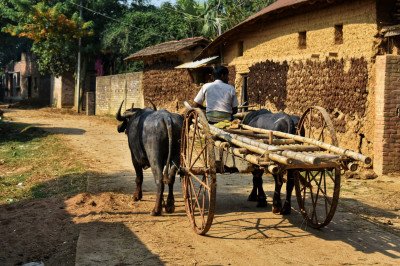
Balkot Village
Some quick example text to build on the card title and make up the bulk of the card's content.
Go somewhere
Chatric Waterfall
Some quick example text to build on the card title and make up the bulk of the card's content.
Go somewhere
Chingai Village
Some quick example text to build on the card title and make up the bulk of the card's content.
Go somewhere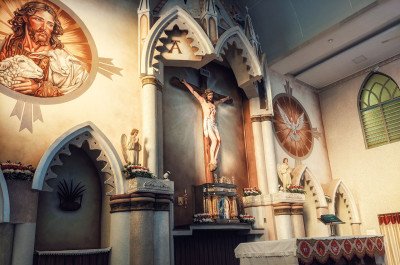
Kamjong Christian Church
Some quick example text to build on the card title and make up the bulk of the card's content.
Go somewhere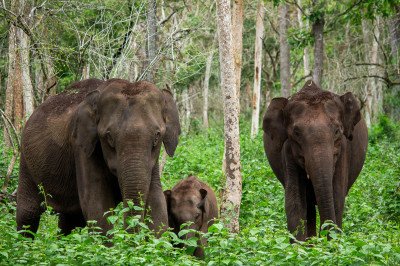
Kamjong Forest Range
Some quick example text to build on the card title and make up the bulk of the card's content.
Go somewhere
Kamjong Peak
Some quick example text to build on the card title and make up the bulk of the card's content.
Go somewhere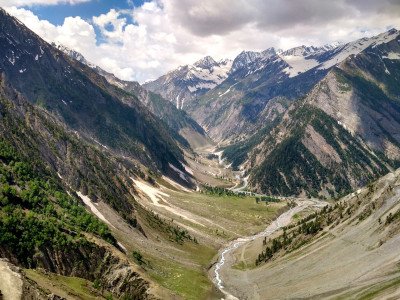
Kamjong River Valley
Some quick example text to build on the card title and make up the bulk of the card's content.
Go somewhere
Kamjong Town
Some quick example text to build on the card title and make up the bulk of the card's content.
Go somewhere
Kasom Khullen Village
Some quick example text to build on the card title and make up the bulk of the card's content.
Go somewhere
Kazei-Kharalung
Some quick example text to build on the card title and make up the bulk of the card's content.
Go somewhere
Kazeiram
Some quick example text to build on the card title and make up the bulk of the card's content.
Go somewhere
Khayang Waterfall
Some quick example text to build on the card title and make up the bulk of the card's content.
Go somewhere
Kongkan Village
Some quick example text to build on the card title and make up the bulk of the card's content.
Go somewhere
Laiching Hills
Some quick example text to build on the card title and make up the bulk of the card's content.
Go somewhere
Liabi Waterfall
Some quick example text to build on the card title and make up the bulk of the card's content.
Go somewhere
Luira Phanit
Some quick example text to build on the card title and make up the bulk of the card's content.
Go somewherein Other Cities