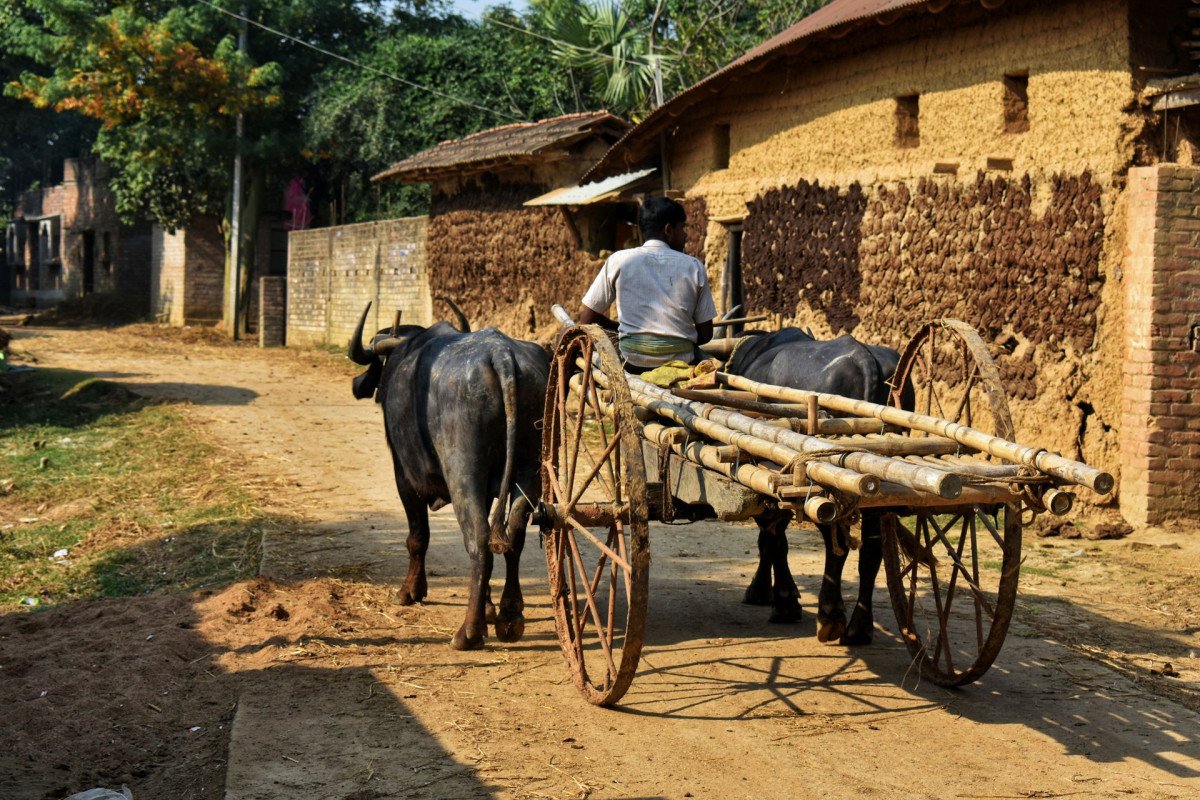
Balkot Village
General information
-
Ideal Duration:
1 to 2 DaysPlace Type:
Rural & CulturalEntry Fees:
No Formal Entry Fee: As Balkot is a living village, there is no official ticket counter or entry fee required to enter the main residential areas.
Community Contribution: However, visitors are encouraged to make a small voluntary donation of...No Formal Entry Fee: As Balkot is a living village, there is no official ticket counter or entry fee required to enter the main residential areas.
Community Contribution: However, visitors are encouraged to make a small voluntary donation of around 200 INR to the village development fund or the local church.
Guide Charges: Hiring a local youth as a guide is highly recommended for exploring forest trails and border points, which usually costs between 500 INR to 1000 INR per day.
:Timing:
Regular Timings: The village is best explored between 7:00 AM and 4:30 PM to ensure safety on the hill roads and to respect the privacy of the residents.
Ideal Visit Time: The best time to be out is the early morning from 6:30 AM to 10:00 AM...Regular Timings: The village is best explored between 7:00 AM and 4:30 PM to ensure safety on the hill roads and to respect the privacy of the residents.
Ideal Visit Time: The best time to be out is the early morning from 6:30 AM to 10:00 AM when the mist clears from the valleys and the lighting is perfect for photography.
Seasonal Timing: During the winter months of December, the sun sets very early, so plan to be back at your accommodation by 5:00 PM.
:Special Events:
Luira Phanit Festival: This is the most significant special event in Balkot Village, usually celebrated in February to mark the seed-sowing season. The festival involves traditional dances, folk songs, and community feasts that last for several days.
Read MoreLuira Phanit Festival: This is the most significant special event in Balkot Village, usually celebrated in February to mark the seed-sowing season. The festival involves traditional dances, folk songs, and community feasts that last for several days.
Village Foundation Day: An annual event where the entire community gathers to clean the village paths and offer prayers for prosperity, showcasing the incredible unity of the Naga tribes.
:Best Photo Spots:
The Border Ridge Lookout: This spot provides an unobstructed 360-degree view of the undulating hills stretching into Myanmar, best captured during the clear mornings of January.
The Village Gateway: The traditional entrance of the village, o...The Border Ridge Lookout: This spot provides an unobstructed 360-degree view of the undulating hills stretching into Myanmar, best captured during the clear mornings of January.
The Village Gateway: The traditional entrance of the village, often decorated with tribal motifs, offers a perfect frame for cultural portraits.
Terraced Rice Fields: Located just below the main settlement, these emerald green fields during August provide a stunning backdrop for landscape photography.
Traditional Kitchen Hearth: The smoky, sun-drenched interiors of a traditional Tangkhul house offer a moody and authentic setting for indoor photography.
:Photo Gallery
Things To Do
-
Trekking and Nature Walks: The primary activity in Balkot Village is trekking through the surrounding ridges, which offers varying levels of difficulty for adventure enthusiasts.
Border Photography: Spend time capturing the dramatic landscapes where the Indian hills meet the Myanmar horizon, especially during the golden hour in November.
Cultural Immersion: Participate in local daily chores like traditional weaving or learning the art of bamboo basketry from the village elders.
Birdwatching: The surrounding forests are home to rare avian species, making it a paradise for bird lovers equipped with binoculars.
Village Stays: Experience the unique lifestyle by staying in a local homestay, where you can help in the organic gardens an...Trekking and Nature Walks: The primary activity in Balkot Village is trekking through the surrounding ridges, which offers varying levels of difficulty for adventure enthusiasts.
Border Photography: Spend time capturing the dramatic landscapes where the Indian hills meet the Myanmar horizon, especially during the golden hour in November.
Cultural Immersion: Participate in local daily chores like traditional weaving or learning the art of bamboo basketry from the village elders.
Birdwatching: The surrounding forests are home to rare avian species, making it a paradise for bird lovers equipped with binoculars.
Village Stays: Experience the unique lifestyle by staying in a local homestay, where you can help in the organic gardens and learn traditional cooking.
Traditional Fishing: Head down to the nearby mountain streams to observe or try your hand at indigenous fishing techniques using bamboo traps.
Storytelling Sessions: Engage with the village headman or elders to listen to the rich oral histories and legends of the Tangkhul people.
Stargazing: Due to the zero light pollution, the night sky over Balkot is a dazzling display of the Milky Way, perfect for night photography.
Exploring Monoliths: Take a guided walk to the memorial stones to understand the historical significance of the megalithic culture in this region.
:
Information
-
Why Famous:
The Indo-Myanmar Border Vista: Balkot Village is famous primarily for its strategic and scenic location overlooking the international border, providing a unique vantage point into the mysterious landscapes of Myanmar.
Tangkhul Traditions: It...The Indo-Myanmar Border Vista: Balkot Village is famous primarily for its strategic and scenic location overlooking the international border, providing a unique vantage point into the mysterious landscapes of Myanmar.
Tangkhul Traditions: It is a renowned hub for experiencing the authentic Tangkhul Naga lifestyle, where traditional weaving and woodcraft are still vibrant daily activities. The village is also famous for its organic produce, specifically the high-quality chili and indigenous rice varieties that are celebrated across the Kamjong district.
: -
Architecture:
Structural Heritage and Dimensions: The architecture of Balkot Village is a brilliant display of indigenous engineering, specifically designed to harmonize with the steep slopes of the Kamjong hills. Most traditional homes are built using a combination of seasoned timber, b...Structural Heritage and Dimensions: The architecture of Balkot Village is a brilliant display of indigenous engineering, specifically designed to harmonize with the steep slopes of the Kamjong hills. Most traditional homes are built using a combination of seasoned timber, bamboo, and locally sourced stone, featuring high-pitched roofs to shed the heavy monsoon rains typical of the May to September period.
Residential Dimensions: A typical traditional house measures approximately 40 feet in length and 25 feet in width, often elevated on wooden stilts or built on a leveled stone plinth. The "Longshim" or the community hall is the grandest structure, often reaching heights of 20 feet at the ridge, decorated with intricate wood carvings of buffalo heads and hornbills. These carvings are not merely decorative but signify the social status and bravery of the house owner. The interiors are remarkably spacious, featuring a central hearth that remains the heart of the home for cooking and warmth. Modern influences are appearing, but the core architectural identity remains rooted in the Tangkhul tradition of durability and aesthetic simplicity.
: -
How To Reach:
By Air: The nearest airport is Imphal International Airport, which is about 140 KM away from Balkot Village. From the airport, one must hire a private 4x4 vehicle like a Bolero or Sumo to navigate the winding hill roads, a journey taking approximately 5 to 6 hours.
...By Air: The nearest airport is Imphal International Airport, which is about 140 KM away from Balkot Village. From the airport, one must hire a private 4x4 vehicle like a Bolero or Sumo to navigate the winding hill roads, a journey taking approximately 5 to 6 hours.
By Train: There is no direct rail connectivity to Kamjong; the nearest major station is Dimapur in Nagaland, located 340 KM away. From Dimapur, travelers must take a bus or taxi to Imphal and then proceed to Kamjong.
By Road: Balkot is connected via the Ukhrul-Kamjong State Highway. The road from Kamjong town is a mix of paved and dirt tracks, requiring a sturdy vehicle.
By Local Transport: Shared Wingers and Sumos operate from Imphal to Kamjong town, but to reach Balkot, you will need to arrange a private hire or wait for the occasional village pickup truck.
: -
Weather and Best Time to Visit:
Winter Season: The absolute best time to visit is from October to March when the weather is cool and the skies are crystal clear.
Monsoon Season: During July and August, the village is incredibly lush and green, though road blocks due to lan...Winter Season: The absolute best time to visit is from October to March when the weather is cool and the skies are crystal clear.
Monsoon Season: During July and August, the village is incredibly lush and green, though road blocks due to landslides are frequent.
Early Morning: This is the most magical part of the day when the clouds are below the village level, creating a "sea of clouds" effect.
Evening: Sunset hours offer a peaceful atmosphere as the village settles down, though temperatures drop rapidly.
: -
Near Tourist Places:
Kamjong Town (22 KM), Liabi Waterfall (18 KM), Kazeiram (25 KM), Kamjong Peak (20 KM), Ukhrul (102 KM), Shirui Peak (115 KM), Phungyar (72 KM), Chingai (90 KM), Khayang Waterfall (55 KM), Moreh (160 KM).
Tourism Tips
-
Health and Safety: Always carry a basic first-aid kit and insect repellent, as the village is remote and medical facilities are limited to a small dispensary.
Packing Essentials: Bring heavy woolens if visiting in January, sturdy trekking bo...Health and Safety: Always carry a basic first-aid kit and insect repellent, as the village is remote and medical facilities are limited to a small dispensary.
Packing Essentials: Bring heavy woolens if visiting in January, sturdy trekking boots, and a reliable power bank as electricity can be intermittent.
Cash and Connectivity: There are no ATMs in Balkot Village; the nearest one is in Kamjong town, so carry sufficient cash. Mobile connectivity is patchy, with BSNL and Airtel working best in certain elevated spots, but don't expect stable Wi-Fi.
Cultural Etiquette: Always ask for permission before taking photos of the locals or entering private homes, and avoid wearing revealing clothing.
:
Reviews
FAQs
Kamjong Itineray And Cost:-
Other Places In Kamjong :-
Other States In India :-
Information about New and Updated Locations() of Manipur Has Been Added :-
Card subtitle
Note:-
Information provided here in good Faith and for reference only.
Near Places
Balkot Village
Some quick example text to build on the card title and make up the bulk of the card's content.
Go somewhere
Chatric Waterfall
Some quick example text to build on the card title and make up the bulk of the card's content.
Go somewhere
Chingai Village
Some quick example text to build on the card title and make up the bulk of the card's content.
Go somewhere
Kamjong Christian Church
Some quick example text to build on the card title and make up the bulk of the card's content.
Go somewhere
Kamjong Forest Range
Some quick example text to build on the card title and make up the bulk of the card's content.
Go somewhere
Kamjong Peak
Some quick example text to build on the card title and make up the bulk of the card's content.
Go somewhere
Kamjong River Valley
Some quick example text to build on the card title and make up the bulk of the card's content.
Go somewhere
Kamjong Town
Some quick example text to build on the card title and make up the bulk of the card's content.
Go somewhere
Kasom Khullen Village
Some quick example text to build on the card title and make up the bulk of the card's content.
Go somewhere
Kazei-Kharalung
Some quick example text to build on the card title and make up the bulk of the card's content.
Go somewhere
Kazeiram
Some quick example text to build on the card title and make up the bulk of the card's content.
Go somewhere
Khayang Waterfall
Some quick example text to build on the card title and make up the bulk of the card's content.
Go somewhere
Kongkan Village
Some quick example text to build on the card title and make up the bulk of the card's content.
Go somewhere
Laiching Hills
Some quick example text to build on the card title and make up the bulk of the card's content.
Go somewhere
Liabi Waterfall
Some quick example text to build on the card title and make up the bulk of the card's content.
Go somewhere
Luira Phanit
Some quick example text to build on the card title and make up the bulk of the card's content.
Go somewherein Other Cities