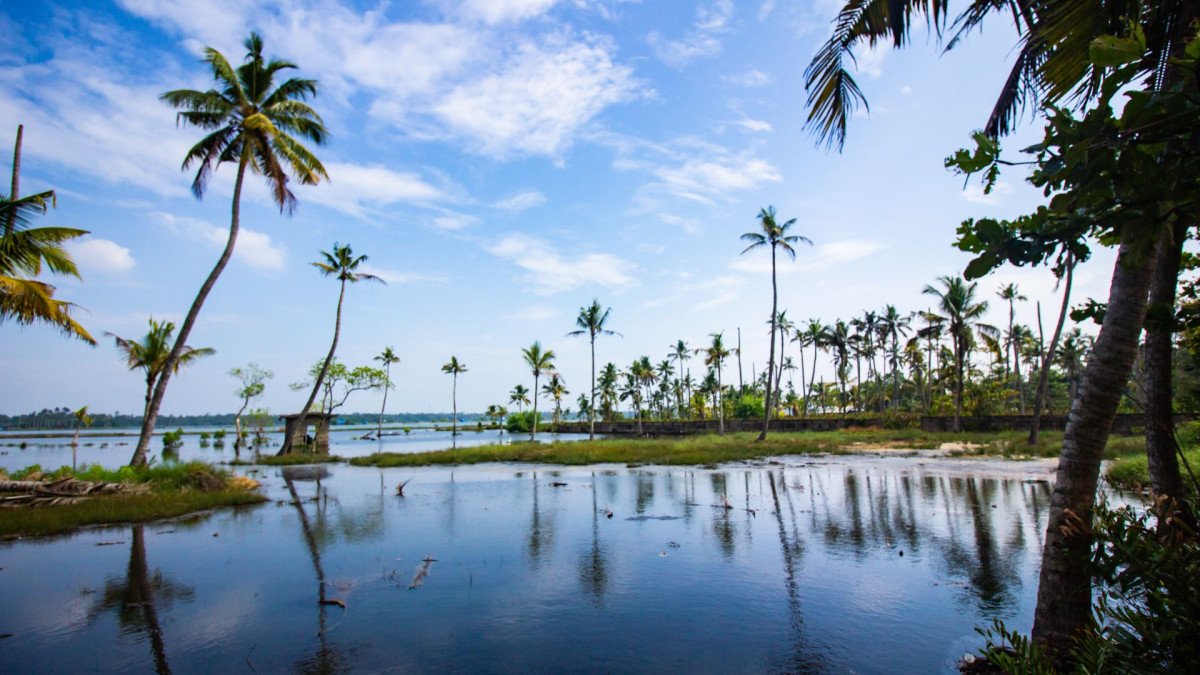
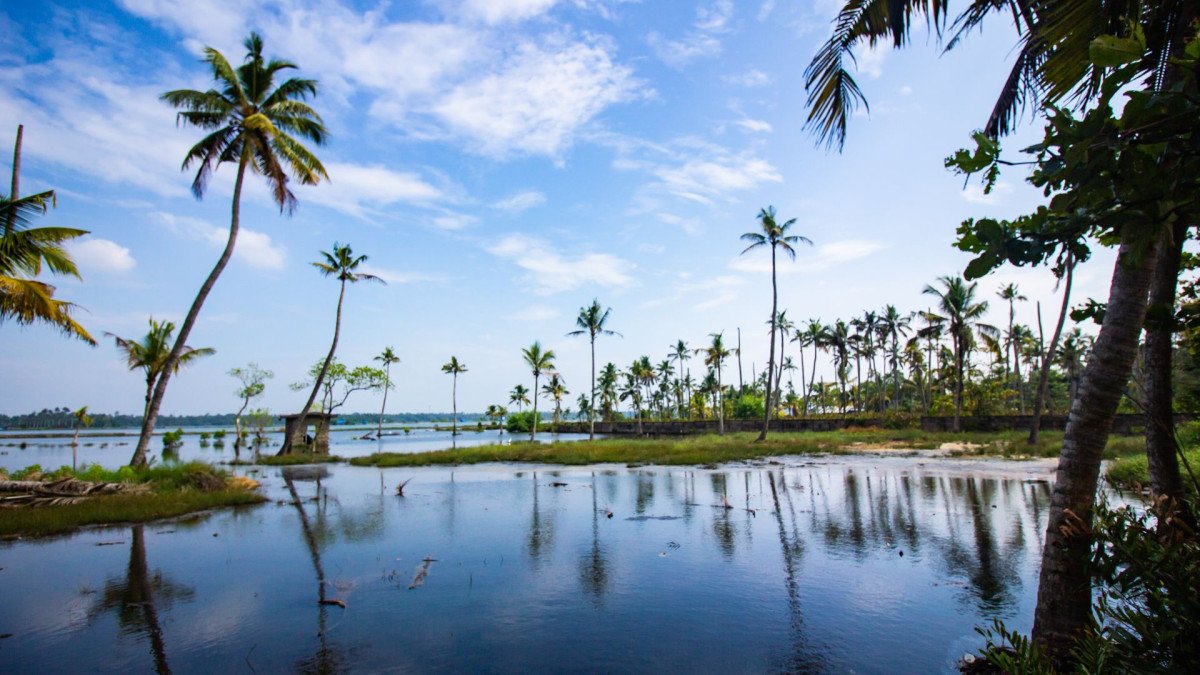
Tansa Lake / Tansa Dam
General information
-
Ideal Duration:
1 to 2 hours for Dam/Lake viewing; Full day for Picnic/SanctuaryPlace Type:
Nature Reserve/Dam/LakeEntry Fees:
General Entry is Free for all to the general viewing areas of the dam and lake, reflecting its nature as a public-facing infrastructure and natural park; There are No general ticket sales for basic viewing access;
Sanctuary Entry Fee: If you enter the protected are...General Entry is Free for all to the general viewing areas of the dam and lake, reflecting its nature as a public-facing infrastructure and natural park; There are No general ticket sales for basic viewing access;
Sanctuary Entry Fee: If you enter the protected area of the Tansa Wildlife Sanctuary (which surrounds the lake), a nominal entry fee will be charged by the Forest Department; The fee often varies for adults/children, and there may be separate charges for vehicles (cars, jeeps, buses);
Activity Charges: Organized activities like official jeep safaris inside the sanctuary are charged separately and often require advance booking; Camping permits, if applicable, also come with a small administrative fee;
Vehicle Toll/Parking: While general entry is free, driving a private vehicle to the site may incur a small toll tax or parking fee managed by local authorities; Always keep small change for these charges; Ensure you check the latest official sanctuary fees before planning an entry into the core area.Timing:
Regular Timings: The dam and lake area are generally open from 7:00 AM to 5:00 PM daily; Access to the immediate dam structure itself is often restricted or closed for security reasons, but the surrounding natural area for viewing and picnics is open during these daylight h...Regular Timings: The dam and lake area are generally open from 7:00 AM to 5:00 PM daily; Access to the immediate dam structure itself is often restricted or closed for security reasons, but the surrounding natural area for viewing and picnics is open during these daylight hours;
Ideal Visit Time: The best time to visit is to arrive early, around 7:00 AM to 8:00 AM, to enjoy the quiet solitude, the best light for photography, and the highest chance of spotting birds and wildlife; The late afternoon (3:00 PM to 5:00 PM) is also pleasant for a relaxed walk and enjoying the cool weather;
Seasonal Timings Note: During the peak Monsoon, officials may restrict access to certain viewpoints or areas near the spillway for safety, so always heed official warnings; The dam is not open for night viewing, and camping requires special permits.Special Events:
Monsoon Surge and Water Release: The peak Monsoon season (July-September) often sees a dramatic increase in water level; if the water is released, the sight of the water flowing over the spillway is a massive, spectacular event that draws huge crowds (though it requires car...Monsoon Surge and Water Release: The peak Monsoon season (July-September) often sees a dramatic increase in water level; if the water is released, the sight of the water flowing over the spillway is a massive, spectacular event that draws huge crowds (though it requires careful monitoring of official announcements);
Annual Bird Migration: The arrival of various migratory bird species, especially during the early Winter months (November-January), is a natural event that is a highlight for bird watchers; The collective sight of thousands of birds flocking the lake is a major, though quiet, annual spectacle;
Local Village Fairs: The small, surrounding tribal villages occasionally host local religious festivals and fairs; While not directly a dam event, these offer a cultural experience, sometimes coinciding with religious days specific to the local deities;
Wildlife Sanctuary Safaris/Treks: The forest department sometimes organizes special guided nature walks or safaris during the dry season to promote wildlife conservation and tourism in the Tansa Wildlife Sanctuary; Participation in these is a special, organized event.Best Photo Spots:
The Dam Wall as an Architectural Line: The entire length of the main dam wall, viewed from the side or a slight distance, provides a magnificent photo spot, emphasizing the sheer scale and engineering of the structure against the vast lake;
Refl...The Dam Wall as an Architectural Line: The entire length of the main dam wall, viewed from the side or a slight distance, provides a magnificent photo spot, emphasizing the sheer scale and engineering of the structure against the vast lake;
Reflections in the Calm Water: The best photos are often taken in the early morning when the water is mirror-smooth, perfectly reflecting the surrounding hills, sky, and the dam structure; This requires arriving right at sunrise;
The Monsoon Spillway View: During the peak of the monsoon, the view of the water gushing over the spillway (if open and safely viewable) is a powerful, dynamic photo opportunity capturing the dam's force;
Bird-Watching Blinds and Lake Edges: The secluded spots near the lake's edge, often used by bird watchers, provide excellent vantage points for telephoto shots of the lake, distant hills, and the abundant birdlife;
The Forest and Hill Backdrop: Any foreground with local flora (teak, bamboo) or the rugged hills of the Western Ghats, with the dam/lake in the background, creates a powerful landscape shot emphasizing the area's natural isolation and beauty.Photo Gallery
Things To Do
-
Bird Watching and Wildlife Spotting: Bring binoculars and a camera to spend time quietly observing the large variety of birdlife (especially during winter migration) and looking for mammals like the Sloth Bear, Leopard, and various deer species within the sanctuary limits (with proper permission and safety);
Day Picnic and Outdoor Cooking: Set up a picnic at one of the designated spots near the dam or lake shore; The area is popular for people carrying portable stoves to cook simple meals outdoors (check local regulations before lighting fires);
Photography of the Landscape and Water: Capture the vast, sweeping views of the Tansa Lake, the strong line of the dam wall, and the forested hills; The reflections in the calm water, particularly at sunrise, are highly photogenic;
Read MoreBird Watching and Wildlife Spotting: Bring binoculars and a camera to spend time quietly observing the large variety of birdlife (especially during winter migration) and looking for mammals like the Sloth Bear, Leopard, and various deer species within the sanctuary limits (with proper permission and safety);
Day Picnic and Outdoor Cooking: Set up a picnic at one of the designated spots near the dam or lake shore; The area is popular for people carrying portable stoves to cook simple meals outdoors (check local regulations before lighting fires);
Photography of the Landscape and Water: Capture the vast, sweeping views of the Tansa Lake, the strong line of the dam wall, and the forested hills; The reflections in the calm water, particularly at sunrise, are highly photogenic;
Nature Walks and Trekking: Explore the periphery of the Tansa Wildlife Sanctuary by taking short, safe nature walks or simple treks on established paths, immersing yourself in the dense flora (teak, bamboo, etc. ); Always stay within safe, designated zones;
Camping (with Permission): For the adventurous, overnight camping is an option near the lake, especially in Monsoon (when it's lush) or Winter (when it's cool), but this requires prior permission from the Forest Department and adherence to strict safety/environmental rules;
Visit the Atgaon or Asangaon Area: Since direct access to the main dam area can be restricted, visitors often enjoy the peaceful, scenic surroundings near the nearby railway stations like Atgaon or Asangaon, which provide good views of the periphery.
Information
-
Why Famous:
The Primary Water Source for Mumbai: The most significant fame comes from its role as one of the largest and most critical sources of drinking water for Mumbai; The dam's function is vital to the lives of millions, making it a place of national civil importance;The Primary Water Source for Mumbai: The most significant fame comes from its role as one of the largest and most critical sources of drinking water for Mumbai; The dam's function is vital to the lives of millions, making it a place of national civil importance;
Historical Engineering Marvel: Built in the early 20th century (completed in 1925), the dam represents a major achievement in pre-independence Indian engineering and infrastructure development, a large-scale project that secured the future water supply of the metropolitan region;
The Tansa Wildlife Sanctuary Buffer: The dam and lake are situated within the Tansa Wildlife Sanctuary (which covers about 320 square kilometers), making the location famous not just as a dam but as a protected area rich in biodiversity, offering excellent bird-watching and wildlife spotting opportunities;
Scenic Beauty and Tranquility: The vast expanse of the lake, set against the backdrop of the rugged, forested hills, makes it a renowned spot for nature photography, weekend picnics, and solitude seekers, a tranquil contrast to the crowded city life of Thane and Mumbai. -
Architecture:
The Engineering of the Gravity Dam: Tansa Dam is primarily a masonry gravity dam, meaning it relies on its massive weight and internal resistance to withstand the horizontal thrust of the water it retains; This classical design is characteristic of early 20th-century large-...The Engineering of the Gravity Dam: Tansa Dam is primarily a masonry gravity dam, meaning it relies on its massive weight and internal resistance to withstand the horizontal thrust of the water it retains; This classical design is characteristic of early 20th-century large-scale hydrological projects;
Dimension and Structure: The dam's length is significant, and while exact, constantly updated dimensions are proprietary information for security, its massive scale is evident in the size of the reservoir it creates—the Tansa Lake, which covers an area of approximately 207 square kilometers when full; The dam was originally built to a certain height and has been continuously augmented and strengthened over the years to meet growing water demands and modern safety standards;
Architectural Style: The dam's architecture is purely functional and utilitarian, typical of large public works structures of its era, featuring sturdy stone masonry and concrete; The aesthetic appeal comes not from decorative elements but from the sheer scale and the smooth, curved line of the wall itself as it cuts across the valley, a grand, simple monument to engineering precision;
The Spillway and Water Channels: The dam features a well-designed spillway system (either a weir or crest gates) to safely discharge excess water during heavy rainfall, a crucial component of its architecture for flood control and dam safety; The associated water channel networks that carry the raw water to Mumbai are also part of this vital infrastructure. -
How To Reach:
By Air: The nearest airport is Chhatrapati Shivaji Maharaj International Airport (BOM), approximately 90-100 KM away; This is a long drive; From the airport, hiring a pre-booked taxi/cab (or a self-drive car) is the only realistic way to reach the remote location; The dri...By Air: The nearest airport is Chhatrapati Shivaji Maharaj International Airport (BOM), approximately 90-100 KM away; This is a long drive; From the airport, hiring a pre-booked taxi/cab (or a self-drive car) is the only realistic way to reach the remote location; The drive can take 3 to 4 hours due to the distance and road conditions outside the city limits;
By Train (Mainline): The closest railway stations are Atgaon or Asangaon on the Central Railway line (towards Kasara); Tansa Dam is about 25-30 KM from Atgaon station; From the station, you will need to hire a local auto-rickshaw or a private taxi for the final leg of the journey, which can be expensive and requires negotiation;
By Road (Self-Drive): Self-driving is the most popular method; Take the Mumbai-Nashik Highway (NH 3/NH 160) from Thane and then take the interior roads towards the dam/sanctuary area; The total distance from Thane city is about 60 KM; The road condition on the final stretch can be rough, especially in the Monsoon;
By Local Transport: Direct local buses or share-taxis are infrequent and unreliable for the dam itself, as it is a remote location; They may drop you off at Atgaon or Asangaon railway stations, leaving a significant distance to cover. -
Weather and Best Time to Visit:
Different Types of Seasons: Monsoon (June to September) is arguably the Best Time for the dam area, as the surrounding hills are intensely green, the lake is full, and the potential for a spectacular water release is high; Winter (November to February) is ideal for camping,...Different Types of Seasons: Monsoon (June to September) is arguably the Best Time for the dam area, as the surrounding hills are intensely green, the lake is full, and the potential for a spectacular water release is high; Winter (November to February) is ideal for camping, bird watching, and long nature walks due to the cool, pleasant climate; Summer (March to May) is hot, and the lake level can drop, making it the least favorable time for a visit, though wildlife sighting chances might increase near water sources;
Different Parts of the Day: Sunrise (7:00 AM arrival) is the absolute best time for photography, bird watching, and experiencing peak tranquility before any crowds arrive; Late Afternoon (3:00 PM onwards) is good for picnics and enjoying the sunset over the dam's vast expanse; Midday is often hot and should be avoided for strenuous activity. -
Near Tourist Places:
Tansa Wildlife Sanctuary: 0 KM;
Vajreshwari Temple (Hot Springs): 50 KM;
Titwala Ganesh Mandir: 40 KM;
Mahuli Fort: 25 KM;
Asangaon Railway Station: 25 KM;
Bhiwandi: 55 KM;
Jawahar Palace: 70 KM;
Sargam Water Park: 45 KM;
Kachrali Lake (Thane): 60 KM;
Ovalekar Wadi Butterfly Garden: 65 KM.
Tourism Tips
-
Health & Safety: Given the remote location near a Wildlife Sanctuary, always carry an insect repellent, especially during the Monsoon; Stick to designated paths and never enter the core forest area without a guide; Be mindful of slippery conditions near the dam wall or lak...Health & Safety: Given the remote location near a Wildlife Sanctuary, always carry an insect repellent, especially during the Monsoon; Stick to designated paths and never enter the core forest area without a guide; Be mindful of slippery conditions near the dam wall or lake edges; Cell network can be weak;
Packing: Carry sufficient water, packed food/snacks (as options are limited), sunscreen, a hat, and binoculars/camera for nature viewing; Wear sturdy walking/trekking shoes; Carry a basic first aid kit;
Accommodation: There are No luxury hotels nearby; simple accommodation or resorts can be found near Asangaon or on the Mumbai-Nashik Highway; Camping requires your own gear and prior permission;
Other Different Topics Heading:
Environmental Responsibility: This is a protected area; Do Not Litter under any circumstances; Carry all trash back with you;
Access Restrictions: Be aware that the main dam structure is a restricted high-security zone; follow all security personnel instructions;
Local Negotiation: Be prepared to negotiate rates for local taxi/auto hire from the nearest railway stations.
Reviews
FAQs
Thane Itineray And Cost:-
Tansa Lake / Tansa Dam Tourism:-
Information about New and Updated Locations() of Maharashtra Has Been Added :-
Card subtitle
Note:-
Information provided here in good Faith and for reference only.
All information and pictures will be updated soon, please keep visiting.
Near Places

Ambe Ghosle Lake
Some quick example text to build on the card title and make up the bulk of the card's content.
Go somewhere
Bassein Fort
Some quick example text to build on the card title and make up the bulk of the card's content.
Go somewhere
Bhiwandi
Some quick example text to build on the card title and make up the bulk of the card's content.
Go somewhere
Brahmala Lake Garden
Some quick example text to build on the card title and make up the bulk of the card's content.
Go somewhere
DC-3 Aircraft
Some quick example text to build on the card title and make up the bulk of the card's content.
Go somewhere
Elvis Butterfly Garden
Some quick example text to build on the card title and make up the bulk of the card's content.
Go somewhere
Ghodbunder Fort
Some quick example text to build on the card title and make up the bulk of the card's content.
Go somewhere
Gorakhgad Fort
Some quick example text to build on the card title and make up the bulk of the card's content.
Go somewhere
Har Har Gange Waterfalls
Some quick example text to build on the card title and make up the bulk of the card's content.
Go somewhere
Hariyali Lake
Some quick example text to build on the card title and make up the bulk of the card's content.
Go somewherein Other Cities