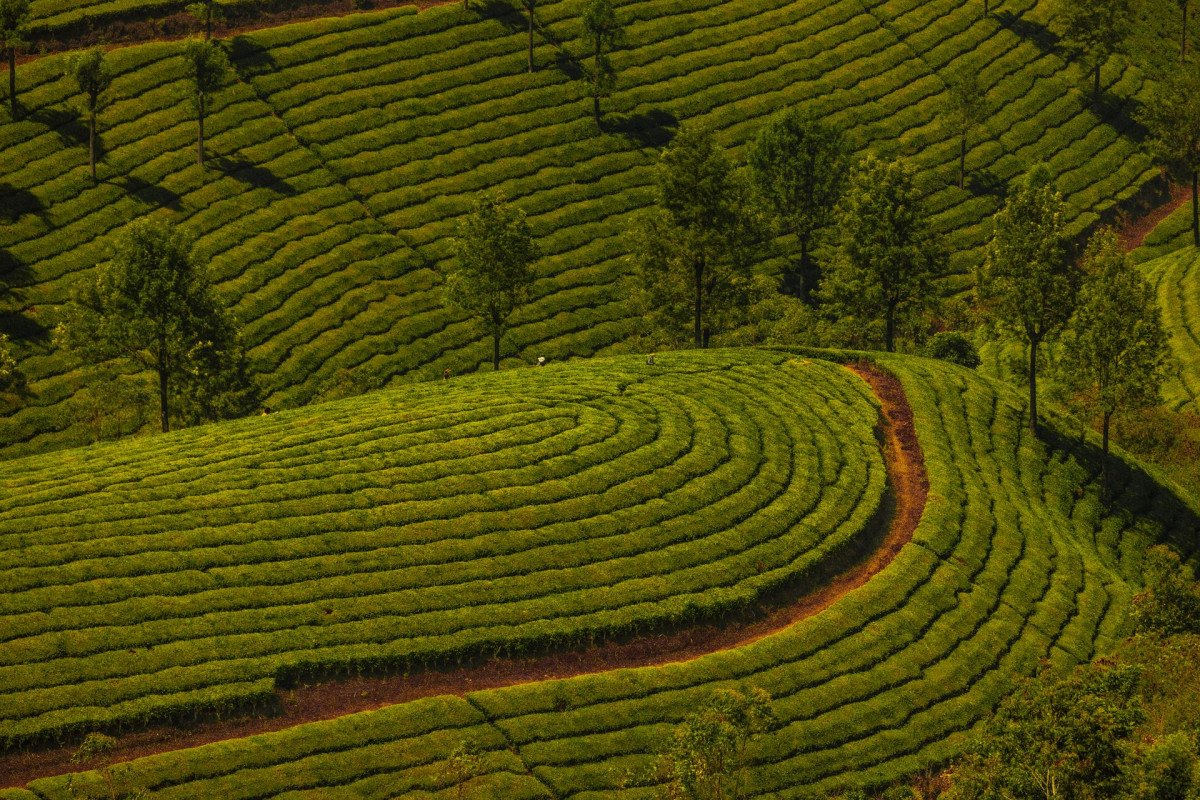
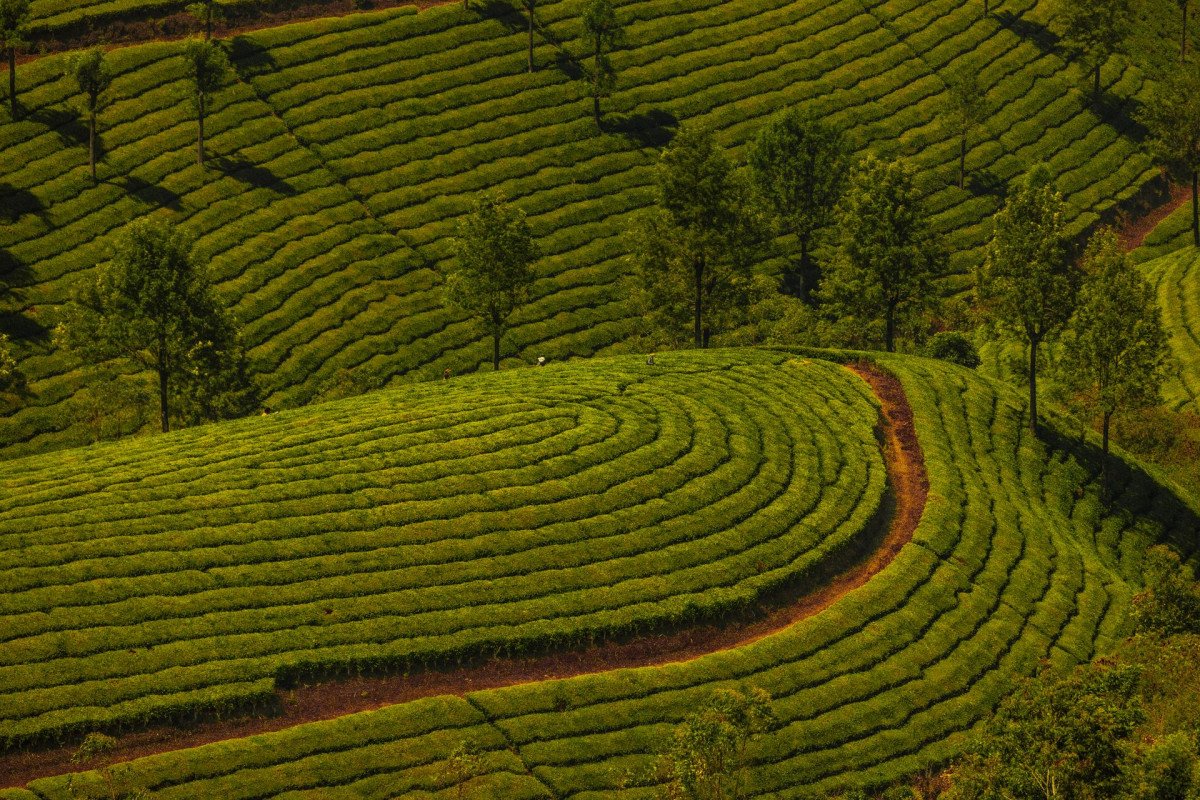
Tarapur Tea Estate
General information
-
Ideal Duration:
2 to 3 hours (Ideal for a relaxed walk, photography, and factory viewing if permitted).Place Type:
Nature, Agriculture, Heritage, Scenic Spot.Entry Fees:
General Garden Access Cost:For the vast majority of visitors, specifically for accessing the main, publicly visible areas of the Tarapur Tea Estate for general sightseeing, walking, or photography from the roads and main paths, there is no official entry fee. The open natur...General Garden Access Cost:For the vast majority of visitors, specifically for accessing the main, publicly visible areas of the Tarapur Tea Estate for general sightseeing, walking, or photography from the roads and main paths, there is no official entry fee. The open nature of the tea garden, which is essentially a vast commercial agricultural area surrounding the town, allows free access to enjoy the scenery and the fresh air. This makes it an incredibly budget-friendly and accessible tourist spot for both locals and travelers. This free access is typical for many functional tea estates in Assam where the primary focus is production, not ticketed tourism. Visitors can spend as much time as they wish wandering the permitted perimeter areas without incurring a cost.
Factory Tour and Special Permissions:However, if a tourist wishes to access restricted areas, such as the Tea Factory for a tour of the processing unit, or to gain access to a very specific, managed area of the garden for professional photography or drone use, an entry fee or a special permission charge may apply. These charges are often not standardized and must be negotiated or arranged in advance with the estate management. For factory visits, the fee might be structured as a small charge per person or part of a small, organized tour package that includes a guided explanation and a tea tasting. It is essential for visitors seeking this specialized access to budget for a nominal fee and to always seek permission from the estate authorities to avoid trespassing issues. For simple sightseeing, however, the cost is effectively Zero Indian Rupees (INR).Timing:
Regular Timings for General Access:Since Tarapur Tea Estate is a working agricultural land and not a regulated park or monument, there are no strict opening and closing times for the general viewing of the gardens from the public roads and surrounding areas. However, for sa...Regular Timings for General Access:Since Tarapur Tea Estate is a working agricultural land and not a regulated park or monument, there are no strict opening and closing times for the general viewing of the gardens from the public roads and surrounding areas. However, for safety and respect to the workers, it is generally recommended to visit during daylight hours. A practical timing would be from 6:00 AM to 6:00 PM. Visits outside these hours are strongly discouraged as the paths are unlit, and the work schedule is usually paused, making it inappropriate to wander. The key consideration is the activity of the estate: if you want to see plucking, aim for a mid-morning visit; if you are only after scenic views, the early morning or late afternoon is better.
Ideal Visit Time for Scenic Beauty (Golden Hour):The most ideal time to visit the tea estate for its breathtaking scenic beauty and best photography conditions is the early morning (approximately 6:00 AM to 8:00 AM) or the late afternoon (approximately 4:00 PM to 5:30 PM). This period, known as the Golden Hour, provides soft, diffused sunlight that beautifully illuminates the lush green leaves, casting long, dramatic shadows and reducing the harsh contrast of mid-day sun. The air is also cooler and fresher during these times, making the walk more pleasant. The early morning also offers a chance to see the estate slowly wake up, often with a layer of mist adding to the ethereal beauty. Visiting during the high production season (March to November) is also more visually rewarding as the bushes are at their fullest and most vibrant green.Special Events:
Annual Bihu Celebrations:While Tarapur Tea Estate does not host large public festivals like city parks, the most significant special events are the celebrations of Bihu, the major Assamese festival marking the change of season. The workers' community within the estate enthu...Annual Bihu Celebrations:While Tarapur Tea Estate does not host large public festivals like city parks, the most significant special events are the celebrations of Bihu, the major Assamese festival marking the change of season. The workers' community within the estate enthusiastically celebrates all three Bihus—Rongali Bihu (April), Kati Bihu (October), and Magh Bihu (January). These are private, community events but offer a unique cultural spectacle if one is fortunate enough to be invited or witness a small part of the celebration from a distance. Rongali Bihu is particularly vibrant, featuring traditional music, folk dances like the Bihu Dance, and communal feasts, which are a strong display of the local culture and heritage of the workforce. These celebrations showcase the unity and festive spirit of the tea garden community, which is otherwise engaged in rigorous work throughout the year.
Harvest and Flush Seasons:From a production and tourism perspective, the most 'special event' is the first flush (usually around March-April) and the subsequent second flush (around June-July) of tea plucking. These periods represent the highest quality and quantity of leaf production. While not a public 'event,' visiting during the second flush is considered special by tea aficionados as it yields the famous "tippy" teas with their distinct, malty flavor. The whole estate buzzes with activity, as extra care is taken in harvesting and processing these prized leaves. This 'event' offers the best chance to see the factory at peak operation and taste the freshest, most celebrated teas of the year.Best Photo Spots:
The Rolling Green Vista Point:The most iconic photo spot is a vantage point that overlooks a vast, undulating section of the estate. This viewpoint, often slightly elevated, allows photographers to capture the mesmerizing geometric pattern created by the thousands of tightl...The Rolling Green Vista Point:The most iconic photo spot is a vantage point that overlooks a vast, undulating section of the estate. This viewpoint, often slightly elevated, allows photographers to capture the mesmerizing geometric pattern created by the thousands of tightly packed tea bushes stretching to the horizon. The best time for this shot is during the Golden Hour—shortly after sunrise or before sunset—when the low-angle sunlight enhances the depth, texture, and vibrant green color of the leaves. Use a wide-angle lens to emphasize the sheer scale of the plantation. The contrast between the organized, cultivated tea rows and the wild, natural forest on the distant hills or the clear blue sky makes for a dynamic landscape composition.
Portrait with the Pluckers:Capturing the human element is a crucial aspect of documenting the estate. Photographing the tea pluckers at work—dressed in their distinctive attire, with large baskets strapped to their backs—provides an authentic and engaging portrait. These shots are best taken with a telephoto lens from a respectful distance to preserve the candid nature of their work, or with explicit, polite permission for a closer portrait. The goal is to capture the grace and diligence of their movements, highlighting the cultural significance of the labor. The bright colors of their clothing often offer a perfect contrast against the uniform green background, making the subject stand out dramatically.
The Factory Exterior and Heritage Elements:The old British-era factory buildings and bungalows, with their colonial architecture, serve as excellent photo backdrops, providing a historical context. Look for rustic textures like weathered brick, peeling paint, and the large, functional windows of the factory. These structures often feature elements of the past, such as vintage signage, old machinery parts displayed outside, or the imposing main gate. These spots are ideal for architectural or historical photography, offering a different visual narrative from the pure nature shots. The surrounding shade trees, often with sprawling branches and aerial roots, can also provide interesting frames and natural light filters for portraits or scenic shots.Photo Gallery
Things To Do
-
Guided Tea Garden Walk and Photography:The primary activity at Tarapur Tea Estate is simply immersing yourself in the vast greenery. Take a leisurely walk along the pathways that cut through the tea bushes. The cool, shaded paths offer a refreshing experience, especially in the early morning or late afternoon. This is a paradise for photographers, who can capture the unique patterns and textures of the tea rows, the vibrant colors of the freshly plucked leaves, and the stunning play of light and shadow, particularly during sunrise or sunset. Focus on macro shots of the 'two leaves and a bud'—the valuable part of the plant—or wide-angle shots to capture the expanse of the garden. Try to find an elevated spot to get a panoramic view of the rolling landscape. The sight of tea pluckers at work also offers excellent opportunities for cultural photography, ca...Guided Tea Garden Walk and Photography:The primary activity at Tarapur Tea Estate is simply immersing yourself in the vast greenery. Take a leisurely walk along the pathways that cut through the tea bushes. The cool, shaded paths offer a refreshing experience, especially in the early morning or late afternoon. This is a paradise for photographers, who can capture the unique patterns and textures of the tea rows, the vibrant colors of the freshly plucked leaves, and the stunning play of light and shadow, particularly during sunrise or sunset. Focus on macro shots of the 'two leaves and a bud'—the valuable part of the plant—or wide-angle shots to capture the expanse of the garden. Try to find an elevated spot to get a panoramic view of the rolling landscape. The sight of tea pluckers at work also offers excellent opportunities for cultural photography, capturing their traditional attire and skillful hand movements. Plan for at least an hour and a half dedicated solely to exploring the paths and finding the best photographic angles.
Observing the Tea Plucking Process:Depending on the season (especially during the peak flush months like April to November), visitors can observe the skilled tea pluckers in action. This is a fascinating sight, as the workers use their hands or shears to deftly harvest only the youngest, highest-quality parts of the plant. It's a testament to traditional, sustainable agriculture. Tourists should observe from a respectful distance to avoid interrupting their work. Engaging briefly and politely with the workers (with the estate's permission) can also provide a deeper understanding of their daily lives and the dedication required for their craft. Learning to spot the 'two leaves and a bud' yourself is a fun, hands-on activity, even if you are not permitted to pluck.
Tea Factory Visit and Tasting Session:If the estate management allows (it is highly recommended to inquire and arrange this in advance), a visit to the tea factory is a must-do. This is an educational journey through the entire tea production cycle, from the raw leaf to the final dry tea.
You'll witness the steps: withering (reducing moisture), rolling (breaking cell walls), fermentation/oxidation (developing flavor and color), and drying/firing (stopping oxidation). The sound and scale of the machinery, and the transformation of the leaves, are very impressive. Following the factory tour, some estates offer a tea tasting session. Here, you can sample various grades and types of tea produced on the estate, such as Assam Orthodox or CTC (Crush, Tear, Curl), and learn to distinguish their distinct flavors, colors, and aromas. This turns the visit into a truly immersive, gastronomic experience.
Picnicking and Leisure Time:The serene environment and cool shade under the scattered trees make Tarapur Tea Estate an ideal location for a small, quiet picnic. While care must be taken to not disturb the crops and to keep the area clean, finding a peaceful spot on the edge of the gardens or in a designated leisure area is a great way to relax and soak in the natural beauty. Bringing a book, a sketchpad, or simply meditating while surrounded by the lush greenery offers a perfect break from the city's hustle. It's a place for quiet contemplation and enjoying the natural silence, occasionally broken only by the chirping of birds or the gentle sound of the breeze through the leaves. Remember to carry all your waste back with you to maintain the estate's pristine condition.
Bird Watching and Nature Exploration:The combination of tea bushes, tall shade trees, and proximity to natural surroundings makes the estate a decent spot for bird watching. Numerous local and migratory bird species are often seen flitting among the trees. Carry a pair of binoculars and a local field guide to spot species like various flycatchers, bulbuls, and munias. The estate's periphery also hosts a variety of local flora, which can be explored for nature walks. Pay attention to the ecosys
Information
-
Why Famous:
Historical Significance in Tea Production:The Tarapur Tea Estate is famous as one of the oldest and most prominent tea gardens in the Barak Valley region. Its establishment is intrinsically linked to the history of the tea industry's expansion under the British Raj in the m...Historical Significance in Tea Production:The Tarapur Tea Estate is famous as one of the oldest and most prominent tea gardens in the Barak Valley region. Its establishment is intrinsically linked to the history of the tea industry's expansion under the British Raj in the mid-19th century. The estate represents the birthplace of the region's primary cash crop and a significant cultural shift, attracting labor from various communities and shaping the socio-economic landscape of Silchar. It is part of the extensive network of tea estates that give the Barak Valley its distinctive green identity and contribute immensely to India's global tea exports. Being located very close to the heart of Silchar city makes it one of the most accessible and well-known examples of a traditional Assam tea garden.
Scenic Beauty and Accessibility:The estate is renowned for its photogenic landscape. The perfectly aligned rows of tea plants, set against the backdrop of the hilly terrain, create a stunning vista of rolling green. Unlike some remote gardens, Tarapur's easy accessibility from the Silchar city center allows both locals and tourists to quickly immerse themselves in the peaceful, lush environment. It provides a quick and calming retreat and has become a popular local spot for morning walks and evening drives. The sheer scale of the plantation, with its vibrant colors and quiet atmosphere, is a major draw that contributes to its fame. -
Architecture:
Functional Colonial Estate Layout:The "architecture" of a tea estate like Tarapur is primarily defined by its functional landscape planning rather than conventional buildings. The most striking 'architectural' feature is the vast, organized grid of tea bushes, deliberately ...Functional Colonial Estate Layout:The "architecture" of a tea estate like Tarapur is primarily defined by its functional landscape planning rather than conventional buildings. The most striking 'architectural' feature is the vast, organized grid of tea bushes, deliberately planted to maximize yield and facilitate harvesting. The estate's planning is a direct reflection of British colonial agricultural design principles, where efficiency and logistics were paramount. The overall layout often follows the gentle contours of the rolling hills, creating a stepped or terraced effect that prevents soil erosion while maintaining systematic rows. While the tea bushes themselves lack traditional dimensions, the planting density is typically standardized across the industry to about 10,000 to 15,000 bushes per hectare, forming a continuous green carpet.
The Factory and Bungalows:While specific dimensions are not public, the estate often includes a central tea factory for processing. These structures are characteristically functional, usually large, industrial buildings with high ceilings and wide windows for ventilation, built with corrugated iron sheets and brick in a utilitarian Colonial Industrial style. Additionally, there are older British-era bungalows scattered on the periphery of the estate, serving as manager residences. These are typically spacious, elevated wooden or masonry structures with large verandahs, steep, tiled or tin roofs, and wide, airy rooms designed to cope with the humid climate, sometimes featuring architectural elements from the Assamese-style 'chang ghar' (stilt house) adapted for colonial living. -
How To Reach:
By Air:The nearest airport is Silchar's Kumbhirgram Airport (IXS), which is located approximately 29 kilometers from the city center and subsequently about 33-35 kilometers from the Tarapur Tea Estate area. The airport has regular flight connections to major cities like Guw...By Air:The nearest airport is Silchar's Kumbhirgram Airport (IXS), which is located approximately 29 kilometers from the city center and subsequently about 33-35 kilometers from the Tarapur Tea Estate area. The airport has regular flight connections to major cities like Guwahati, Kolkata, and sometimes Imphal. Upon arrival at the airport, visitors have several options. They can hire a pre-paid taxi directly to the estate or the city center. The taxi fare will be moderate, and the journey takes about 45 minutes to 1 hour, depending on traffic conditions in Silchar city. It is advisable to pre-book a reliable cab service for a seamless transfer. Shared transport is also available but less convenient for direct travel to the estate.
By Train:The most convenient railway access is the Silchar Railway Station (SCL), which is located in the Tarapur area itself, making the Tea Estate very close—sometimes just a few hundred meters or a kilometer away from the station premises. This station is a major railhead in the region, connecting Silchar with various parts of Assam and the rest of India, including express trains from Guwahati and other major cities. Travelers arriving by train can easily hire an auto-rickshaw or a cycle-rickshaw from the station to reach the specific gate or public access point of the estate. The walk from the station to some parts of the tea garden is short enough to be completed in less than 10 minutes.
By Road:Silchar is well-connected by National Highways, specifically NH-6 and NH-37, linking it to Guwahati and other states in the North East. State-run buses (like ASTC) and numerous private bus operators run regular services between Silchar and nearby towns and cities. The estate is easily reached by road within Silchar. If driving from the city center, follow the main roads towards the Tarapur locality. The roads leading to the tea estate are generally in good condition. The drive from the city center takes around 15 to 25 minutes by car or cab, depending on the traffic density, especially near the bustling Janiganj Bazaar area.
By Local Transport:Within Silchar, the best local transport options to reach the estate are auto-rickshaws and cycle-rickshaws. Given the short distance from the city center, a ride will be inexpensive. Auto-rickshaws (or 'autos') are fast and can be found at all major points. For a more leisurely and eco-friendly ride, especially from the railway station or a nearby market, a cycle-rickshaw is a charming option. Local buses and minibusses also ply routes that pass through or near the Tarapur locality. Ride-sharing apps and local taxis are also increasingly available, offering a comfortable door-to-door service directly to the estate's boundaries. -
Weather and Best Time to Visit:
The Pleasant Winter Season (October to March):The absolute best time to visit the Tarapur Tea Estate and the Silchar region in general is during the winter months, from October to March. During this period, the weather is remarkably pleasant and cool, making it ideal for wa...The Pleasant Winter Season (October to March):The absolute best time to visit the Tarapur Tea Estate and the Silchar region in general is during the winter months, from October to March. During this period, the weather is remarkably pleasant and cool, making it ideal for walking, photography, and spending extended time outdoors without the discomfort of high humidity or intense heat. The temperature ranges from a comfortable minimum of around 12°C to a maximum of about 28°C. The air is crisp, the skies are generally clear and blue, and there is a low risk of rainfall. This season is perfect for travelers who enjoy exploring the scenery on foot and for those wishing to capture stunning photographs with excellent natural light and visibility.
The Energetic Flushes (March/April and June/July):For tea enthusiasts, the peak flush seasons—the first flush in March/April and the second flush around June/July—offer a uniquely engaging experience, despite the increase in heat and the onset of the monsoon. During these times, the tea bushes are at their most active and lush, and the estate is buzzing with activity as the workers harvest the finest leaves. The sheer vibrancy of the green is unparalleled. A visit during the second flush is particularly recommended as it is renowned for producing the best quality Assam tea, and there's a higher chance to see the factory at full capacity, though you should be prepared for potential rain and humidity.
Optimal Time of Day for Experience:Regardless of the season, the optimal time of day is the early morning (before 9:00 AM) or the late afternoon (4:00 PM onwards). The morning offers the freshest air and soft, 'golden' light, which is superb for landscape photography. The quietness of the estate allows for a peaceful, meditative experience. The late afternoon provides equally good light for photography and is a great time to enjoy the cool-down period of the day before sunset, watching the golden light bathe the tea bushes in a warm glow. Avoid the mid-day hours (11:00 AM to 3:00 PM) when the sun is harshest and the heat is at its peak, making walking uncomfortable and photography challenging due to harsh shadows. -
Near Tourist Places:
Silchar Railway Station: Very Close (Less than 1 KM)
Goldighi Municipal Mall: Approx. 2. 5 - 3 KM
Police Bazar (Janiganj Bazaar): Approx. 2 - 2. 5 KM
Gandhibag Park: Approx. 3. 5 - 4 KM
ISKCON Temple Silchar: Approx. 4. 5 KM
Khaspur Ruins: Approx. 20 KM
Shri Kancha Kanti Devi Temple: Approx. 17 KM
Maniharan Tunnel: Approx. 25 KM (via Bhuvan Hill road)
Dolu Lake: Approx. 15 KM
Cachar Club: Approx. 3 KM
Tourism Tips
-
Health & Safety Guidelines:Visitors should prioritize safety while exploring the estate. Always stick to the designated paths and roads and never venture deep into the rows of tea bushes, as they can conceal uneven terrain or small creatures. Wear sturdy, closed-toe walkin...Health & Safety Guidelines:Visitors should prioritize safety while exploring the estate. Always stick to the designated paths and roads and never venture deep into the rows of tea bushes, as they can conceal uneven terrain or small creatures. Wear sturdy, closed-toe walking shoes, especially as the paths can be dusty or muddy, depending on the season. During the monsoon and warmer months, carry a good insect repellent to protect against mosquitoes and other biting insects. Stay hydrated, especially if walking during warmer parts of the day; carry a water bottle. Be mindful of the sun and use a hat, sunglasses, and sunscreen. If you plan to visit the factory, adhere strictly to all safety instructions provided by the staff, especially regarding moving machinery. Carry a small first-aid kit for minor cuts or scrapes, which can happen in a rural setting.
Packing Essentials:Given the outdoor nature of the visit, pack lightweight and comfortable clothing, preferably in breathable natural fabrics like cotton, especially for the humid climate of Silchar. If visiting in winter (November to February), carry a light jacket or shawl for the early mornings and evenings. For photography, ensure your camera has a fully charged battery and sufficient memory cards, as the scenery is extensive. Carry a small notebook if you plan to take notes on the tea-making process. A good pair of binoculars will enhance the bird watching and long-distance viewing. Importantly, carry a small bag to collect any trash or waste; the principle of "leave no trace" is vital in this beautiful natural setting.
Accommodation Strategy:Tarapur Tea Estate is very close to the main town of Silchar, so the best accommodation strategy is to stay in one of the many hotels or guesthouses available in the city center. Staying in the city offers access to better dining options, amenities, and transport hubs. Choices range from budget-friendly guesthouses to mid-range hotels like Hotel Borail View, Hotel Centre Palace, or others in the Janiganj or Ambikapatty areas. Book your accommodation in advance, especially during the peak tourist season (October to March) or during major festivals. While some estates offer bungalows for stay, they are usually reserved for officials, so city-based accommodation is the most practical choice.
Respecting the Working Environment:Tarapur Tea Estate is a private, working farm and a source of livelihood for many. Tourists must maintain a respectful distance from the workers and their operations. Do not pluck the tea leaves unless explicitly permitted by the management. Ask permission before taking close-up photographs of the workers. Drive slowly and carefully on the estate roads, keeping an eye out for workers and machinery. Remember that your visit is secondary to the estate's primary function—tea production—so always adhere to any signs or instructions from the security or management staff. Carry small denominations of cash for local transport or small purchases near the estate.
Reviews
FAQs
Silchar Itineray And Cost:-
Tarapur Tea Estate Tourism:-
Information about New and Updated Locations() of Assam Has Been Added :-
Card subtitle
Note:-
Information provided here in good Faith and for reference only.
Near Places
Bhuban Mahadev Temple
Some quick example text to build on the card title and make up the bulk of the card's content.
Go somewhere
Borail Wildlife Sanctuary
Some quick example text to build on the card title and make up the bulk of the card's content.
Go somewhere
Chamragudam Point
Some quick example text to build on the card title and make up the bulk of the card's content.
Go somewhere
Dolu Lake
Some quick example text to build on the card title and make up the bulk of the card's content.
Go somewhere
Gandhibag Park
Some quick example text to build on the card title and make up the bulk of the card's content.
Go somewhere
Goldighi Mall
Some quick example text to build on the card title and make up the bulk of the card's content.
Go somewhere
Goldighi Municipal Mall
Some quick example text to build on the card title and make up the bulk of the card's content.
Go somewhere
Hindustan Paper Corporation Ltd.
Some quick example text to build on the card title and make up the bulk of the card's content.
Go somewhere
ISKCON Temple
Some quick example text to build on the card title and make up the bulk of the card's content.
Go somewhere
Jatinga Point
Some quick example text to build on the card title and make up the bulk of the card's content.
Go somewhere
Kachari Fort
Some quick example text to build on the card title and make up the bulk of the card's content.
Go somewhere
Khaspur
Some quick example text to build on the card title and make up the bulk of the card's content.
Go somewhere
Lakhipur Town
Some quick example text to build on the card title and make up the bulk of the card's content.
Go somewhere
Maibong
Some quick example text to build on the card title and make up the bulk of the card's content.
Go somewhere
Maniharan Tunnel
Some quick example text to build on the card title and make up the bulk of the card's content.
Go somewhere
Police Bazar
Some quick example text to build on the card title and make up the bulk of the card's content.
Go somewherein Other Cities