

Teyozwu
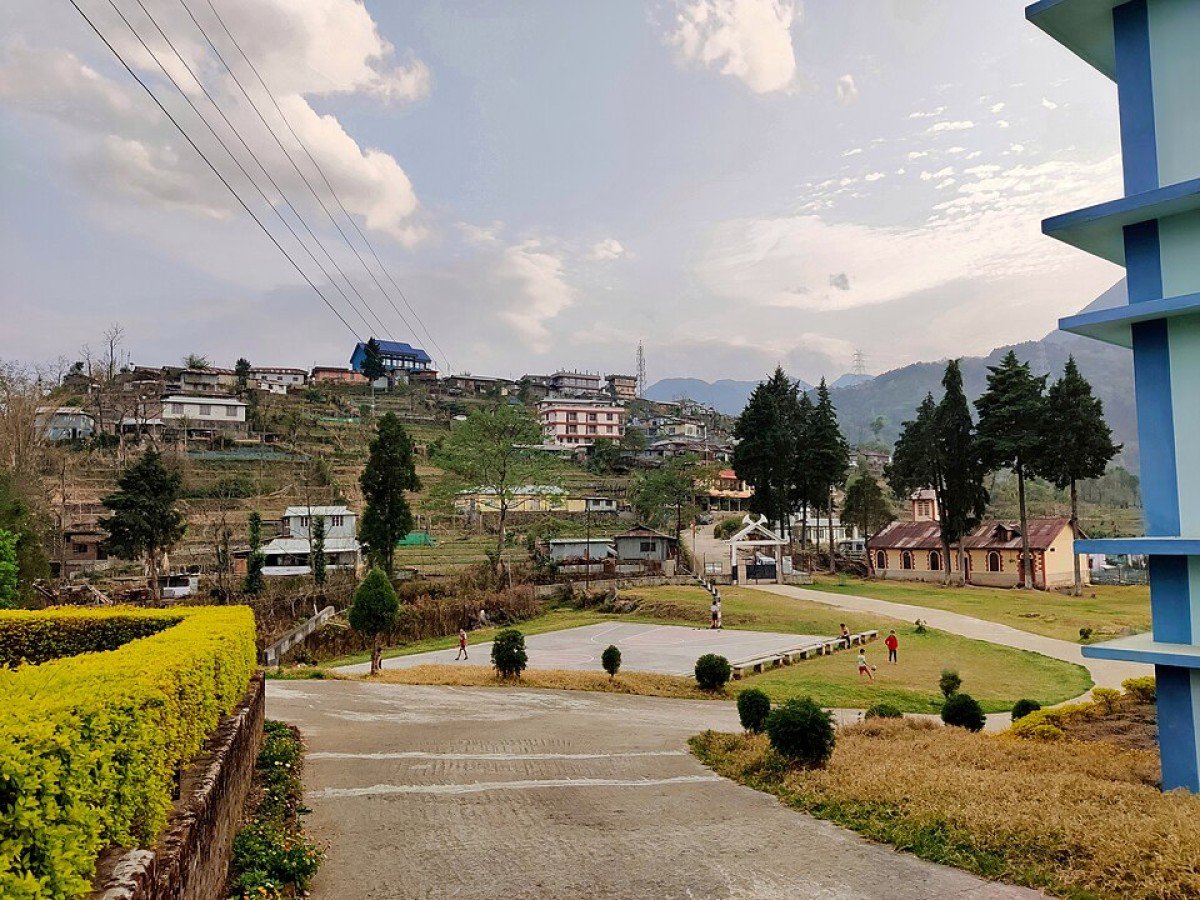
Teyozwu is a magnificent peak situated in the Viswema village area, serving as a spiritual and geographical landmark for the Angami Nagas. This pyramidal mountain is part of the lush Barail Range and stands at an elevation of approximately 2,414 meters above sea level. It is deeply rooted in the fo lklore of the Viswema people, who believe the mountain possesses a protective spirit that watches over the valley. The name is often associated with the virtue and integrity of the local community. Visitors are drawn to its unique shape, which resembles a natural pyramid covered in a mix of dense forests and rolling grasslands. The climb to the top provides a panoramic view of the surrounding hills, including the famous Dzukou Valley and Mount Japfu. The ecology here is rich, featuring various species of rhododendrons and wild lilies that bloom during the spring. Historically, the mountain served as a lookout point for villagers during ancient tribal conflicts, offering a strategic vantage over the traditional migration routes. Today, it is a haven for trekkers and nature enthusiasts looking for a quieter alternative to more commercialized trails. The local community maintains the paths with great care, ensuring that the natural beauty remains untarnished by excessive development. Walking through the trails of Teyozwu feels like a journey back in time, where the silence is only broken by the calls of rare birds and the rustling of bamboo groves. It is a place of meditation and physical challenge, embodying the rugged spirit of Nagaland.
General information
-
Ideal Duration:
1 DayPlace Type:
Mountain & NatureEntry Fees:
General Entry: There is no official ticket for the mountain, but a nominal village development fee of 50 INR may be collected by the youth society.
Guide Charges: Hiring a local expert is recommended and costs around 1000 INR per group. ...General Entry: There is no official ticket for the mountain, but a nominal village development fee of 50 INR may be collected by the youth society.
Guide Charges: Hiring a local expert is recommended and costs around 1000 INR per group.Timing:
Regular Timings: The mountain is accessible from 05:00 AM to 04:00 PM. It is strictly advised to begin the descent by 03:00 PM to reach the village before dark.
Ideal Visit Time: Sunrise is the most magical time, requiring a start at 04:00...Regular Timings: The mountain is accessible from 05:00 AM to 04:00 PM. It is strictly advised to begin the descent by 03:00 PM to reach the village before dark.
Ideal Visit Time: Sunrise is the most magical time, requiring a start at 04:00 AM.Special Events:
Te-L Khukhu Festival: Celebrated in July, this is a unique festival dedicated to the girl child. While the main celebrations are in the village, the mountain plays a symbolic role as the source of traditional flowers used for decoration.
Sekre...Te-L Khukhu Festival: Celebrated in July, this is a unique festival dedicated to the girl child. While the main celebrations are in the village, the mountain plays a symbolic role as the source of traditional flowers used for decoration.
Sekrenyi Purification: In February, villagers perform rituals that involve the mountain’s water sources, symbolizing the washing away of sins and the renewal of the community’s spirit.Best Photo Spots:
The Summit Viewpoint: Offers a 360-degree view of the Kohima district and the Manipur border. The contrast between the green valley and the blue sky is breathtaking.
The Golden Hour Trail: During sunset, the pyramid shape of the mountain c...The Summit Viewpoint: Offers a 360-degree view of the Kohima district and the Manipur border. The contrast between the green valley and the blue sky is breathtaking.
The Golden Hour Trail: During sunset, the pyramid shape of the mountain casts a massive shadow over Viswema, providing a dramatic play of light for landscape photographers.
The Rhododendron Groves: In spring, the vibrant red flowers provide a stunning foreground against the misty mountain backdrop.Photo Gallery

Things To Do
-
Trekking the Pyramidal Slopes: The primary activity is the hike to the summit, which takes about 2 to 3 hours depending on fitness levels. The trail starts with a gradual incline through potato fields and transitions into dense forest.
Bird Watching: The area is an unofficial bird sanctuary where you can spot the Great Indian Hornbill and various mountain bulbuls. Carry binoculars to spot them in the high canopy.
Nature Photography: Capture the misty mornings when the pyramid-shaped peak is shrouded in clouds, creating a surreal landscape.
Botanical Exploration: Search for the rare Dzukou Lily and seasonal wild berries that grow along the slopes.
Cultural Storytelling: Engage with local guides from Viswema who share oral histo...Trekking the Pyramidal Slopes: The primary activity is the hike to the summit, which takes about 2 to 3 hours depending on fitness levels. The trail starts with a gradual incline through potato fields and transitions into dense forest.
Bird Watching: The area is an unofficial bird sanctuary where you can spot the Great Indian Hornbill and various mountain bulbuls. Carry binoculars to spot them in the high canopy.
Nature Photography: Capture the misty mornings when the pyramid-shaped peak is shrouded in clouds, creating a surreal landscape.
Botanical Exploration: Search for the rare Dzukou Lily and seasonal wild berries that grow along the slopes.
Cultural Storytelling: Engage with local guides from Viswema who share oral histories about the "Virtuous People" and the mountain's role in their folklore.
Stargazing: The lack of light pollution makes the peak a perfect spot for observing the Milky Way during clear winter nights.
Traditional Picnic: Enjoy a packed lunch of smoked pork and sticky rice at the resting stones while overlooking the valley.
Meditation: Use the silent zones near the summit for mindfulness sessions amidst the pure mountain air.
Exploring War Trenches: Search for the remnants of old World War II trenches dug by Japanese soldiers near the base.
Flora Documentation: For researchers, the transition from temperate forest to alpine grassland offers a unique study of biodiversity.
Information
-
Why Famous:
The Pyramidal Icon: Teyozwu is legendary for its distinct pyramidal shape, which is a rare geological formation in the region. It is often called the "Guardian of Viswema" because of its towering presence over the village. The peak is also famous for its role in the "Te-L...The Pyramidal Icon: Teyozwu is legendary for its distinct pyramidal shape, which is a rare geological formation in the region. It is often called the "Guardian of Viswema" because of its towering presence over the village. The peak is also famous for its role in the "Te-L Khukhu" festival, where the call of the Koki bird from its forests signals the start of the sowing season.
Historic Heritage: It gained international attention during World War II when Japanese and Allied forces used the surrounding ridges for tactical positioning. Today, it is a pilgrimage site for those seeking to understand the ancestral origins of the Tenyimi tribes. -
Architecture:
Traditional Lookout Design: The architecture of Teyozwu is primarily natural, but the human interventions follow the traditional Angami style of trail marking and resting sheds. The stone-paved paths are built with indigenous basalt rocks, typically measuring 1. 5 meters i...Traditional Lookout Design: The architecture of Teyozwu is primarily natural, but the human interventions follow the traditional Angami style of trail marking and resting sheds. The stone-paved paths are built with indigenous basalt rocks, typically measuring 1. 5 meters in width to allow for single-file hiking. Along the route, you will find "Kezhou" or resting stones, which are large flat megaliths measuring roughly 2m x 1. 5m, placed strategically for weary travelers. At the summit, the natural plateau serves as a communal space with dimensions of about 30m x 20m.
Indigenous Hut Structures: Small bamboo shelters known as "Liekhe" are occasionally found at the base, featuring dimensions of 10ft x 12ft with high-pitched thatched roofs to drain heavy rainwater. These structures use no nails, relying on cane bindings and wooden notches, showcasing the geometric precision of Naga engineering. -
How To Reach:
By Air: The nearest airport is Dimapur (DMU), roughly 95 KMS away. From there, hire a private taxi to Viswema via the NH-29.
By Train: Dimapur Railway Station is the closest railhead. Shared Sumos are available from the station to Kohima,...By Air: The nearest airport is Dimapur (DMU), roughly 95 KMS away. From there, hire a private taxi to Viswema via the NH-29.
By Train: Dimapur Railway Station is the closest railhead. Shared Sumos are available from the station to Kohima, and then another to Viswema.
By Road: It is a 24 KMS drive from Kohima city. The road is well-maintained but winding.
By Local Transport: Shared taxis (yellow Sumos) run regularly from the BOC market in Kohima to Viswema for approximately 50 INR. -
Weather and Best Time to Visit:
Winter (October to February): The best time for clear views and trekking. Temperatures range from 5°C to 20°C.
Spring (March to May): Ideal for seeing wild lilies and rhododendrons in full bloom. The weather is pleasantly cool.
...Winter (October to February): The best time for clear views and trekking. Temperatures range from 5°C to 20°C.
Spring (March to May): Ideal for seeing wild lilies and rhododendrons in full bloom. The weather is pleasantly cool.
Monsoon (June to September): The mountain is lush green but the trails are slippery and leeches are common. -
Near Tourist Places:
1. Dzukou Valley (12 KMS), 2. Kisama Heritage Village (10 KMS), 3. Japfu Peak (8 KMS), 4. Kohima War Cemetery (25 KMS), 5. Khonoma Village (40 KMS), 6. Zakhama (15 KMS), 7. Pulebadze (30 KMS), 8. Dzulekie (55 KMS), 9. Kohima Museum (26 KMS), 10. Kezoltsa Forest (12 KMS)
Tourism Tips
-
Health & Safety: Carry basic first aid and be prepared for steep inclines. The air is thin at the top, so hydrate well.
Packing: Wear sturdy trekking boots and carry a light rain jacket even in summer.
Accommo...Health & Safety: Carry basic first aid and be prepared for steep inclines. The air is thin at the top, so hydrate well.
Packing: Wear sturdy trekking boots and carry a light rain jacket even in summer.
Accommodation: Stay in local homestays in Viswema for an authentic experience.
Cash & Connectivity: No ATMs on the mountain; the nearest is in Kigwema. Mobile signal is patchy but works at the summit.
Environmental Responsibility: Do not litter; the community is very strict about plastic waste.
Reviews
FAQs
Kigwema Itineray And Cost:-
Other Places In Kigwema :-
Other States In India :-
Information about New and Updated Locations() of Nagaland Has Been Added :-
Card subtitle
Note:-
Information provided here in good Faith and for reference only.
Near Places

Ketsiezou Watch Tower
Some quick example text to build on the card title and make up the bulk of the card's content.
Go somewhere
Kezoltsa Forest
Some quick example text to build on the card title and make up the bulk of the card's content.
Go somewhere
Kigwema Morung
Some quick example text to build on the card title and make up the bulk of the card's content.
Go somewhere
Kigwema Village
Some quick example text to build on the card title and make up the bulk of the card's content.
Go somewhere
Kisama Heritage Village
Some quick example text to build on the card title and make up the bulk of the card's content.
Go somewhere
Micro Museum Thekrunoma
Some quick example text to build on the card title and make up the bulk of the card's content.
Go somewherein Other Cities