
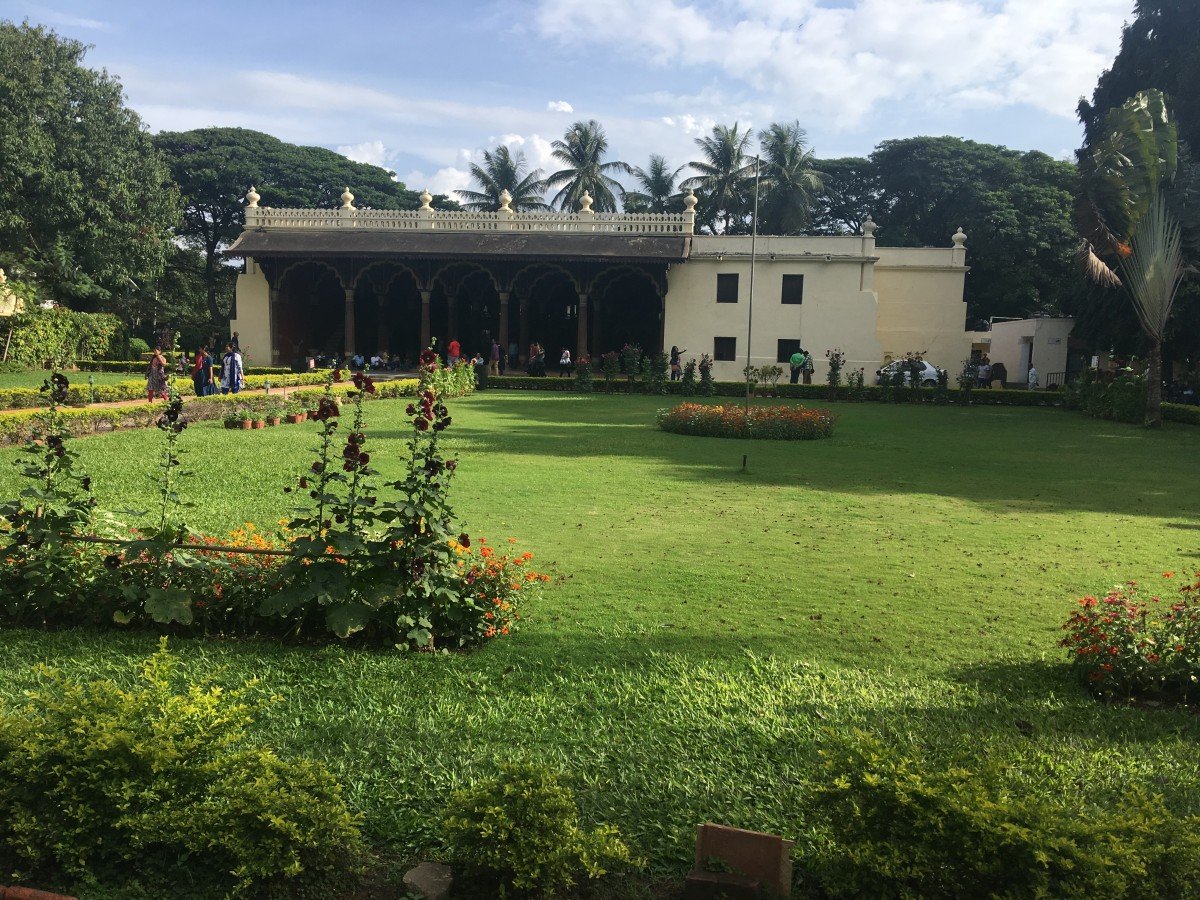
Tipu Sultan's Summer Palace
General information
-
Ideal Duration:
1 to 2 HoursPlace Type:
Historical (Palace/Monument)Entry Fees:
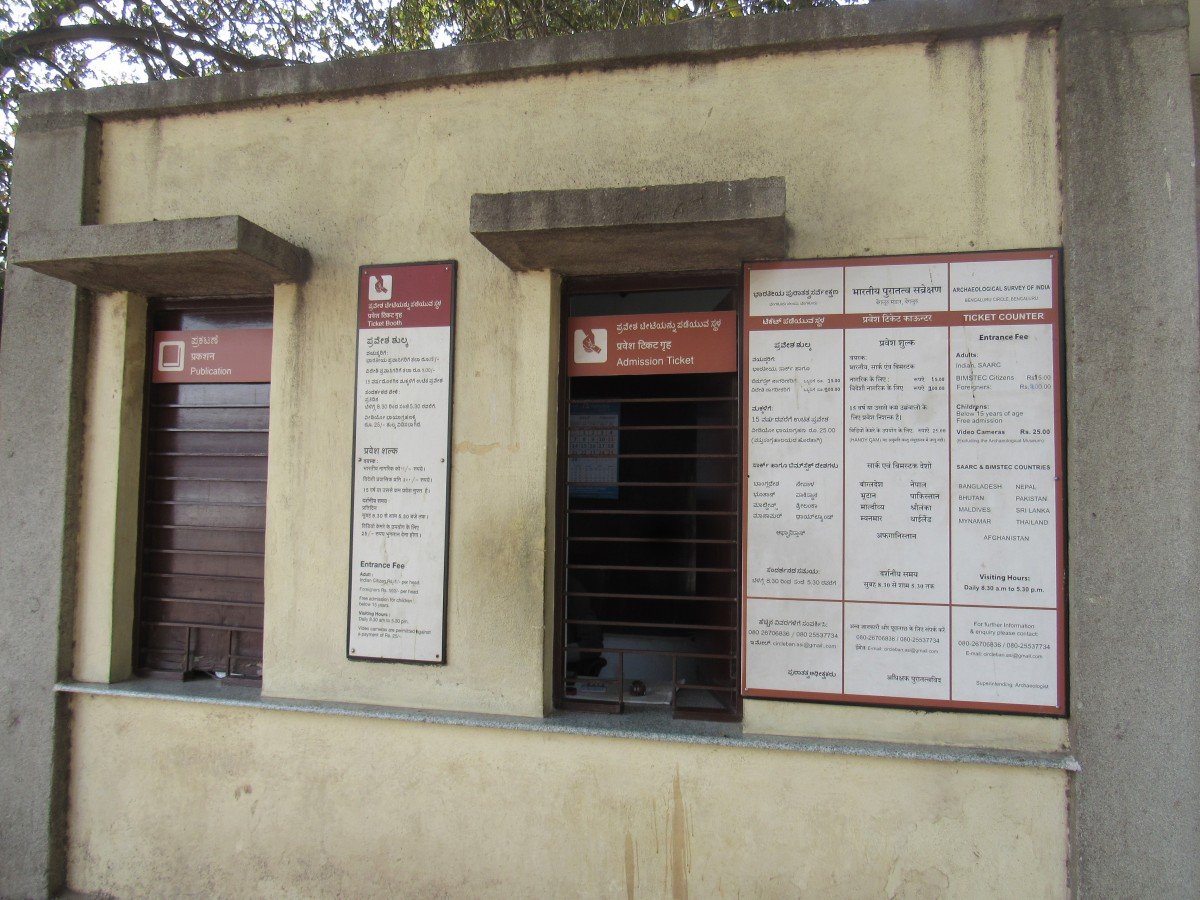
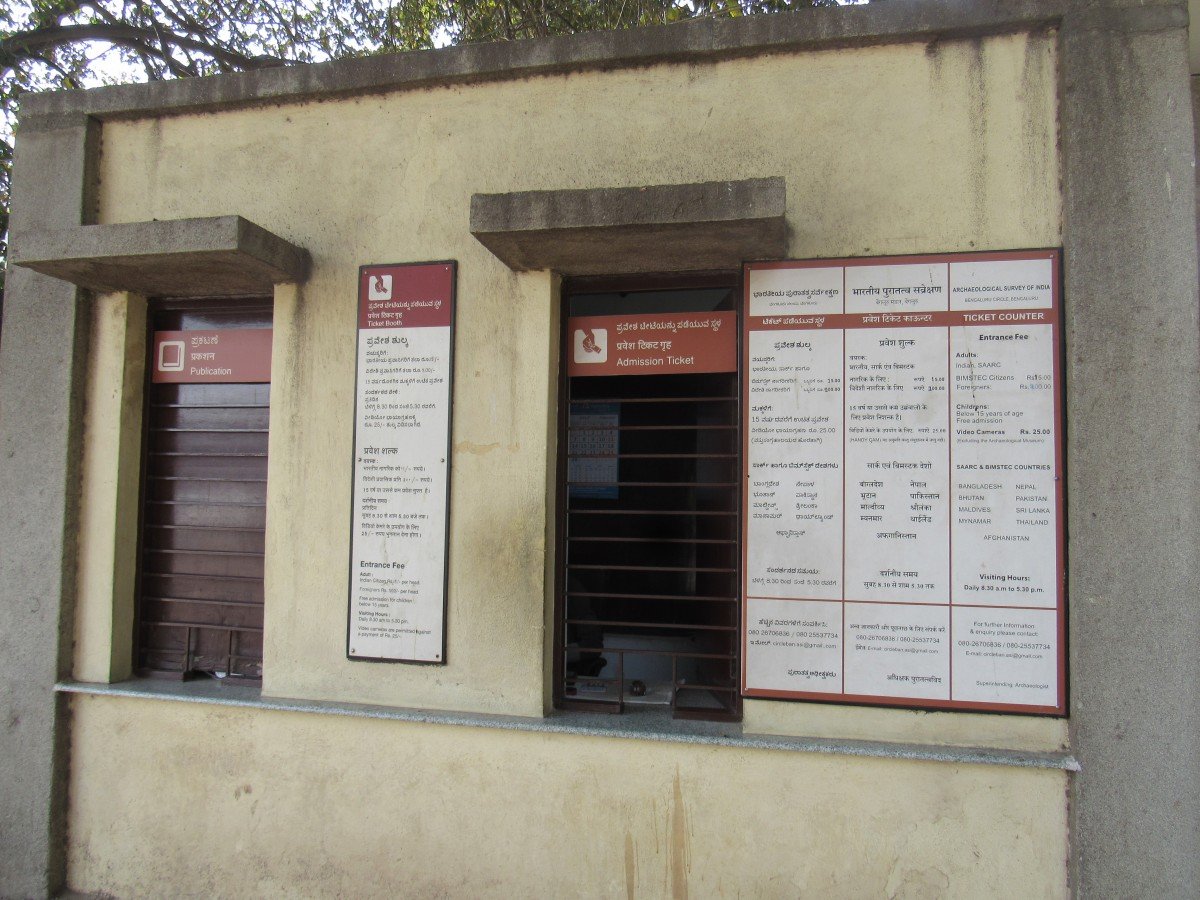
Indian Tourists Entry Fee: The entry fee for citizens of India, as well as visitors from SAARC (South Asian Association for Regional Cooperation) and BIMSTEC countries, is a nominal charge, typically around INR 15 per person. This fee is relatively low to encourage local to...Indian Tourists Entry Fee: The entry fee for citizens of India, as well as visitors from SAARC (South Asian Association for Regional Cooperation) and BIMSTEC countries, is a nominal charge, typically around INR 15 per person. This fee is relatively low to encourage local tourism.
Foreign Tourists Entry Fee: For foreign tourists, the entry fee is significantly higher, generally around INR 200 per person. This differential pricing is a common practice at many government-maintained historical sites in India.
Children and Student Policy: Children below a certain age (typically 15 years) are often allowed free entry. A lower, concessionary fee is usually applicable to students who present a valid and current student identification card.
Photography and Videography Fees: Unlike the general entry, there is a separate charge for carrying and using a camera for photography and videography. The fee for still photography is usually around INR 25. There may be a higher fee for professional videography equipment, which must be checked at the ticket counter.
Archaeological Survey of India (ASI) Maintenance: The fees collected go towards the maintenance and preservation of the palace, which is managed by the Archaeological Survey of India (ASI). The ticket counter is located near the entrance of the palace. Visitors must retain their ticket for the duration of the visit.Timing:
Regular Timings:
Daily Access: Tipu Sultan's Summer Palace is open to visitors every day of the week, including weekends and most public holidays. The standard operating hours are from 8:30 AM in the morning until 5:30 PM in the evening. Th...Regular Timings:
Daily Access: Tipu Sultan's Summer Palace is open to visitors every day of the week, including weekends and most public holidays. The standard operating hours are from 8:30 AM in the morning until 5:30 PM in the evening. This gives a broad window for daytime visits.
Ideal Visit Time:
Beat the Heat and Crowd: The ideal time to visit is early in the morning, right when the palace opens at 8:30 AM. This allows visitors to avoid the midday heat, especially in Summer and Summer-like months, and to explore the interiors and the gardens before the larger tour groups arrive.
Best for Photography:
Golden Hours: The soft light of the early morning (8:30 AM to 10:00 AM) or the late afternoon (4:00 PM to 5:30 PM) is the best for photography. The golden sunlight enhances the color and texture of the wooden carvings and the palace's painted motifs.
Timing for Museum Exploration: Plan to spend the central part of your visit inside the ground-floor museum, where the temperature is more comfortable, and you can focus on reading the historical details. This is best done mid-morning.
Duration of Stay: A comfortable visit, including a thorough look at the museum and architectural details, takes about 1. 5 to 2 hours. Since the structure is not massive, it can be easily combined with other nearby historical sites like the Bangalore Fort or KR Market in a half-day trip.
Ticket Purchase Time: Ensure you arrive well before the closing time, as the ticket counter may close slightly earlier than 5:30 PM.Special Events:
Tipu Jayanti Celebrations (Controversial): Historically, the anniversary of Tipu Sultan's birth, known as Tipu Jayanti, was an officially celebrated event in Karnataka. While often politically sensitive and sometimes controversial, events related to his life and contributio...Tipu Jayanti Celebrations (Controversial): Historically, the anniversary of Tipu Sultan's birth, known as Tipu Jayanti, was an officially celebrated event in Karnataka. While often politically sensitive and sometimes controversial, events related to his life and contributions are occasionally held at or near the palace.
Heritage and History Walks: The palace is a central point for various organized Bengaluru Heritage and history walks. These special tours, often conducted by history experts and local organizations, focus on the Mysore rule, the story of the Bangalore Fort, and the transition to British control, offering a deeper narrative than a casual visit. Commemorative Events for Hyder Ali and Tipu Sultan: Special historical seminars, lectures, or commemorative days related to the lives and military history of Hyder Ali and Tipu Sultan are sometimes organized by the Archaeological Survey of India (ASI) or local history societies within the palace precincts or the museum space.
National Celebrations: On national holidays like Independence Day and Republic Day, the palace, as a protected national monument, may host small, official ceremonies, flag hoisting, or cultural programs that highlight its role in India's heritage, adding a patriotic dimension to the visit.
Special Exhibitions in the Museum: The palace museum sometimes curates and hosts special, temporary exhibitions focused on specific aspects of the Mysore kingdom, such as their coinage, weaponry, or textiles, providing an in-depth view of a particular historical topic.Best Photo Spots:
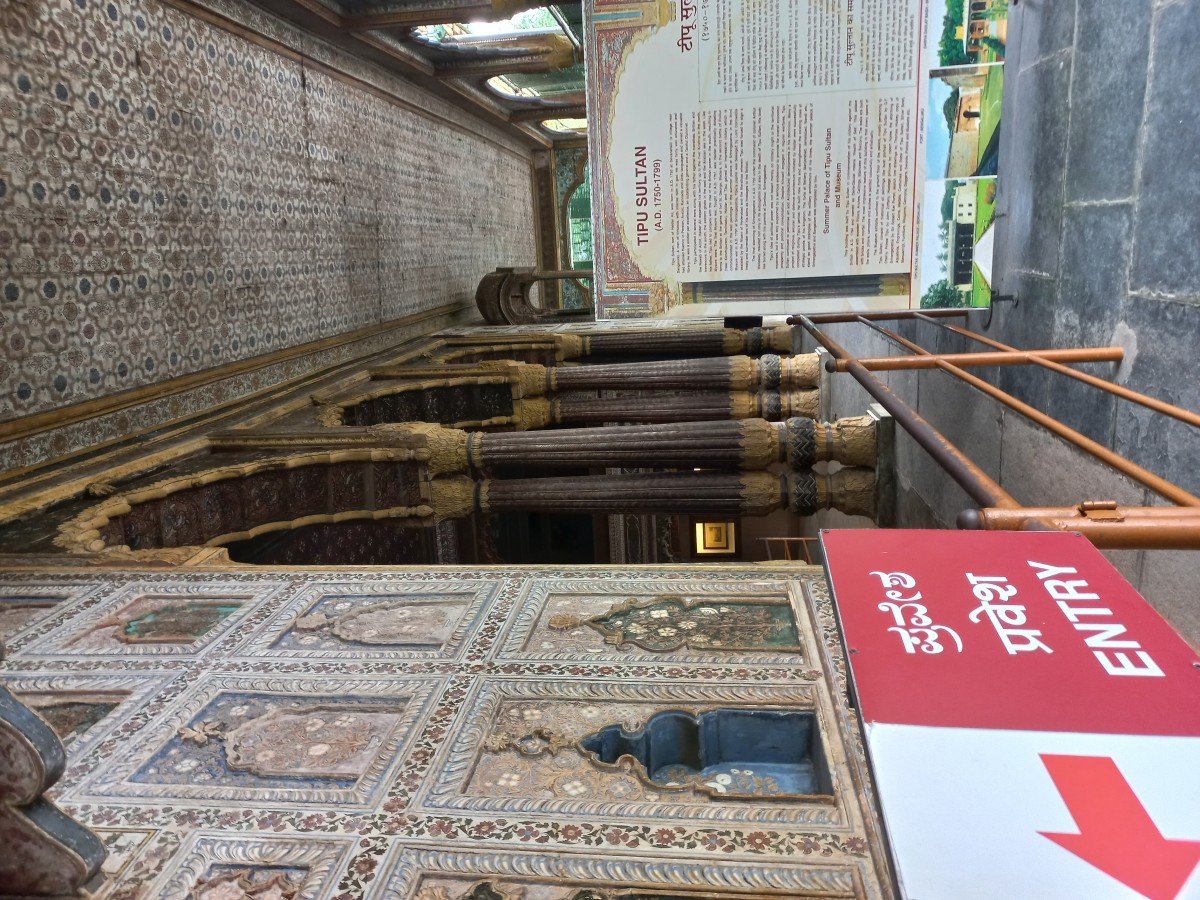
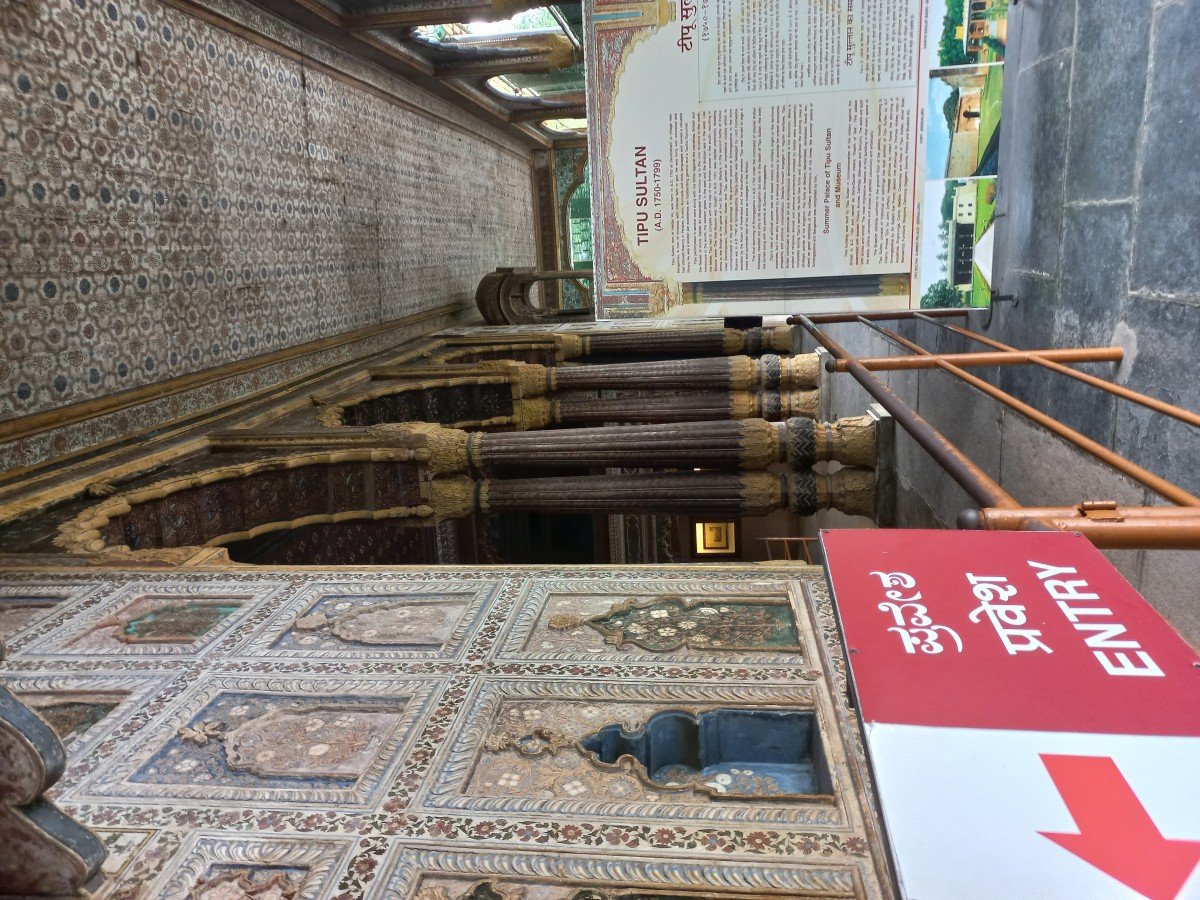
The Main Upper Hall (Diwan-e-Aam): Stand in the center of the large upper hall and frame a shot that captures the symmetry and depth created by the long row of wooden pillars and the cusped arches. This captures the essence of the palace's interior architecture.The Main Upper Hall (Diwan-e-Aam): Stand in the center of the large upper hall and frame a shot that captures the symmetry and depth created by the long row of wooden pillars and the cusped arches. This captures the essence of the palace's interior architecture.
The Faded Frescoes on the Ceiling: Use a telephoto lens or zoom in for close-up shots of the remnants of the colorful floral and geometrical frescoes on the ceiling and corners of the upper hall. These provide a historical and artistic detail that is often overlooked.
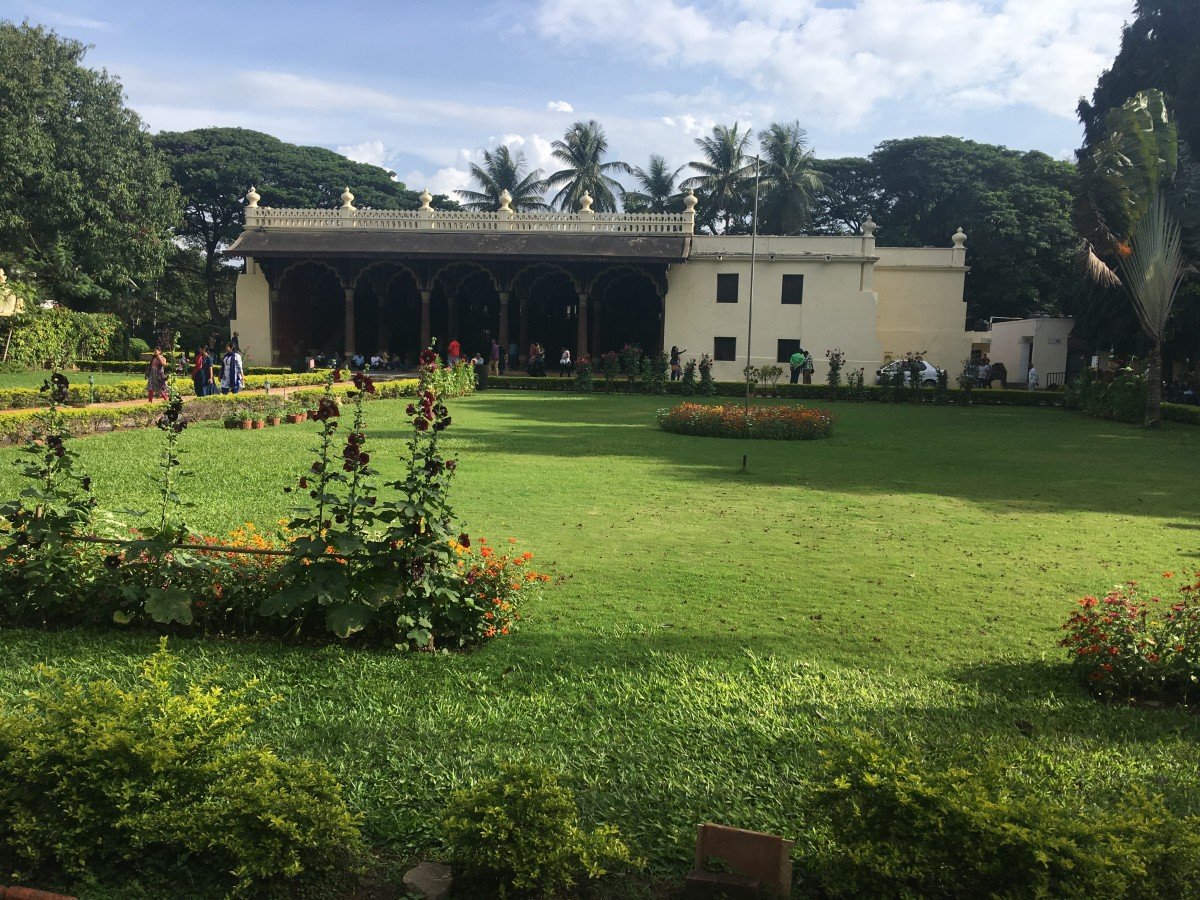
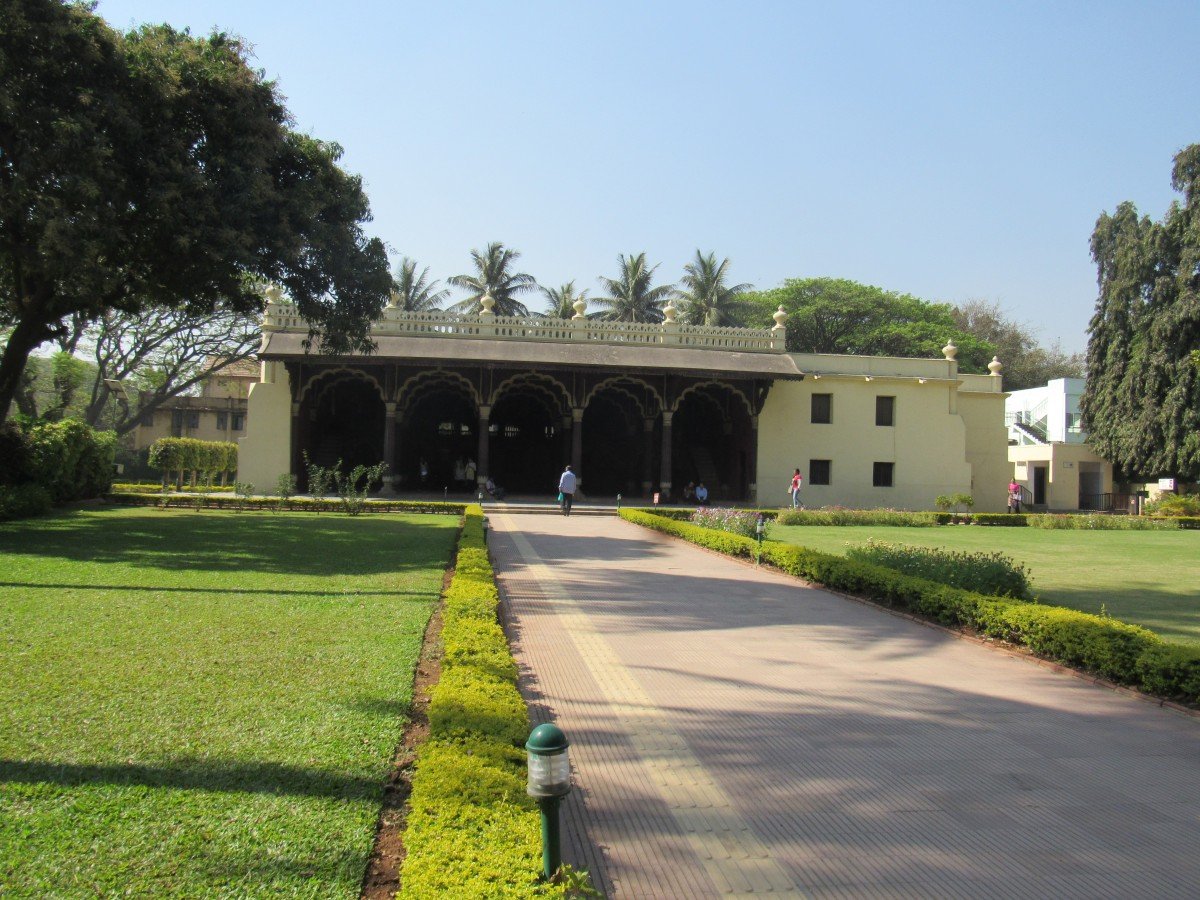
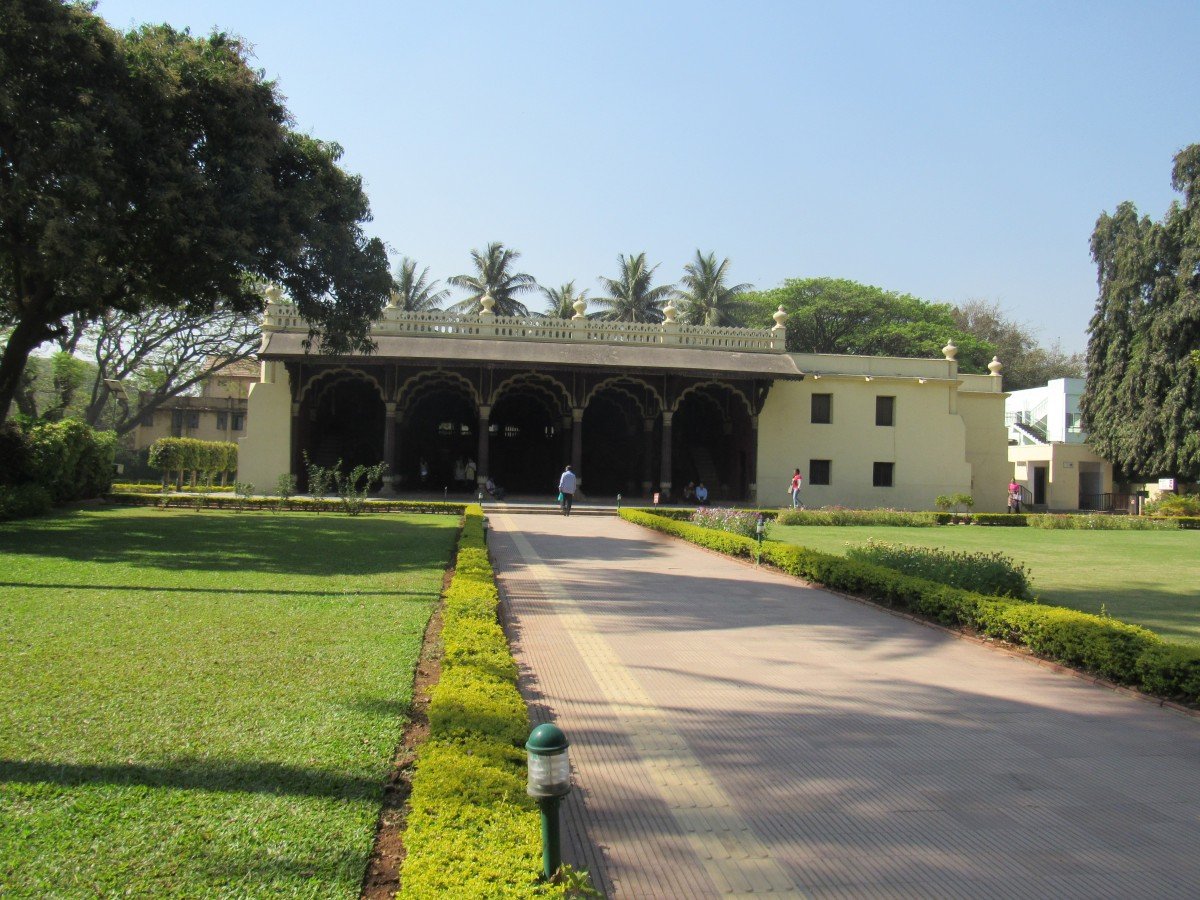
View from the Palace Garden: The small garden in front of the palace offers a perfect vantage point for a wide-angle shot of the entire two-storied structure. Frame the palace with the foreground greenery to add context and tranquility to the photograph.
The Intricate Wooden Pillar Details: Focus on close-up macro or detailed shots of the intricate carvings on the wooden pillars and the projecting balconies. The craftsmanship is best captured by isolating these details from the larger structure.
The Palace Entrance Archway: The main entrance arch, framed by the wooden structure, provides a classic composition. Stand just inside the archway to use it as a frame for the outside garden or vice versa.
The Small Museum Exhibits: The museum on the ground floor, with its display of historical artifacts like old photographs, weapons, and costumes, offers opportunities for still-life photography that captures the personal history of Tipu Sultan's era (check if indoor photography is allowed/requires a fee).
Palace against the Old Fort Wall: The contrast between the light wooden structure of the palace and the heavy, ancient stone wall of the Bangalore Fort (nearby) makes for an interesting comparison shot, highlighting the different eras of Bangalore's history.Photo Gallery

Things To Do
-
Explore the Palace Museum: The primary thing to do is visit the small but historically rich museum on the ground floor. Spend time reading the plaques and looking at the artifacts, which include clothes, weapons, coins, and portraits related to the reign of Hyder Ali and Tipu Sultan.
Admire the Wooden Architecture: Dedicate time to appreciating the exquisite Indo-Islamic architecture. Focus on the numerous wooden pillars, each topped with a decorative arch, and try to find the remaining traces of the colorful frescoes on the ceilings and walls of the upper hall.
Walk the Palace Grounds: Stroll through the small, well-maintained gardens and courtyards surrounding the palace. This provides a sense of the tranquility the palace was built for and offers good photo opportunities of the structure fr...Explore the Palace Museum: The primary thing to do is visit the small but historically rich museum on the ground floor. Spend time reading the plaques and looking at the artifacts, which include clothes, weapons, coins, and portraits related to the reign of Hyder Ali and Tipu Sultan.
Admire the Wooden Architecture: Dedicate time to appreciating the exquisite Indo-Islamic architecture. Focus on the numerous wooden pillars, each topped with a decorative arch, and try to find the remaining traces of the colorful frescoes on the ceilings and walls of the upper hall.
Walk the Palace Grounds: Stroll through the small, well-maintained gardens and courtyards surrounding the palace. This provides a sense of the tranquility the palace was built for and offers good photo opportunities of the structure from different angles.
Visit the Diwan-e-Aam Hall: Ascend the staircases to the upper floor and stand in the large open hall, the Diwan-e-Aam, which was used for public and private audiences. Imagine the historical scenes that took place here, from court proceedings to royal discussions.
Photography of the Arches: The repetitive pattern of the cusped wooden arches on both floors makes for excellent, symmetrical photography. Frame your shots to capture the depth and texture of the wooden construction.
Connect with the Bangalore Fort History: As the palace is within the original Bangalore Fort premises, take a moment to look at the remnants of the stone fort walls and gates nearby. This helps in understanding the historical context of the site as a fortified administrative center.
Reflect on Tipu Sultan's Vision: Use the visit as a chance to reflect on the life and vision of Tipu Sultan. The simplicity of this summer palace, contrasting with the grand structures of other rulers, offers an insight into his pragmatism.
Read the Historical Information Boards: Carefully read all the information boards and historical markers placed by the ASI. These provide verified facts and context about the palace's construction, use, and the specific artifacts displayed.
Sketch or Draw: The picturesque architecture and tranquil setting are ideal for travelers interested in sketching or drawing. Find a comfortable spot in the courtyard to capture the wooden details.
Enjoy the Local Cuisine in Kalasipalyam: The surrounding Kalasipalyam area is a bustling part of Old Bangalore. After the visit, explore the neighborhood to taste authentic local South Indian snacks and meals.
Information
-
Why Famous:
Tipu Sultan's Legacy: The palace is famous primarily for its association with Tipu Sultan, the legendary ruler of Mysore, also known as the "Tiger of Mysore. " It served as his summer retreat, a place for relaxation and conducting informal business, making it a tangible link...Tipu Sultan's Legacy: The palace is famous primarily for its association with Tipu Sultan, the legendary ruler of Mysore, also known as the "Tiger of Mysore. " It served as his summer retreat, a place for relaxation and conducting informal business, making it a tangible link to one of India's most fiercely independent historical figures.
Indo-Islamic Architecture: It is highly regarded as a beautiful and rare example of Indo-Islamic wooden architecture in South India. The intricate wooden carvings, painted floral motifs, and soaring arches showcase the fine craftsmanship of the 18th Century and the distinct aesthetic blend of Mughal and Mysore influences.
Historical Context and British Rule: The palace's significance extends to the period after Tipu Sultan's death in 1799, when it was used by the British for their Secretariat. This detail makes it a site where the shift of power from local rulers to the colonial administration is historically documented, offering a rich context for history enthusiasts.
Location within Bangalore Fort: Its location within the remnants of the old Bangalore Fort, originally built by Kempe Gowda I, underscores its historical value. Visitors can see the old walls and the contrasting architectural styles of the fort and the palace, making it a key landmark for understanding the city's historical evolution. -
Architecture:
Indo-Islamic Blend: The architecture of Tipu Sultan's Summer Palace is a prime illustration of the Indo-Islamic style, reflecting a blend of traditional Hindu and Mughal architectural elements. The structure is predominantly made of teak wood, which contrasts sharply with t...Indo-Islamic Blend: The architecture of Tipu Sultan's Summer Palace is a prime illustration of the Indo-Islamic style, reflecting a blend of traditional Hindu and Mughal architectural elements. The structure is predominantly made of teak wood, which contrasts sharply with the granite construction of the adjacent Bangalore Fort.
Wooden Structure and Pillars: The palace is a two-storied wooden structure supported by numerous intricately carved wooden pillars. The structure rests on a stone plinth. The ceilings and walls inside were once adorned with colorful frescoes and paintings, traces of which are still visible, especially in the central hall.
Dimensions and Layout: The palace features a rectangular layout, characterized by its wide, open verandas and four small rooms on the ground floor. The overall floor area is relatively modest for a royal residence of its time. The upper floor contains a large open hall, the Diwan-e-Aam (Public Audience Hall), with four staircases leading up to it. The palace measures approximately 170 feet long and 60 feet wide.
Arches and Balconies: The main architectural features include cusped arches on the wooden columns and projecting balconies that provide shade and ventilation. The walls of the palace are thick, designed to keep the interiors cool during the hot summer months. The use of timber signifies a departure from the heavy stone structures typical of the region, favoring lightness and detailed craftsmanship. -
How To Reach:
By Air: The nearest airport is Kempegowda International Airport Bengaluru (BLR), located about 38 to 40 kilometers from the palace. The best way to reach the palace is by hiring a pre-paid taxi, an app-based cab (Ola/Uber), or taking the BMTC Vayu Vajra airport bus to the M...By Air: The nearest airport is Kempegowda International Airport Bengaluru (BLR), located about 38 to 40 kilometers from the palace. The best way to reach the palace is by hiring a pre-paid taxi, an app-based cab (Ola/Uber), or taking the BMTC Vayu Vajra airport bus to the Majestic (Kempegowda Bus Station) area, followed by a short local auto-rickshaw ride.
By Train: The palace is very close to the major railway stations. It is approximately 3. 3 kilometers from the Bangalore City Railway Station (KSR Bengaluru) and around 3. 5 kilometers from the KSRTC Bus Stand (Majestic). The distance is easily covered by a quick auto-rickshaw or taxi ride, taking less than 15 minutes in non-peak hours.
By Road: The palace is situated on Albert Victor Road in the old city area, within the premises of the Bangalore Fort. It is accessible by road, but the immediate area around Kalasipalyam is extremely busy and congested, especially the roads leading to the bus stand and KR Market. Driving yourself is not recommended due to traffic and lack of parking.
By Local Transport:
Metro: The nearest Namma Metro station is Krishna Rajendra Market (KR Market) station on the Green Line, which is within reasonable walking distance or a very short auto-rickshaw ride (less than 1 KM).
Bus: The Kalasipalyam Bus Stand and the main Kempegowda Bus Station (Majestic) are both very close. This area is a major city bus hub, making bus travel highly convenient.
Auto-rickshaw/Taxi: Given the traffic congestion and proximity to major transport hubs, an auto-rickshaw or a ride-sharing cab is the most efficient local transport option. Ensure you specify the destination as "Tipu Sultan's Summer Palace, Fort" to avoid confusion in the busy locality. -
Weather and Best Time to Visit:
Best Season:
Winter and Post-Monsoon: The most comfortable time to visit Tipu Sultan's Summer Palace is during the Winter months, from October to February, when the weather is cool and dry. The mild temperatures allow for a pleasant stroll t...Best Season:
Winter and Post-Monsoon: The most comfortable time to visit Tipu Sultan's Summer Palace is during the Winter months, from October to February, when the weather is cool and dry. The mild temperatures allow for a pleasant stroll through the palace grounds and easier viewing of the architecture. The post-monsoon period is also very pleasant.
Monsoon Considerations: While Bengaluru's Monsoon (June to September) brings rain, the palace is largely an indoor attraction, so a light drizzle might not ruin the visit. However, the garden paths can become muddy. The humidity may also be high.
Best Time of Day:
Early Morning: The ideal time of day is the early morning, right when the palace opens at 8:30 AM. This is before the crowds arrive and, more importantly, before the heat of the day sets in, which is crucial since the palace has an open-air structure. The morning light is perfect for wooden architecture photography.
Afternoon Visit: An afternoon visit (4:00 PM to 5:30 PM) is also pleasant, offering cooler temperatures and the soft, golden light that enhances the palace's wooden texture. However, the last hour can be rushed.
Worst Time:
Midday Heat: The time between 11:00 AM and 3:00 PM can be very hot, especially in Summer (March to May). The wooden structure can radiate heat, making the visit less comfortable. -
Near Tourist Places:
Tipu Sultan's Summer Palace: 1. Bangalore Fort (Fortification) - 0. 5 KMS; 2. Krishna Rajendra (KR) Market (Local Market) - 1 KM; 3. Bull Temple (Temple) - 4 KMS; 4. Lalbagh Botanical Garden (Garden) - 3. 5 KMS; 5. Visvesvaraya Industrial & Technological Museum (Museum) - 2. 9 KMS; 6. Vidhana Soudha (View Only) - 3. 5 KMS; 7. Cubbon Park (Park) - 4 KMS; 8. Bangalore Palace (Palace) - 6 KMS; 9. ISKCON Temple (Temple) - 7 KMS; 10. Venkatappa Art Gallery (Art) - 4 KMS.
Tourism Tips
-
Health & Safety:
Watch Your Step: The old wooden staircases inside Tipu Sultan's Summer Palace can be steep and slightly worn in places, so wear sensible shoes and watch your step. The palace grounds are well-maintained, but be cautious of e...Health & Safety:
Watch Your Step: The old wooden staircases inside Tipu Sultan's Summer Palace can be steep and slightly worn in places, so wear sensible shoes and watch your step. The palace grounds are well-maintained, but be cautious of exposed tree roots in the garden area.
Packing Essentials:
Water and Camera: Carry a water bottle, especially for morning visits, as the indoor areas can get warm. A good camera is essential for capturing the wooden architectural details and the beautiful arches. A nominal fee is charged for the camera, so ensure you pay at the ticket counter.
Accommodation:
Stay Near Old Bangalore: For history lovers, staying near KR Market, Majestic, or Jayanagar will put you closer to the palace and other heritage sites like the Bangalore Fort and Bull Temple. This offers a more authentic, old-city experience.
Other Tips:
Combine with KR Market: Plan to combine your visit with a trip to the nearby, vibrant KR Market (a massive flower and vegetable market) for a unique cultural experience. Use the Metro (KR Market station) to avoid traffic. Read the information boards carefully to understand the palace's history in context. The duration of the visit is short, making it easy to schedule with other nearby places like the Lalbagh Botanical Garden.
Reviews
FAQs
Bengaluru Itineray And Cost:-
Tipu Sultan's Summer Palace Tourism:-
Other Places In Bengaluru :-
Other States In India :-
Information about New and Updated Locations() of Karnataka Has Been Added :-
Card subtitle
Note:-
Information provided here in good Faith and for reference only.
Near Places

Bangalore Palace
Some quick example text to build on the card title and make up the bulk of the card's content.
Go somewhere
Bannerghatta Biological Park
Some quick example text to build on the card title and make up the bulk of the card's content.
Go somewhere
Big Bull Temple
Some quick example text to build on the card title and make up the bulk of the card's content.
Go somewhere
Commercial Street
Some quick example text to build on the card title and make up the bulk of the card's content.
Go somewhere
Cubbon Park
Some quick example text to build on the card title and make up the bulk of the card's content.
Go somewhere
Devanahalli Fort
Some quick example text to build on the card title and make up the bulk of the card's content.
Go somewhere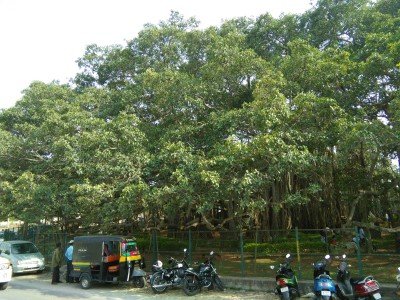
Dodda Alada Mara
Some quick example text to build on the card title and make up the bulk of the card's content.
Go somewhere
Gavi Gangadhareshwara Temple
Some quick example text to build on the card title and make up the bulk of the card's content.
Go somewhere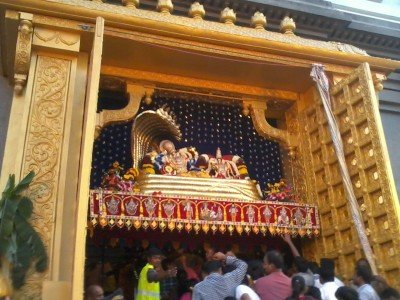
ISKCON Temple Bangalore
Some quick example text to build on the card title and make up the bulk of the card's content.
Go somewhere
Jawaharlal Nehru Planetarium
Some quick example text to build on the card title and make up the bulk of the card's content.
Go somewhere
Lalbagh Botanical Garden
Some quick example text to build on the card title and make up the bulk of the card's content.
Go somewhere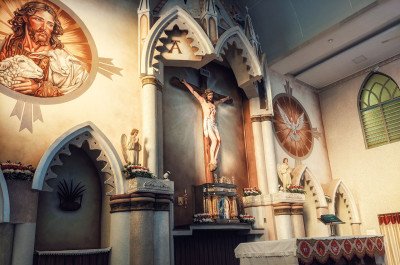
MG Road / Church Street
Some quick example text to build on the card title and make up the bulk of the card's content.
Go somewhere
Nandi Hills
Some quick example text to build on the card title and make up the bulk of the card's content.
Go somewhere
National Gallery of Modern Art
Some quick example text to build on the card title and make up the bulk of the card's content.
Go somewhere
St. Mary's Basilica
Some quick example text to build on the card title and make up the bulk of the card's content.
Go somewhere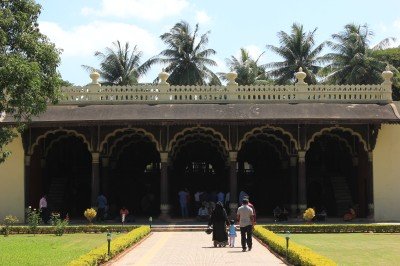
Tipu Sultan's Summer Palace
Some quick example text to build on the card title and make up the bulk of the card's content.
Go somewherein Other Cities