Rukmini Island
General information
-
Ideal Duration:
Half Day (3-4 hours on the island itself, plus travel time)Place Type:
Natural / Scenic Spot / River Island / BirdwatchinEntry Fees:
No Direct Entry Fee: As of now, there is no official entry fee or ticket required to step onto the natural landmass of Rukmini Island itself. It is a natural, open area.
Boat Charges: The main cost is the mandatory hiring of a private or sh...No Direct Entry Fee: As of now, there is no official entry fee or ticket required to step onto the natural landmass of Rukmini Island itself. It is a natural, open area.
Boat Charges: The main cost is the mandatory hiring of a private or shared country boat or steamer to reach the island from a nearby ghat (like Dhola or Sadiya). These charges are variable based on negotiation, the size of the boat, the duration of the trip, and the number of people. It can range significantly, but expect to pay between Rs.1000 and Rs.3000 for a private, dedicated boat trip, covering the return journey and waiting time.
Activity Charges: Any organized adventure sports like parasailing or specialized birdwatching tours will have separate, fixed fees charged by the private operators running the activity. These costs are purely optional.
Mandatory Donations: While there is no fee, visitors are encouraged to be respectful and might encounter local villagers seeking small voluntary donations for local upkeep or community projects, which is not an official government fee.Timing:
Regular Timings: The island itself is always open, but the best operating hours for boat services are typically from 9:00 AM to 5:00 PM. Boat travel is generally avoided after sunset for safety reasons on the wide, currents-prone river.
Ideal V...Regular Timings: The island itself is always open, but the best operating hours for boat services are typically from 9:00 AM to 5:00 PM. Boat travel is generally avoided after sunset for safety reasons on the wide, currents-prone river.
Ideal Visit Time: The ideal time to be on the island is early morning, between 9:00 AM and 11:00 AM, for the best light for photography and peak birdwatching activity, or late afternoon, from 3:00 PM to 5:00 PM, to enjoy the cooler temperatures and the sunset.
Mid-Day Heat Avoidance: The period between 11:30 AM and 2:30 PM, especially during the warmer months of March and April, should be avoided due to the intense sun and heat, as there is very little man-made shade on the sandy areas.
Closed Season: The island is practically closed (or highly inaccessible) during the peak Monsoon season (typically June to September) due to high water levels, strong currents, and potential flooding, making boat travel dangerous.Special Events:
Migratory Bird Arrival: The most significant annual event is the mass arrival of migratory birds from as early as November till March. While not a 'festival', the sheer number of birds transforms the island into a major natural spectacle, attracting serious bird enthusiasts...Migratory Bird Arrival: The most significant annual event is the mass arrival of migratory birds from as early as November till March. While not a 'festival', the sheer number of birds transforms the island into a major natural spectacle, attracting serious bird enthusiasts from all over.
Local River Festivals: Nearby towns and villages occasionally host local festivals related to the Brahmaputra River or indigenous cultures like the Bihu festival. Visitors on the island may experience the downstream effect of these celebrations, such as local boat races or unique ceremonies conducted on the riverbanks.
New Year’s Day Picnics: Due to its accessibility and beauty during winter, the island becomes a very popular spot for local families and groups for New Year’s Day picnics and gatherings, creating a lively atmosphere.Best Photo Spots:
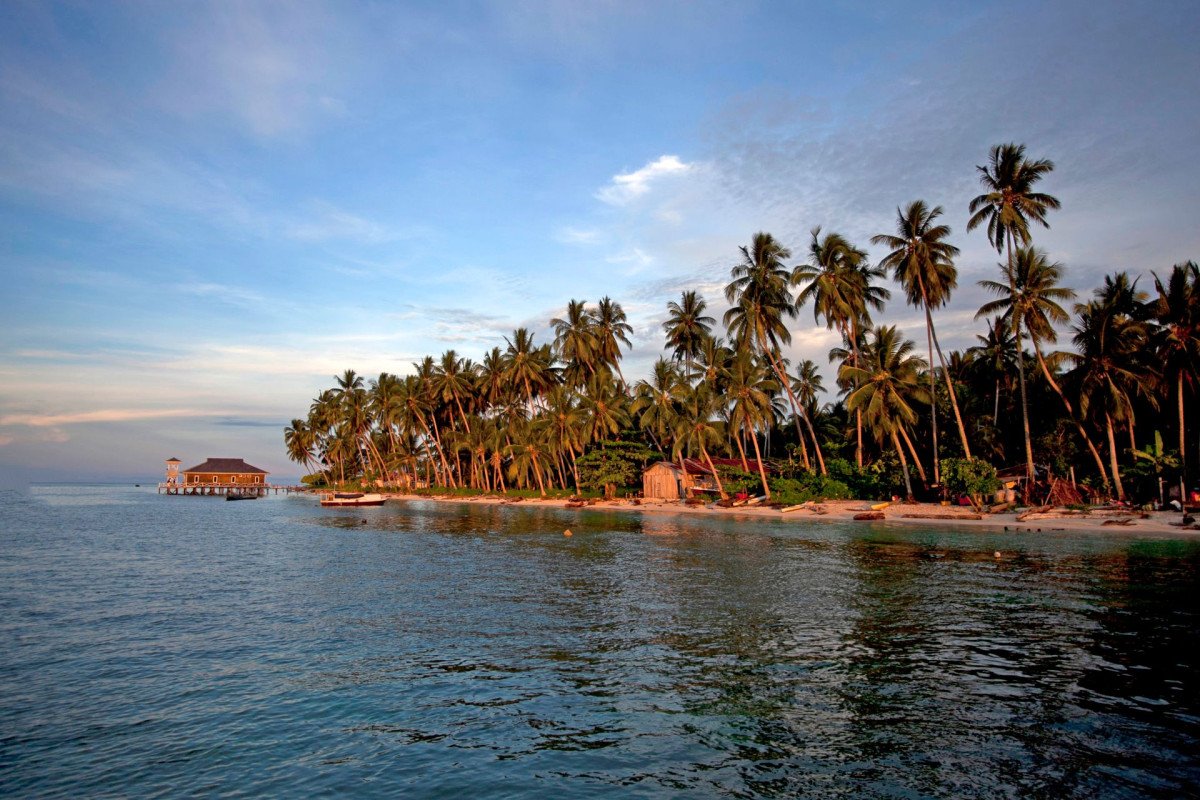
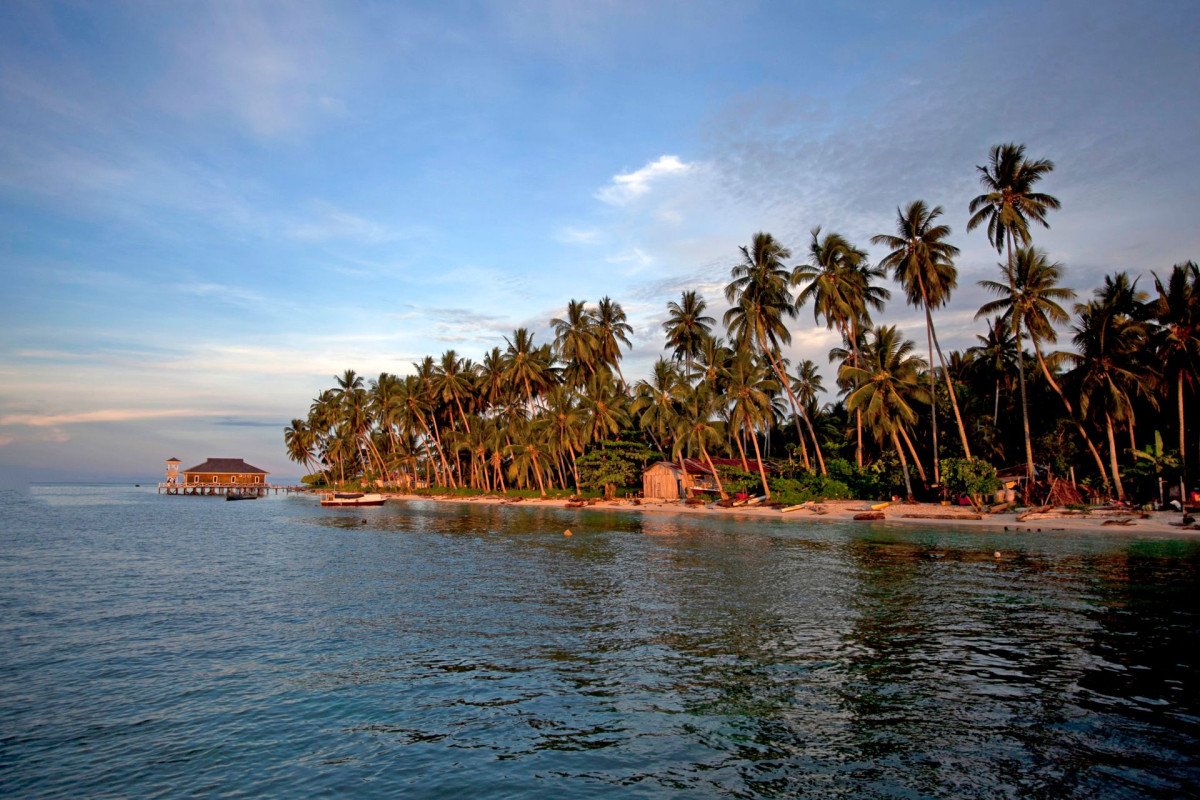
The Wide-Angle River View: The boat ride to and from the island offers the best opportunities for a panoramic shot of the Brahmaputra, capturing the vastness of the river and the isolated beauty of the island. This is especially good during the golden hour (sunrise or sunse...The Wide-Angle River View: The boat ride to and from the island offers the best opportunities for a panoramic shot of the Brahmaputra, capturing the vastness of the river and the isolated beauty of the island. This is especially good during the golden hour (sunrise or sunset).
The Bird Photography Hides: Specific areas where the migratory birds congregate (often in the shallow areas or near the vegetation) are excellent spots for close-up wildlife photography. A telephoto lens is essential here to capture birds like the Ruddy Shelduck or various waders.
Driftwood and Sand Formations: The unique patterns of the soft river sand, combined with the scattered pieces of driftwood left behind by the receding river, make for artistic minimalist photographs and close-up texture shots.
Human Element in Nature: Capturing the image of a solitary boatman, a local fisherman casting his net, or a small group picnicking against the backdrop of the massive river beautifully tells the story of human life intertwined with the Brahmaputra.Photo Gallery
Things To Do
-
Birdwatching and Photography: This is a key activity. Carry binoculars and a good camera to spot and photograph migratory birds like the Bar-headed Goose, various types of ducks, and other local avian fauna. The vast, open skies and sandy shores provide excellent light conditions.
Picnicking and Relaxation: The expansive, clean sandbanks are ideal for laying out a mat and enjoying a peaceful picnic. It's the perfect place to read a book, meditate, or simply watch the river flow, embracing the deep sense of tranquility.
River Cruise and Dolphin Sighting: Hire a boat for a short cruise around the island. This increases your chances of spotting the rare and elusive Ganges River Dolphin (known locally as Susu), an incredible wildlife experience.
Leisurely Walks on Sa...Birdwatching and Photography: This is a key activity. Carry binoculars and a good camera to spot and photograph migratory birds like the Bar-headed Goose, various types of ducks, and other local avian fauna. The vast, open skies and sandy shores provide excellent light conditions.
Picnicking and Relaxation: The expansive, clean sandbanks are ideal for laying out a mat and enjoying a peaceful picnic. It's the perfect place to read a book, meditate, or simply watch the river flow, embracing the deep sense of tranquility.
River Cruise and Dolphin Sighting: Hire a boat for a short cruise around the island. This increases your chances of spotting the rare and elusive Ganges River Dolphin (known locally as Susu), an incredible wildlife experience.
Leisurely Walks on Sandy Shores: Take a long, refreshing walk along the island's perimeter. The feeling of soft sand beneath your feet, with the river breeze, is very rejuvenating. These walks also offer the best chances for collecting unique river stones or driftwood.
Adventure Sports - Parasailing: Some local operators, especially during the peak winter season, offer adventure activities like parasailing from the extensive sandbanks, providing a thrilling, aerial view of the island and the river.
Cultural Interaction: Engage with the boatmen or the few local inhabitants to learn about their riverine lifestyle, the folklore of the Brahmaputra, and the challenges and beauty of their existence.
Star Gazing and Camping (Seasonal): If local regulations permit overnight stays or if organized camps are available (check in advance), the island’s remoteness from city lights makes it an excellent spot for star gazing, offering a clear view of the night sky.
Nature Journaling: The serene and inspiring environment is ideal for those who enjoy sketching, painting, or writing, providing a quiet space for creative expression inspired by the raw power of nature.
Information
-
Why Famous:
Birdwatching Paradise: The primary reason for its fame is its status as a vital habitat for both indigenous and migratory birds. During the winter months (November to March), numerous species flock here, turning the island into a spectacular sight for ornithologists. This ...Birdwatching Paradise: The primary reason for its fame is its status as a vital habitat for both indigenous and migratory birds. During the winter months (November to March), numerous species flock here, turning the island into a spectacular sight for ornithologists. This makes it a crucial spot along the Asian flyway.
Serenity and Tranquility: Unlike typical bustling tourist destinations, Rukmini Island is renowned for its untouched peace. It provides a genuine sanctuary, allowing visitors to disconnect from urban life and enjoy the sounds of nature, which is a rare commodity in modern travel.
The Brahmaputra Experience: Being situated in the middle of the mighty Brahmaputra River is a major draw. The boat ride to the island itself is an experience, offering breathtaking views of the river's expanse and the surrounding landscape. It gives a unique perspective of Assam's lifeline river. The island is also one of the few places where glimpses of the highly endangered Ganges River Dolphin can occasionally be caught. -
Architecture:
Natural Riverine Architecture: The term 'architecture' for Rukmini Island refers not to man-made structures but to its unique natural geo-morphological formation as a chapori or a river island. This natural architecture is a dynamic outcome of the Brahmaputra River's shifti...Natural Riverine Architecture: The term 'architecture' for Rukmini Island refers not to man-made structures but to its unique natural geo-morphological formation as a chapori or a river island. This natural architecture is a dynamic outcome of the Brahmaputra River's shifting course and sedimentation process. Its structure is constantly being shaped by the forces of erosion and deposition.
Ecological Design and Dimensions: The island is roughly estimated to cover an area of around 3. 25 Square Kilometers, though this dimension is subject to change based on the season and river water levels. The island’s surface is primarily composed of alluvial soil and sandbanks, which support a distinct type of vegetation—mainly riverine forests, tall grasses, and scrubland. The sandbanks and beaches form the coastal edge of this architecture, offering wide-open spaces. The interior features a dense cover of vegetation, serving as a natural shelter for wildlife, including birds and animals. The overall landscape design is one of gentle slopes leading down to the water, punctuated by clusters of hardy trees that can withstand the river environment. This natural architecture showcases the powerful, yet delicate, balance of a large river system. -
How To Reach:
By Air: The nearest major airport is Dibrugarh Airport (DIB), which is approximately 40 KMS from Tinsukia town center. From the airport, hire a pre-paid taxi or a cab to reach Tinsukia. From Tinsukia, one must travel by road to the nearest suitable ghat (river bank), such ...By Air: The nearest major airport is Dibrugarh Airport (DIB), which is approximately 40 KMS from Tinsukia town center. From the airport, hire a pre-paid taxi or a cab to reach Tinsukia. From Tinsukia, one must travel by road to the nearest suitable ghat (river bank), such as the Dhola Ghat or a similar launching point, which can be another 50-70 KMS.
By Train: The island's accessibility relies on the road and boat from a nearby town. The most convenient railway station is Tinsukia Junction (TSK), a major railhead connected to key cities like Guwahati, Kolkata, and Delhi. From Tinsukia station, hire a local cab or auto-rickshaw to the bus stand or a private taxi directly to the river ghat for the boat ride.
By Road: Tinsukia is well-connected by National Highways. State-run buses and private luxury buses operate frequently from major towns in Assam like Guwahati and Dibrugarh. From Tinsukia, hire a taxi or local transport (like a public jeep or Trekker service) to the specific river ghat from where boats operate. The road journey to the ghat will take over an hour.
By Local Transport: From Tinsukia town, the journey to the river ghat is best done by hired private taxis or auto-rickshaws for direct service. Shared public jeeps (often called Trekker or similar) run along the main routes toward the river banks, which is a cheaper but slower option. The final leg is exclusively by country boat or small steamer from the ghat. Always negotiate the return fare and waiting time with the boat operator before departure. -
Weather and Best Time to Visit:
Different Types of Seasons: The best time to visit is the Winter Season, specifically from November to April. The weather is cool, dry, and highly pleasant, with temperatures ranging from 10°C to 25°C. This period also coincides with the arrival of migratory birds. The ...Different Types of Seasons: The best time to visit is the Winter Season, specifically from November to April. The weather is cool, dry, and highly pleasant, with temperatures ranging from 10°C to 25°C. This period also coincides with the arrival of migratory birds. The Summer Season (April to May) is hot, but still manageable, though the bird activity is less. The Monsoon Season (June to October) is the worst time to visit due to heavy rainfall, potential flooding, strong river currents, and limited or suspended boat access.
Different Parts of the Day: Early Morning (9:
00 AM onwards): Ideal for birdwatching and photography due to the soft light and high activity levels of wildlife. Mid-Day (11:00 AM to 3:00 PM) Best for leisurely picnics and enjoying the open space, but be prepared for strong sunlight; carry sun protection. Late Afternoon (3:00 PM to 5:00 PM) Perfect for relaxing on the sandbanks, watching the river, and capturing the beautiful sunset over the Brahmaputra before heading back to the mainland. -
Near Tourist Places:
1.
Dibru-Saikhowa National Park: (Approx. 30 KMS) - A major biodiversity hotspot for wildlife safari and feral horses. 2.
Maguri Motapung Beel: (Approx. 30 KMS) - A significant wetland area, excellent for birdwatching. 3.
Tilinga Mandir (Bell Temple): (Approx. 45 KMS) - A unique Hindu temple where devotees tie bells. 4.
Bherjan-Borajan-Padumoni Wildlife Sanctuary: (Approx. 15 KMS) - A small sanctuary known for Hoolock Gibbons. 5.
Na-Pukhuri (Nine Ponds): (Approx. 5 KMS in Tinsukia) - Historical set of nine ponds in the city. 6.
Shiv Dham Tinsukia: (Approx. 5 KMS in Tinsukia) - A prominent Shiva temple in the city. 7.
Digboi Centenary Park & War Cemetery: (Approx. 60 KMS) - Historical oil town and cemetery. 8.
Ledo and Margherita: (Approx. 80-100 KMS) - Historical towns at the end of the Stilwell Road. 9.
Joypur Rainforest: (Approx. 100 KMS) - A dense rainforest area for trekking and nature walks. 10.
Guijan Ghat: (Approx. 20 KMS) - Another popular point to take a boat ride for wildlife viewing in Dibru-Saikhowa.
Tourism Tips
-
Health & Safety: Always carry bottled water and necessary medications. The strong river currents make swimming unsafe and should be strictly avoided. Insect repellent is a must, especially near the vegetation. Follow the boat operator’s instructions strictly during the ...Health & Safety: Always carry bottled water and necessary medications. The strong river currents make swimming unsafe and should be strictly avoided. Insect repellent is a must, especially near the vegetation. Follow the boat operator’s instructions strictly during the river crossing.
Packing Essentials: Carry sun protection items like a hat, sunglasses, and high-SPF sunscreen. Wear comfortable, durable footwear suitable for walking on sand. Binoculars and a good camera with a zoom lens are highly recommended for the birdlife. A light jacket might be needed during the winter mornings and evenings.
Accommodation: Accommodation is not available on the island itself, as it is largely uninhabited. Visitors must stay in nearby towns like Tinsukia or Dibrugarh. Tinsukia offers a range of hotels and lodges. Book accommodation in advance, especially during the peak winter season.
Other Tips - Environmental Care: Do not litter; carry back all your trash. Respect the silence and natural environment, especially near bird habitats. It’s advisable to hire a local guide or a knowledgeable boatman who can provide insights into the area's ecology and culture, enriching your experience. Always negotiate the boat fare clearly before the journey.
Reviews
FAQs
Tinsukia Itineray And Cost:-
Information about New and Updated Locations() of Assam Has Been Added :-
Card subtitle
Note:-
Information provided here in good Faith and for reference only.
All information and pictures will be updated soon, please keep visiting.
Near Places

Bherjan-Borajan-Padumoni Wildlife Sanctuary
Some quick example text to build on the card title and make up the bulk of the card's content.
Go somewhere
Chauldhuwa Pukhuri
Some quick example text to build on the card title and make up the bulk of the card's content.
Go somewhere
Dehing Patkai National Park
Some quick example text to build on the card title and make up the bulk of the card's content.
Go somewhere
Dibru-Saikhowa National Park
Some quick example text to build on the card title and make up the bulk of the card's content.
Go somewhere
Doomdooma
Some quick example text to build on the card title and make up the bulk of the card's content.
Go somewhere
Historic Lekhapani Station Tomb
Some quick example text to build on the card title and make up the bulk of the card's content.
Go somewhere
Ledo
Some quick example text to build on the card title and make up the bulk of the card's content.
Go somewhere
Maguri Motapung Beel
Some quick example text to build on the card title and make up the bulk of the card's content.
Go somewhere
Margherita Sunset Point
Some quick example text to build on the card title and make up the bulk of the card's content.
Go somewhere
Margherita
Some quick example text to build on the card title and make up the bulk of the card's content.
Go somewherein Other Cities