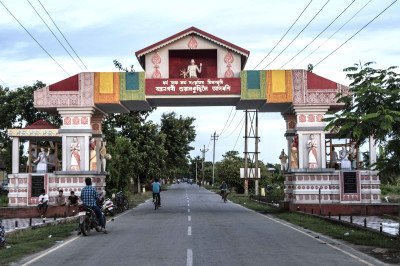
Travel Tips Of Sualkuchi Gate
Tourism Tips
Packing Essentials for a Day Trip: (Approx. 100 words) Since Sualkuchi is typically visited as a day trip from Guwahati, pack light. Essential items include cash (many small workshops and local eateries do not accept digital payments), your camera and extra batteries for the extensive photo opportunities, and a light shawl or stole to show respect when entering religious places. In winter (November to February), carry a light jacket or shawl. If traveling during the monsoon, an umbrella or rain poncho is non-negotiable. Don't forget a small notebook to jot down the names of the silk types or the local weaving terminology you learn.
Accommodation Strategy: (Approx. 100 words) The village of Sualkuchi has limited accommodation options suitable for international or standard domestic tourists; it is primarily designed for a day visit. The best tourism tip is to base yourself in Guwahati (about 30 KMS away). Guwahati offers a wide range of hotels, from budget guesthouses to luxury hotels. This allows you to travel to Sualkuchi early in the morning, spend the full day exploring, and return to comfortable amenities in the evening. Staying in Guwahati also makes for easier access to the airport and railway station for onward travel.
Cultural Etiquette and Other Tips: (Approx.
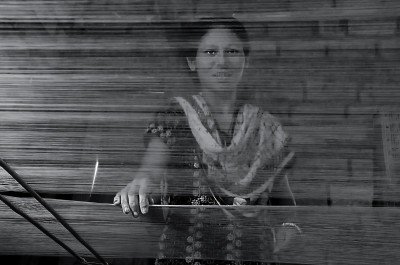
100 words) Respect the Weavers' Privacy: Always ask permission before entering a home-workshop or taking a close-up photo of a weaver. They are generally welcoming, but it is their workplace. Engage in conversation—ask about the Muga silkworm's diet (Som and Soalu leaves) or the time it takes to weave a Mekhela Chador. Bargain respectfully at the silk shops; while prices are fair, polite negotiation is acceptable. Do not litter; help preserve the pristine nature of this heritage village. Finally, consider hiring a local guide at the entrance, as they can provide context, bridge the language barrier, and lead you to the most authentic weaving units.
Sualkuchi Itineray And Cost:-
Other Places In Sualkuchi Gate :-
Information about New and Updated Locations() of Assam Has Been Added :-
Card subtitle
Note:-
Information provided here in good Faith and for reference only.
Near Places
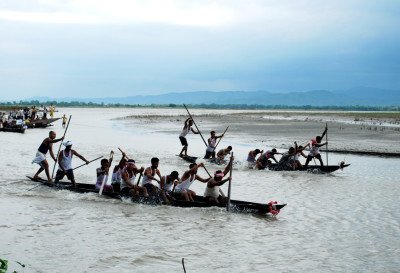
Brahmaputra River Bank
Some quick example text to build on the card title and make up the bulk of the card's content.
Go somewhere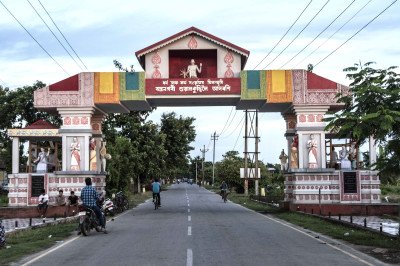
Dampur Pahar
Some quick example text to build on the card title and make up the bulk of the card's content.
Go somewhere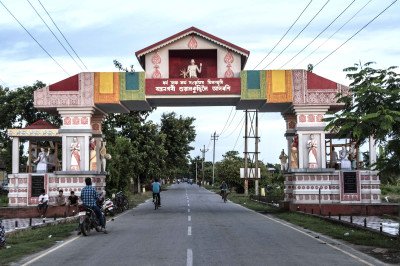
Dokhola Palashbari View Point
Some quick example text to build on the card title and make up the bulk of the card's content.
Go somewhere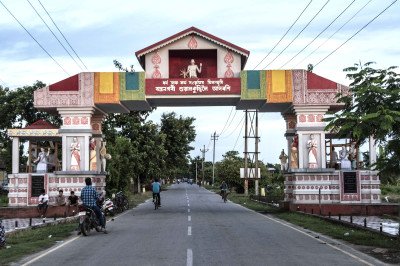
Hatisatra
Some quick example text to build on the card title and make up the bulk of the card's content.
Go somewhere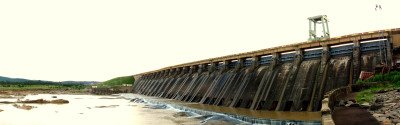
Hirapara River View Point
Some quick example text to build on the card title and make up the bulk of the card's content.
Go somewhere
Kanai Barashi Rock Inscription
Some quick example text to build on the card title and make up the bulk of the card's content.
Go somewhere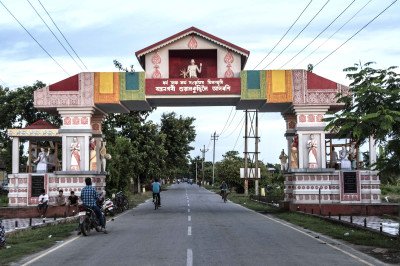
Northbrook Gate
Some quick example text to build on the card title and make up the bulk of the card's content.
Go somewhere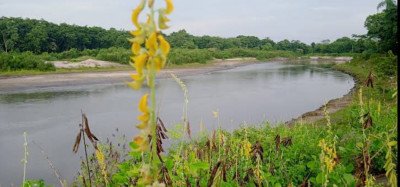
Puthimari River View Point
Some quick example text to build on the card title and make up the bulk of the card's content.
Go somewhere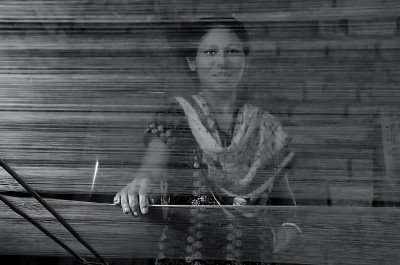
River View Point
Some quick example text to build on the card title and make up the bulk of the card's content.
Go somewhere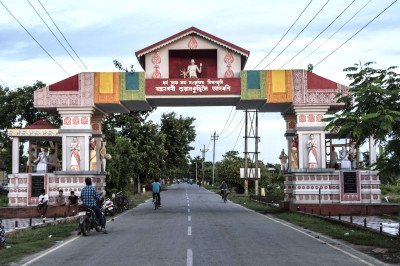
Sualkuchi Gate
Some quick example text to build on the card title and make up the bulk of the card's content.
Go somewhere