Chittorgarh Fort
General information
-
Ideal Duration:
4 to 6 hours (A full day is recommended)Place Type:
Fort / Heritage SiteEntry Fees:
Fort Entry Ticket Structure: The main entry fee for Chittorgarh Fort is managed by the Archaeological Survey of India (ASI). For Indian citizens, the fee is typically around Rs.50 per person. For Foreign nationals, the fee is substantially higher, generally around Rs.600 per ...Fort Entry Ticket Structure: The main entry fee for Chittorgarh Fort is managed by the Archaeological Survey of India (ASI). For Indian citizens, the fee is typically around Rs.50 per person. For Foreign nationals, the fee is substantially higher, generally around Rs.600 per person. Separate, reduced fees are often available for children and students upon presenting valid ID. Tickets can sometimes be purchased online through the ASI portal, which is recommended to avoid queues, especially during peak season (October to March).
Light and Sound Show Charges: A separate ticket must be purchased to attend the evening Light and Sound Show. These tickets are typically priced at around Rs.100 per person. The fee covers the cost of the technological setup and the cultural performance, which narrates the fortRs.s legendary history. It is advisable to buy these tickets in advance or immediately upon arrival as seating is limited.
(Word Count: ~100/200)Timing:
Regular Timings:
Daily Operations: The Chittorgarh Fort is generally open to visitors daily from 9:00 AM to 6:00 PM. Within the fort complex, the Fateh Prakash Palace Museum usually has slightly different operating hours, often opening arou...Regular Timings:
Daily Operations: The Chittorgarh Fort is generally open to visitors daily from 9:00 AM to 6:00 PM. Within the fort complex, the Fateh Prakash Palace Museum usually has slightly different operating hours, often opening around 9:45 AM and closing at 5:45 PM. The gates are typically closed after the last entry for the Light and Sound Show, which takes place after Sunset (around 7:00 PM to 8:00 PM), so planning for the exit is crucial.
Ideal Visit Time:
Optimal Experience: The Ideal Visit Time is during the Winter months, from October to March, when the weather is pleasant and comfortable for extensive walking under the open sky. Within the day, the Early Morning hours (9:00 AM to 11:00 AM) are best to avoid the heat of the day and the peak crowds. Visiting during this time allows for the best photography and a more serene experience of the historical monuments before the tourist buses arrive.
(Word Count: ~100/200)Special Events:
The Annual Jauhar Mela: The most significant special event is the annual Jauhar Mela (Fair), typically held in February or March (often around March) on the anniversary of one of the Jauhars (though traditionally commemorating the second one led by Rani Karnawati in 1535 AD...The Annual Jauhar Mela: The most significant special event is the annual Jauhar Mela (Fair), typically held in February or March (often around March) on the anniversary of one of the Jauhars (though traditionally commemorating the second one led by Rani Karnawati in 1535 AD). This festival is a massive congregation of the Rajput community and tourists. The main event involves a procession, a large assembly to commemorate the bravery of the ancestors, and the celebration of the supreme sacrifice made by the warriors and women of Chittorgarh. It is a day of deep emotional and cultural significance for the Rajputs, emphasizing their heritage of honor and courage. The atmosphere is solemn and powerful, offering a direct cultural link to the fort's tumultuous history.
Best Photo Spots:
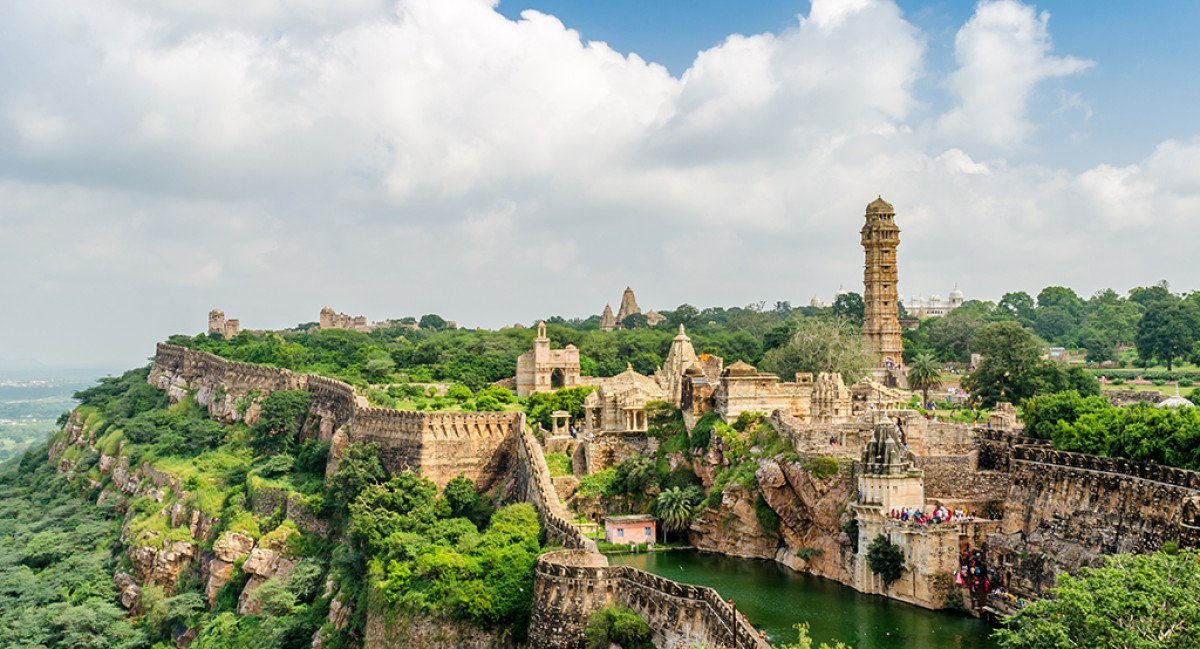
The View from Vijay Stambh Top: The highest point on the accessible portion of the Vijay Stambh provides a stunning 360-degree panoramic vista. This is the ultimate spot for wide-angle shots of the sprawling fort complex, the various ruins, and the Chittorgarh town stretch...The View from Vijay Stambh Top: The highest point on the accessible portion of the Vijay Stambh provides a stunning 360-degree panoramic vista. This is the ultimate spot for wide-angle shots of the sprawling fort complex, the various ruins, and the Chittorgarh town stretching into the distant plains. The view is particularly dramatic during the golden hours of Sunrise or Sunset.
Reflection at Padmini's Palace Moat: The white, three-storied Padmini's Palace, strategically placed amidst a water body, offers a picturesque opportunity to capture its beautiful reflection. Photographers should aim to capture the chhatris (pavilions) on the roof and the symmetry created by the reflection in the water. This spot is visually best in the soft morning light.
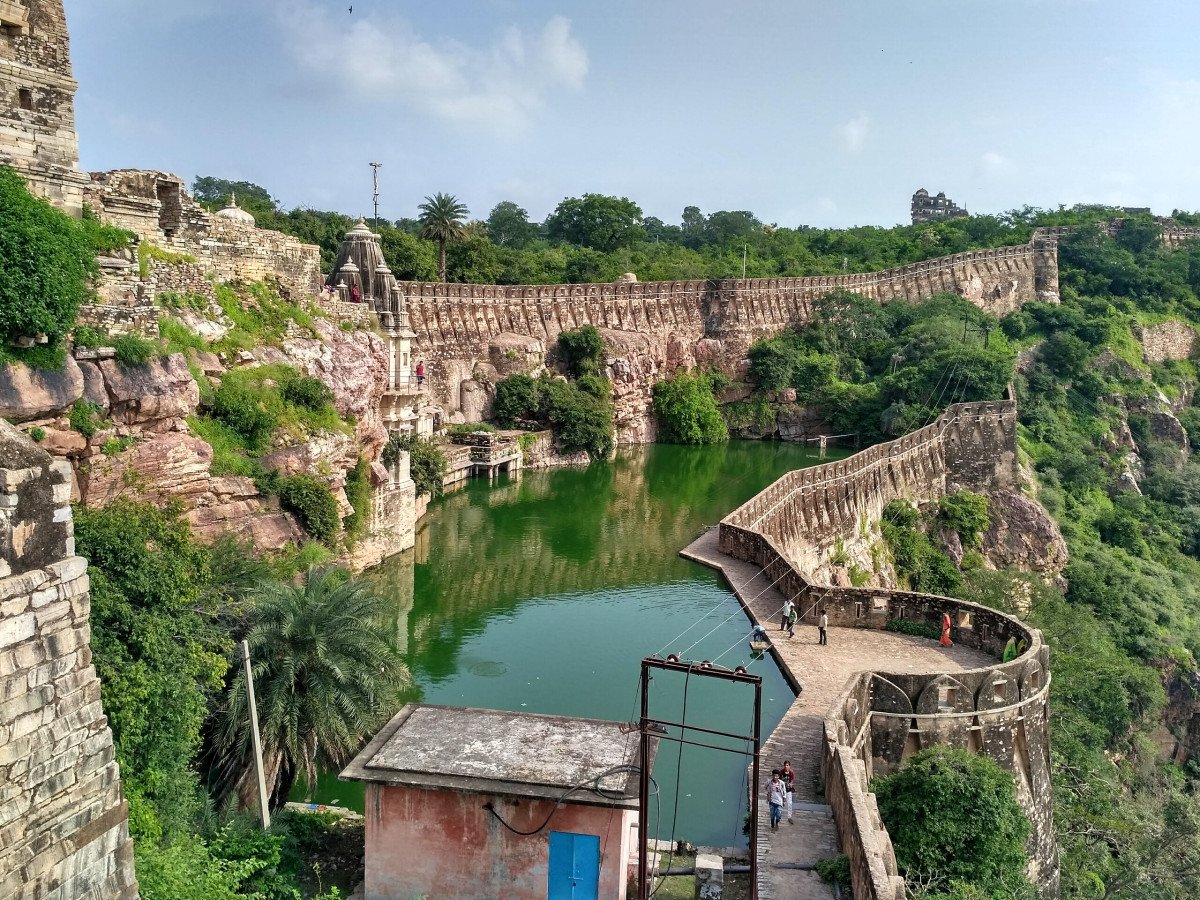
Ram Pol and the Seven Gates: The entrance gates, particularly the Ram Pol, with its massive stone arches and the steep winding path leading up to it, provide a sense of scale and defensive strength. Capturing the sheer size of the gate with people for perspective highlights the formidable nature of the fort's defenses. Close-up shots of the old memorial chhatris alongside the gates also offer historical context.
(Word Count: ~100/300)Photo Gallery
Things To Do
-
Explore the Seven Gates (Pol): The winding ascent up to the fort is an experience itself. Take time to stop at each of the seven colossal gates: Padan Pol, Bhairon Pol, Hanuman Pol, Ganesh Pol, Jodla Pol, Laxman Pol, and Ram Pol. Each gate tells a defensive story, from the battle scars on the stone to the chhatris (memorials) of fallen heroes like Jaimal and Patta at the Bhairon Pol.
Climb the Vijay Stambh (Victory Tower): If permitted, climbing the narrow circular staircase of the Vijay Stambh is a must-do. The intricate carvings on the interiors are stunning, and the effort is...
Information
-
Why Famous:
The Epic Tale of Jauhar: The fort is immortalized by the three great Jauhars, the ritual of self-immolation performed by the royal women to safeguard their honor against invaders. The most famous is the first one in 1303 AD, associated with Rani Padmini and her u...
The Epic Tale of Jauhar: The fort is immortalized by the three great Jauhars, the ritual of self-immolation performed by the royal women to safeguard their honor against invaders. The most famous is the first one in 1303 AD, associated with Rani Padmini and her unmatched beauty, which allegedly drove Alauddin Khilji to attack. This act, along with the Saka (the final battle to the death by the men), cemented the fort's reputation as the ultimate shrine to Rajput bravery, resistance, and the tragic consequences of war.
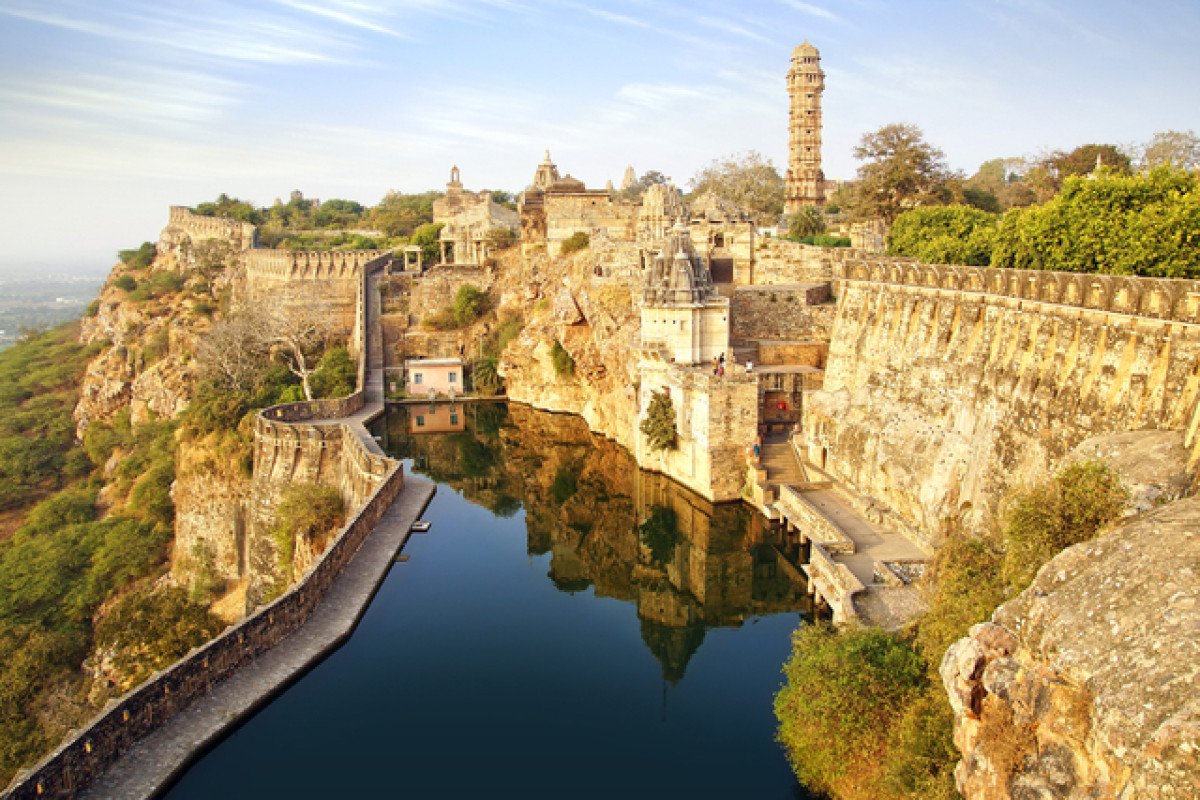
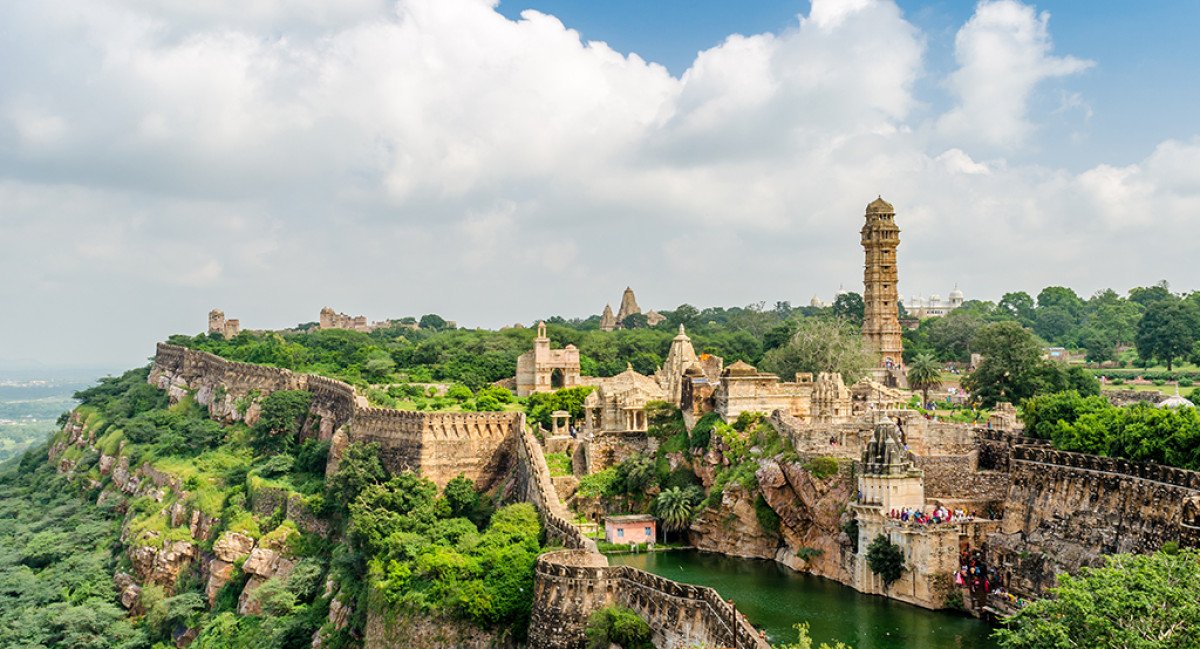
Architectural Marvel of Victory Towers: The Vijay Stambh is arguably the fortRs.s most recognizable structure, built by Maharana Kumbha in the 15th century to commemorate his victory over the combined armies of Malwa and Gujarat. Its nine storeys are richly carved with sculptures of Hindu gods and goddesses, weaponry, and musical instruments, serving as a comprehensive visual encyclopedia of Indian mythology and culture. This towering symbol of triumph draws historians and architects globally.
(Word Count: ~90/200) -
Architecture:
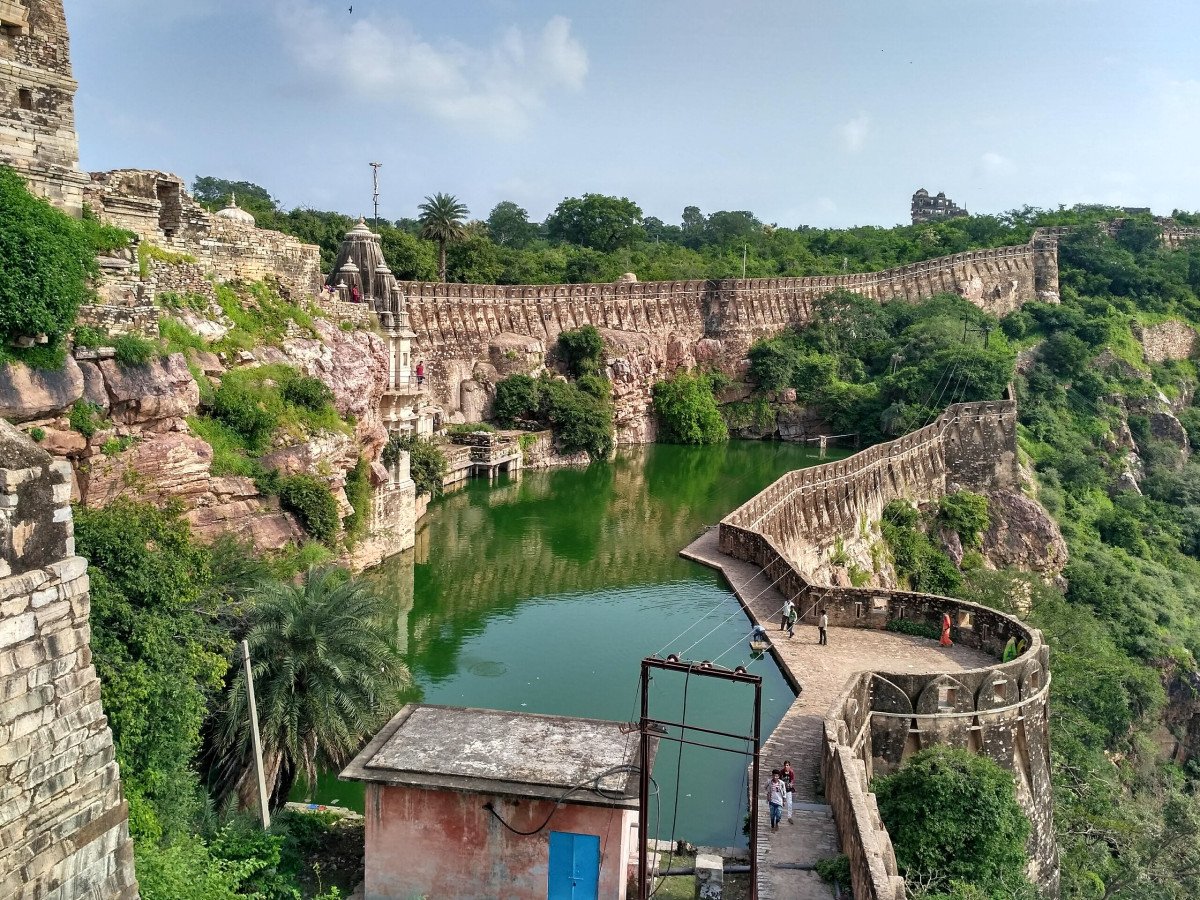
Fortress Design and Strategic Layout: The fort is a unique example of hill-top fort architecture, strategically built on a steep hill (180 m high) overlooking the plains. The perimeter is defined by a massive, irregular wall that follows the contours of the hill. The main...Fortress Design and Strategic Layout: The fort is a unique example of hill-top fort architecture, strategically built on a steep hill (180 m high) overlooking the plains. The perimeter is defined by a massive, irregular wall that follows the contours of the hill. The main access is protected by seven colossal gates (Pol) like Padan Pol, Bhairon Pol, and the main entrance, Ram Pol. These gates are not aligned in a straight line, a classic Rajput defensive technique to prevent a clear charge by elephants or artillery. The entire design is based on the necessity of defense, water conservation, and self-sustenance during long sieges. The fort once had 84 water bodies (ponds, wells, step-wells) fed by natural catchment, a remarkable feat of ancient water engineering.
Architectural Style and Dimension Highlights: The structures inside exhibit the traditional Rajput style, blending practicality with ornamentation. Buildings are primarily constructed from local stone and lime mortar. The Vijay Stambh (Victory Tower) is a prime example, standing approximately 37. 2 meters (122 feet) tall and is a nine-story structure adorned with intricate carvings of Hindu deities. The Kirti Stambh (Tower of Fame) is smaller, about 22 meters (72 feet) high, and has a predominantly Jain influence. Rana Kumbha Palace is an extensive ruin showcasing the scale of the original residential complex, complete with canopied balconies, courtyards, and a concealed subterranean passage believed to be the site of a Jauhar. The complex is roughly 2. 8 square kilometers (691. 9 acres) in area.
(Word Count: ~140/200) -
How To Reach:
By Air:
Nearest Airport: The nearest major airport is Maharana Pratap Airport (UDR), located in Udaipur, approximately 90-100 KMS away from Chittorgarh. This airport is well-connected to major Indian cities like Delhi, Mumbai, and Jaipur. ... -
Near Tourist Places:
1. Rana Kumbha Palace (Within Fort, 1 KM from main gate): Historical ruin, residence of Maharana Kumbha. 2. Kirti Stambh (Within Fort, 1.
5 KMS): 12th-century Jain tower of fame. 3.
Kalika Mata Temple (Within Fort, 2 KMS): Ancient temple, originally a Sun Temple. 4. Meera Temple (Within Fort, 2.
5 KMS): Dedicated to the devotional saint Meera Bai. 5.
Ratan Singh Palace (Within Fort, 3 KMS): Another historical palace ruin near the main water body. 6.
Bassi Wildlife Sanctuary (2
5 KMS): For nature and wildlife enthusiasts. 7.
Saanwaliya Ji Temple (Mandaphia, 40 KMS): Highly revered Krishna temple. 8.
Menal Waterfall (90 KMS): Seasonal waterfall and ancient temple complex. 9.
Udaipur (11
5 KMS): The "City of Lakes," a major tourist destination. 10.
Bundi (150 KMS): Known for its majestic fort and step-wells (baoris).
Tourism Tips
-
Health & Safety:
Hydration and Footwear: Given the fort's enormous size and the need for extensive walking on uneven terrain, comfortable, sturdy footwear is essential. Carry plenty of water (at least 2-3 liters per person), especially if v...
Reviews
Chittorgarh Fort Tourism:-
Information about New and Updated Locations(675+) of Rajasthan Has Been Added :-
Card subtitle
Note:-
Information provided here in good Faith and for reference only.
All information and pictures will be updated soon, please keep visiting.
Near Places
Chittorgarh Fort
Some quick example text to build on the card title and make up the bulk of the card's content.
Go somewhere
Gaumukh Kund
Some quick example text to build on the card title and make up the bulk of the card's content.
Go somewhere
Padmini's Palace
Some quick example text to build on the card title and make up the bulk of the card's content.
Go somewhere
Archeological Museum
Some quick example text to build on the card title and make up the bulk of the card's content.
Go somewhere
Bassi Wildlife Sanctuary
Some quick example text to build on the card title and make up the bulk of the card's content.
Go somewhere
Bhainsrorgarh Fort
Some quick example text to build on the card title and make up the bulk of the card's content.
Go somewhere
Bhainsrorgarh Wildlife Sanctuary
Some quick example text to build on the card title and make up the bulk of the card's content.
Go somewhere
Bhimlat Kund
Some quick example text to build on the card title and make up the bulk of the card's content.
Go somewhere
Fateh Prakash Palace
Some quick example text to build on the card title and make up the bulk of the card's content.
Go somewhere
Fateh Prakash Palace Museum
Some quick example text to build on the card title and make up the bulk of the card's content.
Go somewherein Other Cities