Gaumukh Kund
General information
-
Ideal Duration:
1 hourPlace Type:
Sacred Water Body / TempleEntry Fees:
Part of Fort Entry: Access to the Gaumukh Kund is included in the general entry ticket for the Chittorgarh Fort. The separate fees are primarily for the main fort entry (Rs.50 for Indians, Rs.600 for Foreigners) and any vehicle parking.Part of Fort Entry: Access to the Gaumukh Kund is included in the general entry ticket for the Chittorgarh Fort. The separate fees are primarily for the main fort entry (Rs.50 for Indians, Rs.600 for Foreigners) and any vehicle parking.
Donations for Temple and Fish Feed: While there is no mandatory fee for the kund, small, voluntary donations for the maintenance of the shrine or to the local caretakers are common. There is also a nominal cost for purchasing fish feed from vendors.
(Word Count: ~100/200)Timing:
Regular Timings:
Access Hours: The kund is accessible during the regular fort operating hours, from 9:00 AM to 6:00 PM daily. Since it is a natural, open-air structure, its access is aligned with the fort's main gates.
Read MoreRegular Timings:
Access Hours: The kund is accessible during the regular fort operating hours, from 9:00 AM to 6:00 PM daily. Since it is a natural, open-air structure, its access is aligned with the fort's main gates.
Ideal Visit Time:
Tranquility and Ritual: The Ideal Visit Time is the Early Morning, coinciding with the time many locals visit for daily rituals. This ensures a cool environment and the best chance for a quiet, spiritual experience before the daytime crowds arrive.
(Word Count: ~100/200)Special Events:
Mahashivaratri Celebration: The most important event celebrated here is Mahashivaratri (the night of Lord Shiva), usually held in February or March. Devotees flock to the Gaumukh Kund to offer special prayers and abhishek (ritual bathing) to the Shivlinga at the base, util...Mahashivaratri Celebration: The most important event celebrated here is Mahashivaratri (the night of Lord Shiva), usually held in February or March. Devotees flock to the Gaumukh Kund to offer special prayers and abhishek (ritual bathing) to the Shivlinga at the base, utilizing the sacred spring water. The entire area is decorated with flowers and lamps, creating a vibrant and deeply spiritual atmosphere that attracts local pilgrims.
Best Photo Spots:
The Gomukh and Water Stream: The best shot is a close-up or mid-shot of the stone cow's mouth and the clear stream of water falling into the tank. This captures the essence of the site and its namesake.The Gomukh and Water Stream: The best shot is a close-up or mid-shot of the stone cow's mouth and the clear stream of water falling into the tank. This captures the essence of the site and its namesake.
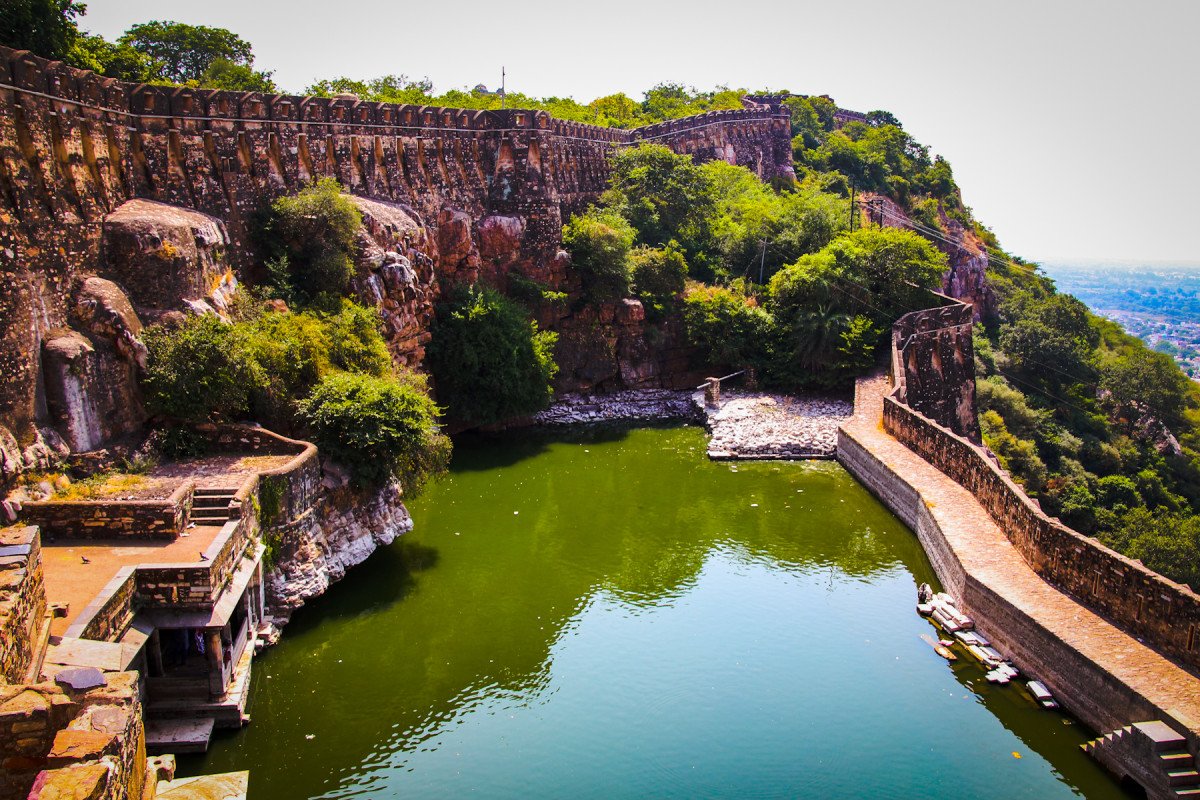
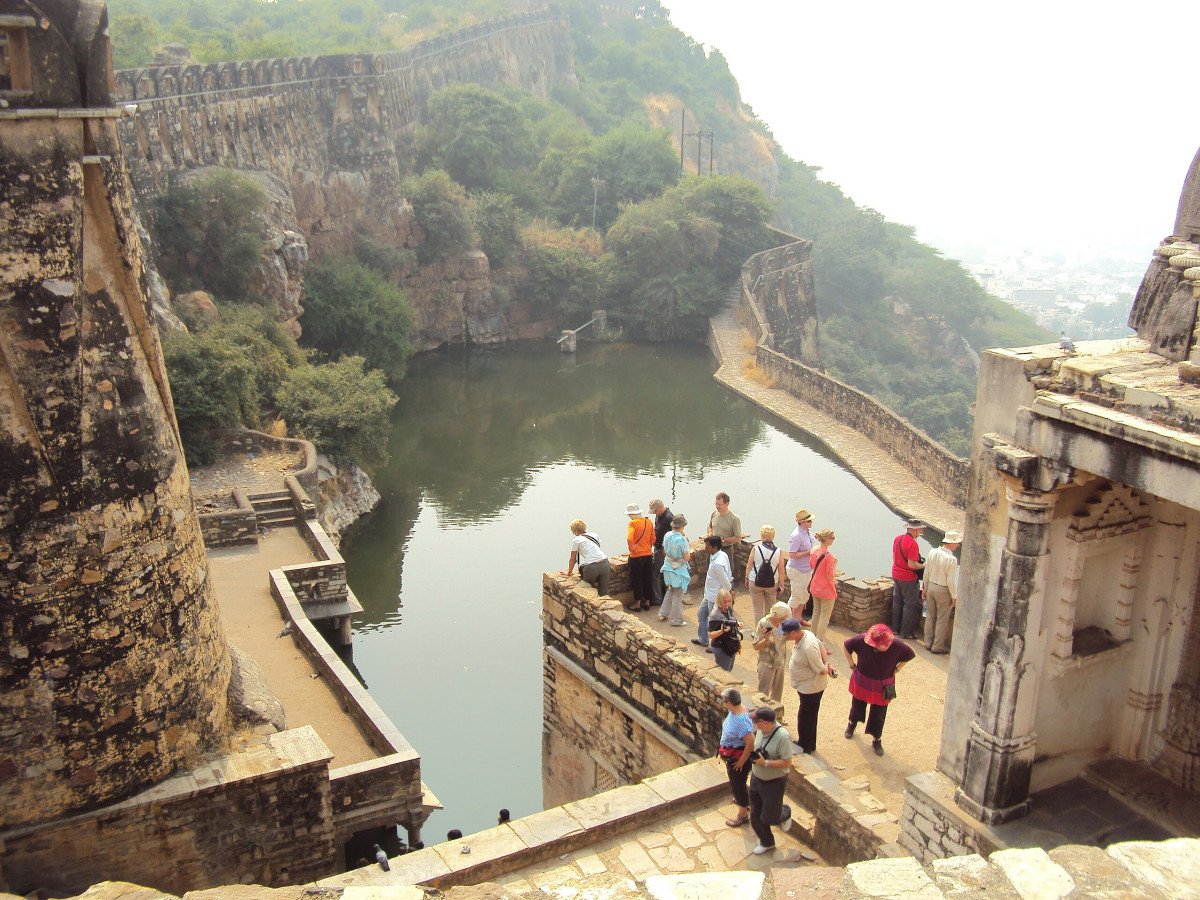
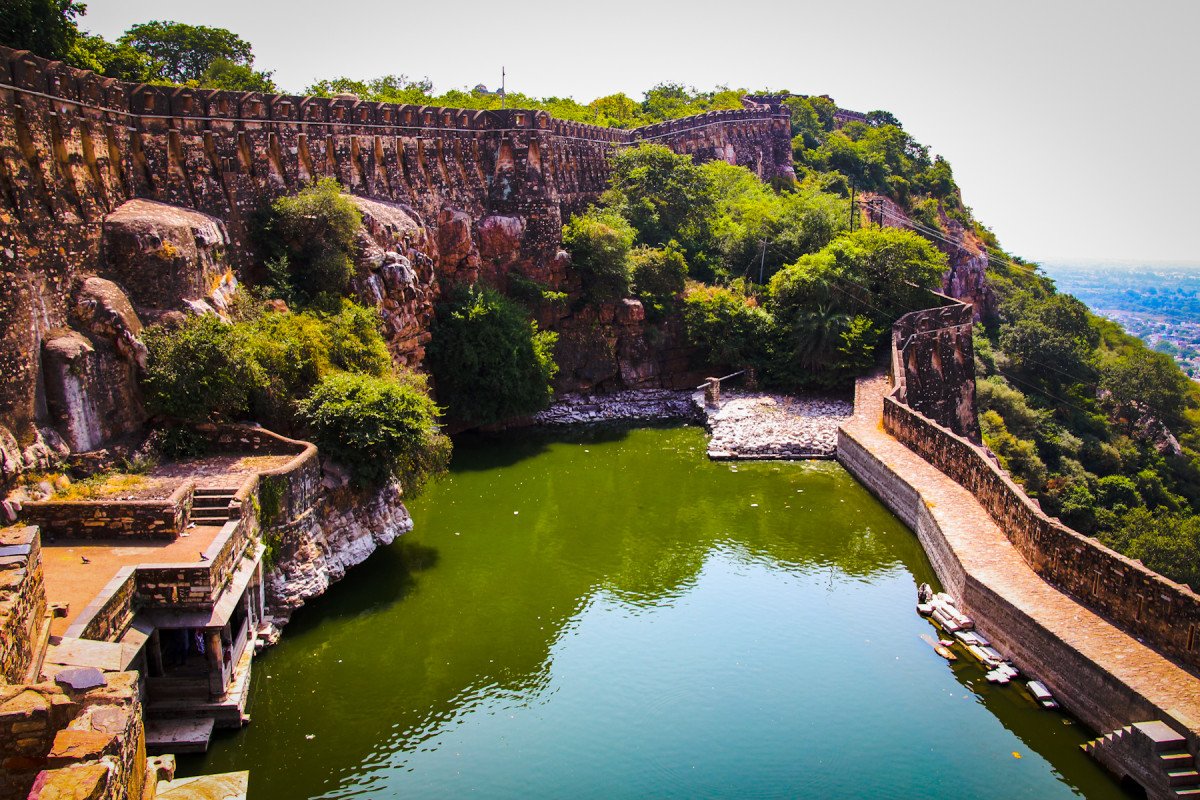
Steps and Reflections: A shot from the top of the steps, looking down into the deep reservoir, can capture the depth, the reflection of the sky, and the historical stone structure. The steps provide leading lines for a dynamic composition.
The Fish and Water: Capturing the colorful fish swimming in the clear water, especially when they surface to feed, offers a lively, natural contrast to the ancient stone of the fort.
(Word Count: ~100/300)Photo Gallery
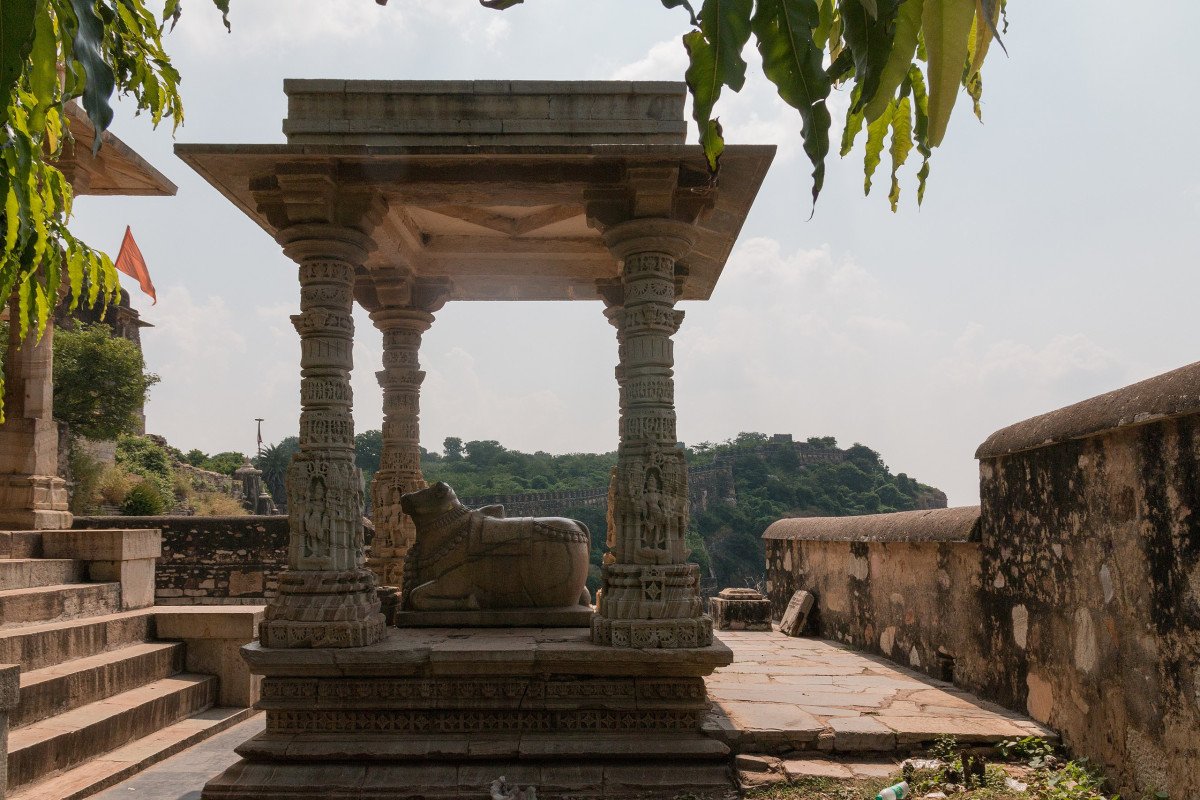
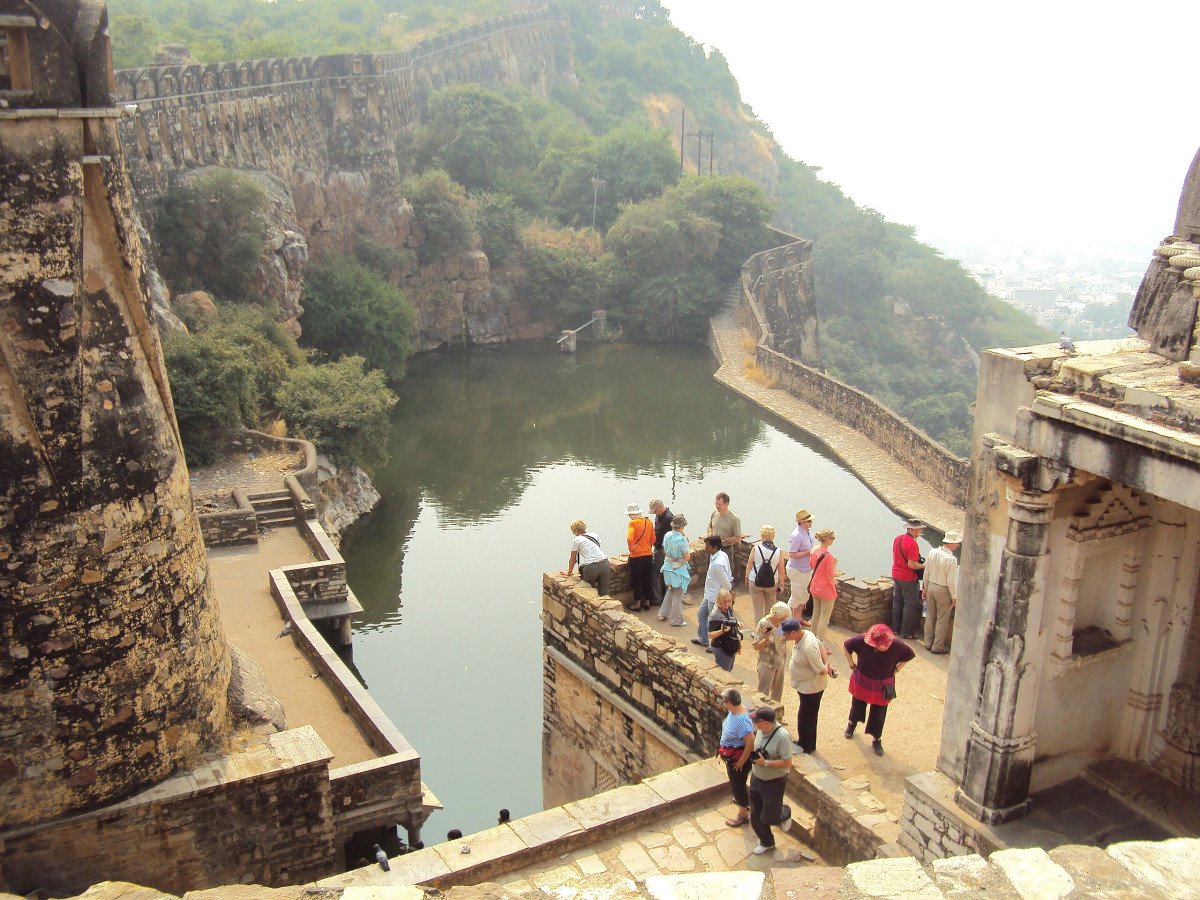
Things To Do
-
The Ritual of Feeding the Fish: A key activity here is to feed the fish that swim in the clear water of the kund. Small packets of feed are usually available from local vendors near the steps. This is considered an auspicious act in Hinduism and is a peaceful, engaging activity for all visitors.
Offer Prayers at the Shrine: Visitors can descend the steps to the lowest level to offer prayers and a small floral tribute at the shrine beneath the Gomukh. Observing the water falling onto the Shivlinga is a tranquil, spiritual experience.
Information
-
Why Famous:
The Life-Source of the Fort: The Gaumukh Kund's primary fame comes from its historical role as the life-source of the fort. During all three major sieges (1303, 1535, and 1568 AD), the fortRs.s ability to hold out against the enemy depended entirely on its vast wat...
The Life-Source of the Fort: The Gaumukh Kund's primary fame comes from its historical role as the life-source of the fort. During all three major sieges (1303, 1535, and 1568 AD), the fortRs.s ability to hold out against the enemy depended entirely on its vast water supply, of which this perennial spring was the heart. It symbolizes the resilience and meticulous planning of the Rajput defenders who were ready for years of blockade.
Religious Significance as 'Tirth Raj': For devout Hindus, the Gaumukh Kund holds immense religious importance. It is locally known as the 'Tirth Raj' of Chittorgarh. The continuous flow of water from the Gomukh is considered divine and pure, believed to have healing properties. The presence of the Shivlinga beneath the stream makes it a sacred spot for offerings and purification rituals, adding a spiritual dimension to the historical visit.
(Word Count: ~90/200) -
Architecture:
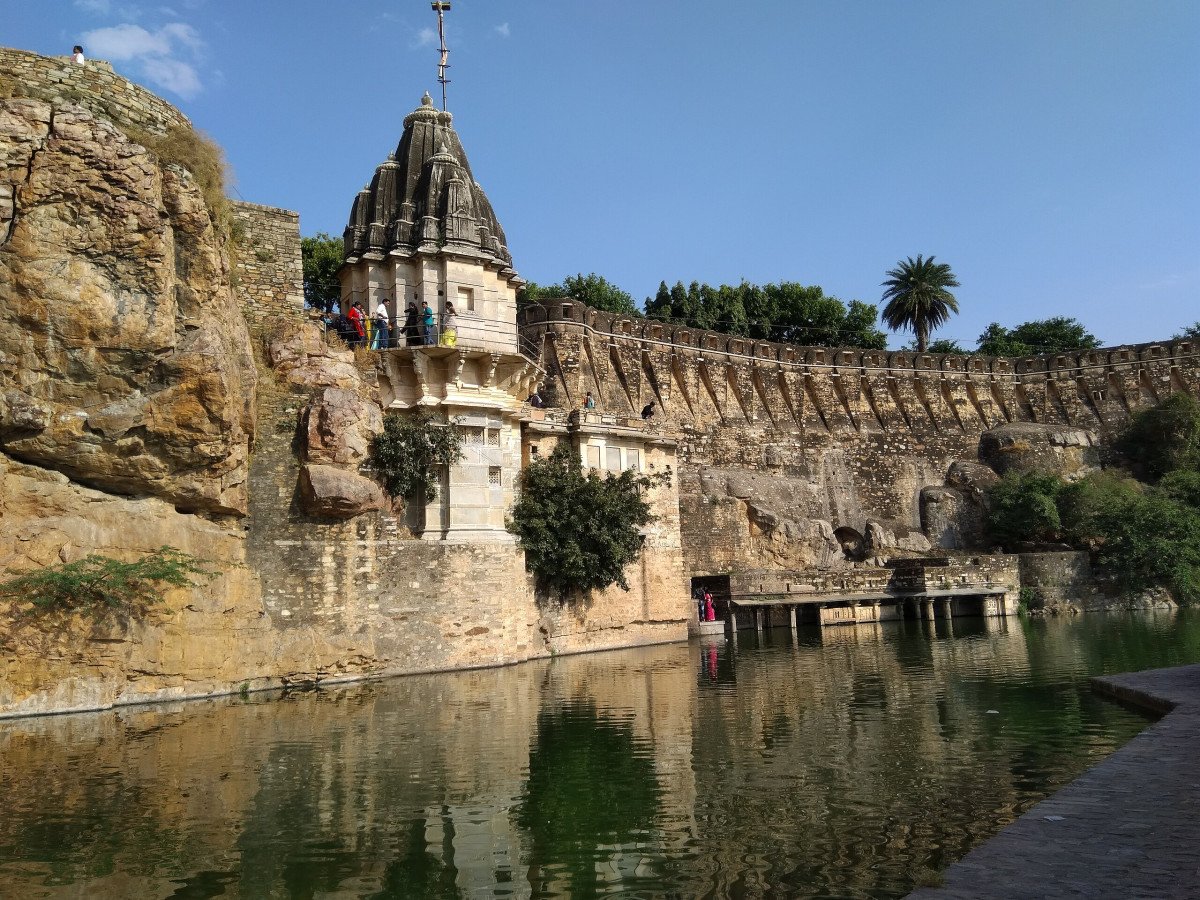
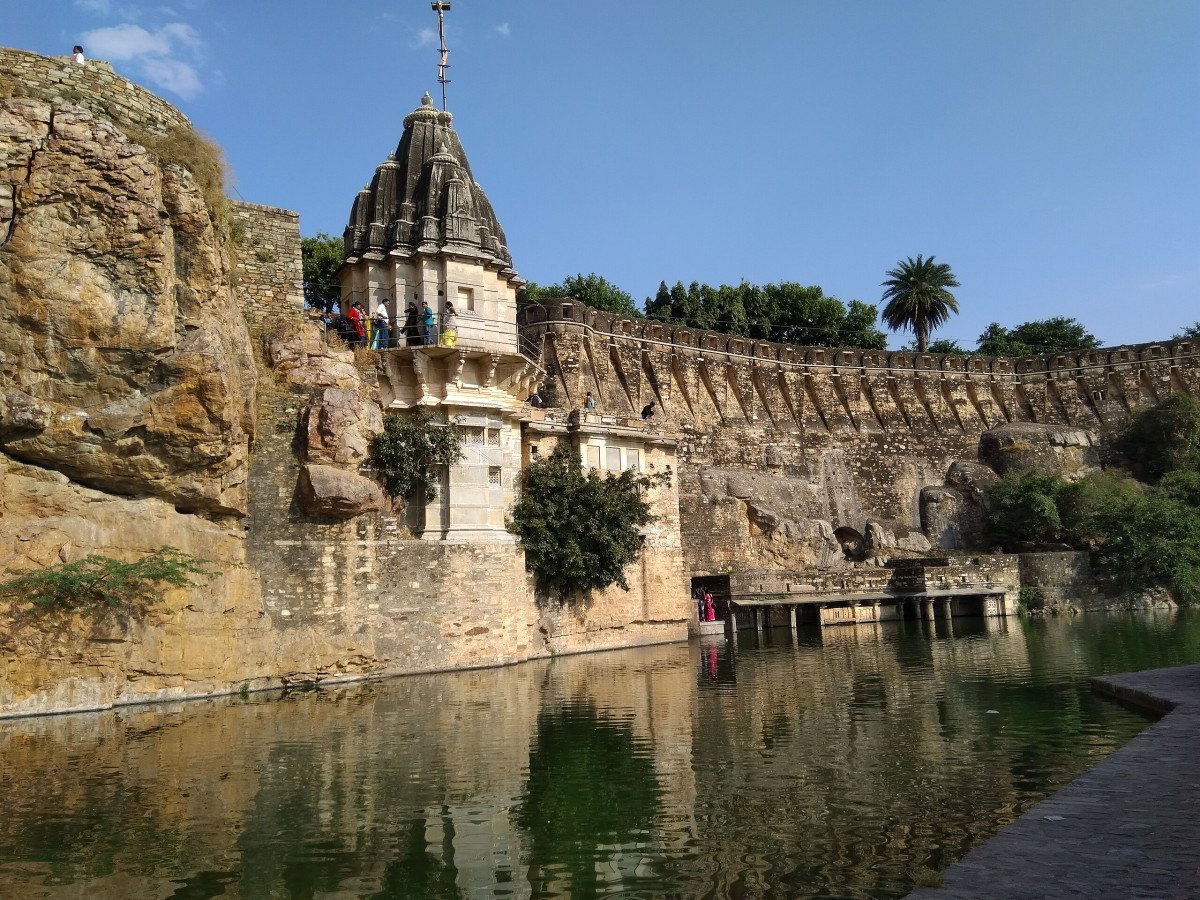
Water Management System Integration: The Gaumukh Kund is not just a reservoir but an integral component of the fort's massive water management system. It's a rock-cut reservoir (kund), a type of step-well, designed to collect and hold the water flowing from the natural spr...Water Management System Integration: The Gaumukh Kund is not just a reservoir but an integral component of the fort's massive water management system. It's a rock-cut reservoir (kund), a type of step-well, designed to collect and hold the water flowing from the natural spring. The Rajputs recognized the vital need for a self-sustaining water supply, and this natural spring, supplemented by rainwater harvesting into 20 remaining large water bodies (from an original 84), ensured the fort's ability to withstand extended sieges.
The Gomukh Carving and Reservoir Design: The most distinctive architectural feature is the meticulously carved stone Gomukh (Cow's Mouth) from which the spring water flows. This carving is a beautiful example of local craftsmanship. The reservoir itself is an inverted triangular-shaped tank, accessible by a steep set of steps leading down to the water level. At the base, where the water flows in, is a small shrine dedicated to Lord Shiva (Shivlinga) and an idol of Goddess Lakshmi, integrating the water source with religious worship.
(Word Count: ~140/200) -
How To Reach:
By Air:
Via Road from Udaipur: Fly to Udaipur (UDR, 90-100 KMS). Hire a taxi to Chittorgarh. From the fort's main gates, the kund is a short drive on the inner fort road. -
Near Tourist Places:
1. Padmini's Palace (Within Fort, 0.
5 KMS): Legendary Water Palace. 2. Kalika Mata Temple (Within Fort, 0.
5 KMS): Ancient Sun Temple. 3. Kirti Stambh (Within Fort, 1.
5 KMS): Jain Tower. 4.
Vijay Stambh (Within Fort, 2 KMS): Victory Tower. 5.
Rana Kumbha Palace (Within Fort, 3 KMS): Largest palace ruin. 6. Meera Temple (Within Fort, 2.
5 KMS): Temple of Meera Bai. 7.
Saanwaliya Ji Temple (Mandaphia, 40 KMS): Highly revered Krishna temple. 8.
Udaipur (11
5 KMS): City of Lakes. 9.
Bundi (150 KMS): Historical step-wells and fort. 10.
Bijaipur Castle (40 KMS): Heritage hotel stay.
Tourism Tips
-
Health & Safety:
Slippery Steps: The stone steps leading down to the water can be slippery due to the constant presence of water and algae. Exercise extreme caution, especially when descending and ascending.
Reviews
Information about New and Updated Locations(675+) of Rajasthan Has Been Added :-
Card subtitle
Note:-
Information provided here in good Faith and for reference only.
All information and pictures will be updated soon, please keep visiting.
Near Places
Chittorgarh Fort
Some quick example text to build on the card title and make up the bulk of the card's content.
Go somewhere
Gaumukh Kund
Some quick example text to build on the card title and make up the bulk of the card's content.
Go somewhere
Padmini's Palace
Some quick example text to build on the card title and make up the bulk of the card's content.
Go somewhere
Archeological Museum
Some quick example text to build on the card title and make up the bulk of the card's content.
Go somewhere
Bassi Wildlife Sanctuary
Some quick example text to build on the card title and make up the bulk of the card's content.
Go somewhere
Bhainsrorgarh Fort
Some quick example text to build on the card title and make up the bulk of the card's content.
Go somewhere
Bhainsrorgarh Wildlife Sanctuary
Some quick example text to build on the card title and make up the bulk of the card's content.
Go somewhere
Bhimlat Kund
Some quick example text to build on the card title and make up the bulk of the card's content.
Go somewhere
Fateh Prakash Palace
Some quick example text to build on the card title and make up the bulk of the card's content.
Go somewhere
Fateh Prakash Palace Museum
Some quick example text to build on the card title and make up the bulk of the card's content.
Go somewherein Other Cities