


City Palace, Udaipur
General information
-
Ideal Duration:
3 to 4 Hours (Excluding the Light and Sound Show)Place Type:
Palace, Museum, Heritage SiteEntry Fees:
Entry Ticket and Museum Fees: The City Palace has a multi-tiered fee structure. There is a nominal entry fee for the main complex, typically around Rs.30 for Indian adults and Rs.300 for foreign tourists. However, the ticket to enter the City Palace Museum (part of the comple...Entry Ticket and Museum Fees: The City Palace has a multi-tiered fee structure. There is a nominal entry fee for the main complex, typically around Rs.30 for Indian adults and Rs.300 for foreign tourists. However, the ticket to enter the City Palace Museum (part of the complex) is separate and significantly higher, usually around Rs.400 for Indian adults and up to Rs.600 for foreigners. It is essential to purchase the museum ticket to access the majority of the historical and architectural highlights inside the palace, such as the famous courtyards and halls.
Camera and Videography Charges: There is an additional fee for carrying a still camera, generally around Rs.200. For video cameras, the fee is typically higher, often around Rs.500. These charges are mandatory to use your camera inside the palace and museum areas. Tourists must pay these fees to photograph the interiors and the panoramic views.
Additional Attractions and Services: Separate tickets may be required for specific attractions within the larger complex, such as the Fatehprakash Palace Crystal Gallery (often costing around Rs.700 for Indian adults and Rs.1200 for foreigners) and the Mewar Sound and Light Show. The show fee is usually around Rs.300 for a regular seat and higher for premium seating. The Boat Ride on Lake Pichola from Bansi Ghat also has a separate charge, usually starting from Rs.400 to Rs.800 per person for a sunset ride. It's advisable to check the latest fee structure at the entrance or online as prices can change, but budget for the museum, camera, and the boat ride for a complete experience.Timing:
Regular Timings: The City Palace Museum is generally open from 9:30 AM to 5:30 PM every day of the week, including all public holidays. The ticket counter usually closes about 30 minutes before the official closing time. The general complex and external areas are accessib...Regular Timings: The City Palace Museum is generally open from 9:30 AM to 5:30 PM every day of the week, including all public holidays. The ticket counter usually closes about 30 minutes before the official closing time. The general complex and external areas are accessible during these hours. The Crystal Gallery and other separately-ticketed attractions within the complex may have slightly different closing times, sometimes closing a bit earlier, so it is best to check on arrival.
Ideal Visit Time: The best time to visit the City Palace is either right when it opens at 9:30 AM or in the late afternoon, around 3:00 PM to 4:00 PM.
Morning Visit: Visiting early helps you avoid the mid-day rush and the intense heat, especially during summer months (April to June). The light is also soft and excellent for photography in the main courtyards.
Late Afternoon Visit: A late afternoon visit allows you to experience the palace during the beautiful golden hour. You can then stay to witness the stunning sunset views over Lake Pichola from the palace terraces, and later attend the evening Sound and Light Show, completing the whole experience in one go.
Best Time to Visit Seasonally: The peak season for visiting is the winter months, from October to March, when the weather is pleasant. During this period, the palace and its views can be enjoyed throughout the day, though the early morning remains best for avoiding crowds. Visiting in the rainy season (July to September) offers a lush green landscape and a cool atmosphere, but there might be brief heavy showers.Special Events:
Annual Holi and Gangaur Festivals: The City Palace complex is the centre for traditional royal celebrations, most notably during the festivals of Holi (in March) and Gangaur (in March/April). The festival of Holi includes a grand royal procession from the palace to the Man...Annual Holi and Gangaur Festivals: The City Palace complex is the centre for traditional royal celebrations, most notably during the festivals of Holi (in March) and Gangaur (in March/April). The festival of Holi includes a grand royal procession from the palace to the Manek Chowk grounds, where the Mewar Holika Dahan (bonfire lighting) takes place, attended by the current custodian of the Mewar dynasty. The atmosphere is vibrant with traditional rituals, folk dances, and music. The Gangaur festival, dedicated to Goddess Gauri, is celebrated with a magnificent royal procession starting from the City Palace (Tripolia Gate) to the Gangaur Ghat on Lake Pichola. The colourful procession, featuring decorated elephants, camels, horses, and folk artists, offers a unique glimpse into the continued royal traditions of Mewar. These events are deeply rooted in the palace's history and are a spectacle of cultural heritage.Best Photo Spots:
The Mor Chowk (Peacock Courtyard): This is arguably the most famous and essential photo spot. The courtyard is adorned with three stunning peacock-shaped glass mosaics, depicting the seasons of summer, winter, and monsoon. The vibrant blues and greens of the mosaics, comb...The Mor Chowk (Peacock Courtyard): This is arguably the most famous and essential photo spot. The courtyard is adorned with three stunning peacock-shaped glass mosaics, depicting the seasons of summer, winter, and monsoon. The vibrant blues and greens of the mosaics, combined with the white marble background, create a spectacular and colourful frame. ItRs.s best to photograph this spot early in the morning for softer light and fewer crowds.
Panoramic View from Amar Vilas: The elevated garden of Amar Vilas, the uppermost courtyard of the palace, provides the perfect vantage point for capturing the quintessential Udaipur landscape. From here, you can photograph the majestic Lake Pichola with the Lake Palace seemingly floating in the centre, the Jag Mandir island, and the vast expanse of the city and Aravalli hills. Late afternoon and sunset are ideal times for dramatic, warm-toned shots.
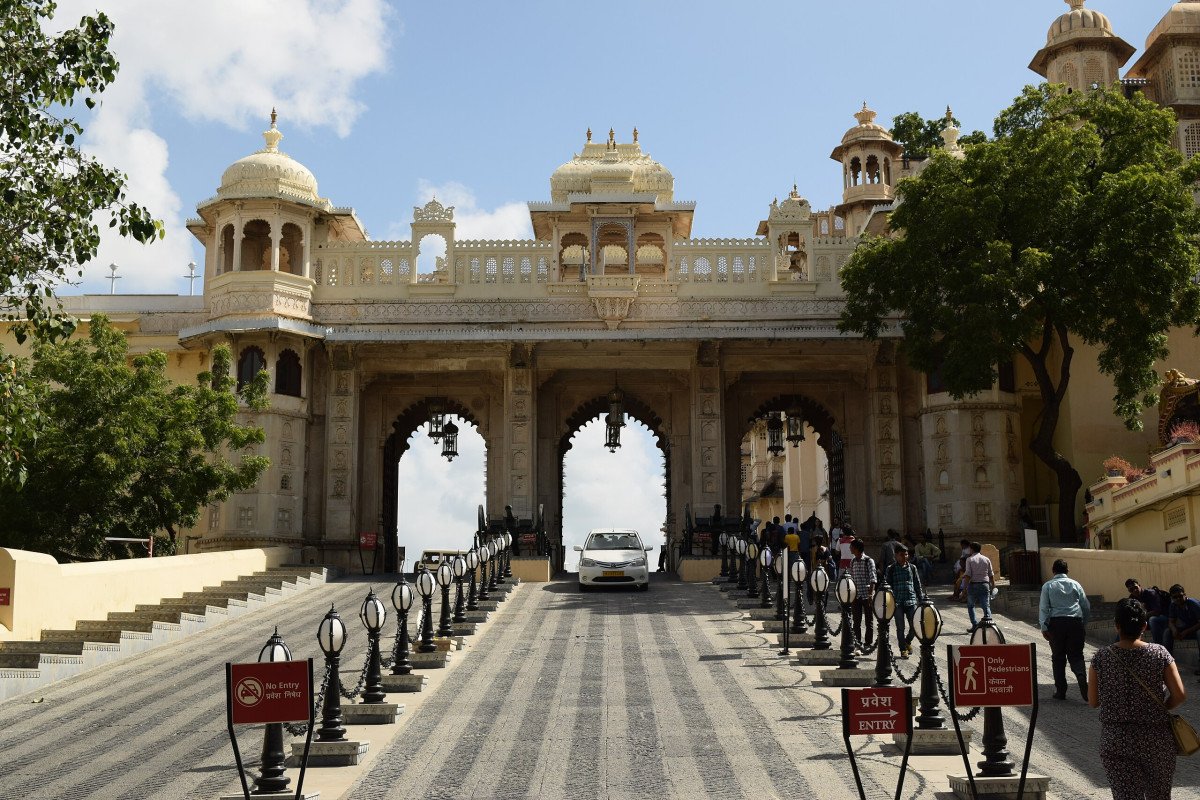
Badi Pol and Tripolia Pol Entrance Gates: The towering Badi Pol and the triple-arched Tripolia Pol make for impressive architectural photographs. The sheer scale of the gates, often framed by the colourful shops and bustling activity outside, offers a sense of arrival. Capture the intricate stone carvings and the large wooden doors to convey the historical grandeur. Stand slightly away to capture the entire height and breadth of the gates.
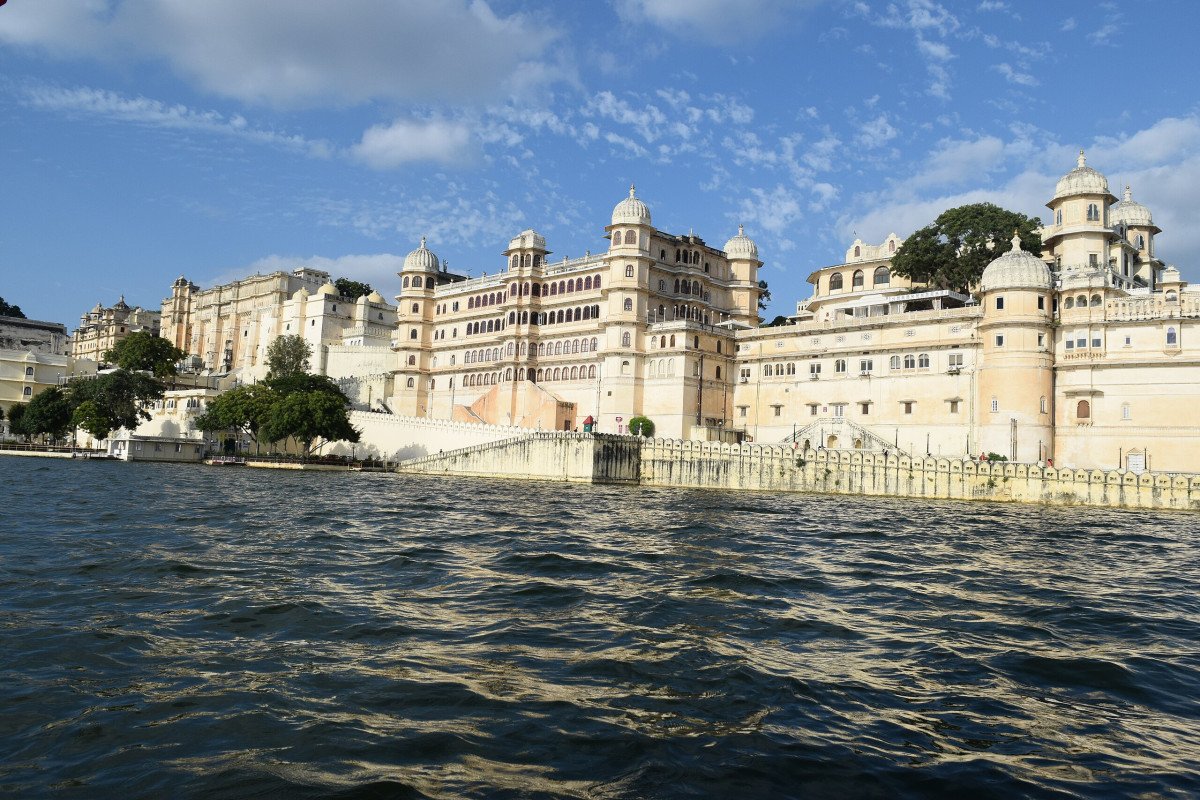
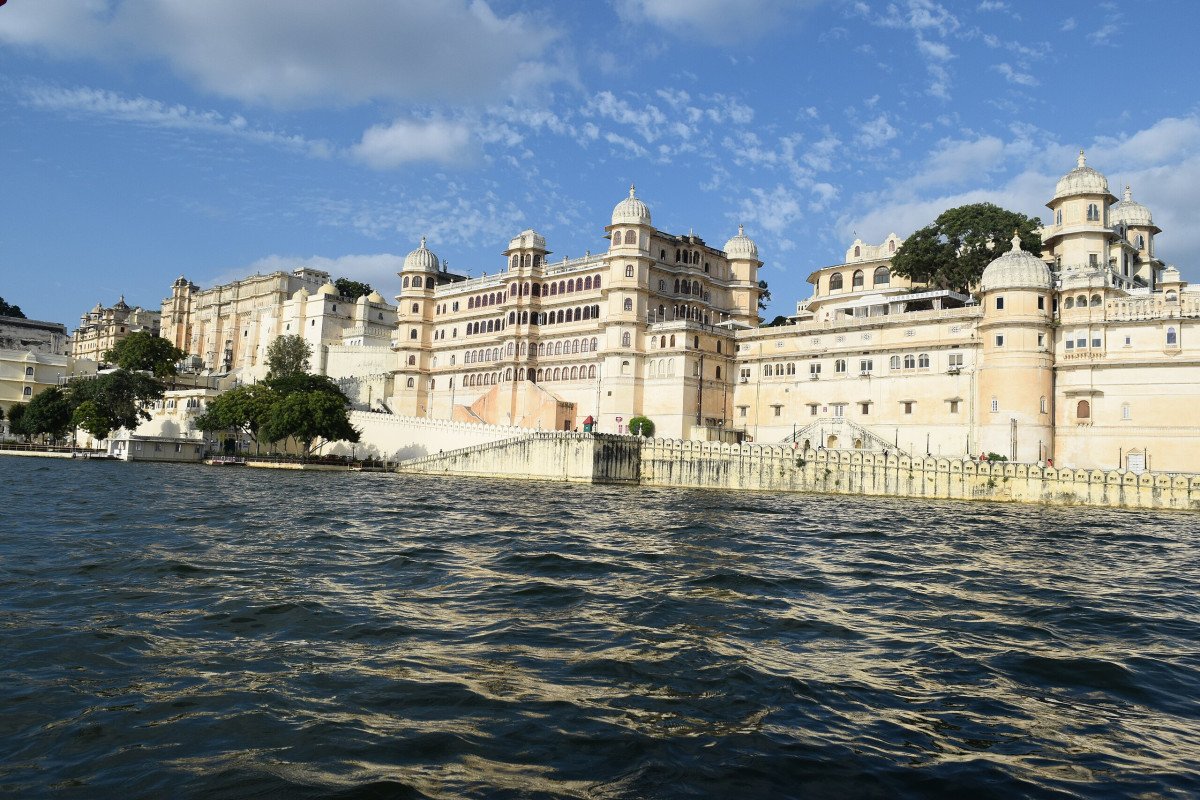
The Palace FaRs.ade from Lake Pichola: To capture the entire magnificence and scale of the City Palace, the best photo opportunity is from a boat on Lake Pichola or from one of the ghats like Gangaur Ghat or Ambrai Ghat. The palace rising from the eastern bank of the lake, particularly when it's illuminated at night, offers a truly majestic sight. This perspective allows you to frame the palace with the water and the reflection.Photo Gallery


Things To Do
-
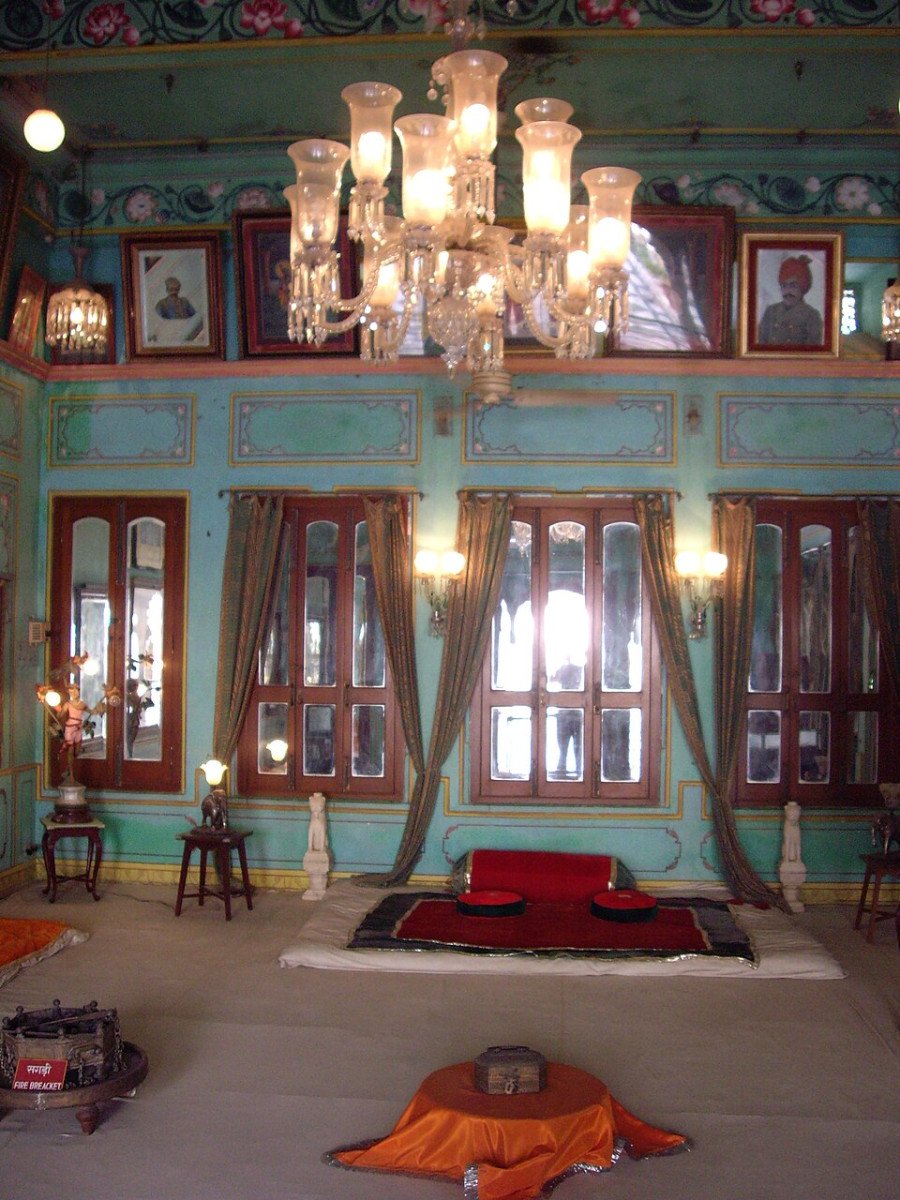
Explore the City Palace Museum: The primary activity is a thorough exploration of the palace complex, now largely converted into a museum managed by the Maharana of Mewar Charitable Foundation (MMCF). Visitors can walk through a series of interconnected palaces, including Zenana Mahal (LadiesRs. Chambers), Manak Mahal (Ruby Palace), Bhim Vilas, and Krishna Vilas. The museum's collection features royal vestments, weaponry, miniature paintings, and historical documents. Spend time understanding the royal lineage and the purpose of different courtyards and terraces.
Admire the Architecture and Artistry: Dedicate time to appreciating the intricate detailing of the architecture. Look closely at the delicate mirror work in the Sheesh Mahal, the glass mosaics of the three peacocks in the Mor Chowk, and the colourful frescoes and mu...Explore the City Palace Museum: The primary activity is a thorough exploration of the palace complex, now largely converted into a museum managed by the Maharana of Mewar Charitable Foundation (MMCF). Visitors can walk through a series of interconnected palaces, including Zenana Mahal (LadiesRs. Chambers), Manak Mahal (Ruby Palace), Bhim Vilas, and Krishna Vilas. The museum's collection features royal vestments, weaponry, miniature paintings, and historical documents. Spend time understanding the royal lineage and the purpose of different courtyards and terraces.
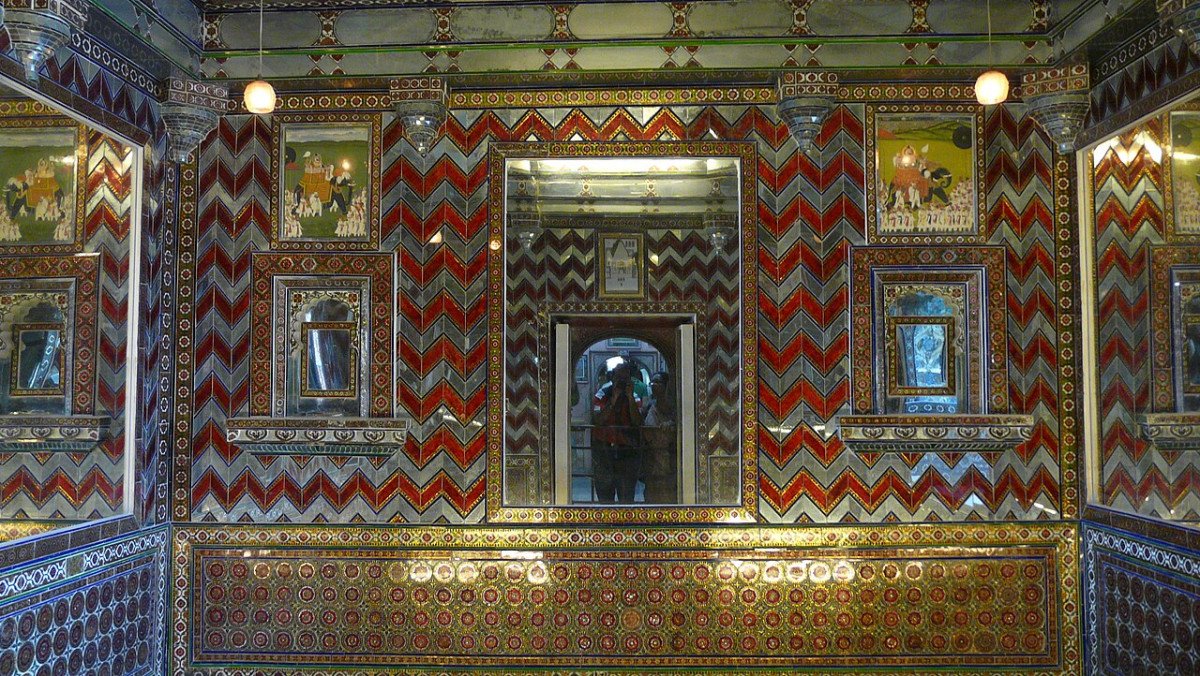
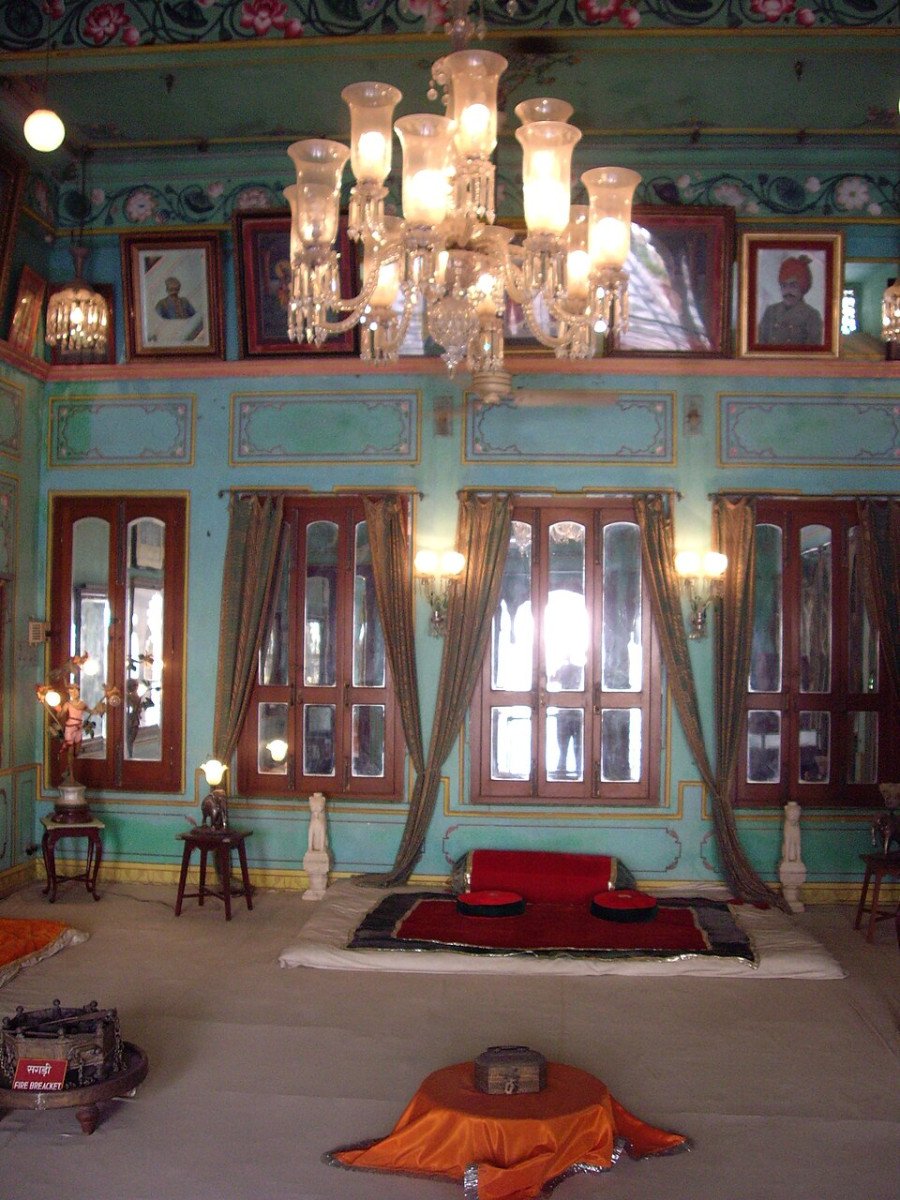
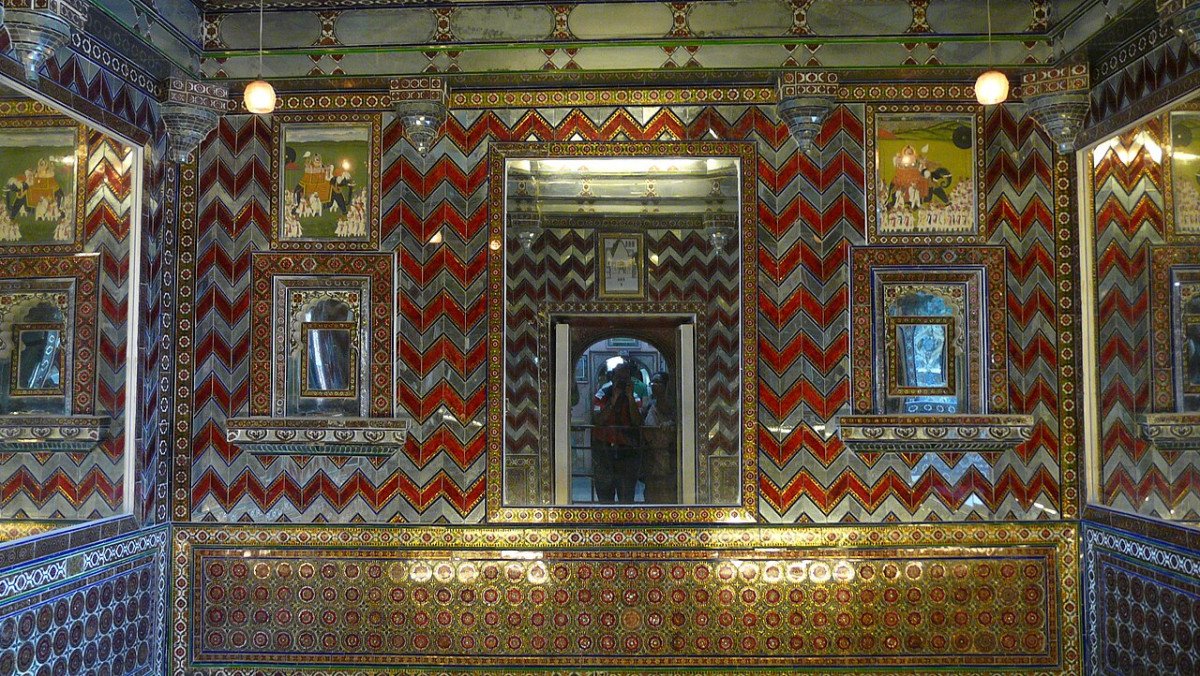
Admire the Architecture and Artistry: Dedicate time to appreciating the intricate detailing of the architecture. Look closely at the delicate mirror work in the Sheesh Mahal, the glass mosaics of the three peacocks in the Mor Chowk, and the colourful frescoes and murals depicting scenes from Rajput and Hindu mythology on the walls of the chambers like Krishna Vilas. The architectural elements, such as the numerous 'chatris' and beautifully carved balconies, are works of art worth studying.
Enjoy the Panoramic Lake View: Make sure to spend time on the various balconies and terraces, particularly those in the upper courtyards like Amar Vilas, which offer breathtaking, postcard-perfect views of Lake Pichola, the Lake Palace and Jag Mandir islands. These spots are ideal for relaxation and absorbing the romantic atmosphere of Udaipur. The view is particularly spectacular during the late afternoon.
Attend the Mewar Sound and Light Show: In the evening, attend the famous "The Legacy of Honour" sound and light show, held in the main courtyard of the palace. This show narrates the captivating 1500-year history of the Mewar dynasty, the founding of Udaipur, and the resilience of the Rajput rulers. The palace itself becomes the backdrop for the light projections and narration, making for an immersive and memorable historical experience. ItRs.s a wonderful way to conclude the visit and bring the history to life.
Visit the Fatehprakash Palace Crystal Gallery: As a supplementary activity, visit the nearby Fatehprakash Palace (part of the larger complex) to see the unique Crystal Gallery. This is a must-see for its collection of crystal furniture, including a throne, chairs, a table, and even a crystal bed, along with a collection of rare crockery and weapons. The gallery highlights the eccentric luxury and opulence of the bygone era.
Boat Ride from Bansi Ghat: The palace complex includes the Bansi Ghat, where one can take a boat ride on Lake Pichola. This boat ride offers spectacular views of the City Palace from the water, allowing you to appreciate its scale and position relative to the lake. The boat ride can also take you to the Jag Mandir island.
Photography: The City Palace is a dream location for photography enthusiasts. From grand architectural shots of the exterior and courtyards to detailed close-ups of the exquisite art inside, and stunning landscape shots of Lake Pichola from the terraces, the opportunities are endless. The palace is especially photogenic during the golden hour (just before sunset) when the stone glows a warm colour. Capture the silhouettes of the chatris against the evening sky.
Information
-
Why Famous:
Historical Significance: The City Palace is famous as the historical seat of the Mewar kingdom, where 22 generations of the Sisodia Rajput dynasty lived and ruled from 1559 until 1949. Its construction marked the establishment of Udaipur as the new capital, signifying a ma...Historical Significance: The City Palace is famous as the historical seat of the Mewar kingdom, where 22 generations of the Sisodia Rajput dynasty lived and ruled from 1559 until 1949. Its construction marked the establishment of Udaipur as the new capital, signifying a major turning point in the history of the Mewar state after the fall of Chittorgarh. The palace complex witnessed centuries of Mewar's political history, including periods of resilience against the Mughals.
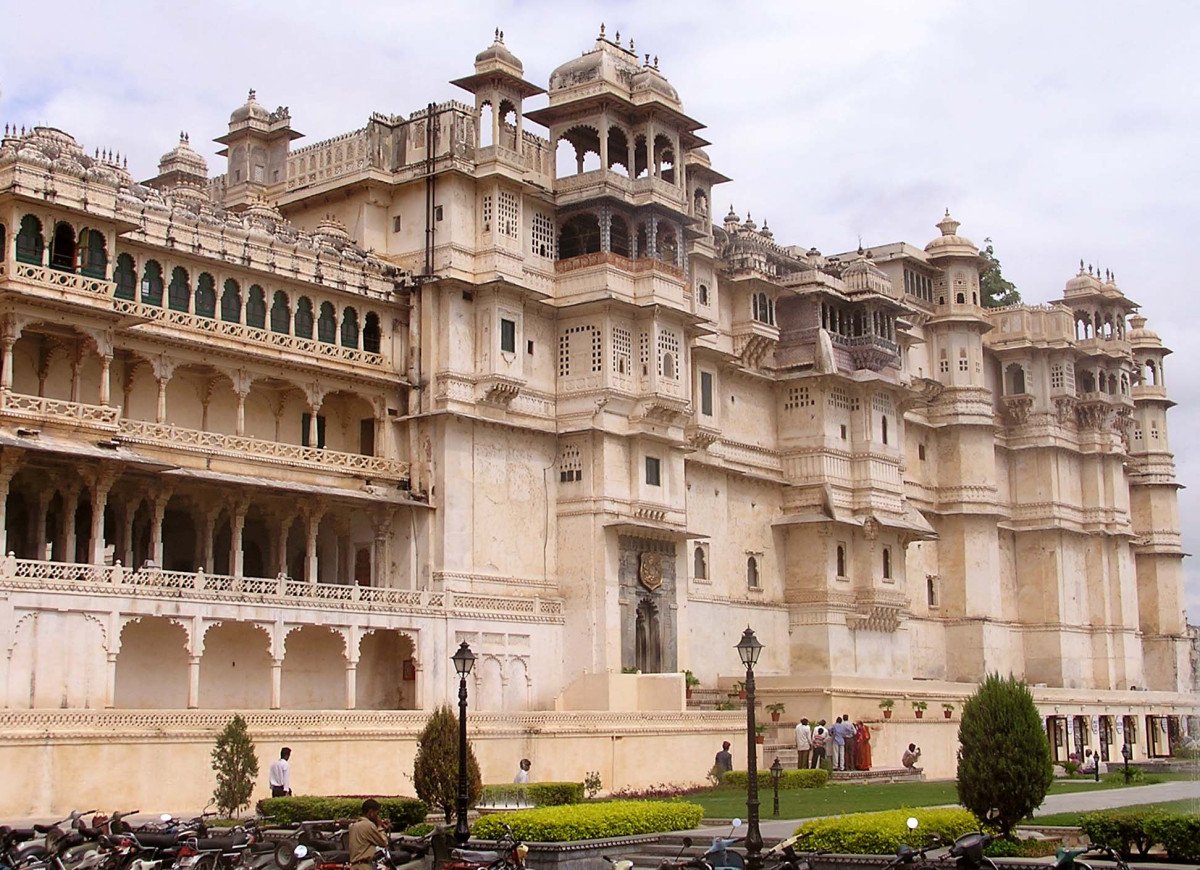
Architectural Grandeur: It is renowned for being the largest palace complex in Rajasthan, exhibiting a grand scale and a unique, harmonious blend of Rajput and Mughal architectural styles. Its elevated position offers a dramatic silhouette against the sky, and its courtyards, halls (Durbar Hall), and specific features like the Mor Chowk (Peacock Courtyard) with its beautiful mosaics, are celebrated architectural marvels that attract scholars and tourists alike.
Stunning Panoramic Views: The palace's location atop a hill on the bank of Lake Pichola provides unparalleled, breathtaking panoramic views. Visitors flock here to capture the majestic sight of the lake, the Lake Palace (Taj Lake Palace) seemingly floating on the water, the Jag Mandir island, and the entire city skyline, especially during sunrise and sunset. -
Architecture:
Rajput and Mughal Fusion: The architecture of the City Palace is a splendid and unique example of the Mewar architectural style, which is a harmonious blend of Rajasthani Rajput and Mughal influences. The Rajput elements are visible in the fortified construction, the use o...Rajput and Mughal Fusion: The architecture of the City Palace is a splendid and unique example of the Mewar architectural style, which is a harmonious blend of Rajasthani Rajput and Mughal influences. The Rajput elements are visible in the fortified construction, the use of local materials, and the traditional 'chatri' (domed pavilions) atop the structures. The Mughal influence, stemming from peaceful coexistence and occasional alliances, is evident in the ornate balconies, cusped arches, and some garden designs, particularly the Amar Vilas elevated garden. This fusion reflects the evolving cultural landscape of the Mewar kingdom over the centuries.
Distinctive Features and Dimension: The City Palace is built on a high hill, giving it a commanding view. The main facade stretches over 300 meters in length and is approximately 30 meters high above the lake's level. The complex is approached through a series of grand gates, starting with the Badi Pol (Great Gate, built around 1600), leading to the Tripolia Pol (Triple Arch Gate, built in 1725), which has three arches, used for the Maharana's entry. The inner palaces, such as the Manak Mahal (Ruby Palace), Sheesh Mahal (Palace of Mirrors), and Badi Mahal (Great Palace or Garden Palace), showcase intricate mirror-work, glass inlay, coloured tiles, and detailed frescoes. Badi Mahal is notable as it's situated on a 27-meter high natural rock formation, making its ground floor appear to be at the level of the surrounding buildings' fourth floors. The Mor Chowk (Peacock Courtyard) is famed for its exquisite mosaics of three magnificent peacocks, each depicting the three seasons: summer, winter, and monsoon. The overall structure is constructed primarily of marble and granite. -
How To Reach:
By Air: The nearest airport is Maharana Pratap Airport (UDR), located approximately 24 to 25 KMS northeast of Udaipur's city centre and the City Palace. The airport is well-connected to major Indian cities like Delhi, Mumbai, Bangalore, and Jaipur by domestic airlines. Fr...By Air: The nearest airport is Maharana Pratap Airport (UDR), located approximately 24 to 25 KMS northeast of Udaipur's city centre and the City Palace. The airport is well-connected to major Indian cities like Delhi, Mumbai, Bangalore, and Jaipur by domestic airlines. From the airport, one can hire a pre-paid taxi, a private cab, or use ride-sharing services. The drive to the City Palace typically takes around 45 minutes to 1 hour, depending on traffic. This is the fastest and most convenient way to reach Udaipur from other major cities.
By Train: Udaipur City Railway Station (UDZ) is the main station, located about 3. 5 KMS from the City Palace. It is well-connected by express and superfast trains to several important Indian cities, including Delhi, Jaipur, Mumbai, Kolkata, and Ahmedabad. The station code is UDZ. From the railway station, you can easily find auto-rickshaws, taxis, or e-rickshaws. The journey to the palace is short, usually about 10-15 minutes. A second, smaller station, Rana Pratap Nagar Railway Station (RPZ), is also available and is about 6 KMS away.
By Road: Udaipur is excellently connected by a network of National Highways and State Highways, making road travel a popular option.
By Bus: State-run and private luxury buses operate regularly from major cities like Jaipur (approx. 400 KMS), Jodhpur (approx. 250 KMS), Ahmedabad (approx. 250 KMS), and Delhi (approx. 670 KMS). The main bus stand, Udaipur Bus Stand (or Udai Pol Bus Stand), is about 2. 5 KMS from the City Palace. From the bus stand, local transport is readily available.
By Car/Taxi: Hiring a private taxi or driving your own vehicle is very common. The roads are generally in good condition. However, traffic in the old city area near the palace can be congested, and parking is often limited to designated areas further away.
By Local Transport: Once in the old city area, the City Palace is accessible via several local options:
Auto-rickshaws: These are the most common and convenient way to navigate the city. They can drop you near the main entrance gates (Badi Pol). Negotiate the fare before starting the ride or insist on using a meter/ride-sharing app rate.
E-rickshaws/Battery-operated rickshaws: These are increasingly popular for short distances, offering an eco-friendly option.
Walking: If your accommodation is in the nearby old city area, it's often best to walk, as the narrow, bustling streets are full of markets and vendors, and vehicular access is restricted in many lanes leading up to the palace.
Taxis/Cabs: Available for hire, especially through hotel bookings or ride-sharing apps, offering a more comfortable, though slightly more expensive, option. -
Weather and Best Time to Visit:
Different Types of Seasons:
Winter (October to March): This is the best time to visit the City Palace. The weather is cool and pleasant, with daytime temperatures ranging from 12Rs.C to 30Rs.C. This period allows for comfortable exploration o...Different Types of Seasons:
Winter (October to March): This is the best time to visit the City Palace. The weather is cool and pleasant, with daytime temperatures ranging from 12Rs.C to 30Rs.C. This period allows for comfortable exploration of the vast complex, enjoying the open terraces and Lake Pichola views without the oppressive heat. Major festivals like Holi and Gangaur often fall in the later part of this season, offering cultural highlights.
Summer (April to June): The summer is extremely hot, with temperatures soaring from 35Rs.C to 45Rs.C. Visiting during this time is challenging. If you must travel, schedule your visit to the City Palace for the early morning (9:30 AM) or late afternoon (4:00 PM) to avoid the peak sun. Staying hydrated is crucial.
Monsoon (July to September): The monsoon brings a refreshing change, with moderate rainfall turning the surrounding Aravalli hills lush green, enhancing the beauty of Udaipur and its lakes. This is a very pleasant time, often called the 'shoulder season'. Temperatures are manageable (25Rs.C to 35Rs.C). The light for photography is excellent, often dramatic with clouds, and the palace offers a beautiful contrast to the green landscape.
Different Parts of the Day: Early Morning (9:30 AM - 11:00 AM) The ideal time to start your visit. The light is soft for photography, the crowds are minimal, and the temperature is pleasant, allowing you to cover the main museum sections comfortably before the mid-day heat and rush. Mid-day (11:00 AM - 3:00 PM) This is the busiest and hottest part of the day, especially in summer. It is best to spend this time indoors in the museum sections, as the courtyards can be very exposed to the sun. Late Afternoon (3:00 PM - 5:30 PM) A highly recommended time. The temperature starts to drop, the light becomes golden and warm, offering spectacular views of Lake Pichola and the island palaces. This timing allows you to conclude your tour just in time for sunset and the evening Sound and Light Show. -
Near Tourist Places:
Other Places Distance (in KMS) from City Palace Jagdish Temple 0. 2 Lake Pichola (Gangaur Ghat / Bansi Ghat) 0. 3 Bagore Ki Haveli Museum 0. 4 Jag Mandir Palace (via boat) ~1. 5 (on Lake Pichola) Lake Palace (Taj Lake Palace) ~1. 0 (on Lake Pichola) Ambrai Ghat 1. 0 Doodh Talai Lake and Ropeway 1. 5 Maharana Pratap Memorial (Moti Magri) 4. 5 Fateh Sagar Lake 5. 0 Saheliyon Ki Bari 5. 5
Tourism Tips
-
Health & Safety:
Stay Hydrated: Carry a reusable water bottle and drink water frequently, especially if visiting between April and October.
Sun Protection: Use sunscreen, wear a hat or cap, and sunglasses,...Health & Safety:
Stay Hydrated: Carry a reusable water bottle and drink water frequently, especially if visiting between April and October.
Sun Protection: Use sunscreen, wear a hat or cap, and sunglasses, as the palace complex has many open courtyards and terraces exposed to the sun.
Footwear: Wear comfortable walking shoes. The palace complex is vast, involves a lot of walking, and includes climbing numerous steps and some slightly uneven stone flooring.
Mind the Steps: Be cautious, especially on the steep and sometimes slippery marble steps leading to certain sections.
Packing:
Attire: Wear light, breathable cotton or linen clothing, especially in the warmer months. Modest attire is respectful in many sections, though generally relaxed. Avoid very revealing clothing.
Camera Gear: Bring your camera, but be prepared to pay the separate camera fee. A good zoom lens is useful for capturing the island palaces and distant views.
Essentials: Carry a small bag with essentials like a small first-aid kit, hand sanitizer, and a map of the complex if available.
Accommodation:
Location: For a truly immersive experience, consider staying in a hotel or guesthouse in the old city near the Gangaur Ghat or Ambrai Ghat. These locations offer stunning views of the City Palace and Lake Pichola and are within walking distance of the palace and other main attractions like Jagdish Temple and Bagore Ki Haveli.
Booking: Book your accommodation well in advance, particularly if travelling during the peak winter season (October to March) or around major festivals like Holi or Diwali.
Other Different Topics:
Guides: Hire an official, certified guide at the entrance. The history of the palace is vast, and a good guide can bring the stories and architectural details to life, enriching your visit significantly. Ensure the guide has a valid badge.
Tickets: Purchase your tickets (museum, camera, sound and light show) as soon as you arrive to avoid long queues later, or if possible, check for online booking options.
Local Etiquette: Ask for permission before taking close-up pictures of people. Be polite and patient with vendors and staff.
Bargaining: If using an auto-rickshaw or shopping in the nearby markets, remember that bargaining is expected. Fix the price before starting the ride or making a purchase.
Duration: Allocate at least 3 to 4 hours for a comprehensive visit to the palace and museum, plus extra time if you plan on visiting the Crystal Gallery or taking a boat ride. Don't rush the experience.
Reviews
FAQs
Udaipur Itineray And Cost:-
City Palace, Udaipur Tourism:-
Other Places In Udaipur :-
Other States In India :-
Information about New and Updated Locations() of Rajasthan Has Been Added :-
Card subtitle
Note:-
Information provided here in good Faith and for reference only.
Near Places

City Palace, Udaipur
Some quick example text to build on the card title and make up the bulk of the card's content.
Go somewhere
Jag Mandir Palace
Some quick example text to build on the card title and make up the bulk of the card's content.
Go somewhere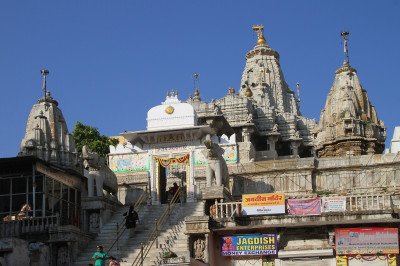
Jagdish Temple
Some quick example text to build on the card title and make up the bulk of the card's content.
Go somewhere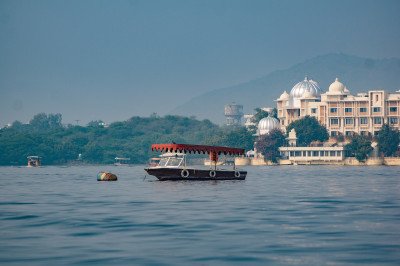
Lake Pichola
Some quick example text to build on the card title and make up the bulk of the card's content.
Go somewhere
Saheliyon Ki Bari
Some quick example text to build on the card title and make up the bulk of the card's content.
Go somewhere
Ahar Museum & Cenotaphs
Some quick example text to build on the card title and make up the bulk of the card's content.
Go somewhere
Ambrai Ghat
Some quick example text to build on the card title and make up the bulk of the card's content.
Go somewhere
Badi Lake
Some quick example text to build on the card title and make up the bulk of the card's content.
Go somewhere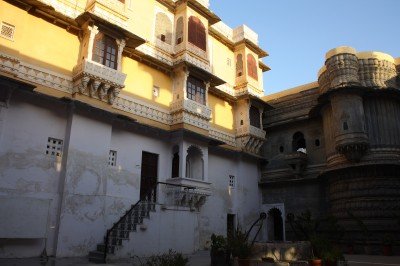
Bagore Ki Haveli
Some quick example text to build on the card title and make up the bulk of the card's content.
Go somewhere
Bhartiya Lok Kala Mandal
Some quick example text to build on the card title and make up the bulk of the card's content.
Go somewhere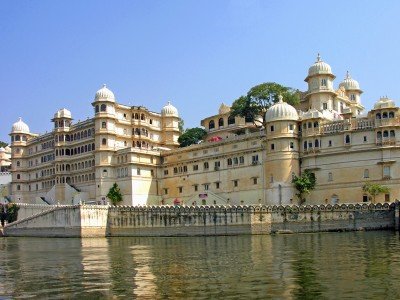
City Palace
Some quick example text to build on the card title and make up the bulk of the card's content.
Go somewhere
Crystal Gallery
Some quick example text to build on the card title and make up the bulk of the card's content.
Go somewhere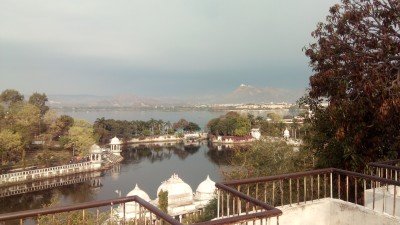
Doodh Talai Lake
Some quick example text to build on the card title and make up the bulk of the card's content.
Go somewhere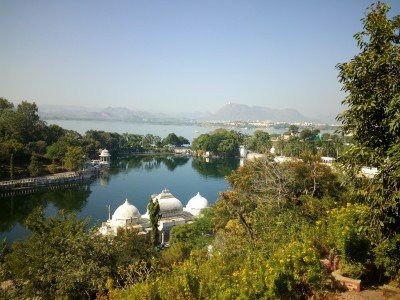
Doodh Talai Musical Garden
Some quick example text to build on the card title and make up the bulk of the card's content.
Go somewhere
Fateh Sagar Lake
Some quick example text to build on the card title and make up the bulk of the card's content.
Go somewhere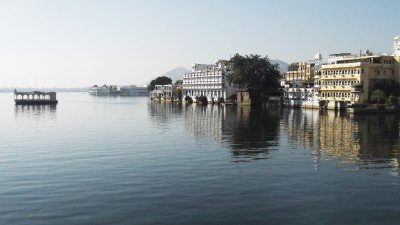
Gangaur Ghat
Some quick example text to build on the card title and make up the bulk of the card's content.
Go somewherein Other Cities