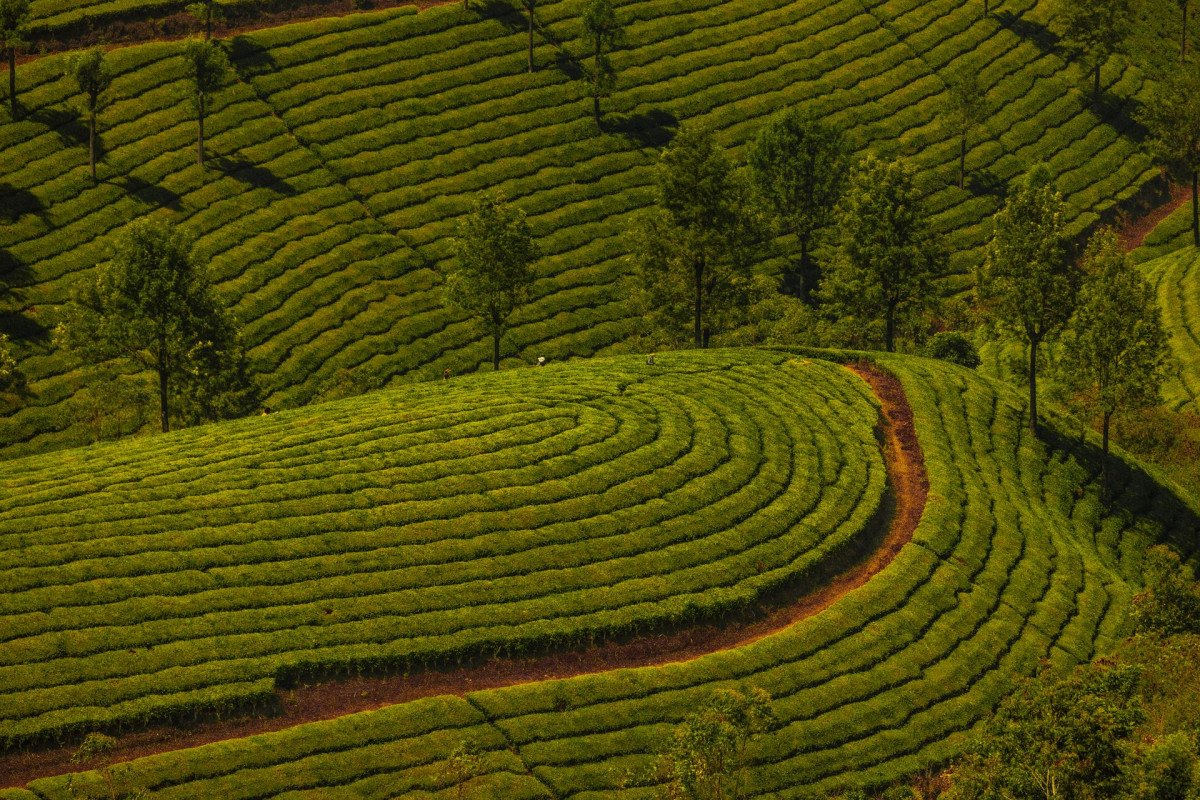
Ambootia Tea Estate
General information
-
Ideal Duration:
2 to 3 hours (including a tour and tea tasting)Place Type:
Tea Estate, Organic Farm, Heritage SiteEntry Fees:
General Access to the Tea Estate: There is usually no entry fee to drive or walk through the common roads of the tea estate. The natural beauty of the gardens is freely accessible.
Factory Tour and Tea Tasting Fees: There is a charge for t...General Access to the Tea Estate: There is usually no entry fee to drive or walk through the common roads of the tea estate. The natural beauty of the gardens is freely accessible.
Factory Tour and Tea Tasting Fees: There is a charge for the guided factory tour and the exclusive tea tasting session. This fee is generally around Rs.200 to Rs.500 per person, depending on the length and exclusivity of the tour and tasting.
Homestay Charges: If you choose to stay at the estate's heritage accommodation (like Cochrane Palace), the charges are equivalent to a premium resort stay and cover the room, meals, and often some activities.Timing:
Regular Timings: The tea gardens are generally open for viewing from Sunrise to Sunset. The tea factory and sales counter typically operate during standard business hours, usually from 9:00 AM to 5:00 PM on weekdays, but operating hours can be seasonal, based on the pluckin...Regular Timings: The tea gardens are generally open for viewing from Sunrise to Sunset. The tea factory and sales counter typically operate during standard business hours, usually from 9:00 AM to 5:00 PM on weekdays, but operating hours can be seasonal, based on the plucking schedule.
Ideal Visit Time: The ideal time is during the early morning (6:00 AM - 9:00 AM) for the freshest air, dew on the tea leaves, and to observe the initial activities of the workers. This is also the best time for photography before the harsh midday sun.Special Events:
First and Second Flush Harvest Celebrations: The most important annual events are the commencement of the First Flush (typically March to April) and the Second Flush (typically May to June) harvests. While not formal public festivals, these periods involve intense, focused ...First and Second Flush Harvest Celebrations: The most important annual events are the commencement of the First Flush (typically March to April) and the Second Flush (typically May to June) harvests. While not formal public festivals, these periods involve intense, focused activity in the estate, often marked by special community prayers for a good yield and a palpable sense of excitement among the workers, providing a vibrant cultural atmosphere for visitors.
Worker and Community Festivals: Throughout the year, the large resident worker community celebrates major festivals like Dashain/Durga Puja (around October) and Tihar/Diwali with traditional songs, dances, and local rituals. Tourists staying in the estate accommodations might get the unique chance to observe or respectfully participate in these authentic local celebrations.Best Photo Spots:
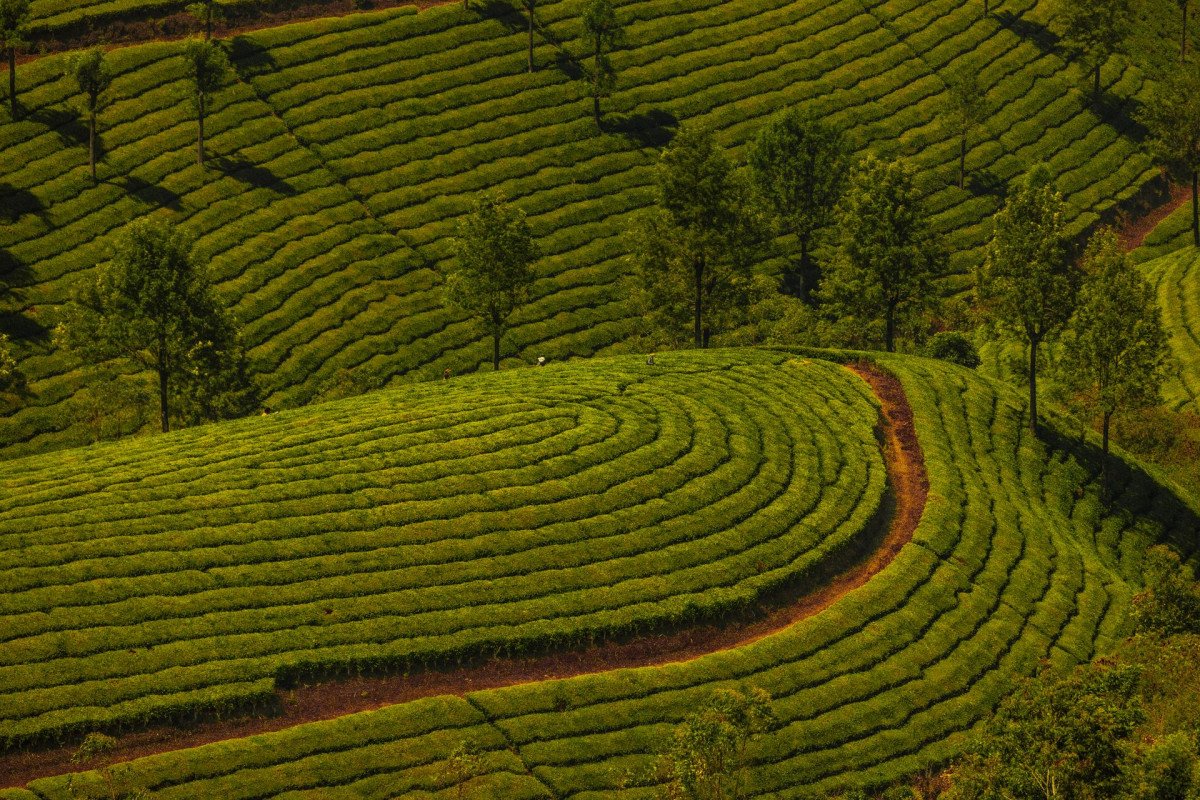
The Sea of Tea Bushes: The best shots are those that capture the endless rows of tea bushes stretching across the slopes. Go for a low-angle shot to emphasize the texture of the bushes and the scale of the estate, often framed by the misty mountains in the background.The Sea of Tea Bushes: The best shots are those that capture the endless rows of tea bushes stretching across the slopes. Go for a low-angle shot to emphasize the texture of the bushes and the scale of the estate, often framed by the misty mountains in the background.
The Heritage Bungalow Entrance: The main colonial-era bungalows, with their heritage architecture and flowered gardens, are perfect for capturing a blend of history and nature. These facades make excellent backdrops for portrait and landscape photography.
The Tea Pluckers in Action: If you are permitted, capturing the tea pluckers with their baskets, expertly and gracefully collecting the leaves, provides an authentic and iconic image of Darjeeling's tea culture. Ensure to ask for permission before taking photographs of the workers.Photo Gallery
Things To Do
-
Guided Tea Factory Tour: Take a detailed, guided tour of the tea factory to understand the meticulous process of tea manufacturing.
Learn about the stages: withering, rolling, oxidation (fermentation), and drying. This is an educational experience where you can see the machinery and the workers in action, typically requiring a nominal fee for the tour.
Exclusive Tea Tasting Session: Participate in a professional tea tasting (or 'cupping') session. An expert will guide you through sampling different 'flushes' and varieties of Ambootia tea (Green, Black, White). This teaches you how to identify the subtle aromas, body, and flavour notes that make Darjeeling tea so unique.
Leisurely Garden Walks and Photography: Spend hours simply walking through the vast, undu...Guided Tea Factory Tour: Take a detailed, guided tour of the tea factory to understand the meticulous process of tea manufacturing.
Learn about the stages: withering, rolling, oxidation (fermentation), and drying. This is an educational experience where you can see the machinery and the workers in action, typically requiring a nominal fee for the tour.
Exclusive Tea Tasting Session: Participate in a professional tea tasting (or 'cupping') session. An expert will guide you through sampling different 'flushes' and varieties of Ambootia tea (Green, Black, White). This teaches you how to identify the subtle aromas, body, and flavour notes that make Darjeeling tea so unique.
Leisurely Garden Walks and Photography: Spend hours simply walking through the vast, undulating tea gardens. The geometric patterns of the tea bushes and the play of light and mist create stunning photographic opportunities. This is also a great way to enjoy the fresh, pure air of the organic estate.
Interacting with Tea Workers: If you visit during plucking season (Spring and Summer), you might get a chance to see the skilled workers, predominantly women, hand-plucking the tender 'two leaves and a bud. ' With permission, a respectful interaction can provide insight into the social culture and daily life of the community that sustains the industry.
Shopping for Authentic Organic Tea: The estate usually has an outlet where you can purchase freshly packaged, certified organic tea directly from the source. This ensures authenticity and provides a direct contribution to the estate s sustainable practices.
Hotels
● Cochrane Place by Teesta Hotels
Address: Pankhabari Rd, Kurseong, West Bengal
Distance: 3.8 km
Details: A charming heritage hotel offering a glimpse into the past. Experience personalized service and local cuisine. The property is well-maintained and coz...
● Kurseong Castle
Address: Dow Hill, Kurseong, West Bengal
Distance: 5.5 km
Details: A mid-range stay located near the famous Dow Hill. It features clean rooms and quiet surroundings. Excellent for families. Facilities include free bre...
● La Das Treetops
Address: Kurseong, West Bengal
Distance: 4.5 km
Details: A mid-range hotel with modern amenities. It offers a great view of the Kanchenjunga range. Facilities include 24-hour reception, Wi-Fi, and a multi-cu...
● Merry Vilas
Address: Pankhabari Rd, Kurseong, West Bengal
Distance: 3.9 km
Details: A very affordable homestay perfect for budget backpackers. Enjoy home-cooked meals and a homely environment. The staff is very helpful. Facilities inc...
● Singell Tea Estate Resort
Address: Kurseong, West Bengal
Distance: 6.0 km
Details: Experience life in a working tea estate. This luxury property offers exclusive tea tours and premium accommodations. Facilities include high-end dinin...
● Summit Bougainvillea Tea Resort
Address: Hill Cart Rd, Kurseong, West Bengal
Distance: 4.0 km
Details: A beautiful mid-range resort featuring colonial architecture and lush gardens. Rooms offer mountain views, making it a favorite for nature lovers. Fac...
● Taj Chia Kutir Resort & Spa
Address: Pankhabari Rd, Kurseong, West Bengal
Distance: 2.5 km
Details: Taj Chia Kutir offers a luxury stay amidst tea gardens. Guests enjoy stunning valley views, gourmet dining, and a serene spa. It is perfect for travel...
● The Amarjeet Hotel
Address: Pankhabari Rd, Kurseong, West Bengal
Distance: 3.5 km
Details: A budget-friendly hotel located centrally. It provides basic amenities for a comfortable stay. It is ideal for those exploring the tea estates. Facili...
● White Sea Homestay
Address: Dow Hill, Kurseong, West Bengal
Distance: 5.0 km
Details: A cozy budget homestay with excellent cleanliness. Ideal for trekkers and mountain enthusiasts. Facilities include home-style cooking, room heaters, a...
● Williams Homestay
Address: Kurseong, West Bengal
Distance: 4.2 km
Details: An economical stay with great reviews for hospitality. Guests love the mountain air and peaceful garden. Facilities include laundry, a small kitchenet...
Show AllRestaurants
● 33 Dream Cafe
Address: Hill Cart Road, Kurseong, West Bengal
Distance: 5.8 KM
Details: 33 Dream Cafe is a quaint, artistic cafe located in the heart of Kurseong. It is a popular hangout spot for youth and travelers, especially during the...
Food List: Dream Coffee, Grilled Sandwich, Creamy Pasta, Chic...
● Amarjeet Hotel Restaurant
Address: 12 T.N Road, Kurseong, West Bengal
Distance: 5.9 KM
Details: Amarjeet Hotel Restaurant is a well-established dining venue known for its traditional Indian and Punjabi cuisine. It attracts many tourists, particul...
Food List: Butter Chicken, Dal Makhani, Paneer Tikka, Butter ...
● Cafe Kurseong Diaries
Address: Hill Cart Road, Near Locomotive Shed, Kurseong
Distance: 5.5 KM
Details: Cafe Kurseong Diaries is a modern and vibrant establishment located on the top floor of the Amarjeet Hotel. It is widely recognized as one of the best...
Food List: Chicken Momos, Veg Thukpa, Veg Chowmein, Chicken F...
● Chai Country
Address: Cochrane Palace Hotel, Kurseong, West Bengal
Distance: 6.8 KM
Details: Chai Country is an exquisite tea salon located within the historic Cochrane Palace Hotel. It is an elegant venue perfect for visitors who want to expe...
Food List: Hand-blended Teas, Gundruk Soup, Alu Tama, Chicken...
● Gorkha Bhansa Ghar
Address: TN Road, Near Railway Station, Kurseong
Distance: 6.3 KM
Details: Gorkha Bhansa Ghar offers an authentic Nepali and Gorkhali culinary experience in the heart of Kurseong. This place is highly recommended for those wa...
Food List: Gorkhali Thali, Sel Roti, Mutton Curry, Dalle Khur...
Show AllInformation
-
Why Famous:
Pioneer in Organic and Biodynamic Farming: Ambootia is famous for being one of the first and largest tea estates in Darjeeling to transition to 100% certified organic and biodynamic production. This commitment to ecological health and pure tea quality has given it a prestig...Pioneer in Organic and Biodynamic Farming: Ambootia is famous for being one of the first and largest tea estates in Darjeeling to transition to 100% certified organic and biodynamic production. This commitment to ecological health and pure tea quality has given it a prestigious international reputation and a unique place in the global tea industry.
Exceptional Darjeeling Tea Quality: The estate is renowned for producing some of the finest varieties of Darjeeling tea, including the highly-prized First Flush and Second Flush. Its distinctive, delicate, and complex flavour profile is a result of its unique soil, altitude, and commitment to traditional farming methods.
Scenic Beauty and Tranquil Setting: Beyond its commercial success, Ambootia is a major draw for its breathtaking scenic beauty. The neatly manicured tea rows, set against the misty backdrop of the Himalayas, create a stunning visual landscape that is synonymous with the charm of Kurseong. -
Architecture:
Colonial Bungalows and Factory Design: The architecture of Ambootia Tea Estate consists mainly of heritage colonial bungalows, which serve as residences or homestays (like the Cochrane Palace mentioned in one source). These buildings typically feature large windows, sloping...Colonial Bungalows and Factory Design: The architecture of Ambootia Tea Estate consists mainly of heritage colonial bungalows, which serve as residences or homestays (like the Cochrane Palace mentioned in one source). These buildings typically feature large windows, sloping roofs of slate or tin, and wide verandas, all designed to make the most of the hill views and adapt to the local climate. They embody a rustic elegance and historical charm.
Tea Factory Functionalism: The tea factory within the estate is a prime example of industrial functional architecture from the colonial era, often built with local stone and wood. Its design is strictly utilitarian, with large, open floors and ventilation systems necessary for the withering, rolling, fermentation, and drying processes of tea production. The interior dimensions are designed to accommodate large, heavy machinery and the flow of the tea leaves through the various stages. While not aesthetically ornate, the factory is a fascinating piece of local industrial heritage. -
How To Reach:
By Air: The nearest airport is Bagdogra Airport (IXB), approximately 35 KMs away. Hire a private taxi from the airport for a direct journey to the estate, which is just about 5 KMs from Kurseong town. The drive takes approximately 1. 5 hours.By Air: The nearest airport is Bagdogra Airport (IXB), approximately 35 KMs away. Hire a private taxi from the airport for a direct journey to the estate, which is just about 5 KMs from Kurseong town. The drive takes approximately 1. 5 hours.
By Train: The nearest major railway station is New Jalpaiguri (NJP), about 30 KMs from the estate. From NJP, take a reserved or shared taxi directly to Ambootia. The estate is accessible from Kurseong town via a well-known local road.
By Road: Ambootia Tea Estate is located approximately 5 KMs downhill from Kurseong town. It is easily accessible by a short drive on local roads branching off the main highway. Local taxis or hired vehicles from Kurseong are the most convenient way to reach the estate.
By Local Transport: From the Kurseong taxi stand, a local cab can be hired to take you to the estate. The drivers are very familiar with the location. For the adventurous, a pleasant downhill walk of about 1 hour can also be an option. -
Weather and Best Time to Visit:
Different Types of Seasons: The best time to visit for tea enthusiasts is during the First Flush (March to April) and Second Flush (May to June) periods, as the factory is fully operational and the quality of the new tea is at its peak. For general sightseeing, October and ...Different Types of Seasons: The best time to visit for tea enthusiasts is during the First Flush (March to April) and Second Flush (May to June) periods, as the factory is fully operational and the quality of the new tea is at its peak. For general sightseeing, October and November offer the clearest weather and best visibility.
Different Parts of the Day: Early morning is the most photogenic time with the mist lifting from the tea bushes. Late afternoon is also lovely for a long walk when the sun's intensity is lower. -
Near Tourist Places:
Kurseong Railway Station: 5 KMs (DHR Toy Train)
Eagle's Crag View Point: 6 KMs (Viewpoint)
Dow Hill Eco Park: 7 KMs (Park)
Netaji Subhas Chandra Bose Museum: 7 KMs (History Museum)
Chimney Village: 10 KMs (Historic Landmark)
Makaibari Tea Estate: 8 KMs (Another famous Tea Estate) St.
Mary's Hill Grotto: 8 KMs (Religious Site)
Dilaram Village: 12 KMs (Offbeat Nature Spot)
Gidda Pahar: 7 KMs (Viewpoint)
Bagora (Zero Point): 15 KMs (Highest Elevation Point)
Tourism Tips
-
Health & Safety: The estate has uneven terrain and steep slopes. Wear comfortable, non-slip walking shoes. Be cautious around any machinery if you take the factory tour.
Packing: Carry an umbrella or raincoat, as hill weather is unpredict...Health & Safety: The estate has uneven terrain and steep slopes. Wear comfortable, non-slip walking shoes. Be cautious around any machinery if you take the factory tour.
Packing: Carry an umbrella or raincoat, as hill weather is unpredictable. Sunscreen and a hat are essential for garden walks. Don't forget a reusable bag to carry your purchased tea.
Accommodation: Consider staying at the estate's own heritage bungalow for a unique, immersive tea tourism experience. Otherwise, various hotels and homestays are available in nearby Kurseong town.
Other Different Topics heading:
Ethical Tourism: When interacting with the workers, always be respectful of their privacy and ask for permission before taking photographs. As it is an organic estate, respect all environmental rules and dispose of waste responsibly.
Reviews
FAQs
Ans:- It is a historic and renowned tea plantation established in the 1850s, famous for its organic and bio-dynamic Darjeeling tea production nestled in the Kurseong hills.Ans:- The estate is situated in the Kurseong subdivision of the Darjeeling district in West Bengal, India, spanning lush slopes at an altitude of 4,000 feet.Ans:- Yes, Ambootia transitioned to 100% certified organic and bio-dynamic production in 1992, ensuring high-quality, chemical-free teas for consumers worldwide.Ans:- Visitors can take guided tours to witness the traditional tea-making process, including plucking, withering, rolling, fermenting, and drying of the tea leaves.Ans:- Ambootia is highly regarded for its first flush Darjeeling tea, which is light and aromatic, reflecting the unique terroir and climate of the Kurseong region.Ans:- The best time to visit is from March to June or September to December, avoiding the heavy monsoon rains and the harsh cold of winter.Ans:- Absolutely, the rolling hills, forested patches, and streams make it an ideal setting for photography, birdwatching, and peaceful nature walks in crisp mountain air.Ans:- Yes, it is a socially responsible estate that provides housing, healthcare, educational facilities, and subsidized essential goods to its hundreds of workers.Ans:- You can reach Kurseong via road from Siliguri or Darjeeling, and then hire a local taxi or use local transport to reach the tea garden gates.Ans:- While the estate is primarily a working garden, there are various resorts, heritage hotels, and homestays in and around Kurseong town suitable for tourists.Ans:- Generally, yes; visitors are encouraged to capture the scenic beauty of the tea bushes and the factory, provided they respect the privacy of workers.Ans:- Yes, the estate received Fair Trade certification in 1994, reflecting its commitment to ethical labor practices and community development in the hills.Ans:- It is recommended to wear comfortable clothing and sturdy walking shoes, as the terrain is hilly and involves walking through garden paths and factory floors.Ans:- Most estates have an office or a sales counter where visitors can purchase authentic, estate-grown organic Darjeeling tea directly from the source.Ans:- While wandering the public paths is free, formal guided tours or factory visits may require a pre-arranged appointment and a nominal service fee.Kurseong Itineray And Cost:-
Ambootia Tea Estate Tourism:-
Information about New and Updated Locations() of West Bengal Has Been Added :-
Card subtitle
Note:-
Information provided here in good Faith and for reference only.
Near Places
Ambootia Tea Estate
Some quick example text to build on the card title and make up the bulk of the card's content.
Go somewhere
Ambotia Shiva Temple & Orange Garden
Some quick example text to build on the card title and make up the bulk of the card's content.
Go somewhere
Bhangzang Salamander Lake
Some quick example text to build on the card title and make up the bulk of the card's content.
Go somewhere
Chimney Heritage Park
Some quick example text to build on the card title and make up the bulk of the card's content.
Go somewhere
Dow Hill Eco Park
Some quick example text to build on the card title and make up the bulk of the card's content.
Go somewhere
Eagle's Crag
Some quick example text to build on the card title and make up the bulk of the card's content.
Go somewhere
Forest Museum
Some quick example text to build on the card title and make up the bulk of the card's content.
Go somewhere
Giddapahar View Point and Temple
Some quick example text to build on the card title and make up the bulk of the card's content.
Go somewhere
Grotto View Point
Some quick example text to build on the card title and make up the bulk of the card's content.
Go somewhere
Hill Cart Road
Some quick example text to build on the card title and make up the bulk of the card's content.
Go somewhere
Kettle Valley Viewpoint
Some quick example text to build on the card title and make up the bulk of the card's content.
Go somewhere
Makaibari Tea Estate
Some quick example text to build on the card title and make up the bulk of the card's content.
Go somewhere
Netaji Subhas Chandra Bose Museum
Some quick example text to build on the card title and make up the bulk of the card's content.
Go somewhere
Sitong Village
Some quick example text to build on the card title and make up the bulk of the card's content.
Go somewhere
St. Andrew s Church, Kurseong
Some quick example text to build on the card title and make up the bulk of the card's content.
Go somewhere
St. Mary s Hill Church
Some quick example text to build on the card title and make up the bulk of the card's content.
Go somewherein Other Cities