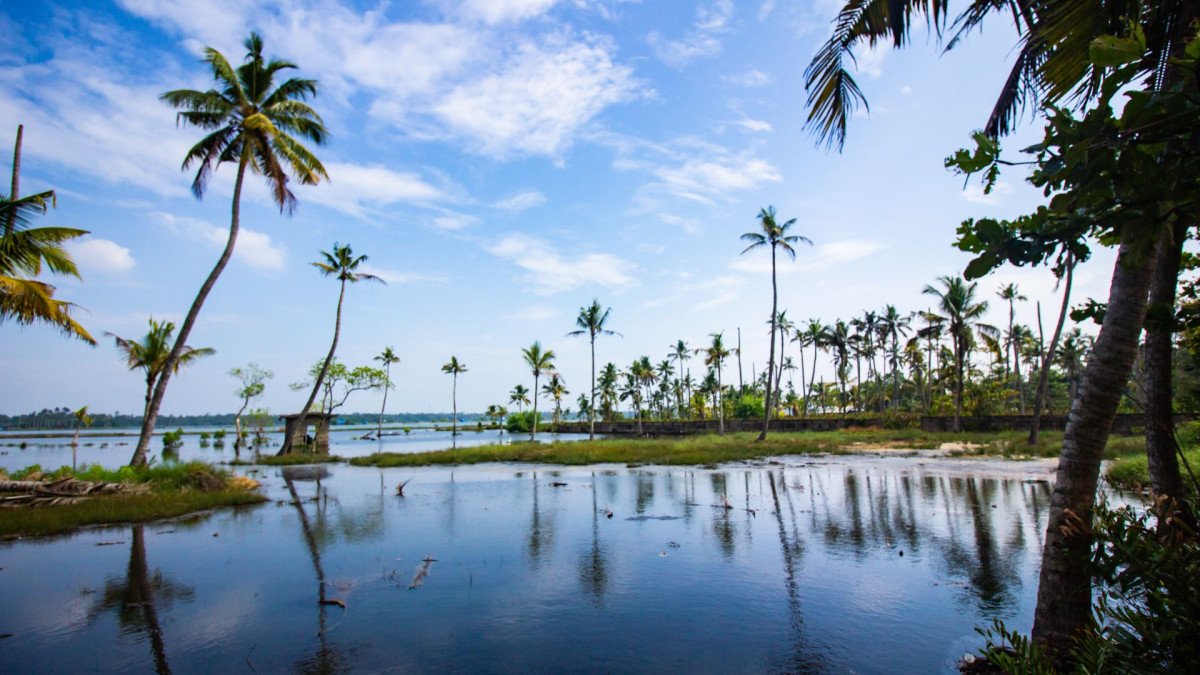
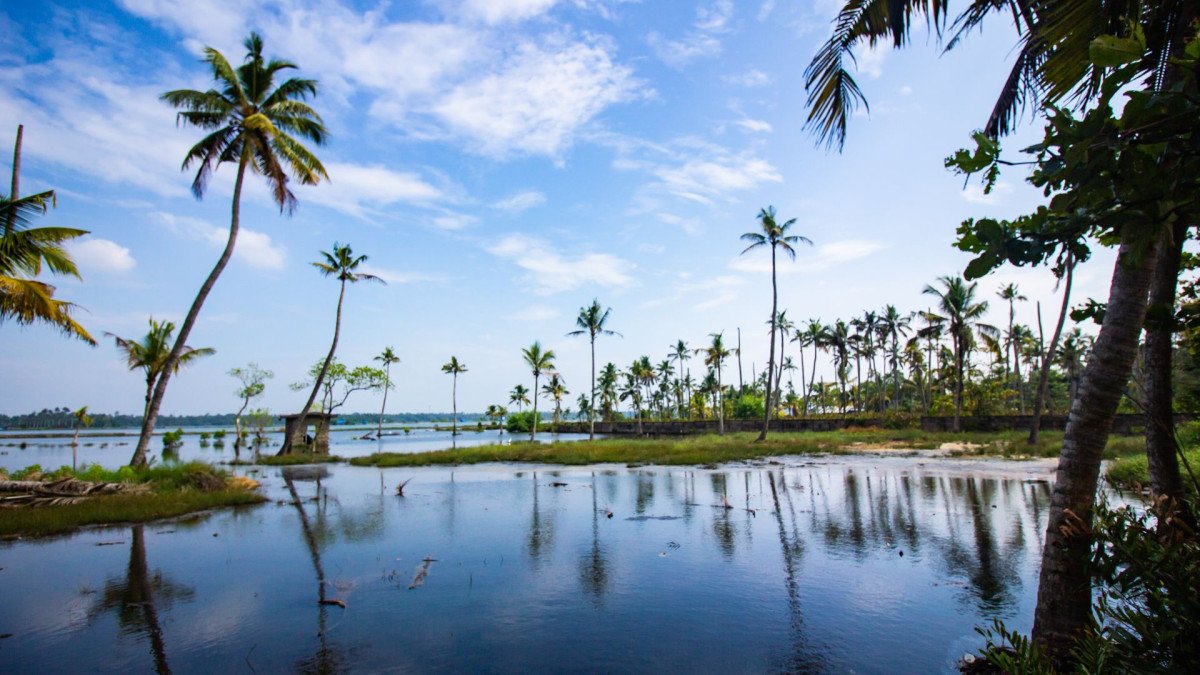
Bhangzang Salamander Lake
General information
-
Ideal Duration:
1 to 2 HoursPlace Type:
Wildlife Reserve, Nature, Scenic SpotEntry Fees:
Generally No Entry Fee: The natural spot of Bhangzang Salamander Lake is generally accessed with no direct entry fee. Its preservation is often managed by the forest department or local bodies, who maintain its minimal infrastructure.
Parking...Generally No Entry Fee: The natural spot of Bhangzang Salamander Lake is generally accessed with no direct entry fee. Its preservation is often managed by the forest department or local bodies, who maintain its minimal infrastructure.
Parking or Road Fees: While there is no lake entry fee, a small fee might be charged for parking your vehicle or as a general road usage fee in the vicinity, particularly if the lake is located within a protected or managed area.Timing:
Regular Timings: The lake is generally accessible from daybreak to sunset (approximately 6:00 AM to 6:00 PM). As a natural outdoor spot, it does not have strict gate timings, but it is not advisable to visit after dark due to safety and wildlife concerns.Regular Timings: The lake is generally accessible from daybreak to sunset (approximately 6:00 AM to 6:00 PM). As a natural outdoor spot, it does not have strict gate timings, but it is not advisable to visit after dark due to safety and wildlife concerns.
Ideal Visit Time: The ideal time to visit is in the early morning to mid-morning (8:00 AM to 11:00 AM). This time often provides the best light for photography, the calmest water, and increases the potential (however slight) for spotting the rare salamanders before the midday warmth.
Best Time for Salamander Sighting: The best time for a possible salamander sighting is typically the post-monsoon period or early in the day, but this is highly variable and unpredictable.Special Events:
Wildlife Conservation Drives: Periodically, the local forest department or NGOs focused on wildlife conservation may organize special awareness and conservation drives or nature camps near the lake. These events focus on educating the public and tourists about the endanger...Wildlife Conservation Drives: Periodically, the local forest department or NGOs focused on wildlife conservation may organize special awareness and conservation drives or nature camps near the lake. These events focus on educating the public and tourists about the endangered status of the Himalayan Salamander and the broader need for preserving high-altitude wetlands.
Local Forest and Nature Fairs: Small nature fairs or local village gatherings might take place in the general vicinity, especially to celebrate the change of seasons or harvest. These events provide a cultural and natural appreciation that aligns with the lake's eco-tourism focus.Best Photo Spots:
Lake Surface with Forest Reflection: The most iconic shot is the reflection of the surrounding dense, green forest and the sky on the still, green-tinged water of the lake. This shot is best taken in the early morning for the best light and calmest water.Lake Surface with Forest Reflection: The most iconic shot is the reflection of the surrounding dense, green forest and the sky on the still, green-tinged water of the lake. This shot is best taken in the early morning for the best light and calmest water.
The Forest Canopies: The towering oak and pine trees surrounding the lake offer great opportunities for vertical composition and capturing the dense, moody atmosphere of the high-altitude forest.
Salamander Close-ups (If Spotted): A successful close-up photograph of the extremely rare Himalayan Salamander is a prize for any wildlife photographer. This requires a telephoto lens and exceptional luck and patience.
The Entrance and Signage: The rustic entrance or the sign of the lake, often set against a beautiful mountain backdrop, can make for a great photograph to mark your visit to this unique spot.Photo Gallery
Things To Do
-
Salamander Spotting (Seasonal): The key activity is the attempt to spot the elusive Himalayan Salamander. This requires patience and often a guide who knows the specific times and areas where the creatures might emerge, particularly during the breeding season.
Nature and Forest Walk: Take a walk along the trails or pathways surrounding the lake. The air is fresh, and the dense forest canopy, composed of oak and pine, provides a peaceful backdrop for a short hike or a brisk walk.
Photography of the Green-Tinged Waters: Capture the distinctively green-tinged water of the lake and the reflection of the surrounding forest. The misty atmosphere, especially in the mornings, creates dramatic and ethereal landscape photographs.
Birdwatching and Wildlife Photography:...Salamander Spotting (Seasonal): The key activity is the attempt to spot the elusive Himalayan Salamander. This requires patience and often a guide who knows the specific times and areas where the creatures might emerge, particularly during the breeding season.
Nature and Forest Walk: Take a walk along the trails or pathways surrounding the lake. The air is fresh, and the dense forest canopy, composed of oak and pine, provides a peaceful backdrop for a short hike or a brisk walk.
Photography of the Green-Tinged Waters: Capture the distinctively green-tinged water of the lake and the reflection of the surrounding forest. The misty atmosphere, especially in the mornings, creates dramatic and ethereal landscape photographs.
Birdwatching and Wildlife Photography: The dense, high-altitude forest around the lake is a haven for Himalayan birds. Bring your binoculars and camera for excellent opportunities to spot and photograph various avian species in their natural habitat.
Quiet Contemplation and Relaxation: The lake's tranquility makes it an excellent location for silent meditation or quiet contemplation. Sitting by the water s edge and soaking in the peace is a primary draw for stress-weary visitors.
Combining with Jorepokhri: The lake is often visited in conjunction with the nearby Jorepokhri (twin ponds), which is also an ecologically significant spot and often includes a tourist lodge and small park area, maximizing the day trip.
Eco-Conscious Exploration: Engage in responsible tourism. The primary goal of visiting should be observation and appreciation, ensuring no disturbance to the fragile environment or the protected salamanders. Follow all local guidelines regarding noise and movement.
Hotels
● Anurag Homestay
Address: Kurseong, West Bengal
Distance: 4.3 km
Details: Mid-range homestay with a friendly host. Quiet location near nature spots. Facilities include home-cooked meals, garden seating, and tour assistance....
● Aurum By RJ Resorts
Address: Near Airport/Kurseong road, West Bengal
Distance: 8.5 km
Details: A premium stay with high-end amenities. Modern architecture and very spacious rooms. Facilities include a bar, restaurant, and airport shuttle service...
● Avianna Windy House
Address: Kurseong, West Bengal
Distance: 2.4 km
Details: Mid-range wellness retreat. Offers spa and relaxing stay options. Facilities include massage services, organic tea, and beautiful garden views....
● Damfu Basera Homestay
Address: Kurseong, West Bengal
Distance: 5.5 km
Details: Budget homestay with excellent reviews for hygiene and food. Great atmosphere. Facilities include a small library, patio, and free Wi-Fi....
● Fortune Select Siliguri
Address: Siliguri, West Bengal
Distance: 10.0 km
Details: Luxury hotel with high standards. Professional staff and excellent food. Facilities include a gym, swimming pool, and conference rooms....
● Itsy By Treebo Gupta's Hotel
Address: Kurseong, West Bengal
Distance: 9.5 km
Details: Budget stay offering reliable service and clean rooms. Good for budget travelers. Facilities include free breakfast, TV, and room service....
● K-Den Homestay & Cafe
Address: Kurseong, West Bengal
Distance: 6.0 km
Details: A unique mid-range stay that includes an on-site cafe. Very popular among youth. Facilities include high-speed internet, good food, and cozy interiors...
● Mayfair Tea Resort
Address: Siliguri/Kurseong border, West Bengal
Distance: 5.0 km
Details: Luxury resort offering an unparalleled experience in the tea gardens. Elite service and design. Facilities include a sprawling pool, fine dining, and ...
● Mount Queens Hill Lake Resort
Address: Dilmaya Rd, Kurseong, West Bengal
Distance: 7.9 km
Details: A mid-range resort known for its lake views. Great for families and weekend getaways. Facilities include a restaurant, garden, and laundry service....
● Pradhan Homestay
Address: Kurseong, West Bengal
Distance: 9.9 km
Details: A comfortable mid-range homestay with mountain views. Very relaxing environment. Facilities include laundry, room heaters, and breakfast service....
Show AllRestaurants
● 33 Dream Cafe
Address: Hill Cart Road, Opposite Bharat Petroleum, Kurseong 734203
Distance: 4.9 KM
Details: This cafe is designed like an art space, offering a creative environment for food lovers. It is a great place to relax and enjoy a casual meal. Must T...
Food List: 'Hot Chocolate', 'Chicken Momos', 'Wai Wai', 'Coff...
● Amarjeet Hotel and Restaurant
Address: 12 T.N Road, Kurseong, West Bengal 734203
Distance: 4.7 KM
Details: An iconic establishment in Kurseong, known for its long history of serving locals and tourists. It offers traditional Indian flavors that warm the sou...
Food List: 'Samosas', 'Gulab Jamuns', 'Indian Thali', 'Veg Cu...
● Cafe Kurseong Diaries
Address: 4th Floor, Amarjeet Hotel, Hill Cart Road, Kurseong 734203
Distance: 4.8 KM
Details: Located in the heart of Kurseong, this modern cafe provides a vibrant atmosphere with live music and great views. It is a favorite among the younger c...
Food List: 'Coffee', 'Pasta', 'Sandwiches', 'Brownies'...
● Chill Out
Address: Kurseong, West Bengal 734203
Distance: 5.3 KM
Details: A fantastic place famous for its high-quality momos and light snacks. It is a local favorite for its juicy fillings and great value. Must Try: Both th...
Food List: 'Fried Chicken Momo', 'Cheese Momo', 'Wai Wai', 'H...
● Kurseong Tourist Lodge Restaurant
Address: Hill Cart Road, Kurseong, West Bengal 734203
Distance: 4.5 KM
Details: This restaurant is a popular spot in Kurseong, offering a wide range of Indian and Chinese dishes. It is well-regarded for its comfortable ambiance an...
Food List: 'Steamed Momos', 'Darjeeling Tea', 'Thukpa', 'Chic...
Show AllInformation
-
Why Famous:
Habitat of the Rare Himalayan Salamander: The lake's primary fame and critical importance stem from being one of the few places in India where the Himalayan Black Salamander can be found. This rare, endangered amphibian gives the lake its unique ecological status and attra...Habitat of the Rare Himalayan Salamander: The lake's primary fame and critical importance stem from being one of the few places in India where the Himalayan Black Salamander can be found. This rare, endangered amphibian gives the lake its unique ecological status and attracts researchers and dedicated wildlife enthusiasts focused on conservation.
Unspoiled Natural Serenity: Unlike many highly commercialized tourist spots, the lake is known for its unspoiled, tranquil beauty. Surrounded by dense, green forests and often covered in a slight mist, it offers a perfect retreat for those seeking peace and a deep connection with untouched nature. -
Architecture:
Natural and Unadorned: The most distinct feature of the Bhangzang Salamander Lake is its predominantly natural architecture. There is no significant man-made construction around the water body, deliberately kept minimal to preserve the fragile habitat of the Himalayan Sala...Natural and Unadorned: The most distinct feature of the Bhangzang Salamander Lake is its predominantly natural architecture. There is no significant man-made construction around the water body, deliberately kept minimal to preserve the fragile habitat of the Himalayan Salamander. The "architecture" is largely defined by the natural contour of the land that forms the basin of the lake, with the surrounding hills forming a dense, protective wall of foliage.
Minimal Infrastructure: Any man-made elements are usually limited to basic visitor amenities like a simple, rustic fencing or a small viewing platform to allow visitors to observe the lake without disturbing the ecosystem. The focus is on eco-friendly and non-intrusive design. The only notable nearby structure may be the associated forest department rest house or tourist lodge (as sometimes seen at nearby Jorepokhri), which usually adopts a vernacular hill style of construction using local wood and stone to blend with the natural scenery. The lake's irregular shape is determined by the natural water catchment area of the hill slope. -
How To Reach:
By Air: The nearest airport is Bagdogra Airport (IXB), approximately 74 KMS away. From the airport, hire a reserved taxi to take you directly to the lake area, which is about 14 KMS from Kurseong town. The journey will take around 2 to 2. 5 hours.
Read MoreBy Air: The nearest airport is Bagdogra Airport (IXB), approximately 74 KMS away. From the airport, hire a reserved taxi to take you directly to the lake area, which is about 14 KMS from Kurseong town. The journey will take around 2 to 2. 5 hours.
By Train: The closest major railway station is New Jalpaiguri (NJP), about 70 KMS away. From NJP, take a taxi to the lake area. The Kurseong railway station is closer, but you will still need a taxi from Kurseong to the lake location.
By Road: The lake is situated on the road connecting Kurseong to Mirik (or near the road to Jorepokhri), approximately 14 KMS from Kurseong town center. The best way to reach is by reserving a local taxi from Kurseong or Darjeeling, specifying the destination as Bhangzang Salamander Lake or Jorepokhri.
By Local Transport: Reserved local jeeps or taxis from the Kurseong town taxi stand are the only viable option due to the distance and the remote location. Shared taxis may take you part of the way to nearby villages, but a dedicated vehicle is recommended for a comfortable round trip.Weather and Best Time to Visit:
Post-Monsoon and Spring (Ideal for Salamander): The period from March to June (spring/early summer) and September to November (post-monsoon) are considered the most favorable. The weather is pleasant, and the ground is not too wet, which reportedly increases the chances of...Post-Monsoon and Spring (Ideal for Salamander): The period from March to June (spring/early summer) and September to November (post-monsoon) are considered the most favorable. The weather is pleasant, and the ground is not too wet, which reportedly increases the chances of spotting the Himalayan Salamander near the water.
Clear Weather (Best for Scenic Beauty): The post-monsoon months of September to November offer the best visibility, with clear skies and lush green surroundings, perfect for appreciating the natural scenery and photography.
Different Parts of the Day: Early to Mid-Morning is the most recommended time for a visit, offering tranquility, better light, and the highest possibility of sighting the elusive amphibian or other local wildlife.Near Tourist Places:
Jorepokhri (Twin Ponds): Approx. 2 KMS
Lepchajagat Village: Approx. 15 KMS
Mirik Lake (Sumendu Lake): Approx. 25 KMS
Ghum Monastery: Approx. 17 KMS
Tiger Hill (View Point): Approx. 20 KMS
Kurseong Town Center: Approx. 14 KMS
Dow Hill Eco Park (Deer Park): Approx. 16. 8 KMS
Makaibari Tea Estate: Approx. 8. 1 KMS
Giddapahar View Point: Approx. 16 KMS
Batasia Loop: Approx. 20 KMSTourism Tips
-
Health & Safety: Wear sturdy trekking shoes as the area around the lake can be slippery or muddy. The lake is a wildlife habitat; do not attempt to swim or wade in the water. Carry a light rain jacket or umbrella regardless of the season.
P...Health & Safety: Wear sturdy trekking shoes as the area around the lake can be slippery or muddy. The lake is a wildlife habitat; do not attempt to swim or wade in the water. Carry a light rain jacket or umbrella regardless of the season.
Packing: Pack a camera with a good zoom lens for distant wildlife photography. Carry binoculars and a small field guide for bird and plant identification. A small snack and plenty of water are recommended, as food facilities are minimal.
Accommodation: The best accommodations are available in Kurseong town or the nearby scenic village of Jorepokhri (which has a Tourist Lodge). Staying in Jorepokhri is advantageous as it is closer to the lake.
Eco-Tourism Etiquette: The lake is a protected natural habitat for an endangered species. Visitors must practice Leave No Trace principles. Do not litter, do not make loud noises, and under no circumstances should you attempt to touch, catch, or disturb the salamanders or other wildlife.
Reviews
FAQs
Ans:- It is an ecologically significant, small, and serene water body near Kurseong, famous for being a habitat for the rare and endangered Himalayan salamander.Ans:- While the lake is their natural habitat, sightings are rare and depend on the season; they are most active during the early monsoon breeding period.Ans:- It is located near the road towards Mirik, a short drive from Kurseong, surrounded by dense forests that provide a quiet and tranquil atmosphere.Ans:- Spring to early summer (March–June) and autumn (September–November) offer the most pleasant weather for walking and enjoying the lake's natural surroundings.Ans:- Yes, its serene environment and green, wooded surroundings make it an excellent spot for nature lovers, bird watchers, and those seeking a quiet picnic.Ans:- You can reach the lake by hiring a taxi from Kurseong town; the route is scenic and takes you through the beautiful hilly landscape of the region.Ans:- It is a rare, protected amphibian species (Tylototriton verrucosus) native to the eastern Himalayas, which requires clean, undisturbed water bodies to thrive and breed.Ans:- Currently, the lake is a natural spot and there is generally no formal entry ticket, but visitors should ensure they do not litter or disturb the habitat.Ans:- The area is quite remote and natural, so it is best to carry your own food and water, as there are no large restaurants directly at the site.Ans:- Visitors can enjoy photography, bird watching, nature walks in the surrounding forest, and peaceful contemplation away from the busy city life.Ans:- Swimming is not recommended and should be avoided to protect the water quality and the fragile habitat of the endangered salamanders residing in the lake.Ans:- It is designated as an eco-tourism site to promote awareness about conserving the unique, threatened species of the region in their natural, undisturbed habitat.Ans:- Please maintain silence, do not feed any wildlife, carry all your trash back with you, and avoid using flash photography near the water's edge.Ans:- Yes, it is accessible by a short walk from the nearby road, though it is recommended to travel with a local driver who knows the specific location.Ans:- Early monsoon months are considered the best time for potential sightings as the creatures come out of hiding for their annual breeding cycles in the lake.Kurseong Itineray And Cost:-
Bhangzang Salamander Lake Tourism:-
Information about New and Updated Locations() of West Bengal Has Been Added :-
Card subtitle
Note:-
Information provided here in good Faith and for reference only.
Near Places
Ambootia Tea Estate
Some quick example text to build on the card title and make up the bulk of the card's content.
Go somewhere
Ambotia Shiva Temple & Orange Garden
Some quick example text to build on the card title and make up the bulk of the card's content.
Go somewhere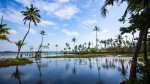
Bhangzang Salamander Lake
Some quick example text to build on the card title and make up the bulk of the card's content.
Go somewhere
Chimney Heritage Park
Some quick example text to build on the card title and make up the bulk of the card's content.
Go somewhere
Dow Hill Eco Park
Some quick example text to build on the card title and make up the bulk of the card's content.
Go somewhere
Eagle's Crag
Some quick example text to build on the card title and make up the bulk of the card's content.
Go somewhere
Forest Museum
Some quick example text to build on the card title and make up the bulk of the card's content.
Go somewhere
Giddapahar View Point and Temple
Some quick example text to build on the card title and make up the bulk of the card's content.
Go somewhere
Grotto View Point
Some quick example text to build on the card title and make up the bulk of the card's content.
Go somewhere
Hill Cart Road
Some quick example text to build on the card title and make up the bulk of the card's content.
Go somewhere
Kettle Valley Viewpoint
Some quick example text to build on the card title and make up the bulk of the card's content.
Go somewhere
Makaibari Tea Estate
Some quick example text to build on the card title and make up the bulk of the card's content.
Go somewhere
Netaji Subhas Chandra Bose Museum
Some quick example text to build on the card title and make up the bulk of the card's content.
Go somewhere
Sitong Village
Some quick example text to build on the card title and make up the bulk of the card's content.
Go somewhere
St. Andrew s Church, Kurseong
Some quick example text to build on the card title and make up the bulk of the card's content.
Go somewhere
St. Mary s Hill Church
Some quick example text to build on the card title and make up the bulk of the card's content.
Go somewherein Other Cities