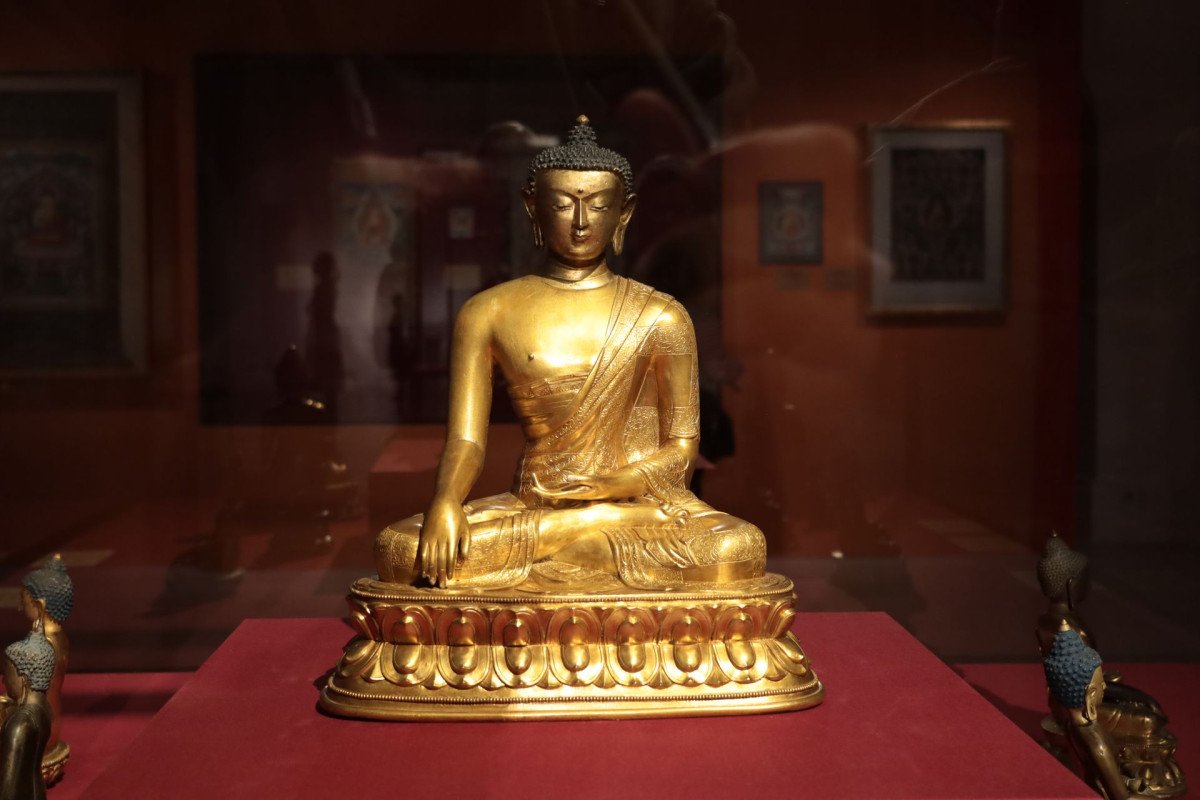
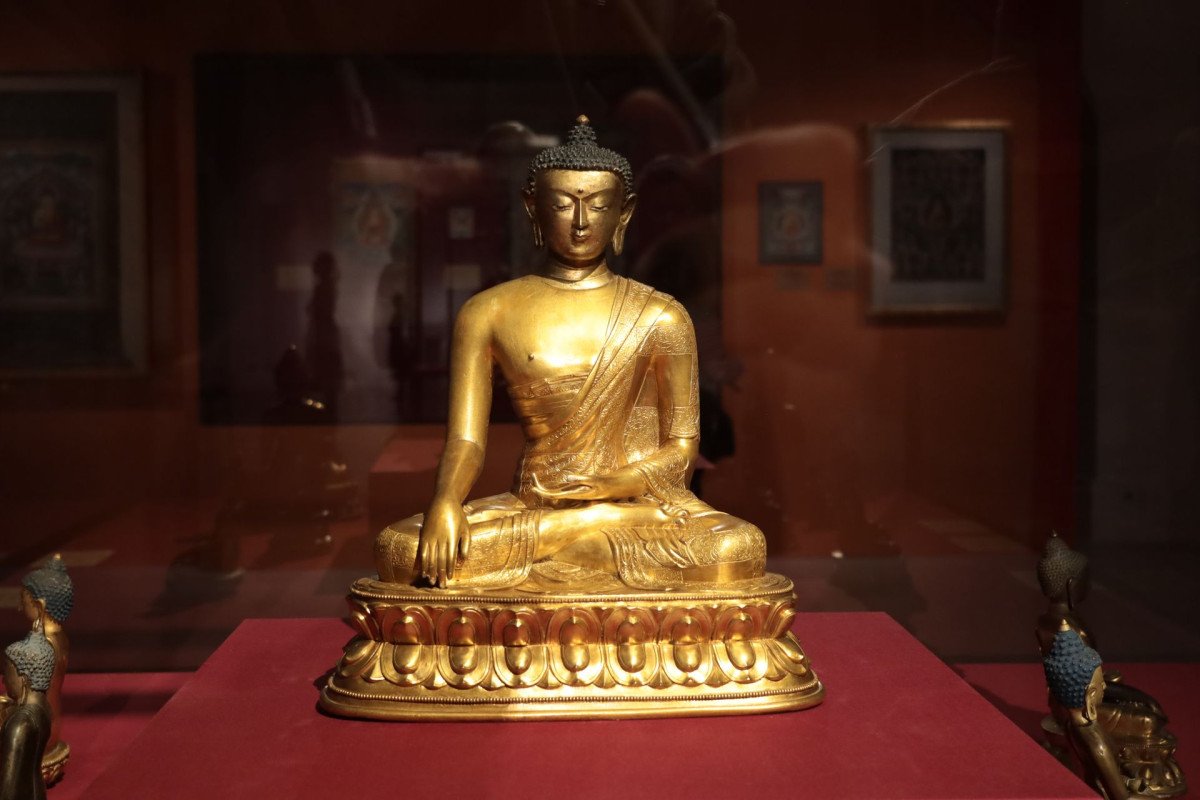
Forest Museum
General information
-
Ideal Duration:
1 to 2 HoursPlace Type:
Museum, Historical, Nature & WildlifeEntry Fees:
Nominal Fee Structure: There is generally a nominal entry fee charged at the Forest Museum. While some older sources suggest no fee, most recent reports indicate a small, affordable ticket price, making it a very budget-friendly attraction. The fee is primarily used for t...Nominal Fee Structure: There is generally a nominal entry fee charged at the Forest Museum. While some older sources suggest no fee, most recent reports indicate a small, affordable ticket price, making it a very budget-friendly attraction. The fee is primarily used for the maintenance and upkeep of the museum and the surrounding grounds.
Separate Charges for Activities: It is important to note that while the entry fee for the museum building is usually small, there might be separate, higher charges for activities such as professional photography or videography. Tourists carrying large camera equipment may be asked to pay a special fee. Additionally, any guided tours requested might involve an extra cost, negotiated locally.Timing:
Regular Timings: The Forest Museum is typically open from 10:00 AM to 4:00 PM on most days. It is strongly advised to check with local authorities or tourism offices as the museum, being a government-maintained entity, may observe extended closures during national holidays...Regular Timings: The Forest Museum is typically open from 10:00 AM to 4:00 PM on most days. It is strongly advised to check with local authorities or tourism offices as the museum, being a government-maintained entity, may observe extended closures during national holidays or specific local festivals. It is generally closed on Thursdays.
Ideal Visit Time: The ideal time to visit is during the late morning, around 10:00 AM to 11:00 AM, just as it opens. This allows you to explore the museum when it is less crowded and provides ample time to combine the visit with other nearby attractions like the Dow Hill Eco Park before lunchtime.
Best Season for Clear Views: The best seasons for a visit are the post-monsoon months of September to November and the spring months of March to May. During these times, the weather is cool and pleasant, and the skies are often clear, making the drive to Dow Hill and the experience in the surrounding areas more enjoyable.Special Events:
World Forestry Day Celebrations: The museum, being a key forestry institution, often hosts special events or workshops around World Forestry Day (March 21) and World Environment Day (June 5). These events typically involve school children, local conservationists, and fores...World Forestry Day Celebrations: The museum, being a key forestry institution, often hosts special events or workshops around World Forestry Day (March 21) and World Environment Day (June 5). These events typically involve school children, local conservationists, and forest officials. They feature educational talks, tree-planting drives, and small exhibitions emphasizing the importance of forest conservation in the Himalayas.
Local Wildlife Exhibitions: Occasionally, the museum organizes specific exhibitions focusing on the endangered species of the region, such as the Himalayan Black Salamander (found in a nearby lake). These events are a powerful tool for raising awareness among tourists and locals about the need to protect the sensitive Himalayan ecosystem.Best Photo Spots:
The Taxidermy Exhibits: The most unique photo opportunity inside the museum is the collection of animal taxidermy. While photography rules should be confirmed with the staff, capturing these exhibits such as the preserved leopards or deer offers a direct, albeit dated, vis...The Taxidermy Exhibits: The most unique photo opportunity inside the museum is the collection of animal taxidermy. While photography rules should be confirmed with the staff, capturing these exhibits such as the preserved leopards or deer offers a direct, albeit dated, visual record of the region s wildlife.
The Old Wooden Artifacts Display: The display of different wooden artifacts and cross-sections of ancient trees is great for close-up photography. The textures, grains, and colors of the various Darjeeling woods offer a fantastic subject for detail-oriented photographers.
The Exterior and Forest Backdrop: The simple, colonial-era architecture of the museum building, set against the dense backdrop of Dow Hill s coniferous forest, provides a classic hill station photo setting. This spot is best captured during the early morning mist for a dramatic, atmospheric effect.
The Nature Trail Entrance: The start of the nature trail, usually marked by dense foliage and dappled light filtering through the canopy, is an excellent spot for nature portraits and landscape shots. The rich green and deep shadows create a compelling visual contrast.Photo Gallery
Things To Do
-
Museum Exploration and Study: Spend time carefully examining the different sections of the museum. The main displays feature animal taxidermy and a variety of wooden artifacts and timber specimens. Focus on the detailed information provided about the local flora and fauna. This activity is highly educational, particularly for students or anyone with a keen interest in ecology and conservation.
Nature Walk and Birdwatching: Take a leisurely stroll around the perimeter, especially along the marked or unmarked nature trails in the surrounding forest. The tranquil environment of Dow Hill is excellent for birdwatching. Carry a small pair of binoculars to spot local Himalayan birds. The cool, crisp air is perfect for a refreshing walk.
Photography and Scenery: Capture the peaceful scenery of...Museum Exploration and Study: Spend time carefully examining the different sections of the museum. The main displays feature animal taxidermy and a variety of wooden artifacts and timber specimens. Focus on the detailed information provided about the local flora and fauna. This activity is highly educational, particularly for students or anyone with a keen interest in ecology and conservation.
Nature Walk and Birdwatching: Take a leisurely stroll around the perimeter, especially along the marked or unmarked nature trails in the surrounding forest. The tranquil environment of Dow Hill is excellent for birdwatching. Carry a small pair of binoculars to spot local Himalayan birds. The cool, crisp air is perfect for a refreshing walk.
Photography and Scenery: Capture the peaceful scenery of the forested grounds and the rustic charm of the museum building. The colonial architecture and the dense canopy provide excellent backgrounds for nature and architectural photography. Look for interesting textures in the wood specimens for close-up shots.
Historical Research: If you are a history buff, you might inquire with the staff about any publicly accessible historical records or maps. The museum's original purpose as a research center means it holds valuable colonial-era documents, offering a unique opportunity for localized historical inquiry.
Combining with Dow Hill Eco Park: Since the museum is very close to the Dow Hill Eco Park (Deer Park), you can easily visit both places in a single outing. Spend the morning at the museum and the afternoon enjoying the park, maximizing your day trip in the Dow Hill area.
Quiet Reflection and Peace: The museum's location in a secluded part of Dow Hill makes it an ideal spot for quiet contemplation. You can sit on one of the benches in the small park area and simply enjoy the peaceful, misty atmosphere of the hill station, a perfect antidote to city stress.
Engaging with Guides or Staff: Engage with the museum staff or local forest guides, if available. They often possess a wealth of local knowledge about the forests, the animals, and the history of the museum that isn't available on the display plaques. Their personal stories and insights can significantly enrich your visit.
Hotels
● Avianna Windy House Wellness Retreat
Address: Windy House, Kurseong
Distance: 2.0 km
Details: This 3-star wellness resort offers a rejuvenating stay with a focus on peace and relaxation. Located amidst lush surroundings, it provides guests with...
● Birds Chirping Home Stay
Address: Kurseong town
Distance: 1.5 km
Details: As the name suggests, this homestay offers a peaceful retreat filled with the sounds of nature. It is a budget-friendly option that emphasizes simplic...
● Hotel Bashera
Address: Pankhabari Rd, Kurseong
Distance: 1.9 km
Details: A clean and friendly budget hotel that offers comfort and great value. The property features a rooftop restaurant with stunning views of the nearby te...
● Merry Vilas
Address: Pankhabari Rd, Kurseong
Distance: 1.8 km
Details: A budget-friendly homestay offering an authentic hill experience with beautiful views of the Kanchenjunga range. This property is ideal for travelers ...
● Milan Hostel
Address: Near Railway Station, Kurseong
Distance: 1.6 km
Details: A perfect budget choice for solo travelers or backpackers looking for affordable accommodation in the heart of Kurseong. The hostel offers private roo...
● Ruby Homestay
Address: Kurseong Town
Distance: 1.5 km
Details: An exceptionally affordable option for travelers visiting Kurseong. This budget-friendly homestay is simple yet clean, offering private rooms that cat...
● Saipatri Homestay
Address: Kurseong Town
Distance: 1.4 km
Details: A humble and welcoming budget homestay that provides a comfortable stay for travelers. The property focuses on hospitality and cleanliness, offering n...
● Shriya Homestay
Address: Near Eagle Crag, Kurseong
Distance: 0.7 km
Details: A charming budget homestay located just a short drive from Eagle Crag and the Forest Museum. This accommodation offers a cozy, local experience with c...
● Taj Chia Kutir Resort & Spa
Address: Pankhabari Rd, Kurseong, West Bengal
Distance: 1.2 km
Details: A 5-star luxury retreat nestled in the hills, offering premium amenities including a world-class spa, temperature-controlled swimming pool, and fine d...
● The Amarjeet Hotel
Address: Pankhabari Rd, near Kurseong Railway Station
Distance: 1.5 km
Details: A reliable mid-range hotel centrally located near the Kurseong Railway Station, offering comfortable accommodations with essential amenities. It is a ...
Show AllRestaurants
● 33 Dream Cafe
Address: 39 Hill Cart Road
Distance: 0.8 KM
Details: 33 Dream Cafe is a trendy rooftop destination that has quickly become a youth favorite. With stunning views of the toy train tracks, it is the perfect...
Food List: Chocolate Waffles', 'Laphing', 'Bubble Tea', 'Chic...
● Amarjeet Hotel Restaurant
Address: 12 TN Road
Distance: 0.8 KM
Details: Amarjeet Hotel Restaurant is a staple in Kurseong, offering a reliable menu of Indian classics. It is well-regarded for its comfortable setting and co...
Food List: Butter Chicken', 'Dal Makhani', 'Palak Paneer', 'B...
● Cafe De Central 1881
Address: Kurseong Toy Train Station
Distance: 0.7 KM
Details: Cafe De Central 1881 is a heritage cafe located right inside the historic toy train station. It combines railway charm with culinary excellence. Must ...
Food List: BBQ Sizzler', 'Blueberry Cheesecake', 'Hot Chocola...
● Cafe Kurseong Diaries
Address: 4th Floor, Amarjeet Hotel
Distance: 0.8 KM
Details: Cafe Kurseong Diaries is an art-inspired sanctuary known for its great coffee and vibrant music scene. This stylish cafe offers a diverse menu ranging...
Food List: Cheese Chicken Momo', 'Chinese Chopsuey', 'Veg Spr...
● Chai Country
Address: Cochrane Palace Hotel
Distance: 1.1 KM
Details: Chai Country is an exquisite tea salon that showcases an extensive range of curated teas, from floral blends to fine roasted local leaves. Must Try th...
Food List: Gundruk', 'Alu Tama', 'Darjeeling Tea', 'Veg Momos...
Show AllInformation
-
Why Famous:
Historical and Educational Significance: The primary fame of the Forest Museum stems from its crucial role during the British Raj. It was a center for colonial forest management, making it an important historical marker for the study of forestry practices in India. It hou...Historical and Educational Significance: The primary fame of the Forest Museum stems from its crucial role during the British Raj. It was a center for colonial forest management, making it an important historical marker for the study of forestry practices in India. It houses rare and invaluable records, maps, and documents that detail the evolution of resource management in the region. This deep historical and educational context draws scholars and history enthusiasts.
Rare Natural Exhibits: The museum is renowned for its taxidermy collection. These preserved specimens of local fauna, though potentially distressing to some, provide a vital record of the wildlife that once flourished in the Dow Hill forests. The displays of various timber types and botanical specimens are an educational highlight, showcasing the immense biodiversity of the Himalayan ecosystem. This focus on natural history differentiates it from other attractions. -
Architecture:
Colonial Influence and Functionality: The architecture of the Forest Museum building itself is a reflection of the pragmatic colonial-era structures typically found in the hill stations of India. While not a grand palace or a massive public building, its design is rooted i...Colonial Influence and Functionality: The architecture of the Forest Museum building itself is a reflection of the pragmatic colonial-era structures typically found in the hill stations of India. While not a grand palace or a massive public building, its design is rooted in the functional requirements of an administrative and research center. It typically features solid, utilitarian construction, often using locally sourced materials like stone and wood. The structure likely consists of a low-rise building, possibly with a sloping roof to handle the heavy rainfall common in the region. The overall style would be simple and unadorned, prioritizing durability and the ability to withstand the hill climate over ornamental details. Its architectural value lies in its historical context as a surviving example of British forestry management infrastructure.
Building Layout and Materials: The interior layout is configured to facilitate the display of exhibits, featuring rooms dedicated to taxidermy, wooden artifacts, and archival documents. The use of large windows is common in hill architecture to maximize natural light and capture views of the surrounding forest. While precise dimensions are unavailable, the structure is generally modest in size, designed to be easily manageable by the forest department staff. Materials typically include brick or plastered stone for the walls, and a tin or slate roof. The architecture perfectly complements its location, sitting in a serene, forested setting, ensuring the building harmonizes with the natural environment of Dow Hill. -
How To Reach:
By Air: The nearest major airport is Bagdogra Airport (IXB) in Siliguri, located approximately 60 kilometers away. From the airport, you can hire a private taxi or take a shared cab to Kurseong town. The journey takes about 1. 5 to 2 hours. From Kurseong town, the final ...By Air: The nearest major airport is Bagdogra Airport (IXB) in Siliguri, located approximately 60 kilometers away. From the airport, you can hire a private taxi or take a shared cab to Kurseong town. The journey takes about 1. 5 to 2 hours. From Kurseong town, the final 3 KMS to Dow Hill is covered by a short local taxi ride.
By Train: The closest major railway station is New Jalpaiguri (NJP), also in Siliguri, approximately 56 kilometers from Kurseong. Similar to the airport, a taxi or shared jeep is the most common way to travel from NJP to Kurseong. You can also take the famous Darjeeling Himalayan Railway (Toy Train) from NJP up to Kurseong station for a more scenic, albeit much slower, journey.
By Road: Kurseong is well-connected by the Hill Cart Road (NH110). Regular bus services and shared jeep/taxi services (known as "Sumeru" or "Syndicate" taxis) are available from nearby major cities and towns, most notably Siliguri and Darjeeling. Once in Kurseong town, the Dow Hill area is accessible via the main road.
By Local Transport: The Forest Museum is about 3 KMS from the central Kurseong town area. The most convenient local transport is a local taxi (Willys or Maruti Van) which can be hired from the main taxi stand in Kurseong. A pleasant walk is also an option if you enjoy uphill trekking, as the path to Dow Hill is scenic. -
Weather and Best Time to Visit:
Spring and Autumn (Best for Weather and Views): The most comfortable seasons are the spring (from March to May) and the post-monsoon autumn (from September to November). The weather is cool and agreeable during these months, and the skies are generally clear, providing the...Spring and Autumn (Best for Weather and Views): The most comfortable seasons are the spring (from March to May) and the post-monsoon autumn (from September to November). The weather is cool and agreeable during these months, and the skies are generally clear, providing the best visibility for the surrounding forests and mountain views.
Monsoon (Mystical and Misty): The monsoon season (June to August) turns the Dow Hill area very misty, which can be beautiful and ethereal, but heavy rains might disrupt travel plans and outdoor exploration. The atmosphere is highly romantic but comes with the risk of landslides.
Winter (Chilly but Clear): December to February brings cold, often clear weather. The mornings and evenings are quite chilly, requiring heavy woolens, but the daytime can be very bright, offering stunning views of the Himalayan peaks.
Different Parts of the Day: The best time of day to visit the museum is the late morning (10:00 AM to 12:00 PM). The light is good for viewing the exhibits, and the surrounding forest is awakening, making the environment lively for a quick post-museum walk. -
Near Tourist Places:
Dow Hill Eco Park (Deer Park): 1. 6 KMS
British-era Churches and Schools: 1. 4 KMS
Eagle's Crag (View Point): 6. 4 KMS
Giddapahar View Point: 7. 8 KMS
Netaji Subhash Chandra Bose Museum: 8. 0 KMS
Makaibari Tea Estate: 8. 1 KMS
Castleton Tea Garden: 7. 3 KMS
Giddapahar Seti Mata Mandir: 7. 3 KMS
Bhangzang Salamander Lake: 16. 8 KMS
Ambootia Tea Estate: 12 KMS
Tourism Tips
-
Health & Safety: The Dow Hill area is higher in altitude, so carry necessary personal medication. The surrounding forest is dense; stick to marked paths to avoid getting lost. Be mindful of wildlife, though encounters are rare near the museum. Keep a local guide or cont...Health & Safety: The Dow Hill area is higher in altitude, so carry necessary personal medication. The surrounding forest is dense; stick to marked paths to avoid getting lost. Be mindful of wildlife, though encounters are rare near the museum. Keep a local guide or contact number handy.
Packing: Pack layer clothing as the temperature can change quickly in the hills. Always carry a light jacket or woolen shawl, even during summer. Wear comfortable walking shoes for exploring the grounds. Don't forget a camera and possibly binoculars for birdwatching.
Accommodation: Accommodation options are available in Kurseong town, ranging from budget lodges to homestays and heritage properties. It is advisable to book accommodation in advance, especially during the peak tourist months of April-May and October-November. Homestays in the nearby villages offer a more local experience.
Respect for the Exhibits: Since the museum houses old and delicate exhibits, including taxidermy and paper documents, visitors are requested to handle all items with care and refrain from touching the displays. Follow the no-photography rules if in place for certain sections.
Reviews
FAQs
Ans:- The Forest Museum in Kurseong is a unique repository dedicated to the rich biodiversity and forestry heritage of the Darjeeling Himalayan region. It serves as an educational center showcasing various timber species, native wildlife exhibits, and historical forestry tools used in the colonial era. Visitors can gain deep insights into the ecological balance of the high-altitude forests, the conservation efforts undertaken by the local forest department, and the distinct flora and fauna that thrive in this specific climatic zone, making it a crucial stop for nature enthusiasts.Ans:- Inside the Forest Museum, visitors will encounter a meticulously curated collection of rare timber specimens, preserved biological samples, and life-like taxidermy representing the wildlife of the Eastern Himalayas. There are extensive displays detailing the scientific names and ecological roles of local plant species. Additionally, the museum features historical artifacts related to forestry management, such as vintage logging tools, maps of forest zones, and educational panels explaining the geological formation of the region, providing a comprehensive overview of the intersection between nature and human endeavor.Ans:- Absolutely, the Forest Museum is an excellent destination for children and students due to its highly informative and engaging exhibits. It provides a practical, hands-on learning experience that complements classroom studies in biology, geography, and environmental science. The museum's layout is designed to simplify complex ecological concepts, allowing young learners to visualize the importance of forest conservation. School groups often find the exhibits on wildlife and plant classification particularly enriching, helping to foster an early interest in environmental stewardship and scientific exploration.Ans:- The Forest Museum generally adheres to standard government office hours, typically opening in the late morning around 10:00 AM and closing by 4:00 PM or 5:00 PM. It is advisable for tourists to plan their visits well in advance as the museum may remain closed on government holidays, Sundays, or specific local observation days. Checking with the local tourism office or the forest department branch in Kurseong prior to your travel is recommended to ensure the facility is open on your intended date.Ans:- Yes, there is usually a nominal entry fee required to access the Forest Museum. This fee is maintained by the forest department to cover the maintenance, preservation, and curation costs associated with the exhibits. The pricing is kept affordable to encourage tourism and educational visits from local schools and visitors from afar. It is recommended that visitors carry some small denomination currency, as digital payment methods might not always be available due to the remote nature of the location, ensuring a smooth entry process.Ans:- While the museum does not always have dedicated tour guides stationed at the entrance, visitors can often request information from the onsite museum staff who are knowledgeable about the collections. These staff members can provide detailed explanations regarding the history of the forestry department in the region and the significance of specific rare artifacts. For larger groups or educational tours, it is highly recommended to contact the forest office in advance to arrange for a formal guided session, which can significantly enhance the overall experience.Ans:- A typical visit to the Forest Museum usually lasts between 45 minutes to an hour and a half. This duration is sufficient for most tourists to explore all the indoor exhibits, read the informational signage, and appreciate the artifacts on display. If you are particularly interested in the scientific aspects or plan to take photographs of the diverse specimens, you might want to extend your stay to two hours. Given the compact size of the museum, it fits perfectly as a quick but educational stop in a broader Kurseong itinerary.Ans:- Generally, photography is permitted within most areas of the Forest Museum, but it is important to observe any specific signage or instructions from the staff regarding flash photography. Using a flash can sometimes damage delicate, aged specimens or cause discomfort to other visitors. Always verify the current photography policy at the ticket counter upon arrival, as rules can occasionally change due to conservation guidelines or security protocols. Respecting these rules helps preserve the sanctity and condition of the rare artifacts for future visitors to appreciate.Ans:- Yes, the Forest Museum is well-situated within the town of Kurseong, making it easily accessible from various other popular tourist spots. Its central location allows visitors to combine a visit to the museum with trips to nearby viewpoints, colonial-era churches, or the tea gardens for which the region is famous. Because the town itself is relatively compact, you can navigate between the museum and other attractions using local taxis or by walking if you prefer to experience the town's charming, hilly streets and colonial architecture firsthand.Ans:- Parking near the Forest Museum can be limited due to the narrow, winding roads typical of hill towns like Kurseong. While there is usually some space for private vehicles or taxis to drop off visitors, finding designated long-term parking might be challenging. It is often recommended that tourists hire a local taxi for their daily sightseeing tour, as the drivers are accustomed to the parking constraints of the area and can drop you off right at the entrance, sparing you the stress of navigating the steep roads.Ans:- The best time to visit the Forest Museum is during the spring (March to May) or autumn (October to November) seasons when the weather in Kurseong is pleasant, clear, and cool. During these months, the humidity is low, and the visibility is excellent for traveling through the mountains. Avoiding the peak monsoon season (July to September) is generally advised, as heavy rains can lead to travel disruptions and make moving around the town more difficult, although the lush green forest surroundings are undeniably beautiful during that time.Ans:- Accessibility at older, hilltop institutions like the Forest Museum can be challenging. Many colonial-era buildings in Kurseong were not designed with modern accessibility standards in mind. There may be stairs or uneven flooring that could pose difficulties for wheelchair users. If accessibility is a major concern, it is highly recommended to contact the local forest office or your hotel concierge in Kurseong beforehand to inquire about any specific assistance they can provide or if there are specific sections of the museum that are easily reachable for visitors with mobility impairments.Ans:- The Forest Museum does not always operate a formal souvenir shop in the traditional sense. Occasionally, there may be small information leaflets or pamphlets available that provide details about the local forests and conservation programs. However, visitors should not expect a large retail environment. If you are looking for local crafts, tea, or books about the Himalayas, the main market area in Kurseong town provides a much wider selection. The focus at the museum remains strictly on education and the preservation of the regional forestry history.Ans:- The Forest Museum is maintained by the Forest Department of West Bengal, which strives to keep the facility in good condition despite the challenges of managing historical buildings in a high-moisture hill environment. While some of the infrastructure may show signs of age, the exhibits themselves are generally kept clean and informative. Ongoing efforts are made to ensure that the preservation of specimens and documentation remains accurate, reflecting the department's commitment to educating the public about the vital importance of the surrounding Himalayan forest ecosystems.Ans:- Getting to the Forest Museum in Kurseong is relatively straightforward. Most visitors arrive in Kurseong via the Toy Train or by road from Siliguri or Bagdogra. Once you are in the main town, the museum is reachable via local taxis, which are the most common and convenient mode of transport. You can simply ask any local driver for the 'Forest Museum,' and they will be familiar with its location. For those who enjoy walking, it is a pleasant stroll through the town, provided you are comfortable with the hilly terrain.Kurseong Itineray And Cost:-
Information about New and Updated Locations() of West Bengal Has Been Added :-
Card subtitle
Note:-
Information provided here in good Faith and for reference only.
Near Places
Ambootia Tea Estate
Some quick example text to build on the card title and make up the bulk of the card's content.
Go somewhere
Ambotia Shiva Temple & Orange Garden
Some quick example text to build on the card title and make up the bulk of the card's content.
Go somewhere
Bhangzang Salamander Lake
Some quick example text to build on the card title and make up the bulk of the card's content.
Go somewhere
Chimney Heritage Park
Some quick example text to build on the card title and make up the bulk of the card's content.
Go somewhere
Dow Hill Eco Park
Some quick example text to build on the card title and make up the bulk of the card's content.
Go somewhere
Eagle's Crag
Some quick example text to build on the card title and make up the bulk of the card's content.
Go somewhere
Forest Museum
Some quick example text to build on the card title and make up the bulk of the card's content.
Go somewhere
Giddapahar View Point and Temple
Some quick example text to build on the card title and make up the bulk of the card's content.
Go somewhere
Grotto View Point
Some quick example text to build on the card title and make up the bulk of the card's content.
Go somewhere
Hill Cart Road
Some quick example text to build on the card title and make up the bulk of the card's content.
Go somewhere
Kettle Valley Viewpoint
Some quick example text to build on the card title and make up the bulk of the card's content.
Go somewhere
Makaibari Tea Estate
Some quick example text to build on the card title and make up the bulk of the card's content.
Go somewhere
Netaji Subhas Chandra Bose Museum
Some quick example text to build on the card title and make up the bulk of the card's content.
Go somewhere
Sitong Village
Some quick example text to build on the card title and make up the bulk of the card's content.
Go somewhere
St. Andrew s Church, Kurseong
Some quick example text to build on the card title and make up the bulk of the card's content.
Go somewhere
St. Mary s Hill Church
Some quick example text to build on the card title and make up the bulk of the card's content.
Go somewherein Other Cities