Ambotia Shiva Temple & Orange Garden
General information
-
Ideal Duration:
1.
5 to 2 Hours:Place Type:
Religious Site/Tea Tourism/Seasonal Agriculture:Entry Fees:
Temple Donation and Estate Access: There is no fixed entry fee for the temple itself, which operates solely on voluntary donations for its upkeep. However, since the temple is located deep inside the private property of the Ambotia Tea Estate, the estate may charge a nomina...Temple Donation and Estate Access: There is no fixed entry fee for the temple itself, which operates solely on voluntary donations for its upkeep. However, since the temple is located deep inside the private property of the Ambotia Tea Estate, the estate may charge a nominal fee for vehicle entry or a guided tour of the overall property to manage tourism flow.
Fees for Specific Activities: If the estate offers specialized activities like a guided tea garden tour or a visit to the factory, separate charges will apply for these experiences. Visitors should inquire at the estate office or main gate.
Fees for Orange Picking: If seasonal orange picking is allowed, the cost is typically calculated either as a small charge for entry to the orchard plus a fee for the amount of fruit picked, or a fixed price for a specific quantity.Timing:
Regular Timings: The temple is open for devotion generally from 7:00 AM to 5:00 PM. The best time to visit the surrounding tea and orange gardens for viewing is typically aligned with general estate daytime hours.
Ideal Visit Time: The opti...Regular Timings: The temple is open for devotion generally from 7:00 AM to 5:00 PM. The best time to visit the surrounding tea and orange gardens for viewing is typically aligned with general estate daytime hours.
Ideal Visit Time: The optimal time for a visit is in the early morning, between 8:00 AM and 10:00 AM. This period offers the clearest light for photography, the cool morning air for walking through the gardens, and the best chance to witness the local puja ceremony.Special Events:
Maha Shivaratri Festival (February/March): The temple sees its largest and most important celebration during the annual Hindu festival of Maha Shivaratri, usually falling in the month of February or March. Devotees gather for an all-night vigil, performing puja, chanting ma...Maha Shivaratri Festival (February/March): The temple sees its largest and most important celebration during the annual Hindu festival of Maha Shivaratri, usually falling in the month of February or March. Devotees gather for an all-night vigil, performing puja, chanting mantras, and offering flowers and milk to the Shiva Lingam. The estate's atmosphere becomes highly festive and spiritually charged, with temporary stalls selling religious items and food.Best Photo Spots:
Temple Against Tea Slope: The classic shot is taken from a slightly lower angle on the tea slope, framing the brightly colored temple structure against the sweeping, manicured green lines of the Ambotia tea bushes.
The Orange Garden Rows (Season...Temple Against Tea Slope: The classic shot is taken from a slightly lower angle on the tea slope, framing the brightly colored temple structure against the sweeping, manicured green lines of the Ambotia tea bushes.
The Orange Garden Rows (Seasonal): During November to January, focus on capturing the vibrant contrast of the bright, deep orange fruit hanging from the trees against the dark green leaves. Use a narrow depth of field for a beautiful close-up of the fruit.
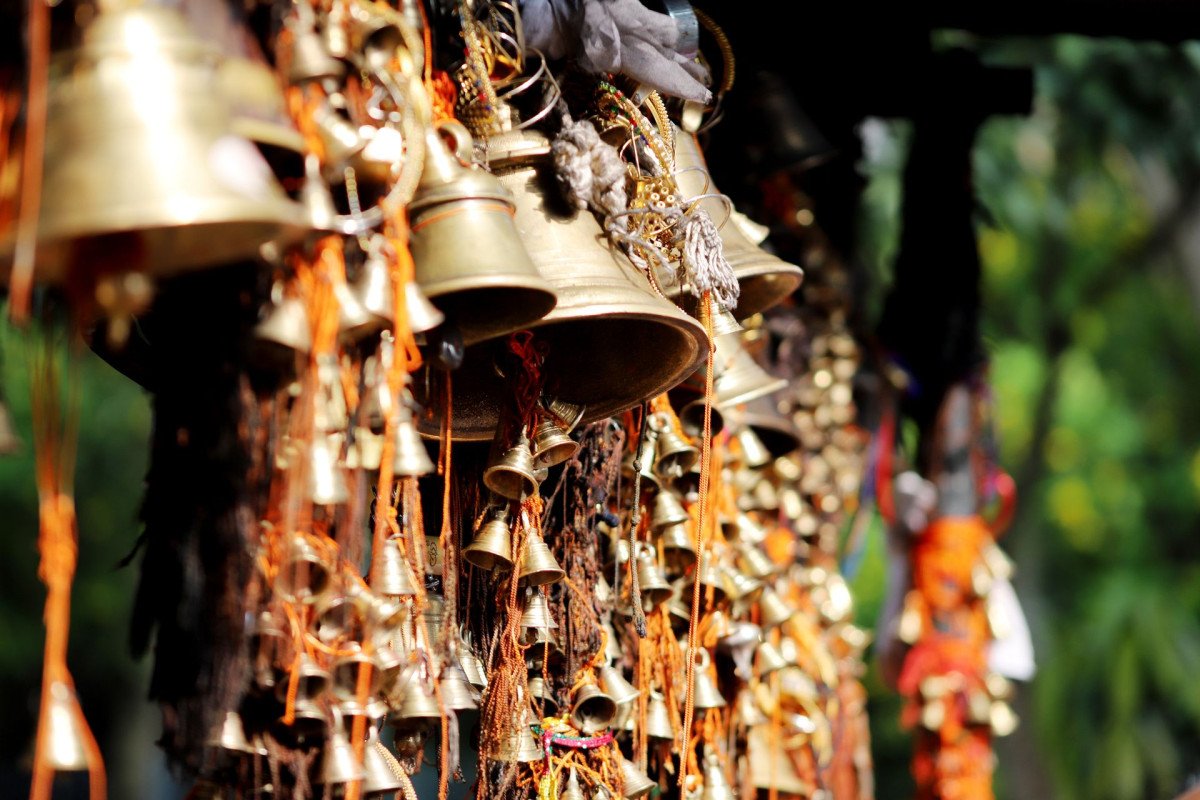
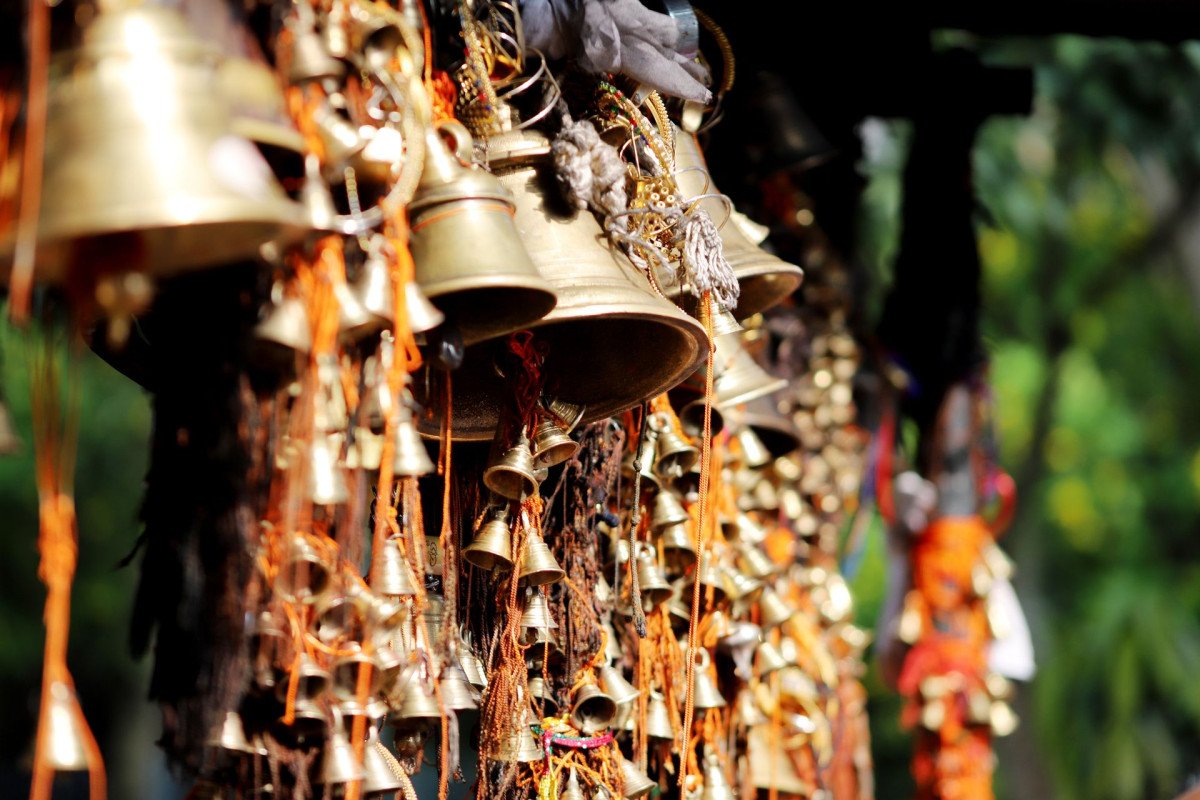
The Prayer Bells and Flags: Capture the details of the dozens of small brass bells and colorful Tibetan prayer flags hanging near the temple entrance, using the mountain mist or blue sky as a soft background.Photo Gallery
Things To Do
-
Participate in the Temple Puja: If visiting in the morning or evening, attend the daily puja (worship ceremony). Observe the rituals, listen to the chants, and feel the spiritual energy of the site, ensuring all behavior is respectful and modest.
Photography of Tea Garden Scenery: Walk the pathways around the temple to capture the steep, rolling slopes of the Ambotia tea bushes. Focus on the geometry of the gardens and the tea pickers at work, using the colorful temple as a background contrast.
Seasonal Orange Fruit Picking (Guided): During the peak season (November to January), inquire if the estate permits guided tours or fruit picking in the orange garden. Enjoying a freshly plucked, sweet mountain orange right at the source is a memorable sensory experience.
Q...Participate in the Temple Puja: If visiting in the morning or evening, attend the daily puja (worship ceremony). Observe the rituals, listen to the chants, and feel the spiritual energy of the site, ensuring all behavior is respectful and modest.
Photography of Tea Garden Scenery: Walk the pathways around the temple to capture the steep, rolling slopes of the Ambotia tea bushes. Focus on the geometry of the gardens and the tea pickers at work, using the colorful temple as a background contrast.
Seasonal Orange Fruit Picking (Guided): During the peak season (November to January), inquire if the estate permits guided tours or fruit picking in the orange garden. Enjoying a freshly plucked, sweet mountain orange right at the source is a memorable sensory experience.
Quiet Reflection in the Sacred Grove: Find a quiet spot under one of the old trees surrounding the temple. Use the naturally calm and isolated atmosphere to practice mindfulness, meditation, or quiet reading, enjoying the absolute serenity of the sacred grove.
Purchase Fresh Ambotia Tea: The nearby Ambotia Tea Estate factory often has a small retail outlet. Purchase a packet of fresh, high-quality Darjeeling Tea directly from the source as a delicious and authentic souvenir of your visit.
Study the Hill Architecture Details: Examine the craftsmanship of the temple's wooden carvings and stone construction. Appreciate the traditional Nepali and Bhutia architectural influences visible in the temple design, noting how they handle the harsh mountain climate.
Observe Local Devotional Practices: Pay attention to how local devotees interact with the temple the way they ring the bell, offer water, and light incense. This provides valuable cultural insight into the religious life of the hill people.
Hotels
● AamaHomeStay
Address: Kurseong, West Bengal
Distance: 1.4 km
Details: Highly rated budget homestay with comfortable suites. Relaxing vibe with great local service. Facilities include a bathtub, terrace, and mountain view...
● Dimora Stays
Address: Pankhabari Rd, Kurseong, West Bengal
Distance: 0.8 km
Details: A modern budget accommodation near the railway station. Clean, minimalist design. Facilities include room service, high-speed Wi-Fi, and 24-hour secur...
● Kadamba Bnb Homestay
Address: Kurseong, West Bengal
Distance: 1.2 km
Details: A wonderful mid-range homestay with a high guest rating. Very clean and welcoming. Facilities include mountain views, garden, and cozy seating area....
● Mayfair Jungpana
Address: Jungpana, Kurseong, West Bengal
Distance: 2.0 km
Details: A premier luxury resort with world-class facilities. Enjoy absolute privacy and fine dining. Facilities include an outdoor pool, spa, and elegant suit...
● Nirvana Retreat
Address: Kurseong, West Bengal
Distance: 2.5 km
Details: A luxury retreat focusing on wellness and relaxation. Peace and quiet are guaranteed. Facilities include yoga decks, organic meals, and spa therapies....
● Saaby Homestay
Address: Kurseong, West Bengal
Distance: 1.8 km
Details: A comfortable mid-range homestay with a terrace overlooking the hills. Simple and clean. Facilities include free parking, Wi-Fi, and personalized meal...
● Sanctum Suites Luxe
Address: Pankhabari Rd, Kurseong, West Bengal
Distance: 0.9 km
Details: A luxurious apartment suite in the heart of Kurseong. Modern décor and privacy characterize this stay. Facilities include 2 bedrooms, kitchen, and de...
● Shriya Homestay
Address: Kurseong, West Bengal
Distance: 1.9 km
Details: An affordable and quiet homestay. Perfect for spiritual seekers visiting the temple. Facilities include a garden, basic bed, and local guide assistanc...
● The River View Homestay
Address: Kurseong, West Bengal
Distance: 1.3 km
Details: A budget homestay offering mountain views and home-cooked meals. Very popular among solo travelers. Facilities include free Wi-Fi, caretaker, and lugg...
● The West Gate Posada
Address: Kurseong, West Bengal
Distance: 1.5 km
Details: A mid-range boutique hotel with classic interiors. Offers comfort and convenience. Facilities include an on-site cafe, lounge area, and complimentary ...
Show AllRestaurants
● 8 Mile Sonada
Address: Nh110 Dayal Thong Tea Garden, Sonada
Distance: 4.5 KM
Details: 8 Mile Sonada is located in the beautiful Dayal Thong Tea Garden area and offers stunning views of the surrounding hills. It is a fantastic destinatio...
Food List: Thukpa, Fried Rice, Garden Salad, Darjeeling Tea, ...
● Chatbox Sonada
Address: Near Sonada Telecom, Sonada, Kurseong
Distance: 4.0 KM
Details: Chatbox Sonada is a small but very popular eatery in the Sonada area, known for its friendly environment and quick bites. It is a hub for locals and t...
Food List: Veg Momos, Chicken Roll, Spicy Chowmein, Lemon Tea...
● Kathmandu Kitchen
Address: Kurseong, West Bengal
Distance: 2.0 KM
Details: Kathmandu Kitchen is a family-friendly restaurant that serves delicious food in a relaxed atmosphere. It is a great place for families to dine togethe...
Food List: Nepali Thali, Chicken Curry, Veg Momos, Chicken Pa...
● Noryang Tibetan Kitchen
Address: Kurseong, West Bengal
Distance: 1.5 KM
Details: Noryang Tibetan Kitchen is a humble and heartwarming establishment known for its extremely clean and delicious Tibetan food. It is run by a very kind ...
Food List: Chicken Momos, Veg Momos, Thukpa, Tingmo, Chicken ...
● Sholoana Bangali
Address: Kurseong, West Bengal
Distance: 1.8 KM
Details: Sholoana Bangali is a small but legendary spot for foodies who love a mix of Bengali and Fusion dishes. It is quite popular, and there is often a queu...
Food List: Dry Pork Glass Noodles, Chicken Cheese Momos, Beng...
Show AllInformation
-
Why Famous:
Sacred Location Amidst Tea Gardens: The primary fame comes from the temple's unique setting it is one of the few ancient spiritual sites located directly within a working, commercial tea estate. This offers a powerful visual and cultural contrast between devotion and indust...Sacred Location Amidst Tea Gardens: The primary fame comes from the temple's unique setting it is one of the few ancient spiritual sites located directly within a working, commercial tea estate. This offers a powerful visual and cultural contrast between devotion and industry.
Seasonal Orange Garden Appeal: The adjacent Orange Garden, which bursts into full fruit from November to January, adds a special seasonal attraction. The chance to see the temple and the hillsides covered in bright orange fruit is a major draw for photographers and fruit enthusiasts.
Pilgrimage Destination for Shiva Devotees: Despite its remote location, the temple is considered highly potent and is a significant pilgrimage destination for local and regional devotees of Lord Shiva, particularly during major Hindu festivals like Maha Shivaratri. -
Architecture:
Traditional Hill Shrine Construction: The temple is built in a traditional style using local materials, primarily stone and wood. It typically features a sloping, corrugated tin roof designed to handle the heavy monsoon rainfall and a simple square or rectangular base. The...Traditional Hill Shrine Construction: The temple is built in a traditional style using local materials, primarily stone and wood. It typically features a sloping, corrugated tin roof designed to handle the heavy monsoon rainfall and a simple square or rectangular base. The front fa ade is often adorned with intricate wood carvings or metal sheets depicting Hindu deities or symbolic patterns.
The Lingam Enclosure: The central focus is the Shiva Lingam, housed in a small, square Garbhagriha (sanctum sanctorum). This inner chamber is designed to be dark and womb-like, focusing the devotee's attention entirely on the sacred symbol. The chamber may feature simple, rustic cement or polished stone flooring.
Dimension: The main temple structure is compact, occupying a ground area of approximately 300 square feet. The associated courtyard and viewing area within the temple complex cover roughly 1,000 square feet. The surrounding Ambotia Tea Estate is expansive, covering hundreds of acres, with the orange garden section varying in size but historically covering about 5 acres adjacent to the temple. -
How To Reach:
By Air: The closest access is Bagdogra Airport (IXB), approximately 60 KMS away. The taxi journey to Ambotia takes about 2. 5 hours. The estate is a bit remote, so ensure your pre-booked taxi driver knows the exact location within the tea gardens.
Read MoreBy Air: The closest access is Bagdogra Airport (IXB), approximately 60 KMS away. The taxi journey to Ambotia takes about 2. 5 hours. The estate is a bit remote, so ensure your pre-booked taxi driver knows the exact location within the tea gardens.
By Train: New Jalpaiguri (NJP) railway station, about 65 KMS distant, is the nearest major train terminal. From NJP, a private car or taxi is mandatory for the 2. 5 to 3 hour drive up to Ambotia. Shared taxis are less likely to go directly to the temple.
By Road: Ambotia Tea Estate is located on a diversion road (signposted) off the main road connecting Kurseong to Darjeeling. The diversion is about 6 KMS from the Kurseong Clock Tower. The final stretch within the estate can be narrow and slightly rough, requiring careful driving.
By Local Transport: From Kurseong town, you must hire a private local taxi (often a Bolero or Sumo) for a dedicated trip, as the temple is off the route of shared transport. Negotiate a return fare, including waiting time, with the driver.Weather and Best Time to Visit:
Orange Season (November to January): This is the absolute best time. The weather is cool and clear, perfect for mountain views, and the orange garden is in full bloom with ripe fruit, making the visit visually stunning and fragrant.
Monsoon (Ju...Orange Season (November to January): This is the absolute best time. The weather is cool and clear, perfect for mountain views, and the orange garden is in full bloom with ripe fruit, making the visit visually stunning and fragrant.
Monsoon (July to September): Ideal for deep green photography. The tea gardens are at their lushest and most vibrant green, though rain is frequent, requiring rain gear. The misty atmosphere also adds a mystical, soft-focus feel to the temple.
Different Parts of the Day:
Morning: Excellent for the temple experience, witnessing the rituals, and enjoying the cool, dew-fresh air of the tea gardens before the mid-day sun.
Late Afternoon: Good for photography as the shadows lengthen over the tea slopes, creating dramatic contrast and texture in the landscape.Near Tourist Places:
Makaibari Tea Estate: 4 KMS
Netaji Subhas Chandra Bose Museum (Giddapahar): 7 KMS
Giddapahar View Point: 7. 5 KMS
Eagle's Crag (Durpin Dara): 8 KMS
Dow Hill Eco Park: 9 KMS
Bokar Monastery: 4 KMS
Pankhabari View Point: 12 KMS
DHR Museum (Kurseong): 10 KMS
Mahananda Wildlife Sanctuary: 35 KMS
Darjeeling Town Center: 20 KMSTourism Tips
-
Health & safety: Wear appropriate footwear with a good grip, as the pathways on the tea estate slopes can be slippery, especially after rain. Be aware of leeches during the monsoon months. Carry water, as the area is remote. When visiting the temple, dress respectfully an...Health & safety: Wear appropriate footwear with a good grip, as the pathways on the tea estate slopes can be slippery, especially after rain. Be aware of leeches during the monsoon months. Carry water, as the area is remote. When visiting the temple, dress respectfully and do not point your feet toward the deity.
Packing: Bring a camera with a good battery the scenery is incredibly photogenic. If visiting during winter, wear warm layers, as the shade within the deep valleys of the estate can be very cold. Carry a small reusable bag if you plan to purchase tea or seasonal oranges.
Accommodation: Consider staying at one of the homestays or accommodations located within the Ambotia Tea Estate itself. This allows for early morning walks through the tea gardens and easy, unhurried access to the temple.
Other Important Tips: Always ask permission before photographing tea pickers or workers to respect their privacy. Drive slowly and carefully on the narrow estate roads. Do not wander into the active tea factory area without a guide or explicit permission.
Reviews
FAQs
Ans:- It is a sacred, monastery-style Hindu temple dedicated to Lord Shiva, located deep within the scenic premises of the Ambootia Tea Estate.Ans:- The temple is surrounded by a beautiful orchard, making it a dual attraction where visitors can seek spiritual solace and enjoy fresh, seasonal fruit picking.Ans:- Orange harvesting typically happens during the winter months; it is best to inquire locally at the estate gate regarding seasonal availability before visiting.Ans:- There is no fixed entry fee for the temple itself, but the estate may charge a nominal fee for vehicle access or specific guided tours.Ans:- The temple is generally open for daily worship and visitors between 7:00 AM and 5:00 PM, with early mornings being the most serene time.Ans:- Yes, the temple welcomes visitors of all faiths, provided they dress modestly and respect the local religious customs and quiet atmosphere of the site.Ans:- From Kurseong town, hire a local taxi or take a private vehicle that can navigate the hilly roads leading into the Ambootia Tea Estate property.Ans:- Bring a camera for the stunning views, wear good hiking shoes for the orchard, and perhaps a small offering or donation if you wish to participate.Ans:- While personal prayers are encouraged, major ceremonies usually require permission from the local temple committee or the estate management beforehand.Ans:- It is generally a peaceful, offbeat destination, though it can become busier during the Shivaratri festival when many local devotees visit to offer prayers.Ans:- Basic facilities are limited as it is located inside a private tea estate; visitors should carry their own water and snacks for a short trip.Ans:- Photography is generally permitted in the surroundings, but always check for signs or ask for permission before clicking photos inside the inner sanctum.Ans:- Yes, it is a very family-friendly spot where children can enjoy nature walks in the gardens and learn about the local environment and agriculture.Ans:- A typical visit lasts between 1 to 2 hours, allowing enough time for worship at the temple and a leisurely walk through the nearby orange trees.Ans:- The temple architecture often features influences from local hill traditions, reflecting a blend of Hindu religious practices and the unique Himalayan cultural heritage.Kurseong Itineray And Cost:-
Ambotia Shiva Temple & Orange Garden Tourism:-
Information about New and Updated Locations() of West Bengal Has Been Added :-
Card subtitle
Note:-
Information provided here in good Faith and for reference only.
Near Places
Ambootia Tea Estate
Some quick example text to build on the card title and make up the bulk of the card's content.
Go somewhere
Ambotia Shiva Temple & Orange Garden
Some quick example text to build on the card title and make up the bulk of the card's content.
Go somewhere
Bhangzang Salamander Lake
Some quick example text to build on the card title and make up the bulk of the card's content.
Go somewhere
Chimney Heritage Park
Some quick example text to build on the card title and make up the bulk of the card's content.
Go somewhere
Dow Hill Eco Park
Some quick example text to build on the card title and make up the bulk of the card's content.
Go somewhere
Eagle's Crag
Some quick example text to build on the card title and make up the bulk of the card's content.
Go somewhere
Forest Museum
Some quick example text to build on the card title and make up the bulk of the card's content.
Go somewhere
Giddapahar View Point and Temple
Some quick example text to build on the card title and make up the bulk of the card's content.
Go somewhere
Grotto View Point
Some quick example text to build on the card title and make up the bulk of the card's content.
Go somewhere
Hill Cart Road
Some quick example text to build on the card title and make up the bulk of the card's content.
Go somewhere
Kettle Valley Viewpoint
Some quick example text to build on the card title and make up the bulk of the card's content.
Go somewhere
Makaibari Tea Estate
Some quick example text to build on the card title and make up the bulk of the card's content.
Go somewhere
Netaji Subhas Chandra Bose Museum
Some quick example text to build on the card title and make up the bulk of the card's content.
Go somewhere
Sitong Village
Some quick example text to build on the card title and make up the bulk of the card's content.
Go somewhere
St. Andrew s Church, Kurseong
Some quick example text to build on the card title and make up the bulk of the card's content.
Go somewhere
St. Mary s Hill Church
Some quick example text to build on the card title and make up the bulk of the card's content.
Go somewherein Other Cities