

Anand Prabhu Kudi Vihar
General information
-
Ideal Duration:
1. 5 to 2 hoursPlace Type:
Ancient Monastery (Archaeological Site)Entry Fees:
Free Entry for Site Visit: There is no separate entry fee to visit the Anand Prabhu Kudi Vihar ruins as it is part of the larger Archaeological Survey of India (ASI) protected site complex in Sirpur.
ASI Site Fee: While the Vihar itself is f...Free Entry for Site Visit: There is no separate entry fee to visit the Anand Prabhu Kudi Vihar ruins as it is part of the larger Archaeological Survey of India (ASI) protected site complex in Sirpur.
ASI Site Fee: While the Vihar itself is free, the nearby Laxman Temple complex and the ASI Museum (which houses many artifacts from the Vihar) may have a nominal collective entry fee. For Indian citizens, this fee is typically very low (around Rs.15 to Rs.25). For foreign tourists, the fee is generally higher (e. g. , Rs.200 to Rs.300).
Photography and Parking: There are no specific fees for still photography (though commercial or professional video equipment may require a special permit from ASI). Parking near the site is generally available, but charges may apply if managed by a local body or the Sirpur Special Area Development Authority (SADA). The overall visit remains highly economical.Timing:
Regular Timings: The site is generally open to visitors from 7:00 AM to 6:00 PM daily. Since it is an open-air archaeological site, access is dependent on the overall park opening hours.
Ideal Visit Time: The Ideal Visit Time is during the ...Regular Timings: The site is generally open to visitors from 7:00 AM to 6:00 PM daily. Since it is an open-air archaeological site, access is dependent on the overall park opening hours.
Ideal Visit Time: The Ideal Visit Time is during the early morning (7:00 AM to 10:00 AM) or late afternoon (4:00 PM to 6:00 PM) to avoid the intense heat of the day, especially from April to June. The morning light is perfect for photography.
Best Day to Visit: Weekdays are generally less crowded than Sunday or public holidays, offering a more peaceful experience for exploration and meditation. During the annual Sirpur Festival, expect high crowds.Special Events:
Sirpur National Dance and Music Festival: The major event in Sirpur takes place annually (usually in January or February). While the main events are held near the Laxman Temple, the Vihar and other monuments are beautifully illuminated and see a significant influx of cultur...Sirpur National Dance and Music Festival: The major event in Sirpur takes place annually (usually in January or February). While the main events are held near the Laxman Temple, the Vihar and other monuments are beautifully illuminated and see a significant influx of cultural enthusiasts, scholars, and foreign tourists attending the performances and historical site tours. This festival celebrates the confluence of Hindu and Buddhist heritage through classical arts.
Buddha Purnima Celebration: On the full moon day of Vaisakha (April or May), the anniversary of Lord Buddha's birth, enlightenment, and passing, a special celebration is held. Devotees visit the Vihar ruins, offer prayers, and perform circumambulation (parikrama). The Vihar serves as the primary focal point for Buddhist religious and cultural observance in the Sirpur region, attracting pilgrims from neighboring states and countries.Best Photo Spots:
The Buddha Sanctum Frame: The best spot to photograph is the surviving stone door frame and the statues inside the sanctum, capturing the Buddha image's serenity against the backdrop of the brick walls. Use a low angle to emphasize the statue's height.
Read MoreThe Buddha Sanctum Frame: The best spot to photograph is the surviving stone door frame and the statues inside the sanctum, capturing the Buddha image's serenity against the backdrop of the brick walls. Use a low angle to emphasize the statue's height.
The Monastic Quadrangle: Stand at the entrance or a corner of the main courtyard and capture a wide shot of the fourteen cells lining the perimeter, highlighting the impressive, repeating architectural symmetry and the scale of the ancient monastery.
The Inscription Plaque: Take a close-up photo of the information plaque detailing the story of the Vihar's construction, providing a valuable historical context shot. This is especially relevant to scholars and historians.
The Pathway to Laxman Temple: The scenic pathway connecting the Vihar to the Laxman Temple grounds offers a unique perspective of Sirpur’s syncretic landscape, blending Buddhist and Hindu heritage in a single frame, particularly beautiful during the soft light of the early morning or late afternoon.Photo Gallery
Things To Do
-
Wander the Monastic Cells: Spend time walking through the preserved fourteen monastic cells to imagine the daily life of the Buddhist monks who lived and studied here more than a thousand years ago.
Meditate in the Courtyard: Find a quiet spot in the central courtyard where the monks once gathered and practice a few moments of silent meditation, soaking in the spiritual tranquility of the ancient learning center.
Study the Sculptures: Closely examine the remains of the main shrine to appreciate the massive Lord Buddha statue and the associated idol of Avalokiteshvara. Note the intricate details and the serene expression characteristic of the Gupta and Post-Gupta art styles.
Read the Information Boards: Dedicate time to reading the plaques and information boards ...Wander the Monastic Cells: Spend time walking through the preserved fourteen monastic cells to imagine the daily life of the Buddhist monks who lived and studied here more than a thousand years ago.
Meditate in the Courtyard: Find a quiet spot in the central courtyard where the monks once gathered and practice a few moments of silent meditation, soaking in the spiritual tranquility of the ancient learning center.
Study the Sculptures: Closely examine the remains of the main shrine to appreciate the massive Lord Buddha statue and the associated idol of Avalokiteshvara. Note the intricate details and the serene expression characteristic of the Gupta and Post-Gupta art styles.
Read the Information Boards: Dedicate time to reading the plaques and information boards placed by the ASI to fully grasp the historical context, the details of the Anandaprabhu inscription, and the purpose of each section of the Vihar complex.
Combine with Laxman Temple Visit: Since it is located very close to the Laxman Temple and Sirpur Museum, plan a single archaeological exploration circuit, moving from the Buddhist Vihara to the Hindu Temple to appreciate the religious syncretism of ancient Sirpur.
Photography for Scale: Take wide-angle photographs of the entire complex to capture the impressive scale and the symmetrical layout of the monastery ruins. Focus on the contrasting texture of the exposed brickwork and the surviving stone features.
Observe the Brickwork: Pay attention to the quality of the ancient brickwork, which has survived for centuries, demonstrating the exceptional durability and construction techniques of the Somavamshi period. Look for unique carvings on the bricks.
Information
-
Why Famous:
The Buddhist Education Center: It is famous for being one of the most significant and best-preserved Buddhist Viharas in India, reflecting the high influence of Mahayana Buddhism in the ancient capital of Dakshina Kosala.
The Royal Gift: The...The Buddhist Education Center: It is famous for being one of the most significant and best-preserved Buddhist Viharas in India, reflecting the high influence of Mahayana Buddhism in the ancient capital of Dakshina Kosala.
The Royal Gift: The Vihar is renowned due to a recovered stone inscription that details its construction by the Buddhist monk Anandaprabhu and the perpetual endowment granted by the Hindu King Mahashiv Gupta Balarjuna for the sustenance of the monks. This inscription is a vital historical document proving the peaceful co-existence and royal patronage of different faiths.
The Statue of Buddha: The imposing, well-preserved statue of Lord Buddha found in the sanctum, along with the adjacent idol of Padmapani Avalokiteshvara, is a masterpiece of the Sirpur school of sculpture, showcasing the high level of artistic skill prevalent in the 7th century CE. It is a major attraction for historians, archaeologists, and devout Buddhists worldwide. -
Architecture:
Monastic Architecture: The Vihar is a classic example of a Buddhist Vihara (monastery) built primarily with fired bricks. It follows a standard quadrangle plan with a central courtyard surrounded by monastic cells and a main shrine (chaitya).
D...Monastic Architecture: The Vihar is a classic example of a Buddhist Vihara (monastery) built primarily with fired bricks. It follows a standard quadrangle plan with a central courtyard surrounded by monastic cells and a main shrine (chaitya).
Dimensions and Features: Each of the fourteen monk cells measures approximately 8x9 square feet. The main sanctum (chaitya) houses a majestic six and a half feet high statue of Lord Buddha in the Bhumisparsha Mudra (earth-touching gesture), with a smaller statue of Padmapani Avalokiteshvara nearby. The complex also features a stone inscription detailing its construction and the king’s donation. The entire structure stands as a testament to the skill of the 7th-8th century artisans of Dakshina Kosala. The brickwork, unlike later medieval stone temples, showcases an earlier, distinct style.
Syncretic Art: While primarily Buddhist, the Vihar and surrounding complexes often feature syncretic elements, including artwork of Hindu deities like Ganga and Yamuna on the door jambs, which is a key architectural feature of Sirpur monuments, illustrating the cultural fusion of the period. -
How To Reach:
By Air: The nearest airport is Swami Vivekananda Airport, Raipur (RPR), approximately 85 km away. From the airport, hire a pre-paid taxi or a private cab to reach Sirpur (2. 5 to 3 hours drive).
By Train: The nearest major railway station i...By Air: The nearest airport is Swami Vivekananda Airport, Raipur (RPR), approximately 85 km away. From the airport, hire a pre-paid taxi or a private cab to reach Sirpur (2. 5 to 3 hours drive).
By Train: The nearest major railway station is Mahasamund Railway Station (MSMD), about 45 km away, with decent connectivity. The more convenient major station is Raipur Junction (RIG), about 80 km away, which is well-connected nationally. From the station, take a bus or taxi.
By Road: Sirpur is well-connected by road to Raipur (78 km) and Mahasamund (35 km). State transport buses (CGSTC) and private buses run regularly to Sirpur. Self-driving or hiring a taxi is the most flexible option.
By Local Transport: Within Sirpur, the sites are close enough to be covered on foot or by local auto-rickshaws. This Vihar is easily walkable from the Laxman Temple complex. -
Weather and Best Time to Visit:
Different Types of Seasons: Winter (October to March) is the Best Time to Visit, with pleasant weather (15°C to 25°C) ideal for long walks and outdoor exploration of the ruins. Monsoon (July to September) brings lush greenery, but heavy rains can disrupt travel. Summer (...Different Types of Seasons: Winter (October to March) is the Best Time to Visit, with pleasant weather (15°C to 25°C) ideal for long walks and outdoor exploration of the ruins. Monsoon (July to September) brings lush greenery, but heavy rains can disrupt travel. Summer (April to June) is extremely hot (up to 45°C) and best avoided.
Different Parts of the Day: Sunrise (7:00 AM to 9:00 AM) is the best time for photography and a calm, meditative experience. Afternoon (12:00 PM to 4:00 PM) is the hottest and least crowded time and should be avoided during summer. Late Afternoon (4:00 PM to 6:00 PM) offers beautiful light and cooler temperatures for a relaxed visit. -
Near Tourist Places:
Laxman Temple (0. 5 KMS), Ram Temple (0. 7 KMS), Gandheswar Temple (1 KM), ASI Museum Sirpur (0. 5 KMS), Surang Tila (2 KMS), Swastik Vihar (0. 5 KMS), Baleshwar Mahadev Temple (1 KM), Teevardev Buddhist Monastery (1. 5 KMS), Kodar Dam (21 KMS), Rajim (Prayag of Chhattisgarh) (63 KMS).
Tourism Tips
-
Health & Safety: Carry a good supply of water, especially during hot months. Wear a hat and use sunscreen. The terrain consists of uneven ruins, so wear comfortable, closed walking shoes to avoid trips and protect your feet. Be mindful of snakes during the monsoon.Health & Safety: Carry a good supply of water, especially during hot months. Wear a hat and use sunscreen. The terrain consists of uneven ruins, so wear comfortable, closed walking shoes to avoid trips and protect your feet. Be mindful of snakes during the monsoon.
Packing: Bring your camera for the magnificent ruins, a pair of binoculars for architectural details on high structures, and a small notebook to jot down observations about the unique brickwork and inscriptions. Dress modestly, covering shoulders and knees, as the site is a place of religious and historical reverence.
Accommodation: Accommodation is limited in Sirpur itself, with the best options being small guesthouses or the Chhattisgarh Tourism Board (CTB) resort. Better, more reliable hotels are available in the nearby city of Mahasamund (45 km) or the capital, Raipur (80 km).
Other Different Topics heading:
Respect the History: The site is protected by the ASI. Do not touch, sit on, or remove any ancient artifacts or carvings. Hire a Local Guide for detailed historical context. Carry Cash for local transport and small purchases, as digital payments may be unreliable.
Reviews
FAQs
Sirpur Itineray And Cost:-
Anand Prabhu Kudi Vihar Tourism:-
Other Places In Sirpur :-
Other States In India :-
Information about New and Updated Locations() of Chhattisgarh Has Been Added :-
Card subtitle
Note:-
Information provided here in good Faith and for reference only.
Near Places

Anand Prabhu Kudi Vihar
Some quick example text to build on the card title and make up the bulk of the card's content.
Go somewhere
Arang
Some quick example text to build on the card title and make up the bulk of the card's content.
Go somewhere
Baleshwar Mahadev Temple
Some quick example text to build on the card title and make up the bulk of the card's content.
Go somewhere
Dhuskund Waterfall
Some quick example text to build on the card title and make up the bulk of the card's content.
Go somewhere
Gandheswar Temple
Some quick example text to build on the card title and make up the bulk of the card's content.
Go somewhere
Kodar Island
Some quick example text to build on the card title and make up the bulk of the card's content.
Go somewhere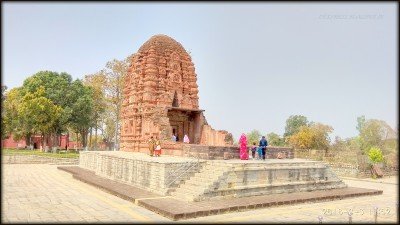
Laxman Temple
Some quick example text to build on the card title and make up the bulk of the card's content.
Go somewhere
Mahanadi River View Point
Some quick example text to build on the card title and make up the bulk of the card's content.
Go somewhere
Purkhauti Muktangan
Some quick example text to build on the card title and make up the bulk of the card's content.
Go somewhere
Raikera Boating
Some quick example text to build on the card title and make up the bulk of the card's content.
Go somewhere
Raikera Boating Tourist Place
Some quick example text to build on the card title and make up the bulk of the card's content.
Go somewhere
Rajim
Some quick example text to build on the card title and make up the bulk of the card's content.
Go somewhere
Ram Temple
Some quick example text to build on the card title and make up the bulk of the card's content.
Go somewhere
Samoda Dam
Some quick example text to build on the card title and make up the bulk of the card's content.
Go somewhere
Shivrinarayan
Some quick example text to build on the card title and make up the bulk of the card's content.
Go somewhere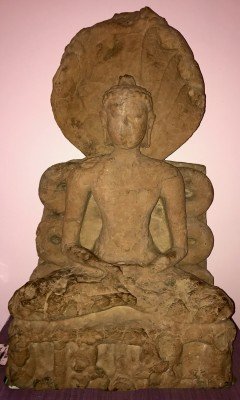
Sirpur ASI Museum
Some quick example text to build on the card title and make up the bulk of the card's content.
Go somewherein Other Cities