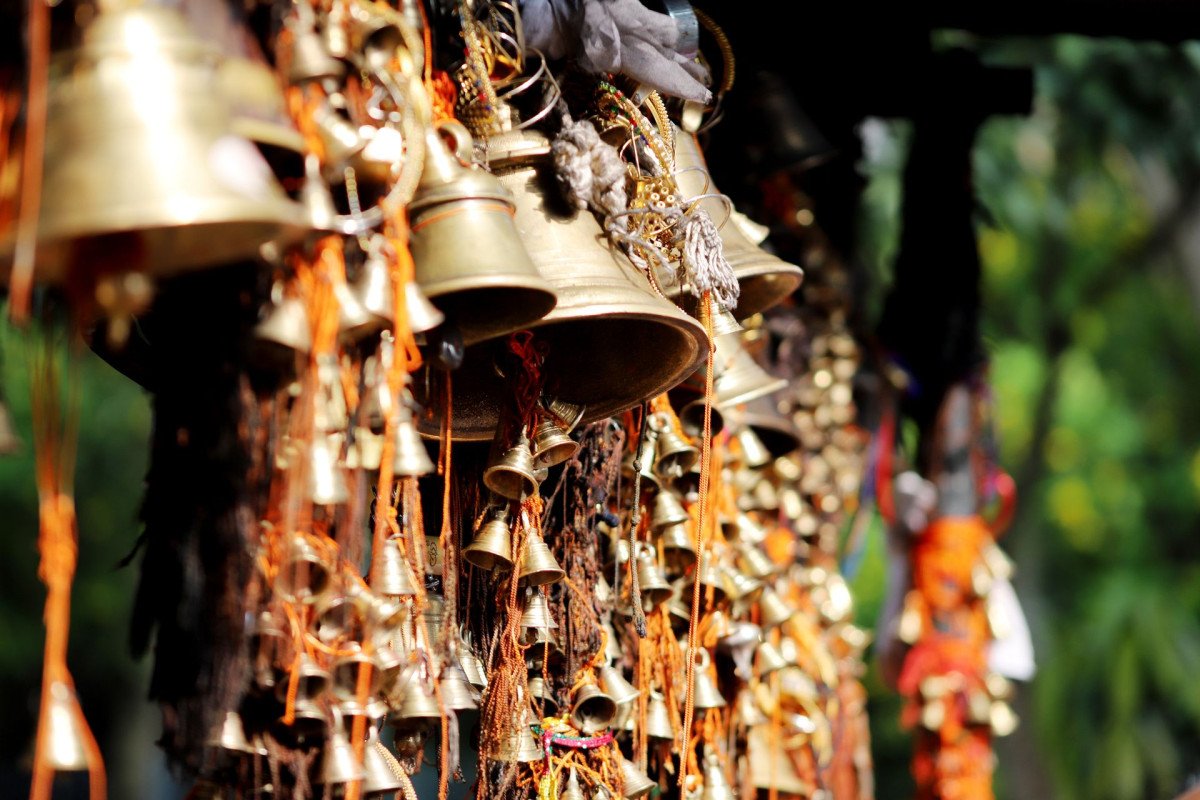
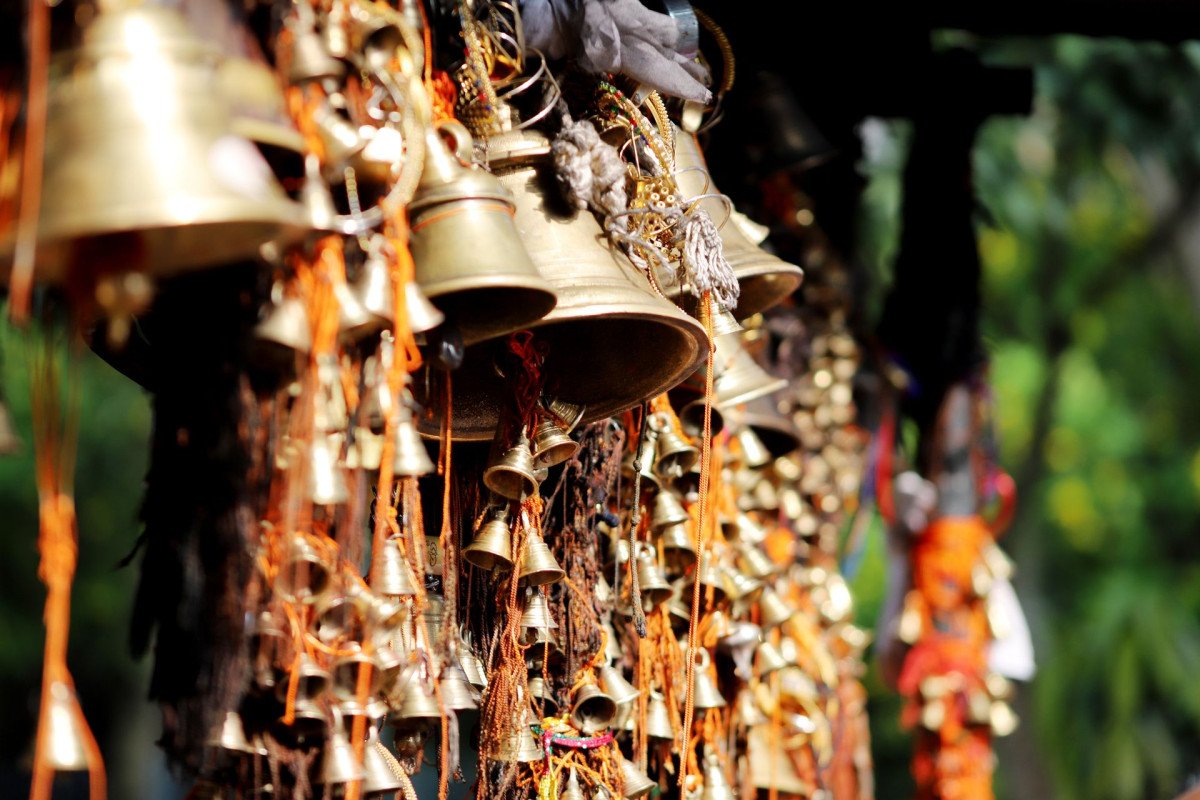
Baleshwar Mahadev Temple
General information
-
Ideal Duration:
1 to 1. 5 hoursPlace Type:
Hindu Temple Ruins (Archaeological & Worship Site)Entry Fees:
Free Entry to the Ruins: The site is protected by the ASI, but there is no specific entry ticket required to walk around the complex and see the ruins. It is an open archaeological site.
Donation Box: Since the temple is a place of active w...Free Entry to the Ruins: The site is protected by the ASI, but there is no specific entry ticket required to walk around the complex and see the ruins. It is an open archaeological site.
Donation Box: Since the temple is a place of active worship, there will be a donation box (daan peti) near the sanctum. Donations are voluntary and used for the maintenance of the Shiva Linga and the priest. This is not an entry fee.
Photography/Videography: Still photography is typically free. As with all ASI sites, the use of tripods or commercial filming equipment will require a paid permit from the relevant authorities in Raipur or Delhi. The total cost to visit is minimal, centered mainly on travel and voluntary offerings.Timing:
Regular Timings: The temple complex is accessible from 7:00 AM to 6:00 PM for the archaeological site viewing. However, the inner sanctum for Puja may be accessible from 6:00 AM and may close for a short period in the afternoon.
Ideal Visit Tim...Regular Timings: The temple complex is accessible from 7:00 AM to 6:00 PM for the archaeological site viewing. However, the inner sanctum for Puja may be accessible from 6:00 AM and may close for a short period in the afternoon.
Ideal Visit Time: Visit in the Winter Months (November to February). The ideal time of day is the Early Morning (6:00 AM to 8:00 AM) for spiritual reflection during the first aarti or the Late Afternoon (4:00 PM to 6:00 PM) to enjoy the ruins in cooler light.
Puja Time: The best time for devotees is during the morning Puja at around 7:00 AM or the evening Aarti (around 5:30 PM).Special Events:
Mahashivratri Festival: The most important event is Mahashivratri (February/March), when the temple is decorated, and devotees stay up all night offering prayers, performing abhishek with milk and water, and chanting. This is the peak time for a spiritual visit, drawing lar...Mahashivratri Festival: The most important event is Mahashivratri (February/March), when the temple is decorated, and devotees stay up all night offering prayers, performing abhishek with milk and water, and chanting. This is the peak time for a spiritual visit, drawing large crowds from the entire Mahasamund district.
Shravan Month Celebrations: The entire holy month of Shravan (July/August) is dedicated to Lord Shiva. Special poojas and rituals are conducted every Monday (Somwar), attracting a steady stream of pilgrims. The temple complex takes on a particularly vibrant atmosphere during this monsoon month.
Sirpur Festival Illumination: During the annual Sirpur National Dance and Music Festival, the temple complex is often highlighted with special, artistic lighting, making the ruins visually spectacular in the evening and attracting photographers.Best Photo Spots:
The Linga in the Sanctum: The best photo is a close-up (respectfully, no flash) of the revered Shiva Linga in the Garbhagriha, capturing the essence of worship amid the ancient ruins.
The Panchayatana Bird's Eye View: Use the slightly elevat...The Linga in the Sanctum: The best photo is a close-up (respectfully, no flash) of the revered Shiva Linga in the Garbhagriha, capturing the essence of worship amid the ancient ruins.
The Panchayatana Bird's Eye View: Use the slightly elevated ground or a nearby mound (if safe and permitted) to capture a shot showing the entire five-shrine layout, emphasizing the geometric plan and the scale of the complex.
The Sunrise Silhouettes: The temple faces East. Early morning photographs around sunrise can capture the plinth and the surviving stone fragments silhouetted against the rising sun, creating a dramatic, evocative image of the ruins.
The Inscribed Plaque Location: A photograph of the ASI information board explaining the significance of the recovered 'Sivaguptasya' seal and the grant is an essential capture for a documentation enthusiast.Photo Gallery
Things To Do
-
Perform Jalabhishek: As it is an active temple, devotees can perform a Jalabhishek (offering water) to the Shiva Linga and participate in the daily rituals conducted by the resident priest, offering a spiritual experience.
Explore the Panchayatana Layout: Walk the perimeter of the high plinth to clearly visualize the original Panchayatana configuration, imagining how the main temple stood surrounded by its four satellite shrines. Use the foundation remains to trace the plan.
Study the Stone Ruins: Look for fragmented stone pieces scattered around the complex (carefully, as the site is protected) to find pieces of the original carvings, which often include beautiful floral motifs, celestial beings, or remnants of mythological figures.
View from Laxman Temple Grounds:...Perform Jalabhishek: As it is an active temple, devotees can perform a Jalabhishek (offering water) to the Shiva Linga and participate in the daily rituals conducted by the resident priest, offering a spiritual experience.
Explore the Panchayatana Layout: Walk the perimeter of the high plinth to clearly visualize the original Panchayatana configuration, imagining how the main temple stood surrounded by its four satellite shrines. Use the foundation remains to trace the plan.
Study the Stone Ruins: Look for fragmented stone pieces scattered around the complex (carefully, as the site is protected) to find pieces of the original carvings, which often include beautiful floral motifs, celestial beings, or remnants of mythological figures.
View from Laxman Temple Grounds: The temple is located close to the Laxman Temple. Capture a panoramic view of the Baleshwar ruins from the edge of the Laxman Temple platform, often providing a good perspective of the scale of both complexes together.
Seek Out the Nataraja Plaque: After visiting the ruins, go to the ASI Museum to see the actual artifacts recovered from the site, especially the plaques of Nataraja and Mahishasuramardini, to connect the ruins with the preserved art.
Information
-
Why Famous:
A Symbol of Royal Devotion: It is famous as the flagship Shaivaite temple built by the most prominent ruler of the Panduvamshi dynasty, King Mahashiv Gupta Balarjuna, whose name itself (Baleshwar-bhattaraka temple) is directly associated with the shrine. This direct royal l...A Symbol of Royal Devotion: It is famous as the flagship Shaivaite temple built by the most prominent ruler of the Panduvamshi dynasty, King Mahashiv Gupta Balarjuna, whose name itself (Baleshwar-bhattaraka temple) is directly associated with the shrine. This direct royal link makes it a crucial historical and religious monument.
Panchayatana Model: It is a significant surviving example of the Panchayatana temple architecture in Sirpur, illustrating a specific, popular structural design for temple complexes in ancient India. This five-shrine layout is a major point of interest for art and architecture historians.
Continuity of Worship: Despite being a ruined archaeological site, the main Shiva Linga is often still worshipped by local priests and devotees, providing a spiritual connection and a sense of living heritage that is unique compared to many other purely archaeological ruins. The site attracts devotees during Mahashivratri. -
Architecture:
Panchayatana Style: The temple complex is a quintessential example of the Panchayatana (quincunx) architectural style, featuring a central shrine (dedicated to Shiva) and four smaller satellite shrines on the corners of the platform.
Materials a...Panchayatana Style: The temple complex is a quintessential example of the Panchayatana (quincunx) architectural style, featuring a central shrine (dedicated to Shiva) and four smaller satellite shrines on the corners of the platform.
Materials and Foundation: The entire structure rests on a high, massive stone platform (jagati) and was primarily built using durable fired bricks, with stone used for the doorframes and the central Shiva Linga. The platform provides ample space for circumambulation (pradakshina).
The Lingam and Sculptures: The main sanctum (Garbhagriha) houses a revered Shiva Linga. Excavations also revealed fragments of impressive stone sculptures, including a white stone plaque featuring a six-armed Nataraja (Dancing Shiva) figure and a small slate plaque of Mahishasuramardini (Goddess Durga), showcasing the vibrant iconographic tradition of the era.
Dimensions: The temple complex covers a sizable area typical of a major patronized shrine. The main temple's base structure is impressive, rising a few meters above the ground, though the superstructure (Shikhara) is now lost. The remains of the subsidiary shrines clearly define the Panchayatana layout. -
How To Reach:
By Air: The nearest air travel option is Raipur's Swami Vivekananda Airport (RPR), about 85 km away. A pre-booked cab is the most direct way to cover the two to three-hour journey to Sirpur.
By Train: The closest convenient railhead is Maha...By Air: The nearest air travel option is Raipur's Swami Vivekananda Airport (RPR), about 85 km away. A pre-booked cab is the most direct way to cover the two to three-hour journey to Sirpur.
By Train: The closest convenient railhead is Mahasamund Railway Station (MSMD) at 45 km. For wider connectivity, the busy Raipur Junction (RIG) at 80 km is a better choice. Shared taxis or state buses connect the stations to Sirpur.
By Road: Sirpur is on a well-maintained state highway. Direct buses and private taxis are readily available from Raipur (approx. 78 km) and Mahasamund (approx. 35 km). The road trip is scenic and comfortable.
By Local Transport: The complex is located within the main archaeological zone. You can easily walk from the Laxman Temple or hire a local tricycle/auto-rickshaw for a small fare to cover the short distance. -
Weather and Best Time to Visit:
Different Types of Seasons: Winter (October to March) is perfect, offering comfortable daytime temperatures for walking around the open ruins and enjoying the cultural history. Monsoon (July to September) makes the surroundings lush green but can be inconvenient due to rain...Different Types of Seasons: Winter (October to March) is perfect, offering comfortable daytime temperatures for walking around the open ruins and enjoying the cultural history. Monsoon (July to September) makes the surroundings lush green but can be inconvenient due to rain. Summer (April to June) is extremely hot; restrict your visit to the early hours.
Different Parts of the Day: Early Morning (6:00 AM to 8:00 AM) is ideal for both devotion and comfortable sightseeing, avoiding the harsh midday sun. Late Afternoon (4:00 PM onwards) offers pleasant weather and soft light, but allow enough time before the site closes. -
Near Tourist Places:
Laxman Temple (0. 5 KMS), Ram Temple (0. 3 KMS), Anand Prabhu Kudi Vihar (1 KM), ASI Museum Sirpur (0. 5 KMS), Gandheswar Temple (2 KMS), Surang Tila (1. 5 KMS), Swastik Vihar (1. 2 KMS), Teevardev Buddhist Monastery (0. 8 KMS), Barnawapara Wildlife Sanctuary (55 KMS), Rajim (Triveni Sangam) (63 KMS).
Tourism Tips
-
Health & Safety: Be cautious while walking on the uneven stone plinth and around the ruined foundations; they can be slippery, especially during the Monsoon. Respect the active worship area and maintain silence near the sanctum.
Packing: C...Health & Safety: Be cautious while walking on the uneven stone plinth and around the ruined foundations; they can be slippery, especially during the Monsoon. Respect the active worship area and maintain silence near the sanctum.
Packing: Carry a camera, a water bottle, and wear respectful attire (covering legs and shoulders) as it is a religious site. Sun protection (hat/sunglasses) is essential for sun exposure on the open ground.
Accommodation: Consider staying in Mahasamund or the nearby CTB Resort. Booking in advance is recommended, particularly during the Sirpur Festival or Mahashivratri.
Other Different Topics heading:
Respect the Ruins: The complex is a fragile ruin of national importance. Do not climb on or deface the brick or stone remains.
Look for the Plinth: Pay close attention to the construction of the stone plinth/foundation, which has endured for centuries, demonstrating superior construction technology.
Reviews
FAQs
Sirpur Itineray And Cost:-
Baleshwar Mahadev Temple Tourism:-
Information about New and Updated Locations() of Chhattisgarh Has Been Added :-
Card subtitle
Note:-
Information provided here in good Faith and for reference only.
All information and pictures will be updated soon, please keep visiting.
Near Places

Anand Prabhu Kudi Vihar
Some quick example text to build on the card title and make up the bulk of the card's content.
Go somewhere
Arang
Some quick example text to build on the card title and make up the bulk of the card's content.
Go somewhere
Baleshwar Mahadev Temple
Some quick example text to build on the card title and make up the bulk of the card's content.
Go somewhere
Dhuskund Waterfall
Some quick example text to build on the card title and make up the bulk of the card's content.
Go somewhere
Gandheswar Temple
Some quick example text to build on the card title and make up the bulk of the card's content.
Go somewhere
Kodar Island
Some quick example text to build on the card title and make up the bulk of the card's content.
Go somewhere
Laxman Temple
Some quick example text to build on the card title and make up the bulk of the card's content.
Go somewhere
Mahanadi River View Point
Some quick example text to build on the card title and make up the bulk of the card's content.
Go somewhere
Purkhauti Muktangan
Some quick example text to build on the card title and make up the bulk of the card's content.
Go somewhere
Raikera Boating
Some quick example text to build on the card title and make up the bulk of the card's content.
Go somewherein Other Cities