


Gandheswar Temple
General information
-
Ideal Duration:
1 hourPlace Type:
Living Temple (Riverside & Worship Site)Entry Fees:
Free Entry and Open Access: There is no entry fee to visit the temple or the surrounding river bank. It is an open place of worship.
Donations: Voluntary donations for the temple's maintenance and Puja materials are accepted via a donation ...Free Entry and Open Access: There is no entry fee to visit the temple or the surrounding river bank. It is an open place of worship.
Donations: Voluntary donations for the temple's maintenance and Puja materials are accepted via a donation box. These are not obligatory entry charges.
Parking Fees: Local operators may charge a small fee (e. g. , Rs.10 to Rs.30) for parking near the approach road, especially during peak festival times.
Puja Offerings: If you wish to perform a special Puja or Abhishek, the cost for the necessary materials (flowers, belpatra, etc. ) is typically minimal and can be purchased from local vendors near the temple entrance.Timing:
Regular Timings: The temple is generally open from 6:00 AM to 7:00 PM for Darshan. Since it is an active place of worship, the timings are more flexible than the archaeological ruins.
Ideal Visit Time: The Ideal Visit Time is the Early Morn...Regular Timings: The temple is generally open from 6:00 AM to 7:00 PM for Darshan. Since it is an active place of worship, the timings are more flexible than the archaeological ruins.
Ideal Visit Time: The Ideal Visit Time is the Early Morning (6:00 AM to 8:00 AM) for the morning Aarti and to enjoy the cool river breeze before the day heats up, or the Late Afternoon (5:00 PM to 7:00 PM) to witness the breathtaking sunset over the Mahanadi.
Festival Timing: During Mahashivratri, the temple remains open for Darshan throughout the entire day and night.Special Events:
Mahashivratri Festival: The temple is the primary center of celebration for Lord Shiva's night in Sirpur. The three-day festival (in February/March) is marked by continuous bhajans, special aartis, Jalabhishek, and a large fair (mela), drawing huge crowds and creating an ex...Mahashivratri Festival: The temple is the primary center of celebration for Lord Shiva's night in Sirpur. The three-day festival (in February/March) is marked by continuous bhajans, special aartis, Jalabhishek, and a large fair (mela), drawing huge crowds and creating an extremely vibrant spiritual atmosphere.
Shravan Month: The month of Shravan (July/August), dedicated to Lord Shiva, sees a daily rush of pilgrims. Special Monday (Somwar) Pujas are highly important, where devotees often carry water from the Mahanadi to perform abhishek on the Shivalinga.
Mahanadi Aarati: On certain auspicious days, a beautiful evening Aarati ceremony is performed on the river bank, reminiscent of the Ganga Aarti, with lamps, chants, and music, providing a deeply moving spiritual spectacle.Best Photo Spots:
The Mahanadi Panorama: Stand on the temple's elevated bank and take a wide-angle shot of the Mahanadi River flowing majestically, capturing the river, the opposite bank, and the serene landscape. This is the definitive scenic photo of Sirpur.
T...The Mahanadi Panorama: Stand on the temple's elevated bank and take a wide-angle shot of the Mahanadi River flowing majestically, capturing the river, the opposite bank, and the serene landscape. This is the definitive scenic photo of Sirpur.
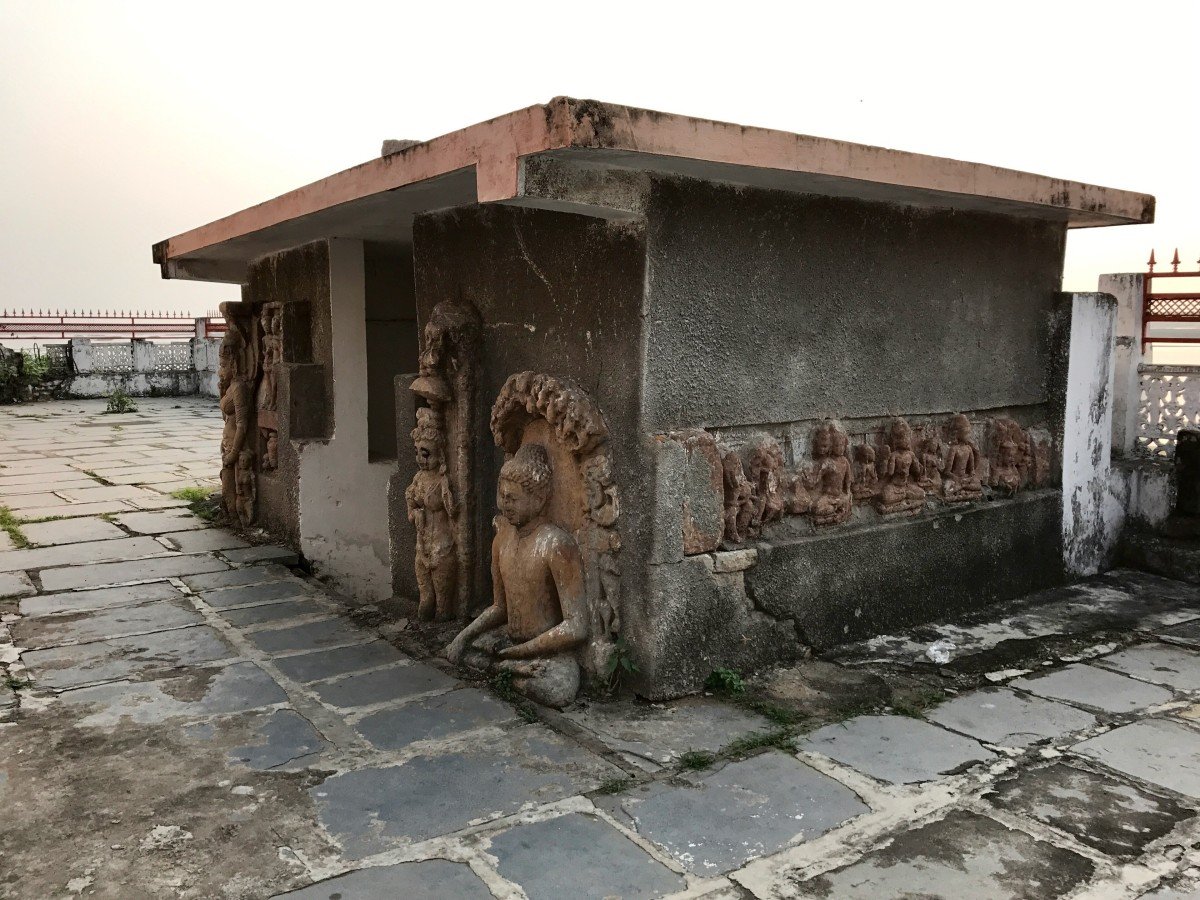
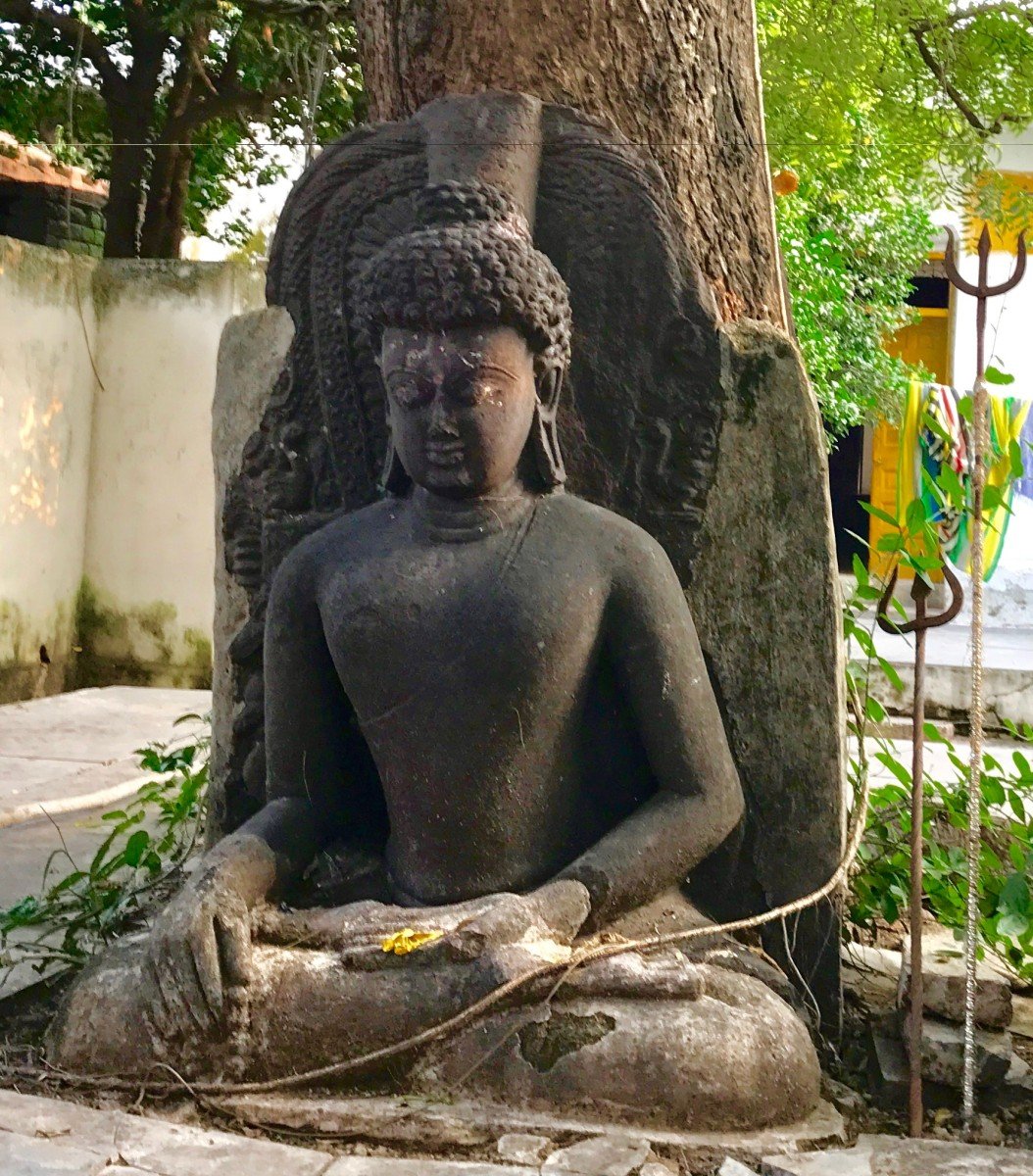
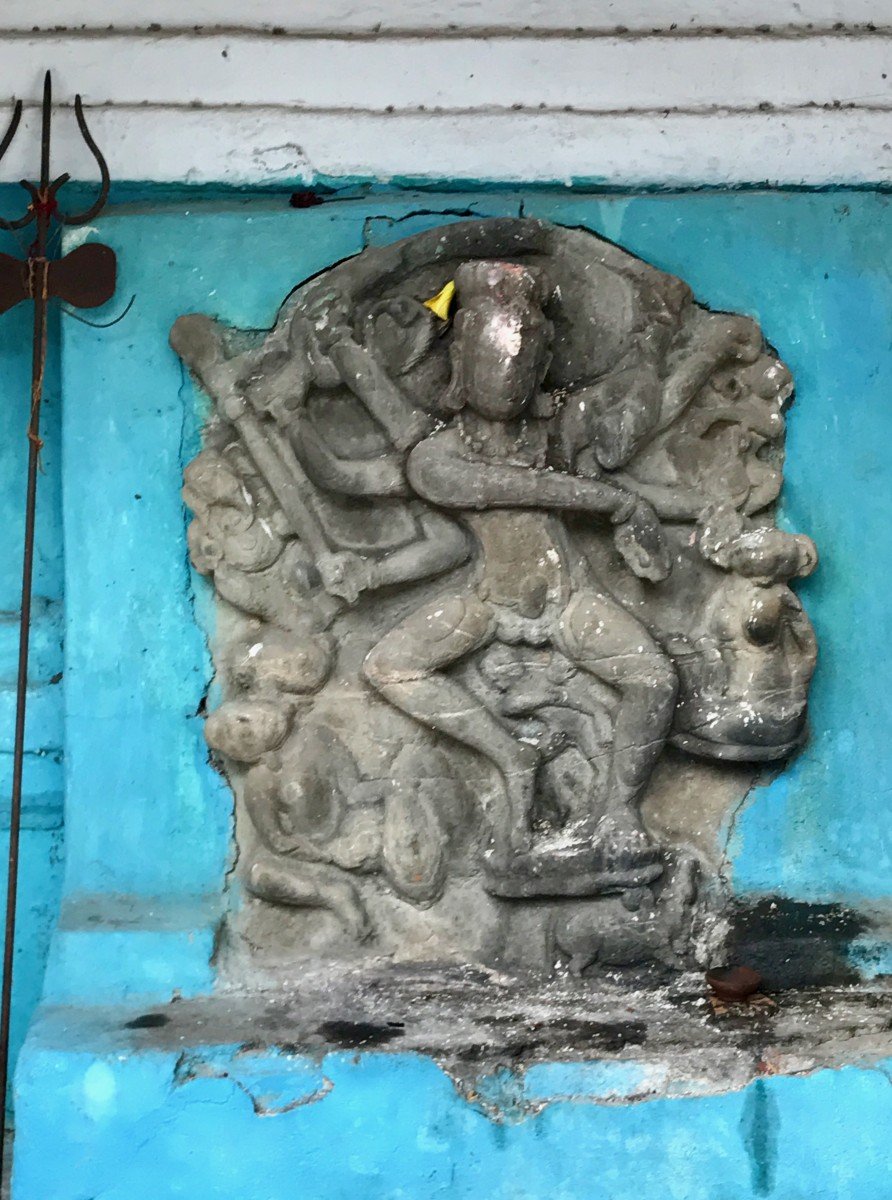
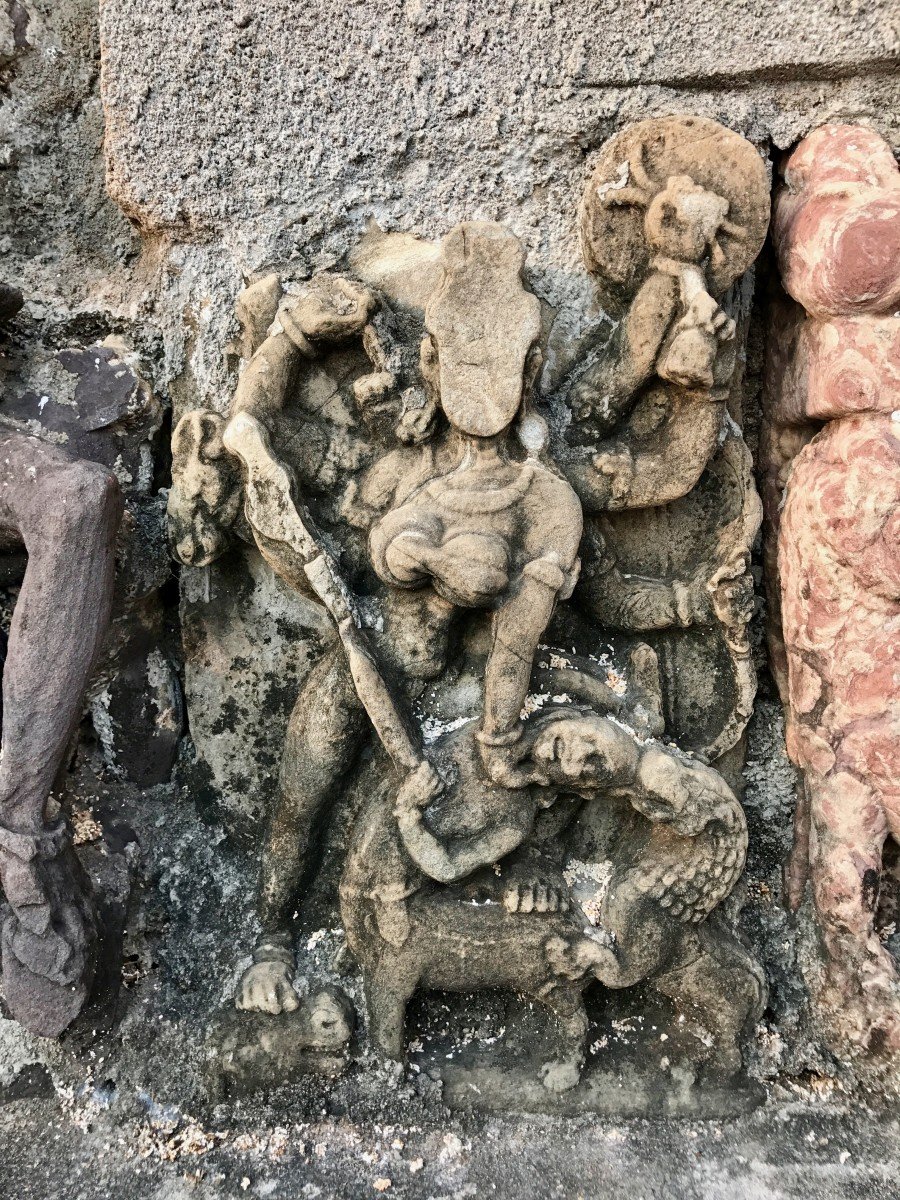
The Syncretic Wall: The exterior wall, where the re-used, varied stone carvings are embedded, is a unique and essential close-up photo opportunity to illustrate the architectural history of spolia.
The Sunset on the River: The western-facing location over the river provides a spectacular backdrop for sunset photography. Capture the golden light reflecting off the water, often with the temple’s silhouette in the foreground.
The Shivalinga and Artifacts: A respectful photo of the unique, revered Gandheshwar Shivalinga and the ancient bells in the Mandapa, capturing the continuous devotion at the site.Photo Gallery
Things To Do
-
Perform Mahanadi Ritual Bathing: Take a holy dip (ritual bath) in the sacred waters of the Mahanadi River from the ghats near the temple, particularly during the holy month of Shravan.
Offer Puja and Darshan: Participate in the daily aarti and offer prayers to Lord Shiva at the main shrine. The atmosphere during the morning and evening aartis is deeply spiritual and vibrant.
Study the Syncretic Art: Spend time examining the exterior and interior walls to identify the diverse, re-used stone carvings, noting the blend of Hindu deities, mythological scenes, and the occasional Buddhist or Jain fragment—a fascinating treasure hunt for history buffs.
Enjoy the River View: Simply sit on the temple platform or the ghat and enjoy the panoramic and serene view of the mi...Perform Mahanadi Ritual Bathing: Take a holy dip (ritual bath) in the sacred waters of the Mahanadi River from the ghats near the temple, particularly during the holy month of Shravan.
Offer Puja and Darshan: Participate in the daily aarti and offer prayers to Lord Shiva at the main shrine. The atmosphere during the morning and evening aartis is deeply spiritual and vibrant.
Study the Syncretic Art: Spend time examining the exterior and interior walls to identify the diverse, re-used stone carvings, noting the blend of Hindu deities, mythological scenes, and the occasional Buddhist or Jain fragment—a fascinating treasure hunt for history buffs.
Enjoy the River View: Simply sit on the temple platform or the ghat and enjoy the panoramic and serene view of the mighty Mahanadi flowing by, which is a perfect spot for photography and relaxation.
Visit During Festivals: Plan your visit to coincide with Mahashivratri or Shravan to experience the temple at its most festive and spiritual peak, participating in the mass celebrations.
Photography of the Carvings: Take detailed close-up photographs of the different carved stones fitted into the walls to capture the spolia architecture and the different artistic styles juxtaposed together.
Information
-
Why Famous:
The Scented Shivalinga: It is famous for the revered Shivalinga believed to possess a natural, mystical fragrance (Gandha), lending the temple its name, Gandheshwar Mahadev. This unique spiritual attribute draws thousands of pilgrims.
Riverside...The Scented Shivalinga: It is famous for the revered Shivalinga believed to possess a natural, mystical fragrance (Gandha), lending the temple its name, Gandheshwar Mahadev. This unique spiritual attribute draws thousands of pilgrims.
Riverside Location and Sanctity: Its idyllic setting on the holy banks of the Mahanadi River enhances its spiritual significance, making it a sacred site for ritual bathing, especially during festivals. The river bank is considered extremely auspicious for prayers and ceremonies.
Sirpur's Living History: Unlike the excavated ruins, Gandheswar Temple is a living, functional temple that connects the visitor directly to the ancient religious traditions of Sirpur, serving as a bridge between the archaeological past and the vibrant present. The chaotic yet beautiful mix of re-used sculptures on its walls tells a unique story of historical continuity. -
Architecture:
Architecture of Re-Use (Spolia): The most distinctive architectural feature is the extensive use of spolia (re-used carved stones) from the ruins of ancient Hindu and Buddhist structures. The walls and pillars are a collage of different periods and styles, a living testamen...Architecture of Re-Use (Spolia): The most distinctive architectural feature is the extensive use of spolia (re-used carved stones) from the ruins of ancient Hindu and Buddhist structures. The walls and pillars are a collage of different periods and styles, a living testament to Sirpur's layered history.
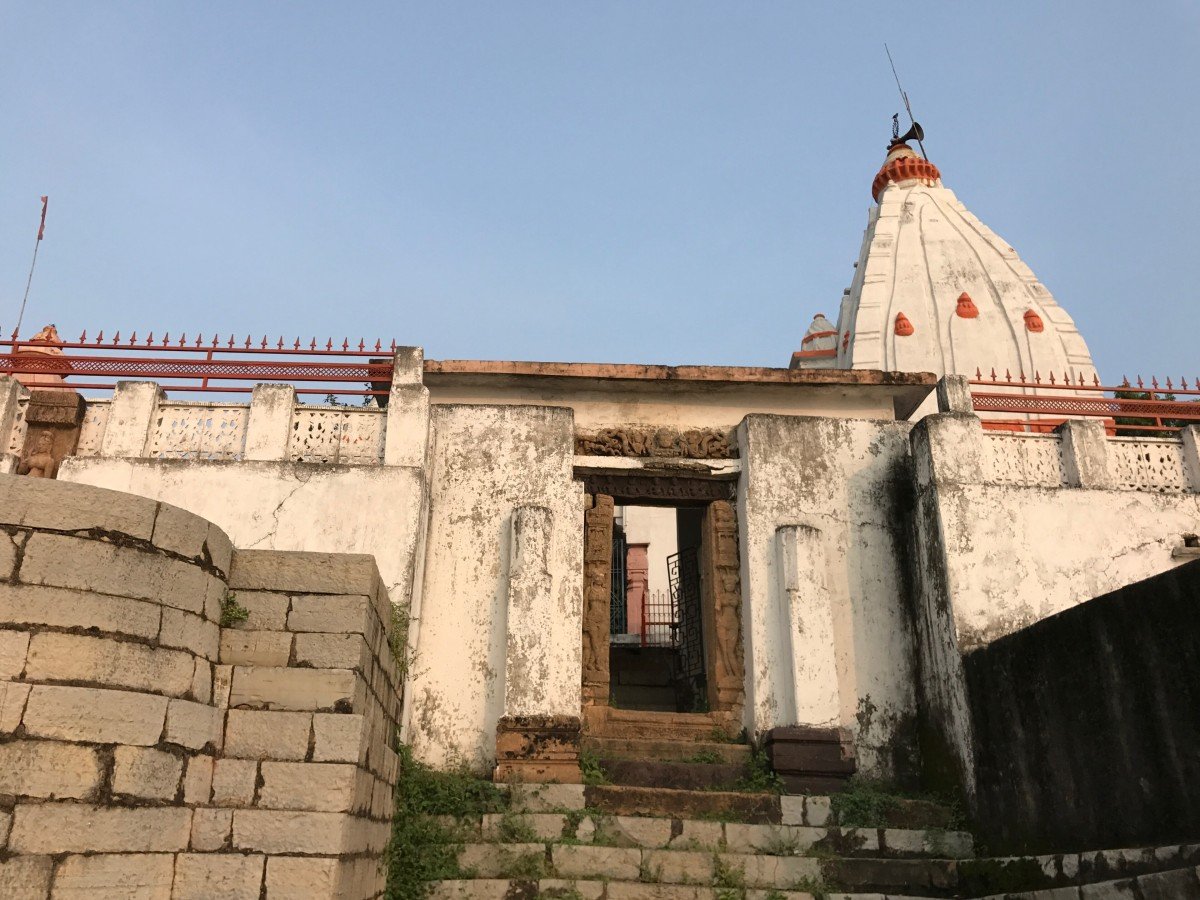
Temple Plan: The temple follows a simple, post-destruction era plan, comprising a sanctum (Garbhagriha) and a small assembly hall (Mandapa). It is a modest brick and stone structure compared to the grand excavated temples. The apex of the entrance is adorned with images related to Shiv Leela (tales of Shiva).
Dimensions and Setting: The temple's modest size is compensated by its picturesque location. It is built directly on the high bank of the Mahanadi River, offering a commanding view. The total area is small, focused on the main shrine, but the surroundings are open, allowing for riverfront access. The foundation is robust, designed to withstand the river's flow. -
How To Reach:
By Air: The nearest air connectivity is via Swami Vivekananda Airport, Raipur (RPR), about 80 km away. A direct taxi or cab can be hired for the two-hour drive to Sirpur.
By Train: The best rail option is Raipur Junction (RIG) (80 km), a ma...By Air: The nearest air connectivity is via Swami Vivekananda Airport, Raipur (RPR), about 80 km away. A direct taxi or cab can be hired for the two-hour drive to Sirpur.
By Train: The best rail option is Raipur Junction (RIG) (80 km), a major station. The closer but smaller station is Mahasamund Railway Station (MSMD) at 35 km. State buses or private taxis are the required transport from the stations to Sirpur.
By Road: Gandheswar Temple is easily reachable by road. It is about 78 km from Raipur and 35 km from Mahasamund. Public buses and taxis are available to Sirpur, from where a local auto or a short walk (1. 5 km) gets you to the riverside.
By Local Transport: From the main Sirpur village market, the temple is a short auto-rickshaw ride or a pleasant 15-20 minute walk to the banks of the Mahanadi. -
Weather and Best Time to Visit:
Different Types of Seasons: Winter (October to March) is perfect for the cool, comfortable climate and enjoying the river view. Monsoon (July to September) is a beautiful time when the Mahanadi is in full flow, but the river bank may be inaccessible during very heavy rains....Different Types of Seasons: Winter (October to March) is perfect for the cool, comfortable climate and enjoying the river view. Monsoon (July to September) is a beautiful time when the Mahanadi is in full flow, but the river bank may be inaccessible during very heavy rains. Summer is challenging due to the heat.
Different Parts of the Day: Sunrise or Sunset offer the most beautiful light and the most serene atmosphere. The Sunset view over the river from the temple bank is highly recommended for its tranquility and scenic beauty. -
Near Tourist Places:
Laxman Temple (1. 5 KMS), Ram Temple (2 KMS), Mahanadi River View Point (0. 1 KM), Raikera Boating Tourist Place (3 KMS), Surang Tila (3 KMS), ASI Museum Sirpur (1. 5 KMS), Baleshwar Mahadev Temple (2 KMS), Teevardev Buddhist Monastery (2. 5 KMS), Rajim (63 KMS), Kodar Dam (21 KMS).
Tourism Tips
-
Health & Safety: Be careful when descending to the Mahanadi river bank for bathing; the steps may be slippery. Do not venture too far into the river. Be mindful of personal belongings in crowded festival times.
Packing: Carry a small towe...Health & Safety: Be careful when descending to the Mahanadi river bank for bathing; the steps may be slippery. Do not venture too far into the river. Be mindful of personal belongings in crowded festival times.
Packing: Carry a small towel if you plan to take a dip in the Mahanadi. Wear clothes that are easy to dry. Carry a plastic bag for wet items. Always dress modestly, suitable for a place of worship.
Accommodation: Local guest houses in Sirpur offer basic accommodation. For a more comfortable stay, consider hotels in Mahasamund. The nearby CTB Resort is the best local option.
Other Different Topics heading:
River Rules: Do not litter or wash clothes near the bathing ghats to respect the sanctity of the river.
Puja Items: Purchase your Puja materials from the vendors outside the temple to support the local economy.
Engage with Locals: The temple priest and local villagers are a rich source of stories and legends about the temple and the region.
Reviews
FAQs
Sirpur Itineray And Cost:-
Gandheswar Temple Tourism:-
Other Places In Sirpur :-
Other States In India :-
Information about New and Updated Locations() of Chhattisgarh Has Been Added :-
Card subtitle
Note:-
Information provided here in good Faith and for reference only.
Near Places

Anand Prabhu Kudi Vihar
Some quick example text to build on the card title and make up the bulk of the card's content.
Go somewhere
Arang
Some quick example text to build on the card title and make up the bulk of the card's content.
Go somewhere
Baleshwar Mahadev Temple
Some quick example text to build on the card title and make up the bulk of the card's content.
Go somewhere
Dhuskund Waterfall
Some quick example text to build on the card title and make up the bulk of the card's content.
Go somewhere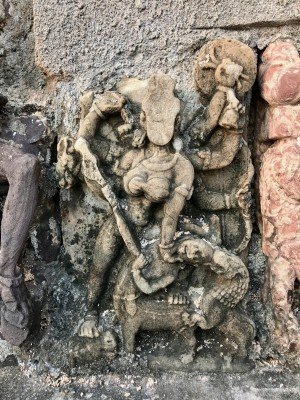
Gandheswar Temple
Some quick example text to build on the card title and make up the bulk of the card's content.
Go somewhere
Kodar Island
Some quick example text to build on the card title and make up the bulk of the card's content.
Go somewhere
Laxman Temple
Some quick example text to build on the card title and make up the bulk of the card's content.
Go somewhere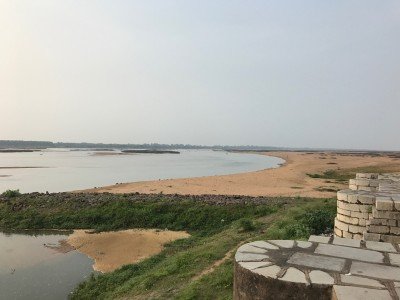
Mahanadi River View Point
Some quick example text to build on the card title and make up the bulk of the card's content.
Go somewhere
Purkhauti Muktangan
Some quick example text to build on the card title and make up the bulk of the card's content.
Go somewhere
Raikera Boating
Some quick example text to build on the card title and make up the bulk of the card's content.
Go somewhere
Raikera Boating Tourist Place
Some quick example text to build on the card title and make up the bulk of the card's content.
Go somewhere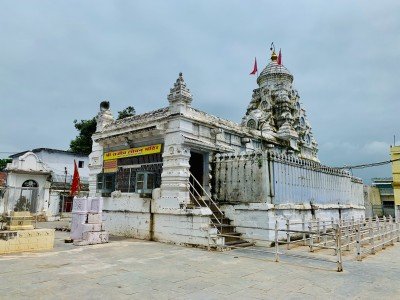
Rajim
Some quick example text to build on the card title and make up the bulk of the card's content.
Go somewhere
Ram Temple
Some quick example text to build on the card title and make up the bulk of the card's content.
Go somewhere
Samoda Dam
Some quick example text to build on the card title and make up the bulk of the card's content.
Go somewhere
Shivrinarayan
Some quick example text to build on the card title and make up the bulk of the card's content.
Go somewhere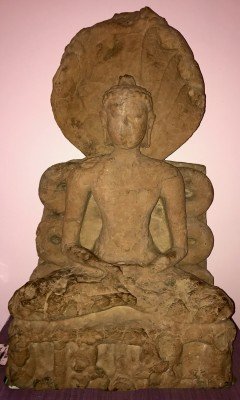
Sirpur ASI Museum
Some quick example text to build on the card title and make up the bulk of the card's content.
Go somewherein Other Cities