
Laxman Temple
General information
-
Ideal Duration:
2 hoursPlace Type:
Ancient Temple (National Monument & Worship Site)Entry Fees:
Nominal Entry Fee: The Laxman Temple complex (which includes the Ram Temple, Baleshwar Temple, and the ASI Museum) is a centrally protected monument. It requires a nominal entry ticket. For Indian citizens, the fee is typically around Rs.15 to Rs.25 per person.Nominal Entry Fee: The Laxman Temple complex (which includes the Ram Temple, Baleshwar Temple, and the ASI Museum) is a centrally protected monument. It requires a nominal entry ticket. For Indian citizens, the fee is typically around Rs.15 to Rs.25 per person.
Foreign Tourist Fee: For foreign nationals, the entry fee is significantly higher, usually ranging from Rs.200 to Rs.300 per person. This fee grants access to the entire ASI-protected complex.
Children and Photography: Entry is often free for children below 15 years of age. Still photography is free, but professional video cameras or tripods may require a paid permit from the ASI. The revenue helps in the site’s preservation.Timing:
Regular Timings: The monument is open from 7:00 AM to 6:00 PM daily, in line with all other major ASI-protected archaeological sites in Sirpur.
Ideal Visit Time: The Ideal Visit Time is during the cool Winter Months (November to March). The...Regular Timings: The monument is open from 7:00 AM to 6:00 PM daily, in line with all other major ASI-protected archaeological sites in Sirpur.
Ideal Visit Time: The Ideal Visit Time is during the cool Winter Months (November to March). The best time of day is the Early Morning (7:00 AM to 10:00 AM), when the crowd is minimal and the soft sunlight beautifully illuminates the brickwork and the stone carvings.
Tourist Rush: The site gets busiest on Sundays and public holidays, and during the annual Sirpur Festival. An early morning weekday visit is best for a peaceful experience.Special Events:
Sirpur National Dance and Music Festival: The sprawling grounds near the Laxman Temple are the central venue for this major annual cultural event (usually January/February). The temple complex itself is the scenic backdrop, often illuminated at night, and is the focal point...Sirpur National Dance and Music Festival: The sprawling grounds near the Laxman Temple are the central venue for this major annual cultural event (usually January/February). The temple complex itself is the scenic backdrop, often illuminated at night, and is the focal point of all tourist activity during the festival.
Vaikuntha Ekadashi: Being a Lord Vishnu temple, the day of Vaikuntha Ekadashi (December/January) is of high religious significance. Special pujas and bhajans are organized, attracting devotees and marking a significant Hindu calendar event at the site.
Rama Navami: Though dedicated to Vishnu and built for the king, the name Laxman (brother of Rama) makes Rama Navami (March/April) a day for local celebrations and special aartis, especially since the adjacent Ram Temple is also part of the complex.Best Photo Spots:
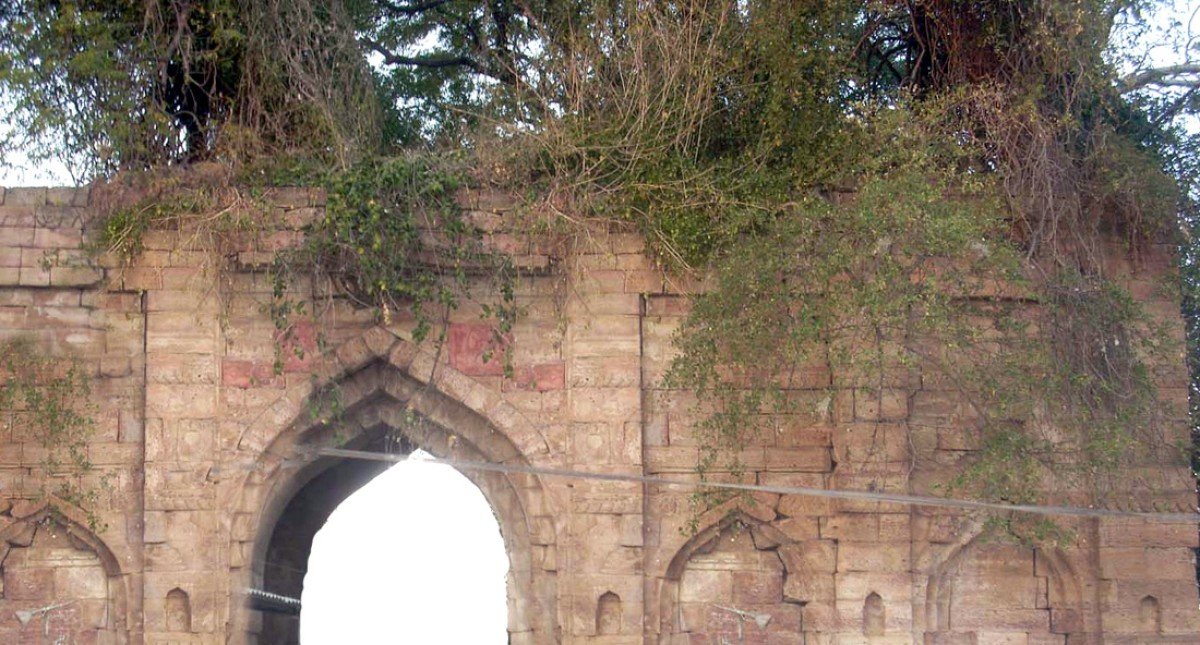
The Archaic Brick Texture: A close-up shot of the red brick walls, capturing the texture and weathering that has preserved the structure for over a millennium. Use the sun's angle to enhance the brick's depth.
The Stone Doorframe: The essen...The Archaic Brick Texture: A close-up shot of the red brick walls, capturing the texture and weathering that has preserved the structure for over a millennium. Use the sun's angle to enhance the brick's depth.
The Stone Doorframe: The essential photo is the entire stone doorframe from the Mandapa entrance, capturing its symmetry, the river goddesses, and the central Sheshashayi Vishnu. This should be taken respectfully and without flash.
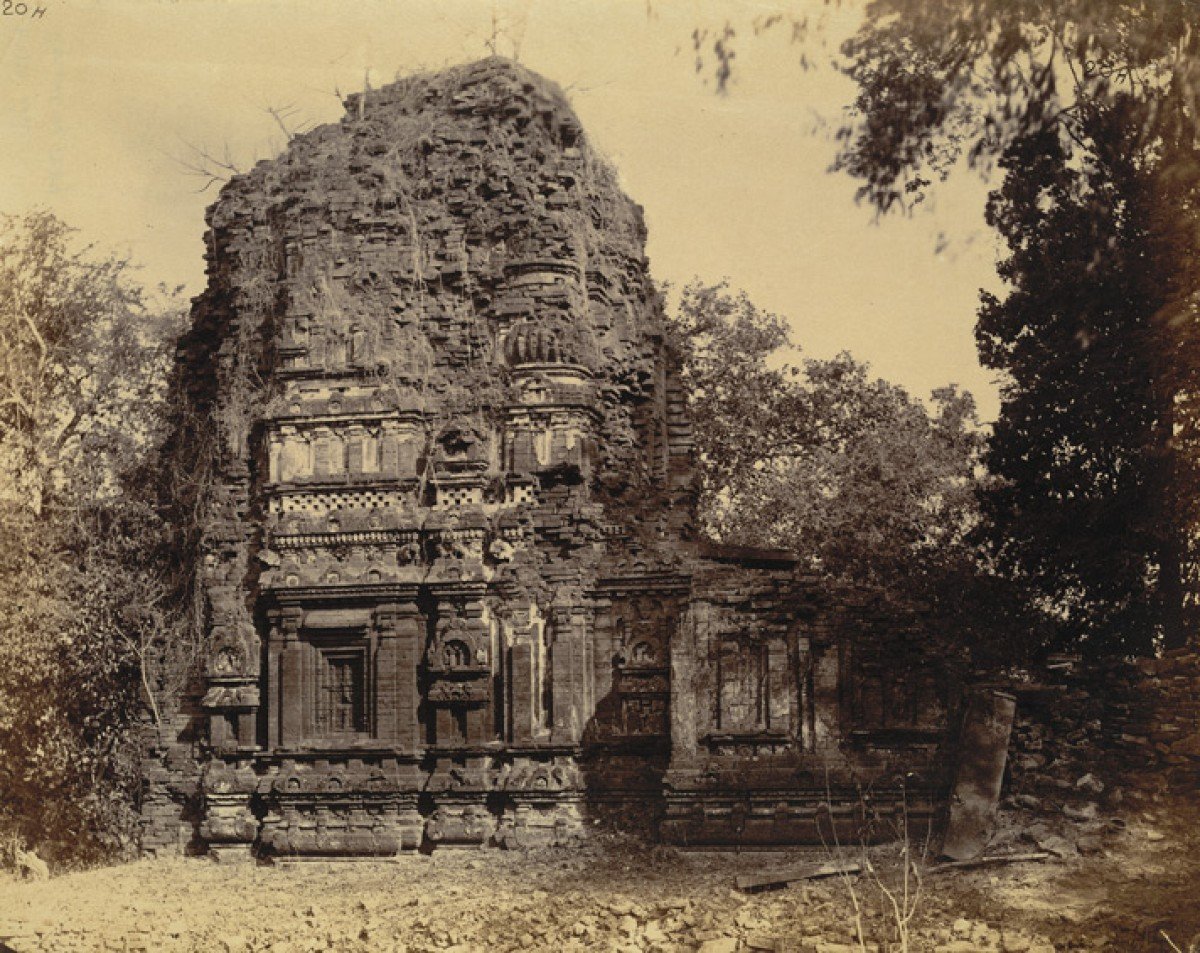
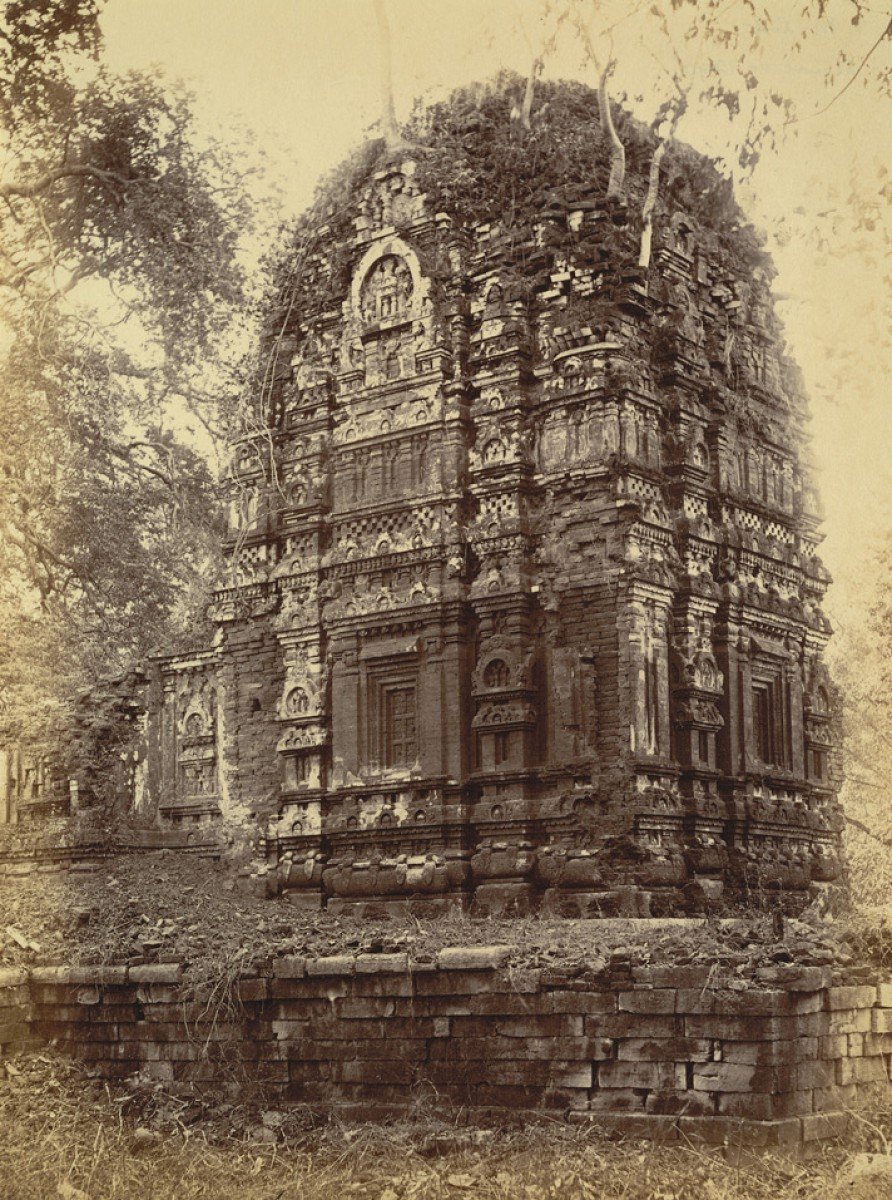
The Temple on the Plinth: A mid-range shot from the ground level showing the temple rising majestically on its high plinth (Jagati), emphasizing its elevation and imposing scale against the backdrop of the sky.
The Sunset Silhouette: A photograph of the temple's surviving superstructure (partially ruined Shikhara) silhouetted against the sunset sky, providing a dramatic and timeless image of the ancient monument.Photo Gallery
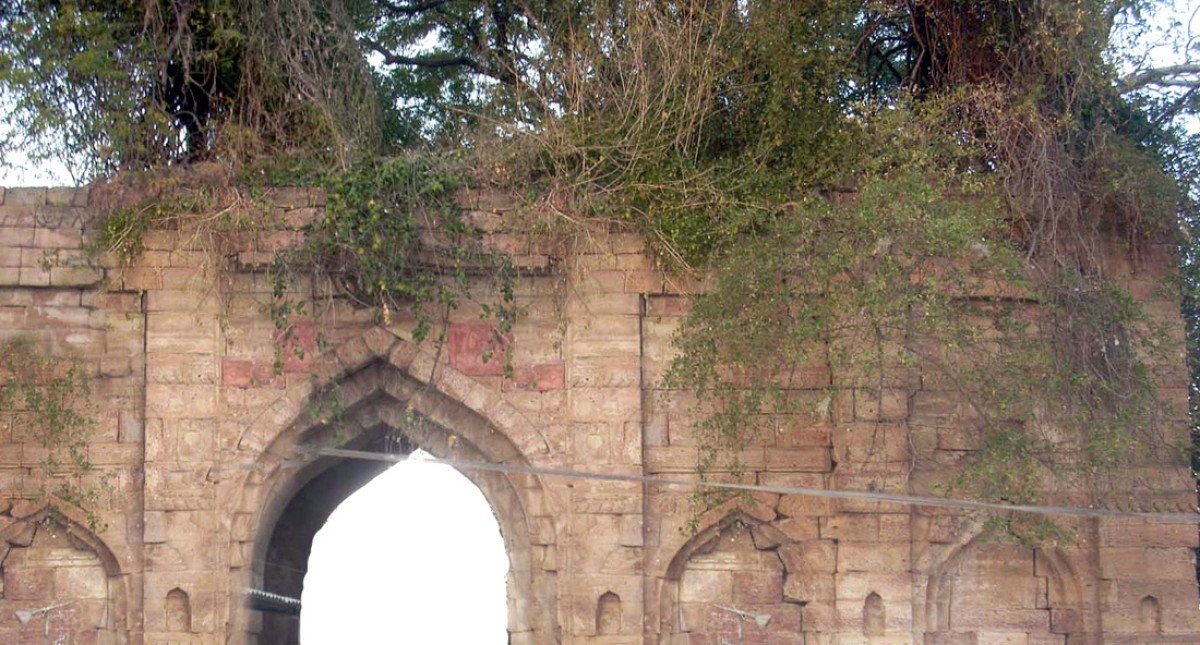

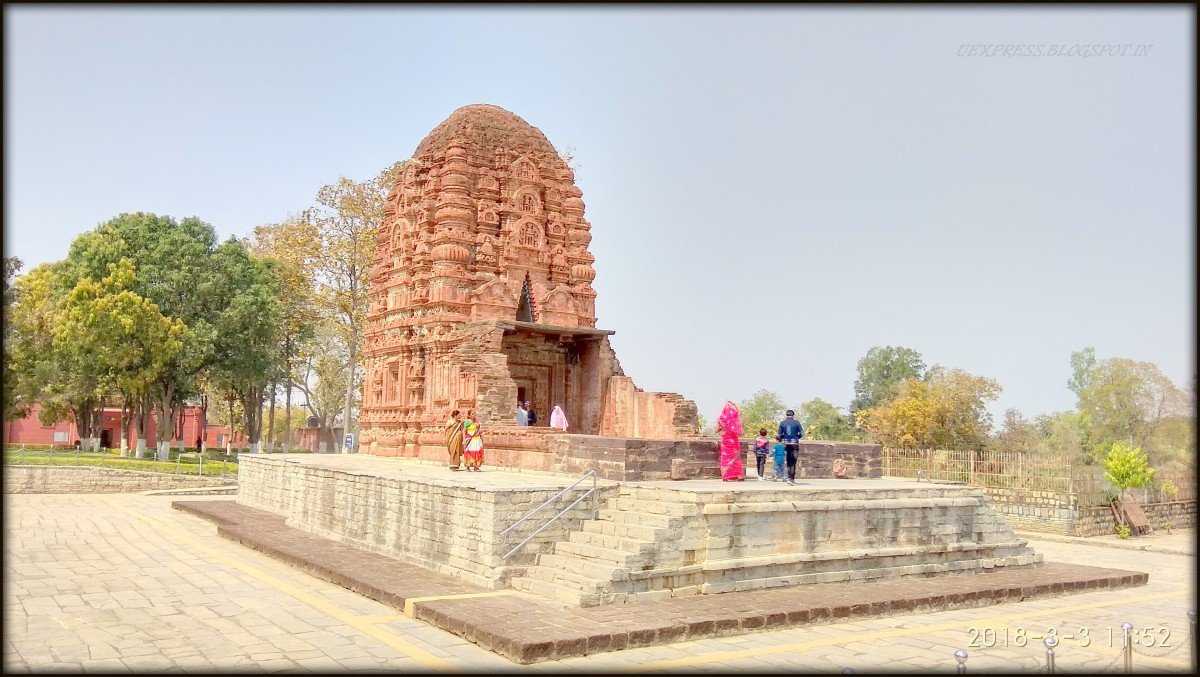
Things To Do
-
Contemplate the Stone Doorframe: Spend significant time studying the intricate carvings of the Garbhagriha doorframe. Use binoculars or zoom on your camera to appreciate the detailed figures of Vishnu's Avataras and the river goddesses, which is the temple’s artistic zenith.
Walk the Pradakshina Path: Perform the ritual circumambulation (Pradakshina) around the high plinth (Jagati) of the temple, visualizing the Shikhara and the original glory of the structure, while reading the plaques detailing the history.
Visit the ASI Museum: Located right within the complex, the ASI Museum houses many of the original loose sculptures and artifacts found during the excavation of the Laxman Temple and other Sirpur sites. This is a must-do to connect the art to the ruins.
Phot...Contemplate the Stone Doorframe: Spend significant time studying the intricate carvings of the Garbhagriha doorframe. Use binoculars or zoom on your camera to appreciate the detailed figures of Vishnu's Avataras and the river goddesses, which is the temple’s artistic zenith.
Walk the Pradakshina Path: Perform the ritual circumambulation (Pradakshina) around the high plinth (Jagati) of the temple, visualizing the Shikhara and the original glory of the structure, while reading the plaques detailing the history.
Visit the ASI Museum: Located right within the complex, the ASI Museum houses many of the original loose sculptures and artifacts found during the excavation of the Laxman Temple and other Sirpur sites. This is a must-do to connect the art to the ruins.
Photography of the Brickwork: Capture the texture and detail of the red brick construction, especially where it meets the ground, to highlight the structural durability and the high-quality craftsmanship of the ancient artisans.
Watch the Sunset: Due to its position on a high plinth, the complex offers a beautiful vantage point for watching the sunset over the nearby archaeological field.
Information
-
Why Famous:
The First Brick Temple: It is renowned for being one of the earliest and best-preserved fully brick-built temples in India, showcasing an architectural period before stone became the dominant material. Its construction solely from brick highlights a unique skill set.The First Brick Temple: It is renowned for being one of the earliest and best-preserved fully brick-built temples in India, showcasing an architectural period before stone became the dominant material. Its construction solely from brick highlights a unique skill set.
A Wife's Devotion: The temple's fame is also intrinsically linked to the touching story of Queen Vasata building it in memory of her deceased husband, King Harshagupta, making it a monument of love and eternal devotion, and a key site for understanding the Panduvamshi royal lineage.
Iconic Doorframe: The exquisitely carved stone doorframe is internationally recognized for its artistry, complex iconography, and the sheer quality of its sculpture, which is considered a pinnacle of Dakshina Kosala art. It attracts art historians from all over the world. -
Architecture:
The Brick Architecture: The temple's primary distinction is its construction material: fine-quality, deep red fired bricks, a testament to the master bricklayers of the 7th century CE. The brickwork features intricate terracotta panels depicting scenes from the Ramayana, Pu...The Brick Architecture: The temple's primary distinction is its construction material: fine-quality, deep red fired bricks, a testament to the master bricklayers of the 7th century CE. The brickwork features intricate terracotta panels depicting scenes from the Ramayana, Puranas, and images of deities.
The Stone Doorframe: The single-most spectacular element is the highly ornate stone doorframe of the Garbhagriha, carved in dark stone. It depicts the Sheshashayi (reclining Vishnu), various incarnations of Vishnu (Avataras), and the two river goddesses, a quintessential feature of the Gupta and Post-Gupta era temples.
Dimensions and Plan: The temple stands on a large, high stone plinth measuring approximately 40 by 80 feet (12m x 24m). The main temple is built on a Pancharatha (five projections) plan. The sanctum (Garbhagriha) is a square chamber, approximately 10 by 10 feet (3m x 3m) internally. The original Shikhara would have been a tall, curvilinear structure, a classic feature of the Nagara style.
Parts of the Temple: The structure includes the plinth (Jagati), the sanctum (Garbhagriha), a vestibule (Antarala), and a now-ruined assembly hall (Mandapa). The surviving foundation outlines the original grand scale of the temple complex. -
How To Reach:
By Air: The nearest major gateway is Swami Vivekananda Airport, Raipur (RPR), about 85 km away. Taxis, both pre-booked and private, are the best option for the two-hour drive to Sirpur.
By Train: The most convenient major railhead is Raipur...By Air: The nearest major gateway is Swami Vivekananda Airport, Raipur (RPR), about 85 km away. Taxis, both pre-booked and private, are the best option for the two-hour drive to Sirpur.
By Train: The most convenient major railhead is Raipur Junction (RIG) at 80 km. A closer, smaller station is Mahasamund Railway Station (MSMD) at 45 km. Buses and taxis are available from both stations to Sirpur.
By Road: Sirpur is well-connected to Raipur (78 km) and Mahasamund (35 km) by road. State-run and private buses regularly ply the routes. Self-driving or hiring a cab offers the most flexibility for a multi-site visit.
By Local Transport: The Laxman Temple is the center of the archaeological zone. The other key sites are all within walking distance or a very short, cheap auto-rickshaw ride. -
Weather and Best Time to Visit:
Different Types of Seasons: Winter (October to March) is ideal for comfortable exploration of the open-air ruins. The Monsoon brings a green vibrancy but can make the plinth slippery and the ruins difficult to navigate. Summer should be strictly avoided during midday.
...Different Types of Seasons: Winter (October to March) is ideal for comfortable exploration of the open-air ruins. The Monsoon brings a green vibrancy but can make the plinth slippery and the ruins difficult to navigate. Summer should be strictly avoided during midday.
Different Parts of the Day: Early Morning (7:00 AM to 9:00 AM) is perfect for photography, cool temperatures, and avoiding crowds. The Late Afternoon light is also excellent for photography, but the site closes promptly at 6:00 PM. -
Near Tourist Places:
Ram Temple (0. 2 KMS), ASI Museum Sirpur (0. 1 KM), Baleshwar Mahadev Temple (0. 5 KMS), Anand Prabhu Kudi Vihar (0. 5 KMS), Swastik Vihar (0. 7 KMS), Teevardev Buddhist Monastery (1 KM), Gandheswar Temple (1. 5 KMS), Mahanadi River View Point (1. 5 KMS), Surang Tila (2 KMS), Rajim (63 KMS).
Tourism Tips
-
Health & Safety: Wear comfortable, thick-soled walking shoes due to the rough terrain, uneven plinth, and surrounding archaeological rubble. Carry ample water and wear a hat. Be respectful of the monument and do not climb on the fragile walls.
...Health & Safety: Wear comfortable, thick-soled walking shoes due to the rough terrain, uneven plinth, and surrounding archaeological rubble. Carry ample water and wear a hat. Be respectful of the monument and do not climb on the fragile walls.
Packing: Must-pack items include sunscreen, a camera with good zoom for the intricate carvings, and a guide book or map of the Sirpur complex. Carry the ASI entry ticket safely.
Accommodation: Staying in the Chhattisgarh Tourism Board (CTB) facility in Sirpur is the most convenient option. Otherwise, stay in Mahasamund or Raipur for better hotel choices.
Other Different Topics heading:
Engage a Licensed Guide: The history is vast and complex. Hiring a licensed local guide will enrich the experience immeasurably.
Museum First: Visit the ASI Museum either before or immediately after the temple to better understand the artifacts recovered from the site.
Reviews
FAQs
Sirpur Itineray And Cost:-
Other Places In Sirpur :-
Other States In India :-
Information about New and Updated Locations() of Chhattisgarh Has Been Added :-
Card subtitle
Note:-
Information provided here in good Faith and for reference only.
Near Places

Anand Prabhu Kudi Vihar
Some quick example text to build on the card title and make up the bulk of the card's content.
Go somewhere
Arang
Some quick example text to build on the card title and make up the bulk of the card's content.
Go somewhere
Baleshwar Mahadev Temple
Some quick example text to build on the card title and make up the bulk of the card's content.
Go somewhere
Dhuskund Waterfall
Some quick example text to build on the card title and make up the bulk of the card's content.
Go somewhere
Gandheswar Temple
Some quick example text to build on the card title and make up the bulk of the card's content.
Go somewhere
Kodar Island
Some quick example text to build on the card title and make up the bulk of the card's content.
Go somewhere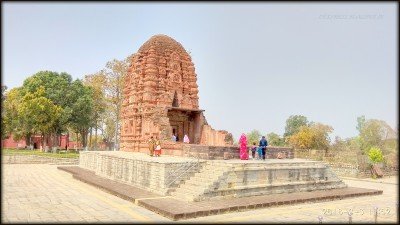
Laxman Temple
Some quick example text to build on the card title and make up the bulk of the card's content.
Go somewhere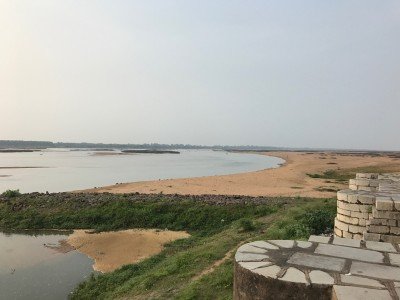
Mahanadi River View Point
Some quick example text to build on the card title and make up the bulk of the card's content.
Go somewhere
Purkhauti Muktangan
Some quick example text to build on the card title and make up the bulk of the card's content.
Go somewhere
Raikera Boating
Some quick example text to build on the card title and make up the bulk of the card's content.
Go somewhere
Raikera Boating Tourist Place
Some quick example text to build on the card title and make up the bulk of the card's content.
Go somewhere
Rajim
Some quick example text to build on the card title and make up the bulk of the card's content.
Go somewhere
Ram Temple
Some quick example text to build on the card title and make up the bulk of the card's content.
Go somewhere
Samoda Dam
Some quick example text to build on the card title and make up the bulk of the card's content.
Go somewhere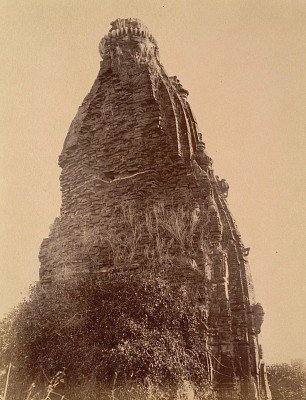
Shivrinarayan
Some quick example text to build on the card title and make up the bulk of the card's content.
Go somewhere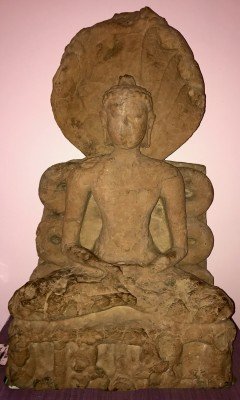
Sirpur ASI Museum
Some quick example text to build on the card title and make up the bulk of the card's content.
Go somewherein Other Cities