
Ashokan Minor Rock Edict
General information
-
Ideal Duration:
1-2 Hours (Focusing on the inscription and immediate surroundings)Place Type:
Historical Landmark, Archaeological Site, ReligiouEntry Fees:
General Information on Fees: The Ashokan Minor Rock Edict site is typically managed by the Archaeological Survey of India (ASI) and generally does not have a specific, formal entry ticket or fee for casual visitors.
The Unofficial Camera Fee Que...General Information on Fees: The Ashokan Minor Rock Edict site is typically managed by the Archaeological Survey of India (ASI) and generally does not have a specific, formal entry ticket or fee for casual visitors.
The Unofficial Camera Fee Question: While the main entry is free, in the past, some ASI sites might have unofficially or formally levied a small fee for carrying professional cameras or video equipment; however, for mobile phone photography or a standard camera, there is usually no charge for entry or photography.
Conservation Donation Box: On some occasions, a voluntary donation box for the conservation and upkeep of the monument might be present near the site's caretaker or the information board, which is entirely optional and is not a mandatory entry fee.
Fees for Vehicles: If you are driving up the hill road, there might be a very nominal fee collected by local authorities for vehicle parking or road access near the base of the hill, which is a parking fee, not an entry fee for the monument itself.
Cost for Guide Services: Any monetary exchange would typically be for hiring an optional local guide to explain the inscription, which is a service fee, not an official ticket. Always confirm any charges are official ASI fees.Timing:
Regular Timings: The site is generally accessible throughout the day from around 6:00 AM to 6:00 PM, as it is an open-air rock inscription on a hillside and does not have formal closing gates like a museum, but visiting outside daylight hours is highly discouraged due to the...Regular Timings: The site is generally accessible throughout the day from around 6:00 AM to 6:00 PM, as it is an open-air rock inscription on a hillside and does not have formal closing gates like a museum, but visiting outside daylight hours is highly discouraged due to the isolated location.
Ideal Visit Time: The best time for a visit is early morning, between 7:00 AM and 10:00 AM, when the air is cool, and the sunlight angle perfectly illuminates the Brahmi inscriptions on the rock face, making them clearer for viewing and photography. Late afternoon, around 4:00 PM to 6:00 PM, also offers pleasant weather and good lighting.
Midday Closure/Avoidance: Visiting between 11:00 AM and 3:00 PM should be avoided from March to October as the harsh sun and high temperatures make the exposed hilltop location uncomfortable and can cause glare on the inscription.
Special Day Timings: During local festivals like Navratri or public holidays, the site remains open, often with an increased police or security presence due to the heavier flow of pilgrims to the nearby temples.
Photography Window: The golden hours of sunrise and sunset are the ideal windows for photography, offering a soft light that brings out the rock's texture and the depth of the ancient carvings.Special Events:
Ashoka Jayanti Observance: While not a massive public festival at the rock edict itself, local Buddhist and history groups may organize small, quiet commemorative events or readings of the edict's text on Ashoka Jayanti (Emperor Ashoka's birth anniversary), a day usually obs...Ashoka Jayanti Observance: While not a massive public festival at the rock edict itself, local Buddhist and history groups may organize small, quiet commemorative events or readings of the edict's text on Ashoka Jayanti (Emperor Ashoka's birth anniversary), a day usually observed in the month of April or May.
Local Heritage Walks: The local administration or cultural organizations occasionally organize heritage or history walks that start or culminate at the edict site, often in the cooler months of November to February, featuring talks by local historians or scholars to explain the script and its cultural context, drawing a small, engaged crowd.
Tarachandi Navratri Fair: The proximity to the Maa Tarachandi Temple means that during the Navratri festivals (typically in March/April and September/October), the entire hill area, including the road leading to the edict, sees a significant increase in devotees and local festivities. Though focused on the temple, the edict benefits from the overall vibrant atmosphere and increased public attention during these nine-day periods.Best Photo Spots:
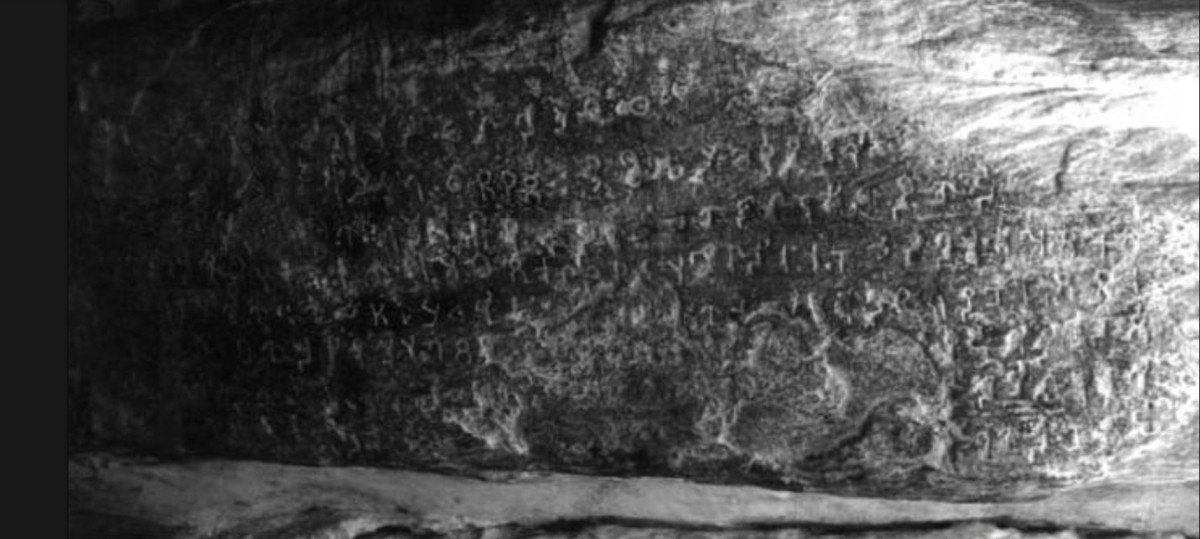
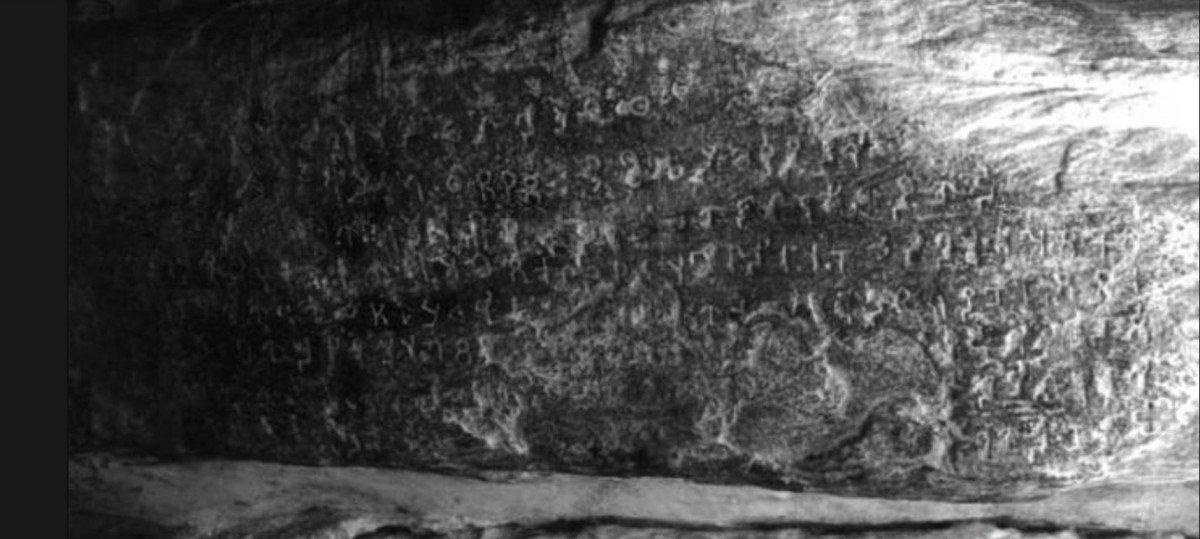
The Inscribed Boulder: The best spot is a close-up angle of the inscribed rock itself, protected by the cage, capturing the ancient Brahmi letters with proper lighting (avoiding harsh midday sun) to emphasize the texture and depth of the carvings.
Read MoreThe Inscribed Boulder: The best spot is a close-up angle of the inscribed rock itself, protected by the cage, capturing the ancient Brahmi letters with proper lighting (avoiding harsh midday sun) to emphasize the texture and depth of the carvings.
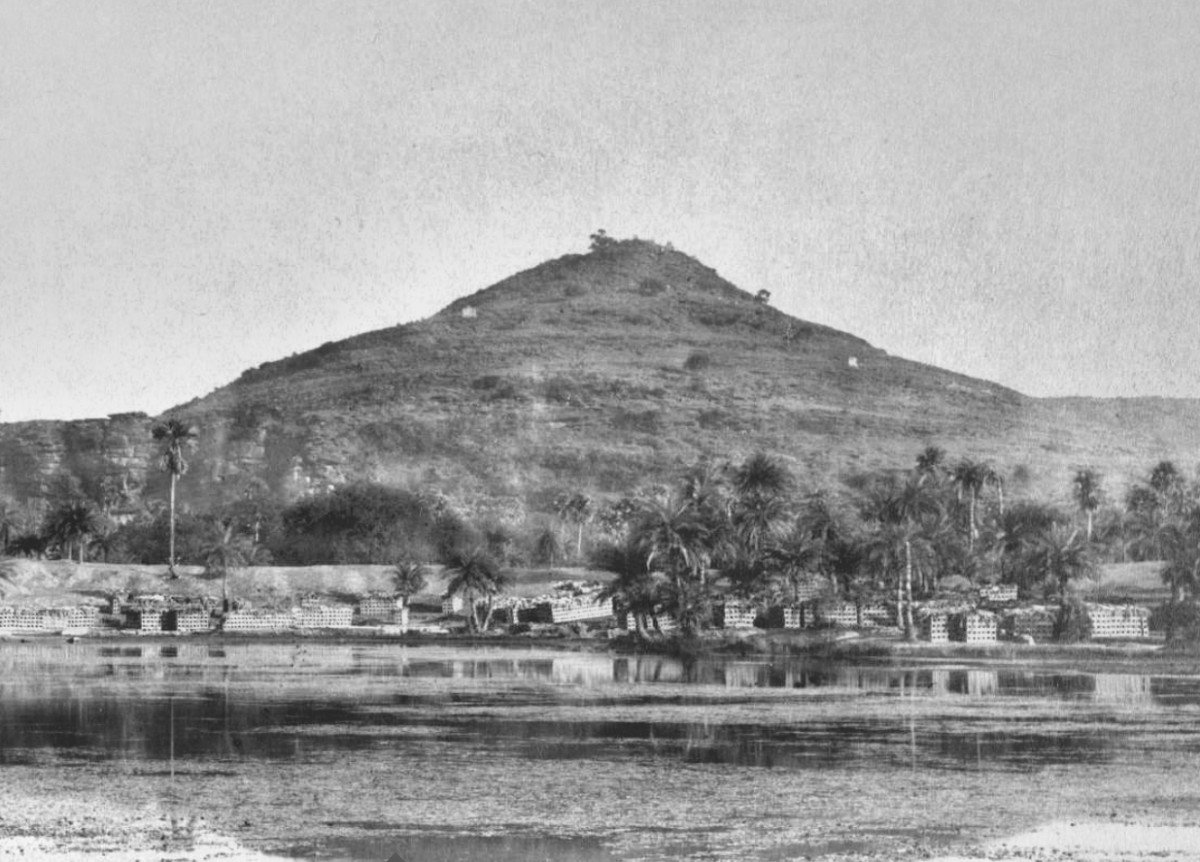
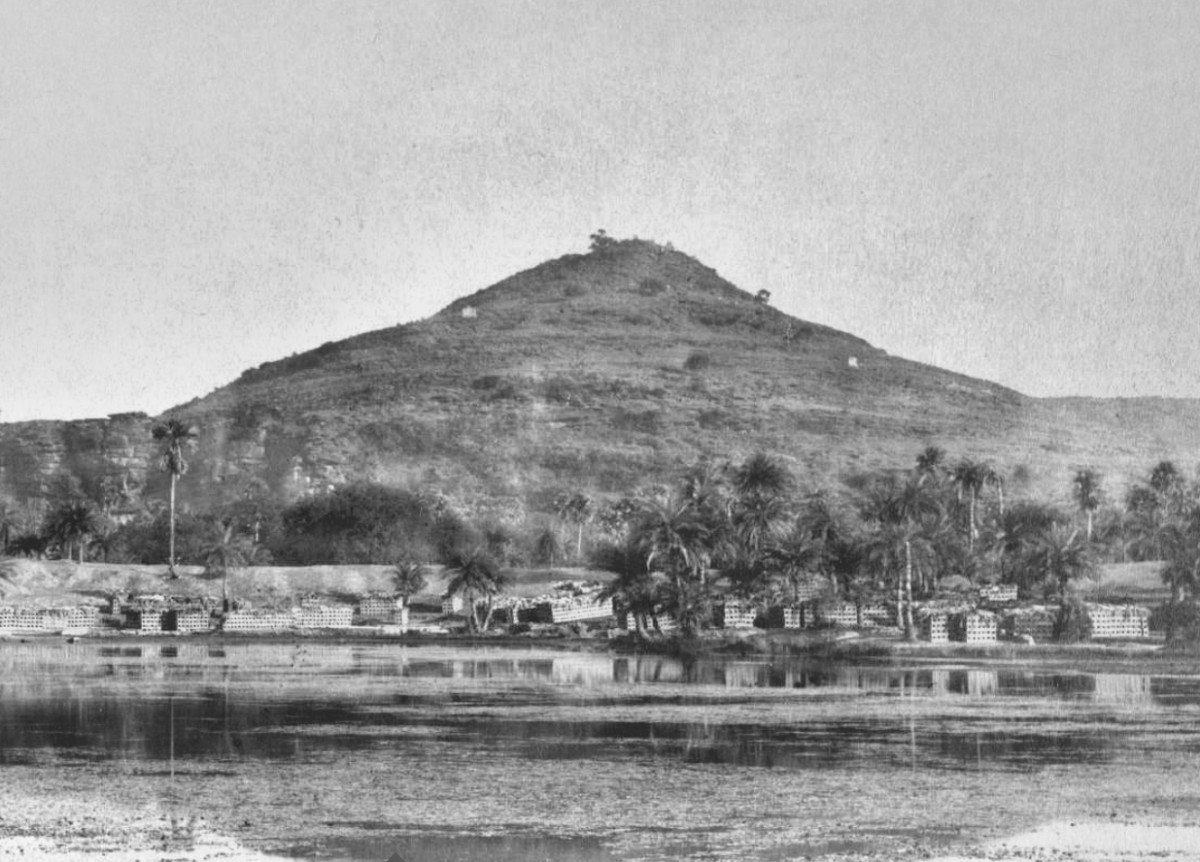
The Hillside Vista: Capture the sweeping landscape view from the height of the hill near the edict, framing the fertile Sasaram plains and the distant cityscape, particularly beautiful during a clear morning or a late afternoon just before sunset.
Contrast of Ancient and Modern: A photograph that frames the ancient inscribed rock against the backdrop of the modern-day protective railing or the nearby path, symbolizing the continuity and preservation efforts across millennia.
The Tarachandi Temple Backdrop: If you climb a little higher towards the nearby Tarachandi Temple, a wide-angle shot can capture the historical setting of the edict's location relative to the religious and natural landscape of the Kaimur hills, showcasing the geography that determined its placement.Photo Gallery

Things To Do
-
Study the Brahmi Script: Spend time carefully observing the ancient Brahmi script on the rock. Carry a printed copy of the translation (often available online or at the site) to correlate the ancient characters with the meaning of Ashoka's moral message, understanding his original intent to spread Dhamma. This archaeological study enhances the visit significantly.
Reflect on Dhamma's Principles: Dedicate a quiet moment at the site to reflect on the core ethical and social principles advocated by Ashoka—tolerance, non-violence, respect for all, and earnest effort—and contemplate their relevance in the modern world. The tranquil, elevated setting is ideal for introspection.
Hike to Tarachandi Temple: Combine the visit with a short trek or drive up the Chandan Shaheed Hill to the nearby Maa T...Study the Brahmi Script: Spend time carefully observing the ancient Brahmi script on the rock. Carry a printed copy of the translation (often available online or at the site) to correlate the ancient characters with the meaning of Ashoka's moral message, understanding his original intent to spread Dhamma. This archaeological study enhances the visit significantly.
Reflect on Dhamma's Principles: Dedicate a quiet moment at the site to reflect on the core ethical and social principles advocated by Ashoka—tolerance, non-violence, respect for all, and earnest effort—and contemplate their relevance in the modern world. The tranquil, elevated setting is ideal for introspection.
Hike to Tarachandi Temple: Combine the visit with a short trek or drive up the Chandan Shaheed Hill to the nearby Maa Tarachandi Temple. The temple is a significant local shrine, and the elevated location offers a much wider and more spectacular panoramic view of the Sasaram plains and the surrounding Kaimur Range, especially beautiful during the post-monsoon green season.
Historical Context Walk: Take a short walk around the immediate vicinity to feel the historical setting. Imagine the travelers, monks, and villagers who would have passed this spot over two millennia ago and read the king's decree. Try to identify the geological features of the Kaimur stone.
Photography of the Ancient Text: Focus your photography not just on the entire boulder, but on macro shots of the inscribed characters to capture the detail and texture of the rock-cutting technique used by Ashoka's artisans. The lighting in the morning is often best to highlight the carvings.
Explore Local Village Life: Since the site is slightly outside the main city, take a short detour into the nearby rural areas to observe the local village life, which gives a better appreciation of the historical context in which Ashoka sought to communicate with the common people. Sample local snacks or tea from small vendors near the road.
Combine with Sher Shah Suri's Tomb: Plan the trip to include a visit to the nearby Tomb of Sher Shah Suri and the Tomb of Hasan Khan Suri to witness the evolution of architecture and governance from the Mauryan period to the Sur Empire, providing a broader historical perspective on Sasaram's importance.
Information
-
Why Famous:
Oldest Written Edicts: It is one of the very few extant inscriptions of Emperor Ashoka, representing the earliest written and datable texts from the entire Indian subcontinent, giving it unparalleled historical and linguistic significance. It is a direct royal proclamation ...Oldest Written Edicts: It is one of the very few extant inscriptions of Emperor Ashoka, representing the earliest written and datable texts from the entire Indian subcontinent, giving it unparalleled historical and linguistic significance. It is a direct royal proclamation from the 3rd century BCE.
Link to Dhamma: The edict provides tangible evidence of Ashoka's deep devotion and commitment to the spread of his moral code, or Dhamma, which focused on social justice, non-violence, and tolerance, principles that shaped ancient Indian society.
Geographical Spread: The presence of this Minor Rock Edict in Sasaram confirms the vast geographical extent of the Mauryan Empire and Ashoka's administrative reach, ensuring his decrees were known even in remote, yet strategic, parts of the region. The text itself mentions his efforts reaching the common people.
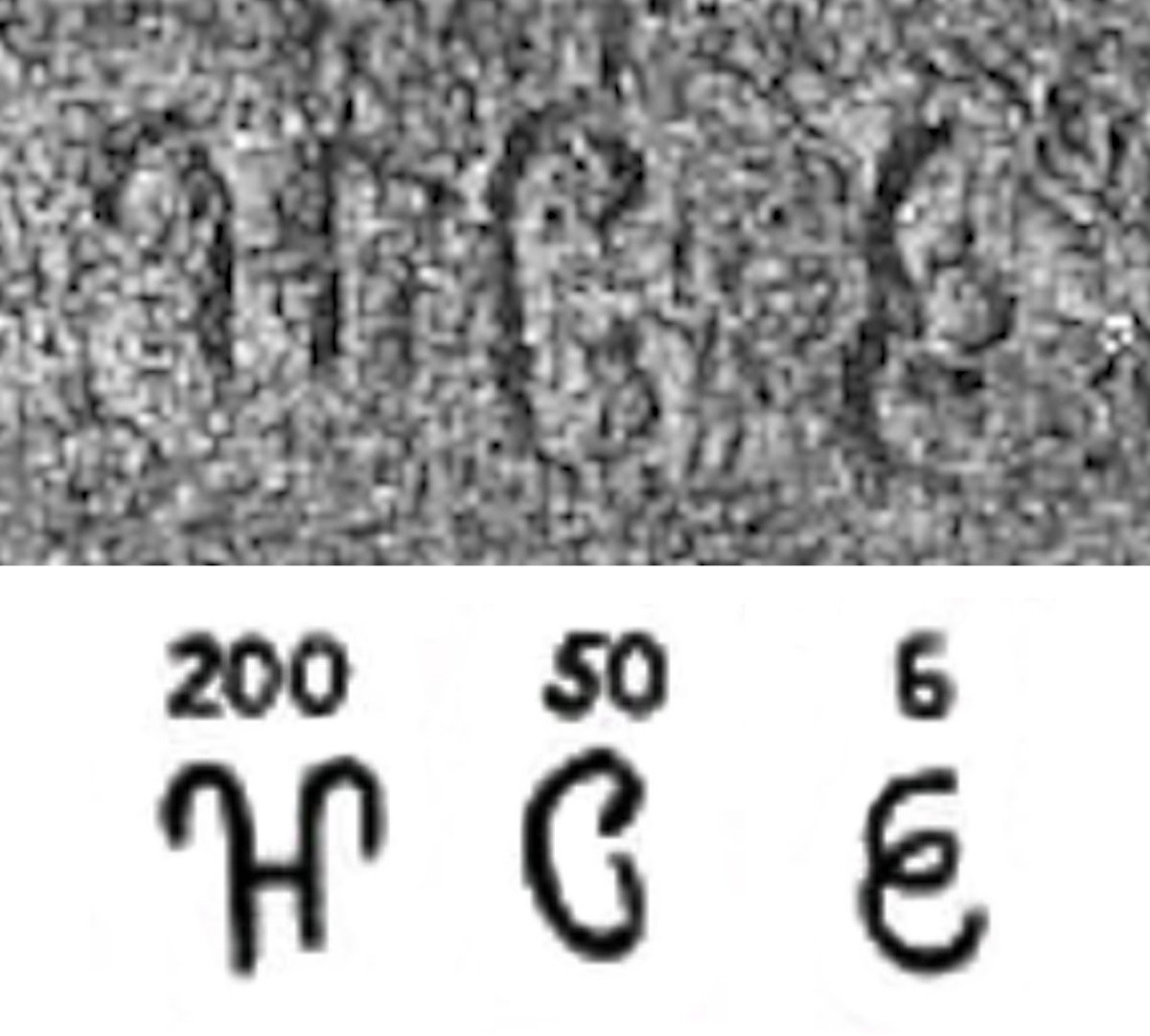
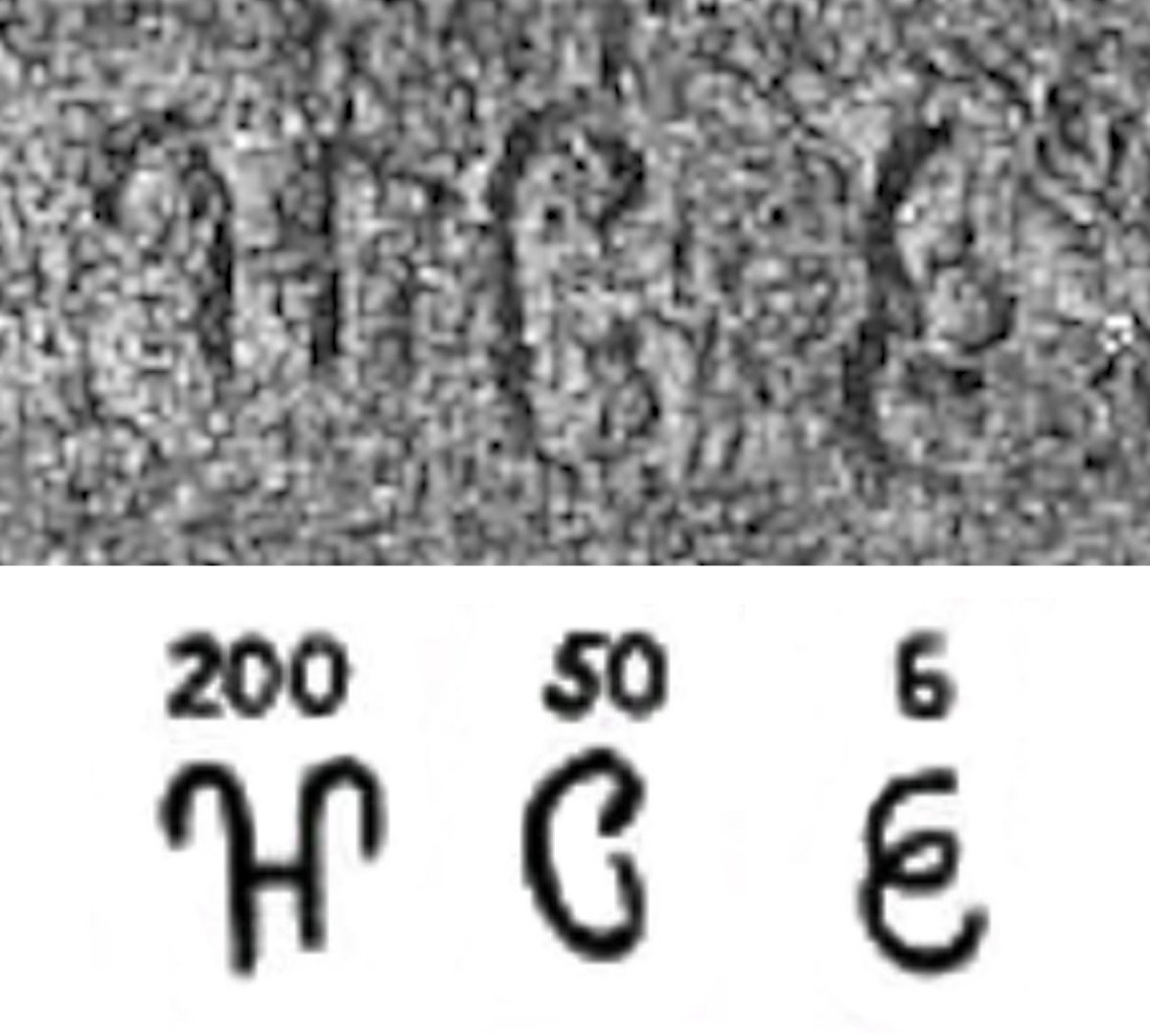
Brahmi Script Origin: As one of the earliest known examples of the Brahmi script, this inscription is vital for the study of the development of Indian paleography, as Brahmi is the ancestor of nearly all modern Indian scripts. Its simple and direct language makes it a powerful piece of historical and religious evidence. -
Architecture:
Mauryan Rock-Cut Inscription Style: The edict is not a structured building but an inscription carved directly onto a large natural boulder or rocky outcrop on the hill slope, a common format for Ashoka's edicts in peripheral areas of his empire. The technical quality of the...Mauryan Rock-Cut Inscription Style: The edict is not a structured building but an inscription carved directly onto a large natural boulder or rocky outcrop on the hill slope, a common format for Ashoka's edicts in peripheral areas of his empire. The technical quality of the carving is rustic and generally inferior to the later, more polished pillar edicts, suggesting it belongs to an early phase of his rock-writing project. The script used is Brahmi, etched in the Prakrit language, running from left to right.
Protection and Preservation: The boulder is now typically protected by a modern, simple metal cage or enclosure, erected by the Archaeological Survey of India (ASI), to safeguard the centuries-old inscription from environmental damage and vandalism. A nearby display board often provides a transliteration and translation of the ancient text for visitors.
Dimension: The inscription covers a segment of a large, irregular boulder, with the inscribed area being roughly a few feet in width and height, an area sufficient to contain the full text of Minor Rock Edict No. 1. The focus is on the textual content, not monolithic structural dimensions.
Strategic Placement: The inscription's location on the terminal spur of the Kaimur Range near a historical route emphasizes Ashoka's intent to broadcast his message widely, making use of natural, enduring canvases for his royal and moral proclamation. The raw, rock-cut nature symbolizes the permanence of the Dharma. -
How To Reach:
By Air: The nearest major airport is Gaya International Airport (GAY), approximately 120 KMs away, which has connections to major Indian cities like Delhi, Kolkata, and Varanasi. Alternatively, Lal Bahadur Shastri International Airport, Varanasi (VNS), is about 140 KMs away...By Air: The nearest major airport is Gaya International Airport (GAY), approximately 120 KMs away, which has connections to major Indian cities like Delhi, Kolkata, and Varanasi. Alternatively, Lal Bahadur Shastri International Airport, Varanasi (VNS), is about 140 KMs away and often has better connectivity. From the airport, one must hire a pre-paid taxi or cab, which takes about 2. 5 to 3 hours to reach Sasaram, then local transport to the hilltop.
By Train: Sasaram Junction Railway Station (SSM) is very well-connected, lying on the important Howrah-New Delhi Grand Chord line. Numerous express and superfast trains, including the Rajdhani Express, stop here, providing direct links from Delhi, Kolkata, Patna, and Mumbai. From the station, the site is only 5-7 KMs and can be reached via auto-rickshaw or a local taxi.
By Road: Sasaram is situated on National Highway 19 (NH-19), which is part of the historical Grand Trunk Road (GT Road), ensuring excellent road connectivity. Regular state-run and private buses ply the route from major cities like Patna (150 KMs), Varanasi (140 KMs), and Gaya (120 KMs). Driving your own vehicle or a rented car is straightforward due to the well-maintained highways; the site is reached by a short uphill climb from the main road.
By Local Transport: From the main Sasaram city or railway station, the best local option is to hire an auto-rickshaw (Tuk-Tuk) or a local taxi. Ensure you negotiate the fare beforehand, especially for the return trip, as the area on the hill can be a little isolated. Shared jeeps or public transport buses are limited to the main road, requiring a final short hike up the hill. -
Weather and Best Time to Visit:
Different Types of Seasons: The Best Time to Visit is during the Winter Season (October to March). The weather is pleasantly cool, with temperatures ranging from 10°C to 25°C, which is perfect for sightseeing, especially for the climb up to the rock edict and the hill com...Different Types of Seasons: The Best Time to Visit is during the Winter Season (October to March). The weather is pleasantly cool, with temperatures ranging from 10°C to 25°C, which is perfect for sightseeing, especially for the climb up to the rock edict and the hill complex. The Monsoon Season (July to September) is also a good time, as the surrounding Kaimur hills are lush green and the atmosphere is cool, but be cautious of slippery paths. The Summer Season (April to June) should be avoided as temperatures can soar above 40°C, making the exposed rock site extremely hot and uncomfortable.
Different Parts of the Day: Early Morning (7:00 AM - 10:00 AM) is the ideal time for a clear view of the inscription and a pleasant walk. Late Afternoon (4:00 PM - 6:00 PM) is also recommended for cooler temperatures and good light. Midday should be avoided due to the intense sun and heat, which diminishes the overall experience and makes the inscription harder to read due to glare. -
Near Tourist Places:
Tomb of Sher Shah Suri (8 KMs), Maa Tarachandi Temple (2 KMs, right next to it), Tomb of Hasan Khan Suri (10 KMs), Manjhar Kund Waterfall (15 KMs), Dhuan Kund Waterfall (18 KMs), Rohtasgarh Fort (40 KMs), Shergarh Fort (50 KMs), Gupta Dham (55 KMs), Chandan Shaheed Hill (Same Complex), Budhan Sunset Point (10 KMs).
Tourism Tips
-
Health & Safety: Carry sufficient drinking water, especially during the non-winter months, as the site is on a hillside and amenities are basic. Wear comfortable, sturdy walking shoes, as the path near the rock edict can be uneven. Be mindful of your footing. For the elde...Health & Safety: Carry sufficient drinking water, especially during the non-winter months, as the site is on a hillside and amenities are basic. Wear comfortable, sturdy walking shoes, as the path near the rock edict can be uneven. Be mindful of your footing. For the elderly or those with mobility issues, the final ascent to the inscription may be challenging.
Packing: Carry a light jacket or shawl during the winter months, as mornings and evenings can be quite chilly. Essential packing includes sunscreen, a hat or cap, sunglasses, and a good camera to capture the inscription details and panoramic views. A printed copy of the edict's translation is highly useful.
Accommodation: The best accommodation options are available in Sasaram City Center, ranging from budget guesthouses to mid-range hotels like Hotel Pallavi or Hotel Shere Suri. Booking in advance, especially during the peak season of October to March, is advisable. There are no stay options immediately near the hill.
Other Different Topics: Respect the Monument – Do not touch or attempt to clean the rock inscription, as it is a fragile, ancient artifact. The site is a historically sensitive location, so maintain silence and respect. Hiring a Guide – Consider hiring a local guide (negotiate price first) for deeper historical insights, though information boards are often available. Local Cuisine – Try the local Bihari and Purvanchali cuisine in Sasaram city, particularly local sweets and simple rice-based meals, after your visit.
Reviews
FAQs
Sasaram Itineray And Cost:-
Ashokan Minor Rock Edict Tourism:-
Information about New and Updated Locations() of Bihar Has Been Added :-
Card subtitle
Note:-
Information provided here in good Faith and for reference only.
All information and pictures will be updated soon, please keep visiting.
Near Places

Ashokan Minor Rock Edict
Some quick example text to build on the card title and make up the bulk of the card's content.
Go somewhere
Babu Jagjivan Ram Smarak
Some quick example text to build on the card title and make up the bulk of the card's content.
Go somewhere
Baulia Pool
Some quick example text to build on the card title and make up the bulk of the card's content.
Go somewhere
Belwai Waterfall
Some quick example text to build on the card title and make up the bulk of the card's content.
Go somewhere
Budhan Sunset Point
Some quick example text to build on the card title and make up the bulk of the card's content.
Go somewhere
Chandan Shaheed Hill
Some quick example text to build on the card title and make up the bulk of the card's content.
Go somewhere
Chaurasan Temple
Some quick example text to build on the card title and make up the bulk of the card's content.
Go somewhere
Dhankadha Waterfall
Some quick example text to build on the card title and make up the bulk of the card's content.
Go somewhere
Dhuan Kund Waterfall
Some quick example text to build on the card title and make up the bulk of the card's content.
Go somewhere
Godaila Pahad
Some quick example text to build on the card title and make up the bulk of the card's content.
Go somewherein Other Cities