Azoa Jenephiu Magi Lake
General information
-
Ideal Duration:
2 to 3 Hours (excluding travel time):Place Type:
Natural Lake and Scenic Spot:Entry Fees:
No Formal Entry Ticket for General Visitors: Currently, Azoa Jenephiu Magi Lake is generally understood to have no formal entry ticket or gate fee for general visitors who come to view the lake and the landscape, especially since it is a large, natural body of water in a rem...No Formal Entry Ticket for General Visitors: Currently, Azoa Jenephiu Magi Lake is generally understood to have no formal entry ticket or gate fee for general visitors who come to view the lake and the landscape, especially since it is a large, natural body of water in a remote hillside setting, making it one of the free natural attractions in the Ukhrul district.
Parking and Vehicle Maintenance Fees: Visitors may encounter small, informal parking and vehicle maintenance fees collected by local villagers or youth associations near the most accessible viewing/picnic spots, which are usually a modest amount (perhaps INR 20 to INR 50 per vehicle) and are used for local maintenance of the viewing area or roads leading up to the lake, and paying this local contribution is a helpful way to support the community.
Fees for Pisciculture Interaction: If a visitor wishes to engage in a formal tour of the local pisciculture activities or hire a boat (if available and safe) to go onto the water, a small, separate, negotiated fee for pisciculture interaction or boat rental would apply, which directly compensates the local people for their time and resources, making the visit interactive.
Donations for Maintenance: While not a fee, there may be a voluntary, suggested donation for maintenance of the surrounding area or signboards, and tourists are encouraged to contribute a small, symbolic amount to ensure the cleanliness and upkeep of this beautiful natural spot for all to enjoy in its pristine condition.Timing:
Year-Round Open Access: Azoa Jenephiu Magi Lake, being a natural, open hillside feature, has virtually year-round open access with no formal gate hours, meaning visitors can technically visit at any time of the day or night, but for safety and practicality, the unofficial Re...Year-Round Open Access: Azoa Jenephiu Magi Lake, being a natural, open hillside feature, has virtually year-round open access with no formal gate hours, meaning visitors can technically visit at any time of the day or night, but for safety and practicality, the unofficial Regular Timings for most visitors are typically from 7:00 AM to 5:00 PM.
Ideal Time for the 'Map-Shape' View: The absolute Ideal Visit Time to view the famous 'Indian Map-Shape' phenomenon is during the peak monsoon season (late July to September) when the lake is at its highest water level, making this the best seasonal window for the iconic photograph and sight.
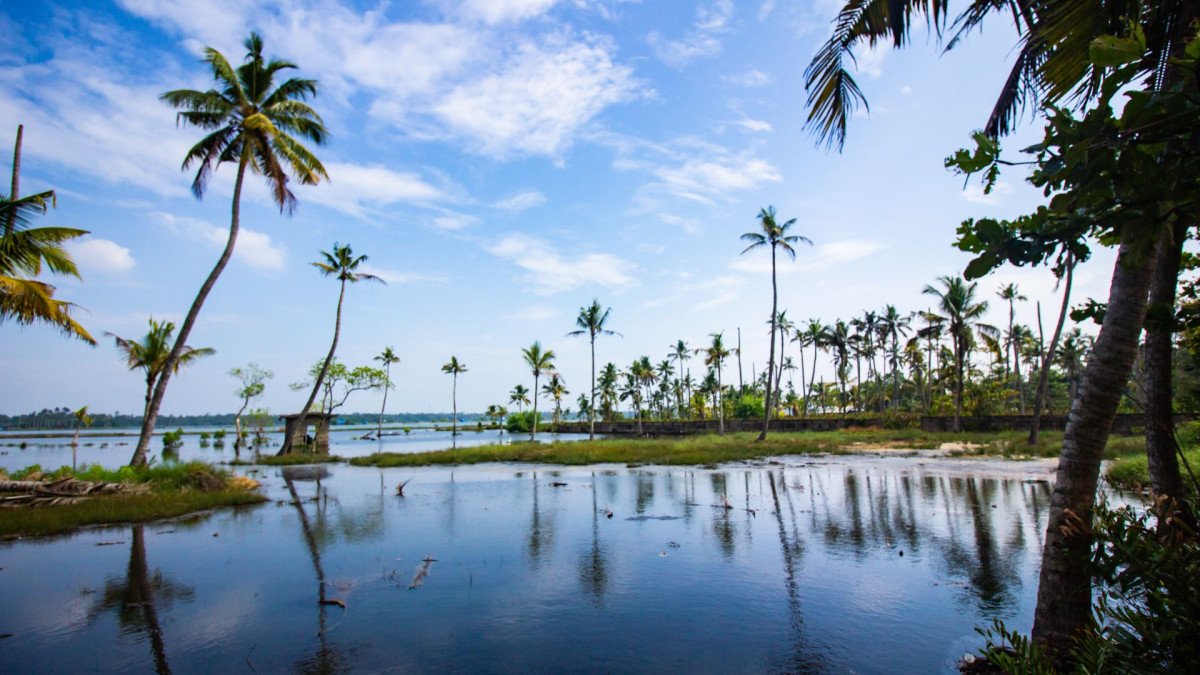
Ideal Time for Photography and Stillness: The Ideal Time for Photography and Stillness is the early morning (7:00 AM to 9:00 AM), especially on a clear day, when the wind is often minimal, allowing for perfect mirror-like reflections on the water's surface, and the light is soft, creating the most serene and photogenic atmosphere.
Midday Picnic and Leisure: The Midday Picnic and Leisure window, from 11:00 AM to 3:00 PM, is the most popular time for local families to visit, as the warmth of the sun makes for a comfortable outdoor lunch, and this period is ideal for those who prefer a livelier, community atmosphere, though it's not the best for photography.Special Events:
The Monsoon 'Map-Shape' Viewing Season: The most significant special 'event' is the natural, cyclical phenomenon of the Monsoon 'Map-Shape' Viewing Season, which is generally from late July to early September. During this period, the lake is at its fullest, making the famou...The Monsoon 'Map-Shape' Viewing Season: The most significant special 'event' is the natural, cyclical phenomenon of the Monsoon 'Map-Shape' Viewing Season, which is generally from late July to early September. During this period, the lake is at its fullest, making the famous outline visible, and this time attracts the highest number of visitors, turning the lake into a temporary natural spectacle and the local area into a hub of activity focused on this unique feature.
Pisciculture Harvesting Festivals: The local community may occasionally hold pisciculture harvesting festivals around the lake. These informal events celebrate the successful yield of fish from the lake, which is an economic and social function, involving traditional rituals, communal feasting, and the sale of fresh catch, providing a unique cultural event for any visitor present to witness.
Local Village Youth Gatherings: The scenic beauty of the lake makes it a preferred spot for local village youth gatherings and educational outings, which are special, informal events, often organized by schools or youth groups for nature appreciation and community bonding, providing a glimpse into the social life of the Tangkhul Naga youth and their connection to their natural surroundings.
Nature Camps and Cleanliness Drives: Occasionally, local environmental NGOs or school groups organize special nature camps and cleanliness drives at the lake and the surrounding hillsides. These events are focused on environmental education, waste management, and conservation awareness, transforming the lake into a site for community environmental action.Best Photo Spots:
The Elevated 'Map' Viewpoint: The single most iconic photo spot is a specific, elevated viewpoint on the surrounding Achuwa Magi Hills that perfectly frames the entire lake, particularly from July to September, allowing the photographer to capture the full outline of the Ind...The Elevated 'Map' Viewpoint: The single most iconic photo spot is a specific, elevated viewpoint on the surrounding Achuwa Magi Hills that perfectly frames the entire lake, particularly from July to September, allowing the photographer to capture the full outline of the Indian map shape when the water level is optimal, a uniquely recognizable photograph of the site.
Reflections on the Still Water: On a windless day, the photo spot is the lake's edge, capturing the near-perfect reflections on the still water of the surrounding hills, sky, and clouds, which creates a mesmerizing, mirror-like double-landscape image, best taken at dawn or dusk when the light is softest and the air is calmest.
Portraiture with the Hill Backdrop: The gentle, sloping banks covered in green grass provide an ideal spot for portraiture with the hill backdrop, where the subject can be comfortably placed against the serene blue or misty green of the lake and hills, offering a tranquil and beautiful setting for personal photographs and family portraits.
Close-up of Local Pisciculture Activity: Capturing a close-up shot of local pisciculture activity, such as fishermen casting nets or traditional fish farming structures near the lake's periphery, provides a unique and culturally relevant photograph, showing the human interaction with the natural resource and adding a dimension of local life to the lake's beauty.
The Seasonal Wildflower Fields: During the blooming season, a hidden photo spot is the seasonal wildflower fields on the lower slopes of the surrounding hills, where a wide-angle lens can capture the lake in the distance, framed by the foreground of colorful blossoms and lush grass, creating a vibrant, layered landscape image.Photo Gallery
Things To Do
-
Photography of the 'Indian Map' Phenomenon: A prime activity is attempting to get the perfect photograph of the lake during the monsoon months (ideally from a slightly elevated vantage point), when the water level is highest and the lake best resembles the shape of the Indian map, which is the site's signature visual draw.
Tranquil Lakeside Picnicking: The serene banks and surrounding green areas make the lake an ideal location for tranquil lakeside picnicking, where families and friends can relax on the lawns, enjoy packed lunches, and soak in the peaceful, unhurried atmosphere away from the city noise, making it a perfect weekend family outing spot, provided waste is strictly managed and carried out.
Leisurely Walks around the Lake Perimeter: Visitors can take leisurely walks around the lake pe...Photography of the 'Indian Map' Phenomenon: A prime activity is attempting to get the perfect photograph of the lake during the monsoon months (ideally from a slightly elevated vantage point), when the water level is highest and the lake best resembles the shape of the Indian map, which is the site's signature visual draw.
Tranquil Lakeside Picnicking: The serene banks and surrounding green areas make the lake an ideal location for tranquil lakeside picnicking, where families and friends can relax on the lawns, enjoy packed lunches, and soak in the peaceful, unhurried atmosphere away from the city noise, making it a perfect weekend family outing spot, provided waste is strictly managed and carried out.
Leisurely Walks around the Lake Perimeter: Visitors can take leisurely walks around the lake perimeter (where paths permit and are safe), enjoying the fresh mountain air, observing the different perspectives of the water body and the surrounding Achuwa Magi Hills, and enjoying the quietude, which is an excellent form of gentle exercise and reflection, especially pleasant during the mild weather of the early mornings.
Bird Watching and Aquatic Life Observation: The lake's healthy ecosystem supports various bird species, making it a rewarding spot for bird watching and aquatic life observation; visitors can observe local and migratory birds, and the colorful native fish (which support the local pisciculture) visible in the clear waters near the edges, bringing along binoculars and a quiet demeanor for best results in spotting the shy avian life.
Engaging with Local Fishermen and Pisciculture: A unique activity is to engage with local fishermen and learn about the traditional methods of pisciculture practiced at the lake, which provides a fascinating insight into the sustainable livelihood of the local Tangkhul Naga community and their deep connection to the water body as an economic and cultural resource, a valuable local interaction opportunity.
Contemplation and Meditation: The lake's peaceful, natural setting on the hillside makes it a perfect place for contemplation and meditation; sitting quietly by the water, listening to the gentle sounds of nature and the wind in the hills, can be a profoundly relaxing and spiritual experience, appealing to those seeking wellness and mental clarity in a natural retreat.
Visiting Nearby Attractions like Khayang Falls: Since the lake is often near the road that leads to Khayang Falls, a popular local trekking site, a common thing to do is to visit nearby attractions like Khayang Falls on the same trip, making a full-day excursion that combines the calm lake with the adventure of a waterfall visit, maximizing the exploration of the regional sights.
Information
-
Why Famous:
The Indian Map Shape Anomaly: Azoa Jenephiu Magi Lake, or Kachouphung Lake, is famous for its unique natural phenomenon where, during the monsoon season when the water level is high, the lake's perimeter roughly outlines the shape of the map of India, a feature that is a sou...The Indian Map Shape Anomaly: Azoa Jenephiu Magi Lake, or Kachouphung Lake, is famous for its unique natural phenomenon where, during the monsoon season when the water level is high, the lake's perimeter roughly outlines the shape of the map of India, a feature that is a source of local pride and a visual curiosity that draws visitors and has been photographed widely as a natural marvel.
A Tranquil High-Altitude Oasis: It is renowned as a high-altitude tranquil oasis situated in the scenic Achuwa Magi Hills, offering a peaceful, picture-postcard setting that contrasts sharply with the rugged mountain landscape, making it a preferred spot for contemplation and peaceful nature viewing.
Center for Local Pisciculture: The lake is also locally famous as a center for pisciculture, supporting the local community through the rearing of different colorful fish species, which showcases the sustainable interaction between the people and this precious natural water resource, indicating its value beyond just tourism and providing a glimpse into local livelihoods.
Cultural and Spiritual Significance: Like many natural wonders in the region, the lake holds a degree of cultural and spiritual significance for the local Tangkhul Naga community, contributing to its protected status and the respectful demeanor observed by visitors, underscoring its role as a living natural heritage site. -
Architecture:
A Natural Water Feature’s Contour: The Azoa Jenephiu Magi Lake, or Kachouphung Lake, is a natural geological depression filled with water, and its 'architecture' is defined by its fluid contours. The most famous 'dimension' is its shape, which, when fully filled during th...A Natural Water Feature’s Contour: The Azoa Jenephiu Magi Lake, or Kachouphung Lake, is a natural geological depression filled with water, and its 'architecture' is defined by its fluid contours. The most famous 'dimension' is its shape, which, when fully filled during the monsoon (around July-September), roughly outlines the map of India. The lake's surface area expands considerably in the rainy season, estimated to cover a maximum stretch of over 1-2 square kilometers in certain views, though this is a visual estimate. The lake is nestled on the slopes of the Achuwa Magi Hills, meaning the 'architectural' slope or gradient of the surrounding terrain dictates the lake's form and size.
Surrounding Hillside and Natural Embankments: The natural embankments around the lake are composed of the surrounding hillside soil and rocks, densely covered with subtropical vegetation, providing a natural, organic 'wall' to the water body. The average depth of the lake varies significantly between the dry and wet seasons, impacting its famous shape. There are no man-made structures of significant size directly on the water, preserving the natural architectural integrity and focusing human activity on small, temporary structures for pisciculture near the edges. -
How To Reach:
By Air: The nearest major airport is the Imphal International Airport (IMF), located approximately 90-100 kilometers from Ukhrul town. From Imphal, travelers must hire a taxi or take a state transport bus to Ukhrul town. Once in Ukhrul, the journey to Azoa Jenephiu Magi La...By Air: The nearest major airport is the Imphal International Airport (IMF), located approximately 90-100 kilometers from Ukhrul town. From Imphal, travelers must hire a taxi or take a state transport bus to Ukhrul town. Once in Ukhrul, the journey to Azoa Jenephiu Magi Lake (also known as Kachouphung Lake) will continue by road, requiring a local taxi service.
By Train: The closest major railway station is the Dimapur Railway Station (DMV) in Nagaland, about 200-210 kilometers from Ukhrul. From Dimapur, the journey involves hiring a long-distance shared or private taxi to reach Ukhrul town.
By Road: Ukhrul town is well-connected by National Highway 150 (NH-150) from Imphal (83-85 KMS). Regular state buses and shared taxis (often Sumos) run between Imphal and Ukhrul town (3-4 hours). From Ukhrul town, the lake is situated approximately 45-50 KMS away, often on the scenic road leading towards Khayang Falls. This leg requires hiring a local, rugged taxi or private vehicle as public transport may not service the specific lakeside location. The roads are paved for a good distance but may become rough on the final approach near the village.
By Local Transport: From Ukhrul town center, the best local transport option is to hire a dedicated local taxi, typically a sturdy Sumo or jeep, for a round trip to the lake, as the location is remote and public local transport services (like auto-rickshaws or town buses) do not operate reliably on the longer village routes to the hillside, and the local drivers are experienced in navigating the hilly, winding paths that lead to the Achuwa Magi Hills area where the lake is nestled. -
Weather and Best Time to Visit:
The Monsoon 'Map-Shape' Season (July to September): The Best Time to Visit for the specific, iconic feature is the Monsoon Season, primarily from July to September, when the lake reaches its maximum capacity, causing its unique perimeter to swell into the recognizable 'India...The Monsoon 'Map-Shape' Season (July to September): The Best Time to Visit for the specific, iconic feature is the Monsoon Season, primarily from July to September, when the lake reaches its maximum capacity, causing its unique perimeter to swell into the recognizable 'Indian Map-Shape', which is the main draw for tourists, but visitors must tolerate the higher chance of rain, cloud cover, and potentially muddy approaches.
The Clear Winter Season (October to March): The Clear Winter Season is the Best Alternative Time for a peaceful, comfortable visit. The weather is dry, cool, and pleasant (5°C to 20°C), the skies are generally clear, and the views of the surrounding Achuwa Magi Hills are sharpest, although the lake's water level will be lower, and the 'map-shape' may not be as distinctly visible. The Warm and Clear Pre-Monsoon Season (April to June): The Pre-Monsoon Season is a pleasant time for family picnics, offering warmer days and the initial burst of spring foliage on the surrounding hills, making the leisure aspect of the visit very enjoyable, with a moderate water level in the lake. Best Part of the Day for Photography and Stillness: The Best Part of the Day is the Early Morning (7:00 AM to 9:00 AM). The lake is most tranquil, often completely still with minimal wind, creating perfect, glassy reflections of the sky and the hills on the water, providing the most spectacular photographic opportunities, and the cool air is ideal for leisurely walks and quiet contemplation around the perimeter. -
Near Tourist Places:
Nearby Tourist Places: Khayang Falls (7 KMS), Khayang Peak (40-50 KMS), Shirui Kashong Peak (60-70 KMS), Ango Ching Sanctuary (15-25 KMS), Khangkhui Cave (55-65 KMS), Hung Dung Manga Cave (45-55 KMS), Dilily Falls (20-30 KMS - approximate), Longpi Pottery Village (60-70 KMS), Nillai Tea Estate (35-45 KMS), and Ukhrul Town Center (45-50 KMS).
Tourism Tips
-
Health & Safety: The primary Health & Safety concerns are the possibility of slipping on wet grass or rocky paths, particularly during the monsoon season, so wearing non-slip, sturdy footwear is essential. Visitors should be cautious if swimming or wading in the lake, as de...Health & Safety: The primary Health & Safety concerns are the possibility of slipping on wet grass or rocky paths, particularly during the monsoon season, so wearing non-slip, sturdy footwear is essential. Visitors should be cautious if swimming or wading in the lake, as depths can be unpredictable, and should never do so alone. Be mindful of the sun's intensity at high altitude and use sunscreen, and carry a basic first-aid kit for minor cuts or scrapes. The presence of local fishing activity necessitates being aware of nets or lines near the perimeter, especially if walking through the tall grass.
Packing Essentials: Key Packing Essentials include a light rain jacket or umbrella if visiting during the monsoon (to witness the 'map-shape'), a blanket or mat for picnicking on the grass, a camera for capturing the unique lake shape and reflections, and a pair of binoculars for bird watching. Always pack water and snacks, and bring a secure trash bag to carry out all waste, maintaining the lake's cleanliness.
Accommodation: As a day-trip destination, there is no accommodation at the lake itself. The best and most comfortable accommodation options are available in Ukhrul town, where one can find a range of basic hotels and community-run homestays, serving as a convenient base for exploring the lake and other surrounding hillside attractions, all of which should be booked ahead during the tourist season.
Other Important Topics: A key tip is to time the visit specifically for the Monsoon Season (July-September) to maximize the chance of seeing the famous 'Indian Map-Shape'. Visitors should be polite and respectful when observing or interacting with the local fishermen practicing pisciculture, and always contribute to the small, local fees or donations for maintenance. The drive can be long and winding, so if susceptible to motion sickness, visitors should take necessary precautions before starting the road journey.
Reviews
FAQs
Ukhrul Itineray And Cost:-
Azoa Jenephiu Magi Lake Tourism:-
Other Places In Ukhrul :-
Other States In India :-
Information about New and Updated Locations() of Manipur Has Been Added :-
Card subtitle
Note:-
Information provided here in good Faith and for reference only.
Near Places

Ango Ching
Some quick example text to build on the card title and make up the bulk of the card's content.
Go somewhere
Azoa Jenephiu Magi Lake
Some quick example text to build on the card title and make up the bulk of the card's content.
Go somewhere
Dilily Falls
Some quick example text to build on the card title and make up the bulk of the card's content.
Go somewhere
Duncan Park
Some quick example text to build on the card title and make up the bulk of the card's content.
Go somewhere
El Shaddai Park
Some quick example text to build on the card title and make up the bulk of the card's content.
Go somewhere
Hung Dung Manga Cave
Some quick example text to build on the card title and make up the bulk of the card's content.
Go somewhere
Island View Point
Some quick example text to build on the card title and make up the bulk of the card's content.
Go somewhere
Kachou Phung Lake
Some quick example text to build on the card title and make up the bulk of the card's content.
Go somewhere
Khangkhui Mangsor Cave
Some quick example text to build on the card title and make up the bulk of the card's content.
Go somewhere
Khayang Peak
Some quick example text to build on the card title and make up the bulk of the card's content.
Go somewhere
Khayang Waterfalls
Some quick example text to build on the card title and make up the bulk of the card's content.
Go somewhere
Khongjaingamba Ching Wildlife Sanctuary
Some quick example text to build on the card title and make up the bulk of the card's content.
Go somewhere
Kuinao Phung
Some quick example text to build on the card title and make up the bulk of the card's content.
Go somewhere
Lairok Maru Peak
Some quick example text to build on the card title and make up the bulk of the card's content.
Go somewhere
Lairok Maru
Some quick example text to build on the card title and make up the bulk of the card's content.
Go somewhere
Lunghar Sihai Phangrei
Some quick example text to build on the card title and make up the bulk of the card's content.
Go somewherein Other Cities