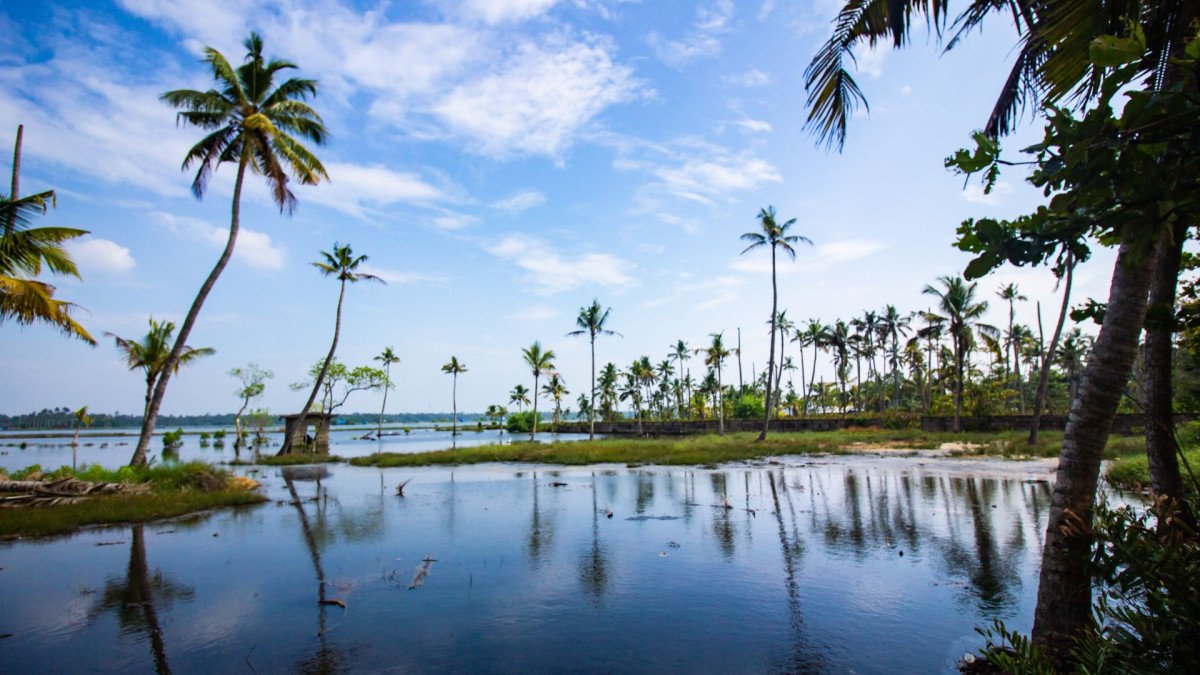
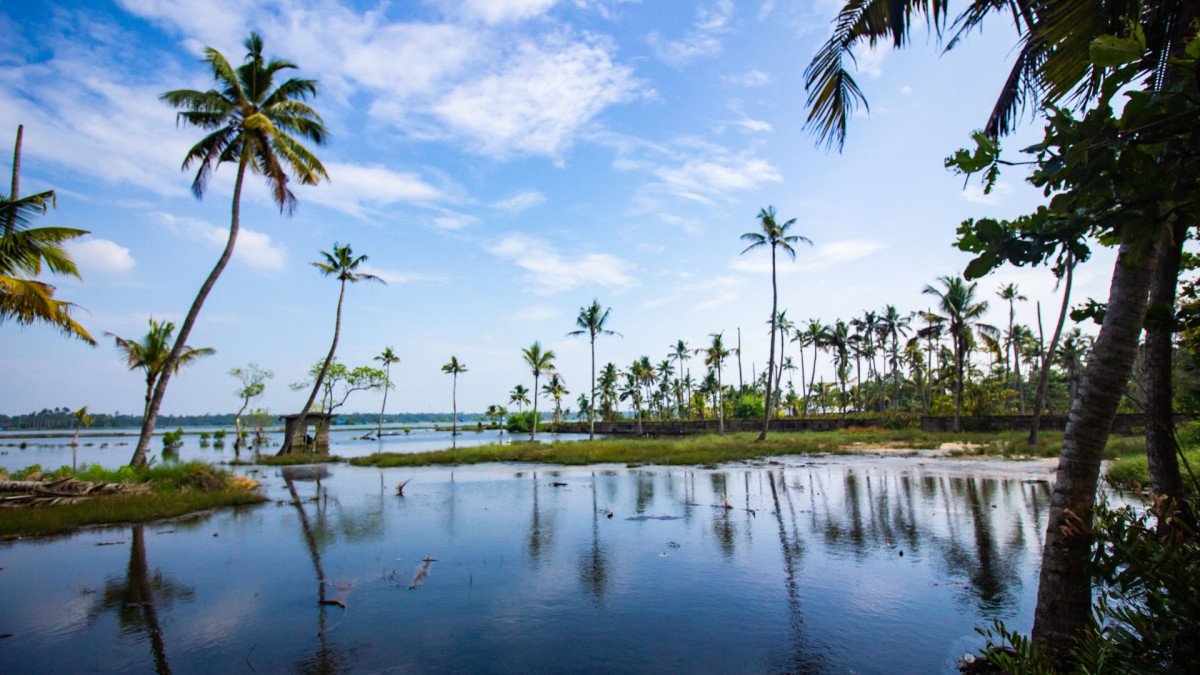
Kachou Phung Lake
General information
-
Ideal Duration:
2-3 HoursPlace Type:
Natural Attraction: Lake, Picnic SpotEntry Fees:
General Area Entry:
Low to No Fee: The lake area itself typically does not have a formal government-mandated entry fee, reflecting its status as a natural open space.
Photography/Videography Fee:General Area Entry:
Low to No Fee: The lake area itself typically does not have a formal government-mandated entry fee, reflecting its status as a natural open space.
Photography/Videography Fee:
Nominal Fee Possible: Local village councils (VAs) might levy a small, nominal fee (e. g. , INR 20-50 per person) for maintenance or photography, especially if visiting in large groups or for commercial purposes. Always carry small change and be prepared to pay any local council-mandated fees.
Boating/Fishing Permits:
Variable Local Permit Cost: If the local community allows and offers boating or fishing activities, a separate, small-scale permit fee (likely INR 100-200) would be charged, which directly supports the local villagers who manage the lake's resources.
Guided Tour Charges:
Separate Charges: The cost of hiring a local guide (highly recommended for access and cultural insights) is separate from any entry fee and is negotiated directly with the guide. These fees help sustain the local eco-tourism efforts. :Timing:
Regular Timings: 6:00 AM - 5:
00 PM (Daily): Generally accessible from early morning until late afternoon, allowing ample time for exploration.
Note: The area is remote, and leaving before sunset is strongly a...Regular Timings: 6:00 AM - 5:
00 PM (Daily): Generally accessible from early morning until late afternoon, allowing ample time for exploration.
Note: The area is remote, and leaving before sunset is strongly advised.
Ideal Visit Time (Day): Early Morning (6:00 AM - 10:00 AM) The best time for clear reflections, soft light for photography, and the highest chance of spotting local wildlife and migratory birds.
Ideal Visit Time (Season):
Post-Monsoon (October to November): When the lake is full from the rains, the surrounding hills are lush green, and the weather is cool and pleasant, offering the most vibrant views.
Avoid Time:
Late Monsoon (July to September): Trails can be muddy, and heavy fog or rain can obscure views, making the drive challenging.
Visitor Volume:
Low Throughout the Week: As a remote location, it remains relatively uncrowded even on weekends, offering a peaceful experience. :Special Events:
Tangkhul Indigenous Festivals: While the lake itself does not host a major festival, it serves as a serene backdrop for the traditional festivals of the nearby Tangkhul villages, such as Luira (Seed Sowing Festival in February-March) and Mangkhap (Resting Feast), where the c...Tangkhul Indigenous Festivals: While the lake itself does not host a major festival, it serves as a serene backdrop for the traditional festivals of the nearby Tangkhul villages, such as Luira (Seed Sowing Festival in February-March) and Mangkhap (Resting Feast), where the community gathers and celebrates, with the lake playing a significant role in the cultural landscape.
Local Fishing Competitions: Occasionally, the local fishing community organizes friendly fishing competitions (pisciculture events) at the lake to celebrate a good yield, attracting local participation and showcasing traditional fishing methods to visitors.
Annual Nature Photography Meet-Ups: The scenic beauty sometimes attracts photography clubs and nature enthusiasts from Imphal and other parts of Manipur for informal annual meet-ups focused on capturing the area's pristine environment. :Best Photo Spots:
The India Map Vantage Point: The specific elevated area on the Achuwa Magi Hills where the lake's map-like outline is most clearly visible—a must-capture for its unique geographical feature.
Reflections at Dawn/Dusk: The eastern and wester...The India Map Vantage Point: The specific elevated area on the Achuwa Magi Hills where the lake's map-like outline is most clearly visible—a must-capture for its unique geographical feature.
Reflections at Dawn/Dusk: The eastern and western banks provide stunning compositions of the dense forest and sky reflected perfectly in the still waters, best captured at sunrise or sunset.
Flora and Fauna Macro Shots: The edges of the lake and the adjacent forest floor are perfect for macro photography of the numerous native flowers, moss, and possibly rare orchids, and indigenous insects.
Local Life and Culture: Capturing candid shots of the local villagers engaged in their daily routines, especially the fishing and farming activities, provides a rich, authentic cultural portrait. :Photo Gallery
Things To Do
-
Nature Photography Workshop: Dedicate a session to capturing the lake's reflection, the diverse flora, and the panoramic hill views, with a special focus on the lake's India map shape.
Picnicking and Leisure Stroll: Enjoy a quiet picnic lunch on the grassy banks. After lunch, take a relaxed stroll around the accessible perimeter of the lake, embracing the clean air and serene sounds of nature.
Bird Watching and Ecology Study: Bring binoculars to spot the various bird species that frequent the lake and the surrounding forest canopy. The lake is an excellent location for amateur ecologists to study the high-altitude riparian ecosystem.
Local Interaction and Cultural Exchange: Visit the nearest local Tangkhul village to understand their traditions, particularly th...Nature Photography Workshop: Dedicate a session to capturing the lake's reflection, the diverse flora, and the panoramic hill views, with a special focus on the lake's India map shape.
Picnicking and Leisure Stroll: Enjoy a quiet picnic lunch on the grassy banks. After lunch, take a relaxed stroll around the accessible perimeter of the lake, embracing the clean air and serene sounds of nature.
Bird Watching and Ecology Study: Bring binoculars to spot the various bird species that frequent the lake and the surrounding forest canopy. The lake is an excellent location for amateur ecologists to study the high-altitude riparian ecosystem.
Local Interaction and Cultural Exchange: Visit the nearest local Tangkhul village to understand their traditions, particularly their legends related to the lake (like the Azoa Jenephiu Magi story) and their methods of pisciculture.
Gentle Hiking and Exploration: Explore the less strenuous trails on the Achuwa Magi Hills near the lake, taking in different vantage points for the best view of the water body and the overall landscape.
Meditation and Yoga Retreat: The profound silence and calm of the location make it an ideal natural spot for practicing mindfulness, meditation, or a short open-air yoga session.
Water-Level Seasonal Observation: Return during both the dry and rainy seasons to observe the significant change in the lake's size and shape, particularly to confirm the famous India map resemblance when the water is highest.
Information
-
Why Famous:
The India Map Shape: It is famous for its unique natural shape, which, especially when the water level is high, is said to closely resemble the map of India, making it a point of geographic and patriotic interest.
Pisciculture and Biodiversity:<...The India Map Shape: It is famous for its unique natural shape, which, especially when the water level is high, is said to closely resemble the map of India, making it a point of geographic and patriotic interest.
Pisciculture and Biodiversity: The lake supports local pisciculture, being home to common carp and indigenous colorful fishes. Its vibrant biodiversity, including various flora and fauna in the surrounding Achuwa Magi Hills, makes it a key ecological hotspot.
Spiritual and Local Folklore: The lake is woven into the folklore of the Tangkhul Naga community, being locally known as Azoa Jenephiu Magi Lake, adding a layer of cultural depth and mystery that attracts visitors interested in indigenous history and legends. : -
Architecture:
Natural Limestone Basin: The Kachou Phung Lake is primarily a natural, rainwater-fed depression or basin, not a man-made architectural structure. However, its 'architecture' lies in its unique geological formation—a naturally formed, enclosed water body on a hill slope. <...Natural Limestone Basin: The Kachou Phung Lake is primarily a natural, rainwater-fed depression or basin, not a man-made architectural structure. However, its 'architecture' lies in its unique geological formation—a naturally formed, enclosed water body on a hill slope.
Lake Geometry and Dimension: The lake covers an area of roughly 9 acres and is notable for its geographical shape, which is locally believed to resemble the map of India, a unique and natural feature. The surrounding terrain of the Achuwa Magi Hills forms a natural amphitheater around the lake, with the slopes providing the drainage basin that feeds the water body. The area is characterized by the rich, fertile soil and the dense vegetation typical of the region's high-altitude forest ecosystem. The natural "architecture" also includes the local indigenous rock formations and the thick canopy of trees, which act as a natural watershed, preserving the lake's water source and tranquility. : -
How To Reach:
By Air: Nearest airport is Imphal International Airport (IMF) (Approx. 90-100 KMS from Ukhrul town). From Imphal, hire a pre-booked taxi or take a shared cab to Ukhrul town via NH-150 (3-4 hours drive).
By Train: Nearest major railway stat...By Air: Nearest airport is Imphal International Airport (IMF) (Approx. 90-100 KMS from Ukhrul town). From Imphal, hire a pre-booked taxi or take a shared cab to Ukhrul town via NH-150 (3-4 hours drive).
By Train: Nearest major railway station is Dimapur Railway Station (DMV) in Nagaland (Approx. 210-220 KMS from Ukhrul town). From Dimapur, hire a long-distance cab directly to Ukhrul (6-7 hours drive) or take a bus to Imphal and then a local taxi to Ukhrul. This is the more tedious route.
By Road: Ukhrul is well-connected to Imphal (Approx. 84 KMS) via the scenic NH-150. State-run buses and private sumos/shared taxis regularly ply this route. From Ukhrul town, hire a local private taxi or a jeep (4x4 recommended during monsoon) to reach the lake site. The final stretch to the lake may involve rough terrain.
By Local Transport: In Ukhrul, the most reliable transport to the lake is a reserved local taxi/cab or a two-wheeler, as public transport is sparse. Ensure the driver is familiar with the remote Achuwa Magi Hills area for a smooth journey. Always negotiate the return fare and wait time beforehand. : -
Weather and Best Time to Visit:
Spring Season (February to Early April): The perfect weather for trekking and exploration before the heat of summer. Skies are generally clear, and the surrounding flora is awakening.
Post-Monsoon (October to November): The best season. Th...Spring Season (February to Early April): The perfect weather for trekking and exploration before the heat of summer. Skies are generally clear, and the surrounding flora is awakening.
Post-Monsoon (October to November): The best season. The lake is full, the landscape is intensely green, and the cool, comfortable climate is ideal for long visits, photography, and hiking.
Ideal Part of the Day:
Sunrise and Early Morning: This time offers the clearest views, the stillest water for reflections, and the softest light, minimizing sun glare and maximizing the tranquility of the site.
Monsoon (July to September): Best avoided due to heavy rainfall, which can make the remote roads dangerously slippery and muddy, though the lake will be at its fullest. : -
Near Tourist Places:
Shirui Kashong Peak (Approx. 25 KMS), Khayang Peak (Approx. 7 KMS), Khangkhui Mangsor Cave (Approx. 20-25 KMS), Lunghar Sihai Phangrei (Approx. 15-20 KMS), Ango Ching Sanctuary (Approx. 30-40 KMS), Nillai Tea Estate (Approx. 35 KMS), Longpi Pottery Village (Approx. 35-40 KMS), Hundung Mangva Cave (Approx. 30 KMS), Duncan Park (Approx. 5-7 KMS), El Shadai Park (Approx. 5-7 KMS).
Tourism Tips
-
Health & Safety:
Carry a First-Aid Kit: Essential for trekking. Bring insect repellent, and only drink bottled water or purified water from reliable sources.
Altitude: Be mindful of the altitude (Ukhrul is 5...Health & Safety:
Carry a First-Aid Kit: Essential for trekking. Bring insect repellent, and only drink bottled water or purified water from reliable sources.
Altitude: Be mindful of the altitude (Ukhrul is 5,453 ft, the lake is higher up).
Packing:
Layered Clothing: Weather is unpredictable; pack light thermal wear, rain gear (even in dry months), and a wide-brimmed hat.
Footwear: Sturdy, waterproof trekking shoes are non-negotiable for the terrain around the lake.
Photography: Bring a tripod for the lake reflections and a macro lens for the unique flora.
Accommodation:
Stay in Ukhrul Town: Reliable hotels and homestays are primarily available in Ukhrul town. Book homestays for a richer cultural experience.
Limited Facilities: The lake area has very limited, if any, commercial facilities (food, restrooms), so carry snacks, water, and basic amenities.
Respect Local Culture: Always seek permission before photographing local people. Be respectful of the Tangkhul customs and ensure no littering; keep the pristine lake area clean. :
Reviews
FAQs
Ukhrul Itineray And Cost:-
Kachou Phung Lake Tourism:-
Other Places In Ukhrul :-
Other States In India :-
Information about New and Updated Locations() of Manipur Has Been Added :-
Card subtitle
Note:-
Information provided here in good Faith and for reference only.
Near Places

Ango Ching
Some quick example text to build on the card title and make up the bulk of the card's content.
Go somewhere
Azoa Jenephiu Magi Lake
Some quick example text to build on the card title and make up the bulk of the card's content.
Go somewhere
Dilily Falls
Some quick example text to build on the card title and make up the bulk of the card's content.
Go somewhere
Duncan Park
Some quick example text to build on the card title and make up the bulk of the card's content.
Go somewhere
El Shaddai Park
Some quick example text to build on the card title and make up the bulk of the card's content.
Go somewhere
Hung Dung Manga Cave
Some quick example text to build on the card title and make up the bulk of the card's content.
Go somewhere
Island View Point
Some quick example text to build on the card title and make up the bulk of the card's content.
Go somewhere
Kachou Phung Lake
Some quick example text to build on the card title and make up the bulk of the card's content.
Go somewhere
Khangkhui Mangsor Cave
Some quick example text to build on the card title and make up the bulk of the card's content.
Go somewhere
Khayang Peak
Some quick example text to build on the card title and make up the bulk of the card's content.
Go somewhere
Khayang Waterfalls
Some quick example text to build on the card title and make up the bulk of the card's content.
Go somewhere
Khongjaingamba Ching Wildlife Sanctuary
Some quick example text to build on the card title and make up the bulk of the card's content.
Go somewhere
Kuinao Phung
Some quick example text to build on the card title and make up the bulk of the card's content.
Go somewhere
Lairok Maru Peak
Some quick example text to build on the card title and make up the bulk of the card's content.
Go somewhere
Lairok Maru
Some quick example text to build on the card title and make up the bulk of the card's content.
Go somewhere
Lunghar Sihai Phangrei
Some quick example text to build on the card title and make up the bulk of the card's content.
Go somewherein Other Cities