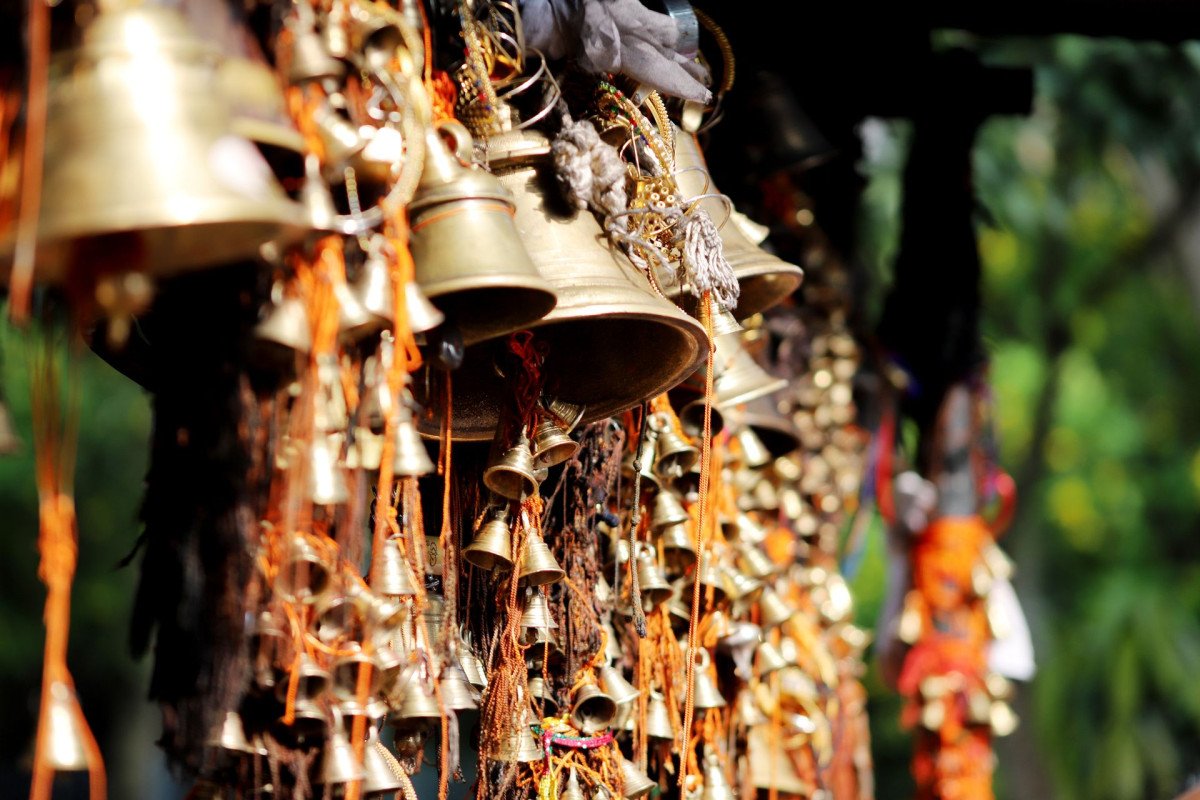
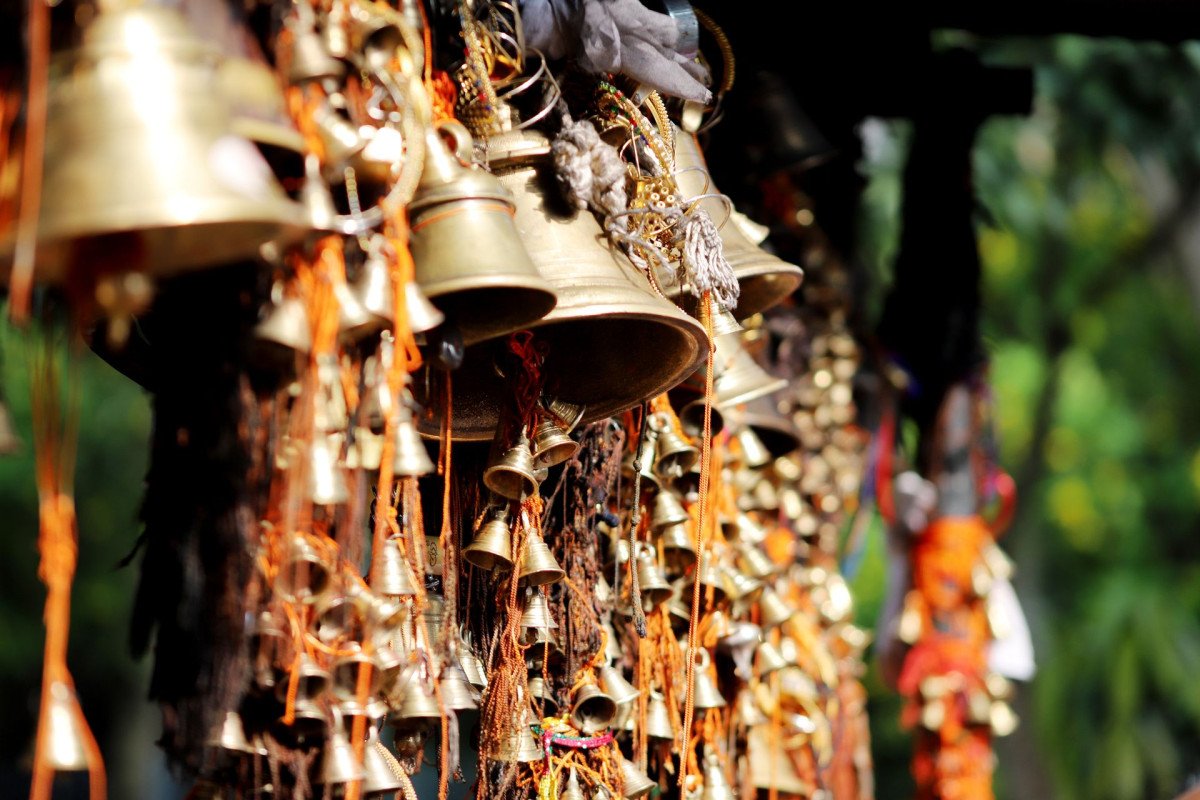
Baba Harbhajan Singh Temple
General information
-
Ideal Duration:
1 HourPlace Type:
Military Shrine, Pilgrimage SiteEntry Fees:
Entry is Free: The primary area for both the Old and New Mandir has No Entry Fee. The site is a memorial and a place of worship, maintained by the Indian Army.
Permit Cost and Structure: The major cost is the mandatory Protected Area Permit...Entry is Free: The primary area for both the Old and New Mandir has No Entry Fee. The site is a memorial and a place of worship, maintained by the Indian Army.
Permit Cost and Structure: The major cost is the mandatory Protected Area Permit (PAP) required to visit the border area (Nathula Pass, Tsomgo Lake, and Baba Mandir). The permit is arranged through authorized tour operators and is not a direct entry fee.
Cost Components: Permit cost includes a nominal administrative fee (government-set), the vehicle charges (private or shared taxi), and operator service charges. This permit system acts as a controlled entry mechanism.
(Summary: )Timing:
Regular Timings: The site is generally accessible between 8:00 AM to 5:00 PM daily, but this is highly dependent on weather conditions and military/border restrictions, especially during heavy snowfall.
Ideal Visit Time: Morning (8:00 AM - 1...Regular Timings: The site is generally accessible between 8:00 AM to 5:00 PM daily, but this is highly dependent on weather conditions and military/border restrictions, especially during heavy snowfall.
Ideal Visit Time: Morning (8:00 AM - 11:00 AM) is the best time to visit to ensure clear weather and sufficient time to complete the high-altitude journey and return before evening.
Weather Dependent Access: The road often closes early due to snow or extreme cold, especially in the winter months (November to February).
Permit Timeliness: The process of obtaining the permit starts a day before the visit, as the site is located in a restricted border area.
(Summary: )Special Events:
The Annual Journey: The most unique special event is not a festival but the annual ceremonial dispatch of the Baba's uniform and belongings to his hometown in Punjab via train, symbolizing his annual leave, though this is a private army ritual.
...The Annual Journey: The most unique special event is not a festival but the annual ceremonial dispatch of the Baba's uniform and belongings to his hometown in Punjab via train, symbolizing his annual leave, though this is a private army ritual.
Border Guard Ceremony: Though not a public event, the ritual of the Indian Army maintaining his space and believing his spirit continues to serve is a daily, living ceremony.
Local Military Observances: Special ceremonies are sometimes held by the army units posted in the area on his death anniversary (usually in October) and other important military dates.
(Summary: )Best Photo Spots:
The Prayer Flag Backdrop: The main shrine area, with the colorful Tibetan prayer flags (lungta) fluttering against the backdrop of the rugged, barren Himalayan mountains, provides a stunning, high-contrast shot.
The Soldier's Shrine: A close...The Prayer Flag Backdrop: The main shrine area, with the colorful Tibetan prayer flags (lungta) fluttering against the backdrop of the rugged, barren Himalayan mountains, provides a stunning, high-contrast shot.
The Soldier's Shrine: A close-up shot of the display of Baba's uniform, boots, and personal effects, capturing the respect and mystique of the area.
The 50 Steps to History: The view from the top of the 50 steps leading to the Old Temple, capturing the isolation and original intention of the Samadhi.
Mountain Vista: Panoramic shots of the surrounding mountain ranges, often snow-capped, taken from the high-altitude location.
Ritual Water Bottles: A photo of the water bottles left by devotees, symbolizing the unique healing belief associated with the temple.
(Summary: )Photo Gallery
Things To Do
-
Seeking Baba's Blessings: Offer prayers and pay respect to the Samadhi for protection, especially if traveling further to Nathula or higher altitudes.
Observing Army Rituals: Witness the unique ceremonial duties performed by the Indian Army troops, which include the cleaning and maintenance of his personal room and belongings.
Photography of High-Altitude Landscape: Capture the mesmerizing, stark beauty of the surrounding Himalayan mountains and high-altitude Tundra.
Visiting the New Mandir: Combine a visit with the more accessible New Baba Mandir (on Kupup Gnathang Road) to compare the old and new sites.
Meditation and Reflection: Use the serene, quiet, and profoundly spiritual atmosphere for personal reflection on sacrifice and...Seeking Baba's Blessings: Offer prayers and pay respect to the Samadhi for protection, especially if traveling further to Nathula or higher altitudes.
Observing Army Rituals: Witness the unique ceremonial duties performed by the Indian Army troops, which include the cleaning and maintenance of his personal room and belongings.
Photography of High-Altitude Landscape: Capture the mesmerizing, stark beauty of the surrounding Himalayan mountains and high-altitude Tundra.
Visiting the New Mandir: Combine a visit with the more accessible New Baba Mandir (on Kupup Gnathang Road) to compare the old and new sites.
Meditation and Reflection: Use the serene, quiet, and profoundly spiritual atmosphere for personal reflection on sacrifice and duty.
Acquiring Permit and Travel: Focus on the complex process of obtaining the necessary Protected Area Permit (PAP) from the Tourism Department in Gangtok through authorized operators. This itself is a day-long activity.
High-Altitude Preparation: Spend time acclimatizing and preparing for the high altitude (13,123 feet), a crucial step often overlooked by tourists rushing through.
Local Interaction: Speak with the posted army personnel for firsthand stories and deeper insights into the legend.
(Summary: )
Information
-
Why Famous:
Guardian of the Border: The primary fame comes from the belief that the spirit of Sepoy Harbhajan Singh guards the soldiers of the Indo-China border, protecting them from harm and warning them of attacks or bad weather. This unique folklore has cemented its status as a lege...Guardian of the Border: The primary fame comes from the belief that the spirit of Sepoy Harbhajan Singh guards the soldiers of the Indo-China border, protecting them from harm and warning them of attacks or bad weather. This unique folklore has cemented its status as a legend among the Indian Army.
The Soldier's Rituals: Its fame is bolstered by the rituals performed by the army, such as maintaining his room, uniform, and receiving an annual leave. This continuation of a soldier’s life in spirit draws immense reverence and curiosity from tourists.
High Altitude Location: Situated near the extremely popular Nathula Pass and at a staggering elevation of over 13,000 feet, it is a significant stop for visitors tackling the high-altitude terrain of East Sikkim.
(Summary: ) -
Architecture:
Simple Hillside Shrine: The original temple is a simple concrete and corrugated iron structure, more of a bunker or shrine built near his posting location. It reflects a utilitarian military construction, focused on function rather than elaborate design.
Read MoreSimple Hillside Shrine: The original temple is a simple concrete and corrugated iron structure, more of a bunker or shrine built near his posting location. It reflects a utilitarian military construction, focused on function rather than elaborate design.
In-house Sanctuary: The complex, though small, contains a room dedicated to his bed, uniform, and personal effects, maintained meticulously. The core architectural feature is the Samadhi (memorial tomb) itself. It lacks the intricate carvings of Buddhist or Hindu temples but its significance lies in its contents.
Structure and Elevation: It is perched at an extremely high altitude of approximately 13,123 feet (4,000 meters). The Old Mandir is less visited due to the 50 stairs needed to reach the spot. The architecture is purely a memorial honoring the spirit of a soldier. The focus is on the sanctity of the items housed within the small, functional rooms.
(Summary: )How To Reach:
By Air (Closest Airport): The nearest airport is Pakyong Airport (PYG), approximately 35 KMS away, or Bagdogra Airport (IXB) in West Bengal, approximately 125 KMS away. From there, hire a pre-booked taxi to Gangtok.
By Train (Closest Station):<...By Air (Closest Airport): The nearest airport is Pakyong Airport (PYG), approximately 35 KMS away, or Bagdogra Airport (IXB) in West Bengal, approximately 125 KMS away. From there, hire a pre-booked taxi to Gangtok.
By Train (Closest Station): The nearest major railway station is New Jalpaiguri (NJP) in Siliguri, West Bengal, approximately 120 KMS away. Hire a taxi or take a shared jeep to Gangtok.
By Road (From Gangtok): The temple is about 60-64 KMS from Gangtok city. It is only reachable by hiring a special permitted vehicle (private or shared taxi) through a government-authorized tour operator. The journey takes about 3-4 hours, with winding, high-altitude roads.
By Local Transport: Local taxis or shared jeeps (only those registered for the Nathula route) are the only modes of transport, and a valid PAP is mandatory for every traveler.
(Summary: )Weather and Best Time to Visit:
Different Types of Seasons: Spring (March-May) and Autumn (September-October) are the best times. Spring offers pleasant weather and blooming rhododendrons, while Autumn offers the clearest views of the mountains, including Kanchenjunga, after the monsoon. Winter (November...Different Types of Seasons: Spring (March-May) and Autumn (September-October) are the best times. Spring offers pleasant weather and blooming rhododendrons, while Autumn offers the clearest views of the mountains, including Kanchenjunga, after the monsoon. Winter (November-February) is very cold and often sees road closures due to heavy snow. Monsoon (July-August) brings landslides and rain, making the trip risky.
Different Parts of the Day: Morning is the ideal time to start the journey from Gangtok (around 8:00 AM) to avoid afternoon clouds/snow and allow ample time for the return journey before dark. The light is also best for photography.
(Summary: )Near Tourist Places:
New Baba Mandir (4 KMS)Nathula Pass (10 KMS)Tsomgo (Changu) Lake (16 KMS)Kupup Lake (14 KMS)Merafeli (10 KMS)Harbhajan's Bunker (0 KMS)Gnathang Valley (20 KMS)Tukla Valley (5 KMS)Menmecho Lake (15 KMS)Shree Tenzing Hillary Statue (8 KMS)Tourism Tips
-
Health & Safety: Given the high altitude (13,123 feet), take precautions for Acute Mountain Sickness (AMS). Acclimatize in Gangtok (5,410 feet) for at least one night. Carry necessary medication and avoid strenuous activity.
Packing Essentials...Health & Safety: Given the high altitude (13,123 feet), take precautions for Acute Mountain Sickness (AMS). Acclimatize in Gangtok (5,410 feet) for at least one night. Carry necessary medication and avoid strenuous activity.
Packing Essentials: Pack heavy woolens, gloves, caps, scarves, and insulated jackets, even in summer, as the weather is highly unpredictable. Carry a first-aid kit, high-energy snacks, and water.
Permit Documentation: Ensure you have all original and photocopies of photo ID proofs (Aadhaar, Passport, Voter ID) and recent passport-size photos for the mandatory Protected Area Permit (PAP). PAN Card is not accepted as ID proof.
Accommodation: Accommodation is in Gangtok. No stay is permitted near the temple. Book hotels with central heating for winter visits.
Other Tips: Start early from Gangtok to maximize daylight hours. Do not litter. Respect the sanctity of the shrine and the military protocols.
(Summary: )
Reviews
FAQs
Gangtok Itineray And Cost:-
Baba Harbhajan Singh Temple Tourism:-
Other Places In Gangtok :-
Other States In India :-
Information about New and Updated Locations() of Sikkim Has Been Added :-
Card subtitle
Note:-
Information provided here in good Faith and for reference only.
Near Places

Baba Harbhajan Singh Temple
Some quick example text to build on the card title and make up the bulk of the card's content.
Go somewhere
Bakthang Waterfall
Some quick example text to build on the card title and make up the bulk of the card's content.
Go somewhere
Banjhakri Water Falls
Some quick example text to build on the card title and make up the bulk of the card's content.
Go somewhere
Do Drul Chorten
Some quick example text to build on the card title and make up the bulk of the card's content.
Go somewhere
Enchey Monastery
Some quick example text to build on the card title and make up the bulk of the card's content.
Go somewhere
Fambong Lho Wildlife Sanctuary
Some quick example text to build on the card title and make up the bulk of the card's content.
Go somewhere
Flower Exhibition Centre
Some quick example text to build on the card title and make up the bulk of the card's content.
Go somewhere
Ganesh Tok
Some quick example text to build on the card title and make up the bulk of the card's content.
Go somewhere
Gangtok Ropeway
Some quick example text to build on the card title and make up the bulk of the card's content.
Go somewhere
Hanuman Tok
Some quick example text to build on the card title and make up the bulk of the card's content.
Go somewhere
Himalayan Zoological Park
Some quick example text to build on the card title and make up the bulk of the card's content.
Go somewhere
Kyongnosla Alpine Sanctuary
Some quick example text to build on the card title and make up the bulk of the card's content.
Go somewhere
Lhasa Falls
Some quick example text to build on the card title and make up the bulk of the card's content.
Go somewhere
MG Marg
Some quick example text to build on the card title and make up the bulk of the card's content.
Go somewhere
Namgyal Institute of Tibetology
Some quick example text to build on the card title and make up the bulk of the card's content.
Go somewhere
Nathu La Pass
Some quick example text to build on the card title and make up the bulk of the card's content.
Go somewherein Other Cities