

Fambong Lho Wildlife Sanctuary
General information
-
Ideal Duration:
Half Day to Full DayPlace Type:
Wildlife Sanctuary, Nature Reserve, TrekkingEntry Fees:
Sanctuary Entry Fee: There is a mandatory Entry Fee to the sanctuary (typically around Rs.50-Rs.100 for Indians and a higher fee for foreigners).
Vehicle Entry Fee: Vehicles entering the premises also incur a separate, small entry fee.
<...Sanctuary Entry Fee: There is a mandatory Entry Fee to the sanctuary (typically around Rs.50-Rs.100 for Indians and a higher fee for foreigners).
Vehicle Entry Fee: Vehicles entering the premises also incur a separate, small entry fee.
Camera Fee: A separate, nominal fee is often charged for still cameras and a higher fee for video cameras.
Rest House Charges: Staying at the Forest Rest House, if available, requires an advance booking and payment of a separate lodging charge to the Forest Department.
(Summary: )Timing:
Regular Timings: Open daily from approximately 8:00 AM to 5:00 PM. Visitors are generally not permitted inside the core area before or after these hours.
Ideal Visit Time: Early Morning (8:00 AM - 10:00 AM) is the absolute best time for wil...Regular Timings: Open daily from approximately 8:00 AM to 5:00 PM. Visitors are generally not permitted inside the core area before or after these hours.
Ideal Visit Time: Early Morning (8:00 AM - 10:00 AM) is the absolute best time for wildlife and bird spotting, as animals are most active. Spring (March-May) is ideal for the bloom of Rhododendrons and pleasant weather.
(Summary: )Special Events:
Rhododendron Festival: During April and May, the sanctuary is vibrant with blooming Rhododendrons. Local nature societies sometimes organize nature walks and photography events to celebrate the bloom.
Nature Awareness Programs: The Forest D...Rhododendron Festival: During April and May, the sanctuary is vibrant with blooming Rhododendrons. Local nature societies sometimes organize nature walks and photography events to celebrate the bloom.
Nature Awareness Programs: The Forest Department occasionally holds environmental awareness workshops, particularly for local students, often featuring guided nature walks.
Bird Counts: Dedicated annual bird counting events are sometimes organized in collaboration with national wildlife bodies.
(Summary: )Best Photo Spots:
The Forest Canopy: Capturing the dramatic, dense forest canopy, with shafts of sunlight penetrating the leaves, is highly atmospheric.
Kanchenjunga View from Tinjure: The panoramic shot of the snow-capped Kanchenjunga range from the Tinjure ...The Forest Canopy: Capturing the dramatic, dense forest canopy, with shafts of sunlight penetrating the leaves, is highly atmospheric.
Kanchenjunga View from Tinjure: The panoramic shot of the snow-capped Kanchenjunga range from the Tinjure watchtower viewpoint.
Rhododendron and Orchid Close-ups: Macro photography of the vibrant flora, especially the exotic Rhododendrons during spring.
Stream and Moss Shots: Quiet, reflective shots of the small streams and moss-covered rocks deep within the forest.
(Summary: )Photo Gallery
Things To Do
-
Trekking: Embark on the well-marked trekking trails. The walk to the Tinjure viewpoint is highly recommended for the scenic vistas. Carry food and water as facilities are sparse inside.
Bird Watching: Dedicate a significant portion of your time to bird watching. Bring binoculars and a bird identification guide. Look for species like the Satyr Tragopan, Himalayan Monal, and various sunbirds.
Photography: Capture the dense forest canopy, the seasonal blossoms (especially Rhododendrons and Orchids), and the panoramic views of the Kanchenjunga massif from the viewpoints.
Wildlife Spotting: Maintain silence and patience to spot the elusive Red Panda, Himalayan Black Bear, and barking deer. Early morning is the best time for spotting wildlife.
Read MoreTrekking: Embark on the well-marked trekking trails. The walk to the Tinjure viewpoint is highly recommended for the scenic vistas. Carry food and water as facilities are sparse inside.
Bird Watching: Dedicate a significant portion of your time to bird watching. Bring binoculars and a bird identification guide. Look for species like the Satyr Tragopan, Himalayan Monal, and various sunbirds.
Photography: Capture the dense forest canopy, the seasonal blossoms (especially Rhododendrons and Orchids), and the panoramic views of the Kanchenjunga massif from the viewpoints.
Wildlife Spotting: Maintain silence and patience to spot the elusive Red Panda, Himalayan Black Bear, and barking deer. Early morning is the best time for spotting wildlife.
Botanical Study: Explore the rich variety of ferns, mosses, and medicinal plants found within the sanctuary.
Nature Camp: Inquire about the possibility of spending a night at the Fambong Lho Forest Rest House (FRH) for a deep-immersion experience (requires prior booking).
Butterfly Watching: The sanctuary is home to numerous butterfly species, particularly during the pre-monsoon and post-monsoon periods.
(Summary: )
Information
-
Why Famous:
Red Panda Habitat: Its biggest fame is being one of the most accessible habitats for the endangered Red Panda in Sikkim, although spotting this elusive creature requires immense luck and patience.
Birdwatcher's Paradise: The sanctuary is int...Red Panda Habitat: Its biggest fame is being one of the most accessible habitats for the endangered Red Panda in Sikkim, although spotting this elusive creature requires immense luck and patience.
Birdwatcher's Paradise: The sanctuary is internationally recognized as a major hotspot for ornithologists and bird watchers due to its impressive diversity of Himalayan avifauna.
Proximity to Gangtok: Unlike most remote sanctuaries, Fambong Lho is relatively close to the state capital, making it an easy day trip for nature lovers.
(Summary: ) -
Architecture:
Natural Architecture: The sanctuary's 'architecture' is the stunning natural arrangement of its ecosystem—the dense, layered canopy of its temperate forest, with trees soaring to impressive heights, creating a dramatic interplay of light and shadow.
Read MoreNatural Architecture: The sanctuary's 'architecture' is the stunning natural arrangement of its ecosystem—the dense, layered canopy of its temperate forest, with trees soaring to impressive heights, creating a dramatic interplay of light and shadow.
The Watchtower/Hut: The main constructed features are the simple, functional wooden or stone forest rest houses (Fambong Lho FRH) and the Tinjure viewpoint watchtower. The watchtower is typically a multi-tiered wooden structure, providing an elevated, 360-degree view for better birdwatching and mountain viewing. It is minimalist and designed for utility.
Trekking Trails: The paths are predominantly natural dirt trails, sometimes reinforced with stone steps or simple wooden bridges over streams, reflecting a commitment to minimal environmental impact. The dimensions are those of the natural landscape itself, encompassing the entire 51. 78 sq km area.
(Summary: )How To Reach:
By Air, Train, Road (To Gangtok): Follow the standard route to Gangtok (Bagdogra/NJP).
By Road (From Gangtok): The sanctuary entrance is about 25 KMS from Gangtok. Hire a private taxi from the city. Shared taxis are less frequent on this r...By Air, Train, Road (To Gangtok): Follow the standard route to Gangtok (Bagdogra/NJP).
By Road (From Gangtok): The sanctuary entrance is about 25 KMS from Gangtok. Hire a private taxi from the city. Shared taxis are less frequent on this route. The drive takes about 1-1. 5 hours.
Access Point: The main entry point is near the village of Tintek, on the way to Rumtek Monastery. The road is motorable but can be challenging in the monsoon.
(Summary: )Weather and Best Time to Visit:
Different Types of Seasons: Spring (March-May) is the best time for pleasant weather, clear views, and witnessing the spectacular bloom of Rhododendrons and other flowers. Autumn (October-November) is excellent for bird watching and clear mountain views. Monsoon (July-Sept...Different Types of Seasons: Spring (March-May) is the best time for pleasant weather, clear views, and witnessing the spectacular bloom of Rhododendrons and other flowers. Autumn (October-November) is excellent for bird watching and clear mountain views. Monsoon (July-September) should be avoided due to slippery trails and leeches.
Different Parts of the Day: Early Morning is essential for any chance of seeing mammals like the Red Panda and for the most active bird life.
(Summary: )Near Tourist Places:
Rumtek Monastery (7 KMS)Ranka Monastery (15 KMS)Saramsa Garden (12 KMS)Martam Village (5 KMS)Pangthang Village (10 KMS)Do Drul Chorten (22 KMS)Namgyal Institute of Tibetology (22 KMS)Banjhakri Water Falls (18 KMS)Kyongnosla Alpine Sanctuary (45 KMS)Gangtok City Center (25 KMS)Tourism Tips
-
Health & Safety: Carry insect repellent, especially during monsoon, as leeches are common. Inform the Forest Guard about your planned trekking route. Do not feed or disturb the wildlife.
Packing Essentials: Wear appropriate trekking shoes....Health & Safety: Carry insect repellent, especially during monsoon, as leeches are common. Inform the Forest Guard about your planned trekking route. Do not feed or disturb the wildlife.
Packing Essentials: Wear appropriate trekking shoes. Carry a powerful pair of binoculars, a camera with a good zoom lens, and a guide book for flora/fauna identification. Bring sufficient water and high-energy snacks.
Accommodation: Accommodation is primarily in Gangtok. The Forest Rest House must be booked well in advance through the Forest Department.
Other Tips: Strictly adhere to the "Leave No Trace" principle—carry out all trash. Start the journey from Gangtok early to maximize daylight hours inside the sanctuary.
(Summary: )
Reviews
FAQs
Gangtok Itineray And Cost:-
Fambong Lho Wildlife Sanctuary Tourism:-
Other Places In Gangtok :-
Other States In India :-
Information about New and Updated Locations() of Sikkim Has Been Added :-
Card subtitle
Note:-
Information provided here in good Faith and for reference only.
Near Places

Baba Harbhajan Singh Temple
Some quick example text to build on the card title and make up the bulk of the card's content.
Go somewhere
Bakthang Waterfall
Some quick example text to build on the card title and make up the bulk of the card's content.
Go somewhere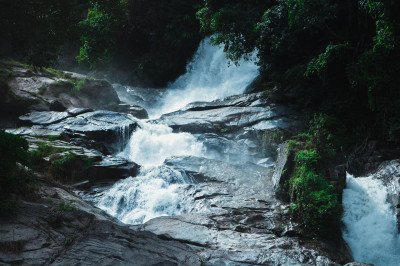
Banjhakri Water Falls
Some quick example text to build on the card title and make up the bulk of the card's content.
Go somewhere
Do Drul Chorten
Some quick example text to build on the card title and make up the bulk of the card's content.
Go somewhere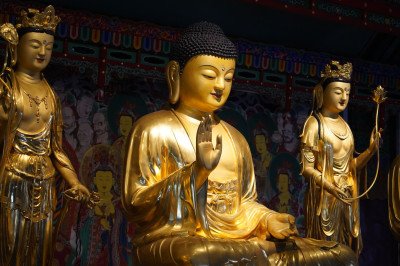
Enchey Monastery
Some quick example text to build on the card title and make up the bulk of the card's content.
Go somewhere
Fambong Lho Wildlife Sanctuary
Some quick example text to build on the card title and make up the bulk of the card's content.
Go somewhere
Flower Exhibition Centre
Some quick example text to build on the card title and make up the bulk of the card's content.
Go somewhere
Ganesh Tok
Some quick example text to build on the card title and make up the bulk of the card's content.
Go somewhere
Gangtok Ropeway
Some quick example text to build on the card title and make up the bulk of the card's content.
Go somewhere
Hanuman Tok
Some quick example text to build on the card title and make up the bulk of the card's content.
Go somewhere
Himalayan Zoological Park
Some quick example text to build on the card title and make up the bulk of the card's content.
Go somewhere
Kyongnosla Alpine Sanctuary
Some quick example text to build on the card title and make up the bulk of the card's content.
Go somewhere
Lhasa Falls
Some quick example text to build on the card title and make up the bulk of the card's content.
Go somewhere
MG Marg
Some quick example text to build on the card title and make up the bulk of the card's content.
Go somewhere
Namgyal Institute of Tibetology
Some quick example text to build on the card title and make up the bulk of the card's content.
Go somewhere
Nathu La Pass
Some quick example text to build on the card title and make up the bulk of the card's content.
Go somewherein Other Cities