

Do Drul Chorten
General information
-
Ideal Duration:
1 to 1. 5 HoursPlace Type:
Religious, Heritage, StupaEntry Fees:
No Entry Fee: There is No Entry Fee to the Do Drul Chorten Stupa complex itself.
Parking Fee: A nominal parking fee may be charged for vehicles.
Photography/Donation: There are generally no charges for photo...No Entry Fee: There is No Entry Fee to the Do Drul Chorten Stupa complex itself.
Parking Fee: A nominal parking fee may be charged for vehicles.
Photography/Donation: There are generally no charges for photography, but donations for the maintenance of the stupa and the monastic center are highly encouraged.
Adjacent Museum Fee: Note that the adjacent Namgyal Institute of Tibetology has a separate, small entry fee.
(Summary: )Timing:
Regular Timings: Open daily from approximately 8:00 AM to 6:00 PM. The prayer wheels can often be accessed slightly earlier or later.
Ideal Visit Time: Early Morning (8:00 AM - 10:00 AM) is the most serene and spiritually immersive time, pe...Regular Timings: Open daily from approximately 8:00 AM to 6:00 PM. The prayer wheels can often be accessed slightly earlier or later.
Ideal Visit Time: Early Morning (8:00 AM - 10:00 AM) is the most serene and spiritually immersive time, perfect for photography as the sun illuminates the golden dome, and before the main tourist crowd arrives.
The Evening Atmosphere: A visit just before closing time can also be magical, with the quiet chants of the monks and the soft, spiritual light.
(Summary: )Special Events:
Losar Festival: The Tibetan New Year (Losar, usually in February/March) is celebrated with significant rituals and prayers by the monks and devotees at the stupa complex.
Drupka Teshi: A major Buddhist festival, typically celebrated in the s...Losar Festival: The Tibetan New Year (Losar, usually in February/March) is celebrated with significant rituals and prayers by the monks and devotees at the stupa complex.
Drupka Teshi: A major Buddhist festival, typically celebrated in the summer months, involves special prayers and mass offerings at the Chorten.
Chaam Dance Rehearsals: Before major monastery festivals like Lossong or Kagyed, the young monks often practice the intricate Chaam (masked ritual dance) within the complex, offering a rare, captivating sight.
(Summary: )Best Photo Spots:
Golden Spire and Dome: The absolute best shot is capturing the prominent golden spire of the stupa, with the prayer wheels and the green hills of Gangtok in the background, ideally under clear blue skies.
The Prayer Wheel Walk: A continuous ...Golden Spire and Dome: The absolute best shot is capturing the prominent golden spire of the stupa, with the prayer wheels and the green hills of Gangtok in the background, ideally under clear blue skies.
The Prayer Wheel Walk: A continuous shot or panorama capturing the line of 108 prayer wheels as they recede into the distance, with a devotee spinning one in the foreground, symbolizes movement and faith.
The Guru Padmasambhava Statues: Interior shots (where permitted) of the colossal, brightly colored statues of Guru Rinpoche in the flanking shrine halls.
Sunrise Lighting: Capturing the stupa when the rising sun hits the golden spire, making it glitter dramatically.
(Summary: )Photo Gallery
Things To Do
-
Circumambulation and Prayer: Perform the ritualistic clockwise walk (kora) around the Chorten and spin the 108 prayer wheels (Mani Lhakor) for merit and purification, chanting the mantra Om mani padme hum.
Meditation: Utilize the quiet, peaceful ambiance for personal meditation and reflection, particularly in the early morning.
Observing Monastic Life: Watch the young monks (Lamas) engaged in their daily study and ritual practices at the adjacent monastic center.
Photography: Capture the stunning Tibetan architecture, the vibrant colors of the prayer wheels, and the golden spire against the Gangtok sky.
Visiting Namgyal Institute of Tibetology: Combine the visit with a detailed exploration of the adjacent Institute, which houses ...Circumambulation and Prayer: Perform the ritualistic clockwise walk (kora) around the Chorten and spin the 108 prayer wheels (Mani Lhakor) for merit and purification, chanting the mantra Om mani padme hum.
Meditation: Utilize the quiet, peaceful ambiance for personal meditation and reflection, particularly in the early morning.
Observing Monastic Life: Watch the young monks (Lamas) engaged in their daily study and ritual practices at the adjacent monastic center.
Photography: Capture the stunning Tibetan architecture, the vibrant colors of the prayer wheels, and the golden spire against the Gangtok sky.
Visiting Namgyal Institute of Tibetology: Combine the visit with a detailed exploration of the adjacent Institute, which houses a priceless collection of Tibetan artifacts, manuscripts, and thangkas.
Seeking Blessings: Light an incense stick or a butter lamp in the designated area to seek blessings and make offerings.
Buying Souvenirs: Purchase small religious artifacts or prayer flags from the vendors near the entrance.
(Summary: )
Information
-
Why Famous:
Spiritual Power: Its primary fame comes from the belief that its construction pacified the formerly haunted grounds and brought peace. It is one of the most significant and powerful Nyingma school stupas in Sikkim.
The 108 Prayer Wheels: Th...Spiritual Power: Its primary fame comes from the belief that its construction pacified the formerly haunted grounds and brought peace. It is one of the most significant and powerful Nyingma school stupas in Sikkim.
The 108 Prayer Wheels: The magnificent sight of the 108 prayer wheels surrounding the dome, actively spun by devotees, creates a vibrant, immersive spiritual atmosphere that attracts tourists and pilgrims alike.
Golden Dome: The towering, distinctive, pearly-white dome topped with a shimmering golden spire is a key landmark, visible from various points in Gangtok town.
Proximity to Education: Being adjacent to the Namgyal Institute of Tibetology makes it a central hub for Tibetan Buddhist culture and learning in the region.
(Summary: ) -
Architecture:
Classic Tibetan Stupa Form: The architecture follows the classic Tibetan stupa (Chorten) design: a square base (representing the Earth), a rounded, pearly white dome (representing Water/the element of mind), and a golden spire (representing Fire/Buddha's wisdom) consisting o...Classic Tibetan Stupa Form: The architecture follows the classic Tibetan stupa (Chorten) design: a square base (representing the Earth), a rounded, pearly white dome (representing Water/the element of mind), and a golden spire (representing Fire/Buddha's wisdom) consisting of thirteen concentric steps/rings (representing the Bodhisattva's path to enlightenment).
Dimensions and Details: The main dome rises significantly, and the gilded canopy and parasol on top are major focal points. The 108 prayer wheels (Mani Lhakor) that encircle the stupa are a dominant architectural feature. Each wheel is painted and engraved with the mantra Om mani padme hum.
The Shrine Buildings: Flanking the central Chorten are smaller structures (Chorten Lhakhang and Guru Lhakhang) featuring traditional Tibetan architectural motifs: sloped roofs, intricately painted wooden cornices, and ornate carved windows. These buildings house colossal statues of Guru Padmasambhava and burning oil lamps.
(Summary: ) -
How To Reach:
By Air, Train, Road (To Gangtok): Follow the standard route to Gangtok (Bagdogra/NJP).
By Local Transport (From Gangtok): The Do Drul Chorten is centrally located in the Deorali area, only about 2 KMS from the main M. G. Marg market. You c...By Air, Train, Road (To Gangtok): Follow the standard route to Gangtok (Bagdogra/NJP).
By Local Transport (From Gangtok): The Do Drul Chorten is centrally located in the Deorali area, only about 2 KMS from the main M. G. Marg market. You can hire a local taxi or shared taxi for a short trip. It is also an easy, but uphill, walk from many downtown hotels.
Accessibility: Taxis can drop you very close to the complex entrance. It is a highly accessible site within the city limits.
(Summary: ) -
Weather and Best Time to Visit:
Different Types of Seasons: Spring (March-May) offers the best combination of pleasant weather and colorful flowers, making the surroundings beautiful. Autumn (September-November) provides the clearest views and comfortable temperatures for circumambulation. The site remai...Different Types of Seasons: Spring (March-May) offers the best combination of pleasant weather and colorful flowers, making the surroundings beautiful. Autumn (September-November) provides the clearest views and comfortable temperatures for circumambulation. The site remains open year-round.
Different Parts of the Day: Early Morning is highly recommended for a truly tranquil and spiritual experience, witnessing local devotees and monks performing their morning prayers.
(Summary: ) -
Near Tourist Places:
Namgyal Institute of Tibetology (0. 1 KMS)Flower Exhibition Centre (1. 5 KMS)Gangtok Ropeway (2 KMS)Enchey Monastery (4 KMS)Tashi View Point (9 KMS)Ganesh Tok (8 KMS)Hanuman Tok (10 KMS)Tibet Museum (0. 1 KMS)Saramsa Garden (15 KMS)Ranka Monastery (10 KMS)
Tourism Tips
-
Health & Safety: The site is not at high altitude, so no AMS precautions are needed. Be mindful of uneven stone pathways.
Packing Essentials: Dress modestly and respectfully, as it is a religious site (cover shoulders and knees). Remove sh...Health & Safety: The site is not at high altitude, so no AMS precautions are needed. Be mindful of uneven stone pathways.
Packing Essentials: Dress modestly and respectfully, as it is a religious site (cover shoulders and knees). Remove shoes, caps, and hats before entering the shrine areas.
Accommodation: Plenty of hotels and homestays are available in the main Gangtok city center, only a short drive away.
Other Tips: Circumambulate only in the clockwise direction. Avoid loud conversations and maintain silence, especially near the shrine rooms. Be respectful of the practicing monks.
(Summary: )
Reviews
FAQs
Gangtok Itineray And Cost:-
Other Places In Gangtok :-
Other States In India :-
Information about New and Updated Locations() of Sikkim Has Been Added :-
Card subtitle
Note:-
Information provided here in good Faith and for reference only.
Near Places

Baba Harbhajan Singh Temple
Some quick example text to build on the card title and make up the bulk of the card's content.
Go somewhere
Bakthang Waterfall
Some quick example text to build on the card title and make up the bulk of the card's content.
Go somewhere
Banjhakri Water Falls
Some quick example text to build on the card title and make up the bulk of the card's content.
Go somewhere
Do Drul Chorten
Some quick example text to build on the card title and make up the bulk of the card's content.
Go somewhere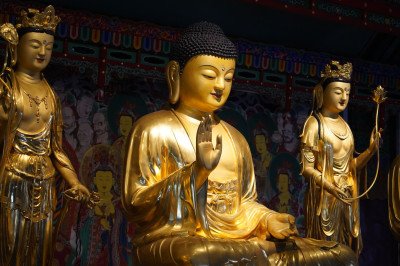
Enchey Monastery
Some quick example text to build on the card title and make up the bulk of the card's content.
Go somewhere
Fambong Lho Wildlife Sanctuary
Some quick example text to build on the card title and make up the bulk of the card's content.
Go somewhere
Flower Exhibition Centre
Some quick example text to build on the card title and make up the bulk of the card's content.
Go somewhere
Ganesh Tok
Some quick example text to build on the card title and make up the bulk of the card's content.
Go somewhere
Gangtok Ropeway
Some quick example text to build on the card title and make up the bulk of the card's content.
Go somewhere
Hanuman Tok
Some quick example text to build on the card title and make up the bulk of the card's content.
Go somewhere
Himalayan Zoological Park
Some quick example text to build on the card title and make up the bulk of the card's content.
Go somewhere
Kyongnosla Alpine Sanctuary
Some quick example text to build on the card title and make up the bulk of the card's content.
Go somewhere
Lhasa Falls
Some quick example text to build on the card title and make up the bulk of the card's content.
Go somewhere
MG Marg
Some quick example text to build on the card title and make up the bulk of the card's content.
Go somewhere
Namgyal Institute of Tibetology
Some quick example text to build on the card title and make up the bulk of the card's content.
Go somewhere
Nathu La Pass
Some quick example text to build on the card title and make up the bulk of the card's content.
Go somewherein Other Cities