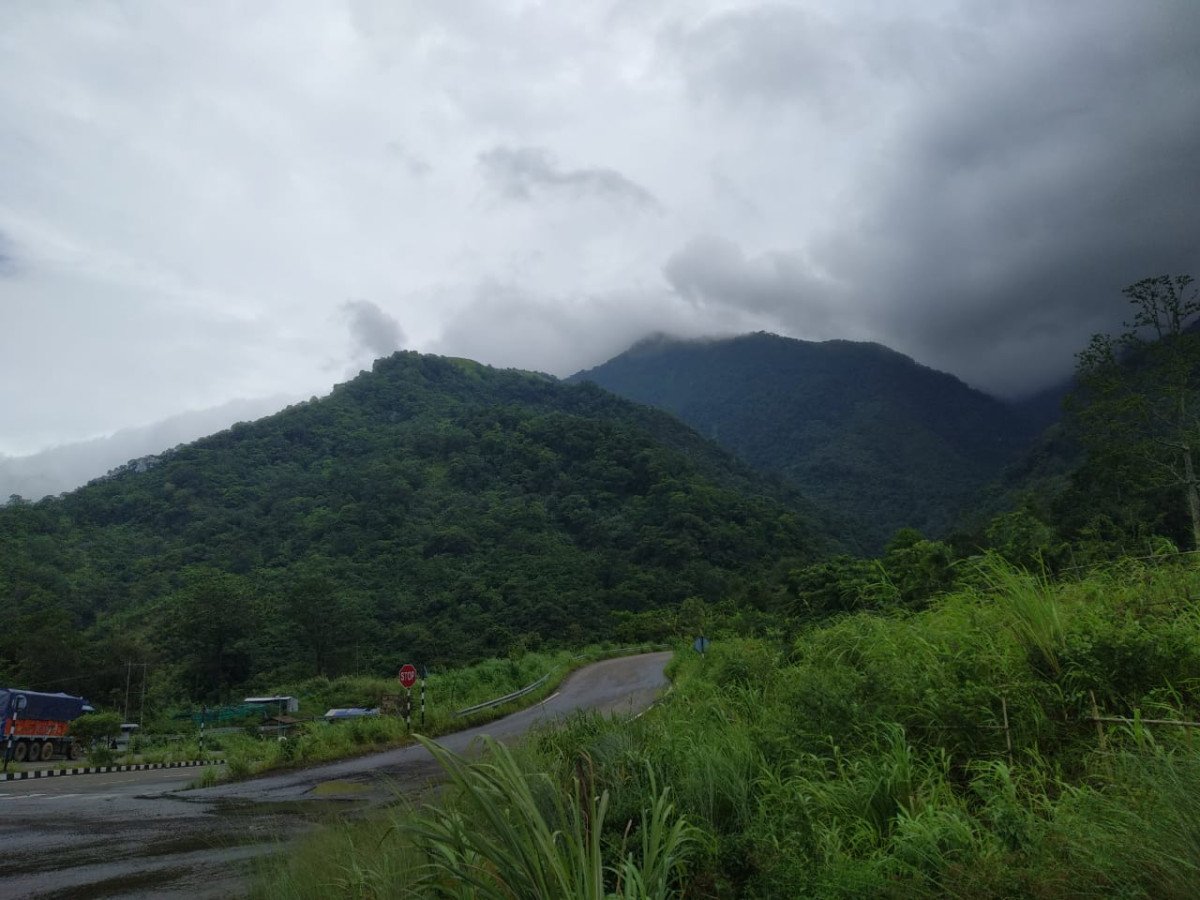
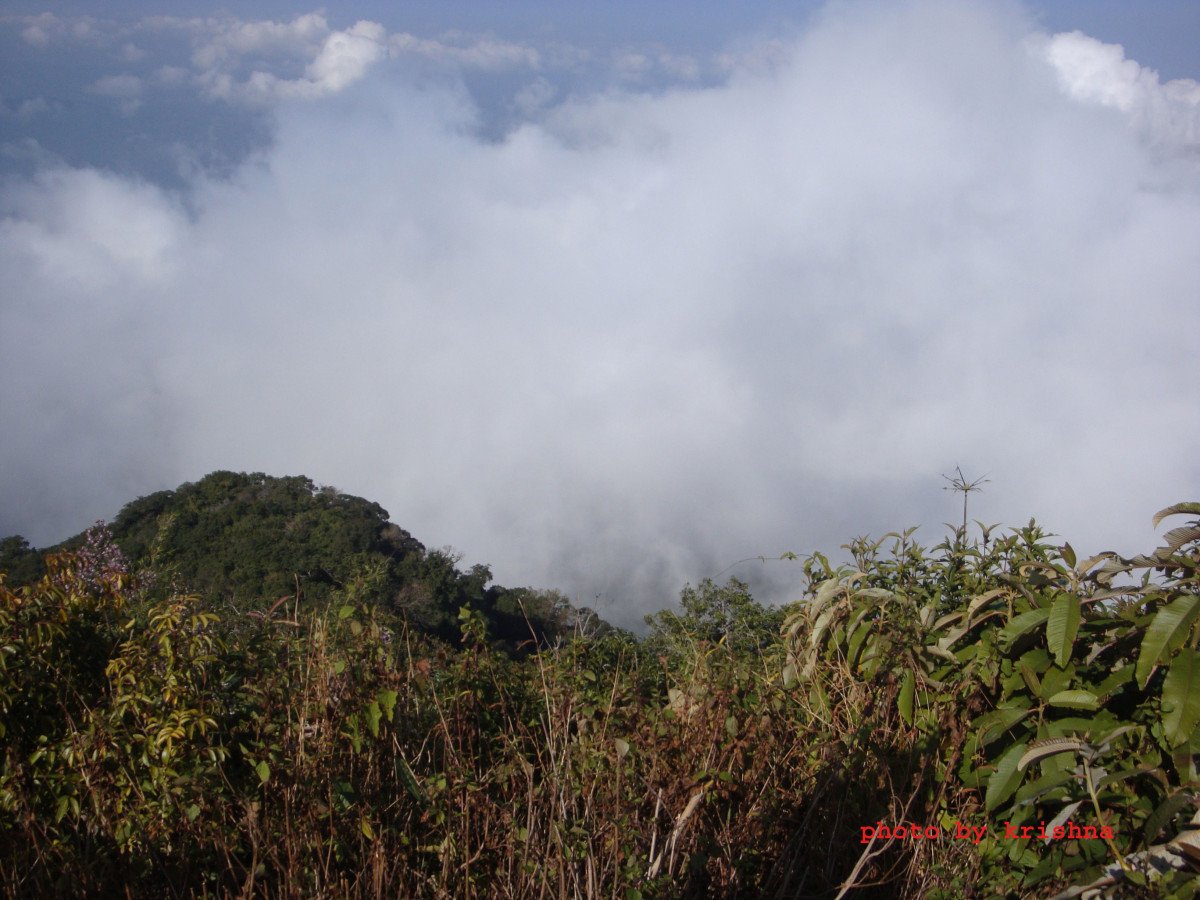
Barail Range Forest
General information
-
Ideal Duration:
1-2 days (For a day trip to a viewpoint/short trek, or a full two-day trekking/camping experience).Place Type:
Nature/Wildlife Sanctuary/Trekking Destination/HilEntry Fees:
Entry to the Forest/Range: There is generally no specific entry fee for simply viewing the Barail Range from viewpoints or driving along public roads that traverse the foothills. The range is vast and largely open.
Borail Wildlife Sanctuary Fee...Entry to the Forest/Range: There is generally no specific entry fee for simply viewing the Barail Range from viewpoints or driving along public roads that traverse the foothills. The range is vast and largely open.
Borail Wildlife Sanctuary Fees: If you plan to formally enter the protected area of the Borail Wildlife Sanctuary which covers much of the forest, a permit/entry fee is typically required by the Forest Department.
Structure: Fees generally apply per person and potentially per vehicle (car/jeep). For non-Indian tourists, fees are significantly higher. The costs are subject to change and are usually nominal, often falling in the range of Rs.50 to Rs.200 per Indian adult, with camera charges potentially extra.
Guided Trekking/Hiring Fees: For any serious trekking, especially to Mt. Tumjang or into remote areas, hiring a local guide is mandatory for safety and per local forest protection policy.
Cost: A guide fee is generally around Rs.600 per group for a day trek (e. g. , to Mt. Tumjang from P. Leikul village) and often includes registration at a local village office. This is a crucial, mandatory expense.
Vehicle Parking Fees: Some villages or specific viewpoints may have a small parking charge, e. g. , Rs.100 for a four-wheeler at a trekking base like P. Leikul village.
Summary: While the landscape is free, engaging in controlled activities (sanctuary entry, trekking with a guide) incurs necessary, small, and important fees that support local communities and conservation efforts.Timing:
Regular Timings:
Open Throughout the Day: The Barail Range is a natural mountain range and does not have formal opening or closing hours like a park or monument. Public roads and most accessible viewpoints are open 24 hours.Regular Timings:
Open Throughout the Day: The Barail Range is a natural mountain range and does not have formal opening or closing hours like a park or monument. Public roads and most accessible viewpoints are open 24 hours.
Ideal Visit Time for Treks and Safaris: For guided treks into the forest, it is highly recommended to start early in the morning, ideally between 5:00 AM to 7:00 AM.
Benefits: Early start allows trekkers to take advantage of the cool weather, see the sunrise over the misty valleys, and significantly increases the chances of spotting wildlife, which are most active during dawn.
Viewpoint and Scenic Timings:
Golden Hours: The most picturesque times to visit the viewpoints are during the Golden Hours—Sunrise (around 5:00 AM–6:00 AM, varying by season) and Sunset (around 4:30 PM–5:30 PM).
Photography: These times offer the softest, most beautiful light for photography and the most dramatic view of the range.
Safety Timings:
Daylight: For general exploration, especially driving or short hikes, it is highly advisable to restrict activity to daylight hours, typically from 6:00 AM to 5:00 PM, as the roads can be treacherous and remote at night.Special Events:
Local Harvest Festivals (Busu Dima): While the forest range itself doesn't host a major commercial event, the nearest local Dimasa tribes celebrate their most important harvest festival, Busu Dima, typically in January. This festival is a major cultural event that visitors ...Local Harvest Festivals (Busu Dima): While the forest range itself doesn't host a major commercial event, the nearest local Dimasa tribes celebrate their most important harvest festival, Busu Dima, typically in January. This festival is a major cultural event that visitors to the area can try to coordinate their trip with.
Cultural Significance: It involves colorful traditional dances, music, community feasting, and the brewing of local rice wine. Experiencing this festival offers a deep insight into the rich cultural heritage of the people who live in harmony with the Barail Range Forest.Best Photo Spots:
The Summit of Mt.
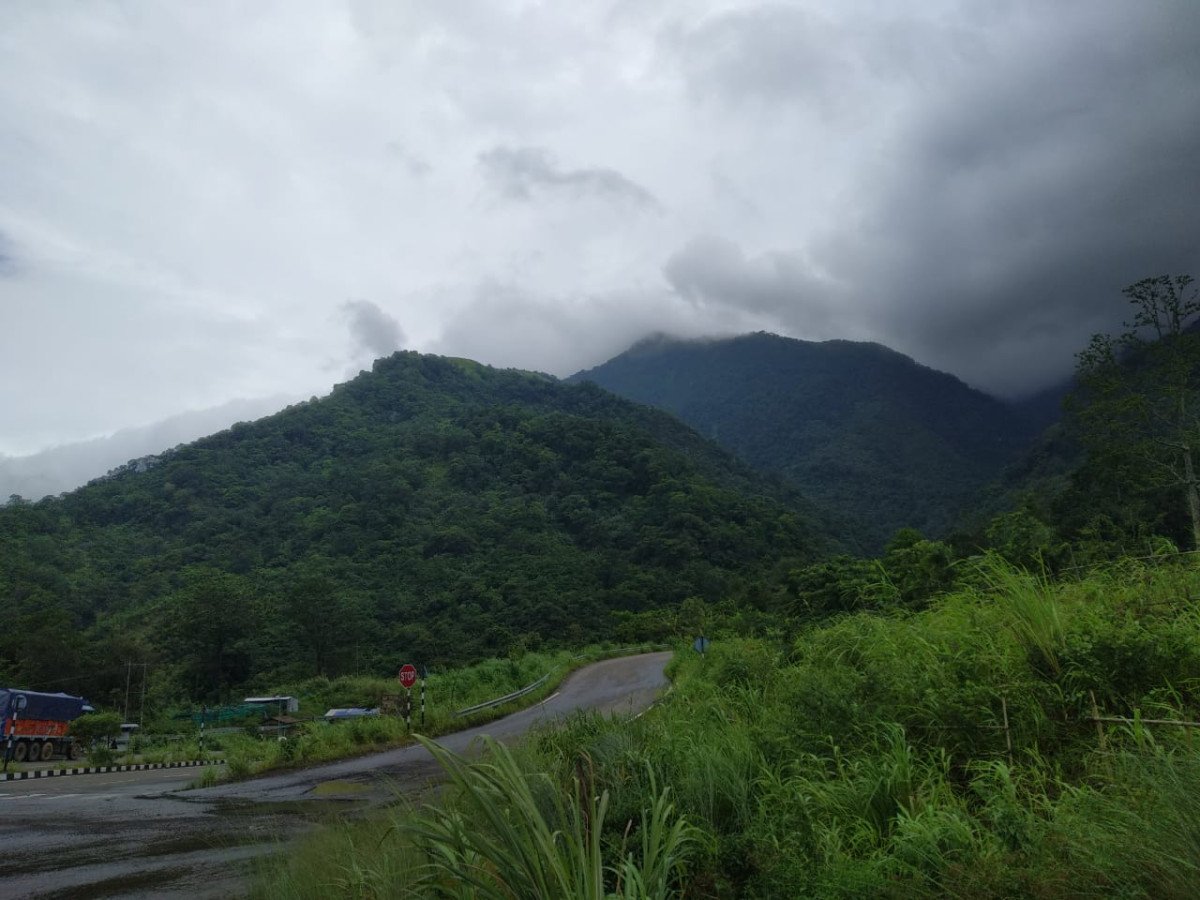
Tumjang/Sielkal Peak: The ultimate photo spot, offering sweeping, 360-degree panoramic views of the entire Barail Range and the distant valleys.
Best Time: Early morning after a successful sunrise trek for pictures...The Summit of Mt.
Tumjang/Sielkal Peak: The ultimate photo spot, offering sweeping, 360-degree panoramic views of the entire Barail Range and the distant valleys.
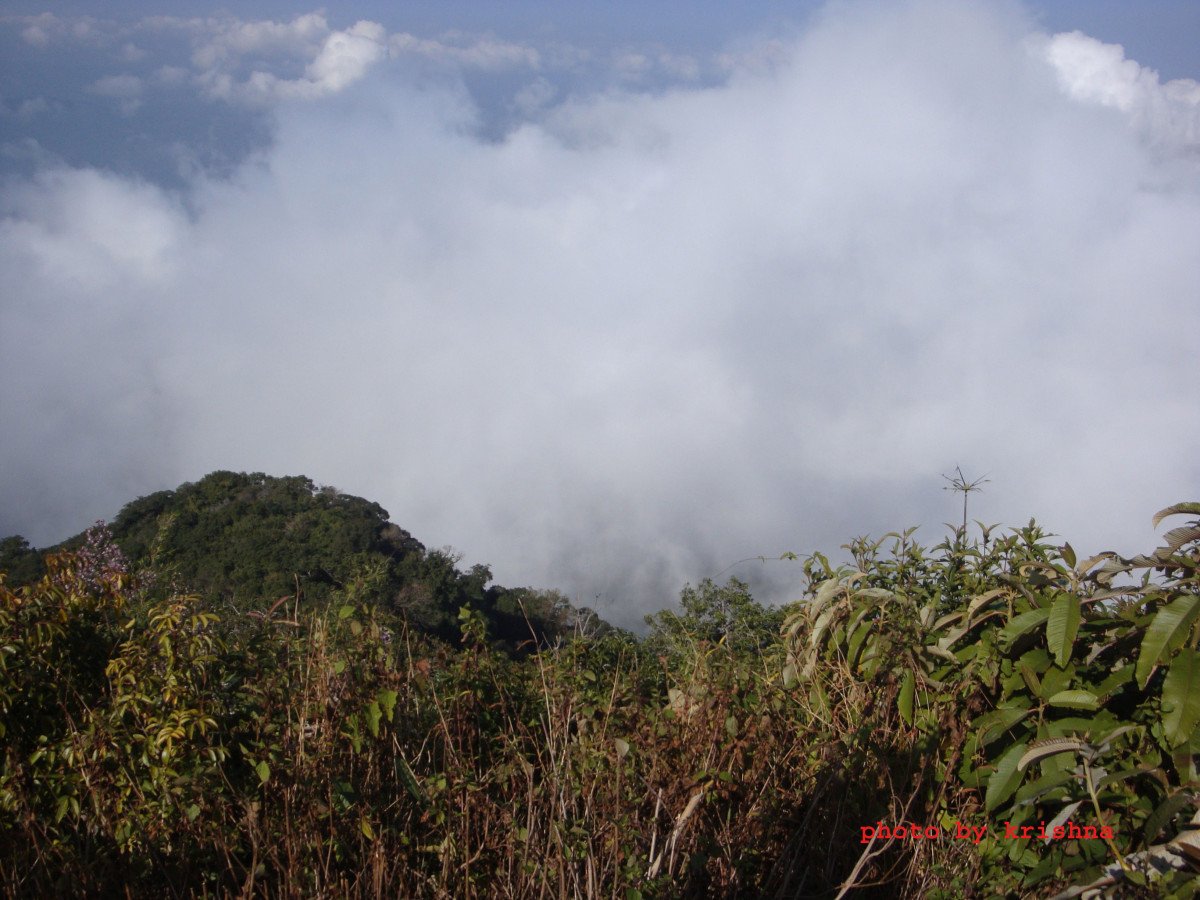
Best Time: Early morning after a successful sunrise trek for pictures of the mountain peaks rising above a sea of clouds and mist.
The Old Railway Track Tunnels and Bridges: These decaying, historical structures set against the lush greenery of the dense forest provide highly atmospheric and dramatic photo opportunities.
Focus: Use the old, rusted metalwork and the dark mouths of the tunnels as framing elements to contrast the wild beauty of nature.
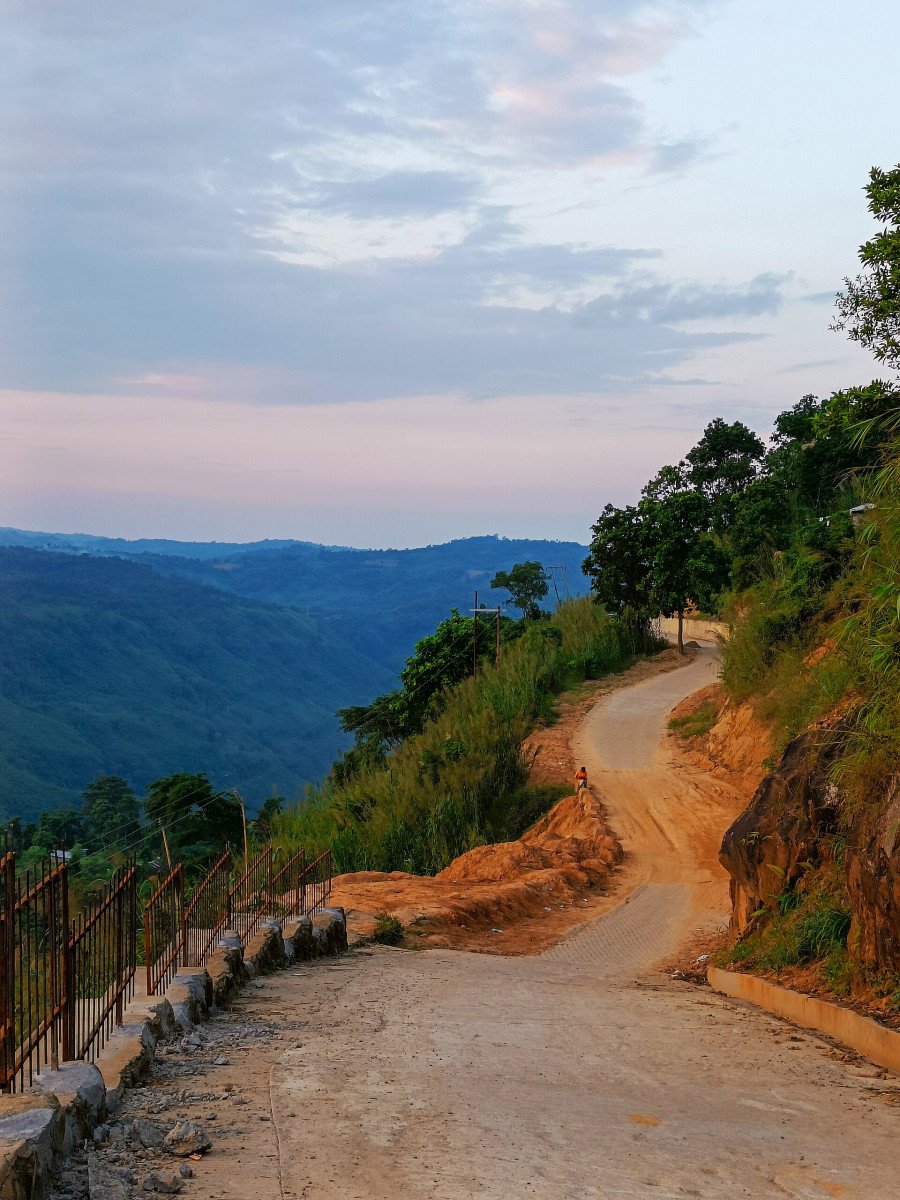
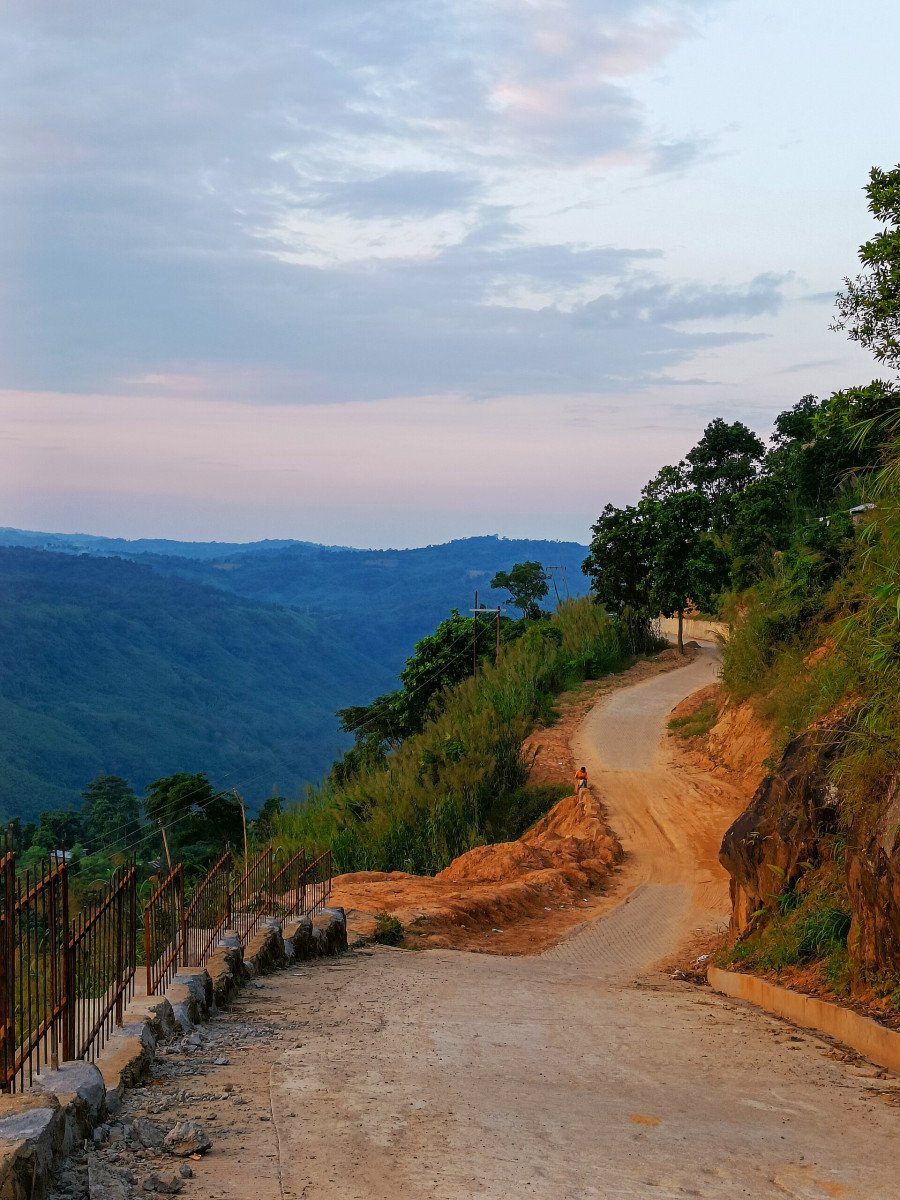
Boro Haflong View Point: Situated a short distance from the main town, this viewpoint offers a classic, easily accessible perspective of the rolling green hills of the Barail Range.
Composition: Ideal for wide-angle landscape shots, especially during the Golden Hour (sunrise or sunset) when the light paints the entire range in warm hues.
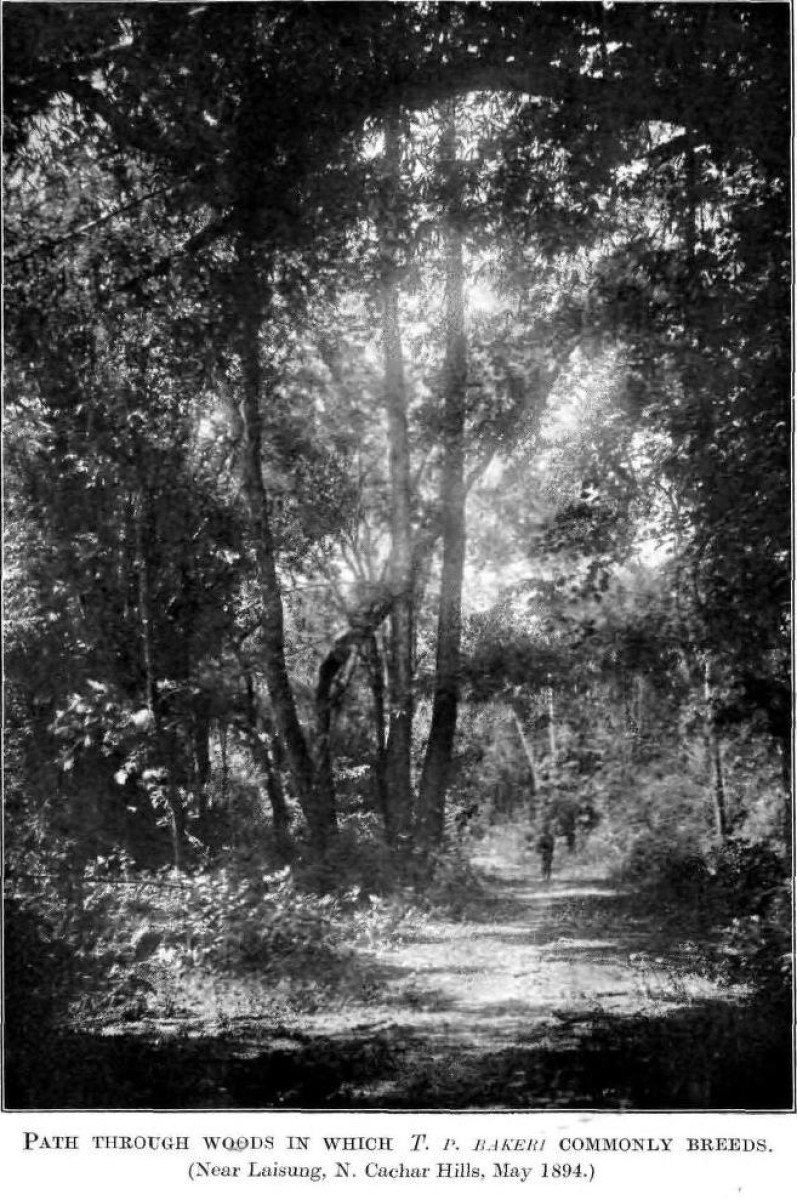
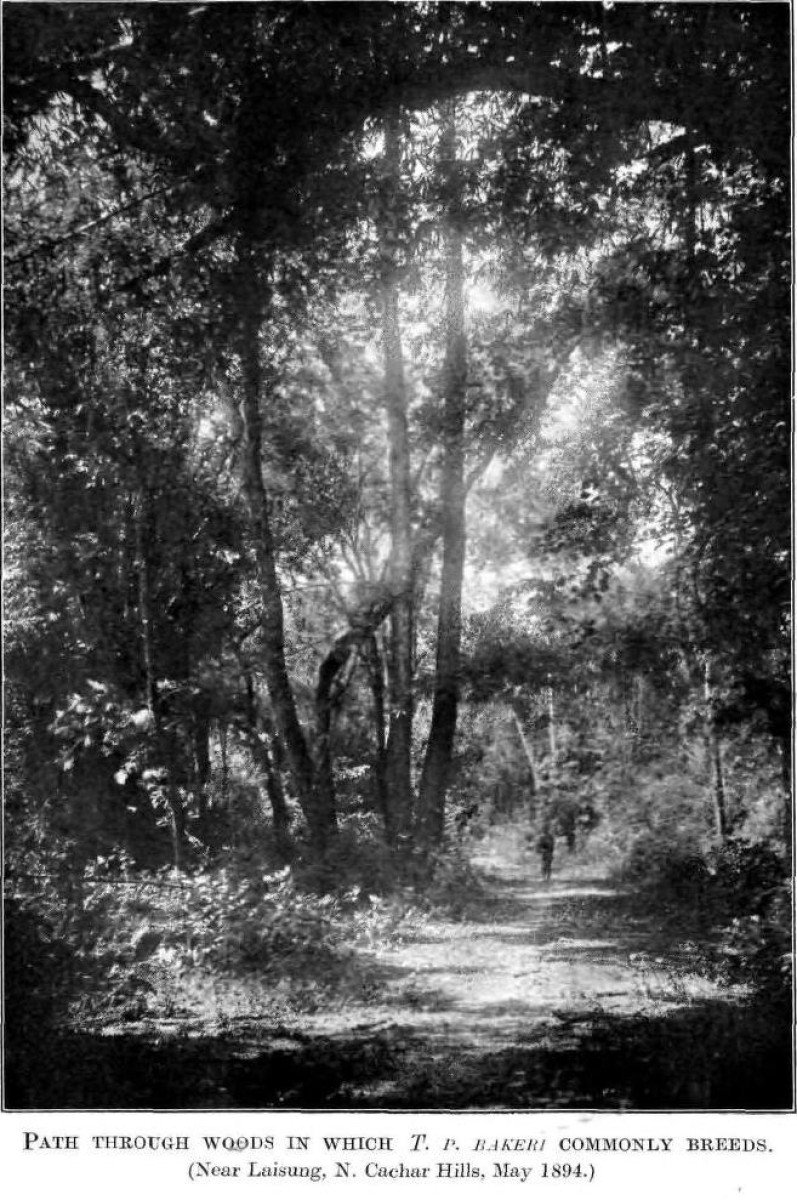
Inside the Forest/Near Waterfalls: Capture the dense biodiversity of the forest, focusing on macro-photography of the unique Orchids, mosses, and insects, or long-exposure shots of the hidden, cascading waterfalls.
Tip: Look for sunlight filtering through the dense canopy (God Rays) to add drama to your forest interior shots.Photo Gallery
Things To Do
-
Trekking and Hiking Adventures: The Barail Range is a haven for trekkers. You can embark on various trails, ranging from easy day hikes to challenging multi-day treks.
Borail Wildlife Sanctuary Trek: One of the most rewarding activities is trekking through the sanctuary, which requires permission and a local guide. This allows for immersive wildlife spotting and experiencing the dense, rich forest ecosystem. The trek to Mt. Tumjang (Assam's highest peak) is the ultimate adventure here, starting usually from villages like P. Leikul.
Nature Photography and Scenic Viewing: The rugged topography offers endless opportunities for spectacular photography.
Panoramic Viewpoints: Head to known viewpoints like the one near Boro Haflong (around 12 km from the main town)...Trekking and Hiking Adventures: The Barail Range is a haven for trekkers. You can embark on various trails, ranging from easy day hikes to challenging multi-day treks.
Borail Wildlife Sanctuary Trek: One of the most rewarding activities is trekking through the sanctuary, which requires permission and a local guide. This allows for immersive wildlife spotting and experiencing the dense, rich forest ecosystem. The trek to Mt. Tumjang (Assam's highest peak) is the ultimate adventure here, starting usually from villages like P. Leikul.
Nature Photography and Scenic Viewing: The rugged topography offers endless opportunities for spectacular photography.
Panoramic Viewpoints: Head to known viewpoints like the one near Boro Haflong (around 12 km from the main town) to capture the sweeping vistas of the entire range, especially the stunning sunrise and sunset views over the misty hills.
Bird-watching and Wildlife Spotting: Given that the forest is a key part of the Borail Wildlife Sanctuary, it is excellent for ornithology and wildlife enthusiasts.
Diverse Birdlife: Carry binoculars and keep an eye out for diverse avian species, including various migratory birds during the winter. You might spot species like the Hill Myna and different types of Bulbuls and Flycatchers.
Primate Observation: The forest is home to primates like the endangered Hoolock Gibbon and Capped Langur. Hiring a specialized local guide increases your chances of a successful sighting.
Cultural Immersion with Local Tribes: Engage with the indigenous tribes, primarily the Dimasa, who inhabit the villages around the range.
Village Visits: Spend time in local villages like P. Leikul or others near the trekking routes. Learn about their culture, traditions, and sustainable way of life closely tied to the forest.
Traditional Cuisine: Try local Dimasa dishes, often featuring rice, smoked meats, and pork with bamboo shoots, and sample the local rice wine, Judima.
Exploration of Historical Railway Line: For history and adventure enthusiasts, explore the remnants of the old meter-gauge railway line that was an engineering marvel.
Abandoned Tunnels and Bridges: Trek along the abandoned tracks, crossing rusted bridges and passing through old, dark tunnels, offering a unique, atmospheric adventure.
Camping and Picnicking: Find a secluded, cleared spot within the forest perimeter (with local/forest department permission) for an unforgettable camping experience.
Star Gazing: The remote location and minimal light pollution make the Barail Range an ideal spot for stargazing at night.
Riverside Relaxation: Near the range, rivers like the Mahur or brooks offer peaceful spots for a picnic or simply relaxing by the flowing water, especially near the waterfalls.
Information
-
Why Famous:
Highest Hill Range in Assam: The primary fame of the Barail Range lies in its geographical status as the highest hill range in the state of Assam. It is home to Mt. Tumjang (also called Sielkal Peak), the highest peak in Assam, attracting trekkers and mountaineers who seek...Highest Hill Range in Assam: The primary fame of the Barail Range lies in its geographical status as the highest hill range in the state of Assam. It is home to Mt. Tumjang (also called Sielkal Peak), the highest peak in Assam, attracting trekkers and mountaineers who seek the challenge and the panoramic reward of summiting the state's highest point. This unique distinction places it prominently on the map for adventurous travelers.
A Biodiversity Hotspot: The range's extensive forest cover is part of the Borail Wildlife Sanctuary, making it a vital conservation area. It's famous among naturalists and researchers for its rich, rare, and diverse collection of flora and fauna. The forest is one of the last remaining refuges for species like the Hoolock Gibbon (India’s only ape) and various endemic orchids. Its role in maintaining the ecological balance of the region is a key reason for its recognition.
Spectacular Scenic Vistas: The dramatic landscape of the Barail Range—with its misty peaks, deep ravines, cascading waterfalls, and rolling green slopes—makes it famous for its breathtaking natural beauty. Viewpoints along the range offer magnificent, sweeping views of the surrounding valleys, including the plains far below. The raw, unspoiled nature of the scenery is a major draw for photographers and peace-seekers. -
Architecture:
Natural Forest Landscape and Geological Structure: The "architecture" of the Barail Range Forest is entirely natural, defined by its unique geological formation and dense vegetation. The range itself is a result of the Himalayan Orogeny, primarily composed of Sandstone and ...Natural Forest Landscape and Geological Structure: The "architecture" of the Barail Range Forest is entirely natural, defined by its unique geological formation and dense vegetation. The range itself is a result of the Himalayan Orogeny, primarily composed of Sandstone and shales, giving rise to its rugged and steep terrain. This geological structure dictates the flow of numerous rivers and streams, carving deep gorges and valleys. The forest canopy forms a massive, complex living structure.
Dimension: The range has a length of approximately 720 km (450 mi) spanning multiple states, but the section in Assam is home to the highest peak, Mt. Tumjang, which stands at 1,866 meters (6,122 ft) above sea level. This sheer scale is its most defining dimension.
Ecosystem Diversity: The forest showcases a natural architectural marvel in its tiered ecosystem. The lower slopes feature dense bamboo brakes and semi-evergreen trees, transitioning to temperate broadleaf forests at higher elevations. This layered structure provides distinct microhabitats. The presence of numerous endemic species, particularly orchids, adds a delicate, colorful detail to the predominantly green canvas. The natural architecture is functional, with the dense root systems holding the soil, preventing landslides, and the vast canopy regulating local climate and water cycles. Its wild, untamed nature is a stark contrast to any man-made structure. -
How To Reach:
By Air: The nearest major airport to Haflong is Silchar's Kumbhirgram Airport (IXS), located approximately 100-110 KMS away from Haflong town.
Flights: It connects to major Indian cities like Kolkata and Guwahati.
Read MoreBy Air: The nearest major airport to Haflong is Silchar's Kumbhirgram Airport (IXS), located approximately 100-110 KMS away from Haflong town.
Flights: It connects to major Indian cities like Kolkata and Guwahati.
From the Airport: After landing, you can hire a pre-booked taxi or a shared cab from the airport directly to Haflong. The drive takes about 3–4 hours and offers scenic views. Once in Haflong, you can hire a local cab or vehicle for the final distance to the specific point of the Barail Range Forest you plan to visit (e. g. , a trekking base village).
By Train:
Haflong has its own railway station: New Haflong Railway Station (NHLG).
Connectivity: This station is part of the scenic hill section railway line connecting Lumding Junction and Silchar. Trains run regularly, and the journey itself through the hills and tunnels of the Barail Range is considered an amazing experience, especially in the Vistadome coach.
From the Station: The station is just about 3 KMS from the main Haflong town center. From there, you can hire a local taxi or auto-rickshaw to reach your hotel or the range's starting points.
By Road: Haflong is well connected by state highways.
Bus Service: Regular government and private bus services operate from Guwahati (approx. 330 KMS, 8–10 hours), Silchar (approx. 80 KMS, 3 hours), and other towns like Diphu.
Self-Drive/Hired Cab: The best way to reach Haflong is often by hiring a private taxi from Guwahati or Silchar. The roads can be curvy and sometimes prone to landslides, especially during the monsoon, so drive carefully.
Local Roads: The specific roads leading into the deeper parts of the Barail Range forest are mostly small, sometimes unpaved roads and forest trails. You will need a local taxi/jeep or a sturdy vehicle to cover the final 40–55 KMS to remote viewpoints or trekking bases like P. Leikul village.
By Local Transport:
Within Haflong: Auto-rickshaws and local taxis are available within the town.
To the Range: For visiting the Barail Range itself, it is best to hire a full-day private taxi or a local jeep from Haflong town, as local transport options are very limited or non-existent for the specific, remote trekking starting points within the range.Weather and Best Time to Visit:
Different Types of Seasons:
Winter Season (October to March): This is the Best Time to Visit.
Weather: The weather is pleasantly cool and dry,...Different Types of Seasons:
Winter Season (October to March): This is the Best Time to Visit.
Weather: The weather is pleasantly cool and dry, with temperatures ranging from 10°C to 23°C.
Experience: This season offers clear skies, making the panoramic views of the Barail Range exceptional. It's the ideal time for trekking, hiking, and camping. The absence of heavy rainfall minimizes the risk of landslides, making road travel safer.
Summer Season (April to June):
Weather: The weather is moderate and pleasant, though days can be a little warm and humid, with temperatures between 17°C and 30°C.
Experience: The landscape is lush and green before the monsoon hits. It is still a good time for trekking, but heat can be a factor during the day.
Monsoon Season (July to September):
Weather: Characterized by heavy rainfall and high humidity.
Experience: This is the least ideal time for a visit. Heavy rains can cause frequent landslides, making trekking and road travel risky and unpredictable. However, the waterfalls are at their most voluminous, and the greenery is at its peak.
Different Parts of the Day:
Early Morning (Sunrise): This is the Ideal Time for trekking starts and visiting high-altitude viewpoints to catch the magnificent sunrise over the mist-filled valleys.
Late Morning/Midday: Suitable for driving to accessible points, having a picnic, or exploring the periphery of the forest.
Late Afternoon (Sunset): Another excellent time for photography at the viewpoints, capturing the soft, warm light of the sunset reflecting off the hills.Near Tourist Places:
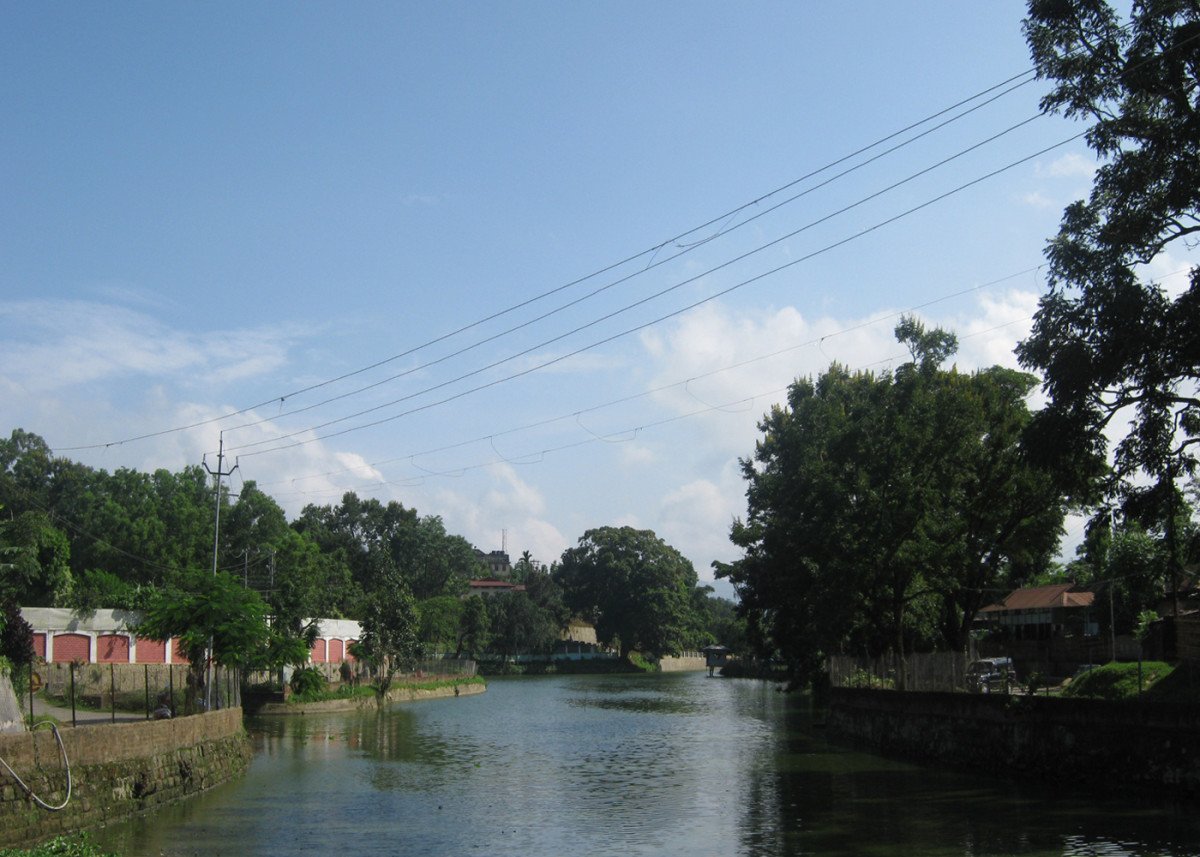
Haflong Lake: (Approx. 40-55 KMs from the range's core/trekking points, closer to Haflong town center)
Jatinga Village: Famous for the bird phenomenon (August to November) (Approx. 45-60 KMs from the range's core, close to Haflong town)
Haflong Hill View Point: (Approx. 45-60 KMs from the range's core, close to Haflong town)
Orchid Garden, Haflong: (Approx. 45-60 KMs from the range's core, close to Haflong town)
Maibong Ruins (Ancient Dimasa Capital): (Approx. 70-85 KMs from the range's core, further from Haflong) New Haflong Railway Station (for the scenic Vistadome ride): (Approx. 43-58 KMs from the range's core)
Panimur Waterfall: (Approx. 120-135 KMs from the range's core, a popular day trip)
Haflong Ethnic Village: (Approx. 45-60 KMs from the range's core, close to Haflong town)
Umrangso (near Kopili Dam): (Approx. 110-125 KMs from the range's core)
Boro Haflong View Point: (Approx. 30-45 KMs from the range's core, closest viewpoint)Tourism Tips
-
Health & Safety:
Carry Essential Medication: Pharmacies are limited in remote areas. Carry a basic first-aid kit, insect repellent, and any personal prescription medicines.
Hydration and Sun Protection: Desp...Health & Safety:
Carry Essential Medication: Pharmacies are limited in remote areas. Carry a basic first-aid kit, insect repellent, and any personal prescription medicines.
Hydration and Sun Protection: Despite the cool climate, trekking requires constant hydration. Carry plenty of water, and use sunscreen and a hat, especially during midday treks.
Trekking Safety: Never trek alone. Always hire a local guide for any serious hike into the Barail Range Forest, as trails can be confusing and for safety from wildlife. Inform your accommodation or the local authorities of your trekking plans.
Packing:
Layered Clothing: The weather can change quickly. Pack clothes you can layer—a light thermal layer, t-shirts, a fleece/sweater, and a windproof/waterproof jacket.
Footwear: Sturdy, waterproof trekking boots with good ankle support are essential for navigating the often muddy and uneven forest trails.
Equipment: Carry a powerful flashlight/headlamp (especially for early morning treks), a power bank for your mobile devices, and a good quality camera/binoculars for wildlife and scenery viewing.
Accommodation:
Booking in Haflong: Haflong has limited accommodation options. Book your hotel or guesthouse well in advance, especially during the peak season (October to March).
Remote Stays: For an immersive experience, consider booking homestays in one of the local villages near the range (e. g. , near P. Leikul), which provides a unique cultural opportunity.
Other Different Topics:
Cash is King: ATMs are scarce and unreliable outside of Haflong town. Carry sufficient cash for guide fees, food, and local purchases.
Respect Local Culture: The area is home to diverse tribes like the Dimasa. Be respectful of their customs, dress modestly when visiting villages, and always ask for permission before taking photos of people.
Leave No Trace: The forest is a protected area. Carry all your trash back with you to maintain the pristine beauty of the Barail Range.
Permits: Check with the District Administration in Haflong or the Forest Department if you need a specific permit for deep forest excursions within the Borail Wildlife Sanctuary.
Reviews
FAQs
Haflong Itineray And Cost:-
Barail Range Forest Tourism:-
Information about New and Updated Locations() of Assam Has Been Added :-
Card subtitle
Note:-
Information provided here in good Faith and for reference only.
Near Places
Barail Range Forest
Some quick example text to build on the card title and make up the bulk of the card's content.
Go somewhere
Bendao Baglai Waterfalls
Some quick example text to build on the card title and make up the bulk of the card's content.
Go somewhere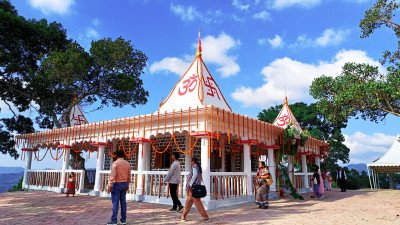
Devi Mandir View Point
Some quick example text to build on the card title and make up the bulk of the card's content.
Go somewhere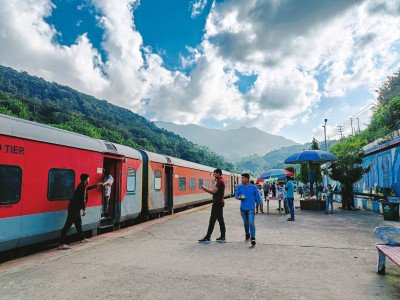
Dima Hasao Town
Some quick example text to build on the card title and make up the bulk of the card's content.
Go somewhere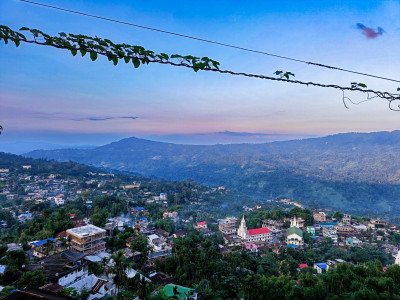
Dima Hasao View Point
Some quick example text to build on the card title and make up the bulk of the card's content.
Go somewhere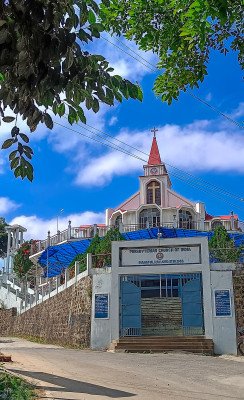
Fiangpui Presbyterian Church
Some quick example text to build on the card title and make up the bulk of the card's content.
Go somewhere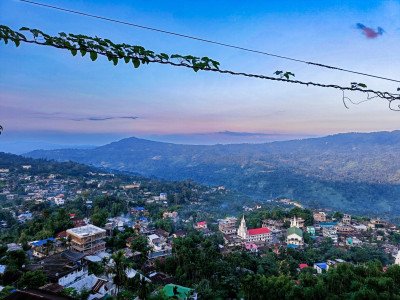
Full Town View
Some quick example text to build on the card title and make up the bulk of the card's content.
Go somewhere
Haflong Hill
Some quick example text to build on the card title and make up the bulk of the card's content.
Go somewhere
Haflong Hill View Point
Some quick example text to build on the card title and make up the bulk of the card's content.
Go somewhere
Haflong Lake
Some quick example text to build on the card title and make up the bulk of the card's content.
Go somewhere
Jatinga Bird Watching Tower and Samparidisa Village
Some quick example text to build on the card title and make up the bulk of the card's content.
Go somewhere
Jatinga Bird Watching Tower
Some quick example text to build on the card title and make up the bulk of the card's content.
Go somewhere
Jatinga Village
Some quick example text to build on the card title and make up the bulk of the card's content.
Go somewhere
Maibong
Some quick example text to build on the card title and make up the bulk of the card's content.
Go somewhere
Majangdzi Hading
Some quick example text to build on the card title and make up the bulk of the card's content.
Go somewhere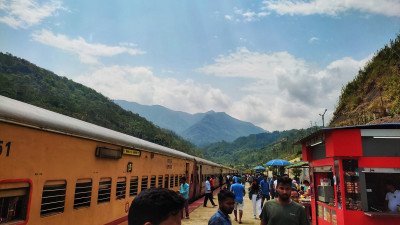
New Haflong Railway Station
Some quick example text to build on the card title and make up the bulk of the card's content.
Go somewherein Other Cities