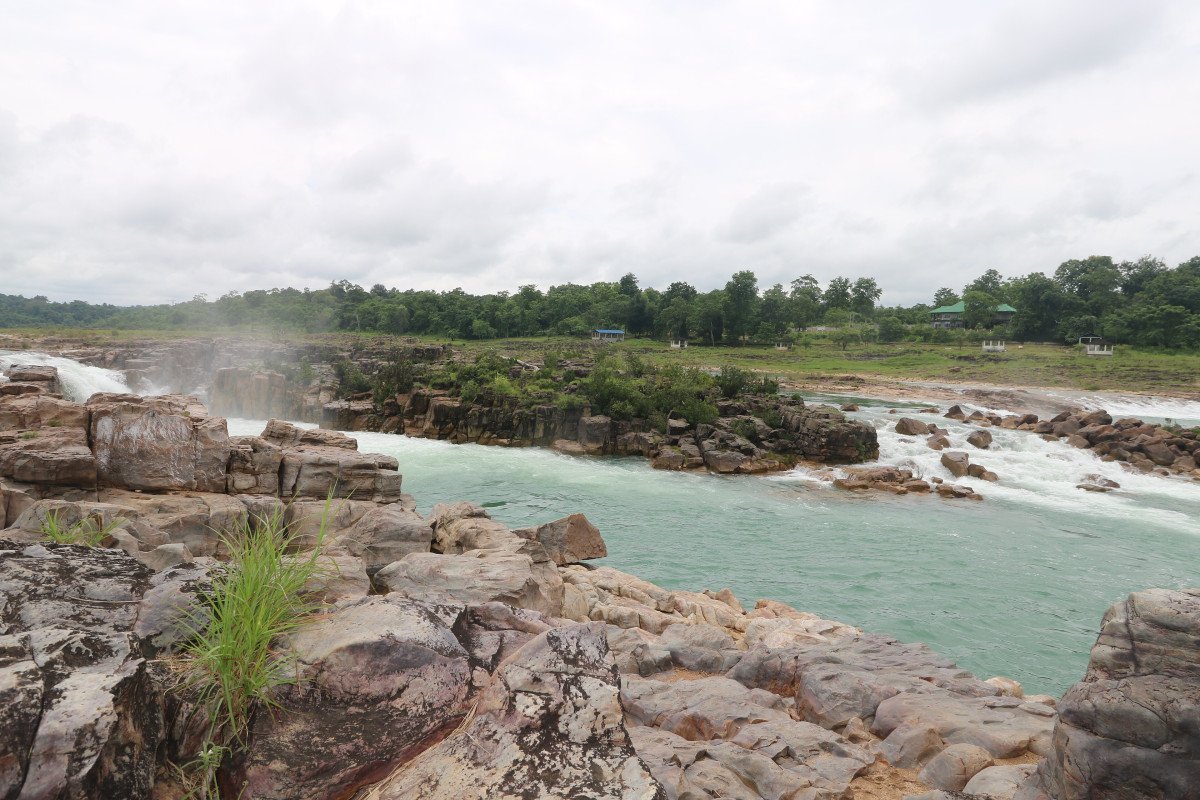
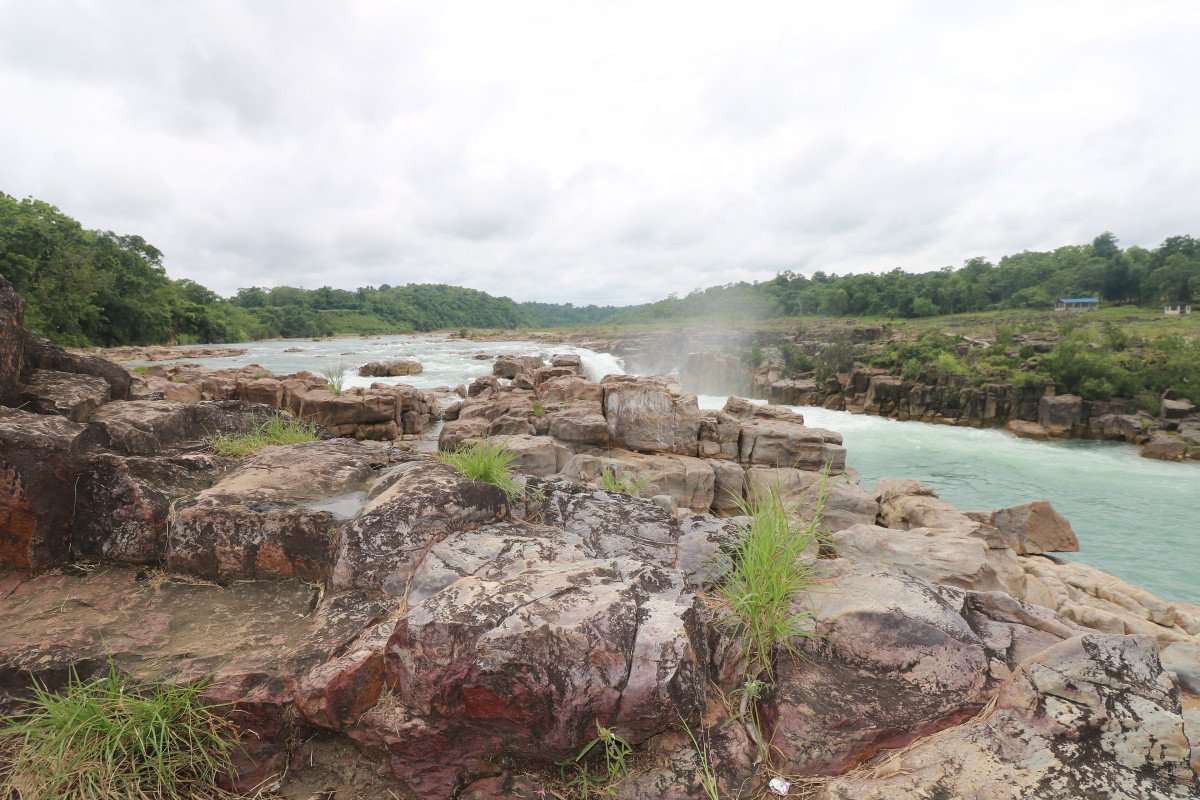
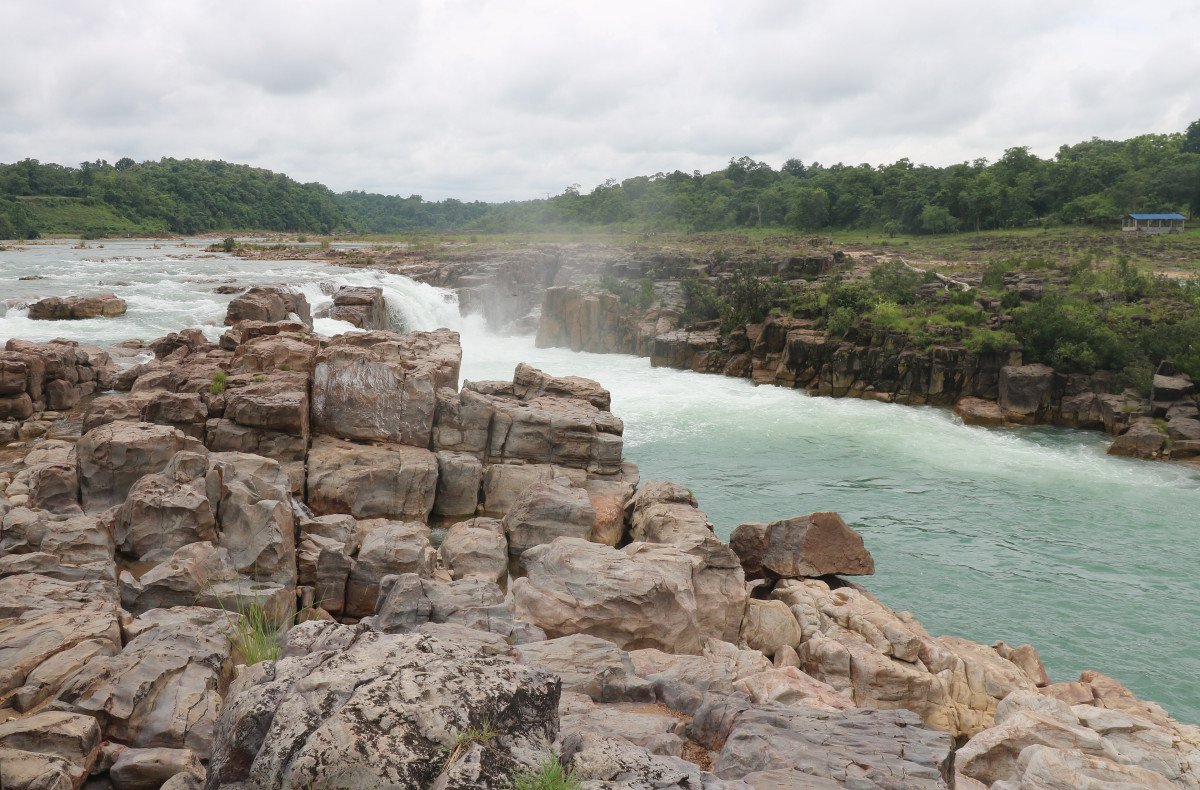
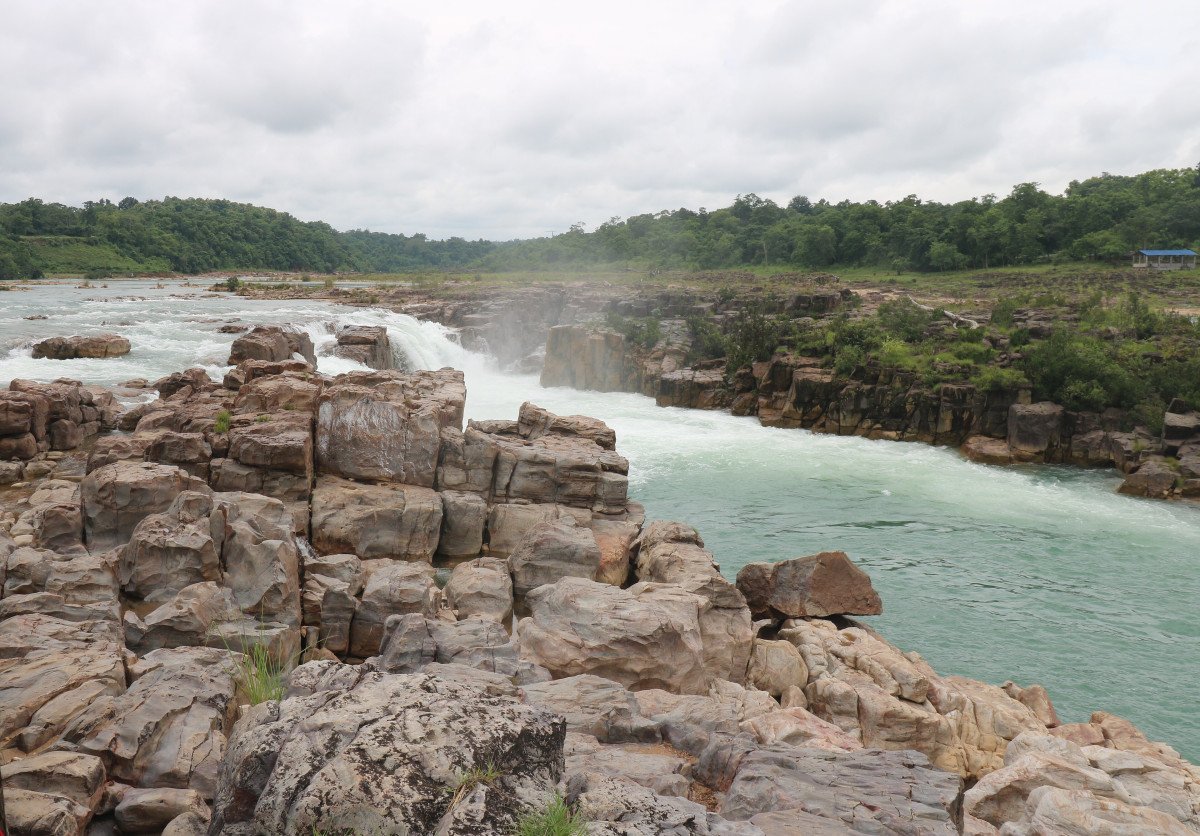
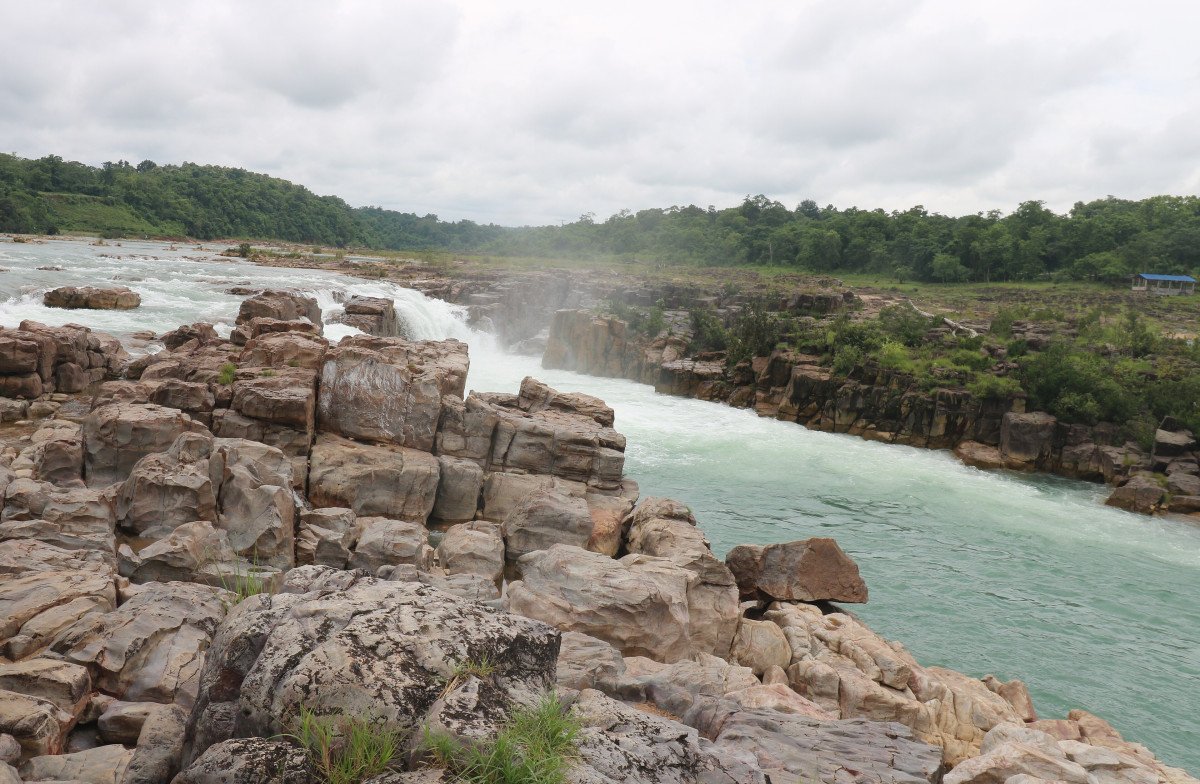
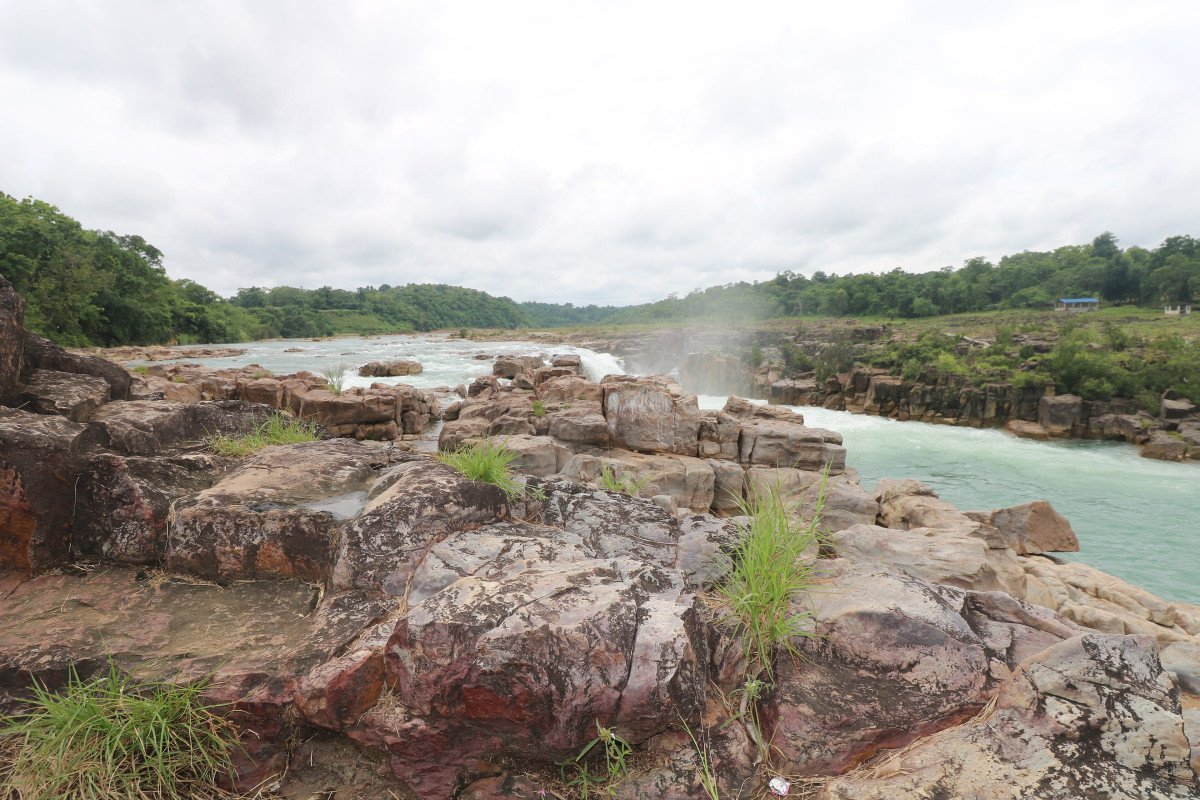
Bendao Baglai Waterfalls
General information
-
Ideal Duration:
Full Day (5-8 hours): This includes the travel time from Haflong to Samparidisa village, the 3-5 hours intense trekking to the waterfalls and back, and time spent enjoying the falls and surrounding nature.Place Type:
Natural Attraction, Waterfalls, Trekking/AdventureEntry Fees:
Entry Fee Structure: There is generally no formal entry fee charged by the government for accessing the waterfalls, as it is a natural site in a remote area. However, visitors are highly encouraged to hire a local guide from Samparidisa village. This is for both safety and...Entry Fee Structure: There is generally no formal entry fee charged by the government for accessing the waterfalls, as it is a natural site in a remote area. However, visitors are highly encouraged to hire a local guide from Samparidisa village. This is for both safety and for the local community's benefit through eco-tourism. The cost for a guide typically ranges from INR 500 to INR 1,500 per group for the entire trek, depending on the number of people and the season. This contribution is essential for local livelihood and maintaining the pristine nature of the site.
Trekking Gear and Equipment Cost: While not an entry fee, the cost of renting basic trekking gear, like trekking poles or rain gear, from the village may also be incurred, though it's often minimal. Conservation and Community Fee (Voluntary/Mandatory): Some local Eco-Tourism Societies, like the one in Samparidisa, may charge a small mandatory or suggested voluntary fee (perhaps INR 50 to INR 100 per person) for conservation and maintenance of the trail and cleanliness of the area. This money directly supports the local villagers' efforts to keep the environment plastic-free and well-preserved. It is important to treat these contributions as mandatory, as they support the very existence of the site as a tourist destination.Timing:
Regular Timings: The waterfalls are accessible throughout the day; however, the actual trekking is highly dependent on daylight hours. The ideal time to start the trek from Samparidisa village is between 8:00 AM and 10:00 AM. This allows for enough time (the trek takes ar...Regular Timings: The waterfalls are accessible throughout the day; however, the actual trekking is highly dependent on daylight hours. The ideal time to start the trek from Samparidisa village is between 8:00 AM and 10:00 AM. This allows for enough time (the trek takes around 5 hours round trip) to reach the waterfalls, spend a good amount of time there, and safely return to the village before sunset. Trekking after 1:00 PM is generally not recommended due to safety concerns and the risk of being caught in the dense forest after dark.
Ideal Visit Time: The absolute ideal time to reach the waterfalls themselves is between 11:00 AM and 2:00 PM. This timeframe often provides the best lighting conditions for photography, as the sun is high enough to penetrate the forest canopy. During the monsoon/post-monsoon months (July to October), the waterfalls are at their fullest, offering the most spectacular view, though the trekking trail will be much more challenging and slippery. The weather during these midday hours is usually pleasant.Special Events:
Local Harvest Festivals: While the falls themselves do not host a large-scale public event, the best time to visit often coincides with important cultural festivals of the local Dimasa and other tribes in the Dima Hasao district. The Ruolsafac harvest festival, usually cele...Local Harvest Festivals: While the falls themselves do not host a large-scale public event, the best time to visit often coincides with important cultural festivals of the local Dimasa and other tribes in the Dima Hasao district. The Ruolsafac harvest festival, usually celebrated between October and November, showcases traditional music, dance, and cultural practices. A visit during this time allows for a rich immersion into the local way of life.
New Year and Spring Celebrations: The start of the New Year, around January, sees local communities celebrating with traditional songs and dances. Similarly, the coming of spring is a time of joy. These village-level celebrations offer an authentic glimpse into the culture of the people who are the custodians of the waterfall area.
The Judima Festival: Held in January in the Dima Hasao region, this festival celebrates the traditional rice wine, Judima, unique to the Dimasa community. While not at the falls, a visit during this time allows you to combine the adventure of the trek with a unique regional cultural experience. The waterfalls are a natural site and are primarily visited for their scenic beauty and trekking opportunities rather than for organized public events.Best Photo Spots:
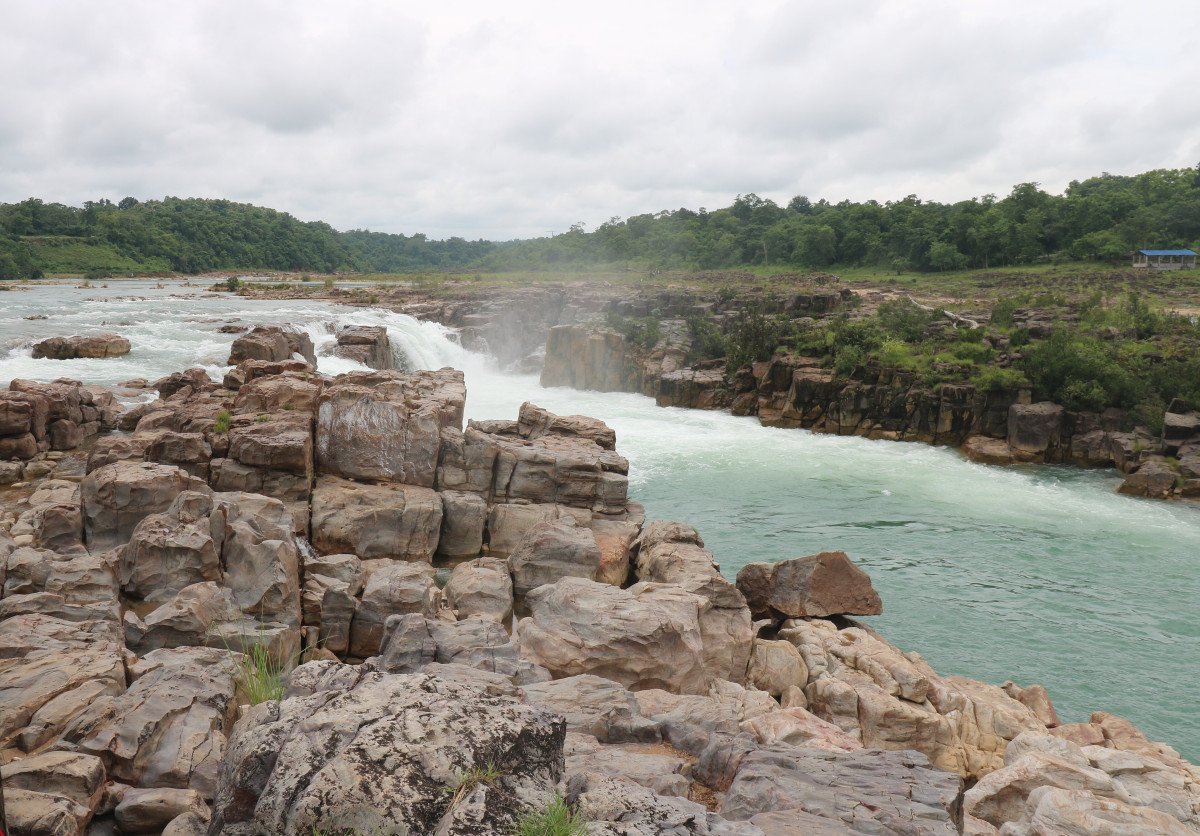
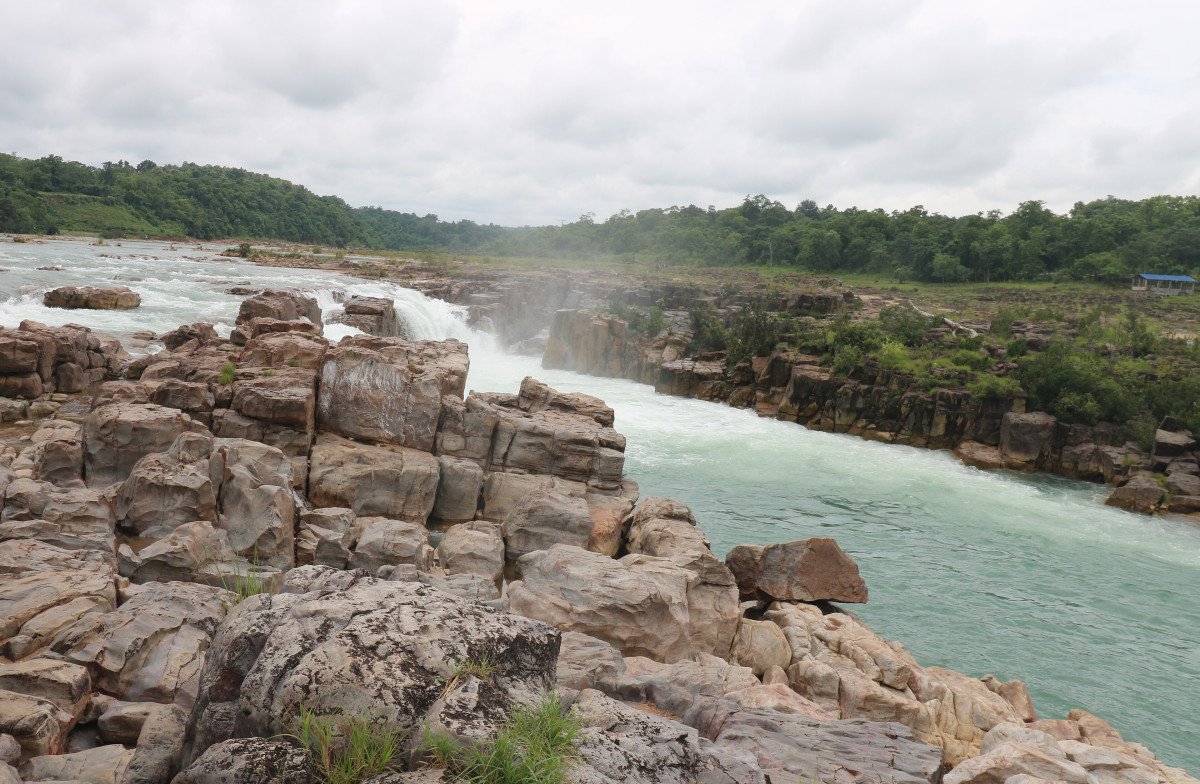
The Base of the Second Waterfall: This is arguably the best spot. The second fall is often noted as the highest and most photogenic cascade. The natural plunge pool here, with the misty backdrop of the falling water, provides a dramatic and immersive setting for both lands...The Base of the Second Waterfall: This is arguably the best spot. The second fall is often noted as the highest and most photogenic cascade. The natural plunge pool here, with the misty backdrop of the falling water, provides a dramatic and immersive setting for both landscape and portrait photography.
The View from the Natural Rock Bridge: Near the second waterfall, the large, naturally-placed rocks create a high vantage point. This spot offers a fantastic compositional opportunity to capture the water flowing down into the pool with the dense forest canopy forming a lush frame.
The Trekking Trail through the Bamboo Groves: The trail itself, especially where it passes through dense, sunlight-dappled bamboo groves or over wet, mossy rocks, offers exceptional opportunities for atmospheric, wide-angle shots that convey the sense of a deep-jungle expedition.
The Terrace Fields of Samparidisa: Before starting the trek, the terraced rice fields and 'jhum' cultivation patches around Samparidisa village, with the rolling green hills in the background, provide a contrasting and colorful subject. This spot is perfect for capturing the human element and the beautiful agricultural landscape of the area.
The First Cascade's Plunge Pool: The lower and first of the three falls is often the easiest to access and provides a great spot to capture the clear water and the rock formations below. It's an ideal location for detailed, close-up shots of the water flow.Photo Gallery
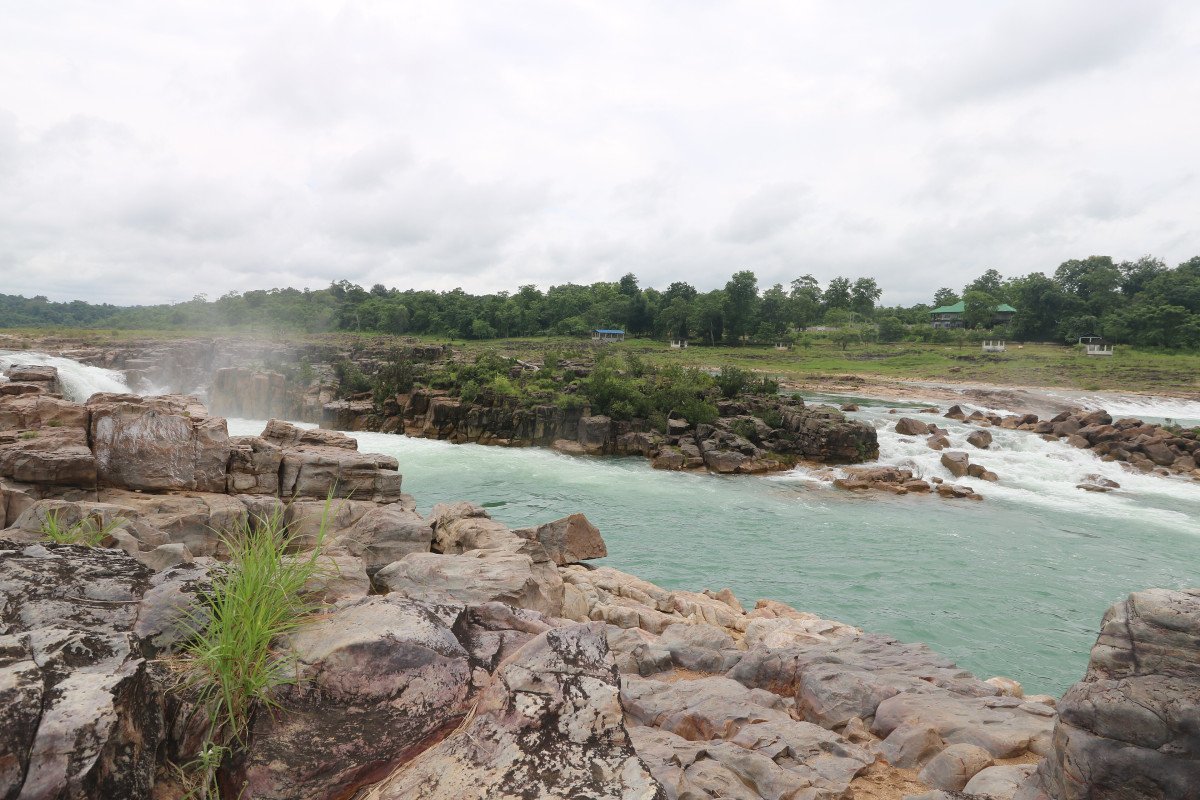
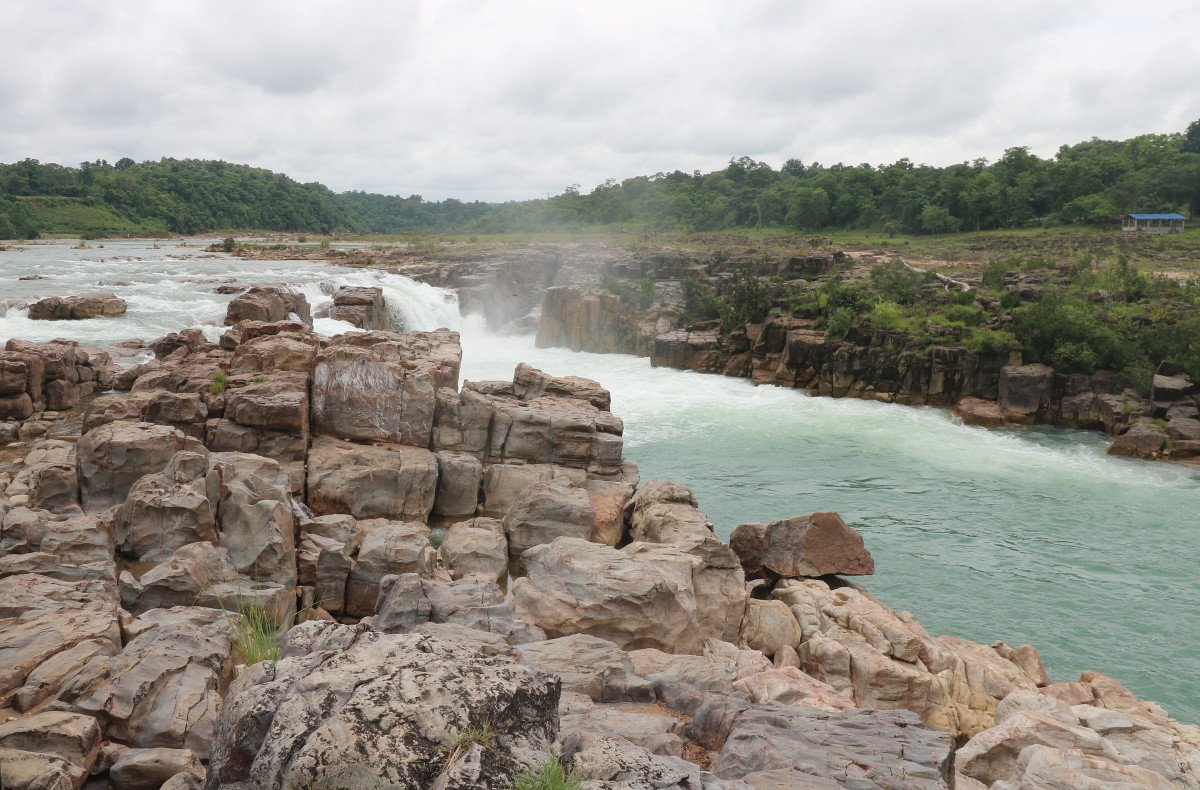
Things To Do
-
Intense Trekking and Hiking: This is the primary activity. The challenging 3-5 KMS trek from Samparidisa village is a rewarding experience, taking you through thick jungle, across streams, and up hilly paths. It is an excellent activity for building endurance and immersing yourself in the wilderness. Wear appropriate gear and always hire a local guide.
Photography of the Triple Waterfalls: Capture the spectacular three-tiered cascades from various angles. The moist, lush environment provides brilliant colors, and the gushing water creates beautiful long-exposure photo opportunities. Focus on capturing the scale of the forest and the clear water pools.
Guided Nature Walks and Bird-Watching: The dense forests are home to diverse avian life and are perfect for nature walks. With a local guide,...Intense Trekking and Hiking: This is the primary activity. The challenging 3-5 KMS trek from Samparidisa village is a rewarding experience, taking you through thick jungle, across streams, and up hilly paths. It is an excellent activity for building endurance and immersing yourself in the wilderness. Wear appropriate gear and always hire a local guide.
Photography of the Triple Waterfalls: Capture the spectacular three-tiered cascades from various angles. The moist, lush environment provides brilliant colors, and the gushing water creates beautiful long-exposure photo opportunities. Focus on capturing the scale of the forest and the clear water pools.
Guided Nature Walks and Bird-Watching: The dense forests are home to diverse avian life and are perfect for nature walks. With a local guide, you can spot endemic species and learn about the indigenous plants, including various medicinal herbs and orchids. Keep an eye out for larger mammals in the early morning or late afternoon.
Wilderness Picnicking and Relaxation: Once you reach the falls, the natural pools provide a perfect spot to relax and have a packed picnic lunch (remember to carry all trash back). The cool mist from the falls and the sound of the cascading water offer a serene atmosphere for a peaceful break after the strenuous trek.
Engaging with the Local Dimasa Culture: Spend time in Samparidisa village before or after your trek. Interact with the friendly local Dimasa community, learn about their customs, and perhaps try some authentic local cuisine or the famous rice wine, Judima.
Swimming in Natural Pools (Seasonal): In the natural pools formed at the base of the waterfalls, you can take a refreshing dip, especially during the hotter months or if the water flow is safe. Always check with your guide regarding the water current and depth before entering.
Landscape and Macro Photography: Beyond the grand waterfalls, the trek offers countless subjects for macro photography—colorful insects, unique forest mushrooms, moss-covered rocks, and different types of orchids and ferns thriving in the humid, shaded environment.
Information
-
Why Famous:
The Triple Cascade Wonder: Bendao Baglai is famous because it is not just one waterfall but a series of three magnificent, consecutive cascades nestled in the pristine wilderness of Dima Hasao. This triple-fall structure is relatively rare and presents a visually stunning s...The Triple Cascade Wonder: Bendao Baglai is famous because it is not just one waterfall but a series of three magnificent, consecutive cascades nestled in the pristine wilderness of Dima Hasao. This triple-fall structure is relatively rare and presents a visually stunning sight, especially during the peak flow season. The distinct tiers offer varied photographic opportunities and a sense of progression for trekkers as they discover each fall.
An Adventurer's Test of Endurance: The intense and challenging 3 to 5 KMS trek from Samparidisa village through dense forest and rugged hilly terrain is a primary reason for its fame among adventure tourists. It is known as a place where one's physical fitness and love for the outdoors are truly tested. The difficult journey makes the ultimate reward—the sight of the gushing falls—all the more satisfying.
The Legend of the Two Sisters: The poignant local legend tied to its Dimasa name, 'Bendao' (two sisters) 'Baglai' (to jump down), gives the place a compelling cultural and historical narrative. This story adds a layer of mystique and emotional depth, transforming the waterfalls from a mere natural site into a place of folklore and local heritage, often shared by local guides with visitors. -
Architecture:
A Natural Multi-Tiered Cascade System: The "architecture" of the Bendao Baglai Waterfalls is entirely natural, sculpted over millennia by the erosive power of water on the hilly terrain of the Hadingma hills. It is not a single fall but a magnificent triple-waterfall system...A Natural Multi-Tiered Cascade System: The "architecture" of the Bendao Baglai Waterfalls is entirely natural, sculpted over millennia by the erosive power of water on the hilly terrain of the Hadingma hills. It is not a single fall but a magnificent triple-waterfall system, where the water flows in a stepped fashion down the rock face. The sheer scale and complexity of the falls create a breathtaking natural structure. The falls are characterized by clear, cool water plunging from significant heights into natural pools (plunge pools) below, one feeding into the next. The surrounding structure is composed of various rock formations and dense, moist deciduous forest. The falls are subject to significant variation in water flow, being a trickle during the dry season and a powerful torrent during the monsoon. The trek path, which is also a natural feature, is an integral part of the experience, traversing diverse terrain, including steep ascents and descents. The natural setting features rich biodiversity, with the slopes covered in thick, green flora, including bamboo and various local trees, forming a natural, living canopy that shelters the cascades.
Dimensions and Heights: Exact, measured dimensions for each of the three cascades are difficult to ascertain and may vary depending on the season and water volume. However, the triple-falls are noted for their considerable height. The second waterfall, in particular, has been described in some local accounts as one of the highest and most beautiful among the three, suggesting a substantial vertical drop, possibly in the range of several hundred feet across the multiple tiers. The entire trek covers an approximate distance of 6-10 KMS (round trip from Samparidisa village) through the forest, indicating a large area covered by this natural spectacle. The width of the cascades and the size of the natural pools at the base are dynamic, heavily dependent on the season. The total vertical drop across the entire system, while unmeasured, contributes to the area's designation as a major adventure tourism spot. -
How To Reach:
By Air: The nearest major airport is Silchar Airport (IXS), which is approximately 100-120 KMS away from Haflong. From Silchar Airport, one can hire a pre-paid taxi or a private cab to reach Haflong. The drive takes around 3-4 hours. Alternatively, the Guwahati Internatio...By Air: The nearest major airport is Silchar Airport (IXS), which is approximately 100-120 KMS away from Haflong. From Silchar Airport, one can hire a pre-paid taxi or a private cab to reach Haflong. The drive takes around 3-4 hours. Alternatively, the Guwahati International Airport (GAU) is a major hub, but it is much farther, about 350 KMS from Haflong. From Guwahati, you can opt for a train or a direct long-distance taxi/bus to Haflong.
By Train: The nearest major railway station is Haflong Hill Railway Station (station code: HFG). This station is well-connected by meter-gauge railway line (though conversion to broad-gauge is ongoing/complete on parts of the route) with Guwahati and Silchar. Trains like the Silchar-Guwahati Express are a popular option. The train journey, particularly from Guwahati to Haflong, is considered one of the most scenic in India, passing through numerous tunnels and picturesque hills. From the Haflong Hill Railway Station, you will need to hire a local cab or auto-rickshaw to get to Samparidisa village.
By Road: Haflong is connected by road to major cities in Assam and the North East. National Highway NH-27 connects the region. Buses (State-run and private) and shared taxis (like Tata Sumos) run regularly from Guwahati and Silchar to Haflong. The journey from Guwahati takes approximately 6-8 hours, depending on road conditions. The drive is scenic but can be winding and challenging in parts. From Haflong town, the 13-18 KMS journey to Samparidisa village can be done by reserving a local auto-rickshaw or a local cab/private vehicle. By Local Transport (From Haflong to the Waterfalls): From Haflong town center (specifically Lower Haflong), you can hire a reserved auto-rickshaw or a local taxi (like a Tata Sumo) to reach Samparidisa village. The village is about 13-18 KMS away, and the road condition can be poor. Once you reach Samparidisa village, the final stage is a compulsory 3-5 KMS intense trek through the forest to the waterfalls. You must hire a local guide from the village's Eco-Tourism Society for this trek. -
Weather and Best Time to Visit:
By Different Seasons:
Monsoon/Post-Monsoon (July to October): This is the Best Time to Visit if you want to witness the waterfalls at their absolute fullest and most magnificent, gushing with high volume. The landscape is intensely lush gree...By Different Seasons:
Monsoon/Post-Monsoon (July to October): This is the Best Time to Visit if you want to witness the waterfalls at their absolute fullest and most magnificent, gushing with high volume. The landscape is intensely lush green. However, the trekking trail is extremely challenging, slippery, and muddy, requiring extra caution.
Winter (November to February): This is the Ideal Time for Trekking. The weather is cool and pleasant (temperatures ranging from 10°C to 24°C), making the strenuous hike much more comfortable. The waterfalls will have a reduced flow compared to the monsoon but are still beautiful, and the skies are generally clear.
Summer (March to June): The weather can be warm to hot, and the waterfalls' flow is often at its minimum, especially in April and May. This is the Least Recommended Time unless you are seeking a less challenging trek and don't mind a reduced water flow.
By Different Parts of the Day: Early Morning (8:00 AM - 10:00 AM) The best time to start the trek. The air is cool, and the forest is quieter, increasing the chances of spotting wildlife. The lower light creates a mystical, hazy atmosphere perfect for dramatic landscape photos of the trail. Midday (11:00 AM - 2:00 PM) The best time to be at the waterfalls themselves. The sunlight is high, often penetrating the canopy to illuminate the cascades and pools, offering excellent conditions for photography and swimming/relaxing. Late Afternoon (2:00 PM - 4:00 PM) The time to begin the return trek. The light starts to soften, creating warm tones on the rock faces and forest floor, providing opportunities for scenic silhouette shots. -
Near Tourist Places:
Haflong Lake: 15-18 KMS (Approx. 1 hour drive from Samparidisa)
Jatinga Bird Watching Centre: 18-22 KMS (Approx. 1. 5 hour drive from Samparidisa)
Maibang Stone House and Temple Ruins: 55 KMS (Approx. 2. 5 hours drive from Samparidisa)
Panimur Waterfalls: 80-90 KMS (Approx. 4 hours drive from Samparidisa)
Borail Wildlife Sanctuary (Entry Point): Varies, nearest points are around 50-60 KMS (Approx. 2. 5-3 hours drive from Samparidisa)
Orchid Garden, Haflong: 15 KMS (Approx. 1 hour drive from Samparidisa)
Thuruk (View Point): 20 KMS (Approx. 1. 5 hours drive from Samparidisa)
Lankai Waterfalls: 25-30 KMS (Approx. 2 hours drive from Samparidisa)
Tumjang Peak Trek Base: 30-35 KMS (Approx. 2 hours drive from Samparidisa)
Ethnic Village (Near Jatinga): 18-22 KMS (Approx. 1. 5 hour drive from Samparidisa)
Tourism Tips
-
Health & Safety:
Mandatory Local Guide: Always hire a local guide from the Samparidisa Eco-Tourism Society before starting the trek. The trail is unmarked, rough, and you risk getting lost or encountering hazards.
Read MoreHealth & Safety:
Mandatory Local Guide: Always hire a local guide from the Samparidisa Eco-Tourism Society before starting the trek. The trail is unmarked, rough, and you risk getting lost or encountering hazards.
Physical Fitness: The trek is intense and challenging, requiring a good level of physical fitness. It is not recommended for individuals with heart conditions, severe joint/back problems, or young children.
First Aid Kit: Carry a basic personal first aid kit including antiseptic wipes, pain relievers, blister treatment, and mosquito repellent. Leeches can be an issue during the monsoon, so carry salt or a specialized spray.
Packing:
Appropriate Footwear: Wear sturdy, waterproof, and high-grip trekking shoes or boots. The path is wet, slippery, and uneven.
Layered Clothing: Pack light, quick-drying clothes and one warm layer, as the temperature can drop in the jungle, and you'll sweat a lot during the hike. A light rain jacket is advisable year-round.
Food and Water: Carry enough bottled water (at least 2 liters per person) and high-energy snacks or a packed lunch. There are no shops or facilities past Samparidisa village.
Accommodation:
In Haflong: The best accommodation options (hotels, guesthouses, Circuit House) are available in Haflong town. It is the most convenient base for the trip.
Homestay in Samparidisa: Consider staying at a local homestay in Samparidisa village for a more authentic cultural experience and to get an early start for the trek. Book in advance.
Other Different Topics:
Leave No Trace: The area is a protected natural site. Carry back all your trash (including plastic bottles, wrappers, and food waste). Do not litter under any circumstances.
Respect Local Culture: Samparidisa is a Swachh (Clean) village. Be respectful of the Dimasa people's customs and traditions. Ask for permission before taking photos of the villagers.
Travel Insurance: It is highly advisable to have comprehensive travel insurance that covers trekking and remote location emergencies.Reviews
FAQs
Haflong Itineray And Cost:-
Bendao Baglai Waterfalls Tourism:-
Information about New and Updated Locations() of Assam Has Been Added :-
Card subtitle
Note:-
Information provided here in good Faith and for reference only.
Near Places
Barail Range Forest
Some quick example text to build on the card title and make up the bulk of the card's content.
Go somewhere
Bendao Baglai Waterfalls
Some quick example text to build on the card title and make up the bulk of the card's content.
Go somewhere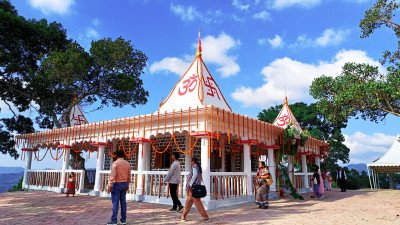
Devi Mandir View Point
Some quick example text to build on the card title and make up the bulk of the card's content.
Go somewhere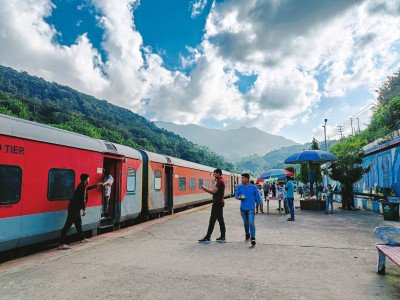
Dima Hasao Town
Some quick example text to build on the card title and make up the bulk of the card's content.
Go somewhere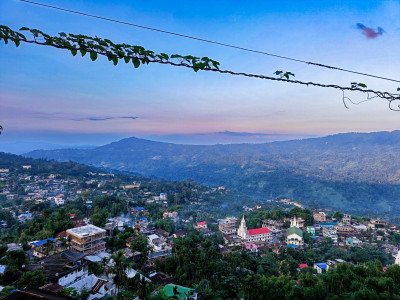
Dima Hasao View Point
Some quick example text to build on the card title and make up the bulk of the card's content.
Go somewhere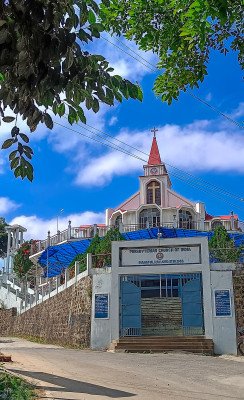
Fiangpui Presbyterian Church
Some quick example text to build on the card title and make up the bulk of the card's content.
Go somewhere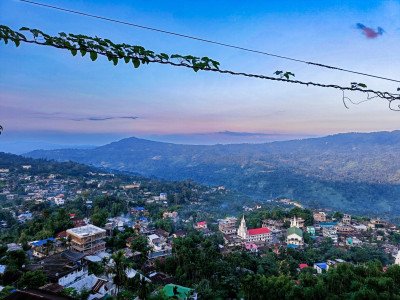
Full Town View
Some quick example text to build on the card title and make up the bulk of the card's content.
Go somewhere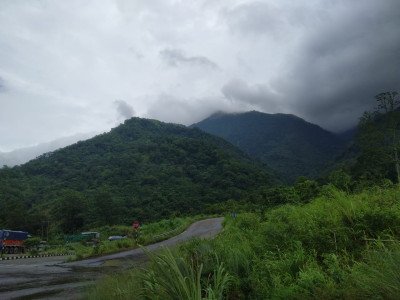
Haflong Hill
Some quick example text to build on the card title and make up the bulk of the card's content.
Go somewhere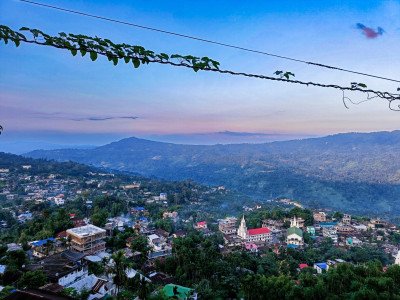
Haflong Hill View Point
Some quick example text to build on the card title and make up the bulk of the card's content.
Go somewhere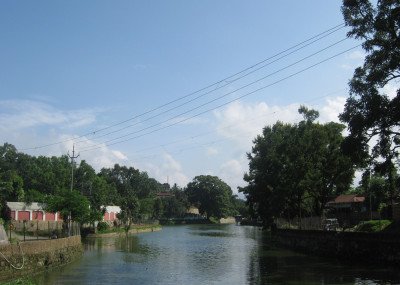
Haflong Lake
Some quick example text to build on the card title and make up the bulk of the card's content.
Go somewhere
Jatinga Bird Watching Tower and Samparidisa Village
Some quick example text to build on the card title and make up the bulk of the card's content.
Go somewhere
Jatinga Bird Watching Tower
Some quick example text to build on the card title and make up the bulk of the card's content.
Go somewhere
Jatinga Village
Some quick example text to build on the card title and make up the bulk of the card's content.
Go somewhere
Maibong
Some quick example text to build on the card title and make up the bulk of the card's content.
Go somewhere
Majangdzi Hading
Some quick example text to build on the card title and make up the bulk of the card's content.
Go somewhere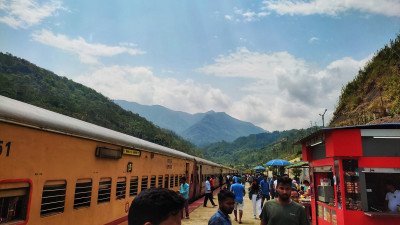
New Haflong Railway Station
Some quick example text to build on the card title and make up the bulk of the card's content.
Go somewherein Other Cities