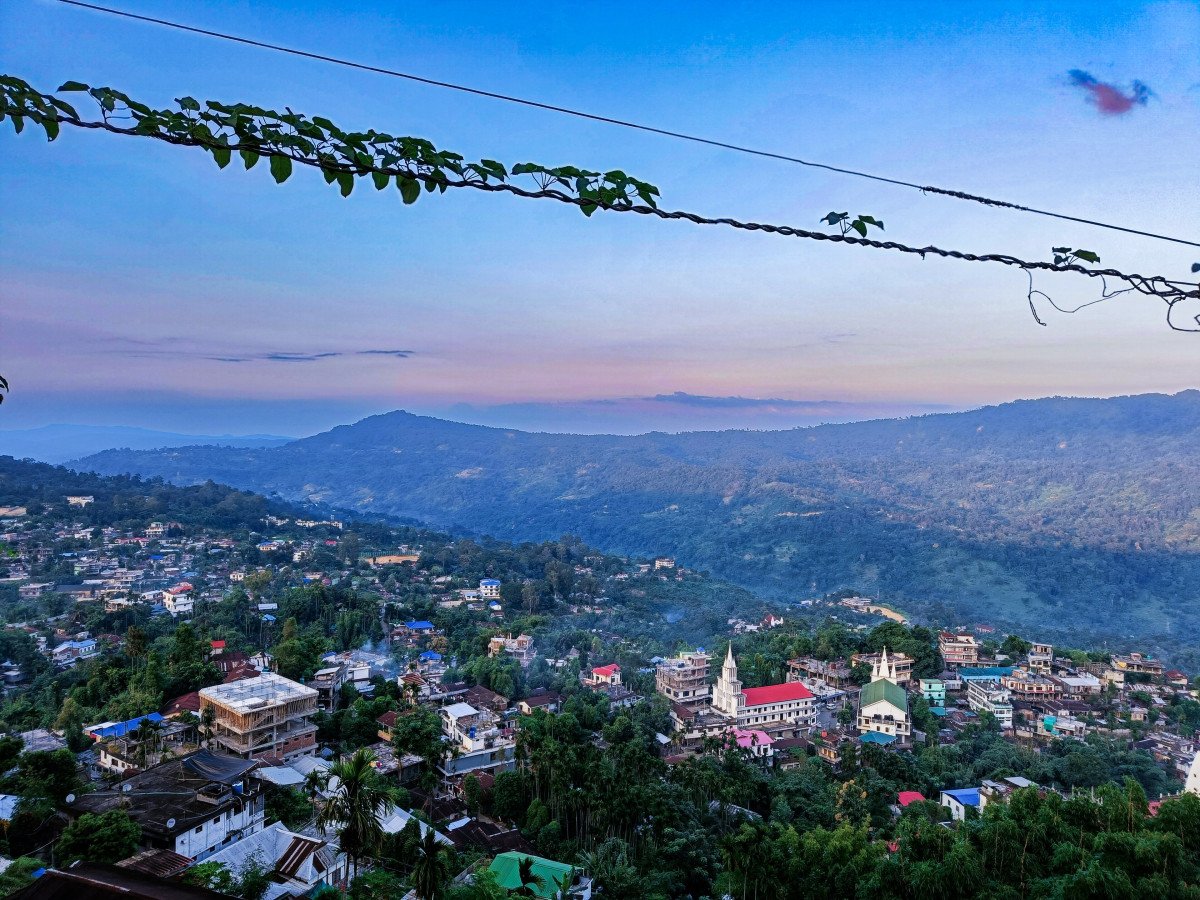
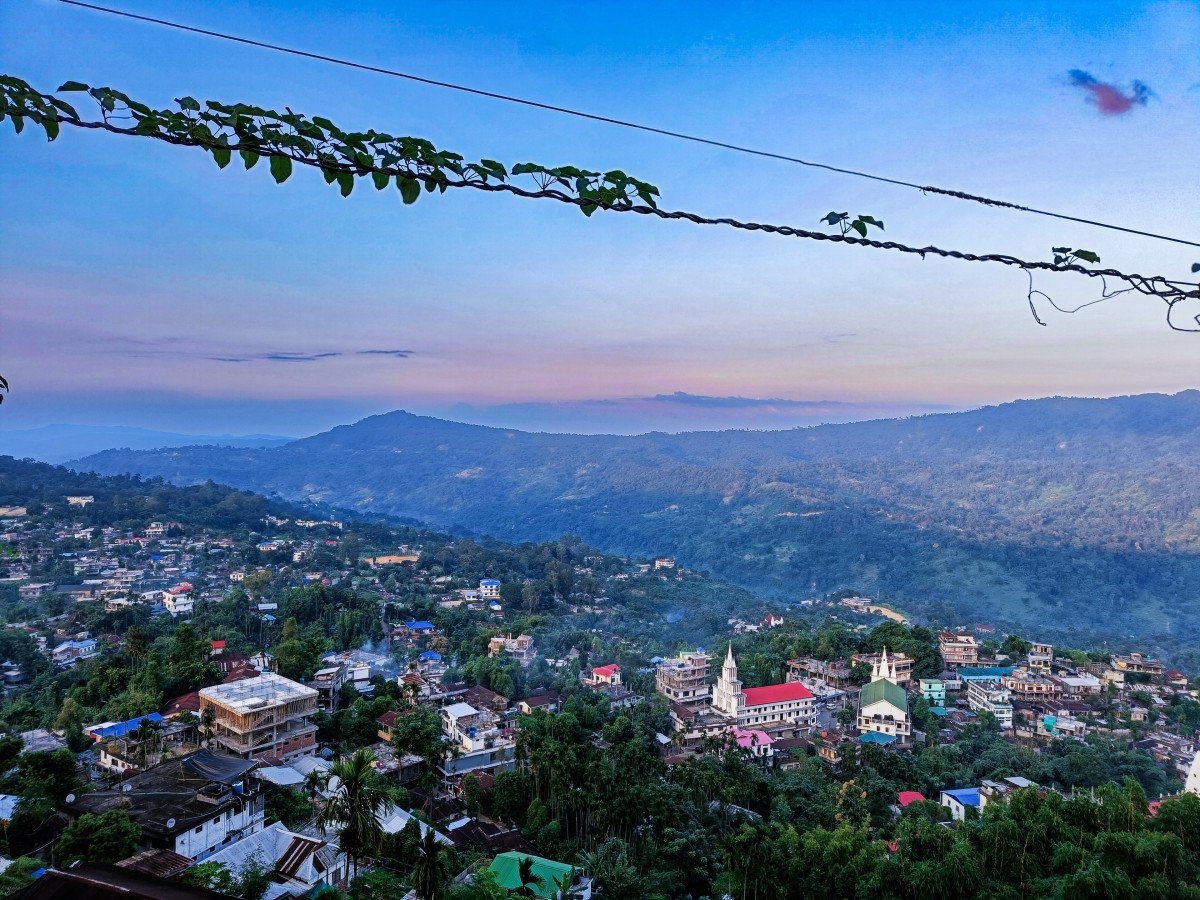
Haflong Hill View Point
General information
-
Ideal Duration:
1 to 2 Hours (This allows enough time for enjoying the panoramic view, taking photos, and relaxing in the peaceful atmosphere without rushing. )Place Type:
Natural Viewpoint / Hilltop ParkEntry Fees:
A Truly Open and Free Experience: (At least )The Haflong Hill View Point is an attraction maintained by local authorities and is primarily a natural, open-air public space. As such, there are no official entry fees or ticket charges for visitors to access the main viewing p...A Truly Open and Free Experience: (At least )The Haflong Hill View Point is an attraction maintained by local authorities and is primarily a natural, open-air public space. As such, there are no official entry fees or ticket charges for visitors to access the main viewing platform or the surrounding public areas. This makes it an extremely budget-friendly and accessible destination for all types of travelers, from solo backpackers to large families. The freedom from a ticketing process ensures a relaxed and spontaneous visit is possible at any time of day. While there is no entry fee, visitors should be aware that charges might apply for vehicular parking, especially during peak seasons or busy weekends, which is a small, nominal fee collected by local operators. Furthermore, if you choose to hire a local guide or engage a dedicated local transport operator to drive you up and down the hill, their service charges would be your only expenditure. The lack of an entrance fee underscores the viewpoint’s role as a communal place for enjoying the state’s natural heritage, welcoming everyone to witness the beauty of Assam's only hill station without financial burden.Timing:
Regular Timings: The Haflong Hill View Point, being an open natural space, does not have fixed, guarded entry and exit timings like a museum or a park with gates. The viewpoint is essentially open to the public 24 hours a day, 7 days a week. However, the period between Sun...Regular Timings: The Haflong Hill View Point, being an open natural space, does not have fixed, guarded entry and exit timings like a museum or a park with gates. The viewpoint is essentially open to the public 24 hours a day, 7 days a week. However, the period between Sunrise (around 5:00 AM/5:30 AM) and Sunset (around 4:30 PM/5:00 PM) is considered the practical window for visits. During the dark hours, there is minimal to no artificial lighting on the trails and roads, which necessitates caution. If you plan a night visit for stargazing, ensure you have reliable transport and a strong flashlight.
Ideal Visit Time: The absolute ideal time to visit is during the early morning hours, specifically 30 minutes before sunrise. This time allows you to witness the magnificent natural spectacle of the sun cresting the Borail Range. The air is clearest, and the chances of seeing the valleys shrouded in a mesmerizing sea of mist are highest during this pre-dawn and early morning window. This is the time when the light is soft, perfect for photography, and the environment is at its most tranquil. The late afternoon, about an hour before sunset, is the second-best time, as the sun casts long, dramatic shadows and paints the sky in vivid colors, offering a perfect end to the day's sightseeing.Special Events:
Celebrating Chavang Kut Festival: (At least )While the Haflong Hill View Point does not host year-round commercial events, its significance peaks during major regional cultural celebrations, most notably the Chavang Kut Festival. This is an annual harvest festival celebrate...Celebrating Chavang Kut Festival: (At least )While the Haflong Hill View Point does not host year-round commercial events, its significance peaks during major regional cultural celebrations, most notably the Chavang Kut Festival. This is an annual harvest festival celebrated by the Kuki-Chin-Mizo groups of the Northeast, which includes the Kuki community residing in and around Haflong. The festival typically takes place in the first week of November. Although the main cultural events and performances are generally held in a larger field or community center in the town, the viewpoint acts as a symbolic, celebratory spot. Visitors flock to the viewpoint on the day of Kut to offer simple prayers or express gratitude to nature for the bountiful harvest. The celebratory atmosphere from the town below is palpable even from the top of the hill. The most special "event" is the dramatic early morning gathering of people during the festive season to watch the sunrise, symbolizing a new beginning and a good harvest. The view is transformed by the presence of locals in their vibrant traditional attire, making a trip during November a unique, culturally rich experience that ties the natural beauty of the viewpoint to the living heritage of the Dima Hasao district's people.Best Photo Spots:
Capturing the Majestic Panorama: (At least )
The Main Viewing Deck Parapet: The most obvious, yet most rewarding, photo spot is right at the low concrete/metal parapet of the main viewing platform. This is where you get the ultimate, wide-ang...Capturing the Majestic Panorama: (At least )
The Main Viewing Deck Parapet: The most obvious, yet most rewarding, photo spot is right at the low concrete/metal parapet of the main viewing platform. This is where you get the ultimate, wide-angle shot of the entire valley.
Tip for best photo: Frame your shot to include the gently curved railing in the foreground to give a sense of depth and perspective, leading the viewer's eye toward the massive mountain ranges in the background. The best time for this shot is mid-morning (9:00 AM to 11:00 AM) when the sun is bright enough to clearly illuminate the valley details but hasn't yet reached a harsh, overhead position.
The Lone Pine Tree Spot: Often, there is a distinctively shaped or strategically placed pine or deodar tree near the edges of the viewpoint platform. This is an excellent spot for portrait photography or a "traveler's selfie. "
Tip for best photo: Use the tall, dark-green silhouette of the tree to frame a person in the foreground, with the misty blue hills as a blurred backdrop. This adds a sense of scale and highlights the mountain environment. The best time is during the Golden Hour (sunrise or sunset) for a beautiful, soft rim light on the subject.
The Winding Approach Road Corner: As you drive or walk up to the viewpoint, there is a specific bend in the road just before the final ascent. From this spot, the main Haflong town is partially visible, nestled in the valley, with the higher peaks looming above.
Tip for best photo: Capture the curving road as a leading line, giving the photo a dynamic element. This spot is perfect for an overall composition shot that includes both the urban settlement and the surrounding raw nature. The light after a fresh monsoon shower, with clouds lingering low over the town, is particularly dramatic and picturesque for this location.
The View of Haflong Lake: Focus your camera on the distant, glittering waters of the Haflong Lake. This requires a telephoto or zoom lens.
Tip for best photo: Zoom in to isolate the lake, using the surrounding hills to frame the water. This provides a stunning, close-up look at the central feature of the town, creating a different, intimate feel compared to the wide-angle shots.Photo Gallery
Things To Do
-
Embrace the Majesty of the Landscape: (At least )
Panoramic Sightseeing and View Appreciation: The primary activity at the Haflong Hill View Point is, without a doubt, soaking in the truly magnificent panoramic sight. The viewpoint offers a 360-degree view, encompassing the entire sweep of the Borail Mountain Range, the deep, verdant gorges, and the orderly layout of Haflong town below. Spend at least an hour simply walking around the platform, identifying different landmarks. Look for the glint of the Haflong Lake far beneath you—it's a breathtaking sight that puts the town's geography into perspective. Carry a small pair of binoculars to enhance the experience, allowing you to spot distant waterfalls, remote villages, and specific sections of the winding roads that connect the region. This is a moment to disconnect from te...Embrace the Majesty of the Landscape: (At least )
Panoramic Sightseeing and View Appreciation: The primary activity at the Haflong Hill View Point is, without a doubt, soaking in the truly magnificent panoramic sight. The viewpoint offers a 360-degree view, encompassing the entire sweep of the Borail Mountain Range, the deep, verdant gorges, and the orderly layout of Haflong town below. Spend at least an hour simply walking around the platform, identifying different landmarks. Look for the glint of the Haflong Lake far beneath you—it's a breathtaking sight that puts the town's geography into perspective. Carry a small pair of binoculars to enhance the experience, allowing you to spot distant waterfalls, remote villages, and specific sections of the winding roads that connect the region. This is a moment to disconnect from technology and reconnect with the quiet grandeur of the Assam hills. The sheer scale of the view from this vantage point is a powerful reminder of nature's majesty.
Sunrise and Sunset Photography Expedition: The viewpoint is most stunning during the "Golden Hours" of the day. Plan a trip early enough to catch the spectacular sunrise, particularly between October and March. The sun rising over the distant, mist-shrouded peaks is a sight that transforms the grey morning into a canvas of gold, pink, and orange. Similarly, the sunset is a magical time, with the town lights starting to flicker below as the sky deepens into rich hues. For photographers, this means preparing your equipment (tripod, wide-angle lens) in advance. Amateur photographers will find the constantly changing light and shadow play perfect for stunning holiday snaps. Capturing the long shadows cast by the hills as the sun dips below the horizon is a popular and rewarding endeavor here.
Nature Walks and Short Trekking: The area around the viewpoint is rich with walking trails that snake through the dense forest cover. While the main peak is easily accessible, exploring the adjacent, less-traveled paths offers a chance for a refreshing nature walk. These short treks are usually easy to moderate, perfect for a couple of hours of light exercise. Listen to the sounds of the forest, which is often full of the chirping of various birds and the rustling of leaves. The air here is clean and fragrant with the scent of pine and mountain flora, making the walk a therapeutic experience. Always stick to marked trails and wear comfortable walking shoes. The pathways also offer slightly different perspectives of the valley below, showcasing hidden clearings and rock formations.
Picnicking and Leisure Time: The cool climate and the tranquil setting make the viewpoint an ideal spot for a leisurely picnic. Many local families and tourists bring their own snacks and enjoy a simple meal amidst the scenic beauty. There are often designated resting spots, benches, or small, grassy areas perfect for spreading out a blanket. Spend time reading a book, meditating, or simply chatting with your travel companions, using the silence of the hills as a relaxing backdrop. Remember to bring a bag for all your trash to help keep this beautiful natural spot clean and pristine for all future visitors. Haflong being a quiet town, finding a secluded corner to enjoy a peaceful picnic is usually quite easy.
Bird Watching (Avian Exploration): The forests of the Borail Range are home to a diverse array of bird life. Dedicated bird watchers should carry a field guide and a telephoto lens or powerful binoculars. The high altitude of the viewpoint can sometimes bring you closer to certain species that inhabit the upper reaches of the forest canopy. While not as famous as the nearby Jatinga Bird Mystery spot, the area offers a chance to spot local and migratory species, especially during the colder months when bird activity is high. Be patient and quiet, and you might be rewarded with sightings of colorful hill birds.
Star Gazing and Night Sky Observation: Because Haflong is far re
Information
-
Why Famous:
The Apex of Assam's Only Hill Station: Haflong Hill View Point is famous because it is located in Haflong, the singular and proud hill station of the state of Assam. This designation makes the viewpoint a symbolic and geographical highlight, drawing visitors who want to exp...The Apex of Assam's Only Hill Station: Haflong Hill View Point is famous because it is located in Haflong, the singular and proud hill station of the state of Assam. This designation makes the viewpoint a symbolic and geographical highlight, drawing visitors who want to experience the unique topography and cool climate of this region, which stands in stark contrast to the often hot and humid plains of Assam.
Unmatched Panoramic Vistas: Its primary fame comes from the truly breathtaking and extensive panoramic views it offers. From the peak, one can see the magnificent Borail Mountain Range stretching into the horizon, the deep valleys covered in a carpet of thick, emerald-green forest, and the entire layout of Haflong town. The view of the crescent-shaped Haflong Lake from this height is particularly stunning and is a favorite subject for photographers and nature enthusiasts.
A Photographer’s Delight: The viewpoint is celebrated as the best photo spot in the region. The changing light during sunrise and sunset paints the sky in spectacular colors—from soft pinks and oranges to deep purples—creating a perfect backdrop for photography. Mist often settles in the valleys during the early morning hours, adding an ethereal, magical quality to the landscape. The combination of the high altitude, the dense foliage, and the distant mountain peaks provides endless opportunities for landscape, nature, and portrait photography.
Gateway to Local Culture and Peace: While primarily a natural attraction, its fame is also tied to the peaceful, uncrowded nature of Haflong. It acts as a serene space away from the small bustle of the town below. Furthermore, its proximity to tribal settlements means it is implicitly linked to the rich cultural tapestry of the Dimasa and other local tribes, adding an element of cultural curiosity to its natural appeal. -
Architecture:
The architecture of the Haflong Hill View Point itself is characterized by its functional, vernacular design aimed at maximizing the view and providing essential visitor facilities, rather than elaborate historical structures. The viewpoint has been developed primarily as a public space to safely a...The architecture of the Haflong Hill View Point itself is characterized by its functional, vernacular design aimed at maximizing the view and providing essential visitor facilities, rather than elaborate historical structures. The viewpoint has been developed primarily as a public space to safely and comfortably enjoy the vista.
Viewing Platform Structure: The core of the viewpoint is a raised platform or a small, paved terrace. This structure is typically made of local materials like stone and concrete, designed to withstand the region's climatic conditions. It generally features a low, safe parapet or railing, often constructed from wood or simple metalwork, which ensures the safety of visitors while maintaining an unobstructed line of sight. The platform area is usually modest in size, perhaps ranging from 20 meters in length and 10 meters in width (20m×10m) to accommodate a small crowd without overcrowding.
Shelters and Benches: Dotted around the area are simple, often rustic, seating arrangements and small shelters or gazebos. These rest points provide shade and a place for visitors to relax. The shelters often utilize local materials such as bamboo or timber for the roof and support, giving them an authentic, hilly-region architectural aesthetic. A typical gazebo might be circular or hexagonal, with a diameter of about 4 to 6 meters (4m to 6m), offering protection from sudden rain or strong sun.
Access Pathway Design: The path leading up to or around the view point is a crucial part of the site's architecture. It is usually a series of gentle, winding steps or a smoothly inclined road, reinforced with local cut stone or cobblestones to prevent erosion. This pathway design is sensitive to the natural slope of the hill. The overall architectural style is one of minimal intervention, where the built environment complements the dominant natural landscape, ensuring the focus remains on the breathtaking natural scenery rather than man-made constructions. The minimal design also reflects the peaceful, uncommercialized nature of the hill station. -
How To Reach:
Comprehensive Travel Guide to Haflong: The Haflong Hill View Point is situated just a few kilometers from the main Haflong town center.
By Air: The nearest functional airport is Silchar Airport (IXS), which is approximately 100-110 KMS away f...Comprehensive Travel Guide to Haflong: The Haflong Hill View Point is situated just a few kilometers from the main Haflong town center.
By Air: The nearest functional airport is Silchar Airport (IXS), which is approximately 100-110 KMS away from Haflong. Silchar is well-connected by regular flights to major Indian cities like Guwahati and Kolkata. Upon arrival at Silchar Airport, you have a couple of options: you can hire a private taxi directly to Haflong, which takes around 3. 5 to 4 hours, or you can take a shared taxi to the Silchar bus stand and then board a connecting bus. A more distant but busier alternative is Guwahati's Lokpriya Gopinath Bordoloi International Airport (GAU), about 320 KMS away, requiring a much longer road or train journey to Haflong.
By Train: Haflong is very well-connected by rail, which is often considered the most scenic and a comfortable way to reach the town. The main station serving the town is the New Haflong Railway Station (NHLG). This station is on the newly converted broad-gauge line and is part of a magnificent hill section route. Regular express and passenger trains, including the popular Vistadome coach service (check schedules for days like Saturday and Wednesday), run from Guwahati and other key locations in Assam and the Northeast. The journey from Guwahati to New Haflong is a spectacular visual treat, passing through hills, tunnels, and deep gorges. Once you arrive at New Haflong Station, the town center is about 6-7 KMS away, and you can easily find local taxis or auto-rickshaws to take you there.
By Road: Haflong is accessible by road via National Highway 27 and connecting state highways. The road journey is highly scenic but can be long and sometimes challenging due to the hilly terrain and occasional maintenance work. Bus services, both government and private, operate from major cities like Guwahati (320 KMS), Silchar (100 KMS), and Jorhat. A direct bus from Guwahati takes approximately 8 to 10 hours. It is highly recommended to travel during the daytime, as the views are incredible, and visibility is better on the winding hill roads. Private taxis can be hired from any of these cities for a more personalized and comfortable journey.
By Local Transport (To the Viewpoint): Once in Haflong town, the viewpoint is easily reached. It's a short journey of 3 to 4 KMS from the center, such as near Haflong Lake. You can hire a local auto-rickshaw or a taxi (usually a specific point-to-point rate is fixed). Many tourists also choose to walk from the town center; the path is an uphill, scenic hike that takes about 45 minutes to an hour and provides good exercise and a chance to enjoy the local atmosphere up close. Ensure you negotiate the fare with the auto-rickshaw driver before starting the journey. -
Weather and Best Time to Visit:
Optimizing Your Hill Station Experience:
By Season:
The Winter and Pre-Summer Window: The best time to visit the Haflong Hill View Point is during the dry, cool months of October to April.
Read MoreOptimizing Your Hill Station Experience:
By Season:
The Winter and Pre-Summer Window: The best time to visit the Haflong Hill View Point is during the dry, cool months of October to April.
Winter Season (November to February): This is the peak tourist season. The weather is dry, cool, and crisp, with temperatures ranging from 10°C to 24°C. The skies are typically clear, offering the most unobstructed, sharp views of the distant Borail Range. The cold weather is invigorating, making trekking and outdoor activities highly enjoyable. This is the absolute best time for photography, especially during sunrise and sunset, and for bird watching.
Spring/Pre-Monsoon (March to April): The weather starts to warm up, but it remains very pleasant. The temperature rises slightly (15°C to 28°C), and the air is fragrant with blooming flowers. The views are still clear, and the atmosphere is less crowded than in the peak winter months.
Monsoon Season (May to September): This period brings heavy rainfall. The views can be obscured by thick clouds, mist, and fog. While the landscape is lusher, travel can be difficult due to landslides and slippery roads. It is generally advised to avoid a visit during these months unless you enjoy heavy rain and cloud-covered views.
By Part of the Day:
Golden Hours Dominance:
Sunrise (The Absolute Best Time): As detailed, the period 30 minutes before and 30 minutes after sunrise is unparalleled. The light is soft, the air is the freshest, and the misty valley views create a magical, serene experience. This is a must-do for any visitor.
Morning (Post-Sunrise to Noon): This is a great time for a leisurely visit. The sun is up, providing clear, bright views for sightseeing and general photography. Afternoon (Noon to 4:00 PM) The light can be harsh, and the heat (especially in March and April) can make the experience less comfortable. If you visit now, plan for a short stop.
Sunset (Second Best Time): The hour before sunset is also spectacular. The changing colors and the sight of the valley and town lights coming on provide a romantic and beautiful atmosphere for couples and evening photographers.Near Tourist Places:
Haflong Lake: 3. 5 KMS (Central town attraction, popular for boating and strolls)
Haflong Town View (Muolpong View Point): 2. 5 KMS (Another excellent spot for town and valley views)
Jatinga Bird Watching Point: 8 - 9 KMS (Famous for the unexplained "bird suicide" phenomenon during September to November)
Fiangpui Church View Point: 5-6 KMS (Known for its baroque-style church and fantastic views)
Maibang / Maibong: 47 KMS (Historical capital of the Dimasa Kachari Kingdom, famous for the Ramchandi Temple and ancient ruins)
Ethic Village / Cultural Center: 4-5 KMS (Showcases the various tribal cultures of the Dima Hasao district)
Panimoor Falls (Kopili River): 50 KMS (A beautiful waterfall where the Kopili River cascades, a great day trip)
New Haflong Railway Station: 6-7 KMS (A picturesque, modern railway station known for its scenic views)
Orchid Garden Haflong: 5 KMS (A haven for nature lovers, featuring a variety of orchid species)
Lungleibuing Newme: 3-4 KMS (A nearby locality that offers peaceful walking trails and views)Tourism Tips
-
Health & Safety:
Carry Appropriate Clothing: Even if visiting during the day, the altitude means temperatures can drop quickly, especially during winter and in the early morning. Always carry a light jacket, sweater, or shawl.Health & Safety:
Carry Appropriate Clothing: Even if visiting during the day, the altitude means temperatures can drop quickly, especially during winter and in the early morning. Always carry a light jacket, sweater, or shawl.
Comfortable Footwear: Wear comfortable, sturdy walking shoes, particularly if you plan on hiking up the hill or exploring the surrounding walking trails, which can be uneven or slippery.
Hydration and Sun Protection: Though it's a hill station, the sun's rays are stronger at altitude. Carry a refillable water bottle to stay hydrated and use sunscreen, sunglasses, and a hat.
Be Mindful of Wildlife: While not a dense jungle, the area is surrounded by forest. Stick to established paths and avoid wandering too deep into the woods, especially at dusk.
Keep Locals in Mind: Be respectful of the privacy and customs of the local communities, particularly the Dimasa and other tribes living in the vicinity of the hill.
Packing Essentials:
Camera Gear: This location is a photographer's dream. Pack your camera, extra batteries, and a small tripod (for time-lapses or low-light shots). A telephoto lens can be useful for distant valley shots.
Small First-Aid Kit: Include basics like pain relievers, band-aids, antiseptic cream, and any personal medication.
Cash: While the main town has ATMs, local transport and small vendors near the viewpoint might only accept cash. Carry smaller denominations.
Rain Gear (Seasonal): If visiting between May and September, a compact umbrella or a light rain jacket is essential.
Accommodation Advice:
Stay in Haflong Town: The best strategy is to book accommodation in the main Haflong town, which offers a range of options from basic guesthouses and homestays to government-run tourist lodges.
Homestays for Culture: Consider staying at a local homestay, as many are managed by Dimasa families. This offers a unique chance to experience local culture, taste authentic local cuisine (especially Judima rice wine), and gain insights into the region.
Book in Advance: During the peak season (October to February), it is highly advisable to book your accommodation several weeks in advance, especially if you seek the more comfortable or highly-rated options.
Other Different Topics Heading:
Respecting the Environment: Haflong is an ecologically sensitive area. Do not litter. Carry a trash bag for all your waste and dispose of it properly back in the town.
Local Transport Negotiation: When hiring an auto-rickshaw or taxi to the viewpoint, always confirm the fare before you start the ride to avoid any confusion or disputes upon arrival.
Try Local Cuisine: Don't miss the opportunity to try the unique indigenous cuisine of the Dimasa and other tribes in Haflong. Look for restaurants serving authentic local dishes or try the local rice wine called Judima.
Check Weather Conditions: Due to the hilly terrain, weather can change quickly. Check the forecast before planning your day trip to the viewpoint, especially for a sunrise or sunset visit.
Reviews
FAQs
Haflong Itineray And Cost:-
Haflong Hill View Point Tourism:-
Information about New and Updated Locations() of Assam Has Been Added :-
Card subtitle
Note:-
Information provided here in good Faith and for reference only.
Near Places
Barail Range Forest
Some quick example text to build on the card title and make up the bulk of the card's content.
Go somewhere
Bendao Baglai Waterfalls
Some quick example text to build on the card title and make up the bulk of the card's content.
Go somewhere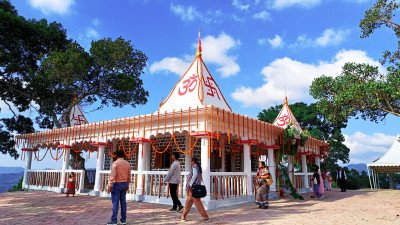
Devi Mandir View Point
Some quick example text to build on the card title and make up the bulk of the card's content.
Go somewhere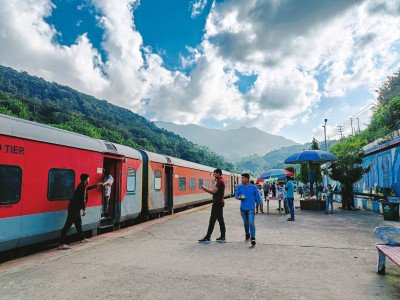
Dima Hasao Town
Some quick example text to build on the card title and make up the bulk of the card's content.
Go somewhere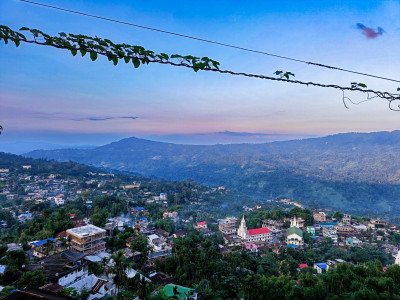
Dima Hasao View Point
Some quick example text to build on the card title and make up the bulk of the card's content.
Go somewhere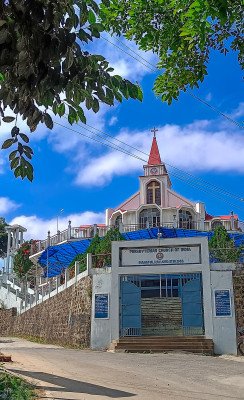
Fiangpui Presbyterian Church
Some quick example text to build on the card title and make up the bulk of the card's content.
Go somewhere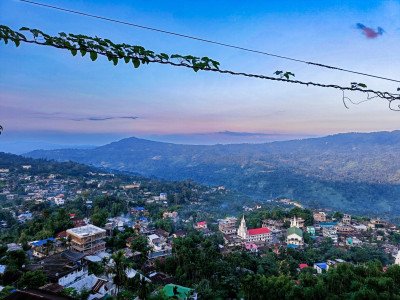
Full Town View
Some quick example text to build on the card title and make up the bulk of the card's content.
Go somewhere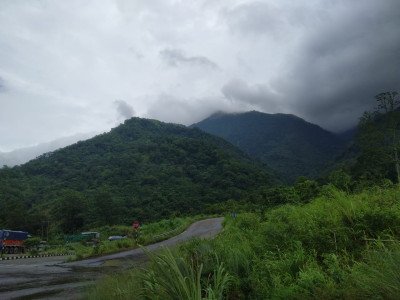
Haflong Hill
Some quick example text to build on the card title and make up the bulk of the card's content.
Go somewhere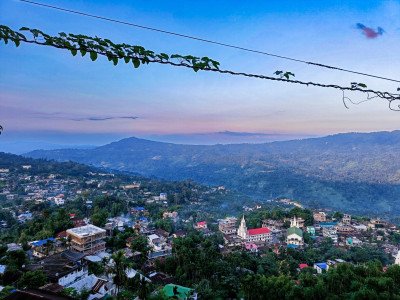
Haflong Hill View Point
Some quick example text to build on the card title and make up the bulk of the card's content.
Go somewhere
Haflong Lake
Some quick example text to build on the card title and make up the bulk of the card's content.
Go somewhere
Jatinga Bird Watching Tower and Samparidisa Village
Some quick example text to build on the card title and make up the bulk of the card's content.
Go somewhere
Jatinga Bird Watching Tower
Some quick example text to build on the card title and make up the bulk of the card's content.
Go somewhere
Jatinga Village
Some quick example text to build on the card title and make up the bulk of the card's content.
Go somewhere
Maibong
Some quick example text to build on the card title and make up the bulk of the card's content.
Go somewhere
Majangdzi Hading
Some quick example text to build on the card title and make up the bulk of the card's content.
Go somewhere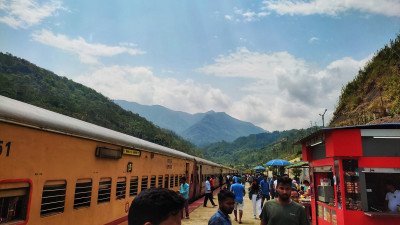
New Haflong Railway Station
Some quick example text to build on the card title and make up the bulk of the card's content.
Go somewherein Other Cities