Dima Hasao View Point
General information
-
Ideal Duration:
1 to 2 hoursPlace Type:
Hill Viewpoint, Natural Landmark, SightseeingEntry Fees:
General Structure of Entry Fees: Entry fees at the Dima Hasao View Point (Boro) are typically very nominal or, in some cases, the entry to the immediate viewing area might be free, especially as it’s a natural public landmark. However, if a dedicated, government-maintaine...General Structure of Entry Fees: Entry fees at the Dima Hasao View Point (Boro) are typically very nominal or, in some cases, the entry to the immediate viewing area might be free, especially as it’s a natural public landmark. However, if a dedicated, government-maintained observation tower or a specific viewing structure has been built, a small fee is generally charged for its upkeep and maintenance. This fee is usually aimed at covering the costs of cleaning, security, and minor repairs to the structure and surrounding pathways.
Estimated Fee: The fee, if applicable, is usually in the range of Rs.10 to Rs.30 per person for Indian nationals. This small amount makes the location highly accessible to all budget travelers.
Parking Charges: A separate, moderate fee is almost always applicable for parking vehicles. This is crucial as the viewpoint is typically reached by private car or local taxi. Parking fees may range from Rs.30 to Rs.50 for two-wheelers and up to Rs.100 for four-wheelers, depending on the duration of stay.
Photography/Videography Fees: Professional photography or videography for commercial purposes might require special permission and incur a higher fee, though casual tourist photography with mobile phones or standard cameras is typically included in the basic entry price. It is always advisable to carry cash in small denominations as digital payment options might be limited at remote locations like this.
Fee Benefits: The collected fee contributes directly to local infrastructure development and tourism promotion in the Dima Hasao district. (215 Words)Timing:
Regular Timings: The Dima Hasao View Point (Boro) is generally an open-air natural attraction and does not have strict opening and closing hours like a museum or park. It is essentially accessible 24 hours a day. However, the functional amenities, such as ticket counters (...Regular Timings: The Dima Hasao View Point (Boro) is generally an open-air natural attraction and does not have strict opening and closing hours like a museum or park. It is essentially accessible 24 hours a day. However, the functional amenities, such as ticket counters (if any), small tea/snack stalls, or any staffed facilities on the site, usually operate from 06:00 AM to 06:00 PM. Visitors can still enter the viewpoint area before and after these times, but with limited services and at their own risk due to lower light conditions.
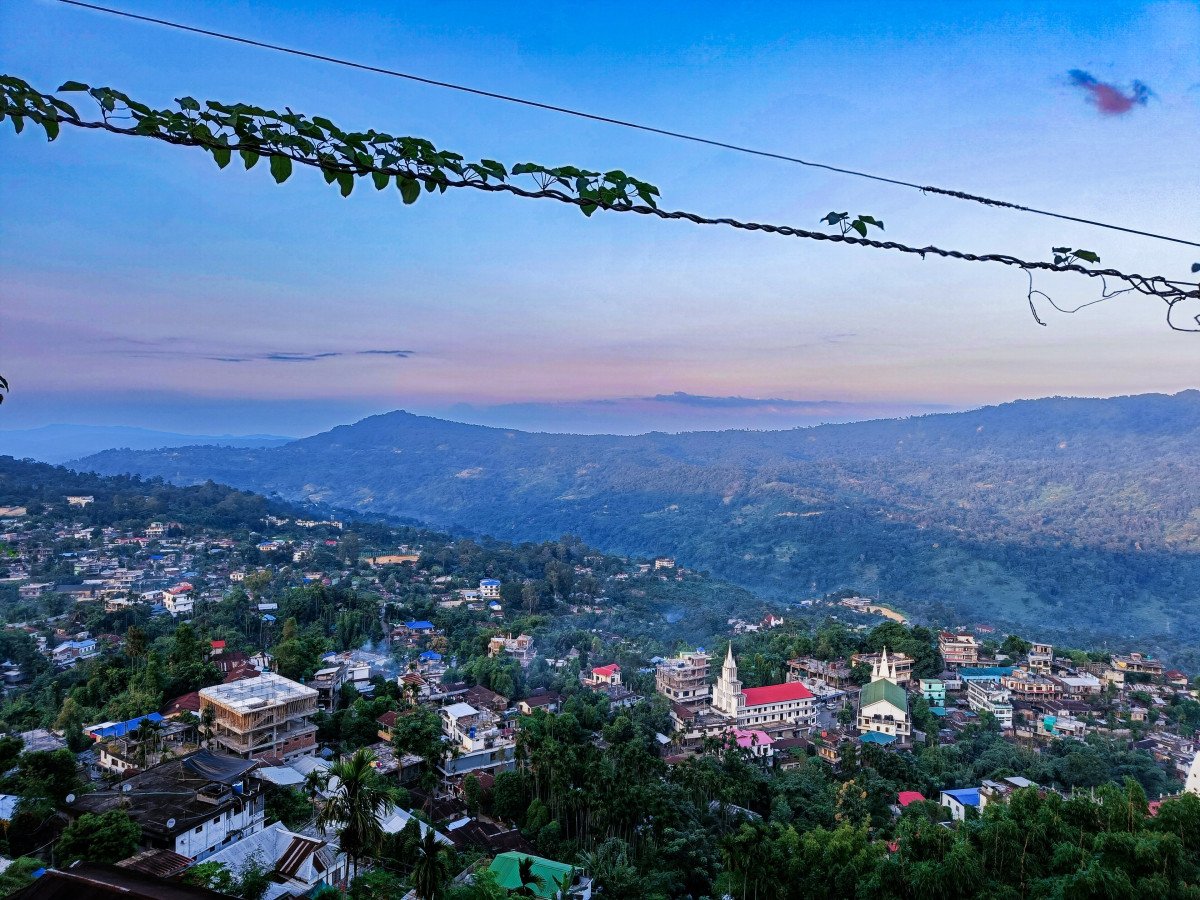
Ideal Visit Time - Morning: The absolute best time for a visit is between 06:00 AM and 09:00 AM. This early slot is perfect for witnessing the spectacular sunrise and for capturing the Haflong valleys draped in morning mist and fog, creating an ethereal atmosphere. The air is the freshest, and the crowd is minimal.
Ideal Visit Time - Afternoon: The period from 03:00 PM to 05:00 PM is the second-best window. The harsh midday sun has softened, offering good lighting for photography, and it allows visitors to stay for the beautiful sunset, typically around 05:00 PM to 05:30 PM, depending on the month.
Safety Consideration: Visiting late at night is generally discouraged due to poor lighting, the presence of wildlife in the distant hills, and the isolated location of the viewpoint. (203 Words)Special Events:
Local Festival Celebrations: While the viewpoint itself may not host large-scale, official festivals, it often serves as an informal gathering spot or a scenic backdrop for local events. For instance, during major Dimasa festivals like Busu Dima (usually celebrated in Janua...Local Festival Celebrations: While the viewpoint itself may not host large-scale, official festivals, it often serves as an informal gathering spot or a scenic backdrop for local events. For instance, during major Dimasa festivals like Busu Dima (usually celebrated in January) or Assamese festivals like Bihu, locals may gather here to enjoy the day, making it a spontaneous place to witness local community spirit and traditional attire.
New Year's Day Gatherings: Being one of the most accessible and picturesque spots near Haflong, the viewpoint sees a significant influx of locals and tourists on New Year's Day (January 1st) and other public holidays. People gather to welcome the new year with a spectacular mountain sunrise. This unofficial event creates a festive atmosphere, with groups sharing food, music, and cheer, offering a unique opportunity to participate in a local tradition.
District Tourism Promotions: Occasionally, the Dima Hasao district administration or local tourism bodies might organize special photo contests, awareness drives, or small cultural shows at or near the viewpoint to promote tourism. These events, though sporadic, are specifically designed to showcase the beauty and cultural richness of the area, featuring local folk dances or music. Keep an eye on local news or tourism portals for announcements, which often occur during the peak season of October to March. (201 Words)Best Photo Spots:
The Main Observation Deck Railing: The most obvious, yet essential, spot is right at the edge of the viewing platform, leaning against the railing. This provides a clear foreground and the vast, sweeping backdrop of the Barail Range. This spot is perfect for panoramic shot...The Main Observation Deck Railing: The most obvious, yet essential, spot is right at the edge of the viewing platform, leaning against the railing. This provides a clear foreground and the vast, sweeping backdrop of the Barail Range. This spot is perfect for panoramic shots and wide-angle landscape photography, especially during the golden hours of sunrise or sunset. Use the railing to frame your shot for depth.
The 'I Love Dima Hasao' Sign: A highly popular photo spot is the area around the large, often colorful, sign (if present) declaring "I Love Dima Hasao" or a similar district slogan. This is the must-have selfie or group photo spot, serving as proof of your visit. Position yourself so the sign is in the foreground and the misty hills are visible in the background for a geographically identifiable memory.
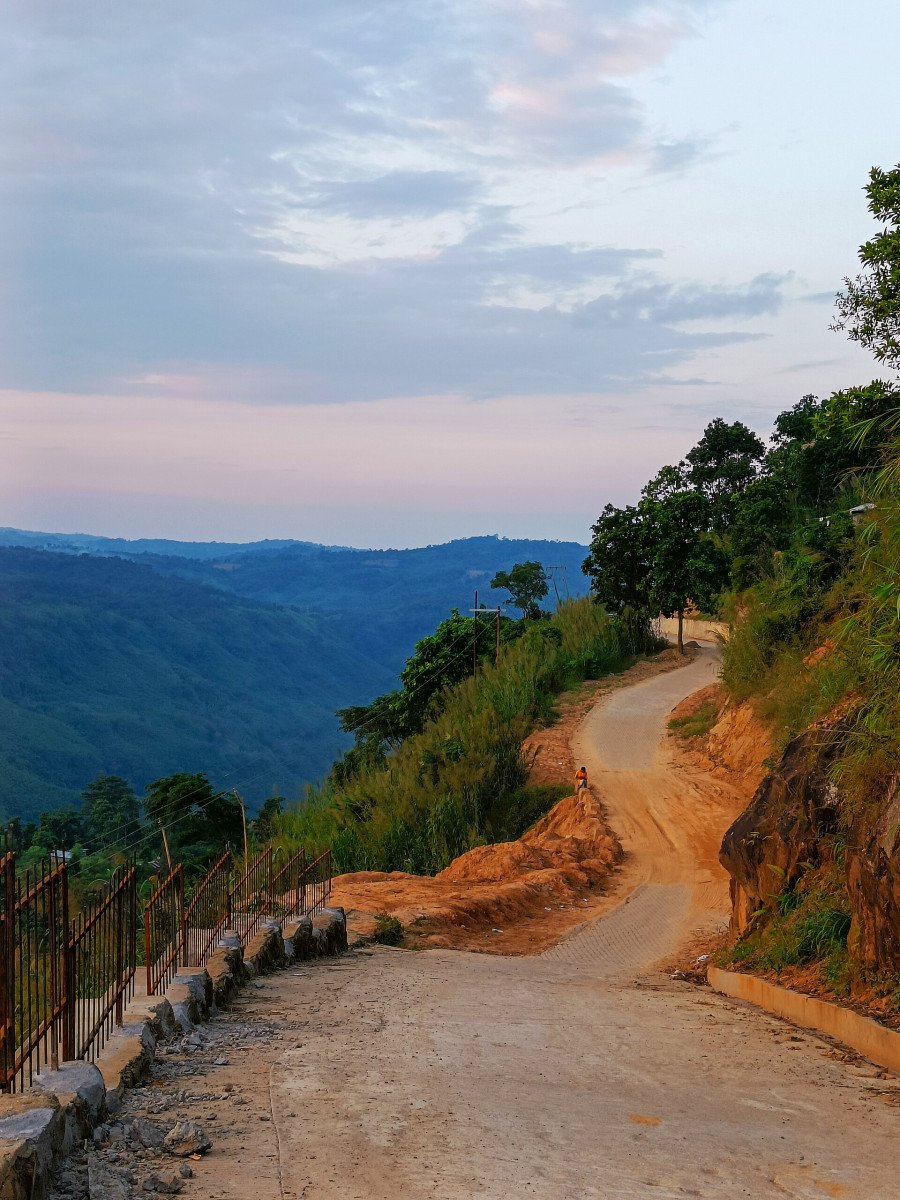
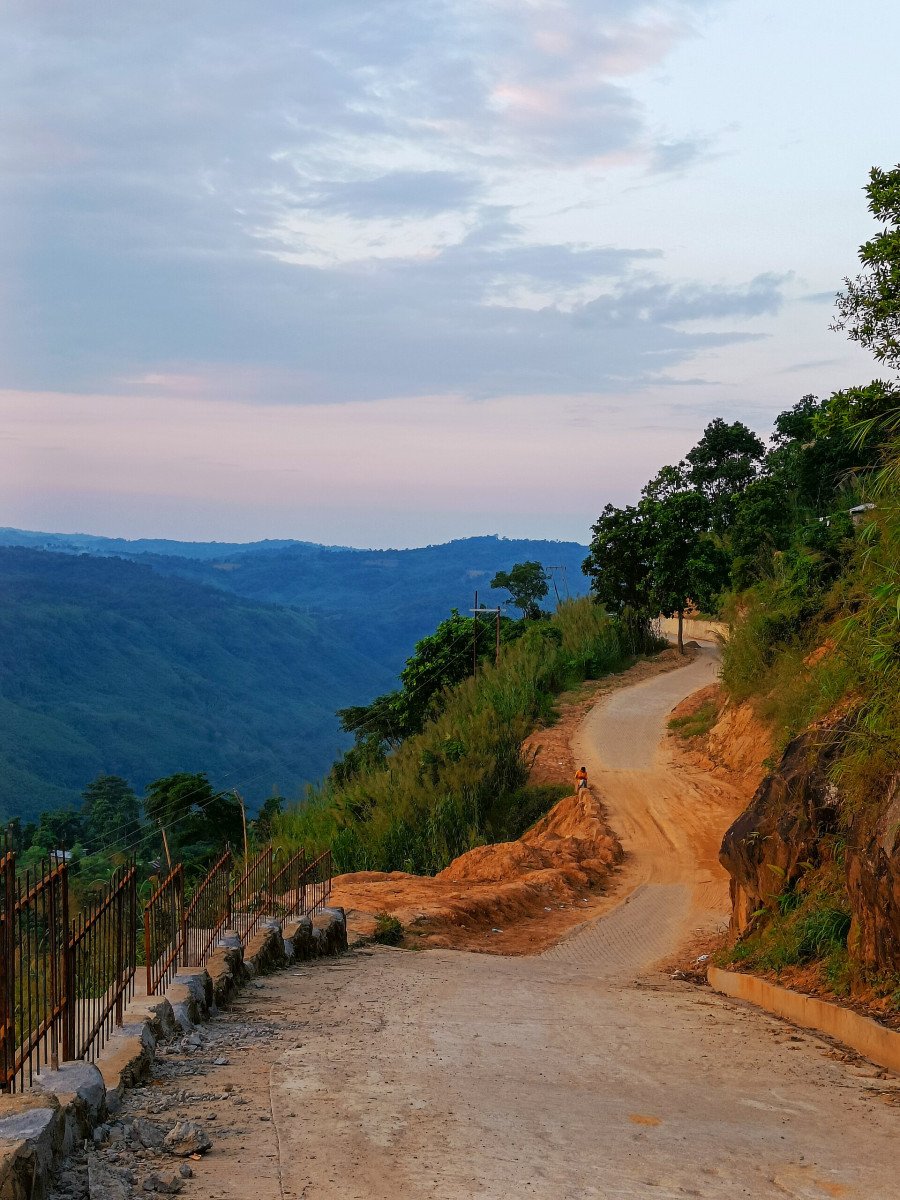
The Winding Road Approach: Just before reaching the viewpoint, the winding hill roads themselves offer fantastic photography opportunities. Capture the serpentine road carving through the dense green hills. This spot works exceptionally well for capturing the journey's feel, especially if you can get a high-angle shot, sometimes possible from a slightly elevated side-path.
Framing with Local Flora: Look for large, blooming trees, unique rock formations, or vibrant patches of flowers (like bougainvillea or other local blossoms) near the deck. Use these natural elements as a frame or foreground interest for your mountain view shots, adding texture, color, and depth to your landscape images.
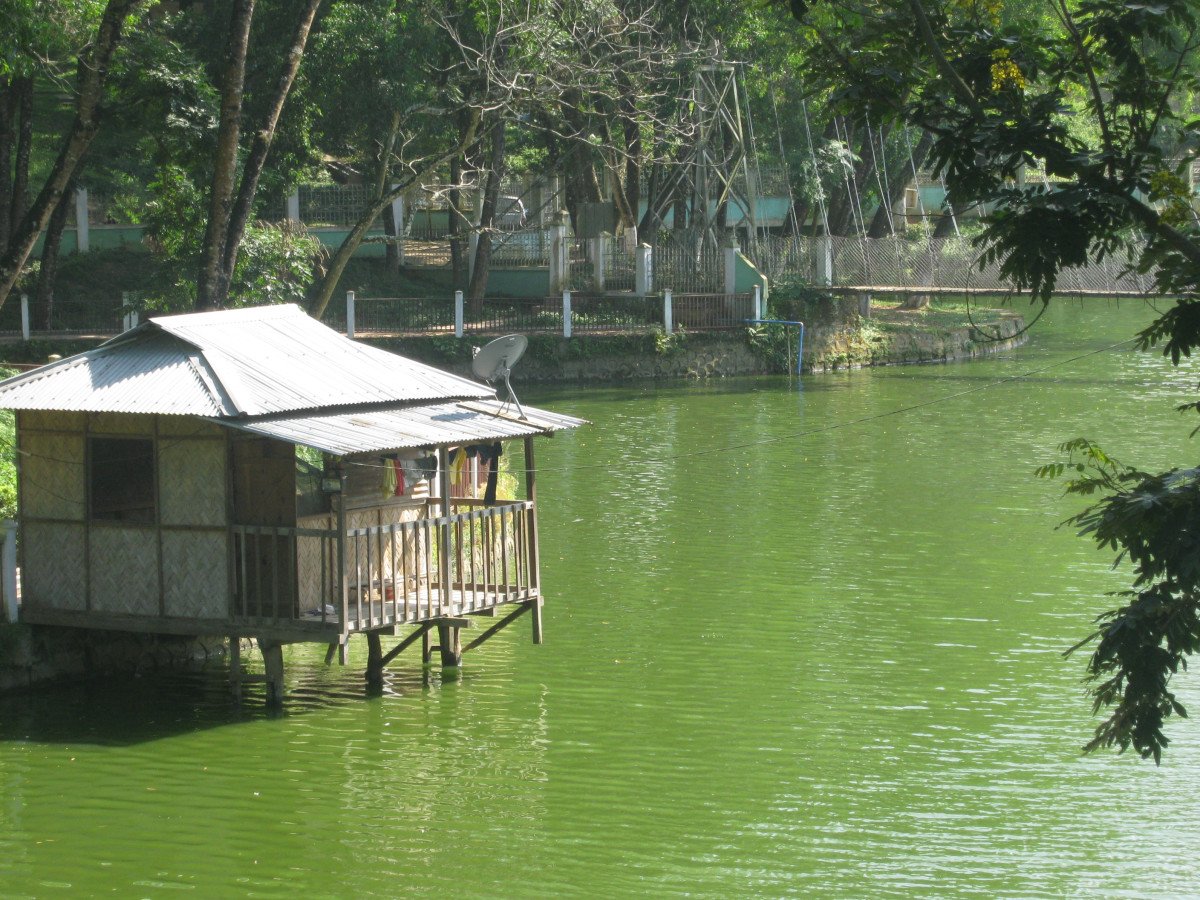
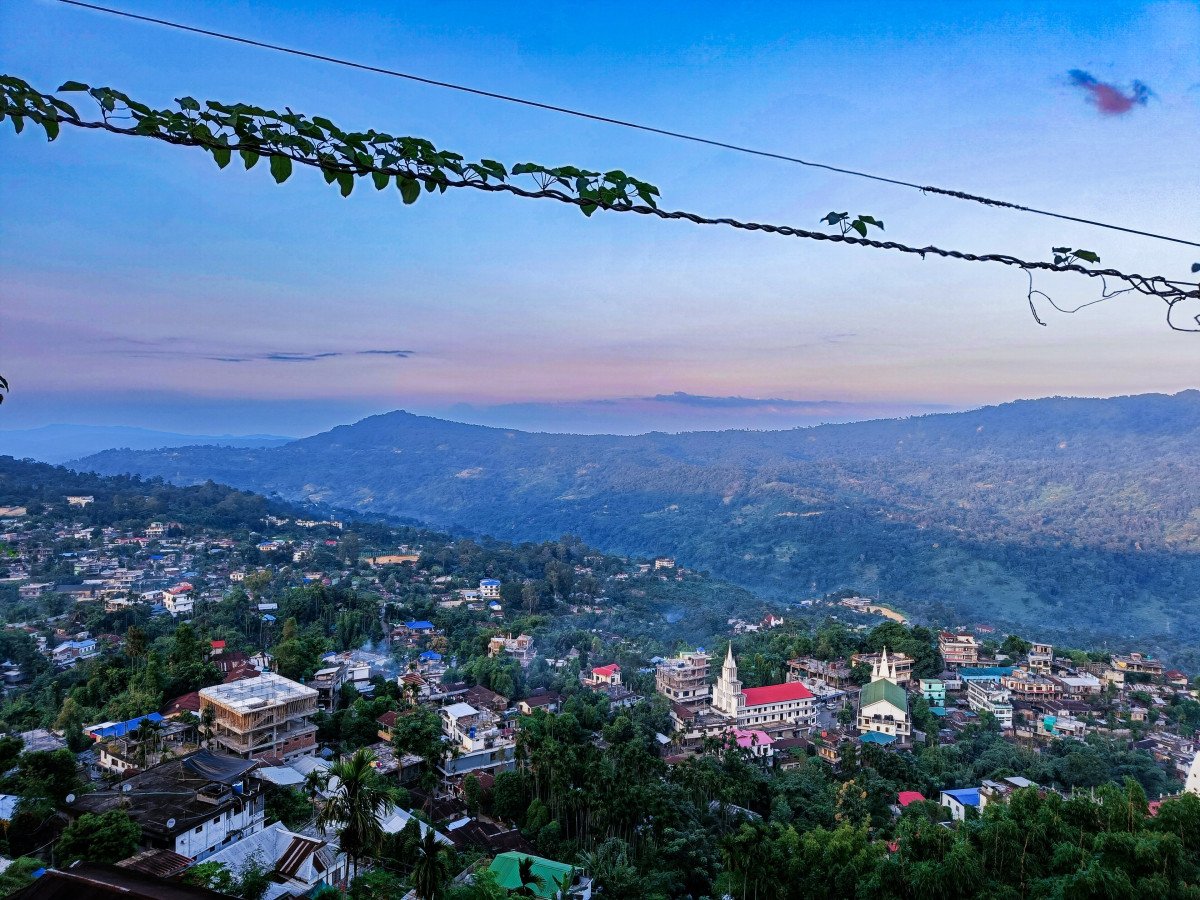
The Distant Village View: On a clear day, zoom in on the distant villages or clusters of houses nestled in the valley. This offers a different kind of photographic narrative, focusing on human life in harmony with the grand scale of nature. The tiny, colorful specks of civilization contrast dramatically with the endless green of the mountains. (306 Words)Photo Gallery
Things To Do
-
Panoramic Photography and Videography: The primary activity is capturing the stunning vistas. Bring a wide-angle lens to encompass the vastness of the Barail hills and the sprawling valley. Experiment with time-lapse photography to record the movement of clouds and mist over the mountains. Early mornings are best for misty landscapes, while late afternoons offer golden hour lighting for dramatic sunsets. Capture the iconic "I Love Dima Hasao" sign as a travel memory.
Enjoying the Sunrise and Sunset: Plan your visit to coincide with either sunrise or sunset. The spectacle of the sun rising over the distant peaks, bathing the valleys in a soft, ethereal light, is an unmissable event. Similarly, watching the sun dip below the horizon, painting the sky in hues of orange, pink, and purple, is a deeply relaxing experience. It’...Panoramic Photography and Videography: The primary activity is capturing the stunning vistas. Bring a wide-angle lens to encompass the vastness of the Barail hills and the sprawling valley. Experiment with time-lapse photography to record the movement of clouds and mist over the mountains. Early mornings are best for misty landscapes, while late afternoons offer golden hour lighting for dramatic sunsets. Capture the iconic "I Love Dima Hasao" sign as a travel memory.
Enjoying the Sunrise and Sunset: Plan your visit to coincide with either sunrise or sunset. The spectacle of the sun rising over the distant peaks, bathing the valleys in a soft, ethereal light, is an unmissable event. Similarly, watching the sun dip below the horizon, painting the sky in hues of orange, pink, and purple, is a deeply relaxing experience. It’s worth the early wake-up call or the late stay.
Leisurely Nature Walk/Short Trek: The road leading up to the viewpoint and the immediate vicinity offers opportunities for short, easy nature walks. This allows you to get closer to the rich flora and fauna of the Dima Hasao region. Breathe in the pure mountain air and enjoy the tranquility away from the main viewing platform. These walks are usually gentle, suitable for most fitness levels, and a great way to stretch your legs.
Bird Watching: The Barail range is a biodiversity hotspot. Bring binoculars and scan the skies and the tree canopy for local and migratory bird species. The peaceful atmosphere of the viewpoint makes it an excellent, elevated spot for observing birds in their natural habitat. Consult a local guide or field book to identify rare species unique to the Northeast.
Picnicking and Relaxing: Pack a light picnic or purchase local snacks and enjoy them at the viewpoint. It's a perfect place to simply sit on a bench, unwind, and soak in the majestic scenery. Use the time for quiet contemplation, reading a book, or engaging in meaningful conversation with your travel companions. The serene backdrop enhances the feeling of relaxation and escape.
Local Interaction and Culture: Engage with any local vendors or residents you encounter. Learning about the local Dimasa culture, their lifestyle, and their relationship with the hills from the people who live here enriches the visit. Ask about local legends associated with the hills or the history of the viewpoint. Try any traditional snacks or beverages being sold.
Self-Reflection and Mindfulness: Use the immense, tranquil setting for a few moments of mindfulness or meditation. The vastness of the landscape encourages a sense of perspective and calm. Simply observing the distant clouds and the silent valleys can be a refreshing mental exercise, offering a pause from the usual rush of travel.
Sketching and Painting: For the artistically inclined, the viewpoint offers an incredible subject. Carry a small sketchpad or a watercolor kit and spend some time capturing the landscape on paper. The light and shadow play on the hills change constantly, providing endless inspiration. (708 Words)
Information
-
Why Famous:
The Only Hill Station Vista: It is famously one of the best locations to appreciate Haflong, which holds the unique distinction of being Assam's only hill station. The spectacular view from the top validates the district's nickname, the "Switzerland of the Northeast," drawi...The Only Hill Station Vista: It is famously one of the best locations to appreciate Haflong, which holds the unique distinction of being Assam's only hill station. The spectacular view from the top validates the district's nickname, the "Switzerland of the Northeast," drawing tourists who are looking for the tranquility and beauty of the mountains. The sheer novelty of finding a vibrant hill station environment in Assam makes this viewpoint a celebrated spot.
Gateway to the Barail Range: The view point provides the most comprehensive and awe-inspiring vista of the Barail Mountain Range, a significant geographical feature in Northeast India. The uninterrupted sight of these majestic, green-covered hills stretching to the horizon is the primary magnet for visitors. It gives one a profound sense of the scale and untouched nature of the landscape.
The 'I Love Dima Hasao' Factor: The presence of a popular installation or sign, sometimes styled like "I Love Dima Hasao" near the viewpoint, has made it instantly recognizable and highly popular on social media platforms. This has significantly boosted its modern-day fame, turning it into a mandatory stop for tourists seeking that iconic photo opportunity and a visible declaration of their visit.
Photography and Sunset Spot: It is renowned among photographers for offering spectacular natural light conditions for capturing the beauty of the hills, particularly during sunrise and sunset, when the mist and clouds play a dramatic role in the sky, making the spot incredibly famous for landscape shots. (215 Words) -
Architecture:
Structure and Observation Deck Design: The Dima Hasao View Point (Boro) is characterized by a simple yet functional architectural design, primarily focused on maximizing the view for visitors. The main feature is typically a multi-storied viewing structure or a raised, stur...Structure and Observation Deck Design: The Dima Hasao View Point (Boro) is characterized by a simple yet functional architectural design, primarily focused on maximizing the view for visitors. The main feature is typically a multi-storied viewing structure or a raised, sturdy platform. This structure is generally built using locally sourced or standard modern construction materials, often incorporating concrete and steel for durability, given the hilly and sometimes wet climate of the region. The design is utilitarian, resembling a tall building or tower with an open terrace at the top, specifically engineered to provide an unobstructed 360-degree panoramic vista. The viewing deck usually features a robust railing for safety.
Integration with the Landscape: The architecture is designed to blend minimally with the surrounding natural environment, rather than being a prominent, elaborate building. The focus is on the function of observation. The base of the structure might incorporate local or rustic elements, sometimes featuring stone or wood accents.
Dimensions and Scale: While exact blueprints are not standardized, the viewing platform is typically positioned at a significant elevation on the hill. The observation tower, if present, is usually high enough—perhaps equivalent to a three-to-four-story building—to clear the immediate tree line and provide a distance perspective. A typical viewing deck might have a footprint of around 10 meters by 10 meters, offering ample space for tourists to move around and find the best angles. The ground floor may house basic amenities like a small ticket counter or a snack shop, as mentioned in some visitor accounts. The overall intent is a vertically oriented structure, designed for height.
Functional Features: Steps or a ramp lead to the main viewing level. The key design aspect is the use of open spaces, allowing air to flow freely and providing clear sightlines without glass encumbrances. The architectural style prioritizes accessibility and safety for all visitors who come to witness the magnificence of the Barail range. (227 Words) -
How To Reach:
By Air: The nearest major airport is Silchar's Kumbhirgram Airport (IXS), approximately 100-120 KMS away from Haflong. From the airport, one must hire a pre-booked taxi or a shared cab to reach Haflong. The drive is scenic but can take 3. 5 to 5 hours, depending on road co...By Air: The nearest major airport is Silchar's Kumbhirgram Airport (IXS), approximately 100-120 KMS away from Haflong. From the airport, one must hire a pre-booked taxi or a shared cab to reach Haflong. The drive is scenic but can take 3. 5 to 5 hours, depending on road conditions. Alternatively, the larger Guwahati International Airport (GAU) is much further, requiring a longer road or train journey to Haflong. Once in Haflong, local transport is needed to reach the viewpoint.
By Train: Haflong is well-connected by the Indian Railways network, especially via the newly constructed broad-gauge line. The closest and most convenient station is New Haflong Railway Station (NHLG), located about 3-5 KMS from Haflong town center. Regular trains, including the scenic Vistadome Tourist Coach, connect Guwahati and other major cities in Assam to New Haflong. The train journey through the Barail hills is an experience in itself, passing through numerous tunnels and bridges. From the station, you can take a local taxi or auto-rickshaw to the main town and then onwards to the viewpoint.
By Road: Haflong is accessible by road from Guwahati (approx. 350 KMS, a 8-10 hour drive) and Silchar (approx. 110-120 KMS, a 3-5 hour drive). State-run buses and private luxury buses ply these routes. The National Highway network (like NH627 and others) connects Haflong to the rest of Assam. The drive is very scenic but can be winding and sometimes challenging due to road conditions, especially during the monsoon season. From the main Haflong town, the viewpoint is about 5 KMS and easily reached by a hired local taxi or auto-rickshaw.
By Local Transport: From the center of Haflong town (near the Haflong Lake or the main market), the viewpoint is reached by:
Auto-rickshaws: Easily available for hire, negotiate the fare beforehand.
Local Taxis/Shared Cabs: Available from the main stands. A dedicated ride is recommended for the viewpoint's slightly isolated location.
Walking/Trekking: For fit visitors, the 5 KMS distance can be covered on foot, taking about 1. 5-2 hours, offering a pleasant, challenging walk. (437 Words) -
Weather and Best Time to Visit:
Seasons - Winter (October to March): This is by far the Best Time to Visit. The weather is cool, pleasant, and dry, with daytime temperatures ranging from 10°C to 25°C. The sky is usually clear, offering the most unobstructed and panoramic views of the Barail Range. The...Seasons - Winter (October to March): This is by far the Best Time to Visit. The weather is cool, pleasant, and dry, with daytime temperatures ranging from 10°C to 25°C. The sky is usually clear, offering the most unobstructed and panoramic views of the Barail Range. The early morning mist is thick and picturesque, making it the ideal time for photography and nature walks. Festivals like Busu Dima often fall within this period.
Seasons - Summer (April to June): The weather is moderately warm and very pleasant, much cooler than the plains of Assam. Temperatures hover between 20°C and 30°C. Visibility remains good, and the vibrant summer flowers are in bloom. It’s a great escape from the heat elsewhere.
Seasons - Monsoon (July to September): The area receives heavy rainfall. While the hills are at their greenest and most dramatic, the continuous rain can restrict movement, cause fog to completely obscure the view, and lead to poor road conditions, including occasional landslides. This is the Least Recommended Time for a dedicated viewpoint visit.
Parts of the Day - Sunrise/Early Morning: As detailed in the timing section, the period from 06:00 AM to 09:00 AM is the most Ideal Time. The atmosphere is tranquil, the light is soft, and the mist adds a magical quality to the landscape.
Parts of the Day - Late Afternoon/Sunset: Visiting around 04:00 PM is also highly recommended to enjoy the changing colors of the sky and the beautiful sunset. The crowd is moderate, and the temperature is comfortable.
Parts of the Day - Midday: The hours between 11:00 AM and 03:00 PM are generally Less Ideal due to the harsh, direct sun and high heat, which can wash out colors in photos and make the climb to the top tiring. (324 Words) -
Near Tourist Places:
Haflong Lake: 4-5 KMS (in the heart of Haflong town)
New Haflong Railway Station (NHLG): 3-5 KMS
Jatinga Village (Bird Suicide Spot): Approx. 12 KMS
Haflong Hill View Point: Approx. 4-5 KMS
Fiangpui Church: Approx. 6-7 KMS
Fiangpui Garden: Approx. 6-7 KMS
Maibang (Historical Dimasa Capital): Approx. 90 KMS
Panimur Waterfalls (Niagara of Assam): Approx. 120-130 KMS
Majangdzi Hading: Approx. 3-4 KMS Samparidisa Village (Trek to Bendao Baiglai Waterfall): Approx. 15-20 KMS
Tourism Tips
-
Health & Safety - Driving/Hiring: If driving, ensure your vehicle is in excellent condition, especially the brakes and tires, as the hill roads are winding and steep. If hiring a taxi, confirm the driver is experienced with mountain driving. Avoid driving at night due to p...Health & Safety - Driving/Hiring: If driving, ensure your vehicle is in excellent condition, especially the brakes and tires, as the hill roads are winding and steep. If hiring a taxi, confirm the driver is experienced with mountain driving. Avoid driving at night due to poor visibility and potential wildlife movement.
Health & Safety - Footwear and Attire: Wear comfortable, sturdy walking shoes with good grip, especially if you plan on walking around the viewpoint area. Carry a light jacket or shawl, even in summer, as the hilltop can be windy and cool, particularly in the mornings and evenings.
Packing - Essentials: Pack essential items like sunscreen, sunglasses, a hat (for sun protection), insect repellent, a water bottle (refillable to be eco-friendly), and a small first-aid kit. A good camera with extra battery and memory is a must for the views.
Packing - Rain Gear: Even outside the core monsoon season, brief showers are possible. Always carry a compact umbrella or a light rain jacket.
Accommodation - Booking: Haflong offers a range of accommodation from basic guesthouses to government-run tourist lodges. It is highly advisable to book your stay well in advance, especially if traveling during the peak tourist season (October to March) or a local festival. Check reviews for comfort and location; staying close to Haflong Lake is often preferred.
Other Different Topics - Respect Local Culture: The Dima Hasao district is home to many indigenous tribes, notably the Dimasa. Be respectful of their customs, traditions, and privacy. Ask for permission before taking photos of people or entering villages. Other Different Topics - Environmental Responsibility: Do not litter. Carry all your plastic and waste back with you to the main town for proper disposal. Help preserve the pristine natural beauty of this region.
Other Different Topics - Cash and Connectivity: Internet and mobile connectivity can be intermittent, especially outside the main town. While some places accept digital payments, always carry sufficient cash for local transport, snacks, and entry fees. ATMs are available only in the main Haflong town. (420 Words)
Reviews
FAQs
Haflong Itineray And Cost:-
Dima Hasao View Point Tourism:-
Information about New and Updated Locations() of Assam Has Been Added :-
Card subtitle
Note:-
Information provided here in good Faith and for reference only.
Near Places
Barail Range Forest
Some quick example text to build on the card title and make up the bulk of the card's content.
Go somewhere
Bendao Baglai Waterfalls
Some quick example text to build on the card title and make up the bulk of the card's content.
Go somewhere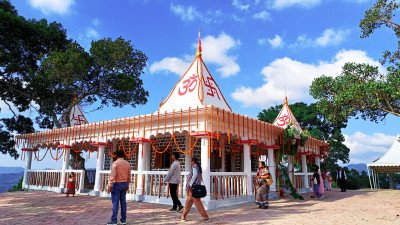
Devi Mandir View Point
Some quick example text to build on the card title and make up the bulk of the card's content.
Go somewhere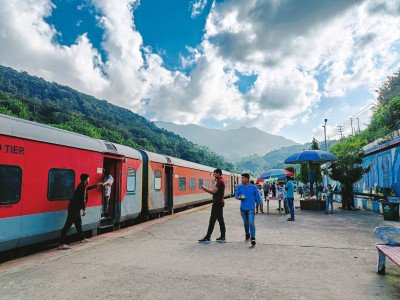
Dima Hasao Town
Some quick example text to build on the card title and make up the bulk of the card's content.
Go somewhere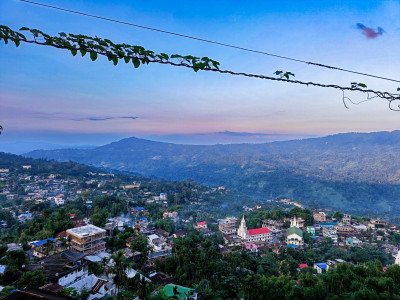
Dima Hasao View Point
Some quick example text to build on the card title and make up the bulk of the card's content.
Go somewhere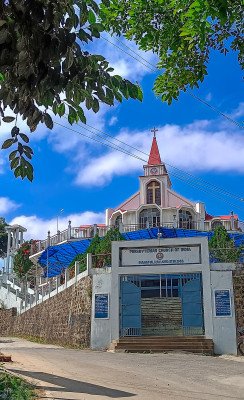
Fiangpui Presbyterian Church
Some quick example text to build on the card title and make up the bulk of the card's content.
Go somewhere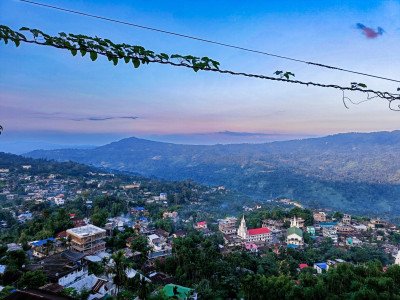
Full Town View
Some quick example text to build on the card title and make up the bulk of the card's content.
Go somewhere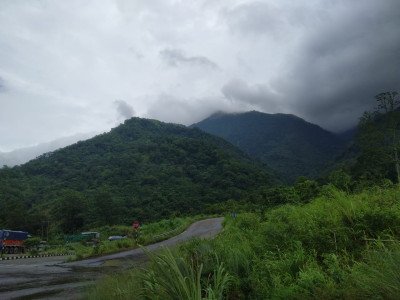
Haflong Hill
Some quick example text to build on the card title and make up the bulk of the card's content.
Go somewhere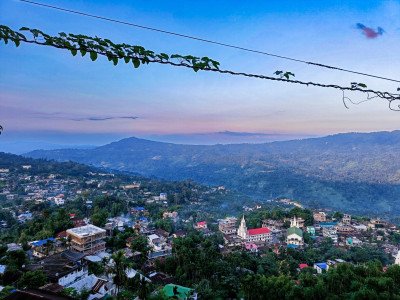
Haflong Hill View Point
Some quick example text to build on the card title and make up the bulk of the card's content.
Go somewhere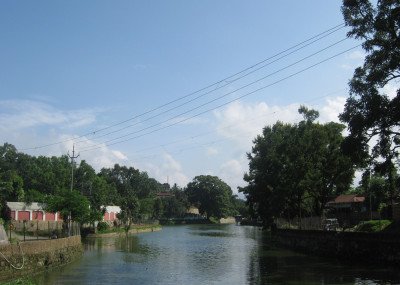
Haflong Lake
Some quick example text to build on the card title and make up the bulk of the card's content.
Go somewhere
Jatinga Bird Watching Tower and Samparidisa Village
Some quick example text to build on the card title and make up the bulk of the card's content.
Go somewhere
Jatinga Bird Watching Tower
Some quick example text to build on the card title and make up the bulk of the card's content.
Go somewhere
Jatinga Village
Some quick example text to build on the card title and make up the bulk of the card's content.
Go somewhere
Maibong
Some quick example text to build on the card title and make up the bulk of the card's content.
Go somewhere
Majangdzi Hading
Some quick example text to build on the card title and make up the bulk of the card's content.
Go somewhere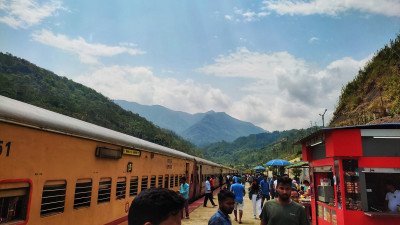
New Haflong Railway Station
Some quick example text to build on the card title and make up the bulk of the card's content.
Go somewherein Other Cities