Bengal Natural History Museum
General information
-
Ideal Duration:
1 to 1. 5 HoursPlace Type:
Educational & Scientific MuseumEntry Fees:
Nominal Fees: Entry to the museum is usually included in the combined ticket for the Padmaja Naidu Himalayan Zoological Park and the Himalayan Mountaineering Institute. The cost is approximately INR 60 for Indian tourists and INR 200 for foreigners. A small additional fee ...Nominal Fees: Entry to the museum is usually included in the combined ticket for the Padmaja Naidu Himalayan Zoological Park and the Himalayan Mountaineering Institute. The cost is approximately INR 60 for Indian tourists and INR 200 for foreigners. A small additional fee may be charged for cameras. This combined ticket offers excellent value for a full half-day of sightseeing.Timing:
Regular Timings: The museum is open from 9:00 AM to 4:00 PM. It is CLOSED on Thursdays and on major national holidays.
Ideal Visit Time: Visit in the Morning right when the zoo opens to avoid the midday school groups. The soft morning ligh...Regular Timings: The museum is open from 9:00 AM to 4:00 PM. It is CLOSED on Thursdays and on major national holidays.
Ideal Visit Time: Visit in the Morning right when the zoo opens to avoid the midday school groups. The soft morning light also makes the walk to the museum through the park more enjoyable.Special Events:
Environment Day: While the museum doesn't have frequent "events," it participates in World Environment Day (June 5) with special displays or educational workshops for local students. Occasionally, temporary exhibitions on Himalayan geology or climate change are held in the ...Environment Day: While the museum doesn't have frequent "events," it participates in World Environment Day (June 5) with special displays or educational workshops for local students. Occasionally, temporary exhibitions on Himalayan geology or climate change are held in the main hall.Best Photo Spots:
Vintage Aesthetics: 1.
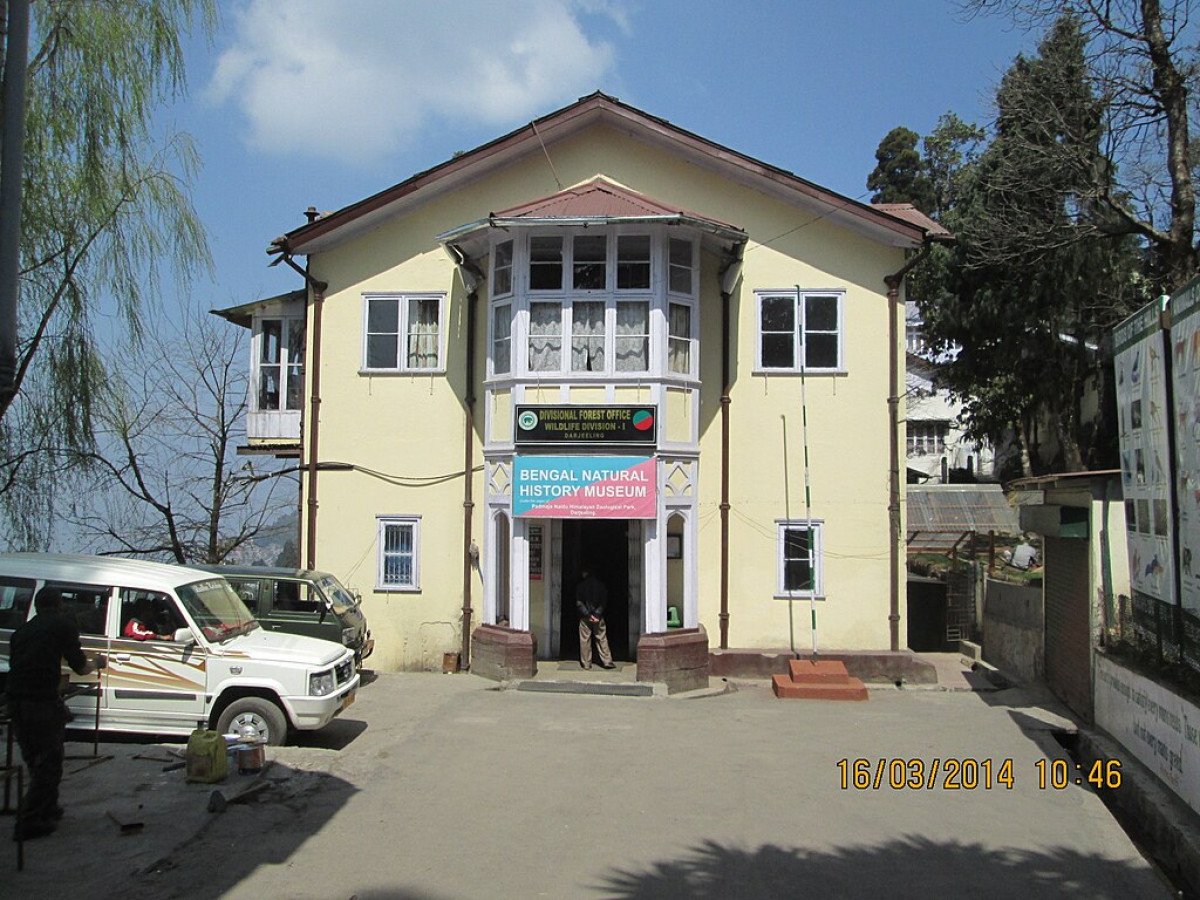
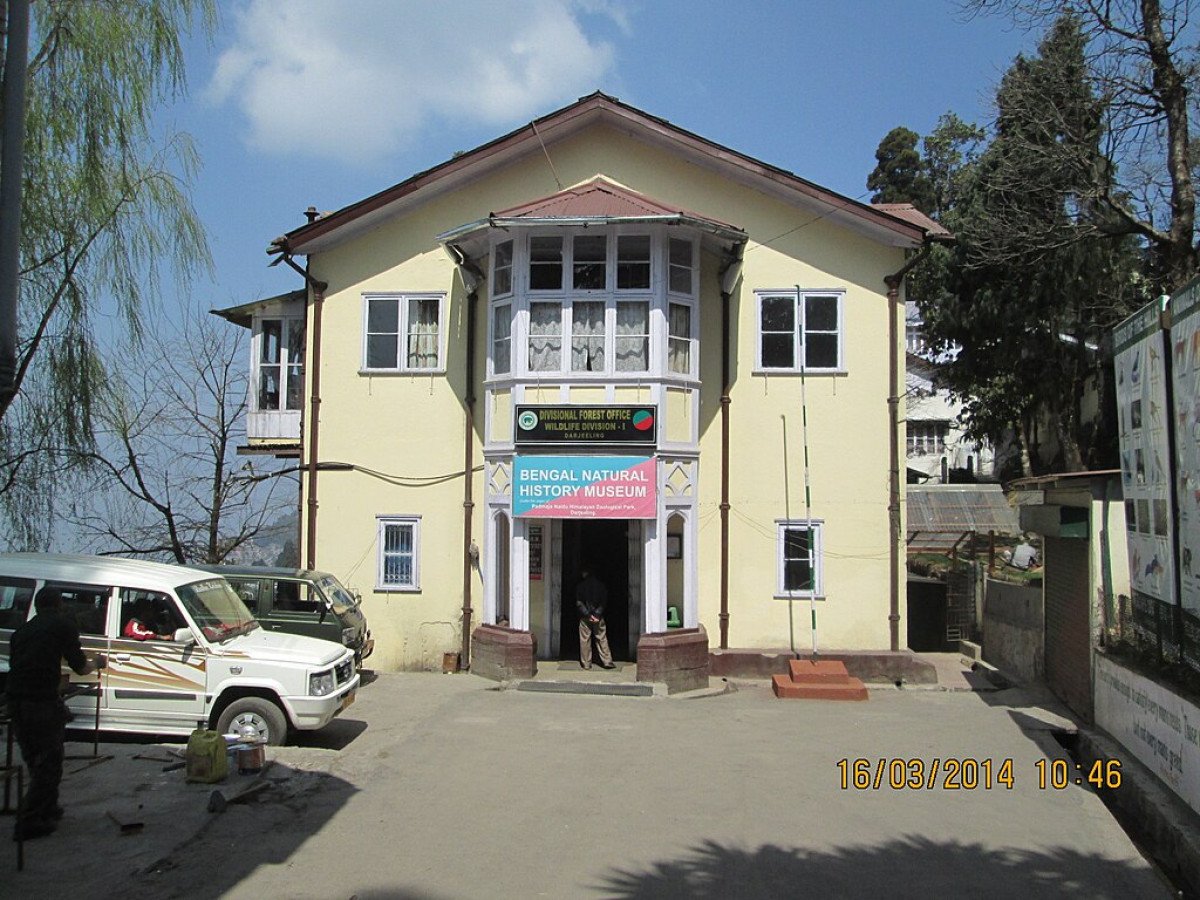
The Grand Entrance: The colonial stone facade makes for a great background for vintage-style photos. 2.
The Butterfly Wall: The colorful array of framed butterflies is a favorite for ...Vintage Aesthetics: 1.
The Grand Entrance: The colonial stone facade makes for a great background for vintage-style photos. 2.
The Butterfly Wall: The colorful array of framed butterflies is a favorite for photographers. 3.
The Central Hall: Capturing the long perspective of the display cases creates a sense of depth and history. 4.
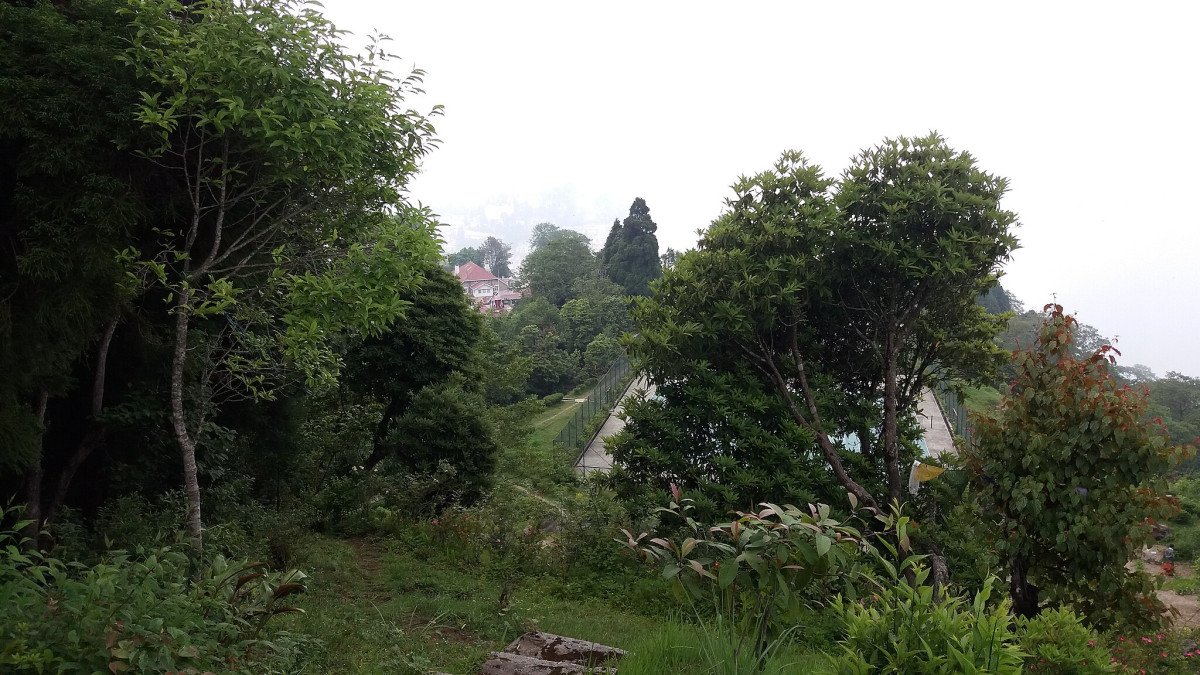
Nature Paths Outside: The misty pine trees surrounding the building provide a classic Darjeeling aesthetic.Photo Gallery
Things To Do
-
Educational Exploration: 1.
Specimen Study: Spend time reading the detailed labels for each animal to understand their habitat and diet. 2.
Bird Watching (Preserved): Use the bird section to identify species you might see later in the wild. 3.
Insect Macro Photography: Capture the vibrant colors of the butterfly collection (check current rules on photography). 4.
Sketching: Many artists visit to sketch the anatomy of the preserved animals. 5.
Mineral Identification: Explore the rock section to see samples of mica and quartz found locally. 6.
Combined Tour: Visit the nearby Himalayan Mountaineering Institute (HMI) and the Zoo. 7.Educational Exploration: 1.
Specimen Study: Spend time reading the detailed labels for each animal to understand their habitat and diet. 2.
Bird Watching (Preserved): Use the bird section to identify species you might see later in the wild. 3.
Insect Macro Photography: Capture the vibrant colors of the butterfly collection (check current rules on photography). 4.
Sketching: Many artists visit to sketch the anatomy of the preserved animals. 5.
Mineral Identification: Explore the rock section to see samples of mica and quartz found locally. 6.
Combined Tour: Visit the nearby Himalayan Mountaineering Institute (HMI) and the Zoo. 7.
Walking the Pine Trails: The road leading to the museum is lined with ancient pine trees, perfect for a short nature walk. 8.
Souvenir Shopping: The zoo complex has a small shop selling nature-related books and postcards. 9.
Learning about Conservation: Read about the captive breeding programs of the Red Panda discussed in the museum's literature. 10.
Basement Exploration: Discover the aquatic life of the Teesta and Rangeet rivers in the fish section. 11.
Comparing Species: Observe the differences between the various types of Himalayan cats and panthers. 12.
Quiet Contemplation: The museum is usually quieter than the zoo; enjoy the stillness. 13.
Guided Tours: If available, ask for a museum curator to explain the taxidermy process. 14.
Photography of Architecture: Capture the colonial woodwork and stonework of the building. 15.
Educational Trip: If traveling with children, quiz them on the different animals they see.
Hotels
● Hotel Central Nirvana
Address: C.R. Das Road, Below Chowrasta, Darjeeling 734101
Distance: 0.6 km
Details: This mid-range hotel provides a comfortable stay with modern amenities. It is conveniently located near the Mall and features an on-site restaurant an...
● Hotel Dip Palace
Address: 12/1, Laden La Road, Darjeeling 734101
Distance: 0.8 km
Details: A budget-friendly hotel offering essential amenities. It is ideal for travelers looking for convenience near the town center without compromising on b...
● Hotel Marvel International
Address: Gandhi Road, Darjeeling 734101
Distance: 1.1 km
Details: A budget hotel known for its straightforward hospitality. It offers clean rooms and is situated within easy walking distance of the main tourist attra...
● Hotel Pradhan
Address: Gandhi Road, Darjeeling 734101
Distance: 0.9 km
Details: A well-located budget hotel offering basic facilities. It caters to tourists who prioritize location and cost-efficiency during their stay in the hill...
● Hotel Sonar Bangla
Address: Laden La Road, Darjeeling 734101
Distance: 0.9 km
Details: A reliable mid-range hotel with clean, spacious rooms. It offers proximity to major transport hubs and local markets, along with basic amenities like ...
● Hotel Sunflower
Address: Chauk Bazaar, Darjeeling 734101
Distance: 1.2 km
Details: Perfect for budget travelers, this hotel offers simple, clean accommodation with friendly service. It is located near the vibrant local market of Chau...
● Hotel White Yak
Address: Coochbehar Road, Near Clock Tower, Darjeeling 734101
Distance: 1.0 km
Details: A budget option located centrally. The rooms are modest but tidy, providing a great base for backpackers and budget tourists exploring the local herit...
● Mayfair Hill Resort
Address: The Mall, Opp. Governor House, Darjeeling 734101
Distance: 0.8 km
Details: Mayfair Hill Resort is a luxurious getaway known for its elegant architecture and serene environment. Guests enjoy high-end amenities like a spa, gym,...
● Sinclairs Darjeeling
Address: 18/1, Gandhi Road, Darjeeling 734101
Distance: 1.1 km
Details: Sinclairs is a classic mid-range choice offering well-furnished rooms and great valley views. Facilities include a restaurant, bar, and conference hal...
● Windamere Hotel
Address: Observatory Hill, Darjeeling, West Bengal 734101
Distance: 0.5 km
Details: Windamere is a historic luxury hotel perched on Observatory Hill, offering colonial charm and panoramic mountain views. Facilities include fine dining...
Show AllRestaurants
● Ara by Bellevue
Address: Nehru Road, Darjeeling
Distance: 0.7 km
Details: Ara by Bellevue is situated right at the Chowrasta square, making it very accessible. It is known for its cool, soothing ambiance and an impressive ba...
Food List: Cocktails, Mocktails, Continental Platter, Grilled...
● Burmese Restaurant
Address: Near Museum, Darjeeling
Distance: 0.3 km
Details: Burmese Restaurant introduces unique flavors of Burma to the hills of Darjeeling. It is an interesting addition to the local food scene. The dishes ar...
Food List: Khow Suey, Burmese Salad, Steamed Rice, Vegetable ...
● Frank Ross Café
Address: Nehru Road, Darjeeling
Distance: 0.8 km
Details: Frank Ross Café is a haven for vegetarians in Darjeeling. It serves a wide range of global cuisine, from pizzas and burgers to traditional Indian dis...
Food List: Pizzas, Enchiladas, Tacos, Pav Bhaji, Idli, Dosa, ...
● Glenary's
Address: Nehru Road, Darjeeling
Distance: 0.8 km
Details: Glenary's is a colonial-era institution in Darjeeling. Famous for its bakery and rich history, it serves a wide range of continental and local dishes....
Food List: Momos, Wonton Soup, Wai-wai soup, American chop su...
● Guras Zoo Cafe
Address: Near Museum, Darjeeling
Distance: 0.2 km
Details: Guras Zoo Cafe is the most convenient spot if you are visiting the museum. It offers simple, quick, and tasty snacks that are perfect for a brief brea...
Food List: Vegetable Momos, Tea, Coffee, Light Snacks...
Show AllInformation
-
Why Famous:
Scientific Treasure: The museum is famous for its vast collection of taxidermy specimens of the Eastern Himalayas, including the rare Red Panda and the Snow Leopard. It is also renowned for its extensive insect collection, which includes thousands of butterfly species and r...Scientific Treasure: The museum is famous for its vast collection of taxidermy specimens of the Eastern Himalayas, including the rare Red Panda and the Snow Leopard. It is also renowned for its extensive insect collection, which includes thousands of butterfly species and rare beetles.
Historical Legacy: As a century-old institution, it is famous for preserving the natural history of Bengal during the colonial period. It is one of the few places in India where one can see such a wide variety of high-altitude avian species in one location. -
Architecture:
Colonial Heritage Structure: The museum is housed in a sturdy colonial-style building that reflects early 20th-century British architecture. The structure is built with local stones and features high ceilings and large windows that allow natural light to illuminate the disp...Colonial Heritage Structure: The museum is housed in a sturdy colonial-style building that reflects early 20th-century British architecture. The structure is built with local stones and features high ceilings and large windows that allow natural light to illuminate the display halls. The main building measures approximately 80 feet by 40 feet, with two floors of exhibit space. The architecture is functional yet elegant, with wooden flooring and staircase that add to its historical charm. The basement is designed to remain cool, providing a stable environment for the preserved specimens. The entrance is marked by a wide porch that overlooks the lush greenery of the surrounding Zoological Park.
Dimensions and Layout: The museum occupies a plot of about 0. 5 acres within the larger zoo complex. The exhibit halls are long and rectangular, designed to guide visitors through a chronological or thematic journey of nature. The wooden display cases are themselves antiques, crafted with precision to be airtight and durable. -
How To Reach:
By Air: Reach Bagdogra Airport; then hire a taxi for the 3-hour drive to Darjeeling.
By Train: NJP is the nearest major station. From there, take a shared jeep or the Toy Train to Darjeeling Station.
By Road:<...By Air: Reach Bagdogra Airport; then hire a taxi for the 3-hour drive to Darjeeling.
By Train: NJP is the nearest major station. From there, take a shared jeep or the Toy Train to Darjeeling Station.
By Road: From the Siliguri Bus Stand, take a bus or jeep.
By Local Transport: The museum is a pleasant 20-minute walk from the Chowrasta Mall via Jawahar Road. Alternatively, you can take a local taxi to the Zoo Gate and walk the remaining distance inside the park. -
Weather and Best Time to Visit:
Seasons: 1.
Summer (April to June): The best time to escape the heat of the plains and enjoy the lush park. 2.
Winter (November to February): The museum provides a warm, indoor activity during the chilly mo...Seasons: 1.
Summer (April to June): The best time to escape the heat of the plains and enjoy the lush park. 2.
Winter (November to February): The museum provides a warm, indoor activity during the chilly months. 3.
Monsoon (July to September): A great rainy-day activity, though the walk through the zoo can be wet.
Parts of the Day: Mid-morning is perfect for a combined visit with the Zoo and HMI. -
Near Tourist Places:
1. Padmaja Naidu Himalayan Zoological Park (0. 1 km), 2. Himalayan Mountaineering Institute (0. 1 km), 3. Darjeeling Ropeway (1. 5 km), 4. Tenzing Rock (2 km), 5. Happy Valley Tea Estate (2. 5 km), 6. Peace Pagoda (3. 5 km), 7. Chowrasta Mall (2 km), 8. Observatory Hill (2 km), 9. Nightingale Park (1. 5 km), 10. Lloyd Botanical Garden (3 km)
Tourism Tips
-
Health & Safety: The museum is located inside a park with some uphill walking; wear comfortable sneakers. Do not touch the glass cases or specimens.
Packing: Carry a bottle of water and a camera.
Accommodation...Health & Safety: The museum is located inside a park with some uphill walking; wear comfortable sneakers. Do not touch the glass cases or specimens.
Packing: Carry a bottle of water and a camera.
Accommodation: Look for hotels on The Mall or Richmond Hill for proximity.
Etiquette: Maintain silence inside the halls as it is an educational space. Ensure children do not run or tap on the glass cases.
Reviews
FAQs
Ans:- Photography is usually permitted inside the museum, but you may need to pay a small additional "camera fee" at the entrance. It is important to avoid using flash, as the intense light can damage the preserved specimens and irritate other visitors. Always check for updated signage or ask the staff near the entrance regarding the latest photography rules.Ans:- The Bengal Natural History Museum is generally open from 9:00 AM to 5:00 PM. It typically follows the schedule of the Darjeeling Zoo. It is important to note that the museum (and the zoo) is usually closed on Thursdays for maintenance. It is always a good idea to arrive before 4:00 PM to ensure you have enough time to explore.Ans:- The Bengal Natural History Museum is located within the complex of the Padmaja Naidu Himalayan Zoological Park (Darjeeling Zoo) and the Himalayan Mountaineering Institute (HMI). This central location makes it very convenient for tourists to visit three major attractions in one go. It is situated about 2 kilometers from the Chowrasta Mall and is easily accessible by foot or taxi.Ans:- The entomological section is extensive, featuring thousands of specimens of butterflies, moths, beetles, and dragonflies. While only a portion is on display, the variety is staggering, showcasing the incredible biodiversity of the Darjeeling hills. The vibrant colors and different sizes of the butterflies are particularly popular among children and nature enthusiasts who visit the museum regularly.Ans:- The modern museum building is divided into five distinct ecological zones: Marine, Mangrove, Alpine, Lake, and Wetland ecosystems. These sections use dioramas and specimens to explain how different animals and plants interact within their specific environments. This educational approach helps visitors understand the broad spectrum of biodiversity found across the entire state of West Bengal, not just the hills.Ans:- The museum boasts an impressive collection of over 800 bird specimens, with more than 200 on active display. You can see Himalayan wood owls, pheasants, and various migratory birds native to the Eastern Himalayas. The specimens are displayed in life-like poses within glass cases, accompanied by an extensive collection of bird nests and eggs from different species.Ans:- The museum is highly recommended for children and students. The life-like taxidermy displays and colorful insect collections are very engaging. It provides a practical learning environment where kids can see the animals they read about in textbooks. The dioramas help them visualize different habitats, making it one of the best educational stops in Darjeeling for families.Ans:- The new museum building was designed with modern standards and is generally more accessible than the older structure. However, since it is located within the hilly terrain of the Zoo complex, there may be some slopes to navigate. It is advisable for those with mobility issues to check with the park staff at the entrance for assistance or specific accessible routes.Ans:- To properly appreciate the exhibits across all the ecological zones and sections, you should set aside at least 45 minutes to an hour. If you are a nature enthusiast or a student of biology, you might want to spend more time. Since it is part of the Zoo/HMI complex, most visitors spend a total of 3-4 hours across all three sites.Ans:- What sets this museum apart is its focus on the specific fauna of the Eastern Himalayas and the state of West Bengal. Unlike general museums, it offers a deep dive into the unique adaptations of mountain wildlife. The transition from the old 1915 building to the modern facility has also allowed for more interactive and well-lit displays while preserving historical taxidermy.Ans:- Yes, the mammal section is a major draw, featuring taxidermy specimens of rare and elusive animals. Notable displays include the Red Panda, Himalayan Black Bear, Clouded Leopard, and the Tibetan Wolf. There are also interesting head mounts of various deer species and mountain goats, providing an up-close look at the wildlife that inhabits the high-altitude forests of Bengal.Ans:- Yes, the museum has a dedicated section for reptiles and fishes, mostly preserved as "bottle specimens." You can see various snakes, lizards, and Himalayan fish species. There is also a special focus on the estuarine crocodiles of Bengal. These displays are particularly useful for students and researchers interested in the herpetology and ichthyology of the Eastern Himalayan region.Ans:- Yes, there is a nominal entry fee. Usually, the ticket for the Padmaja Naidu Himalayan Zoological Park includes entry to both the Bengal Natural History Museum and the Himalayan Mountaineering Institute. This "combo ticket" makes it very affordable for tourists. The rates may vary slightly for Indian nationals and foreign tourists, so check the ticket counter at the main gate.Darjeeling Itineray And Cost:-
Bengal Natural History Museum Tourism:-
Information about New and Updated Locations() of West Bengal Has Been Added :-
Card subtitle
Note:-
Information provided here in good Faith and for reference only.
Near Places
Aloobari Monastery
Some quick example text to build on the card title and make up the bulk of the card's content.
Go somewhere
Badamtam Tea Estate
Some quick example text to build on the card title and make up the bulk of the card's content.
Go somewhere
Batasia Loop
Some quick example text to build on the card title and make up the bulk of the card's content.
Go somewhere
Bengal Natural History Museum
Some quick example text to build on the card title and make up the bulk of the card's content.
Go somewhere
Bhutia Busty Monastery
Some quick example text to build on the card title and make up the bulk of the card's content.
Go somewhere
Bijanbari
Some quick example text to build on the card title and make up the bulk of the card's content.
Go somewhere
Chauk Bazaar
Some quick example text to build on the card title and make up the bulk of the card's content.
Go somewhere
Chota Mangwa
Some quick example text to build on the card title and make up the bulk of the card's content.
Go somewhere
Chowrasta & The Mall
Some quick example text to build on the card title and make up the bulk of the card's content.
Go somewhere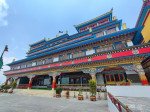
Dali Monastery
Some quick example text to build on the card title and make up the bulk of the card's content.
Go somewhere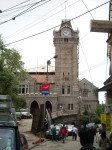
Darjeeling Clock Tower
Some quick example text to build on the card title and make up the bulk of the card's content.
Go somewhere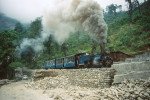
Darjeeling Himalayan Railway
Some quick example text to build on the card title and make up the bulk of the card's content.
Go somewhere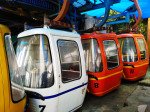
Darjeeling Ropeway
Some quick example text to build on the card title and make up the bulk of the card's content.
Go somewhere
Dawaipani
Some quick example text to build on the card title and make up the bulk of the card's content.
Go somewhere
Dhirdham Temple
Some quick example text to build on the card title and make up the bulk of the card's content.
Go somewhere
Ghoom Monastery
Some quick example text to build on the card title and make up the bulk of the card's content.
Go somewherein Other Cities