...

FAQs On Bengal Natural History Museum

Darjeeling, West Bengal, India
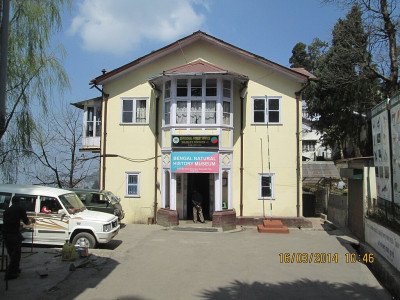
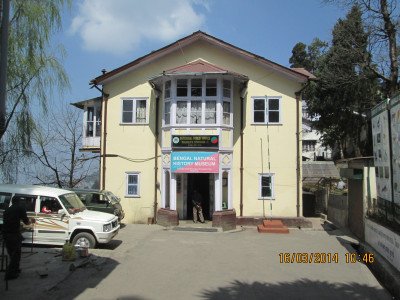
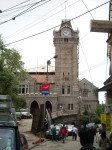
Chronicles of the Wild: Established in 1903, the Bengal Natural History Museum is one of the oldest and most comprehensive museums of its kind in India. It was originally founded as a small collection in the Lloyd Botanical Garden but moved to its current location in 1915 to accommodate its growing exhibits. The museum serves as an essential repository for the flora and fauna of the Eastern Himalayas. It houses over 4,300 specimens, ranging from tiny insects to massive mammals. The collection was largely curated during the British era, with taxidermy that remains impressively lifelike even after a century. The museum is divided into two main sections: the ground floor focuses on birds and mammals, while the basement houses reptiles, fishes, and insects. One of the most striking features is the display of the Estuarine Crocodile, a rare sight in this mountainous region. The bird section is equally legendary, featuring the Himalayan Brown Wood Owl and the Tragopan. For students and nature lovers, the museum provides a scientific yet accessible way to understand the complex ecosystem of the Bengal hills. The specimens are arranged in glass cases that mimic their natural habitats, complete with moss, rocks, and branches. It is a place of learning where the silent forms of leopards and tigers remind us of the beauty and fragility of our environment. The museum also features a fascinating collection of minerals and rocks from the region, highlighting the geological history of the Himalayas. It remains a cornerstone of Darjeeling's educational landscape, often visited by school groups and researchers.

Ans:- Photography is usually permitted inside the museum, but you may need to pay a small additional "camera fee" at the entrance. It is important to avoid using flash, as the intense light can damage the preserved specimens and irritate other visitors. Always check for updated signage or ask the staff near the entrance regarding the latest photography rules.

Ans:- The Bengal Natural History Museum is generally open from 9:00 AM to 5:00 PM. It typically follows the schedule of the Darjeeling Zoo. It is important to note that the museum (and the zoo) is usually closed on Thursdays for maintenance. It is always a good idea to arrive before 4:00 PM to ensure you have enough time to explore.

Ans:- The Bengal Natural History Museum is located within the complex of the Padmaja Naidu Himalayan Zoological Park (Darjeeling Zoo) and the Himalayan Mountaineering Institute (HMI). This central location makes it very convenient for tourists to visit three major attractions in one go. It is situated about 2 kilometers from the Chowrasta Mall and is easily accessible by foot or taxi.

Ans:- The entomological section is extensive, featuring thousands of specimens of butterflies, moths, beetles, and dragonflies. While only a portion is on display, the variety is staggering, showcasing the incredible biodiversity of the Darjeeling hills. The vibrant colors and different sizes of the butterflies are particularly popular among children and nature enthusiasts who visit the museum regularly.

Ans:- The modern museum building is divided into five distinct ecological zones: Marine, Mangrove, Alpine, Lake, and Wetland ecosystems. These sections use dioramas and specimens to explain how different animals and plants interact within their specific environments. This educational approach helps visitors understand the broad spectrum of biodiversity found across the entire state of West Bengal, not just the hills.

Ans:- The museum boasts an impressive collection of over 800 bird specimens, with more than 200 on active display. You can see Himalayan wood owls, pheasants, and various migratory birds native to the Eastern Himalayas. The specimens are displayed in life-like poses within glass cases, accompanied by an extensive collection of bird nests and eggs from different species.

Ans:- The museum is highly recommended for children and students. The life-like taxidermy displays and colorful insect collections are very engaging. It provides a practical learning environment where kids can see the animals they read about in textbooks. The dioramas help them visualize different habitats, making it one of the best educational stops in Darjeeling for families.

Ans:- The new museum building was designed with modern standards and is generally more accessible than the older structure. However, since it is located within the hilly terrain of the Zoo complex, there may be some slopes to navigate. It is advisable for those with mobility issues to check with the park staff at the entrance for assistance or specific accessible routes.

Ans:- To properly appreciate the exhibits across all the ecological zones and sections, you should set aside at least 45 minutes to an hour. If you are a nature enthusiast or a student of biology, you might want to spend more time. Since it is part of the Zoo/HMI complex, most visitors spend a total of 3-4 hours across all three sites.

Ans:- What sets this museum apart is its focus on the specific fauna of the Eastern Himalayas and the state of West Bengal. Unlike general museums, it offers a deep dive into the unique adaptations of mountain wildlife. The transition from the old 1915 building to the modern facility has also allowed for more interactive and well-lit displays while preserving historical taxidermy.

Ans:- Yes, the mammal section is a major draw, featuring taxidermy specimens of rare and elusive animals. Notable displays include the Red Panda, Himalayan Black Bear, Clouded Leopard, and the Tibetan Wolf. There are also interesting head mounts of various deer species and mountain goats, providing an up-close look at the wildlife that inhabits the high-altitude forests of Bengal.

Ans:- Yes, the museum has a dedicated section for reptiles and fishes, mostly preserved as "bottle specimens." You can see various snakes, lizards, and Himalayan fish species. There is also a special focus on the estuarine crocodiles of Bengal. These displays are particularly useful for students and researchers interested in the herpetology and ichthyology of the Eastern Himalayan region.

Ans:- Yes, there is a nominal entry fee. Usually, the ticket for the Padmaja Naidu Himalayan Zoological Park includes entry to both the Bengal Natural History Museum and the Himalayan Mountaineering Institute. This "combo ticket" makes it very affordable for tourists. The rates may vary slightly for Indian nationals and foreign tourists, so check the ticket counter at the main gate.
Information about New and Updated Locations(575+) of West Bengal Has Been Added :-
Card subtitle

Note:-

Information provided here in good Faith and for reference only.

All information and pictures will be updated soon, please keep visiting.

Near Places
...
Aloobari Monastery

Some quick example text to build on the card title and make up the bulk of the card's content.

Go somewhere
...
Badamtam Tea Estate

Some quick example text to build on the card title and make up the bulk of the card's content.

Go somewhere
...
Batasia Loop

Some quick example text to build on the card title and make up the bulk of the card's content.

Go somewhere

...
Bengal Natural History Museum

Some quick example text to build on the card title and make up the bulk of the card's content.

Go somewhere
...
Bhutia Busty Monastery

Some quick example text to build on the card title and make up the bulk of the card's content.

Go somewhere

...
Bijanbari

Some quick example text to build on the card title and make up the bulk of the card's content.

Go somewhere
...
Chauk Bazaar

Some quick example text to build on the card title and make up the bulk of the card's content.

Go somewhere
...
Chota Mangwa

Some quick example text to build on the card title and make up the bulk of the card's content.

Go somewhere
...
Chowrasta & The Mall

Some quick example text to build on the card title and make up the bulk of the card's content.

Go somewhere
...
Dali Monastery

Some quick example text to build on the card title and make up the bulk of the card's content.

Go somewhere
in Other Cities