Bhutia Busty Monastery
General information
-
Ideal Duration:
1 to 1. 5 HoursPlace Type:
Religious & Historical MonasteryEntry Fees:
No Entry Fee: Entry is free for everyone. However, donations are highly encouraged to help with the restoration of the older sections of the monastery. A donation of INR 100 to INR 200 is considered generous and helpful. Professional photography inside the prayer hall is ...No Entry Fee: Entry is free for everyone. However, donations are highly encouraged to help with the restoration of the older sections of the monastery. A donation of INR 100 to INR 200 is considered generous and helpful. Professional photography inside the prayer hall is usually prohibited, but outdoor photography is allowed.Timing:
Regular Timings: Open daily from 5:00 AM to 7:00 PM.
Ideal Visit Time: Early Morning (5:00 AM - 7:00 AM) for prayers or Late Afternoon (4:00 PM - 6:00 PM) for a peaceful walk and soft lighting. The monastery is less crowded than other sites...Regular Timings: Open daily from 5:00 AM to 7:00 PM.
Ideal Visit Time: Early Morning (5:00 AM - 7:00 AM) for prayers or Late Afternoon (4:00 PM - 6:00 PM) for a peaceful walk and soft lighting. The monastery is less crowded than other sites, making any time a good time for peace-seekers.Special Events:
Saga Dawa: This festival, celebrating the birth, enlightenment, and death of Buddha (usually in May or June), is the biggest event here. The monastery is filled with devotees, and special "Pujas" are held throughout the day. Another major event is the Tibetan New Year (Los...Saga Dawa: This festival, celebrating the birth, enlightenment, and death of Buddha (usually in May or June), is the biggest event here. The monastery is filled with devotees, and special "Pujas" are held throughout the day. Another major event is the Tibetan New Year (Losar), where traditional food and dances are organized for the local community.Best Photo Spots:
Authentic Himalayan Frames: 1.
The Pagoda Roof: Capture the golden spires against the backdrop of the misty hills. 2.
The Entrance Lions: The fierce-looking stone lions make for a great foreground element. ...Authentic Himalayan Frames: 1.
The Pagoda Roof: Capture the golden spires against the backdrop of the misty hills. 2.
The Entrance Lions: The fierce-looking stone lions make for a great foreground element. 3.
Monks in Red Robes: The contrast of the red robes against the white stupas or blue sky is iconic. 4.
Village Life: The narrow lanes of Bhutia Busty with prayer flags flying overhead are extremely photogenic.Photo Gallery
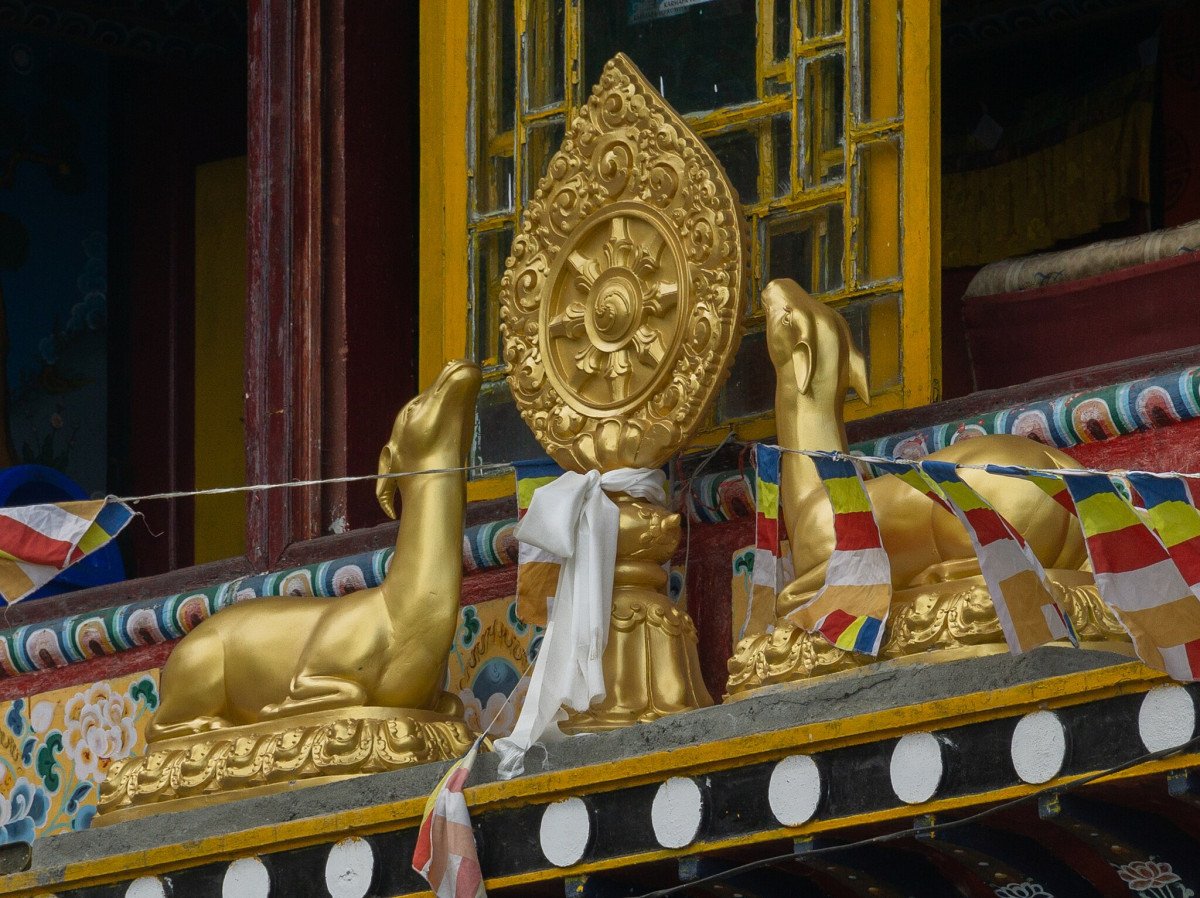
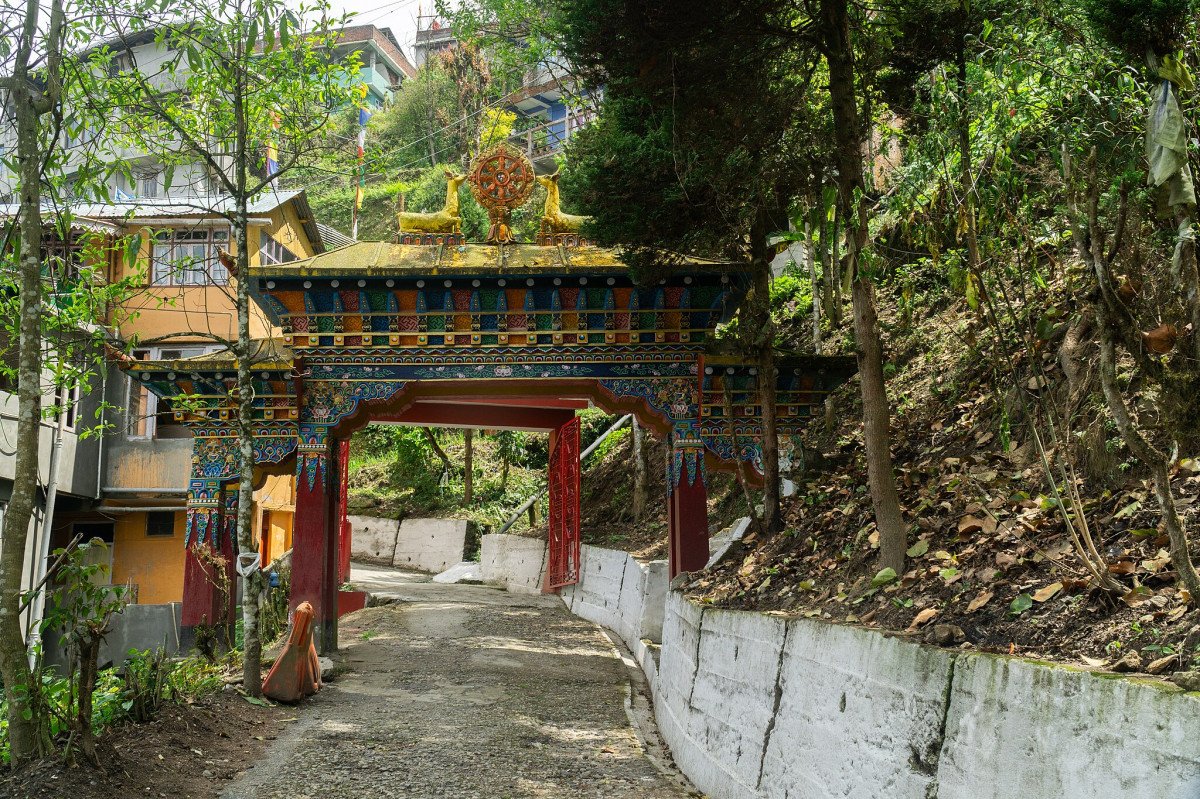
Things To Do
-
Spiritual Immersion: 1.
Morning Chants: Witness the 4:30 AM prayers for a truly transcendental experience. 2.
Library Exploration: Spend time in the library studying the exterior of the ancient manuscripts. 3.
Spinning Prayer Wheels: There is a long row of wheels along the outer wall; spin them as you walk. 4.
Village Photography: The Bhutia Busty village offers excellent subjects for street photography. 5.
Meditation: The quietude here is perfect for deep meditation. 6.
Viewing the Frescoes: Study the detailed murals that cover every inch of the interior walls. 7.
Interacting with the Head Lama: If he is available, the he...Spiritual Immersion: 1.
Morning Chants: Witness the 4:30 AM prayers for a truly transcendental experience. 2.
Library Exploration: Spend time in the library studying the exterior of the ancient manuscripts. 3.
Spinning Prayer Wheels: There is a long row of wheels along the outer wall; spin them as you walk. 4.
Village Photography: The Bhutia Busty village offers excellent subjects for street photography. 5.
Meditation: The quietude here is perfect for deep meditation. 6.
Viewing the Frescoes: Study the detailed murals that cover every inch of the interior walls. 7.
Interacting with the Head Lama: If he is available, the head monk often shares fascinating stories of the monastery's history. 8.
Observing Butter Lamp Lighting: Witness the evening ritual of lighting hundreds of lamps. 9.
Nature Walk: Continue the walk past the monastery down into the valley for a serene hike. 10.
Learning about the Nyingma Sect: Ask about the differences between this and the Ghoom monastery. 11.
Cultural Observation: Notice the traditional attire of the older villagers visiting for prayer. 12.
Sunset View: The balcony provides a unique angle of the sunset over the Singalila Ridge. 13.
Participating in Festivals: If you visit during Saga Dawa, you can see the special rituals honoring Buddha's birth. 14.
Souvenir Hunting: Sometimes local families sell handmade woolen items near the monastery. 15.
Journaling: The peaceful courtyard is a great place to write about your travels.
Hotels
● Beautiful View Homestay
Address: West Point, Darjeeling 734101
Distance: 4.0 km
Details: A quaint budget homestay known for its balcony views. It provides a peaceful setting with bonfire facilities, catering to nature lovers on a tight bud...
● Benus Homestay
Address: Nalbangaon, Darjeeling 734101
Distance: 1.5 km
Details: A unique budget experience in a local homestay. It features a bonfire area, play space, and a caretaker, offering an intimate and personalized stay fo...
● Cedar Inn
Address: Jalapahar Road, Darjeeling 734101
Distance: 1.6 km
Details: A cozy mid-range retreat set in a quieter part of the town. It offers beautiful views, a peaceful atmosphere, and essential services for a comfortable...
● Hotel Sakura Mountain View
Address: Hill Cart Road, Darjeeling 734101
Distance: 2.3 km
Details: A budget-friendly hotel with basic amenities. It is well-connected to public transport and provides clean rooms with essential services for a no-fuss ...
● Hotel Tower View
Address: Chauk Bazaar, Darjeeling 734101
Distance: 1.4 km
Details: An extremely budget-friendly hotel in Chauk Bazaar. It provides basic lodging for travelers who prefer to spend more on exploring the town than on lux...
● Hotel Viceroy
Address: Gandhi Road, Darjeeling 734101
Distance: 1.9 km
Details: A mid-range hotel offering high-quality service and spacious rooms. It is a popular choice for families and couples looking for a mix of comfort and c...
● Little Tibet
Address: The Mall, Darjeeling 734101
Distance: 1.2 km
Details: A boutique hotel reflecting the local culture. It offers a premium experience with cozy rooms, local cuisine, and easy access to the famous Mall Road....
● New Morning Glory
Address: Mall Road, Darjeeling 734101
Distance: 1.7 km
Details: A simple homestay option providing a local feel. It is clean, secure, and perfect for budget travelers seeking a quiet place near the city's main attr...
● Summit Grace Boutique Hotel
Address: Gandhi Road, Darjeeling 734101
Distance: 1.8 km
Details: This boutique hotel provides luxury with a modern touch. Features include a spa, in-house restaurant, and elegant decor, ensuring a relaxing stay in t...
● The Elgin Darjeeling
Address: Jalapahar Road, Darjeeling 734101
Distance: 1.5 km
Details: The Elgin is a heritage luxury hotel offering regal rooms and historic ambiance. Guests can relax in lush gardens, enjoy fine dining, and experience t...
Show AllRestaurants
● Dekevas Restaurant
Address: Mall Road, Darjeeling
Distance: 1.1 km
Details: Dekevas Restaurant is a tiny but very famous joint with limited seating, so expect a queue. The food quality is legendary among the locals and tourist...
Food List: Momos, Thukpa, Chowmein, Tibetan Bread...
● Downtown Cafe and Restaurant
Address: Mall Road, Darjeeling
Distance: 1.2 km
Details: Downtown Cafe and Restaurant offers a peaceful setting with stunning views of the Tista river and the Kanchenjunga mountains. It is a must-visit for t...
Food List: Coffee, Pasta, Sandwiches, Tea, Snacks...
● Hasty Tasty
Address: Nehru Road, Darjeeling
Distance: 0.9 km
Details: Hasty Tasty is a value-for-money restaurant that is a favorite among frequent visitors. They offer generous portions at reasonable prices. The menu is...
Food List: Momos, Vegetable Curry, Paratha, Dosa, Tea...
● Home Cafe
Address: Mall Road, Darjeeling
Distance: 1.25 km
Details: Home Cafe provides a truly delightful ambiance that feels just like being at home. The food is delicious, and the service is always with a smile. It i...
Food List: Homemade Pancakes, Coffee, Herbal Tea, Fresh Pastr...
● Hotel Mahakal
Address: Chowk Bazaar, Darjeeling
Distance: 1.2 km
Details: Hotel Mahakal is an excellent restaurant, perfect for group dining. The seating arrangement is spacious and comfortable, offering a nice place to rela...
Food List: Veg Thali, Chicken Curry, Paneer Butter Masala, Ro...
Show AllInformation
-
Why Famous:
Oldest Monastery: It is famous as the original monastery of Darjeeling, predating the British development of the town.
Literary Treasure: It is renowned for its library, which holds a rare original manuscript of the Tibetan Book of the Dead,...Oldest Monastery: It is famous as the original monastery of Darjeeling, predating the British development of the town.
Literary Treasure: It is renowned for its library, which holds a rare original manuscript of the Tibetan Book of the Dead, a text of global philosophical significance.
Spiritual Lineage: It is a key center for the Nyingma sect, attracting scholars and practitioners of traditional Tibetan Buddhism from across the world. -
Architecture:
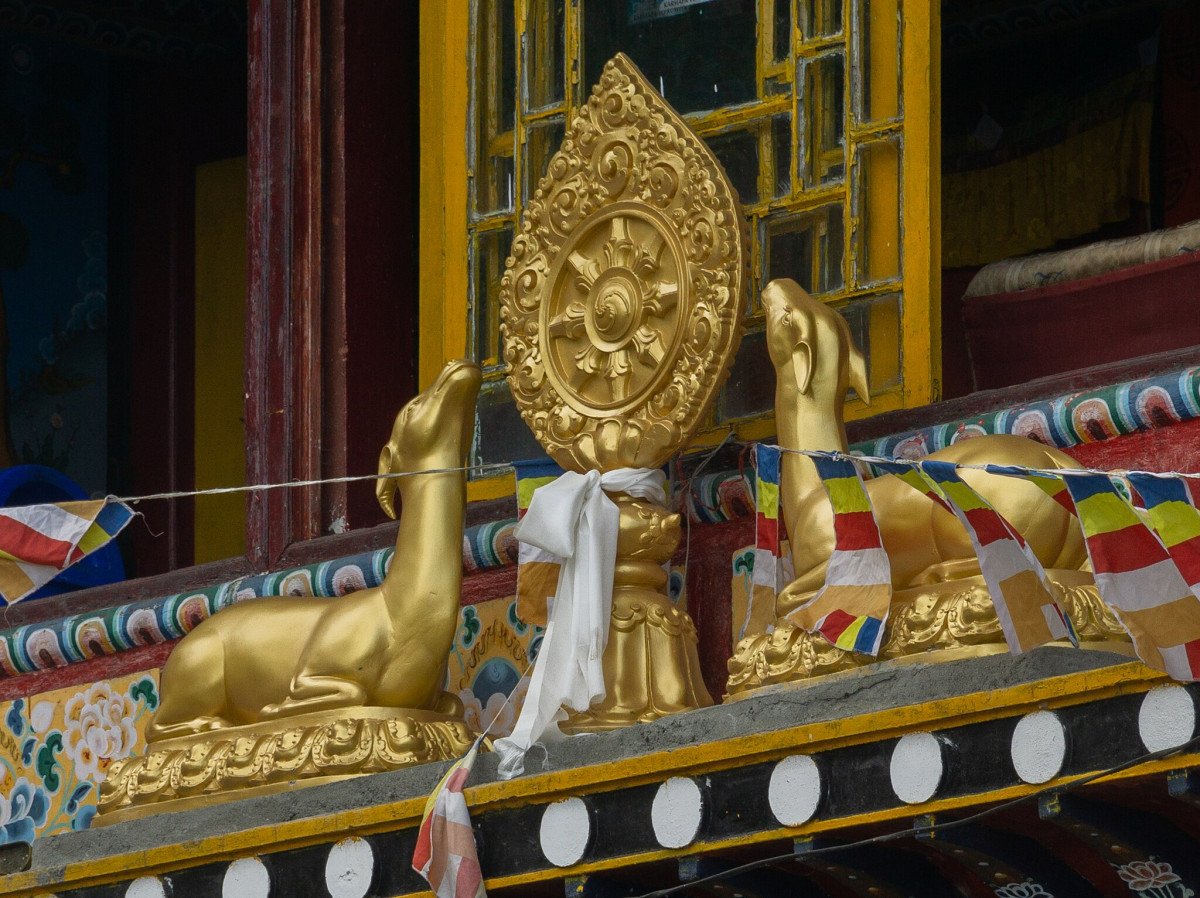
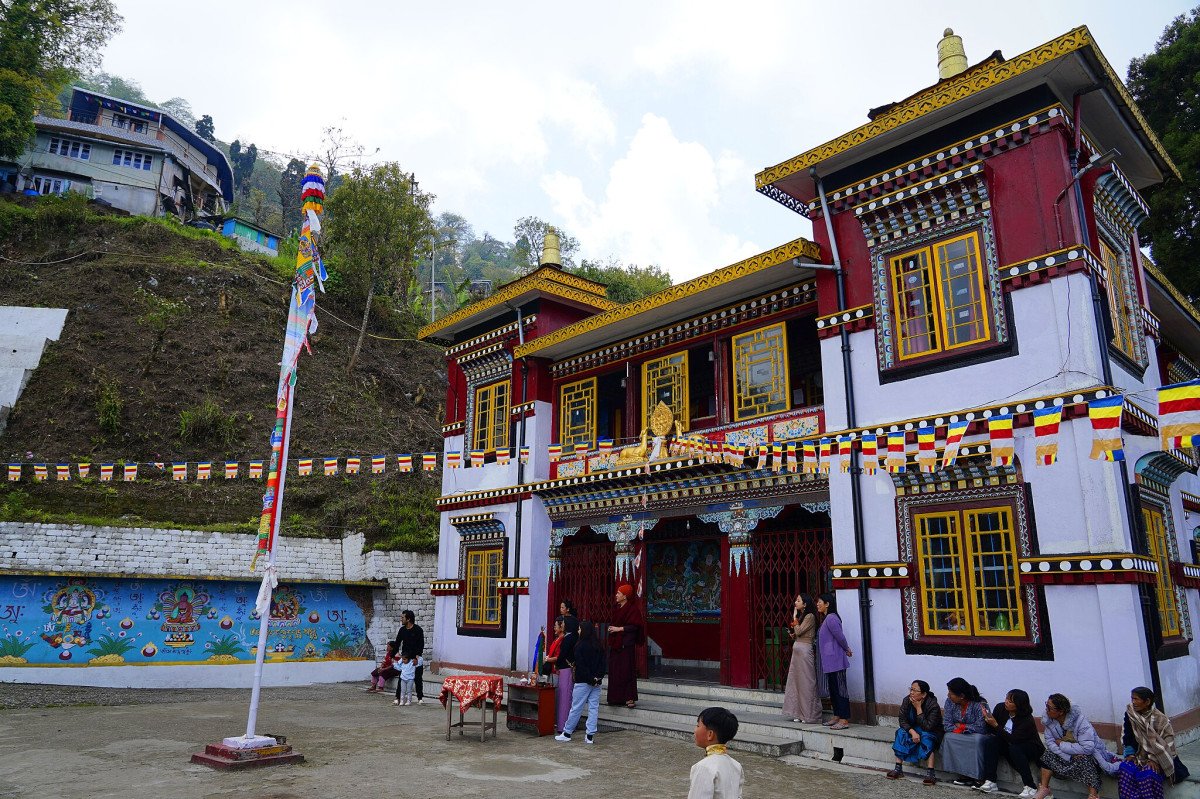
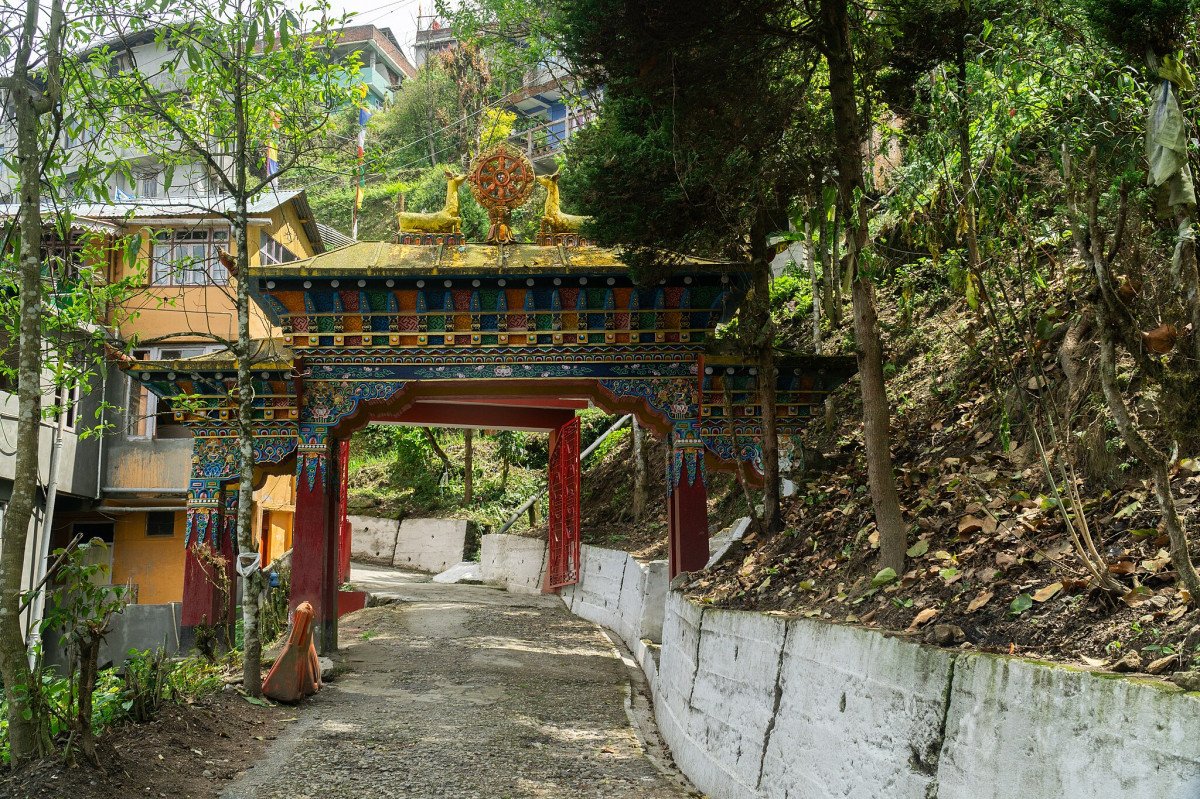
Traditional Tibeto-Sikkimese Architecture: The Bhutia Busty Monastery is a masterpiece of traditional Himalayan architecture, heavily influenced by the styles of Sikkim. The main building features a prominent pagoda-style roof with golden finials that gleam in the mountain ...Traditional Tibeto-Sikkimese Architecture: The Bhutia Busty Monastery is a masterpiece of traditional Himalayan architecture, heavily influenced by the styles of Sikkim. The main building features a prominent pagoda-style roof with golden finials that gleam in the mountain sun. The structure is built on a stone foundation with wooden upper stories. The main prayer hall is roughly 40 feet by 50 feet. The entrance is guarded by two large concrete lions, symbols of protection in Buddhist culture. The woodwork on the windows and doors is intricately carved with traditional motifs like the "Eight Auspicious Symbols". The interior is supported by heavy wooden pillars, painted in deep red and adorned with golden patterns. The dimensions of the entire complex, including the library and monks' quarters, cover about 5,000 square feet. The balcony offers a sweeping view of the valley, designed to let the lamas look out over the village.
Decorative Elements: The use of bright primary colors—red, yellow, and blue—follows strict iconographic rules, representing various elements of nature and the divine. The library wing is a separate section with floor-to-ceiling wooden shelves designed to hold the "Pothi" (loose-leaf) style manuscripts. -
How To Reach:
By Air: Fly to Bagdogra Airport; hire a taxi to Darjeeling Town.
By Train: Reach NJP Station; take a taxi or the Toy Train up the hills.
By Road: Shared jeeps are available from Siliguri.By Air: Fly to Bagdogra Airport; hire a taxi to Darjeeling Town.
By Train: Reach NJP Station; take a taxi or the Toy Train up the hills.
By Road: Shared jeeps are available from Siliguri.
By Local Transport: From Chowrasta Mall, walk towards the Step Aside (the house where C. R. Das died) and follow the downhill path. It is a 15-20 minute walk down, but the climb back up is steep. You can also hire a local taxi to drop you as close as possible. -
Weather and Best Time to Visit:
Seasons: 1.
Autumn (October-November): Best for clear views and pleasant walking weather. 2.
Spring (March-April): Beautiful with clear skies and moderate temperatures. 3.
Win...Seasons: 1.
Autumn (October-November): Best for clear views and pleasant walking weather. 2.
Spring (March-April): Beautiful with clear skies and moderate temperatures. 3.
Winter (December-February): Cold but very quiet and atmospheric with the mist.
Parts of the Day: Sunrise is magical as the first light hits the golden roof. -
Near Tourist Places:
1. Chowrasta Mall (1. 5 km), 2. Observatory Hill (1. 5 km), 3. Mahakal Temple (1. 5 km), 4. Step Aside (0. 5 km), 5. Nightingale Park (2 km), 6. Happy Valley Tea Estate (3 km), 7. Padmaja Naidu Zoo (4 km), 8. HMI (4 km), 9. Darjeeling Ropeway (5 km), 10. Tibetan Refugee Self-Help Center (3. 5 km)
Tourism Tips
-
Health & Safety: The path is steep; those with knee issues should take it slow. Wear shoes with good traction.
Packing: Carry water, as there are few shops near the monastery. A warm layer is essential.
Accom...Health & Safety: The path is steep; those with knee issues should take it slow. Wear shoes with good traction.
Packing: Carry water, as there are few shops near the monastery. A warm layer is essential.
Accommodation: Staying at a homestay in Bhutia Busty offers a more local experience than the big hotels.
Respect: Walk clockwise around the monastery and stupas. Do not use flash inside the sanctuary.
Reviews
FAQs
Ans:- Generally, photography is strictly prohibited inside the main prayer hall to maintain its sanctity. The resident monks believe that cameras can be distracting during worship and may damage the ancient murals with flash. However, you are usually welcome to take photographs of the beautiful exterior, the traditional entrance gate, and the surrounding scenery. Always ask for permission first out of respect.Ans:- Interestingly, the Bhutia Busty Monastery was originally located on Observatory Hill, the site where the Mahakal Temple stands today. It was founded there in 1761 by Lama Dorje Rinzing. However, due to various historical conflicts and invasions, it was eventually moved to its present location in the late 19th century to provide a more stable environment for the monks.Ans:- Like most Tibetan monasteries, Bhutia Busty has several prayer wheels (Mani wheels). There is a large, hollow cylindrical drum that visitors can rotate clockwise. It is filled with thousands of written prayers or mantras. It is believed that spinning the wheel has the same meritorious effect as reciting the prayers orally, bringing peace and blessings to the person spinning it.Ans:- One of the most famous treasures of the Bhutia Busty Monastery is an original copy of the "Tibetan Book of the Dead" (Bardo Thodol). This sacred text is a guide for the soul during the interval between death and rebirth. Having such a rare and historically significant manuscript makes this monastery an important destination for scholars and spiritual practitioners from around the world.Ans:- The interior of the monastery features stunning wall murals that are unique because they were created using powdered stones instead of traditional liquid paints. Different colored stones were ground into fine powder and applied to create intricate religious scenes and depictions of deities. This traditional technique results in vibrant colors that remain remarkably durable and beautiful over many decades.Ans:- The monastery has a history of misfortune. It was first ravaged during the Gorkha invasion in 1815. After being relocated and rebuilt in 1879, it was again completely destroyed by a devastating earthquake in 1934. The current structure we see today was built with the generous patronage and help of the Late Chogyal (Dharmaraja) of Sikkim, showing the deep ties between the two regions.Ans:- The monastery is located about 1.5 kilometers downhill from the Chowrasta Mall. You can reach it by walking down a winding road that offers great views, though the return walk is quite steep. For those who prefer not to walk, you can hire a taxi from the town center. The path is well-marked and passes through a vibrant local neighborhood.Ans:- The monastery is typically open to visitors during daylight hours, usually from 7:00 AM to 6:00 PM. However, the best times to visit are during the prayer sessions, which occur early in the morning (around 4:30 AM to 6:00 AM) and in the evening (around 5:00 PM to 6:30 PM). These sessions offer a deeply immersive spiritual experience through chanting and rituals.Ans:- The monastery takes its name from the locality where it is situated—Bhutia Busty. "Bhutia" refers to the ethnic group of Tibetan origin, and "Busty" means a settlement or colony. Therefore, it is the monastery of the Bhutia settlement. It is one of the most traditional parts of Darjeeling, maintaining a strong cultural connection to its Tibetan and Sikkimese roots.Ans:- This monastery belongs to the Nyingma sect (also known as the Red Hat sect) of Tibetan Buddhism. It was originally a branch of the Phodang Monastery in Sikkim. The Nyingma school is the oldest of the four major schools of Tibetan Buddhism, and the monastery reflects these ancient traditions in its rituals, teachings, and architectural style.Ans:- Visitors should maintain silence and avoid making loud noises. It is mandatory to remove your shoes before entering the prayer hall. If you see monks praying, do not walk in front of them or disturb their meditation. Walking clockwise around the monastery building or prayer wheels is the traditional and respectful way to navigate the sacred space according to Buddhist customs.Ans:- Yes, it is generally very safe to walk to the monastery during the day. The route passes through residential areas and is used by locals every day. However, because the path is downhill and somewhat isolated from the main tourist bustle, it is best to visit during daylight hours. The walk back up to the Mall can be physically demanding, so pace yourself.Darjeeling Itineray And Cost:-
Bhutia Busty Monastery Tourism:-
Information about New and Updated Locations() of West Bengal Has Been Added :-
Card subtitle
Note:-
Information provided here in good Faith and for reference only.
Near Places
Aloobari Monastery
Some quick example text to build on the card title and make up the bulk of the card's content.
Go somewhere
Badamtam Tea Estate
Some quick example text to build on the card title and make up the bulk of the card's content.
Go somewhere
Batasia Loop
Some quick example text to build on the card title and make up the bulk of the card's content.
Go somewhere
Bengal Natural History Museum
Some quick example text to build on the card title and make up the bulk of the card's content.
Go somewhere
Bhutia Busty Monastery
Some quick example text to build on the card title and make up the bulk of the card's content.
Go somewhere
Bijanbari
Some quick example text to build on the card title and make up the bulk of the card's content.
Go somewhere
Chauk Bazaar
Some quick example text to build on the card title and make up the bulk of the card's content.
Go somewhere
Chota Mangwa
Some quick example text to build on the card title and make up the bulk of the card's content.
Go somewhere
Chowrasta & The Mall
Some quick example text to build on the card title and make up the bulk of the card's content.
Go somewhere
Dali Monastery
Some quick example text to build on the card title and make up the bulk of the card's content.
Go somewhere
Darjeeling Clock Tower
Some quick example text to build on the card title and make up the bulk of the card's content.
Go somewhere
Darjeeling Himalayan Railway
Some quick example text to build on the card title and make up the bulk of the card's content.
Go somewhere
Darjeeling Ropeway
Some quick example text to build on the card title and make up the bulk of the card's content.
Go somewhere
Dawaipani
Some quick example text to build on the card title and make up the bulk of the card's content.
Go somewhere
Dhirdham Temple
Some quick example text to build on the card title and make up the bulk of the card's content.
Go somewhere
Ghoom Monastery
Some quick example text to build on the card title and make up the bulk of the card's content.
Go somewherein Other Cities