


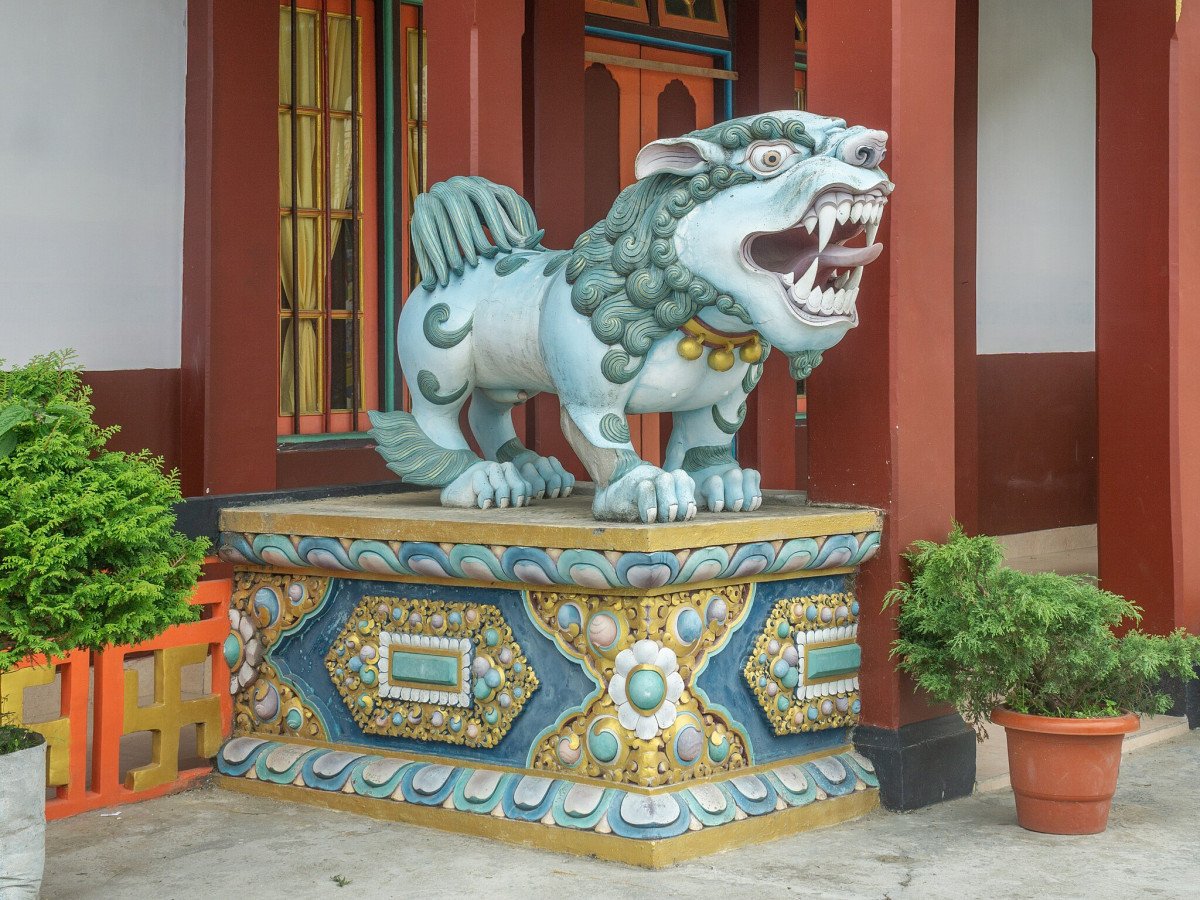
Aloobari Monastery
General information
-
Ideal Duration:
1. 5 to 2 HoursPlace Type:
Religious & Cultural HeritageEntry Fees:
Free Entry: There is no formal entry fee to visit the Aloobari Monastery. However, it is customary to leave a small donation in the collection boxes inside the prayer hall to support the maintenance of the structure and the livelihood of the resident monks. Donations of IN...Free Entry: There is no formal entry fee to visit the Aloobari Monastery. However, it is customary to leave a small donation in the collection boxes inside the prayer hall to support the maintenance of the structure and the livelihood of the resident monks. Donations of INR 50 to INR 500 are appreciated but not mandatory. Special photography permits for professional gear might require a small fee or permission from the head monk.Timing:
Regular Timings: The monastery is open daily from 6:00 AM to 6:00 PM.
Ideal Visit Time: To experience the spiritual essence, visit between 7:00 AM and 9:00 AM during the morning prayers. Alternatively, 4:00 PM to 5:30 PM offers a peaceful a...Regular Timings: The monastery is open daily from 6:00 AM to 6:00 PM.
Ideal Visit Time: To experience the spiritual essence, visit between 7:00 AM and 9:00 AM during the morning prayers. Alternatively, 4:00 PM to 5:30 PM offers a peaceful atmosphere with beautiful lighting for photography. The monastery remains open throughout the week, including Sundays and public holidays.Special Events:
Losar Celebrations: The most significant event is Losar, the Tibetan New Year, held in February or March. The monastery is decorated with colorful prayer flags, and monks perform the "Cham Dance" (Masked Dance) to ward off evil spirits. The entire Yolmo community gathers h...Losar Celebrations: The most significant event is Losar, the Tibetan New Year, held in February or March. The monastery is decorated with colorful prayer flags, and monks perform the "Cham Dance" (Masked Dance) to ward off evil spirits. The entire Yolmo community gathers here for traditional feasts and communal prayers, creating a vibrant atmosphere of joy and spirituality.Best Photo Spots:
Golden Hour Frames: 1.
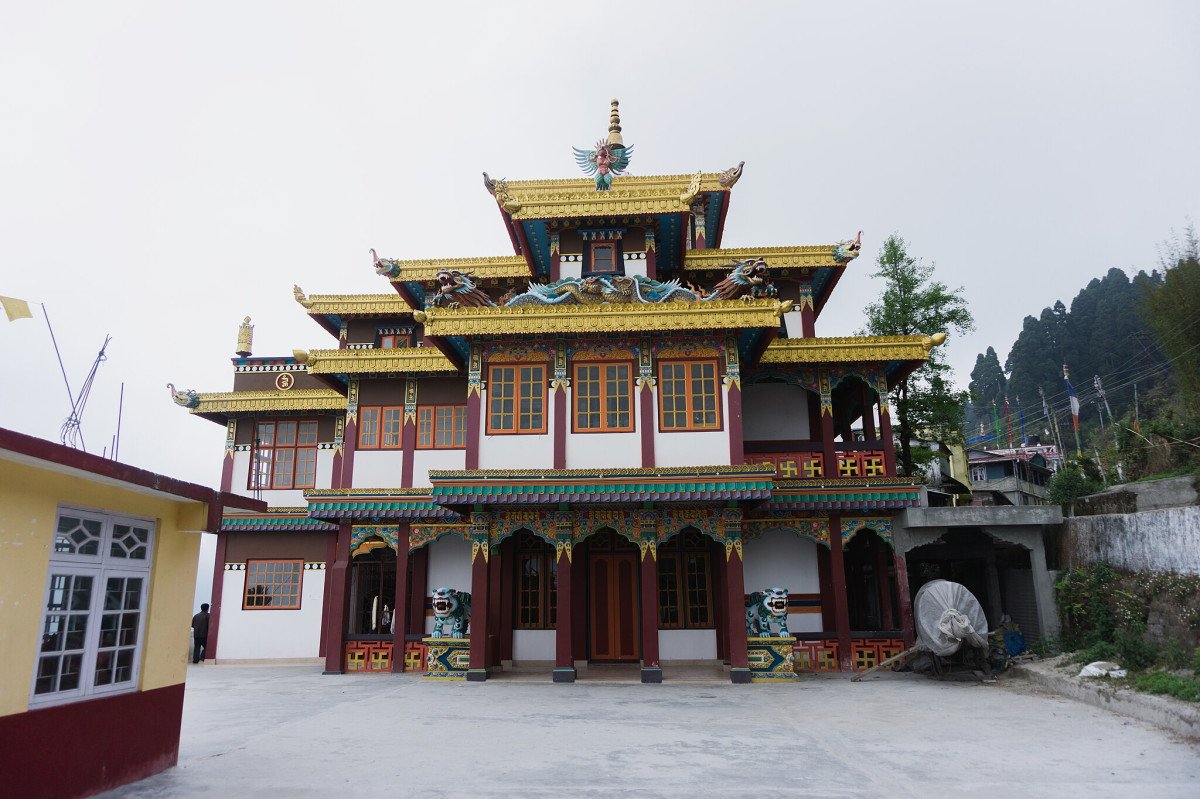
The Main Facade: The best time to photograph the red and yellow walls is during the late afternoon when the sun hits the front of the building. 2.
Monks in Prayer: Candid shots of mon...Golden Hour Frames: 1.
The Main Facade: The best time to photograph the red and yellow walls is during the late afternoon when the sun hits the front of the building. 2.
Monks in Prayer: Candid shots of monks during the morning prayer are breathtaking, but ensure you have permission. 3.
The Stupa Row: The white stupas against the deep blue Himalayan sky provide a classic contrast for landscape photography. 4.
Valley View from the Courtyard: Use the monastery's ornate pillars to frame the sprawling hills below.Photo Gallery

Things To Do
-
Engaging with Tradition: 1.
Morning Prayer Observation: Arrive early in the morning, around 5:00 AM, to witness the monks' rhythmic chanting and the playing of traditional horns. 2.
Meditation in the Main Hall: The monastery encourages quiet reflection; sit on the provided mats and soak in the silence. 3.
Exploring the Library: Ask the resident monks for permission to view the ancient manuscripts; they are often happy to explain the history of the Yolmo people. 4.
Circumambulation (Kora): Walk clockwise around the monastery and spin the prayer wheels, focusing your mind on positive intentions. 5.
Photography of Murals: Capture the intricate herb-based paintings (ask for permission first). ...
Hotels
● Cedar Inn
Address: Jalapahar, Darjeeling, West Bengal
Distance: 3.6 km
Details: Nestled in the tranquil hills, this luxury property offers panoramic views of the Kanchenjunga range. Guests enjoy spacious rooms, a sophisticated spa...
● Central Gleneagles Heritage Resort
Address: The Mall Road, Darjeeling, West Bengal
Distance: 3.8 km
Details: A mid-range heritage resort blending colonial charm with modern comforts. The property offers cozy rooms with mountain views, an on-site restaurant, a...
● Darjeeling Hillside Inn
Address: West Point, Darjeeling, West Bengal
Distance: 3.0 km
Details: A budget-friendly inn catering to cost-conscious travelers who prioritize cleanliness and proximity to sights. The inn provides basic room amenities, ...
● Hotel Olive Branch
Address: Near Darjeeling Railway, West Bengal
Distance: 0.8 km
Details: A simple budget hotel offering functional and comfortable rooms with essential amenities like memory foam beds and reliable room service. The property...
● Hotel Sumitel Vista
Address: Mall Road, Darjeeling, West Bengal
Distance: 0.7 km
Details: Budget-focused hotel offering a convenient stay with amenities like a spa and restaurant. Rooms are well-equipped with satellite TV and essential toil...
● Sterling Darjeeling
Address: Ghoom, Darjeeling, West Bengal
Distance: 3.1 km
Details: Situated in Ghoom, this resort offers comfortable mid-range accommodation with extensive facilities including a kids' play area, multi-cuisine restaur...
● Sumitel Queens Yard
Address: Queens Hill, Darjeeling, West Bengal
Distance: 1.1 km
Details: This mid-range guesthouse provides a peaceful environment with a full-service spa, stylish rooms, and smart TVs. Guests benefit from 24-hour reception...
● Udaan Nirvana Resort
Address: Mall Road, Darjeeling, West Bengal
Distance: 3.8 km
Details: A mid-range premium resort providing modern luxury with a focus on wellness. Facilities include a full-service spa, beautifully landscaped gardens, an...
● Windamere Hotel
Address: Mall Road, Darjeeling, West Bengal
Distance: 3.7 km
Details: A colonial heritage hotel offering a historic atmosphere, classic elegance, and refined service. It features upscale amenities like a library, firepla...
● Yashshree Mall Road
Address: Mall Road, Darjeeling, West Bengal
Distance: 3.6 km
Details: A comfortable mid-range hotel offering modern rooms with essential amenities like LED TVs and high-speed internet. Features a restaurant, 24-hour room...
Show AllInformation
-
Why Famous:
Spiritual Sanctuary: Aloobari Monastery is famous primarily for its role as a beacon of world peace, having been dedicated to ending the violence of World War I. It is renowned among scholars for its collection of ancient Buddhist manuscripts and its unique herb-based mural...Spiritual Sanctuary: Aloobari Monastery is famous primarily for its role as a beacon of world peace, having been dedicated to ending the violence of World War I. It is renowned among scholars for its collection of ancient Buddhist manuscripts and its unique herb-based murals that have survived over a century without fading.
Community Hub: It is the spiritual heart of the Yolmo community in India. Unlike the larger, more commercialized monasteries, it offers an authentic, intimate glimpse into the daily lives of the monks. The monastery is also famous for its views of the Kanchenjunga range on clear days, providing a spiritual backdrop that few other locations can match. -
Architecture:
Tibetan-Yolmo Style: The architecture of Aloobari Monastery is a brilliant example of Tibetan Buddhist design tailored to the local landscape. The main prayer hall (Lhakhang) measures approximately 45 feet by 60 feet, with a towering ceiling that enhances the acoustics for ...Tibetan-Yolmo Style: The architecture of Aloobari Monastery is a brilliant example of Tibetan Buddhist design tailored to the local landscape. The main prayer hall (Lhakhang) measures approximately 45 feet by 60 feet, with a towering ceiling that enhances the acoustics for chanting. The exterior features vibrant red and yellow walls, which are characteristic of the Kagyu and Nyingma sects. The entrance is marked by a wide courtyard where religious ceremonies and festivals take place. On the roof, ornate golden spires and "Dharma Wheels" flanked by deer represent the first sermon of Buddha. The building's footprint spans about 3,000 square feet, including the primary sanctuary and peripheral housing for monks. The walls are thick, designed to withstand the biting Himalayan winters. Inside, the architecture focuses on the central altar, which houses a massive golden statue of Lord Buddha. The intricate woodwork on the pillars and the hand-painted ceiling beams reflect months of dedicated craftsmanship.
Stupa and Surroundings: Adjacent to the main building is a series of whitewashed stupas that stand about 15 feet tall, serving as memorials and focal points for circumambulation. The entire complex is perched on a ridge, utilizing the natural slope to provide tiered viewing platforms for the valley below. -
How To Reach:
By Air: The nearest airport is Bagdogra Airport (IXB), located about 75 KMS away. From the airport, you can hire a private taxi for a 3. 5-hour drive to Darjeeling and then take a local cab to the monastery.
By Train: New Jalpaiguri (NJP) i... -
Near Tourist Places:
1. Japanese Peace Pagoda (2. 5 km), 2. Batasia Loop (4 km), 3. Tiger Hill (10 km), 4. Ghoom Monastery (6 km), 5. Padmaja Naidu Zoo (5 km), 6. HMI (5 km), 7. Rock Garden (12 km), 8. Observatory Hill (3. 5 km), 9. Mahakal Temple (3. 5 km), 10. Happy Valley Tea Estate (6 km)
Tourism Tips
-
Health & Safety: The road to the monastery is narrow and can be slippery during the monsoon (July to September). Wear sturdy walking shoes with good grip.
Packing: Always carry a light jacket even in summer, as the weather in Darjeeling cha...
Reviews
Darjeeling Itineray And Cost:-
Aloobari Monastery Tourism:-
Information about New and Updated Locations() of West Bengal Has Been Added :-
Card subtitle
Note:-
Information provided here in good Faith and for reference only.
All information and pictures will be updated soon, please keep visiting.
Near Places
Aloobari Monastery
Some quick example text to build on the card title and make up the bulk of the card's content.
Go somewhere
Badamtam Tea Estate
Some quick example text to build on the card title and make up the bulk of the card's content.
Go somewhere
Batasia Loop
Some quick example text to build on the card title and make up the bulk of the card's content.
Go somewhere
Bengal Natural History Museum
Some quick example text to build on the card title and make up the bulk of the card's content.
Go somewhere
Bhutia Busty Monastery
Some quick example text to build on the card title and make up the bulk of the card's content.
Go somewhere
Bijanbari
Some quick example text to build on the card title and make up the bulk of the card's content.
Go somewhere
Chauk Bazaar
Some quick example text to build on the card title and make up the bulk of the card's content.
Go somewhere
Chota Mangwa
Some quick example text to build on the card title and make up the bulk of the card's content.
Go somewhere
Chowrasta & The Mall
Some quick example text to build on the card title and make up the bulk of the card's content.
Go somewhere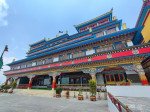
Dali Monastery
Some quick example text to build on the card title and make up the bulk of the card's content.
Go somewherein Other Cities