Bhagabatpur Crocodile Breeding Project
General information
-
Ideal Duration:
2 to 3 hours (Excluding the long boat/ferry travel time).Place Type:
Wildlife Conservation, Eco-Tourism, Education CentEntry Fees:
A mandatory entry fee is charged to fund the maintenance and conservation efforts.
Entry and Conservation Fee: There is a mandatory Entry Fee charged by the Forest Department to access the center and its observation areas. This fee is typically higher than a stand...A mandatory entry fee is charged to fund the maintenance and conservation efforts.
Entry and Conservation Fee: There is a mandatory Entry Fee charged by the Forest Department to access the center and its observation areas. This fee is typically higher than a standard park fee (ranging from INR 50 to INR 150 per person) as it is specifically allocated toward the costs of feeding the crocodiles, maintaining the secure enclosures, and funding the overall conservation program. The fee is usually collected at the center's main entrance.
Boat Charter and Transit Fee: The primary cost associated with the visit is the charter fee for the mandatory boat trip from Namkhana to the Bhagabatpur area, as there is no road access. This fee is negotiable and depends on the duration and size of the group, usually ranging from INR 1500 to INR 3000 for a round trip. This transit cost must be factored into the total entry cost, as it is non-optional.Timing:
Timings are strict and governed by the daylight hours and the needs of the animals.
Regular Timings - Daylight Operation: The Bhagabatpur Crocodile Breeding Project is typically open to visitors only during daylight hours, generally from 8:00 AM to 4:30 PM. Visito...Timings are strict and governed by the daylight hours and the needs of the animals.
Regular Timings - Daylight Operation: The Bhagabatpur Crocodile Breeding Project is typically open to visitors only during daylight hours, generally from 8:00 AM to 4:30 PM. Visitors are not allowed inside the facility outside of these hours. The viewing areas may have specific closing times earlier than the general facility to allow staff to complete their tasks and feed the animals undisturbed.
Ideal Visit Time - Viewing and Transit: The Ideal Visit Time is the Late Morning (9:00 AM to 11:00 AM). During this period, the sun is high enough for the crocodiles to be actively basking and easily visible on the mud banks, maximizing the chances of observation. Furthermore, this timing allows the boat trip to proceed and return comfortably during the main window of daylight. Avoid the early morning when the crocodiles are often hidden in the water.Special Events:
The major special event is dictated by the crocodile's reproductive cycle.
The Annual Hatching and Release Program: The most significant 'special event' at the project is the Annual Hatching and Release Program, which typically occurs between May and July. During ...The major special event is dictated by the crocodile's reproductive cycle.
The Annual Hatching and Release Program: The most significant 'special event' at the project is the Annual Hatching and Release Program, which typically occurs between May and July. During this period, the eggs collected from the wild hatch under controlled conditions, and the center is filled with new hatchlings. Later, the center organizes the symbolic release of juvenile crocodiles back into the delta's protected creeks. While tourist access to the actual release is highly restricted, the presence of new hatchlings is a visual marker of the program's success.
Monsoon Flood Preparedness and Security: Throughout the Monsoon Season (July to September), the center intensifies its security and preparedness for potential tidal surges and floods, which pose a major risk to the enclosures. This is a critical operational period where the focus shifts entirely to protecting the animals and infrastructure from the powerful forces of the delta waters. This event is a reminder of the constant challenge of maintaining conservation efforts in a highly dynamic, flood-prone environment.Best Photo Spots:
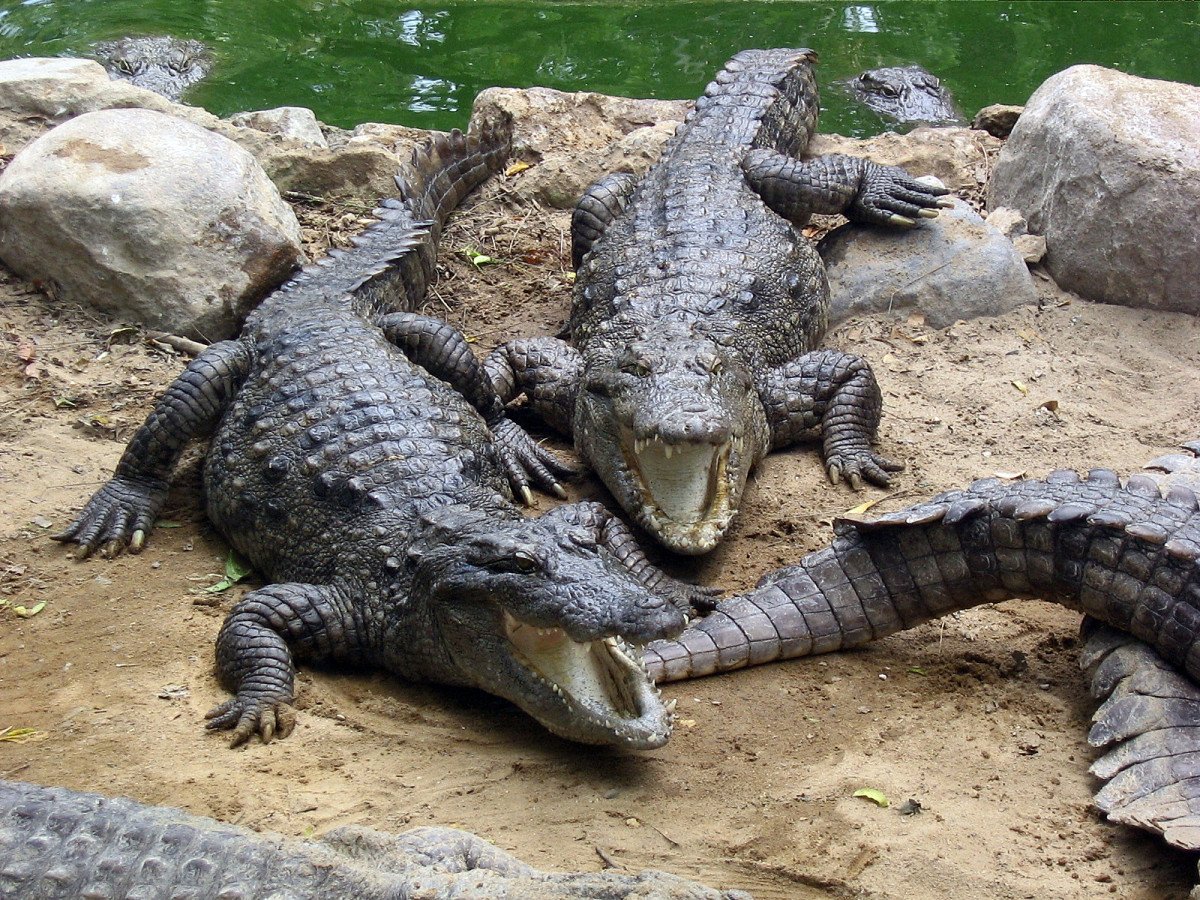
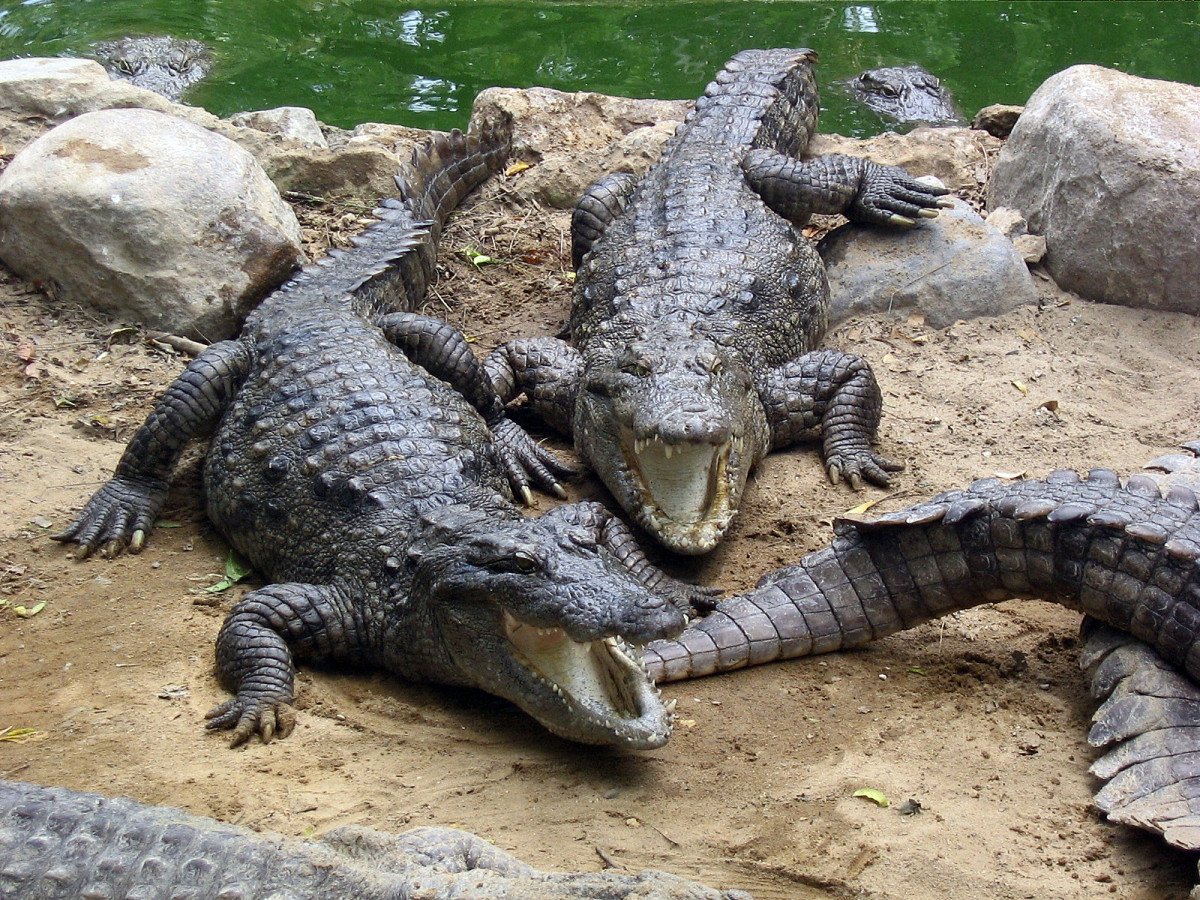
The Adult Crocodiles Basking: Focus on the largest enclosures and wait for an adult crocodile to bask on the mud bank. Use the secure mesh fencing as a guide (or shoot through the gaps) and zoom in to fill the frame with the reptile's powerful form, capturing the textured s...The Adult Crocodiles Basking: Focus on the largest enclosures and wait for an adult crocodile to bask on the mud bank. Use the secure mesh fencing as a guide (or shoot through the gaps) and zoom in to fill the frame with the reptile's powerful form, capturing the textured skin and the sheer size of the adult animal. Best done in midday sun when they are most likely to be basking.
The Rows of Hatchling Enclosures: Capture the visual of the rows of smaller, separate enclosures, often containing dozens of tiny hatchlings. This shot emphasizes the scale of the breeding project and the future of the species. Use the fencing to add a sense of security and structure to the frame, contrasting the vulnerability of the young with the need for protection.
The Mangrove Creek in Transit: During the boat ride, find a moment to capture the dense, dark green, seemingly impenetrable wall of the Mangrove forest lining the tidal creek. This photograph, often featuring the reflection of the trees in the calm water, symbolizes the mysterious, wild habitat that the crocodiles are born to inhabit.Photo Gallery
Things To Do
-
Activities are educational and observational, focused on learning about the protected species.
Observe Crocodiles in Their Dedicated Enclosures: Walk along the secure observation pathways to view the different sizes and ages of the Saltwater Crocodiles. Start by observing the smallest hatchlings and progressively move to the massive, powerful adults. Spend time reading the provided informational plaques or listening to a guide to understand the feeding habits, life cycle, and conservation status of the species. Use this as an opportunity to appreciate the sheer size and texture of these powerful reptiles.
Visit the Interpretation and Education Center: Spend time inside the small Interpretation Center to learn about the breeding project's history, the threats facing the Estuarine Crocodile population (like habitat lo...Activities are educational and observational, focused on learning about the protected species.
Observe Crocodiles in Their Dedicated Enclosures: Walk along the secure observation pathways to view the different sizes and ages of the Saltwater Crocodiles. Start by observing the smallest hatchlings and progressively move to the massive, powerful adults. Spend time reading the provided informational plaques or listening to a guide to understand the feeding habits, life cycle, and conservation status of the species. Use this as an opportunity to appreciate the sheer size and texture of these powerful reptiles.
Visit the Interpretation and Education Center: Spend time inside the small Interpretation Center to learn about the breeding project's history, the threats facing the Estuarine Crocodile population (like habitat loss and poaching), and the project's success rate in releasing crocodiles back into the wild. This educational activity provides essential context for the visual experience and highlights the importance of wildlife conservation in the Sundarbans area.
Take the Boat Trip Along the Saptamukhi Creek: The transit to the center is a key activity. Enjoy the quiet, scenic boat ride through the narrow, meandering tidal creeks lined with dense Mangrove trees. Keep an eye out for other wildlife that the boat trip offers a chance to see, such as various species of Kingfishers, Herons, and possibly Monitor Lizards on the banks. The journey is an authentic introduction to the Sundarbans environment.
Engage in Wildlife Photography (Behind Fences): Use a camera with a good optical zoom to capture the crocodiles safely from behind the secure fencing. Focus on the textures of their skin, the power of their jaws, and their unique adaptations to the brackish water. Be patient, as they often remain still for long periods. Also, capture the dense, ecological beauty of the surrounding Mangrove forest during the boat ride to the center.
Talk to the Forest Guards or Caretakers: If a guide or caretaker is available and willing, engage in a brief conversation to learn about the day-to-day challenges of maintaining the project, the feeding schedule of the crocodiles, and any interesting anecdotes they have about the animals or the local ecosystem. This interaction provides personal insight into the conservation work.
Hotels
● Banobibi Guest House
Address: Sundarbans, West Bengal
Distance: 42 km
Details: Banobibi Guest House is a budget accommodation. Introduction: A no-frills, clean, and friendly guest house. Facilities: Offers basic rooms with fan or...
● Hetalbon Eco Resort
Address: Sundarbans, West Bengal
Distance: 47 km
Details: Hetalbon Eco Resort is a premium nature resort. Introduction: An eco-friendly property that blends luxury with natural surroundings. Facilities: Featu...
● Hotel Deepak
Address: Kakdwip, West Bengal 743347
Distance: 25 km
Details: Hotel Deepak is a comfortable choice near the project area. Introduction: A well-facilitated hotel offering great hospitality. Facilities: Features in...
● Icon Heritage Bakkhali
Address: Bakkhali, West Bengal 743357
Distance: 28 km
Details: Icon Heritage provides a luxurious stay within driving distance of the project. Introduction: Known for its excellent service and amenities. Facilitie...
● Royal Bangal Resort
Address: Sundarbans, West Bengal
Distance: 43 km
Details: Royal Bangal Resort is a mid-range hotel. Introduction: It offers a comfortable base for wildlife enthusiasts. Facilities: The resort includes clean, ...
● Sajnekhali Tourist Lodge
Address: Sajnekhali, Sundarbans
Distance: 40 km
Details: Sajnekhali Tourist Lodge is an iconic eco-friendly stay. Introduction: Run by WBTDC, it is perfect for nature lovers visiting the mangroves. Facilitie...
● SDD ROYAL BENGAL RESORT
Address: Sundarban, West Bengal
Distance: 48 km
Details: SDD Royal Bengal Resort is a mid-range retreat. Introduction: A comfortable resort designed for nature tourists. Facilities: Features pleasant rooms, ...
● ST Apple Beach Resort
Address: Mandarmani, West Bengal
Distance: 50 km
Details: ST Apple Beach Resort is a scenic coastal property. Introduction: Offers a relaxing stay away from the city. Facilities: The resort provides high-end ...
● Sundarban Delta Resort
Address: Sundarbans, West Bengal
Distance: 55 km
Details: Sundarban Delta Resort is a comfortable stay in the delta. Introduction: Known for its great location and helpful staff. Facilities: Provides clean ro...
● Swabhumi Guest House
Address: Sundarban, West Bengal
Distance: 45 km
Details: Swabhumi Guest House is a cozy, budget-friendly accommodation. Introduction: A modest but welcoming place in the Sundarbans region. Facilities: Offers...
Show AllRestaurants
● Authentic Bengal Table
Address: Bhagabatpur Road
Distance: 4.2 KM
Details: Authentic Bengal Table focuses on heritage recipes. The slow-cooked meat dishes are legendary here. A Must Try is the Mutton Kasha, a rich, dry-style ...
Food List: Mutton Kasha', 'Rice', 'Roti', 'Dal', 'Salad'...
● Delta Food Plaza
Address: Bhagabatpur Access Road
Distance: 4.5 KM
Details: Delta Food Plaza is a popular stop for large groups visiting the crocodile project. They offer a buffet-style experience. The Must Try is the Mixed Ve...
Food List: Veg Curry', 'Rice', 'Dal', 'Paneer', 'Roti'...
● Forest Edge Cafe
Address: Bhagabatpur Entrance Road
Distance: 2.0 KM
Details: Forest Edge Cafe is a small, welcoming establishment focused on snacks and beverages for tourists. Their Must Try is the Jhalmuri, a spicy, crunchy st...
Food List: Jhalmuri', 'Tea', 'Coffee', 'Biscuits', 'Chips'...
● Green Haven Restaurant
Address: Near Bhagabatpur
Distance: 5.5 KM
Details: Green Haven Restaurant provides a peaceful environment for tourists. Their food is prepared with minimal oil. The Must Try is the Shukto, a classic bi...
Food List: Shukto', 'Rice', 'Dal', 'Begun Bhaja', 'Chutney'...
● Island View Diner
Address: Bhagabatpur Ferry Area
Distance: 2.5 KM
Details: Island View Diner is loved for its view and simple snacks. It is great for a quick breakfast. A Must Try is the Luchi-Alur Dom, a classic breakfast di...
Food List: Luchi', 'Alur Dom', 'Tea', 'Sweets', 'Snacks'...
Show AllInformation
-
Why Famous:
The center is famous for its critical role in conservation and for providing safe access to viewing the massive Saltwater Crocodiles.
Conservation of the Saltwater Crocodile: The center is regionally famous as a successful government-led project dedicated to revers...The center is famous for its critical role in conservation and for providing safe access to viewing the massive Saltwater Crocodiles.
Conservation of the Saltwater Crocodile: The center is regionally famous as a successful government-led project dedicated to reversing the decline of the Saltwater Crocodile, one of the largest and most dangerous reptiles in the world. It provides a sanctuary where the species can reproduce successfully, ensuring a steady supply of young crocodiles for eventual release into the natural Sundarbans habitat. This active conservation role is its primary source of fame and relevance to wildlife enthusiasts.
Safe and Guaranteed Crocodile Viewing: Unlike the core Sundarbans area, where crocodile sightings are rare and difficult, Bhagabatpur offers a safe, controlled, and almost guaranteed viewing opportunity. Tourists are drawn here because they can observe the crocs at close range, from hatchlings to powerful adults, behind secure fences. This certainty of sighting makes it a popular educational and wildlife destination, particularly for families and school groups.
Introduction to the Deep Mangrove Environment: The journey to the center, which involves traversing the final stretches of the Saptamukhi River by boat, exposes visitors to the dense, interior Mangrove environment that characterizes the delta. The location itself provides an authentic, sensory introduction to the sights, sounds, and smells of the Sunderbans periphery, offering a more rustic experience than the main tourist zones. -
Architecture:
The architecture is functional, secure, and designed to facilitate both controlled breeding and safe public observation.
The Concrete Enclosures and Ponds: The core architectural components are the numerous, specialized concrete enclosures and semi-natural mud pond...The architecture is functional, secure, and designed to facilitate both controlled breeding and safe public observation.
The Concrete Enclosures and Ponds: The core architectural components are the numerous, specialized concrete enclosures and semi-natural mud ponds. These enclosures, typically measuring 15 20 feet for smaller crocodiles and significantly larger for adults, are built with high, robust, reinforced concrete walls topped by secure metal mesh fencing (often 8 to 10 feet high) for the safety of both the animals and the visitors. These pens are designed to mimic the crocodiles' natural habitat, including shallow water areas and dry earthen basking banks.
The Hatchery Building and Observation Paths: The center features a dedicated, low-lying Hatchery Building, a brick structure housing the incubators and research facilities. For visitors, long, elevated, and securely fenced observation pathways or walkways (usually 4 to 6 feet wide) run along the perimeter of the breeding pens, allowing safe viewing of the crocodiles. The main entrance area typically includes a simple, informative Interpretation Center a small single-story building that uses posters and displays to educate visitors about crocodile biology and conservation efforts. -
How To Reach:
The center requires a unique and highly coordinated multi-modal journey, crossing the river and entering the protected delta area.
By Air: The journey starts at Netaji Subhas Chandra Bose International Airport (CCU) in Kolkata. Take a train or taxi to Namkhana Rai...The center requires a unique and highly coordinated multi-modal journey, crossing the river and entering the protected delta area.
By Air: The journey starts at Netaji Subhas Chandra Bose International Airport (CCU) in Kolkata. Take a train or taxi to Namkhana Railway Station (NMKA). This center is located before the Hatania-Doania ferry crossing if traveling from Kolkata to Namkhana. From Namkhana, you must hire a chartered boat to travel down the Saptamukhi River into the delta area to reach the remote project site.
By Train: Take the local train from Sealdah South Section to Namkhana Railway Station (NMKA). From the station, take a Toto or cycle-rickshaw to the Saptamukhi River Boat Ghat near Namkhana. From this ghat, you must charter a dedicated local boat for the 5 KM trip into the protected area where the project is located. This is the last and most critical leg of the journey.
By Road: Drive from Kolkata (100 KMS) to Namkhana. Park your vehicle securely near the Saptamukhi River Boat Ghat. The journey cannot be completed by car. You must then secure a chartered boat at the ghat. Since the project is in a protected area, the boatman must have the necessary local permits and knowledge to navigate the tidal creeks to the center's landing point. The boat ride takes approximately 45 minutes to 1 hour one way.
By Local Transport (Boat Charter): The most practical and only way to complete the final leg is by reserved boat charter from the Namkhana Boat Ghat. Unlike the Bakkhali side, this area is less commercialized, and pre-arranging the boat, often through a local contact, is highly advised. The boat cost is substantial and non-negotiable for a single traveler, making it better for groups. -
Weather and Best Time to Visit:
The ideal time is dictated by the comfort level and the high probability of seeing the crocodiles basking.
Different Types of Seasons Topic Heading: The Best Time to Visit is the Winter Season (October to March). The moderate, cool temperatures are ideal for the j...The ideal time is dictated by the comfort level and the high probability of seeing the crocodiles basking.
Different Types of Seasons Topic Heading: The Best Time to Visit is the Winter Season (October to March). The moderate, cool temperatures are ideal for the journey and, crucially, encourage the Cold-Blooded Crocodiles to leave the water and bask in the sun for warmth, maximizing the viewing opportunities. Visiting during the Summer can lead to sightings of the crocodiles largely submerged in the cool water, and the high humidity makes the boat ride very uncomfortable. The Monsoon carries a risk of flood-related closures and unsafe boat travel.
Different Parts of the Day Topic Heading: The best time of the day is the Mid-Morning (10:00 AM to 12:00 PM). The sun's heat during this period is sufficient to draw the crocodiles out of the water onto the banks for sunning, offering the clearest and most active sightings. Visitors should plan to reach the center by 9:30 AM to maximize their viewing time during this optimal basking window. -
Near Tourist Places:
Serial No. Primary Spot Nearby Tourist Place (10) Distance (KMS) 6 Bhagabatpur Crocodile Project Namkhana (Town) 10 KMS (Boat + Road) Bakkhali Beach 40 KMS (Boat + Ferry + Road) Sagar Island (Ganga Sagar) 15 KMS (Boat) Saptamukhi River Mouth 5 KMS (Boat) Bishhalakshmi Temple (Bakkhali) 40 KMS (Boat + Ferry + Road) Fraserganj Fishing Harbour 45 KMS (Boat + Ferry + Road) Lot-8 Transit Point 12 KMS (Boat) Henry's Island 47 KMS (Boat + Ferry + Road) Chemaguri (Sagar Island) 18 KMS (Boat) Kakdwip (Nearest Town) 25 KMS (Road)
Tourism Tips
-
Health & Safety Boat Safety: Never stand or lean too far over the edge of the boat, and ensure it is not overloaded.
Wildlife Safety: Maintain a respectful distance from the crocodile enclosures and never attempt to feed or throw objects at ...Health & Safety Boat Safety: Never stand or lean too far over the edge of the boat, and ensure it is not overloaded.
Wildlife Safety: Maintain a respectful distance from the crocodile enclosures and never attempt to feed or throw objects at the animals.
Insect Repellent: Given the proximity to the Mangrove forest and marshy land, liberal application of high-quality insect repellent is necessary. Packing Bring a good pair of binoculars to observe the crocodiles and the surrounding birdlife from a distance. Wear clothes that are quick-drying and suitable for a boat trip. Carry a sufficient supply of drinking water and snacks, as facilities near the site are extremely limited and basic. A hat is mandatory for sun protection during the long boat ride. Accommodation There is no accommodation at the center itself. Tourists must stay in the lodges and guesthouses in Bakkhali or Namkhana. A visit to Bhagabatpur is a dedicated full-day excursion from Bakkhali or a convenient stop if traveling through Namkhana to other parts of the Sundarbans.
Other Different Topics Heading:
Permit Check: The boatman and/or guide must possess the necessary forest permits to enter the protected area near the center. Confirm this before embarking.
Cash Only: All transactions for boat charters and entry fees will require cash only; there are no electronic payment facilities in this remote area.
Eco-Tourism Focus: The purpose of the trip is conservation education; engage with the informational displays and respect the rules of a protected wildlife project.
Reviews
FAQs
Ans:- The Bhagabatpur Crocodile Breeding Project is a unique wildlife conservation center located in the Sundarbans mangrove forest, dedicated to the protection and breeding of saltwater crocodiles. It is one of the very few such projects in India and serves as a vital facility for scientific research and conservation efforts. Visitors can observe crocodiles of various ages, from hatchlings to large adults, in their naturalized enclosures. The project aims to restore the crocodile population in the wild while educating the public about the importance of these magnificent reptiles within the delicate Sundarbans ecosystem.Ans:- The most popular and exciting way to reach the Bhagabatpur Crocodile Breeding Project is by hiring a private boat from the Namkhana ghat or from the Bakkhali area. The journey through the winding creeks of the Sundarbans is an experience in itself, offering glimpses of the lush mangrove vegetation and, if you are lucky, other wildlife. It is advisable to arrange your boat trip through recognized tour operators or your hotel to ensure a safe and reliable journey. Ensure you start your journey early in the morning to maximize your time at the project site.Ans:- The Bhagabatpur Crocodile Breeding Project specifically focuses on the breeding and conservation of the saltwater crocodile (Crocodylus porosus). These are the largest living reptiles in the world and are native to the Sundarbans estuarine environment. The center provides a protected environment where these crocodiles can mate, nest, and hatch their eggs safely away from predators and human interference. The project plays a crucial role in maintaining the population of this species, which faces threats from habitat loss and human-wildlife conflict in the wild, ensuring the survival of these iconic creatures for future generations.Ans:- Yes, there is a nominal entry fee for visiting the Bhagabatpur Crocodile Breeding Project. This fee is used to support the maintenance of the facility and the ongoing conservation efforts. The exact amount may vary slightly depending on whether you are a domestic or international tourist. It is always a good idea to check the current rates with local tourist guides or at your hotel reception before starting your journey. Be prepared to pay in cash as digital payment options might not be reliably available in this remote forest area, and always keep your ticket safe.Ans:- The Bhagabatpur Crocodile Breeding Project is typically open to the public during daylight hours, usually from morning until late afternoon. It is essential to visit during these times not only for the best visibility but also to ensure you can return before sunset, as navigating the waterways of the Sundarbans after dark can be dangerous and is often prohibited for tourist boats. Always plan to arrive well before the closing time to have sufficient time to explore the enclosures, learn from the exhibits, and enjoy the scenic natural surroundings without feeling rushed.Ans:- No, visitors are not allowed to interact with the crocodiles. The project is a serious conservation facility, and the animals are kept in secure, protected enclosures to ensure both their safety and the safety of the visitors. The crocodiles are wild animals and can be extremely dangerous. Visitors are restricted to designated viewing areas where they can observe the animals safely from a distance. Respecting these boundaries is crucial for the safety of all and is a fundamental rule of wildlife tourism that must be followed during your visit to the breeding center.Ans:- While the main focus of the Bhagabatpur center is the saltwater crocodile, the site is situated within the heart of the Sundarbans, meaning visitors can often spot a variety of other wildlife. You might see different species of birds, monitor lizards, and sometimes even deer or monkeys in the surrounding mangrove area. The journey to the project by boat also offers excellent opportunities for birdwatching and spotting other coastal fauna. The rich biodiversity of the Sundarbans makes even the journey to the crocodile project a rewarding wildlife-spotting excursion for nature enthusiasts and photographers.Ans:- Yes, it is perfectly safe to visit the Bhagabatpur Crocodile Breeding Project as long as you follow the instructions provided by the staff and your boat operator. The viewing areas are fenced and designed to keep visitors at a safe distance from the crocodiles. When traveling by boat, ensure you are using a licensed operator and wear your life jacket at all times. Do not wander off into the dense forest areas alone; always stay with your guide or within the designated tourist zones to avoid any unexpected encounters with the local wildlife.Ans:- The facilities at the Bhagabatpur Crocodile Breeding Project are quite basic. While there might be rudimentary restroom facilities, it is advisable not to expect modern amenities. It is a good idea to carry your own hand sanitizer and tissue paper. Since the area is remote and ecologically sensitive, amenities are limited. Plan accordingly and try to manage your needs before embarking on the boat journey, or check with your tour operator about the best stops along the way. Bringing your own supply of drinking water and necessary personal items is always recommended for such trips.Ans:- For a trip to the Bhagabatpur Crocodile Breeding Project, it is best to wear light, comfortable clothing, preferably in neutral colors that blend well with nature, such as olive, beige, or brown. Avoid bright, flashy colors that might disturb the wildlife. Sturdy, closed-toe walking shoes are highly recommended as you may need to walk on forest trails or muddy paths. A hat or cap is essential for sun protection, and keeping a light jacket or rain gear can be helpful depending on the season and the unpredictable weather conditions of the Sundarbans.Ans:- Yes, photography is allowed inside the Bhagabatpur Crocodile Breeding Project, and it is a wonderful place to take pictures of the crocodiles and the beautiful surrounding mangroves. However, please ensure you do not use camera flashes, as this can startle or stress the animals. Be mindful of the safety barriers and do not attempt to get closer for a better shot. It is a fantastic opportunity to document these rare creatures and the conservation efforts, so bring your camera or phone, but always prioritize the well-being of the animals over getting the perfect photograph.Ans:- A typical visit to the Bhagabatpur Crocodile Breeding Project usually takes about 1 to 2 hours once you arrive at the location. This is sufficient time to walk through the viewing areas, observe the crocodiles, and learn about the breeding project from the informative exhibits. However, you must factor in the travel time to and from the site, which depends on your boat speed and the tides. A full-day excursion is generally planned, incorporating the boat journey, the visit to the project, and time to enjoy the scenic beauty of the Sundarbans.Ans:- While there may not always be formal, professional guides standing by at the entrance, many tourists arrange for a local guide to accompany them from their hotel or the boat ghat. These local guides are often very knowledgeable about the Sundarbans, the crocodile project, and the local flora and fauna. Having a guide is highly recommended, as they can explain the significance of the project, help you spot wildlife you might otherwise miss, and ensure you follow safety rules while navigating the area. Coordinate with your boat operator or hotel for guide arrangements.Ans:- There are no restaurants or food stalls inside the Bhagabatpur Crocodile Breeding Project, and options are extremely limited in the immediate vicinity. It is essential that you carry your own food and sufficient drinking water for the entire trip. Pack light, non-perishable snacks like sandwiches, fruits, or dry food that you can easily consume during your visit. Make sure to carry a bag to collect all your trash, as maintaining the cleanliness of this fragile forest ecosystem is everyone's responsibility. Leave the area exactly as you found it, pristine and litter-free.Ans:- In case of an emergency during your visit to the Bhagabatpur Crocodile Breeding Project, the most important thing is to alert your boat operator or your local guide immediately, as they are equipped to handle local challenges and have communication channels. It is essential to have a fully charged mobile phone and to keep the contact details of your hotel or tour operator handy. Since this is a remote forest area, professional medical help may not be immediately available, so prioritize your safety, follow instructions, and avoid taking unnecessary risks during your excursion in the wild.Bakkhali Itineray And Cost:-
Bhagabatpur Crocodile Breeding Project Tourism:-
Information about New and Updated Locations() of West Bengal Has Been Added :-
Card subtitle
Note:-
Information provided here in good Faith and for reference only.
Near Places

Bakkhali Beach
Some quick example text to build on the card title and make up the bulk of the card's content.
Go somewhere
Bhagabatpur Crocodile Breeding Project
Some quick example text to build on the card title and make up the bulk of the card's content.
Go somewhere
Bishhalakshmi Temple
Some quick example text to build on the card title and make up the bulk of the card's content.
Go somewhere
Fraserganj Fishing Harbour
Some quick example text to build on the card title and make up the bulk of the card's content.
Go somewhere
Fraserganj Wind Park
Some quick example text to build on the card title and make up the bulk of the card's content.
Go somewhere
Henry's Island
Some quick example text to build on the card title and make up the bulk of the card's content.
Go somewhere
Jambu Dwip
Some quick example text to build on the card title and make up the bulk of the card's content.
Go somewhere
Kalisthan
Some quick example text to build on the card title and make up the bulk of the card's content.
Go somewhere
Kargil Beach
Some quick example text to build on the card title and make up the bulk of the card's content.
Go somewherein Other Cities